Fundamental Organizational Structures & HR Roles
In Malaysia’s rapidly evolving IT sector, the foundational organizational structure of a company profoundly shapes the scope and scale of its Human Resources (HR) functions. Understanding the Differences between the SMEs’ HR Structure and the Corporates’ HR Structure in IT field in malaysia is crucial for effective talent management and organizational development. This section explores how company size, from nimble Small and Medium-sized Enterprises (SMEs) to sprawling large corporations, dictates the mandate, complexity, and strategic involvement of HR departments, thereby defining distinct HR roles across the spectrum.
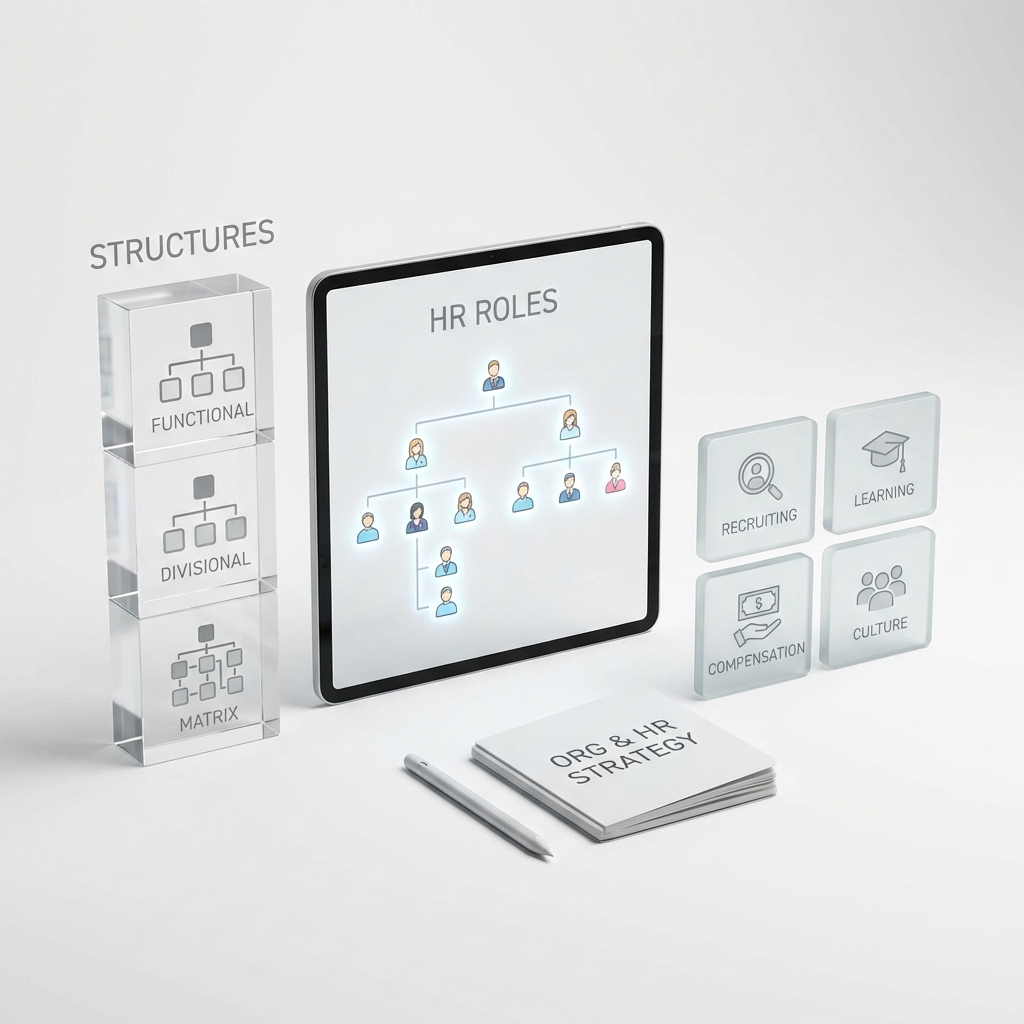
1. Defining HR Roles in Malaysian IT SMEs
In Malaysian IT SMEs, HR roles are typically characterized by a generalist approach, where a single individual or a small team manages a broad spectrum of responsibilities. These professionals are often jacks-of-all-trades, juggling everything from recruitment and onboarding for critical tech roles to payroll administration, basic employee relations, and ensuring compliance with local labor laws. The focus is primarily operational, driven by immediate business needs and often shaped by the founders’ vision. Resource constraints mean that investment in sophisticated HR technology or specialized training might be limited, leading to a more hands-on, ‘fire-fighting’ approach. For IT SMEs, attracting and retaining skilled tech talent amidst fierce competition is a perpetual challenge, making effective, albeit lean, HR crucial. The HR professional here acts as a crucial link between management and employees, fostering a close-knit company culture and directly impacting employee morale and productivity.
2. Complexity of Corporate HR Departments in IT Malaysia
Conversely, large IT corporations in Malaysia boast HR departments that are far more complex, specialized, and strategically integrated into the overall business framework. Instead of generalists, these departments feature dedicated teams focusing on specific HR functions: talent acquisition, compensation and benefits, learning and development, HR information systems (HRIS), employee relations, and HR business partners who align HR strategies with specific business units. The sheer volume of employees, often across multiple locations or even international borders, necessitates robust policies, advanced HR technology, and highly specialized expertise. Strategic workforce planning, succession planning for leadership roles, and intricate performance management systems are standard. Corporate HR is deeply involved in shaping organizational culture, driving digital transformation within HR itself, and navigating complex compliance requirements. The strategic imperative of HR in these larger entities is to foster a high-performance culture, manage vast talent pools, and leverage data analytics for informed decision-making, as highlighted by broader trends in global human capital trends. These departments play a pivotal role in ensuring the corporate entity remains agile and competitive in a dynamic global IT landscape.
3. Impact of Company Size on HR Function Scope
The impact of company size on HR function scope is profound, creating distinct paradigms for HR professionals. In SMEs, the HR function is often reactive and tactical, with a heavy emphasis on administrative tasks and immediate support for a smaller, often younger workforce. HR in an SME is about nurturing individual talent and maintaining operational fluidity. As companies grow into large corporations, the HR function transforms into a proactive, strategic powerhouse. It moves beyond mere administration to focus on long-term human capital development, organizational design, risk management, and fostering a globally competitive workforce. The scope expands to include sophisticated analytics, talent pipelining, and ensuring a diverse and inclusive work environment. In Malaysia’s IT sector specifically, both SMEs and corporates face unique challenges—SMEs struggle with limited resources but offer agility, while corporates manage complexity but possess greater strategic depth. Ultimately, the organizational structure dictates whether HR operates as a supportive administrative function or as a critical strategic partner driving business success and innovation.
Understanding these fundamental differences is not just an academic exercise; it’s essential for HR professionals looking to thrive in Malaysia’s IT industry, whether they are building a lean HR framework for a startup or optimizing a multifaceted human capital strategy for a multinational corporation. The ability to adapt HR practices to the specific needs and scale of an organization is paramount for fostering growth and ensuring long-term success in this competitive sector.
Talent Acquisition & Management Strategies
Malaysia’s dynamic IT sector is a crucible of innovation, where the quest for skilled tech talent is a paramount challenge. The methods employed to attract, hire, and retain these crucial professionals vary significantly between Small and Medium Enterprises (SMEs) and large corporations, reflecting distinct operational philosophies and resource capabilities. Understanding these differences between the SMEs’ HR structure and the Corporates’ HR structure in IT field in Malaysia is crucial for navigating the competitive IT landscape Malaysia and for talent themselves to make informed career choices. While both face recruitment challenges Malaysia, their approaches to building and sustaining an IT workforce are fundamentally divergent.
Corporates, with extensive resources and established brand recognition, often leverage their global presence and structured career pathways to draw in top-tier IT talent acquisition Malaysia. SMEs, conversely, must lean into their inherent agility, unique culture, and the promise of direct impact to compete. These distinct approaches underscore the need for tailored HR strategies Malaysia for SMEs and sophisticated corporate HR strategies Malaysia for larger entities, particularly when securing specialized IT professionals.
1. SME Agility vs. Corporate Brand in Talent Acquisition Differences Malaysia
In the fiercely contested arena for IT talent, SMEs and corporations adopt contrasting strategies. Large enterprises benefit from a powerful corporate brand, acting as a magnet for professionals seeking stability, prestige, and comprehensive benefits packages. Their large enterprise IT recruitment efforts are typically centralized, well-funded, and can involve global talent pools, offering attractive salaries, extensive health benefits, and robust pension plans. This structured employee value proposition allows them to cast a wide net through a highly formalized, multi-stage interview process.
SMEs, lacking the brand recognition and financial muscle of larger counterparts, capitalize on unique strengths. Their agility allows for quicker decision-making and a less bureaucratic hiring process, appealing to candidates frustrated by lengthy corporate procedures. The employee value proposition SME often revolves around a vibrant, close-knit culture, opportunities for significant individual contribution, rapid skill development across multiple domains, and direct access to leadership. SMEs frequently rely on strong referral networks, local job boards, and social media for IT talent acquisition Malaysia. The key differences between the SMEs’ HR structure and the Corporates’ HR structure in IT field in Malaysia lie in these initial outreach and attraction phases, with corporates playing the long game via established pipelines, and SMEs innovating with speed and personalized engagement.
2. Onboarding and Retention in IT SMEs Malaysia
Once talent is acquired, the focus shifts to onboarding and, critically, retention – an area where both deploy distinct methodologies to ensure IT talent retention Malaysia. For SMEs, onboarding is often a more personalized and hands-on experience. New hires integrate quickly into smaller teams, receiving direct mentorship and immediate exposure to projects. This immersive approach fosters a strong sense of ownership and belonging, crucial for IT talent retention Malaysia, as employees feel their contributions directly impact success. Retention strategies in SMEs often emphasize flexible work, continuous tailored learning, and a clear, albeit less formal, path for advancement.
In contrast, corporate onboarding processes are typically more structured and standardized, involving extensive orientation and mandatory training. While this ensures consistency, it can sometimes feel less personal. Corporate retention strategies for IT talent retention Malaysia often include highly competitive salaries, performance bonuses, stock options, and comprehensive career development programs, including international assignments. However, a recent report by Randstad Malaysia’s Workmonitor 2023 highlighted that while salary remains important, employees increasingly value work-life balance and career progression, aspects both must address. The differences between the SMEs’ HR structure and the Corporates’ HR structure in IT field in Malaysia become pronounced here, with SMEs leveraging culture and direct impact, and corporates relying on structured growth and robust benefits.
3. Strategic Workforce Planning in Corporate IT Malaysia
Strategic workforce planning Malaysia is another domain where disparity between SMEs and corporates is evident. Large corporations invest heavily in sophisticated, long-term workforce planning models to anticipate future skill requirements, identify talent gaps, and develop robust succession plans. This involves detailed analytics, trend forecasting, and scenario planning to ensure a sustainable supply of IT talent, aligning with long-term business objectives. Corporate HR strategies Malaysia typically include elaborate talent pipelines, university partnerships, and internal academies to cultivate specialized skills. This proactive approach ensures that for large enterprise IT recruitment, the organization is rarely caught off-guard by emerging technological shifts.
SMEs, while recognizing talent foresight, often engage in more agile and tactical workforce planning Malaysia. Their planning might be less formalized, often driven by immediate project needs or rapid growth, rather than multi-year forecasts. They might rely more on upskilling existing staff, engaging contract workers, or leveraging recruitment agencies for specific, short-term IT talent acquisition Malaysia. The focus is often on adaptability and quick response rather than extensive, predictive modeling. The fundamental differences between the SMEs’ HR structure and the Corporates’ HR structure in IT field in Malaysia in this area stem from their scale and resource availability, dictating their capacity for intricate planning versus dynamic adaptation.
In conclusion, both SMEs and large corporations in Malaysia’s IT sector strive to secure and retain the best talent, yet their methodologies are shaped by inherent structures. SMEs thrive on agility, culture, and direct impact, while corporates leverage brand strength, structured career progression, and comprehensive resources. Understanding these nuanced differences between the SMEs’ HR structure and the Corporates’ HR structure in IT field in Malaysia is vital for organizations to develop effective HR strategies and for IT professionals to choose environments where they can truly flourish.
Compensation, Benefits, & Performance Management
The vibrant Malaysian IT industry presents a fascinating dichotomy in its Human Resources approaches, particularly concerning compensation, benefits, and performance management. The differences between the SMEs’ HR structure and the Corporates’ HR structure in IT field in Malaysia are profound, shaping everything from talent attraction to employee retention and overall organizational culture. Understanding these distinctions is crucial for both job seekers navigating their career paths and businesses strategizing their talent management. This section delineates the varying compensation models, employee benefits, and performance appraisal systems unique to each structure, offering insights into how these elements contribute to the broader HR landscape within the Malaysian IT sector.
1. Competitive Compensation & Benefits IT Malaysia
In the highly competitive landscape of Malaysian IT compensation, both Small and Medium-sized Enterprises (SMEs) and large corporations vie for top talent. However, their strategies for attracting and retaining skilled professionals often diverge significantly. Corporates typically offer robust, highly structured compensation packages, encompassing not just competitive base salaries but also comprehensive health, dental, and life insurance, generous provident fund contributions, and often share options or performance-based bonuses. These established firms leverage their scale to provide extensive benefits, creating a perception of stability and long-term career growth. Insights from industry reports often highlight these competitive IT compensation in Malaysia trends, with larger entities frequently setting the benchmark for base pay and benefits.
Conversely, SMEs, while operating with leaner budgets, must innovate to compete. While they may not always match the salary scales of multinational corporations, they often compensate with other forms of value. This includes a greater emphasis on professional development opportunities, direct impact on projects, and a more agile approach to performance incentives. The focus shifts from sheer monetary value to a holistic employee experience. The strategic deployment of employee benefits IT sector wide is paramount, with each organizational size adapting its approach to suit its unique financial and cultural context.
2. Tailoring Benefits for SME IT Employees
For SMEs in the Malaysian IT sector, SME HR practices Malaysia are often characterized by agility and personalization. Recognizing that they cannot always compete dollar-for-dollar with corporate giants, these smaller entities excel at tailoring benefits to meet specific employee needs and fostering a strong sense of community. This often translates into offering flexible working arrangements, such as remote work options or compressed work weeks, which are highly valued in the modern IT landscape for improving work-life balance IT jobs.
Beyond flexibility, SMEs frequently invest in direct skill enhancement and career growth. This might include sponsoring certifications, providing access to specialized online courses, or mentorship programs that allow employees to directly learn from senior leaders. The sense of ownership and direct contribution to the company’s success is a powerful non-monetary benefit. These HR structure differences IT allow SMEs to cultivate a highly engaged workforce, attracting individuals who prioritize impact and learning over rigid corporate hierarchies. Furthermore, informal perks like team-building activities, catered lunches, or even unlimited leave policies (where feasible) can significantly enhance employee satisfaction and loyalty, making their overall talent attraction IT Malaysia strategies unique and effective.
3. Performance Review Frameworks: SME vs. Corporate
The approach to performance management also serves as a key differentiator between the two organizational structures. In corporate HR strategies IT, performance review frameworks are typically formal, structured, and often conducted on an annual or bi-annual basis. These systems often involve extensive Key Performance Indicators (KPIs), 360-degree feedback mechanisms, and are meticulously documented to support promotion decisions, salary increments, and talent development pathways. While comprehensive, such systems can sometimes be perceived as bureaucratic and slow, particularly in a fast-paced IT environment. They aim for fairness and consistency across a large workforce, focusing on standardization and objective measurement within performance management systems Malaysia.
SMEs, on the other hand, often adopt more agile and continuous performance management systems Malaysia. Feedback loops are typically shorter and more frequent, often informal, and embedded in daily interactions rather than reserved for a rigid annual review. This allows for immediate course correction, quicker recognition of achievements, and a more direct connection between individual effort and business outcomes. While less formal, these systems emphasize transparency and direct communication, fostering an environment of continuous professional development IT Malaysia. The focus shifts from rigid evaluation to ongoing coaching and growth. Understanding these nuances of HR structures is vital for navigating the diverse career landscapes within the Malaysian IT industry, enabling both employees and employers to align expectations and foster mutual growth.
HR Technology & Compliance Landscape
The modern HR landscape in Malaysia’s burgeoning IT sector is characterized by a dynamic interplay between technological advancement and stringent regulatory demands. This section examines the adoption of HR technology and adherence to labor laws, highlighting the profound resource disparities that exist between Small and Medium-sized Enterprises (SMEs) and larger Corporates. Understanding these nuances is crucial, especially when considering the significant Differences between the SMEs’ HR Structure and the Corporates’ HR Structure in IT field in Malaysia. SMEs, often operating with leaner teams and tighter budgets, face distinct HR challenges that large enterprises are typically better equipped to handle, from scaling technology to ensuring robust compliance.
1. HR Technology Adoption: SME vs. Corporate in Malaysian IT
The journey of digital HR transformation Malaysia presents a stark contrast between SMEs and corporates in the IT field. For SMEs, limited budgets and a lack of dedicated HR technology expertise often lead to reliance on manual processes or basic, disparate software solutions. While there’s a growing push for HR automation for SMEs, many still struggle with efficient management of payroll, attendance tracking, and leave requests without robust, integrated systems. The initial investment cost, perceived complexity, and scarcity of specialized HR tech personnel are significant barriers. They might opt for standalone modules, which often lack the comprehensive data integration necessary for strategic insights.
Conversely, large corporates in Malaysian IT leverage sophisticated HR software for large enterprises, encompassing full-suite Human Resource Information Systems (HRIS) or Human Capital Management (HCM) platforms. These cloud-based solutions often integrate AI and machine learning for enhanced recruitment processes, predictive analytics in performance management, and comprehensive employee lifecycle management. Corporates benefit from dedicated IT support for HR systems, ensuring seamless integration, scalability, and enhanced efficiency across their vast operations. Their ability to invest in cutting-edge technology allows for advanced reporting, better employee experience portals, and more strategic HR functions, widening the gap in technological prowess.
2. Navigating Employment Laws & Challenges for SME HR in IT Malaysia
Adherence to Malaysian labor law compliance is a critical, yet often daunting, task for HR professionals, particularly within SMEs in the IT sector. The dynamic nature of employment legislation, such as the recent amendments to the Employment Act 1955, demands constant vigilance and a deep understanding of legal intricacies related to wages, working hours, termination, and employee benefits like EPF and SOCSO. For SMEs, the absence of dedicated legal teams or robust compliance departments means HR personnel often bear the sole responsibility for interpreting and implementing these laws. This can lead to increased SME HR challenges Malaysia, including a higher risk of non-compliance due to oversight, lack of up-to-date knowledge, or resource constraints for expert consultation and training. Developing sound HR policy development in line with current employment regulations IT sector becomes a significant hurdle.
Corporates, on the other hand, typically possess well-staffed HR departments backed by legal counsel, enabling them to proactively navigate the complex regulatory landscape. They conduct regular internal audits, invest in continuous training for their HR teams, and engage with legal experts to ensure all practices are aligned with the latest legal requirements. This proactive approach minimizes legal risks and fosters a secure working environment, illustrating a key disparity in managing legal obligations.
3. Data Security & Privacy in Corporate HR IT Malaysia
In an era dominated by digital data, ensuring robust HR data security best practices is paramount, especially given the sensitive nature of employee information. While the title focuses on corporates, the contrast with SMEs is inherent in the varying capacities to implement such practices. Large corporates in Malaysian IT typically implement sophisticated data governance frameworks and adhere strictly to data privacy regulations like the Personal Data Protection Act (PDPA) 2010 in Malaysia. They invest heavily in cybersecurity infrastructure, including encryption, access controls, regular vulnerability assessments, and dedicated IT security teams. This ensures the protection of sensitive employee data, encompassing personal identifiers, payroll information, health records, and performance evaluations, from potential breaches or misuse. Compliance with data protection laws Malaysia is a core operational priority, often driven by both legal obligation and reputational risk management.
For SMEs, establishing and maintaining such comprehensive security protocols can be prohibitively expensive and complex. Their HR data security often relies on more basic measures, or even manual record-keeping, which can be vulnerable to physical or digital security threats. While awareness of PDPA compliance is growing, practical implementation often lags due to resource limitations, exposing them to greater risks of data breaches and potential legal repercussions. This disparity highlights not just a difference in technological adoption but also in the capacity to safeguard one of an organization’s most valuable assets: its people’s data.
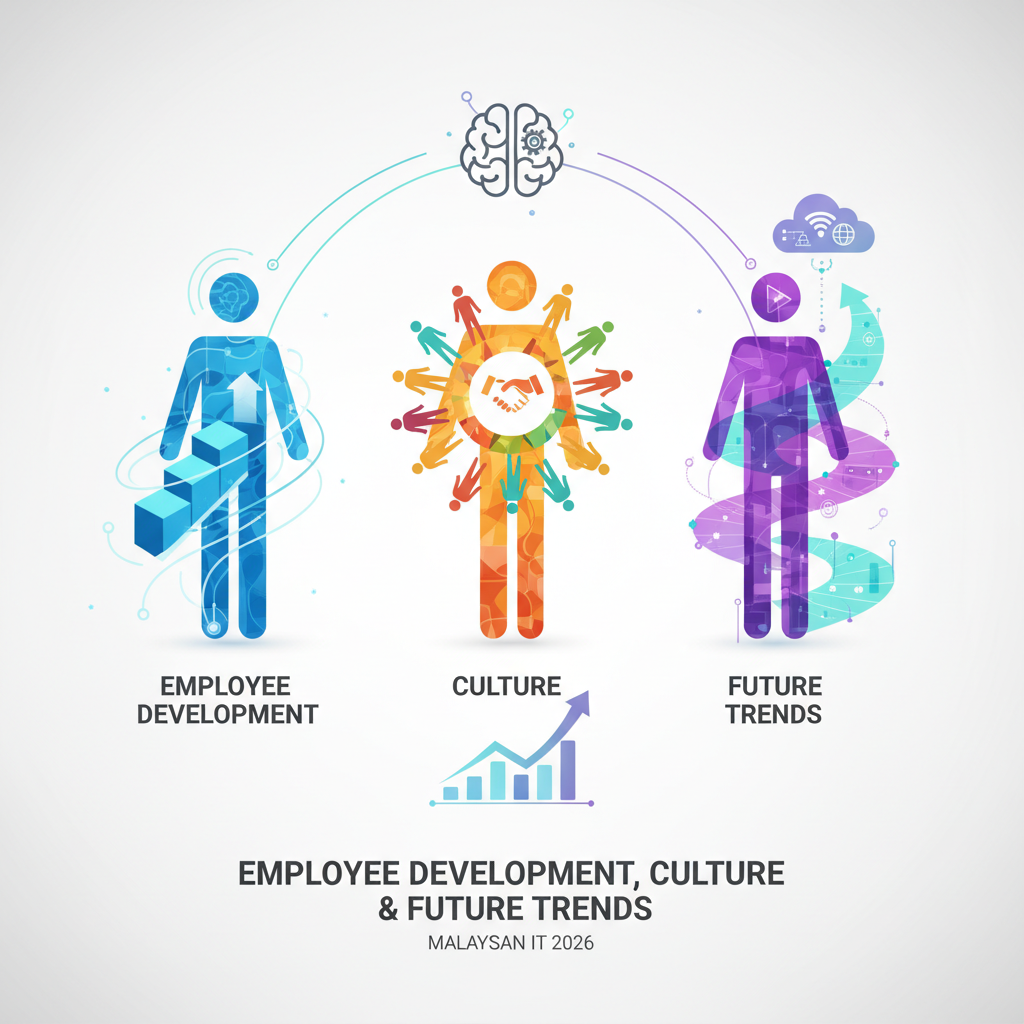
Employee Development, Culture, & Future Trends
The landscape of Human Resources in Malaysia’s vibrant IT sector presents a fascinating dichotomy when comparing Small and Medium-sized Enterprises (SMEs) and large Corporations. These differences profoundly impact employee growth, workplace culture, and the strategic approach to scaling HR operations, reflecting their unique environments and resources. Understanding these distinctions is crucial for businesses aiming to thrive in the competitive Malaysian IT talent market, especially concerning the core differences between the SMEs’ HR structure and the Corporates’ HR structure in IT field in Malaysia.
-
Learning & Employee Development in Malaysian IT
Employee development in Malaysian IT SMEs typically operates with agility and resourcefulness. Training often leans heavily on informal, on-the-job learning, peer coaching, and direct mentorship from founders or senior staff. Budget constraints mean SMEs often prioritize upskilling in immediate, business-critical areas, leveraging free online resources, webinars, or short, intensive workshops. While this approach fosters rapid skill acquisition and adaptability, it can sometimes lack structured career progression paths. For SMEs looking to enhance IT talent development in Malaysia, integrating scalable e-learning platforms and fostering a culture of continuous learning is vital.
In contrast, Corporates in the Malaysian IT sector boast comprehensive, well-funded Learning & Development (L&D) departments. They offer structured training programs, certifications, leadership development initiatives, and clear career ladders. These organizations often partner with external training providers and leverage advanced HR technology to track employee progress and identify skill gaps. Their focus extends beyond immediate job requirements to long-term career planning and succession management, attracting a broader pool of talent seeking robust growth opportunities. The challenge for Corporates lies in personalizing development paths within a large, standardized framework.
-
Fostering Company Culture: SME Intimacy vs. Corporate Scale
The company culture in Malaysian IT SMEs is often characterized by its intimacy and family-like atmosphere. Direct communication with leadership, a strong sense of collective ownership, and quick adaptation to cultural shifts are common. Employees often wear multiple hats, leading to a strong bond and shared purpose. This close-knit environment can be a significant draw, fostering high loyalty and a strong sense of belonging, which is crucial for addressing SME HR challenges in Malaysia related to talent retention. However, as SMEs grow, maintaining this intimacy can become a challenge, requiring conscious effort to preserve core values.
Corporates, on the other hand, navigate the complexities of fostering culture across multiple departments, diverse teams, and sometimes global locations. Their culture is often defined by formalized values, mission statements, and established policies. While they strive for a unified identity, departmental subcultures can emerge. Maintaining employee engagement and a consistent workplace culture in IT in Malaysia at scale requires strategic communication, robust internal branding, and consistent leadership. The focus shifts towards creating inclusive environments that cater to a diverse workforce while promoting organizational cohesion and adhering to established corporate HR strategies and future trends.
-
Scaling HR Operations for Growth in Malaysian IT
Scaling HR operations for growth is a critical juncture for Malaysian IT SMEs. Initially, HR functions might be managed ad-hoc by founders or administrative staff, focusing primarily on recruitment and basic payroll. As the company expands, these manual processes become unsustainable, leading to potential compliance risks and inefficiencies. The transition involves establishing dedicated HR roles, implementing basic HRIS (Human Resource Information System) solutions, and developing foundational policies. Effective HR technology adoption in Malaysia is crucial here to automate routine tasks and provide data-driven insights, mitigating common SME HR challenges in Malaysia.
Corporates possess mature HR departments with specialized teams covering areas like talent acquisition, compensation & benefits, employee relations, and HR analytics. Their operations are heavily reliant on advanced HRMS (Human Resource Management Systems) that integrate various HR functions, ensuring efficiency, compliance, and strategic workforce planning. Scaling for Corporates often involves optimizing existing systems, expanding global HR capabilities, and adapting to new regulatory landscapes. Their focus is on refining processes to enhance the employee experience in Malaysia at a large scale, ensuring smooth onboarding, performance management, and robust talent retention strategies, which are paramount given the rapid growth of the IT sector.
Partner with Shelby Global
You are looking for reliable HR Sevice Suppliers? Contact Shelby Global Now! To connect with verified talents and upgrade your orginization.
—————————————
References
– Deloitte Global Human Capital Trends Report: https://www2.deloitte.com/us/en/insights/topics/talent/global-human-capital-trends.html
– Randstad Malaysia’s Workmonitor 2023: https://www.randstad.com.my/hr-trends/randstad-workmonitor/2023/
– Hays Malaysia Salary Guide: https://www.hays.com.my/en/salary-guide
– Labour Laws – Ministry of Human Resources Malaysia: https://www.mohr.gov.my/index.php/en/labour-laws
– Future of Talent and Workforce Trends: https://www2.deloitte.com/us/en/insights/topics/talent/future-of-talent-workforce-trends.html