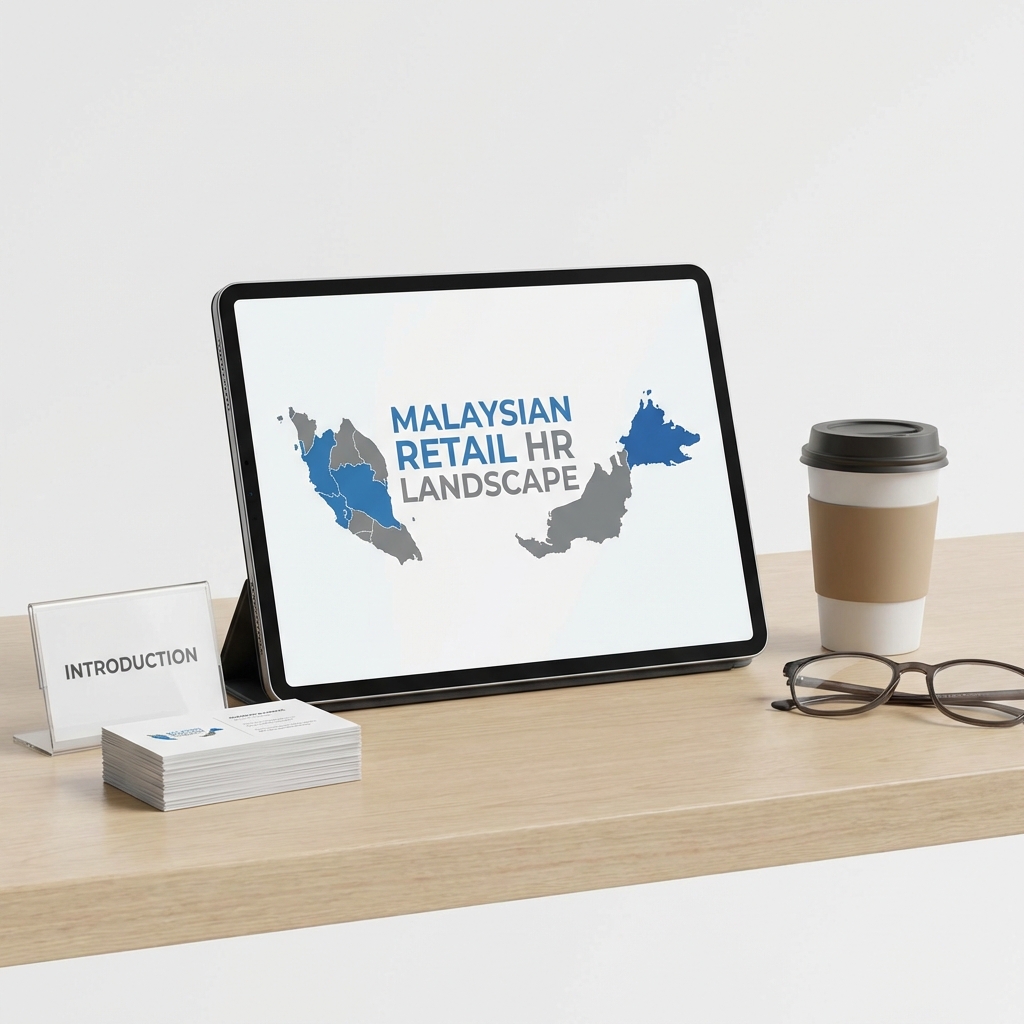
Introduction: Understanding the Malaysian Retail HR Landscape
The vibrant and dynamic retail sector in Malaysia is a cornerstone of the national economy, constantly evolving with consumer trends and technological advancements. Within this intricate ecosystem, human resources (HR) plays an indispensable role, acting as the backbone that supports growth, manages talent, and navigates the complexities of workforce management. This introductory section sets the stage by delineating the key players – Small and Medium-sized Enterprises (SMEs) and Corporates – within Malaysia’s retail sphere and underscores the critical importance of HR in their distinct journeys toward success and in overcoming their unique challenges. Understanding the nuances of their HR structures is paramount to appreciating the broader landscape of retail operations in the country.
1. Defining SMEs and Corporates in Malaysia’s Retail Sector
In Malaysia, the classification of businesses into SMEs and Corporates is primarily based on annual sales turnover and the number of full-time employees. These definitions are crucial as they influence policy support, access to financing, and ultimately, operational capabilities, including HR. According to official definitions, specifically those outlined by SME Corp. Malaysia, SMEs in the retail sector are typically enterprises with sales turnover not exceeding RM50 million or full-time employees not exceeding 200. These often include independent boutiques, local grocery stores, franchise outlets, or smaller chain stores that form the fabric of community commerce. They are characterised by agility, closer employee relationships, and often, more informal operational structures.
Conversely, Corporates encompass larger retail entities that exceed these thresholds, such as hypermarkets, major departmental store chains, international brands with extensive footprints, and large-scale e-commerce platforms. These are often public-listed companies or subsidiaries of multinational corporations, distinguished by their substantial financial capital, extensive workforce, and complex operational hierarchies. The sheer scale and market influence of corporates necessitate a more structured and sophisticated approach to all business functions, particularly HR, which must cater to a diverse and often geographically dispersed employee base.
2. The Evolving Role of HR in Malaysian Retail
The role of HR in Malaysian retail has evolved dramatically from purely administrative tasks to a strategic partnership function. Historically, HR was largely confined to payroll, recruitment, and compliance. Today, particularly in the competitive retail environment, HR is a crucial driver of business strategy, directly impacting customer experience, employee retention, and overall profitability. For both SMEs and Corporates, HR is now responsible for talent acquisition and development, performance management, employee engagement, compensation and benefits, and fostering a positive workplace culture. In SMEs, HR practitioners often wear multiple hats, needing to be versatile across all HR domains, sometimes even handling operations tasks. Their focus is often on talent retention given limited resources and high competition.
For Corporates, HR departments are typically specialised, with teams dedicated to specific functions like talent management, organisational development, industrial relations, or HR analytics. They are instrumental in driving large-scale change initiatives, managing diversity, and ensuring consistent HR policies across multiple outlets or regions. The shift towards digital transformation, exemplified by the rise of e-commerce and HR technology, further underscores HR’s strategic importance, requiring professionals to adapt to new tools and data-driven decision-making. This evolving landscape highlights the significant Differences between the SMEs’ HR Structure and the Corporates’ HR Structure in retail companies in malaysia, as each adapts to these changes with varying capacities and approaches.
3. Why HR Structure Matters for Business Success
The architectural design of an organisation’s HR function – its structure – profoundly influences its ability to attract, develop, and retain talent, which directly correlates with business success in the retail sector. A well-defined HR structure ensures clarity of roles, efficient process execution, and strategic alignment with business objectives. For SMEs, an agile and integrated HR structure, even if informal, allows for quick adaptation to market changes and a strong focus on employee well-being, which is crucial for fostering loyalty in a close-knit environment. Conversely, a poorly structured HR function in an SME can lead to high turnover, legal non-compliance, and hindered growth.
For Corporates, a robust and specialised HR structure is essential to manage the complexities of a large workforce, ensure regulatory compliance across diverse operations, and implement sophisticated talent development programs. It enables scalability, supports mergers and acquisitions, and provides the strategic insight needed for long-term workforce planning. Without an effective HR structure, Corporates risk fragmentation of policies, inconsistent employee experiences, and an inability to leverage their human capital effectively for competitive advantage. Ultimately, whether an SME or a Corporate, the efficacy of an organisation’s HR structure is a decisive factor in its operational efficiency, employee morale, and enduring market success in the challenging Malaysian retail landscape.
Core Structural Differences: Size, Scope, and Specialization
This section delves into the fundamental organizational and hierarchical distinctions between SME and Corporate HR structures, examining team size, specialization levels, and overall integration. The Differences between the SMEs’ HR Structure and the Corporates’ HR Structure in retail companies in malaysia are profound, influencing everything from daily operations to long-term strategic planning. Understanding these variations is crucial for anyone navigating or supporting the dynamic retail landscape in Malaysia.
-
Team Size and HR Department Composition
One of the most immediate and striking Differences between the SMEs’ HR Structure and the Corporates’ HR Structure in retail companies in malaysia lies in the sheer size and composition of their HR departments. In Small and Medium-sized Enterprises (SMEs) within the Malaysian retail sector, the HR function is often lean, sometimes comprising just one individual, or even being handled by the business owner, an administrative assistant, or a single HR generalist. This individual is typically a jack-of-all-trades, managing recruitment, payroll, employee relations, training, and compliance all at once. Resources are limited, and the focus is primarily on operational necessities rather than extensive strategic initiatives. For many Malaysian retail SMEs, the human resources aspect might be implicitly managed through general administration, with formalized HR processes only emerging as the company grows beyond a handful of employees.
Conversely, large corporate retail entities in Malaysia boast significantly larger and more structured HR departments. These departments are typically multi-layered, featuring a diverse team of professionals dedicated to specific HR functions. You would commonly find specialized units focusing on distinct areas such as Talent Acquisition (recruitment), Compensation & Benefits (payroll, benefits administration), Learning & Development (training, career development), and Employee Relations. Each unit may have its own manager and team members, leading to a much broader HR footprint that supports a larger workforce spread across multiple retail outlets or even diverse business units. This comprehensive structure allows for greater depth and expertise in each HR domain, crucial for managing the complexities of a large organization.
-
Hierarchy, Specialization, and Generalist vs. Specialist Roles
The hierarchical structure and the prevalence of generalist versus specialist roles also mark significant key organizational differences when comparing SME and corporate HR. SMEs typically operate with a flatter HR hierarchy, where the single HR professional or the administrative staff member acts predominantly as a generalist. They are expected to possess a broad understanding of all HR functions, handling everything from drafting employment contracts and managing leave requests to addressing employee grievances and ensuring compliance with Malaysian labour laws. This demands adaptability and a wide skill set, often requiring quick decision-making without the luxury of consulting a specialized team. The generalist role in an SME is often reactive, focusing on immediate HR needs as they arise.
In contrast, corporate retail HR structures are characterized by deeper hierarchies and a strong emphasis on specialization. Roles are clearly defined, with individuals focusing on specific areas. For instance, a Talent Acquisition Specialist might exclusively handle recruitment strategies and onboarding, while a Compensation & Benefits Analyst manages salary reviews, bonus schemes, and benefits packages. Learning & Development Specialists design and deliver training programs, and HR Business Partners (HRBPs) act as strategic advisors to specific business units or departments. This division of labor allows for deeper expertise in each area, leading to more sophisticated and data-driven HR practices. The career progression paths within corporate HR are also more defined, offering opportunities for individuals to grow within their specialized domains or transition into broader leadership roles.
-
Integration of HR within the Overall Business Strategy
Perhaps the most significant difference between SME and corporate HR structures in Malaysian retail lies in the level of HR integration into the overall business strategy. In many SMEs, HR is often perceived and functions primarily as an administrative or support function. It tends to be reactive, dealing with day-to-day operational tasks like payroll processing, hiring for immediate vacancies, and ensuring basic compliance. Strategic HR initiatives, such as long-term workforce planning, talent development pipelines, or proactive organizational culture shaping, often take a backseat due to limited resources, budget constraints, and the owner’s immediate operational focus. HR in SMEs might struggle to gain a seat at the strategic table, with decisions often being made at the top without formal HR input.
For corporate retail giants, however, HR is typically viewed as a vital strategic partner. The HR department is actively involved in setting business objectives, contributing significantly to talent management, succession planning, organizational design, and change management initiatives. HR Business Partners, in particular, work closely with senior leadership to align HR strategies with overarching business goals, ensuring that human capital contributes directly to the company’s competitive advantage. This strategic HR partnership involves using data analytics to inform decisions, developing robust talent pipelines, fostering a strong corporate culture, and driving employee engagement as key levers for business success. This approach ensures that human capital is leveraged as a strategic asset, crucial for navigating the complex and competitive Malaysian retail market. The transition of HR from an administrative function to a strategic HR partnership is a global trend, and its adoption varies significantly across different organizational scales within Malaysia’s retail sector.
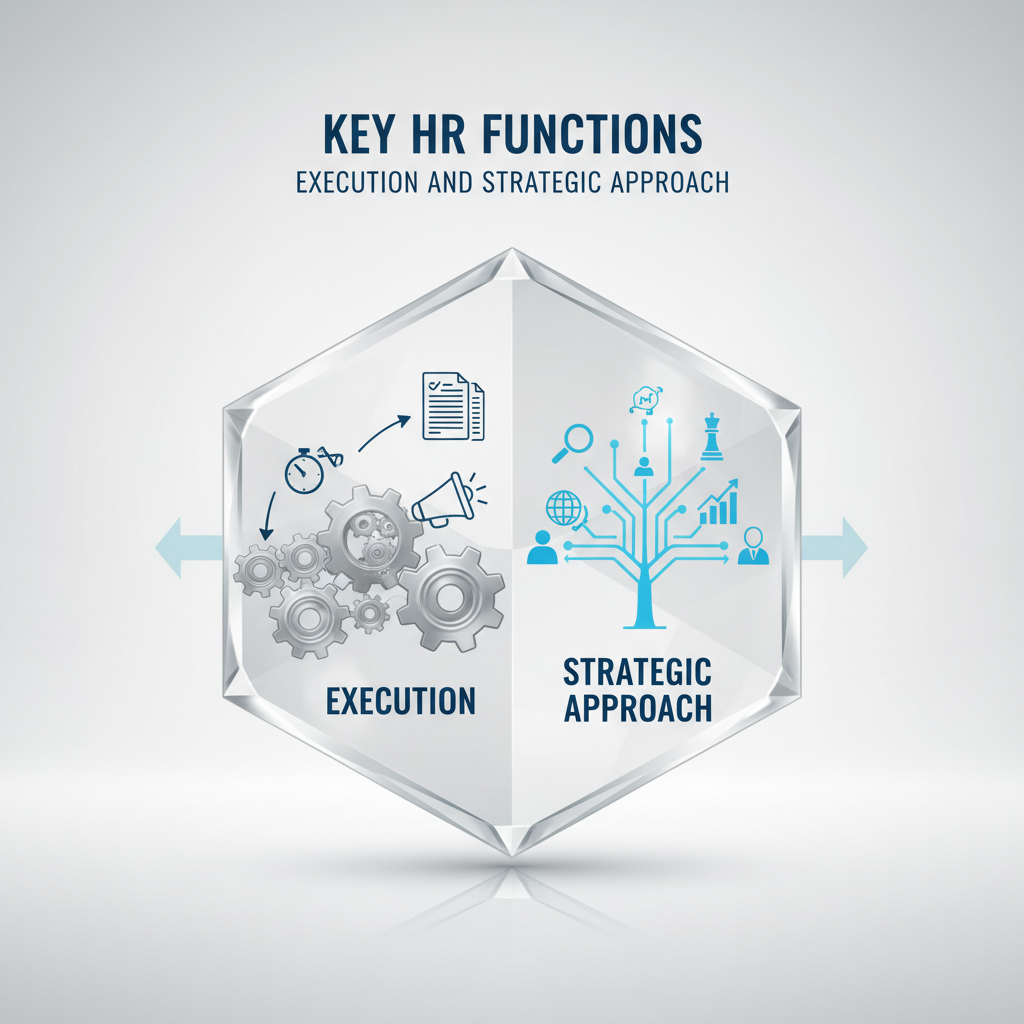
Key HR Functions: Execution and Strategic Approach
In the dynamic retail landscape of Malaysia, the management and execution of critical Human Resources (HR) functions present a fascinating dichotomy between Small and Medium-sized Enterprises (SMEs) and large Corporate entities. The differences between the SMEs’ HR structure and the Corporates’ HR structure in retail companies in Malaysia are not merely a matter of scale but reflect fundamentally divergent strategic approaches to talent, resources, and operational complexity. While SMEs often adopt agile, resource-constrained, and relationship-driven HR practices, Corporates typically employ sophisticated, specialized, and process-heavy frameworks. Understanding these distinctions is crucial for anyone navigating or contributing to the Malaysian retail sector’s HR ecosystem, from aspiring HR professionals to business leaders facing unique retail HR challenges Malaysia.
1. Recruitment, Onboarding & Talent Acquisition Strategies
For SMEs in Malaysian retail, recruitment is often a reactive process, driven by immediate operational needs rather than long-term strategic planning. They typically leverage informal networks, word-of-mouth, and local job boards, prioritising candidates with direct retail experience and cultural fit within a smaller team. The onboarding process is usually brief and hands-on, often involving direct mentorship from store managers or owners, focusing on quick integration into daily tasks. Talent acquisition, in this context, is less about an elaborate strategy and more about efficient, cost-effective hiring to fill immediate vacancies. The agility allows for quicker decision-making, but can also lead to inconsistencies in hiring quality and a lack of diverse candidate pools. Sub-keyword: talent acquisition retail.
Conversely, large retail Corporates in Malaysia deploy highly structured and strategic talent acquisition strategies. They invest heavily in employer branding, utilising professional recruitment agencies, online platforms like LinkedIn, and dedicated in-house HR teams. Their processes often involve multiple interview stages, psychometric assessments, and robust background checks, aiming for long-term hires that align with corporate values and career progression paths. Onboarding is a comprehensive program, extending over weeks or even months, covering company culture, policies, systems, and product knowledge, often supported by dedicated HR specialists. This strategic approach ensures a more systematic attraction of diverse talent management Malaysia, but can also be slower and more resource-intensive, reflecting a significant difference in how these entities approach securing their workforce.
2. Learning, Development & Performance Management Approaches
SMEs in Malaysian retail often have an organic approach to learning and development (L&D). Training is primarily on-the-job, guided by experienced colleagues or supervisors, focusing on practical skills directly relevant to daily store operations. Formal L&D budgets are typically minimal, and career development might be less structured, relying on employees to take initiative or grow into new roles as the business expands. Performance management is frequently informal, based on direct observation and regular feedback sessions between employees and their immediate managers or owners. While this fosters a close-knit environment, the lack of structured frameworks can make objective performance assessment challenging and limit opportunities for systematic skill enhancement. Sub-keyword: HR strategy retail SME vs corporate.
In stark contrast, Corporate retail entities boast well-defined L&D frameworks. They allocate substantial budgets for formal training programs, workshops, e-learning platforms, and leadership development initiatives. These programs are often tied to clear career progression paths, ensuring employees acquire the skills needed for advancement within the organisation. Performance management systems are sophisticated, incorporating annual reviews, key performance indicators (KPIs), 360-degree feedback, and continuous performance dialogues facilitated by HR business partners. Such systems aim for objective assessment, identifying high-potential employees, and addressing performance gaps proactively. This investment in structured development reflects a long-term commitment to talent management Malaysia and employee growth, providing clear pathways for professional advancement that are often absent in smaller setups. According to a report by SHRM, a robust new hire experience significantly drives retention and engagement, underscoring the importance of well-structured L&D and performance management from day one.
3. Compensation, Benefits & Employee Relations
For SMEs in Malaysian retail, compensation packages are often pragmatic, primarily focusing on competitive base salaries and potentially modest performance-based incentives. Benefits might be limited to statutory requirements (EPF, SOCSO) and basic medical coverage, with fewer discretionary perks. Employee relations are typically personal and direct, often resembling a family-like dynamic where communication is informal, and conflict resolution is handled directly by management. While this can foster strong bonds and loyalty, it can also lead to inconsistencies in application of policies and a lack of formal grievance procedures, posing retail HR challenges Malaysia when disputes arise or when scaling operations.
Corporate retail, however, operates with highly structured and comprehensive compensation and benefits frameworks. They employ sophisticated salary benchmarking, robust pay scales, and performance-linked bonus schemes. Benefits packages are extensive, often including health insurance, dental, vision, life insurance, retirement plans, employee discounts, and various wellness programs, all designed to attract and retain top talent. Employee relations are governed by comprehensive HR policies and procedures, formal grievance mechanisms, and often dedicated employee relations specialists. This structured approach ensures fairness, compliance, and consistency across the workforce, managing talent management Malaysia within a highly regulated and transparent framework. While less personal, it provides clarity, reduces ambiguity, and protects both the employee and the organisation, highlighting significant differences between the SMEs’ HR structure and the Corporates’ HR structure in retail companies in Malaysia in safeguarding employee welfare and maintaining a productive work environment.
Challenges and Opportunities: Tailoring HR for Growth
The vibrant Malaysian retail landscape demands distinct HR approaches for businesses of varying scales. From bustling neighbourhood boutiques to sprawling multinational chains, the differences between the SMEs’ HR structure and the Corporates’ HR structure in retail companies in Malaysia are stark, dictating unique challenges and strategic opportunities. This section explores these diverse HR realities, examining how both Small and Medium Enterprises (SMEs) and large corporations navigate critical areas like resource allocation, talent management, and regulatory compliance to foster sustainable growth.
1. Budgetary Constraints and Resource Allocation (SME Focus)
For many Malaysian retail SMEs, HR operations are characterised by lean teams and constrained budgets. Unlike corporate counterparts, SMEs rarely have dedicated, specialised HR departments. Instead, HR functions might be managed by business owners, administrative staff, or a single HR generalist who juggles multiple responsibilities, from recruitment and payroll to employee relations. This fundamental difference in HR structure means resource allocation is a critical challenge.
Limited financial resources directly impact the ability to invest in sophisticated HR technologies, comprehensive training, or competitive compensation. SMEs often rely on cost-effective recruitment, such as social media and word-of-mouth. Training is frequently on-the-job or via government-subsidised programs, focusing on immediate operational needs. Attracting and retaining talent can be difficult when competing with larger corporations offering superior benefits. To overcome these hurdles, SME HR requires ingenuity, leveraging digital tools for efficiency, fostering a strong company culture as a retention tool, and exploring government initiatives to support SME growth and employee development.
2. Talent Management & Retention Strategies (Corporate Focus)
In contrast, large retail corporations in Malaysia typically boast well-structured HR departments with dedicated specialists for talent acquisition, compensation & benefits, learning & development, and HR business partnering. Their primary challenge shifts from resource scarcity to managing a high volume of employees across multiple locations and maintaining a competitive edge in a dynamic talent market. These corporations invest heavily in robust talent management frameworks, including sophisticated applicant tracking systems, structured onboarding, and continuous performance management linked to career development paths. The goal is not just to attract but to nurture and retain top-tier talent in a highly competitive retail environment.
Corporate HR strategies focus on creating compelling employer value propositions, often including comprehensive benefits, international exposure, leadership development programs, and clear career advancement. Retention efforts are multifaceted, involving employee engagement surveys, succession planning, and fostering a positive workplace culture. Major retail players increasingly leverage data analytics to identify retention risks and personalise employee experiences. Understanding global and local retail HR trends is crucial. According to a report by Deloitte, “Global Human Capital Trends 2023”, organizations are increasingly focusing on human-centred work designs and enhancing worker well-being to drive talent attraction and retention, a trend highly relevant to large retail employers in Malaysia.
3. Navigating Compliance & Adapting to Market Dynamics
Both SMEs and corporates in Malaysian retail share the critical responsibility of navigating an evolving regulatory landscape and adapting to dynamic market conditions. Compliance with Malaysian labour laws, including the Employment Act 1955 (as amended), minimum wage regulations, EPF, SOCSO, and EIS contributions, is non-negotiable. For SMEs, staying abreast of these changes with limited dedicated HR personnel can be an administrative burden, often requiring external consultation. Corporations, while having more resources, face the complexity of ensuring compliance across a larger, more diverse workforce and potentially across different states.
Beyond legal compliance, HR departments must adapt swiftly to broader market dynamics impacting the retail sector. The rapid acceleration of e-commerce, the rise of the gig economy, and shifts in consumer behaviour directly influence workforce needs and HR strategies. This requires HR to be agile in workforce planning, identifying skill gaps (e.g., digital marketing, data analytics, logistics), and developing targeted training programs. For instance, the increasing adoption of AI and automation in retail operations necessitates reskilling existing staff and recruiting new talent with technological competencies. Both SMEs and corporates must foster a culture of continuous learning and embrace flexible work arrangements to remain competitive in Malaysia’s fast-changing retail environment.
In conclusion, while the scale of operations dictates distinct HR structures and primary focuses, both Malaysian retail SMEs and corporates are united in their pursuit of effective human resource strategies to underpin growth. SMEs creatively tackle resource limitations by optimising lean HR functions and nurturing strong cultures, whereas corporates leverage sophisticated systems to manage vast talent pools and maintain a competitive edge. The shared imperative for both lies in meticulous compliance and agile adaptation to market shifts, ensuring that HR remains a strategic partner in navigating the challenges and seizing opportunities within Malaysia’s vibrant retail sector.
Strategic Implications & Future Trends for Malaysian Retail HR
The Malaysian retail landscape, vibrant and rapidly evolving, demands an HR function that is not merely administrative but strategically integral. As we look towards 2026 and beyond, the HR architecture in this sector faces unprecedented challenges and transformative opportunities. Crucially, understanding the fundamental differences between the SMEs’ HR Structure and the Corporates’ HR Structure in retail companies in malaysia is paramount. While larger corporations often boast specialized departments and robust technological infrastructures, SMEs typically operate with lean, often generalized HR functions. This disparity necessitates tailored strategic approaches for optimizing HR structures, effectively leveraging technology, and identifying emerging trends that will shape the future of HR in Malaysian retail. The goal is to cultivate resilient, agile, and future-ready HR teams capable of driving organizational success amidst dynamic market shifts.
1. Leveraging HR Technology and Digital Transformation
The digital revolution is reshaping every facet of retail HR. For Malaysian retailers, embracing HR technology is no longer optional but a strategic imperative. This involves migrating from manual processes to integrated Human Resources Information Systems (HRIS) and leveraging advanced tools like AI and machine learning for enhanced efficiency and deeper insights. For instance, AI-powered recruitment platforms can streamline candidate screening, while data analytics can predict employee turnover and identify skills gaps. Cloud-based HR solutions offer scalability and accessibility, benefiting both agile SMEs and sprawling corporate structures. The adoption of digital tools facilitates better talent management, performance tracking, payroll accuracy, and employee self-service portals, significantly improving the overall employee experience. Furthermore, integrating HR technology allows for more personalized learning and development pathways, crucial for upskilling the retail workforce in an era of rapid technological change. Embracing these innovations ensures HR becomes a proactive, data-driven partner rather than a reactive cost center. This shift is vital for staying competitive and attracting tech-savvy talent. For more insights into the evolving landscape of HR, explore global trends and the impact of technology in detailed reports such as those offered by Deloitte’s Global Human Capital Trends.
2. Best Practices for Optimizing HR in Malaysian Retail
Optimizing HR in the Malaysian retail sector requires a multi-faceted approach focused on talent, culture, and operational efficiency. Best practices begin with a robust talent acquisition and retention strategy. Given the competitive nature of retail, companies must move beyond mere compensation to offer attractive career development paths, flexible work arrangements, and a compelling employer brand. Implementing continuous performance management systems, rather than annual reviews, fosters ongoing feedback and growth. For SMEs, this might involve simpler, more frequent check-ins, while corporates can leverage sophisticated software. Diversity, Equity, and Inclusion (DEI) initiatives are also crucial for reflecting Malaysia’s multicultural workforce and customer base, leading to richer perspectives and stronger teams. Cultivating a positive workplace culture that values employee well-being, recognition, and open communication is paramount. Data-driven decision-making, utilizing HR analytics to inform strategies on recruitment, training, and compensation, ensures that HR interventions are impactful and aligned with business objectives. By adopting agile HR policies, retailers can quickly adapt to market shifts and evolving employee expectations, enhancing overall organizational resilience.
3. Building a Resilient HR Structure for 2026 and Beyond
The future of Malaysian retail HR hinges on building structures that are not only efficient but also resilient against unforeseen disruptions. This means moving away from rigid, hierarchical models towards more flexible, adaptive frameworks. Investing in continuous learning and development programs is critical to future-proof the workforce, equipping employees with new skills (e.g., digital literacy, customer experience design, data analysis) that remain relevant in a transforming retail environment. Cross-training and succession planning become more important to mitigate risks associated with talent gaps or rapid changes in business needs. HR departments themselves must embrace adaptability, with professionals skilled in strategic foresight, change management, and technological integration. For SMEs, this could mean external HR consultancy or shared services, while corporates might focus on internal Centers of Excellence. Emphasizing employee well-being, mental health support, and robust communication channels will be vital in fostering a engaged and productive workforce. A resilient HR structure anticipates future challenges, proactively develops human capital, and champions an organizational culture of continuous improvement and innovation, ensuring sustained growth for Malaysian retail businesses well into 2026 and beyond.
Partner with Shelby Global
You are looking for reliable HR Sevice Suppliers? Contact Shelby Global Now! To connect with verified talents and upgrade your orginization.
—————————————
References
– SME Corp. Malaysia: https://www.smecorp.gov.my/index.php/en/
– Strategic HR Management: https://www.shrm.org/resources-and-tools/hr-topics/human-resources-strategy/pages/default.aspx
– A robust new hire experience significantly drives retention and engagement: https://www.shrm.org/resources-and-tools/hr-topics/talent-acquisition/onboarding/new-hire-experience-drives-retention
– Global Human Capital Trends 2023: https://www2.deloitte.com/content/dam/Deloitte/global/Documents/HumanCapital/gx-hc-global-human-capital-trends-2023.pdf
– Deloitte’s Global Human Capital Trends: https://www2.deloitte.com/us/en/insights/topics/talent/global-human-capital-trends.html