The Core HR Landscape: SMEs vs. Corporates in Singapore Sales
This section sets the stage by defining the fundamental characteristics of HR structures for sales departments in both SMEs and large corporates operating in Singapore, highlighting their distinct priorities and operational scales. The bustling economic environment of Singapore presents a unique backdrop where companies of all sizes vie for market share and top talent. When it comes to managing sales teams, the approach to human resources is often a primary differentiator. Understanding the profound differences between the SMEs’ HR structure and the Corporates’ HR structure in the sale field in Singapore is crucial for effective talent acquisition, retention, and performance management. These disparities stem from varying resources, strategic objectives, and organizational complexities, directly impacting how sales professionals are recruited, developed, and motivated.

1. Defining SMEs’ Lean HR in Sales
Small and Medium-sized Enterprises (SMEs) in Singapore typically operate with highly lean HR functions within their sales departments. A dedicated HR professional for sales is often a luxury; instead, HR responsibilities are absorbed by administrative staff, a finance manager, or the business owner. This multi-functional approach means one individual juggles recruitment, onboarding, payroll, and basic performance management for a relatively small sales force. The HR structure is informal and highly adaptive, allowing rapid decision-making but sometimes lacking in standardized processes. Talent acquisition for sales often relies on personal networks and referrals, prioritizing quick hires to meet immediate revenue targets. Compensation structures are frequently aggressive, heavily weighted towards commissions and bonuses directly tied to sales performance, offering high earning potential but potentially less stability. Training, if formalized, is often ad-hoc, focusing on product knowledge and immediate sales techniques rather than long-term career development. This inherent agility allows for quick pivots in strategy and incentivization, making them highly responsive to market changes but potentially vulnerable to a lack of structured growth paths for sales professionals. The lean model highlights the direct and immediate impact of sales efforts on the company’s survival and growth.
2. Understanding Corporates’ Specialized Sales HR Departments
In stark contrast, large corporates in Singapore boast highly specialized and structured HR departments that dedicate significant resources to their sales divisions. The HR structure is characterized by dedicated HR Business Partners (HRBPs) who align HR strategies with sales leadership’s business objectives. These HRBPs are supported by various Centers of Excellence (CoEs) within the broader HR function, including specialists in talent acquisition, compensation and benefits, learning and development, and employee relations. Sales recruitment processes are robust, often involving multiple interview rounds, psychometric testing, and structured assessment centers to ensure cultural fit and long-term potential. Compensation packages are typically layered, combining a base salary, structured bonuses, long-term incentives, and comprehensive benefits, designed for both attraction and retention. Corporates invest substantially in formal sales training programs, leadership development, and structured career progression paths, offering clear opportunities for advancement. Performance management is rigorous, utilizing sophisticated CRM data and established metrics for regular feedback and developmental plans. The focus extends beyond immediate sales targets to building a sustainable talent pipeline and ensuring compliance with extensive labor laws and internal policies. This comprehensive approach underscores a long-term investment in human capital as a strategic asset for sustained competitive advantage.
3. Key Strategic Priorities: Growth vs. Scalability
The fundamental strategic priorities underpinning HR decisions for sales teams diverge significantly between SMEs and corporates in Singapore. For SMEs, the immediate priority is often rapid, often aggressive, sales growth and survival. Their HR strategies are geared towards securing quick wins, motivating sales professionals with high-commission structures, and fostering an agile, entrepreneurial culture. Talent retention in SMEs frequently hinges on the strength of personal relationships, a sense of ownership, and the direct impact employees can have on the business. HR’s role is primarily operational and reactive, focused on facilitating sales activities with minimal bureaucracy. Challenges include attracting talent against larger competitors and providing sustainable career progression.
Corporates, on the other hand, prioritize scalability, sustainable growth, and risk mitigation. Their HR functions for sales are designed to support a large, often global, workforce with standardized, repeatable processes. The emphasis is on building a robust talent pipeline, ensuring consistent performance across diverse markets, and developing future sales leaders through structured programs. HR’s role is highly strategic, focusing on workforce planning, succession management, and fostering a cohesive corporate culture. While attracting top sales talent remains crucial, corporates leverage their brand reputation, comprehensive benefits, and clear career trajectories as key differentiators. The ultimate goal is to create a predictable and efficient sales engine that can expand without compromising quality or compliance. Understanding these contrasting priorities is key to appreciating the distinct operational scales and strategic motivations that define the HR landscape for sales teams in Singapore’s varied business ecosystem.
Talent Acquisition & Recruitment Strategies for Sales Roles
Identifying, attracting, and securing top sales talent is a critical differentiator for any business operating in Singapore’s dynamic market. However, the strategies employed vary significantly between Small and Medium-sized Enterprises (SMEs) and large corporates. These Differences between the SMEs’ HR Structure and the Corporates’ HR Structure in sale field in singapore fundamentally shape their approach to building a robust sales force, each presenting unique challenges and distinct advantages.
1. SME’s Hands-On, Generalist Recruitment
For SMEs in Singapore, the approach to sales talent acquisition is often characterized by its hands-on and generalist nature. Human Resources functions, if not outsourced, are typically handled by a small team or even a single HR generalist who manages everything from payroll to recruitment. In many cases, particularly in smaller setups, the business owner or sales manager takes a direct lead in the hiring process for sales talent Singapore, leveraging their personal networks and industry connections. This direct involvement can lead to a more personalized candidate experience sales, as applicants often interact directly with decision-makers from the outset.
Advantages of this approach include agility and a faster decision-making process. SMEs can often move quickly to identify and onboard suitable candidates, which is crucial in a competitive market. Their ability to offer a direct impact on business growth and a more intimate work culture can be a powerful draw for candidates seeking autonomy and recognition. Referral programs also play a significant role in SME sales recruitment, tapping into existing employees’ networks to find fitting candidates who align with the company’s culture.
However, this model faces notable HR challenges Singapore. SMEs often lack the extensive resources of larger corporations, meaning limited budgets for advanced recruitment technology, dedicated employer branding campaigns, or specialized sales headhunters. Their talent pool management might be less systematic, relying more on immediate needs rather than long-term strategic planning. Attracting candidates purely on salary can also be challenging, as larger firms often offer more competitive compensation sales roles and comprehensive benefits packages. This necessitates a focus on the unique growth opportunities and close-knit environment they can provide.
2. Corporate’s Structured, Specialized Sales Recruitment Teams
In stark contrast, large corporates in Singapore typically employ a highly structured and specialized approach to sales recruitment. Their HR departments are often segmented, featuring dedicated talent acquisition teams with specialist recruiters focusing solely on corporate sales hiring. These teams are well-versed in building comprehensive recruitment funnel strategies, from initial sourcing to final onboarding, often utilizing sophisticated Applicant Tracking Systems (ATS) and HR information systems.
Corporates benefit from robust employer branding, often built over years, which naturally attracts a broader and more diverse pool of sales talent Singapore. They have the financial muscle to invest heavily in recruitment advertising, professional networking events, and partnerships with leading recruitment agencies. Their recruitment process is usually standardized, ensuring fairness and compliance, and includes multiple interview stages, assessments, and background checks designed to identify candidates with specific skill gap analysis insights and a proven track record.
While the structured approach offers consistency and extensive reach, it can sometimes lead to a slower, more bureaucratic hiring process. The candidate experience sales might feel less personal compared to an SME, with applicants interacting primarily with HR before meeting hiring managers. However, corporates excel in offering clear career progression paths, extensive training programs, and comprehensive benefits, which are significant draws for sales professionals seeking stability and long-term growth. Their well-defined onboarding sales professionals processes also ensure new hires are quickly integrated and set up for success within a strong performance culture sales.
3. Employer Branding & Candidate Attraction
The strategies for employer branding sales and candidate attraction also reveal significant Differences between the SMEs’ HR Structure and the Corporates’ HR Structure in sale field in singapore. Corporates leverage their established reputation, global reach, and robust benefits packages to present themselves as attractive employers. They can highlight opportunities for international exposure, professional development programs, and a stable, well-resourced environment. This broad appeal allows them to attract candidates from various backgrounds and experience levels, from fresh graduates to seasoned sales executives. They often utilize data-driven insights to tailor their messaging to specific segments of the talent pool management.
SMEs, on the other hand, must lean into their unique value propositions. They often emphasize a vibrant, entrepreneurial culture, the chance to make a significant impact early on, closer interaction with leadership, and faster career acceleration due to less hierarchical structures. Their employer branding sales efforts are typically more grassroots, relying on authentic testimonials, social media engagement showcasing their culture, and networking events. They might focus on niche job boards or professional groups where their target sales professionals are likely to be found, aiming for quality over sheer volume in their recruitment funnel.
Both structures face the common challenge of talent retention strategies in Singapore’s tight job market. According to Hiring Trends in Singapore for 2024 by Robert Half, employers across the board are grappling with talent shortages and high expectations from candidates. While corporates can offer loyalty through structured career paths and extensive benefits, SMEs often foster loyalty through a strong sense of belonging, direct recognition, and flexibility. Ultimately, success in sales talent Singapore acquisition hinges on understanding these structural distinctions and strategically leveraging one’s inherent strengths to attract and retain the best sales professionals.
Sales Talent Development, Training, and Career Progression
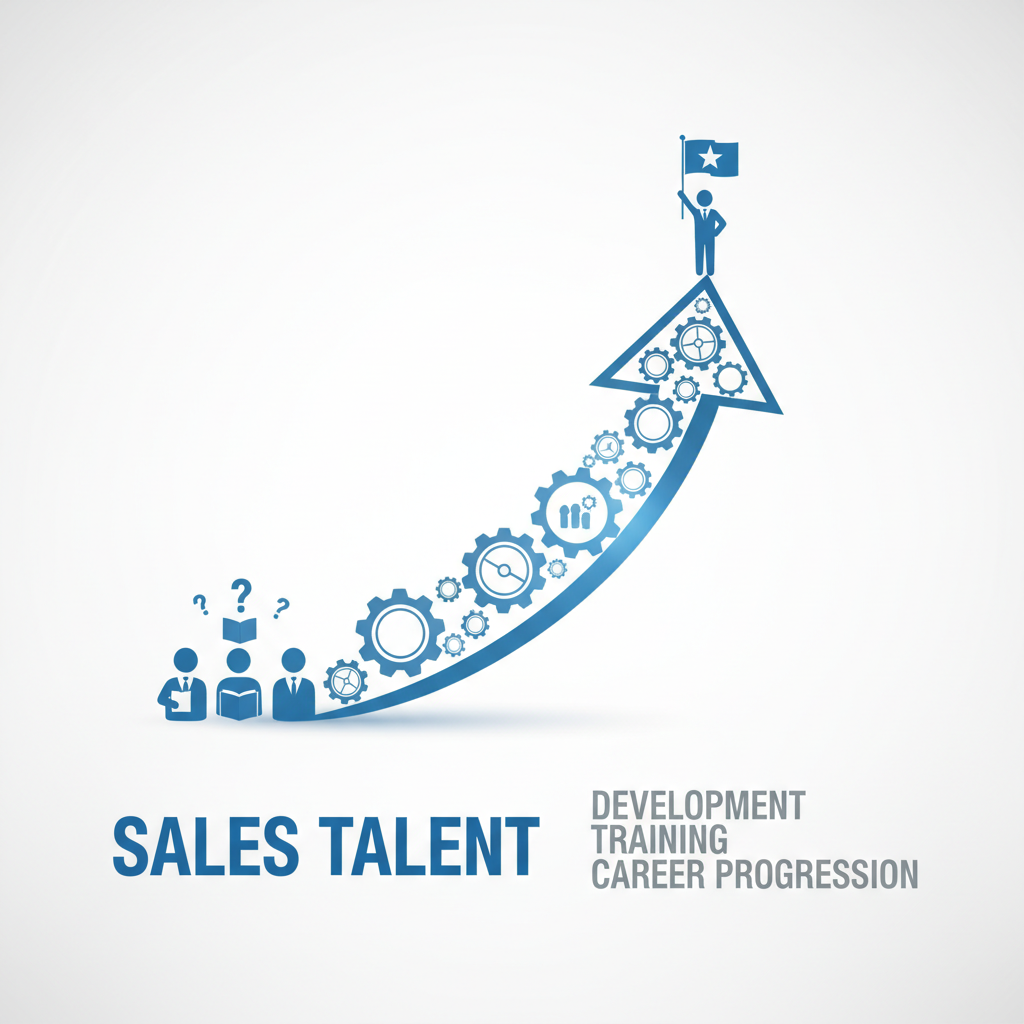
In the dynamic Singapore market, the approaches to sales talent development, ongoing training, and career advancement paths for sales professionals exhibit stark differences between the SMEs’ HR structure and the corporates’ HR structure in the sale field in Singapore. These disparities are primarily driven by varying resource availability, strategic priorities, and organizational scales. While both entity types aim to cultivate high-performing sales teams, their methodologies for fostering professional growth and ensuring effective performance management diverge significantly, impacting everything from initial onboarding to long-term career progression and retention of valuable sales talent.
-
SME’s On-the-Job Training & Mentorship
Small and Medium-sized Enterprises (SMEs) in Singapore typically adopt a more organic and practical approach to sales talent development. With leaner HR structures and often constrained budgets, formal, extensive training programs are less common. Instead, the cornerstone of SME sales training is often intensive on-the-job training (OJT) and direct mentorship. New sales professionals are frequently paired with senior sales managers, founders, or experienced colleagues who provide real-time guidance, share tacit knowledge, and offer immediate feedback on sales calls, presentations, and client interactions. This hands-on learning environment allows for agile adaptation to market changes and specific client needs. The focus is on rapid skill acquisition and immediate contribution to revenue generation. While less structured, this model fosters a strong sense of team and personal investment from mentors. Developing Singapore’s talent pool, especially in SMEs, often relies heavily on these practical, in-house mechanisms, where learning is deeply integrated into daily operations, emphasizing practical sales strategies and execution.
-
Corporate’s Formal L&D Programs & Career Ladders
Conversely, large corporates in Singapore invest significantly in formal Learning & Development (L&D) programs and meticulously defined career ladders for their sales professionals. These organizations possess dedicated L&D departments with substantial budgets to design and implement structured sales training modules, workshops, e-learning platforms, and certifications. Programs often cover a wide array of topics, from advanced negotiation skills and CRM proficiency to product knowledge and strategic account management. Career advancement paths are clearly articulated, often involving incremental steps like Sales Executive to Senior Sales Executive, Account Manager, Sales Team Lead, and Sales Director, each with specific performance benchmarks and required competencies. This structured approach to professional growth ensures consistent skill development across a large sales force and provides clear incentives for ongoing training and long-term career progression within the company. Corporate sales professionals benefit from access to global best practices, external trainers, and opportunities for cross-functional or international assignments, enhancing their overall career trajectory and specialized sales skills.
-
Performance Management & Goal Setting Differences
The approaches to performance management and goal setting also highlight the distinct differences between the SMEs’ HR structure and the corporates’ HR structure in the sale field in Singapore. In SMEs, performance management is often more agile, personal, and less formal. Goals are typically set quarterly or even monthly, directly tied to immediate business objectives and sales targets, with feedback provided continuously and informally. This direct communication and adaptability allow SMEs to quickly pivot strategies based on market feedback. While less reliant on complex HR systems, the close-knit nature often means performance issues are addressed proactively through direct coaching and mentorship. For corporates, performance management is a highly structured process, typically involving annual or bi-annual reviews, detailed performance appraisals, and sophisticated CRM systems to track key performance indicators (KPIs). Goals are often set using frameworks like SMART (Specific, Measurable, Achievable, Relevant, Time-bound) and are cascaded down from broader organizational objectives. Compensation, bonuses, and career advancement are meticulously linked to achieving these predefined goals. This systematic approach ensures accountability, transparency, and a data-driven overview of individual and team sales performance, aligning individual sales professional efforts with overarching corporate strategies for professional growth and ongoing training.
In conclusion, while both SMEs and corporates in Singapore are dedicated to nurturing their sales professionals, their strategies reflect their inherent structural and resource differences. SMEs thrive on agile, mentorship-driven development, fostering resilience and hands-on experience. Corporates, on the other hand, leverage comprehensive L&D programs and structured career progression paths to ensure consistent skill enhancement and clear advancement for their sales talent. Understanding these unique HR structures and their impact on sales talent development is crucial for both job seekers and organizations aiming to optimize their sales force in the competitive Singapore market, ensuring effective sales talent development and sustained professional growth.
Compensation, Benefits, and Employee Relations for Sales
The sales landscape in Singapore presents a fascinating study in organizational contrasts, particularly when examining the human resources frameworks that govern remuneration, benefits, and employee engagement. The fundamental Differences between the SMEs’ HR Structure and the Corporates’ HR Structure in sale field in singapore are nowhere more apparent than in how they manage their sales teams. While both aim for high performance and retention, their approaches are shaped by varying scales, resources, and strategic priorities. Understanding these distinctions is crucial for both sales professionals seeking suitable environments and HR practitioners designing effective strategies for the dynamic Singaporean market.
1. SME’s Flexible Incentive Structures
Small and Medium-sized Enterprises (SMEs) in Singapore, often characterized by agility and leaner operations, typically adopt highly flexible and performance-driven compensation models for their sales force. Unlike their larger counterparts, SMEs may lack the extensive budgets for substantial base salaries and comprehensive benefits packages. Instead, they frequently leverage aggressive commission structures, generous performance bonuses, and direct profit-sharing arrangements to motivate their sales personnel. This model often includes a lower base salary supplemented significantly by uncapped commissions, directly tying a salesperson’s earning potential to their individual sales performance. For instance, a small tech startup might offer a modest base salary but a substantial percentage on every successful software subscription sold, fostering an entrepreneurial mindset among the team.
The flexibility extends beyond monetary incentives. SMEs might offer non-traditional perks such as additional paid leave days for hitting targets, flexible working hours, or direct recognition from the founder or CEO. The decision-making process for these incentives is often quicker, allowing SMEs to adapt rapidly to market changes or specific sales challenges. This agile approach can foster a strong entrepreneurial spirit within the sales team, where individuals feel a direct impact on the company’s success and are rewarded proportionately. However, this also means greater income volatility for sales professionals, a factor that can influence job security perceptions and retention if not managed carefully within the competitive Singapore sales environment.
2. Corporate’s Standardized Salary & Benefits Packages
In stark contrast, large corporations operating in Singapore typically offer more standardized, comprehensive, and often more stable remuneration packages for their sales teams. These organizations usually feature higher fixed base salaries, which provide a strong foundation of financial security for sales employees, irrespective of short-term market fluctuations. Beyond the base salary, corporate benefits are generally extensive and well-defined, encompassing robust health insurance plans, retirement savings schemes (like CPF contributions above statutory minimums, or private provident funds), stock options, and structured annual leave policies. Many corporations also provide additional perks such as company cars, travel allowances, or professional development budgets, reflecting their deeper resource pools.
The incentive portion, while still significant, often includes tiered bonus structures based on individual, team, and company performance metrics, often with a defined cap. This standardization ensures fairness and consistency across a larger sales organization, aligning with broader HR policies that govern all employees. For sales professionals, the appeal of corporate roles often lies in the combination of a competitive base salary, a secure benefits umbrella, and clear career progression paths within a well-established global or regional structure. This predictability and comprehensive support system are key differentiators, providing a sense of stability and long-term career prospects that can be particularly attractive in Singapore’s competitive talent market. According to a report on sales compensation trends, larger companies often emphasize a balanced pay mix, combining significant base salaries with performance incentives to attract and retain top talent. Willis Towers Watson’s surveys frequently highlight these structural differences in their compensation data for various regions, including Southeast Asia.
3. Addressing Sales Team Morale & Engagement
The methods for managing sales team morale and engagement also diverge significantly between SMEs and corporates in Singapore. For SMEs, engagement often stems from a close-knit team culture, direct communication, and a strong sense of shared purpose. Sales leaders in SMEs often have a more hands-on approach, providing immediate feedback and recognition. Non-monetary incentives and personalized gestures, such as team outings, celebratory dinners, or even a direct thank you from the CEO, can play a substantial role in boosting morale. The smaller team size allows for a more personal understanding of individual motivators and challenges, fostering a family-like atmosphere that can be highly engaging for those who thrive in such environments. Challenges might arise from limited resources for formal training or structured career development, placing more emphasis on self-driven learning and on-the-job experience.
Corporates, conversely, leverage sophisticated HR frameworks and a wider array of resources to foster engagement. This includes structured training programs (product knowledge, advanced sales methodologies, leadership development), formal mentorship programs, clear performance management systems, and well-defined career progression frameworks. Recognition programs are often multi-layered, ranging from quarterly awards to global sales conferences for top performers. While perhaps less personal than in an SME, these structured approaches offer clarity, fairness, and opportunities for long-term growth. Employee engagement surveys, formal feedback mechanisms, and dedicated HR business partners ensure that concerns are addressed systematically. The focus is often on building a sustainable, high-performing sales culture through consistent policies and ample development opportunities, aiming to cultivate loyal employees who see a clear future within the organization. Both approaches have their merits, catering to different personality types and career aspirations within Singapore’s dynamic sales talent pool.
Technology, Data & The Future of Sales HR in Singapore
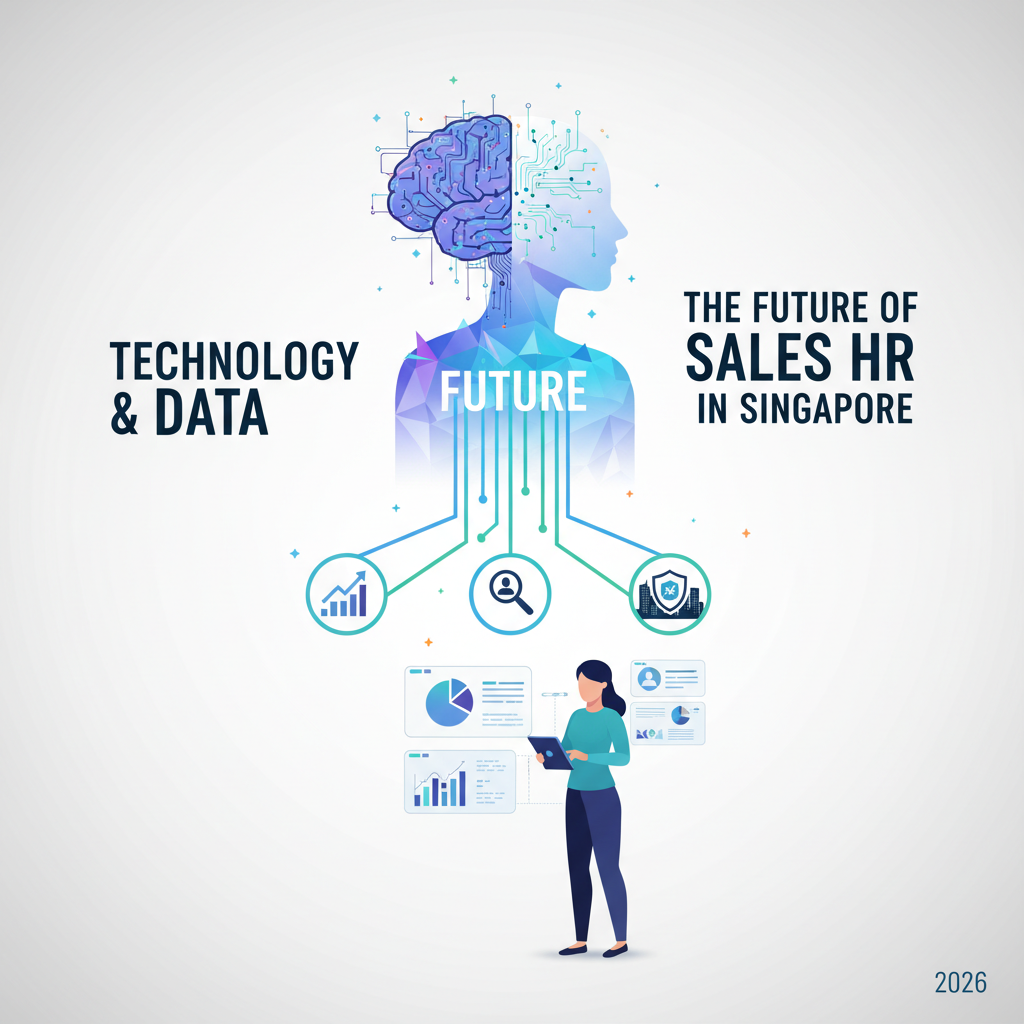
The sales landscape in Singapore is undergoing a rapid transformation, driven by digital acceleration, evolving customer expectations, and a dynamic talent market. For Human Resources (HR) professionals supporting sales teams, this means a pivotal shift from traditional administrative roles to strategic partners. Understanding the nuanced differences between the SMEs’ HR structure and the Corporates’ HR structure in the sales field in Singapore is crucial for designing effective HR strategies for 2026 and beyond. Both segments face unique challenges and opportunities in leveraging technology and data to optimize sales talent acquisition, retention, and performance, ultimately driving business growth.
1. HR Tech Adoption: Budget vs. Scale
The embrace of HR technology adoption significantly varies between Singaporean SMEs and large corporates, primarily due to contrasting HR budget constraints and operational scale. Corporates often have the resources to invest in sophisticated, integrated HR Information Systems (HRIS) that seamlessly connect with CRM platforms, offering robust capabilities for sales talent acquisition, performance management, and workforce planning. These systems frequently incorporate AI-driven tools for recruitment, predictive analytics for sales performance, and automated onboarding processes, driving significant operational efficiency.
Conversely, SMEs, with their tighter financial limitations, typically opt for more modular, cloud-based solutions or even hybrid manual-digital approaches. Their focus often gravitates towards essential functionalities like payroll, leave management, and basic sales performance tracking. However, the rapidly evolving HR technology landscape, as highlighted in reports like Deloitte’s Global Human Capital Trends, offers increasingly accessible and scalable options for SMEs. Digital transformation, though perhaps starting on a smaller scale, remains imperative for both. SMEs can leverage agile HR solutions to streamline processes, improve employee engagement, and enhance their HR strategy in Singapore without the heavy upfront investment of larger enterprises. The key is selecting technologies that align with their specific needs and growth trajectory, ensuring they don’t get left behind in the race for talent.
2. Data Analytics for Sales Performance & Retention
The strategic use of data analytics is paramount for optimizing sales performance and strengthening retention strategies. In large corporates, HR, often in collaboration with dedicated data science teams, delves deep into vast datasets. They employ predictive analytics to identify patterns in sales productivity, forecast future sales achievements, and even predict potential employee turnover among high-performing sales talent. This allows for proactive interventions, tailored skills development programs, and refined compensation models that directly impact sales outcomes.
For SMEs, while the scale of data might be smaller, the principles remain the same. They can start by analyzing fundamental metrics such as lead conversion rates, average deal size, and individual sales rep performance. Tools, even simple spreadsheets or basic CRM reports, can offer valuable insights into what drives success or contributes to attrition. Focusing on key indicators helps identify training needs, optimize sales training programs, and pinpoint areas for improving employee engagement. Both SMEs and corporates must move beyond descriptive reporting to diagnostic and predictive analytics, turning raw data into actionable intelligence that informs every aspect of sales HR, from talent acquisition to career progression.
3. Adapting to Future Sales Workforce Trends 2026
Looking ahead to 2026, the future of sales work will be characterized by continued innovation and adaptability. HR professionals must prepare for a workforce that is increasingly remote, globally distributed, and often reliant on a blend of full-time and gig economy talent. This demands a proactive approach to workforce planning, focusing on developing a resilient and agile sales force.
Sales talent acquisition strategies will need to emphasize not just sales acumen but also digital literacy, adaptability to new technologies, and a strong customer-centric mindset in a hybrid selling environment. Upskilling and reskilling initiatives will become non-negotiable, ensuring sales teams possess the technical proficiency and soft skills required for virtual engagements and complex solution selling. Employee engagement, well-being, and a robust company culture will be critical for sales retention, especially as remote work blurs traditional boundaries. HR strategy in Singapore, for both SMEs and corporates, must integrate these trends, fostering environments where continuous learning is championed, flexibility is embraced, and the human element remains at the core of technological advancements. By strategically leveraging technology and data, understanding their unique structural advantages and limitations, both types of organizations can build future-ready sales HR functions capable of thriving in an increasingly competitive market.
Partner with Shelby Global
You are looking for reliable HR Sevice Suppliers? Contact Shelby Global Now! To connect with verified talents and upgrade your orginization.
—————————————
References
– strategic priorities underpinning HR decisions for sales teams: https://www.enterprisesg.gov.sg/financial-support/capabilities-development-grant
– Hiring Trends in Singapore for 2024 | Robert Half Singapore: https://www.roberthalf.com.sg/en/insights/hiring-trends-singapore-2024
– Developing Singapore’s talent pool: https://hrmasia.com/developing-singapores-talent-pool/
– Willis Towers Watson’s sales compensation surveys: https://www.willistowerswatson.com/en-SG/Insights/2023/07/sales-compensation-survey-results
– Deloitte’s Global Human Capital Trends: https://www2.deloitte.com/us/en/pages/human-capital/articles/human-capital-trends.html