Fundamental Differences in HR Department Structure
The human resources landscape within Malaysia’s vibrant travel industry presents a fascinating study in organizational variation. From agile small-to-medium enterprises (SMEs) to sprawling large corporate travel agencies, the core HR department structure undergoes significant transformation. This exploration delves into the distinct organizational variations in HR teams, focusing on department size, roles, and overall strategic focus, highlighting the crucial Differences between the SMEs’ HR Structure and the Corporates’ HR Structure in Travels field in malaysia. Understanding these disparities is key to appreciating how HR functions support business objectives across different scales within the competitive travel sector.
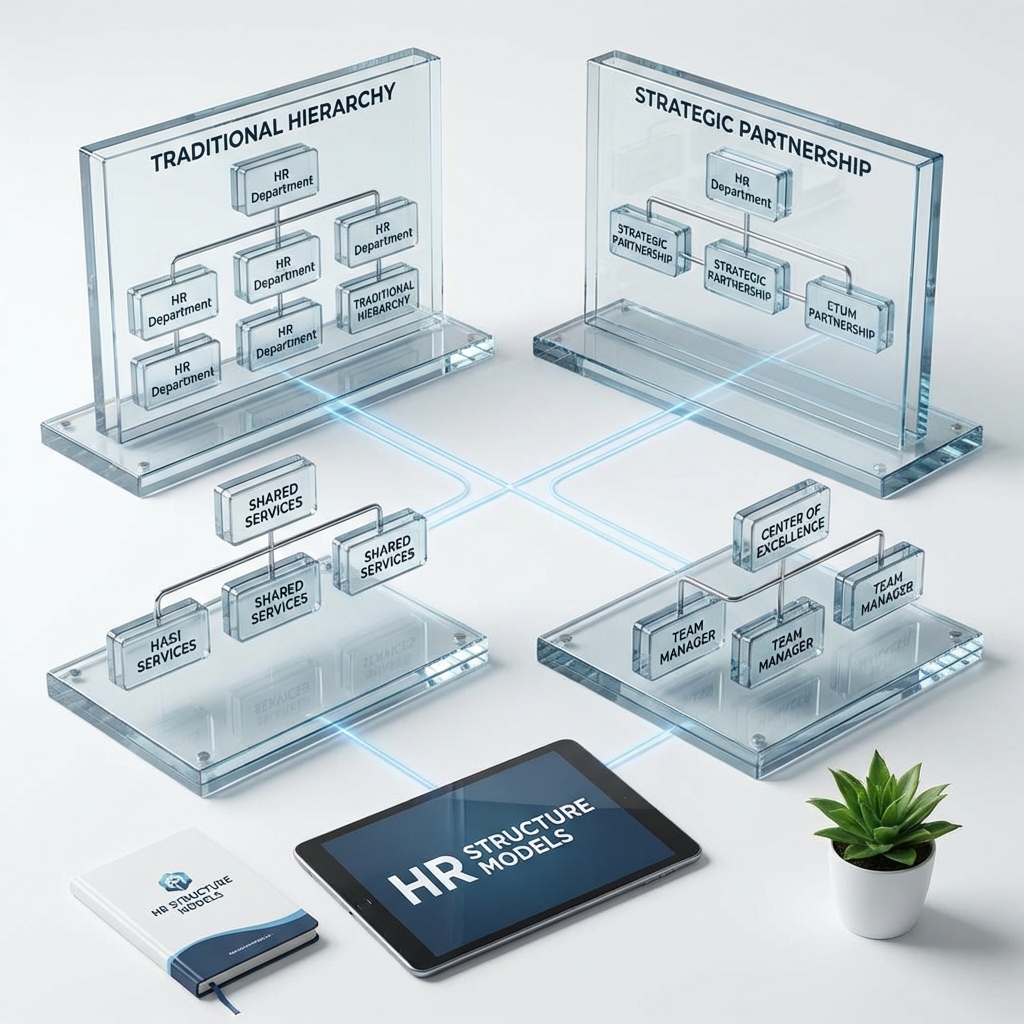
1. HR Generalist vs. Specialist Roles in Travel HR
One of the most apparent distinctions lies in the nature of HR roles. In Malaysian SMEs operating within the travel field, HR departments are typically lean, often consisting of one or two individuals, or even handled by an office manager or the owner directly. These individuals embody the essence of the HR generalist roles. They are responsible for a broad spectrum of tasks, from recruitment and onboarding new travel consultants to payroll processing, benefits administration, employee relations, and ensuring compliance with local labor laws. This ‘jack-of-all-trades’ approach is a necessity due to limited resources and budget constraints, making them adept at managing the immediate operational HR tasks that keep the business running. Their focus is often reactive, addressing day-to-day needs as they arise.
Conversely, large corporate travel agencies in Malaysia possess significantly more extensive and specialized HR teams. Here, HR specialist functions are the norm. Departments might include dedicated recruiters for talent acquisition, compensation and benefits specialists, learning and development professionals focused on upskilling travel agents, HR business partners supporting specific departments, and even HR information system (HRIS) specialists. This specialization allows for deeper expertise in each HR domain, facilitating more sophisticated talent management strategies, robust employee engagement programs, and advanced workforce planning. The scale of operation in a large corporate necessitates this division of labor, enabling a proactive approach to managing human capital that aligns with the organization’s broader strategic goals in the travel industry.
2. Department Size, Budget Constraints, and Reporting Structures
The sheer size of the HR department is a direct reflection of the enterprise’s scale. SMEs in the travel sector, often with fewer than 50 employees, might not have a standalone HR department. HR functions are typically integrated into administrative roles or outsourced. This inherently leads to significant HR budget constraints, limiting investment in advanced HR technology, comprehensive training programs, or specialized HR consulting. Reporting structures are typically flat, with the HR generalist reporting directly to the CEO or owner, emphasizing agility but potentially lacking a dedicated strategic HR voice at the executive level.
Large corporate travel agencies, managing hundreds or thousands of employees across multiple branches or even international operations, allocate substantial resources to HR. Their departments are considerably larger, often comprising multiple teams and management layers. Dedicated HR budgets allow for investment in state-of-the-art HR technology adoption, extensive employee development programs, and sophisticated HR analytics tools. The HR reporting lines in these organizations are more complex and hierarchical. A Chief Human Resources Officer (CHRO) or VP of HR often sits on the executive board, reporting directly to the CEO, signifying HR’s critical role in shaping corporate strategy. This elevated position enables HR to influence key business decisions, from mergers and acquisitions to market expansion, ensuring that human capital considerations are at the forefront.
3. Strategic vs. Operational Focus in HR Functions
The fundamental differences between the SMEs’ HR structure and the corporates’ HR structure in the travels field in Malaysia are perhaps most evident in their HR functions’ primary focus. For SMEs, the focus is overwhelmingly operational. Survival often hinges on efficient day-to-day execution: ensuring payroll is accurate, leave requests are processed, and basic compliance with labor laws is met. Their operational HR tasks are geared towards immediate problem-solving and administrative efficiency, with less emphasis on long-term human capital development or sophisticated strategic HR planning. Talent management in SMEs is often informal, relying on hands-on mentorship rather than structured programs.
In stark contrast, large corporate travel agencies balance essential operational tasks with a pronounced strategic HR planning agenda. Beyond processing payroll, their HR functions are deeply integrated into the overarching business strategy. This includes sophisticated workforce planning to anticipate future talent needs, robust succession planning for leadership roles, comprehensive organizational development initiatives, and proactive employee engagement strategies to foster a high-performance culture. HR in these organizations is a key driver of business success, utilizing data analytics to inform decision-making, optimize talent pipelines, and contribute directly to market competitiveness and sustained growth. They proactively address challenges like high turnover in the travel industry through targeted retention strategies and comprehensive employee engagement travel initiatives, showcasing a forward-thinking HR structure Malaysia travel entities often aspire to.
Talent Acquisition & Employee Development Strategies
Malaysia’s vibrant travel industry, a cornerstone of its economy, presents a dynamic landscape for talent acquisition and employee development. The approaches taken by Small and Medium-sized Enterprises (SMEs) and large corporates in attracting, hiring, and nurturing talent diverge significantly, driven by differences in resources, scale, and strategic objectives. Understanding these distinct HR structures is crucial for navigating the competitive workforce planning Malaysia presents, highlighting both inherent challenges and emerging opportunities in securing a skilled and dedicated workforce. The fundamental differences between the SMEs’ HR structure and the Corporates’ HR structure in the travels field in Malaysia impact everything from initial outreach to long-term career progression, defining the employment experience for thousands across the sector.
1. Recruitment Channels, Branding, and Talent Acquisition Strategies
For SMEs in the Malaysian travel industry, talent acquisition Malaysia often relies on practical, cost-effective methods. Recruitment channels typically include local job portals, social media groups, word-of-mouth referrals, and direct outreach within community networks. Their employer branding strategies are usually organic, built on personal relationships and the company’s local reputation, rather than large-scale marketing campaigns. This hands-on approach, while fostering a close-knit culture, can present travel industry HR challenges in reaching a wider pool of specialized talent or competing with the allure of larger brands. Attracting individuals with niche skills, such as multilingual tour guides or digital marketing specialists for tourism, becomes particularly challenging without substantial marketing budgets.
Conversely, large corporates operating in Malaysia’s travel sector deploy sophisticated and multi-pronged talent acquisition strategies. They leverage national and international job boards, professional networking platforms (like LinkedIn), partnerships with universities for graduate programs, and often have dedicated in-house recruitment teams. Their employer branding strategies are meticulously crafted and heavily invested in, showcasing career progression, comprehensive benefits, and a global presence. These established brands can more effectively attract top-tier talent, including experienced hotel managers, aviation experts, or specialized IT professionals for travel technology platforms. However, even corporates face the challenge of finding talent with the right blend of traditional hospitality skills and emerging digital competencies required in a rapidly evolving market. For a deeper understanding of how these distinct HR structures manifest, explore the specific differences between the SMEs’ HR structure and the Corporates’ HR structure in the travels field in Malaysia.
2. Employee Onboarding Processes & Workforce Planning Malaysia
The initial integration of new hires also showcases a clear divergence. SMEs generally adopt a more informal and expedited employee onboarding best practices approach. New employees are quickly integrated into teams, often learning on the job with direct mentorship from owners or senior staff. While this fosters a sense of immediate belonging and practical skill development, the lack of structured orientation can sometimes lead to inconsistencies in understanding company policies or broader strategic goals. Workforce planning Malaysia within SMEs tends to be reactive, addressing immediate staffing gaps rather than long-term strategic forecasting. High staff retention travel sector remains a significant concern across both segments, but SMEs often feel its impact more acutely due to smaller teams and limited capacity to absorb sudden departures.
Corporates, on the other hand, prioritize structured and comprehensive employee onboarding best practices. Their processes typically span several weeks or even months, involving formal orientation programs, detailed policy briefings, role-specific training modules, and mentorship programs. This meticulous approach aims to ensure compliance, instill company culture, and provide a solid foundation for long-term engagement. Workforce planning Malaysia is a core strategic function for corporates, involving proactive forecasting of talent needs, skill gap analyses, and robust succession planning travel companies models. This allows them to anticipate future demands, such as the need for sustainable tourism experts or AI specialists in digitalization HR travel, and build talent pipelines accordingly. However, the bureaucracy associated with larger structures can sometimes make the onboarding process feel less personal, a potential downside for new recruits seeking a more intimate work environment.
3. Training & Development Budget, Programs, and Skill Enhancement
Investment in HR development Malaysia and skill enhancement programs is perhaps where the contrast is most stark. SMEs often operate with limited training budget travel Malaysia, leading them to rely heavily on on-the-job learning, short external courses for essential certifications (e.g., first aid, specific software), or government-subsidized training initiatives. The focus is primarily on immediate skill gaps and operational efficiency. While this pragmatic approach ensures critical skills are acquired, it can hinder broader skill enhancement programs and long-term career progression, potentially contributing to HR challenges travel industry related to talent growth and engagement.
Corporates, with their significantly larger resources, allocate dedicated and substantial training budget travel Malaysia towards comprehensive HR development Malaysia initiatives. Their programs often include leadership development, cross-functional training, language proficiency courses, and access to advanced e-learning platforms. Many also offer opportunities for international exposure or specialized certifications to keep pace with global competitive travel industry workforce standards. For instance, the emphasis on digital literacy and sustainable practices is often integrated into their development frameworks. According to industry insights, continuous skill enhancement programs are critical for maintaining a competitive edge, especially as the sector evolves towards more sustainable and technology-driven tourism models.
Both SMEs and corporates in Malaysia’s travel field are navigating an increasingly competitive travel industry workforce. While corporates benefit from established recruitment channels travel industry and larger budgets, SMEs leverage agility and a close-knit culture. Understanding these differences between the SMEs’ HR structure and the Corporates’ HR structure in Malaysia’s travel field is key to fostering a resilient and high-performing talent pool crucial for the industry’s continued success.
Compensation, Benefits & Performance Management Systems
The competitive landscape of Malaysia’s travel industry necessitates robust HR strategies to attract, retain, and motivate talent. A critical differentiator lies in the Differences between the SMEs’ HR Structure and the Corporates’ HR Structure in Travels field in malaysia, particularly concerning compensation packages, employee benefits Malaysia, and performance appraisal systems. This section explores how these elements vary between Small and Medium Enterprises (SMEs) and larger corporate travel firms in Malaysia, and their subsequent impact on employee engagement travel industry. Understanding these disparities is key to appreciating the unique challenges and opportunities each organizational type faces in fostering a productive workforce.
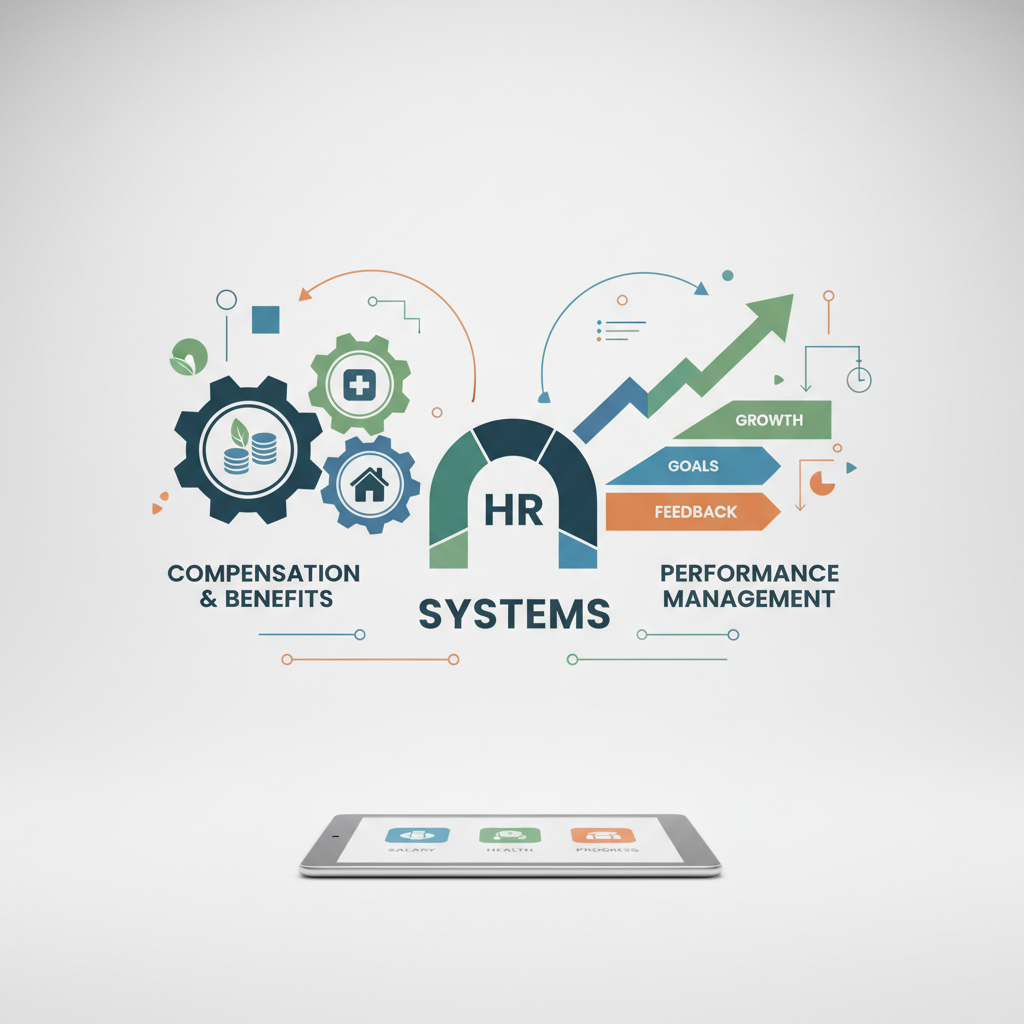
1. Salary Structures, Incentives, and Employee Benefits Malaysia Packages
SMEs: Often characterized by leaner operations, SME travel firms typically offer more standardized, fixed salary structures. Their ability to provide extensive statutory requirements such as EPF, SOCSO, and EIS. Discretionary benefits like comprehensive private health insurance, extensive travel allowances beyond operational needs, or robust provident funds are less common. However, SME travel firms HR often compensate for this with a more personal touch, offering unique, non-monetary perks such as flexible work arrangements, closer team camaraderie, and direct involvement in business decisions. Incentive programs travel in SMEs might be more directly tied to individual or small team performance, often involving a share of specific project profits or performance bonuses, which can be highly motivating for employees seeking direct impact and recognition. The focus for SME travel firms HR strategies is often on core salary and immediate performance-based rewards.
Corporates: In stark contrast, corporate travel firms, bolstered by larger budgets and economies of scale, often boast sophisticated and diverse compensation packages Malaysia. Their salary structures are typically tiered, reflecting extensive job grading and career progression frameworks. Beyond statutory benefits, they commonly provide comprehensive medical and dental insurance, life insurance, generous leave policies, and often, attractive company travel perks and discounts. Many adopt a total rewards approach, integrating base salary, variable pay (bonuses, commissions, stock options), and a wide array of flexible benefits Malaysia options that cater to diverse employee needs. These firms can leverage their size to offer better rates on insurance and other services, making their HR strategies travel firms more appealing for long-term career seekers. Their talent retention Malaysia strategies heavily rely on these extensive benefit offerings and structured career paths and represent robust corporate travel HR practices.
2. Performance Management Systems and Appraisal Cycles
SMEs: Performance management systems in SMEs are frequently less formalized. Appraisal cycles might be annual or even ad-hoc, often relying on direct manager-employee feedback and observation rather than elaborate metrics. While this can foster a more agile and personal feedback loop, it sometimes lacks consistency and objective measurement. Goals are often set broadly, focusing on immediate operational targets. The informality can, however, allow for quicker adjustments and a more empathetic approach to employee development, often involving direct coaching from senior management. Performance appraisal systems Malaysia in SMEs are generally simpler, focusing on goal attainment and immediate contributions rather than complex competency frameworks.
Corporates: Corporate travel firms generally implement highly structured performance appraisal systems Malaysia with defined appraisal cycles (e.g., quarterly, bi-annually, or annually). These systems often incorporate sophisticated KPIs, 360-degree feedback, competency frameworks, and career development travel plans. HR technology travel solutions are frequently used to streamline the appraisal process, track performance data, and ensure fairness and transparency. The emphasis is on continuous performance feedback, goal alignment with organizational objectives, and linking performance directly to rewards, promotions, and professional growth opportunities. While potentially more bureaucratic, these systems aim to provide clear pathways for growth and ensure consistent evaluation across a larger workforce, contributing to structured employee motivation Malaysia.
3. Impact on Employee Engagement Travel Industry & Motivation
The Differences between the SMEs’ HR Structure and the Corporates’ HR Structure in Travels field in malaysia significantly impact employee engagement travel industry and motivation.
SMEs: For SMEs, employee engagement often stems from a sense of belonging, direct impact, and a familial work environment. Employees are motivated by the clear connection between their efforts and the company’s success, greater autonomy, and the opportunity to wear multiple hats. However, the perceived lack of long-term financial security or structured career progression can pose HR challenges Malaysia travel in retaining ambitious talent. Engagement thrives on recognition, immediate feedback, and a strong team culture, fostering a high level of personal investment and work-life balance travel flexibility.
Corporates: Corporate firms leverage their comprehensive total rewards approach and structured career paths to drive engagement. Employees are motivated by competitive salaries, extensive benefits, clear opportunities for advancement, and professional development programs. The challenge for corporates lies in maintaining a personal touch and preventing employees from feeling like a small cog in a large machine. Effective HR strategies travel firms in this context focus on fostering a culture of innovation, providing mentorship, and ensuring communication channels are open despite the organization’s size. While a robust total rewards approach is powerful, ensuring employees feel valued beyond their compensation is crucial for sustained engagement and high employee motivation Malaysia.
In conclusion, both SMEs and corporate travel firms in Malaysia employ distinct approaches to compensation, benefits, and performance management, each with unique strengths and challenges. While corporates excel in providing comprehensive packages and structured career paths, SMEs often thrive on flexibility, direct impact, and a strong sense of community. The choice for employees often hinges on personal priorities regarding financial security versus work-life integration and direct contribution.
HR Technology, Compliance & Policy Frameworks
Examining the differences in HR technology adoption, adherence to compliance and regulations, and the development of internal HR policy frameworks between organizational scales reveals a stark contrast, especially within Malaysia’s dynamic travel sector. The fundamental structural differences in HR between SMEs and Corporates are largely dictated by resources, strategic priorities, and the sheer volume of their workforce.
1. HR Technology Adoption & Digital HR Transformation Journey
The journey of HR technology adoption and digital HR transformation presents one of the most significant divergences. For Small and Medium-sized Enterprises (SMEs) in the Malaysian travel sector, HR technology often begins with foundational tools. Many still rely on manual processes, basic spreadsheets, or entry-level payroll software to manage core functions like attendance and leave. Digital HR transformation for SMEs is typically reactive, driven by immediate operational needs or budget constraints. Their HRIS adoption tends to be slow, focusing on cost-effective solutions for basic payroll software Malaysia travel requirements, rather than comprehensive integrated systems. The lack of dedicated IT support and limited capital investment often delays their embrace of sophisticated platforms, hindering real-time data analytics and strategic workforce planning. Hence, HR tech Malaysia travel for SMEs often means a fragmented approach, with an emphasis on immediate problem-solving rather than long-term strategic enhancements.
Conversely, large corporations in the Malaysian travel field are at the forefront of digital HR transformation. They invest heavily in advanced, integrated HRIS (Human Resources Information Systems) and HRMS (Human Resources Management Systems). These Corporate HR systems Malaysia encompass a wide array of functionalities, from talent acquisition and performance management to learning & development and sophisticated analytics. Their journey is proactive, often involving cloud-based solutions, AI/ML integration for predictive HR, and mobile-first platforms to support a diverse and often mobile workforce, crucial for workforce management travel industry. These robust systems facilitate scalable HR solutions Malaysia, enabling efficient management across multiple branches or even international operations, providing a competitive edge in talent management and operational efficiency.
2. Compliance and Regulations Challenges in Malaysian Labor Laws
Adherence to compliance and regulations, particularly concerning Malaysian labour laws and regulations, poses distinct challenges for each scale. SMEs often struggle to keep pace with the dynamic nature of local employment legislation, such as the Employment Act 1955 Malaysia, minimum wage orders, EPF, and SOCSO requirements. Limited access to dedicated legal HR expertise means that compliance Malaysian labor law for SMEs can be a source of significant risk, with non-compliance potentially arising from oversight or a lack of understanding. Their focus is often on basic adherence, sometimes leading to reactive adjustments when audits occur.
For large corporations, compliance is a meticulously managed domain. They possess dedicated legal and compliance teams, robust internal audit mechanisms, and specialized HR professionals who are experts in local and, if multinational, international regulations. These organizations engage in proactive monitoring, risk management, and continuous training programs to ensure complete regulatory adherence HR. Many leverage their HR technology for automated compliance checks, ensuring accurate leave calculations, overtime rules, and legislative reporting, thereby minimizing legal exposure and promoting HR best practices travel Malaysia. Their structured approach ensures a high level of transparency and accountability in all HR operations.
3. HR Policy Development, Documentation, and Implementation
The development, documentation, and implementation of internal HR policies also differ significantly. In SMEs, HR policies SMEs travel are often informal, unwritten, or developed reactively in response to specific incidents or immediate operational needs. Documentation might be minimal, and policy application can vary, relying heavily on the discretion of owners or managers. This informal approach, while agile, can lead to inconsistencies, a lack of transparency, and potential legal vulnerabilities. The policy framework is basic, focusing primarily on immediate operational requirements without extensive consideration for long-term strategic implications.
Conversely, large corporations boast comprehensive, meticulously documented Corporate HR policy frameworks. These policies cover virtually every aspect of the employee lifecycle, from recruitment and compensation to benefits, conduct, remote work, and data privacy. Developed through extensive research, legal review, and stakeholder consultation, these policies are designed for standardization, fairness, and scalability across diverse employee populations and potentially global operations. Corporations maintain centralized policy portals, conduct regular reviews to ensure relevance and compliance, and implement policies through structured training programs and consistent communication strategies. This robust policy documentation travel sector approach is vital for managing large workforces, ensuring equity, and fostering a professional work environment, particularly in an industry that demands precision and clear guidelines.
Strategic HR & Future Outlook in Malaysia Travel Sector
Malaysia’s dynamic travel sector, a cornerstone of its economy, faces an evolving landscape driven by technological advancements, shifting consumer expectations, and global economic factors. In this environment, strategic Human Resources (HR) planning and fostering a robust organizational culture are no longer mere support functions but critical determinants of success. This section will delve into how these elements profoundly impact both Small and Medium-sized Enterprises (SMEs) and larger corporate entities within the Malaysian travel industry. We will explore the Differences between the SMEs’ HR Structure and the Corporates’ HR Structure in Travels field in malaysia, outlining future trends, pragmatic approaches to succession planning for SMEs, and crucial strategies for adapting to rapid industry shifts. Understanding these nuances is vital for sustainable growth and maintaining competitiveness across the diverse spectrum of the nation’s tourism businesses.
1. Workforce Planning & Succession Planning SME Approaches
Workforce planning and succession planning represent distinct challenges and opportunities for Malaysian travel businesses, particularly when comparing SMEs with their corporate counterparts. For SMEs, HR functions are often integrated into management roles, characterized by a hands-on approach and a focus on immediate operational needs. Workforce planning in SMEs is frequently agile, relying on cross-training and multi-skilling employees to cover various roles, which is essential for managing fluctuating demand common in the travel sector. However, this often means succession planning for SMEs is less formalized, relying on implicit knowledge transfer and the availability of a small pool of trusted individuals. This informal structure, while flexible, poses significant risks, especially concerning the retention of key talent and leadership continuity.
In contrast, large corporations typically employ dedicated HR departments with specialized roles, enabling more structured and long-term workforce planning. They invest in talent acquisition strategies, develop clear career pathways, and utilize sophisticated HR analytics to forecast future needs. Corporate HR structures also facilitate comprehensive succession planning, identifying high-potential employees, offering leadership development programs, and creating talent pipelines to ensure a smooth transition for critical roles. The fundamental differences between the SMEs’ HR Structure and the Corporates’ HR Structure in Travels field in malaysia highlight the need for SMEs to develop more robust, albeit scaled, strategies to safeguard their future, focusing on identifying potential successors early and providing targeted development opportunities.
2. Impact of Organizational Culture on HR Practices & Employee Retention
Organizational culture serves as the bedrock upon which HR practices are built and significantly influences employee retention within Malaysia’s travel sector. For SME HR, culture often emerges organically, shaped by the founder’s vision and close-knit teams. This can foster a strong sense of family, loyalty, and direct communication, which can be a powerful asset for engagement. HR practices in such environments often prioritize personal relationships, flexibility, and a more adaptive approach to rules. While this can lead to high employee satisfaction, it can also create challenges if not managed transparently, potentially leading to inconsistencies or over-reliance on individual personalities.
Larger corporate HR structures, conversely, often cultivate a more defined and articulated organizational culture, reinforced through formal values statements, ethics codes, and structured communication channels. Their HR practices typically involve standardized policies, performance management systems, and extensive training programs aimed at professional development. This structured approach, while sometimes perceived as less personal, can offer clearer career progression and professional growth opportunities, which are crucial for attracting and retaining top talent. Both SMEs and corporates in the Malaysia travel sector must consciously shape their culture to align with business objectives and employee well-being, recognizing that a positive culture is paramount for not only attracting but also retaining skilled staff in an industry known for its competitive talent landscape and demanding schedules.
3. Adapting to Future HR Trends & Challenges in Travel Industry 2026
The Malaysian travel industry is on the cusp of significant transformation, demanding that both SMEs and corporates proactively adapt their HR strategies to future trends. One undeniable shift is accelerating digitalization. HR functions will increasingly leverage AI, automation, and data analytics for recruitment, training, and performance management. This means an urgent need for upskilling the existing workforce in digital literacy, data interpretation, and new customer service technologies. The rise of sustainable tourism also presents a new demand for specialized skills related to environmental management, responsible tourism practices, and green marketing.
Furthermore, the future HR trends point towards a greater emphasis on employee well-being, flexible work arrangements, and fostering diverse and inclusive workplaces. Challenges include navigating talent shortages in specific areas, managing the expectations of a younger, digitally native workforce, and ensuring robust mental health support. Both SMEs and corporates face these travel industry challenges, though their approach will differ. SMEs, with their inherent agility, may be quicker to implement flexible policies or adopt new technologies on a smaller scale. Corporates, possessing greater resources, can invest in comprehensive HR transformation initiatives and strategic partnerships for talent acquisition and development. According to a report by the World Economic Forum on the Future of Jobs, adaptability and continuous learning are critical for navigating global industry shifts, a sentiment that strongly resonates within Malaysia’s evolving travel sector. Embracing these industry shifts strategically through HR is not just about staying competitive, but about ensuring the resilience and long-term vitality of the entire sector.
Partner with Shelby Global
You are looking for reliable HR Sevice Suppliers? Contact Shelby Global Now! To connect with verified talents and upgrade your orginization.
—————————————
References
– :
– HRD Corp – Human Resources Development Corporation Malaysia: https://hrdcorp.gov.my/
– Malaysia Employment Act 1955: https://www.jtk.gov.my/web/guest/akta-pekerjaan-1955
– :
– World Economic Forum on the Future of Jobs: https://www.weforum.org/agenda/2023/05/future-of-jobs-2023-report-reskilling-upskilling-future-skills/