Laying the Foundation: Understanding HR Basics in Malaysian SMEs
Stepping into the CEO role of an e-commerce SME in Malaysia is an exhilarating journey, fraught with opportunities and unique challenges. While your focus might naturally gravitate towards market expansion, technology, and sales, the bedrock of sustainable growth often lies in effective Human Resources management. For a fresh CEO, especially one new to the Malaysian landscape, grasping the nuances of HR within small to medium-sized enterprises (SMEs) is not just beneficial—it’s imperative. This section will provide a step-by-step guide to understanding the unique HR structure for an e-commerce CEO in Malaysia, navigating the distinct legal and cultural frameworks that define the local talent ecosystem.
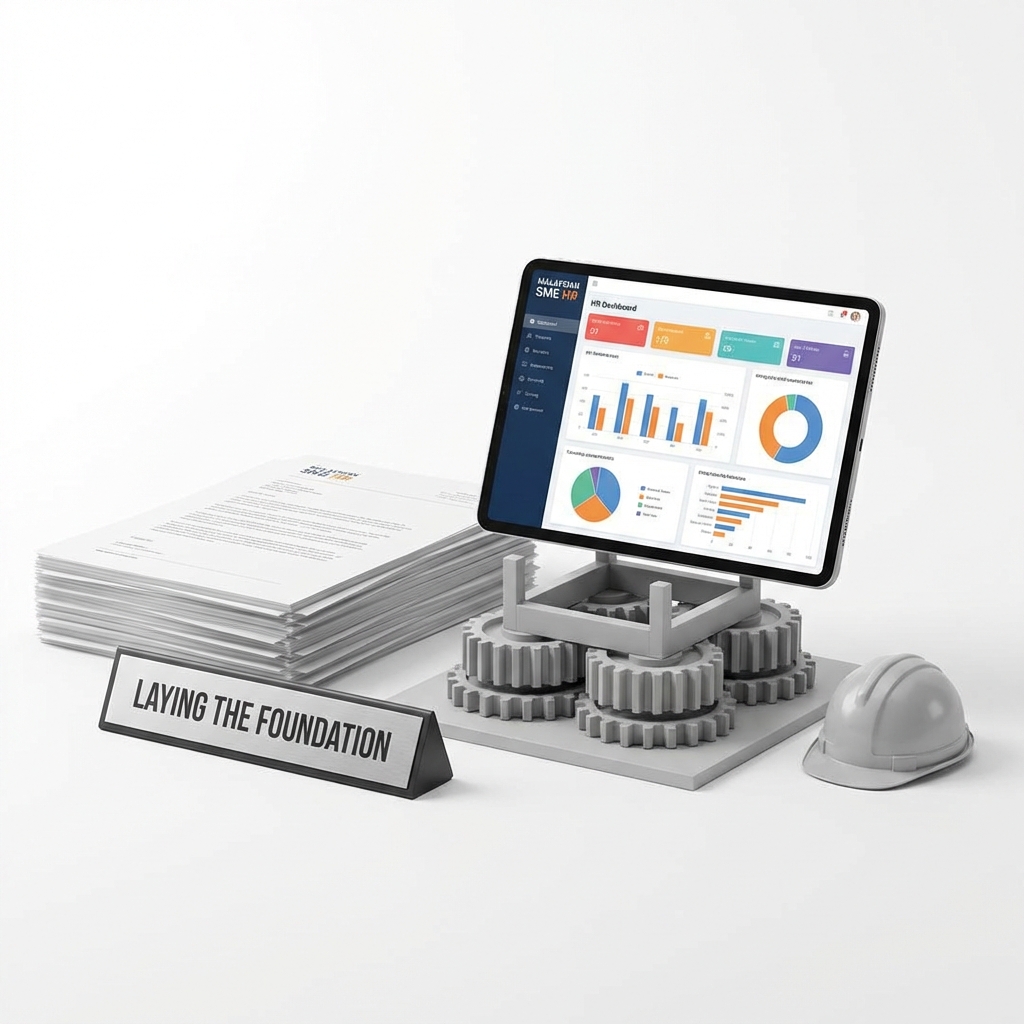
1. Key Characteristics of SME HR vs. Large Corporations
The HR landscape in a Malaysian SME significantly differs from that of a large corporation. In a startup or growing e-commerce SME, HR responsibilities are often multi-faceted and may initially fall on the CEO or a senior manager wearing multiple hats. Unlike their larger counterparts with dedicated HR departments and specialized functions, SMEs typically operate with leaner teams, meaning every hire and every HR decision has a more immediate and profound impact on the business’s agility and culture. Workforce planning is often less formal, relying on immediate needs rather than long-term strategic projections, though this needs to evolve with growth.
This informal structure means that while direct communication and a strong family-like culture can flourish, the absence of formalized HR policies and procedures can lead to inconsistencies, especially concerning employee retention in Malaysia. A CEO must appreciate that in an SME, every team member contributes directly to the company’s output and culture. Talent management in SMEs, particularly within the fast-paced e-commerce sector, requires a hands-on approach to attracting, developing, and retaining key individuals, often with limited budgets compared to big players. This demands creativity in benefits, recognition, and career growth opportunities.
2. Malaysian Labour Laws and Their Impact on E-commerce SMEs
Understanding Malaysian labour law compliance is non-negotiable for any CEO operating in the country. The primary legislation governing employment is the Employment Act 1955, which has undergone significant amendments, most recently taking effect in 2023. These amendments introduce crucial changes concerning working hours, flexible working arrangements, paternity leave, and anti-discrimination provisions. Other key acts include the Industrial Relations Act 1967, Employees Provident Fund Act 1991 (EPF), Employees’ Social Security Act 1969 (SOCSO), and the Employment Insurance System Act 2017 (EIS).
For an e-commerce SME, these laws dictate minimum wages, overtime rules, statutory holidays, termination procedures, and the mandatory contributions to EPF, SOCSO, and EIS for all eligible employees. Navigating these requirements can be complex, particularly without a dedicated HR or legal team. Missteps in compliance can lead to hefty fines, legal disputes, and reputational damage. It’s crucial for new CEOs to familiarize themselves with these laws or secure expert advice to ensure their HR strategy for startups adheres to all regulations. A comprehensive guide to the Employment Act 1955 and its amendments can be found on reputable legal resources, for instance, by reviewing official government publications or legal firm summaries detailing the Employment Act 1955 (Revised 1981) to understand the foundational aspects.
3. Common HR Challenges for Growing E-commerce Businesses
Even with a clear understanding of the regulatory environment, e-commerce SMEs face a unique set of HR challenges as they grow. One of the foremost is attracting and retaining top talent. The e-commerce sector demands a blend of digital marketing expertise, logistical acumen, customer service excellence, and technical skills. Competing with larger, more established companies for this specialized talent pool, especially with limited budgets, can be difficult. This necessitates a strong employer brand and a compelling value proposition beyond just salary.
Another significant hurdle involves scaling HR processes. What works with 5 employees won’t work with 50 or 100. Establishing effective performance management systems, fair compensation structures, and clear communication channels becomes critical. Employee relations Malaysia requires sensitivity to cultural nuances and proactive conflict resolution. Furthermore, managing remote or hybrid teams, common in modern e-commerce, introduces complexities in fostering team cohesion, maintaining productivity, and ensuring equitable treatment. Therefore, understanding the broader Step by Step to understand SMEs HR Structure for the fresh the CEO in Ecommerce field in malaysia becomes paramount for successful expansion. Neglecting these areas can lead to high turnover, decreased morale, and ultimately, hinder your business’s growth trajectory.
In conclusion, for a new CEO in a Malaysian e-commerce SME, a proactive and informed approach to HR is not merely about compliance but about building a resilient, high-performing team. By understanding the distinctions of SME HR, navigating the legal landscape, and proactively addressing common challenges, you lay a robust foundation for sustainable success in a dynamic market.
Decoding Your Existing HR Structure & Team
As a fresh CEO stepping into the dynamic world of e-commerce in Malaysia, one of your immediate priorities must be to thoroughly understand the foundational elements of your company’s human resources. A robust and efficient HR structure is the backbone of any successful organization, especially in the fast-paced e-commerce sector where talent acquisition, retention, and agility are paramount. This Step by Step to understand SMEs HR Structure for the fresh the CEO in Ecommerce field in malaysia guide will equip you with the framework to effectively assess and analyze your current HR setup, including roles, responsibilities, and existing processes. This initial deep dive is crucial for identifying strengths, weaknesses, and areas for strategic improvement, ensuring your HR function supports your ambitious growth plans.
1. Identifying Key HR Roles and Responsibilities within Your Company
Your first step is to gain a crystal-clear picture of who does what within your HR department, no matter its size. In an e-commerce SME, HR functions might be consolidated into one or two generalist roles, or spread across multiple specialized individuals. Begin by creating an organizational chart specifically for the HR team. Document each role and its primary responsibilities, asking questions like:
- Who handles recruitment and talent acquisition for e-commerce roles (e.g., digital marketers, logistics coordinators, customer service)?
- Is there a dedicated person for employee relations, conflict resolution, and performance management?
- Who is responsible for payroll processing, benefits administration, and ensuring compliance with Malaysian labor laws, including EPF, SOCSO, and EIS contributions?
- Are learning and development initiatives managed by HR, or delegated to department heads?
- How are HR policies developed, communicated, and enforced across the company?
Pay close attention to potential overlaps or gaps in responsibilities. Unclear delineation can lead to inefficiency, frustration, and critical tasks falling through the cracks, which is a common SME HR challenge in Malaysia. Understanding these HR roles in e-commerce Malaysia is fundamental to evaluating the current capacity and identifying where additional support or training might be needed to optimize your HR strategy for e-commerce growth.
2. Mapping Current HR Processes (Recruitment, Onboarding, Payroll)
Once you understand the ‘who,’ it’s time to delve into the ‘how.’ Mapping out existing HR processes provides insights into their efficiency, compliance, and employee experience. Focus on critical processes that directly impact your e-commerce operations:
- Recruitment: Trace the journey from identifying a hiring need to a new employee’s first day. How are job descriptions created? Where are vacancies advertised? What is the screening and interview process? How long does it typically take to fill key e-commerce roles? Identifying bottlenecks in your recruitment e-commerce pipeline is vital for rapid scaling.
- Onboarding: A structured onboarding process for e-commerce talent is crucial for retention. What happens once an offer is accepted? How are new hires integrated into the team and company culture? Is there a formal orientation, IT setup, and introduction to company tools and values?
- Payroll and Benefits: Understand the entire payroll process for e-commerce employees. Is it managed internally or outsourced? How are attendance, leaves, and commissions tracked? How are statutory contributions and tax filings handled to ensure full compliance with Malaysian regulations?
Conducting an informal HR audit for e-commerce processes will reveal pain points, areas of manual effort that could be automated, and potential compliance risks. Look for opportunities to streamline, standardize, and enhance the employee experience. For insights into general HR process optimization, consider resources from authoritative bodies. For example, the Society for Human Resource Management (SHRM) offers valuable insights on leveraging technology to enhance HR processes, which can lead to better e-commerce HR best practices in Malaysia.
3. Assessing HR Technology and Tools Utilized (or Lacking)
In today’s digital age, technology is an indispensable enabler for efficient HR operations. Evaluate the existing HR tech stack within your e-commerce company:
- Do you use an HRIS (Human Resources Information System) or HRMS (Human Resources Management System)? If so, what features does it offer (e.g., employee data management, leave tracking, performance management modules)?
- Is there dedicated payroll software for e-commerce, or are spreadsheets still predominant?
- Are you utilizing an Applicant Tracking System (ATS) for recruitment, or is the process managed manually through email and databases?
- What tools are in place for performance reviews, employee feedback, and training?
Many SMEs in Malaysia still rely on fragmented systems or manual methods. Identifying these gaps is crucial. Modern HR tech for e-commerce can significantly reduce administrative burden, improve data accuracy, ensure compliance, and free up HR to focus on strategic initiatives. Consider the scalability of your current tools. As your e-commerce business grows, so too will your HR needs. Investing in appropriate HR technology now can prevent significant operational headaches down the line and lay the groundwork for superior e-commerce HR best practices in Malaysia. A comprehensive understanding of your technological capabilities (or lack thereof) is paramount for formulating future HR investment strategies.
By systematically dissecting your existing HR roles, processes, and technology, you, as the new CEO, will gain invaluable insights into the operational health of your human capital function. This thorough assessment is not just an administrative task; it’s a strategic imperative that will inform your decisions, enable targeted improvements, and ultimately drive the sustainable growth of your e-commerce venture in Malaysia.
Aligning HR with E-commerce Business Objectives
In Malaysia’s rapidly evolving digital landscape, e-commerce businesses are not just competing on price or product, but increasingly on the agility, innovation, and engagement of their workforce. For a fresh CEO navigating the dynamic world of e-commerce, understanding how Human Resources (HR) transcends its traditional administrative role to become a strategic partner is paramount. This section explains how to ensure the HR structure is not just compliant, but actively supports and drives the specific growth strategies and goals of an e-commerce business in Malaysia. It’s about building a resilient, adaptable team that can propel your business forward in a highly competitive market.
The success of an e-commerce venture hinges on its ability to attract, develop, and retain talent that can navigate digital complexities, manage sophisticated logistics, and deliver exceptional online customer experiences. HR, therefore, becomes the backbone, ensuring that every people-centric initiative aligns with the overarching business objectives, from increasing market share to optimizing operational efficiency and fostering a culture of innovation.
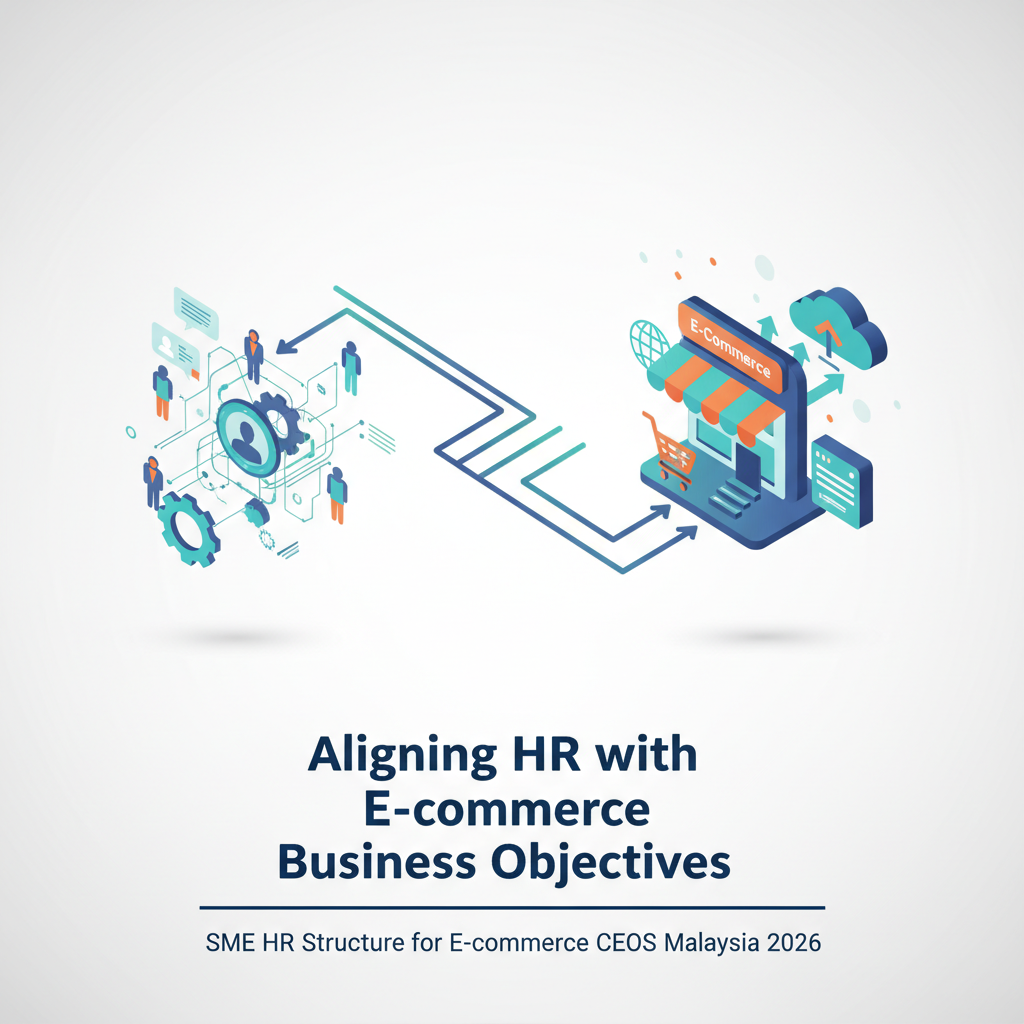
1. HR’s Role in Driving E-commerce Growth & Productivity
For e-commerce, HR is less about paperwork and more about people strategy. It directly impacts growth by fostering a productive and engaged workforce. This involves creating a culture that embraces change, encourages rapid learning, and values data-driven decision-making – all crucial traits for digital success. HR contributes by:
- Talent Development: Identifying skill gaps and implementing training programs for e-commerce-specific tools (e.g., analytics platforms, CRM software, digital marketing tools) and agile methodologies.
- Employee Engagement & Culture: Building a vibrant, inclusive work environment that attracts digital natives and retains top talent. Engaged employees are more productive, innovative, and loyal, directly impacting customer satisfaction and business reputation.
- Operational Efficiency: Streamlining HR processes through technology (HRIS) to free up HR professionals for strategic initiatives, ensuring faster onboarding, accurate payroll, and compliant policies that support rapid scaling.
- Workforce Planning: Proactively anticipating future talent needs based on business expansion, market trends, and technological advancements, ensuring the right people are in the right roles at the right time.
2. Talent Acquisition Strategies for Niche E-commerce Skills
The e-commerce sector demands a unique blend of technical and soft skills. Sourcing talent with expertise in areas like digital marketing (SEO/SEM, social media), data analytics, supply chain management, UI/UX design, cybersecurity, and omnichannel customer service is critical. Effective talent acquisition strategies for Malaysian e-commerce SMEs include:
- Employer Branding: Crafting a compelling employer value proposition (EVP) that highlights the exciting, fast-paced nature of e-commerce, growth opportunities, and a supportive culture.
- Leveraging Digital Platforms: Utilizing professional networking sites (LinkedIn), specialized job boards, and social media for targeted recruitment campaigns.
- Building Talent Pipelines: Establishing relationships with universities and vocational schools in Malaysia to tap into emerging talent pools, internships, and graduate programs.
- Remote Work & Flexibility: Embracing remote or hybrid work models to access a wider talent pool beyond geographical constraints, especially for highly specialized roles. For any fresh CEO in the e-commerce field in Malaysia looking to build a robust foundation, understanding the essential HR structure for SMEs is a foundational step.
3. Performance Management in a Dynamic E-commerce Environment
Traditional, annual performance reviews often fall short in the fast-paced e-commerce world. A dynamic performance management system is essential, one that is agile, continuous, and aligned with measurable e-commerce KPIs.
- Agile Goal Setting: Implementing OKRs (Objectives and Key Results) or similar agile methodologies that allow for frequent adjustments to goals in response to market changes and business priorities.
- Continuous Feedback & Coaching: Moving towards a culture of ongoing feedback, regular check-ins, and coaching to facilitate real-time performance improvements and professional development.
- Data-Driven Metrics: Tying performance directly to e-commerce metrics such as conversion rates, customer acquisition cost (CAC), customer lifetime value (CLTV), website traffic, inventory turnover, and fulfillment speed.
- Recognition & Rewards: Developing incentive programs that reward performance linked to business objectives, fostering a high-performance culture. As Malaysia continues its push towards a digital-first economy, the strategic alignment of HR practices is paramount for e-commerce growth. According to the Malaysia Digital Economy Corporation (MDEC), fostering digital talent and an innovative ecosystem are key pillars for national success.
In conclusion, for a CEO steering an e-commerce business in Malaysia, HR is not merely a support function; it is a critical driver of business success. By strategically aligning HR with growth objectives through targeted talent acquisition, dynamic performance management, and a focus on employee development and culture, businesses can build a competitive edge and thrive in the ever-evolving digital marketplace.
Developing a Future-Proof HR Strategy for E-commerce
In the dynamic and rapidly evolving landscape of e-commerce, the role of Human Resources extends far beyond traditional administrative tasks. For a fresh CEO venturing into the e-commerce field in Malaysia, understanding and implementing a robust, future-proof HR strategy is paramount for sustainable growth and competitive advantage. This section focuses on strategic planning for HR, including scaling operations, talent development, and succession planning tailored specifically for an evolving e-commerce context. The insights here aim to provide a Step by Step to understand SMEs HR Structure for the fresh the CEO in Ecommerce field in malaysia, ensuring your HR functions are agile, strategic, and ready to support rapid business expansion.
1. Scaling HR for E-commerce Growth and Market Expansion
E-commerce businesses often experience exponential growth, requiring HR to scale operations rapidly without compromising quality or compliance. For Malaysian SMEs, this means not only recruiting more staff but also developing an e-commerce HR strategy that anticipates future needs. HR scaling e-commerce involves leveraging HR technology to automate processes, streamline recruitment, and manage a distributed workforce effectively. Implementing Applicant Tracking Systems (ATS), HRIS (Human Resources Information Systems), and performance management tools becomes crucial. Furthermore, as e-commerce ventures explore new markets, HR must adapt to local labor laws, cultural nuances, and talent pools. This includes developing effective global recruitment strategies, understanding visa requirements, and ensuring seamless onboarding for a diverse, cross-border team. The focus should be on building an HR infrastructure that is flexible enough to support rapid market entry and expansion, while also ensuring compliance and a consistent employee experience across all operational territories.
2. Talent Development & Retention Strategies in E-commerce
The digital economy thrives on specialized skills, making talent management e-commerce a critical differentiator. Attracting and retaining top talent in a competitive market requires more than just attractive salaries. A comprehensive e-commerce talent development strategy involves continuous learning programs, upskilling, and reskilling initiatives to keep pace with technological advancements and changing consumer behaviors. This includes training in digital marketing analytics, supply chain optimization, data science, and customer experience management. For HR for Malaysian e-commerce SMEs, fostering a culture of innovation and learning is key. Strategies for employee retention e-commerce also encompass creating an engaging work environment, offering flexible work arrangements, competitive benefits, and clear career progression paths. Regularly soliciting employee feedback and acting on it demonstrates a commitment to employee well-being and professional growth, which are crucial for maintaining morale and reducing turnover in a fast-paced industry.
3. Succession Planning and Leadership Development Pathways
To truly future-proof your workforce, e-commerce businesses must proactively address leadership gaps and ensure a steady pipeline of skilled leaders. E-commerce succession planning is vital for business continuity and sustained innovation. This involves identifying high-potential employees early, providing them with mentorship opportunities, leadership training, and cross-functional project experiences. Developing clear leadership development pathways empowers employees to envision their future within the company and prepares them for increased responsibilities. For a fresh CEO, investing in leadership development not only secures future leadership but also cultivates a culture of internal promotion, boosting employee loyalty and engagement. Furthermore, having a robust succession plan minimizes disruption during leadership transitions, ensuring the company can maintain its strategic momentum in a highly competitive and dynamic market. Implementing HR tech e-commerce solutions can assist in tracking employee skills, performance, and development progress, making succession planning more data-driven and effective. This proactive approach ensures that the organization always has the right talent in critical roles, ready to navigate the complexities of the e-commerce landscape.
Leveraging Technology & Best Practices for HR Efficiency
For a fresh CEO in the dynamic Malaysian e-commerce landscape, navigating the complexities of human resources is paramount for sustainable growth. Understanding the Step by Step to understand SMEs HR Structure for the fresh the CEO in Ecommerce field in malaysia is foundational. In a competitive market where agility and talent retention are key, leveraging technology and adopting robust best practices are no longer luxuries but necessities. This section delves into how Malaysian e-commerce SMEs can streamline their HR operations, enhance employee engagement, and ultimately boost overall organizational effectiveness through strategic technological adoption and well-defined practices.
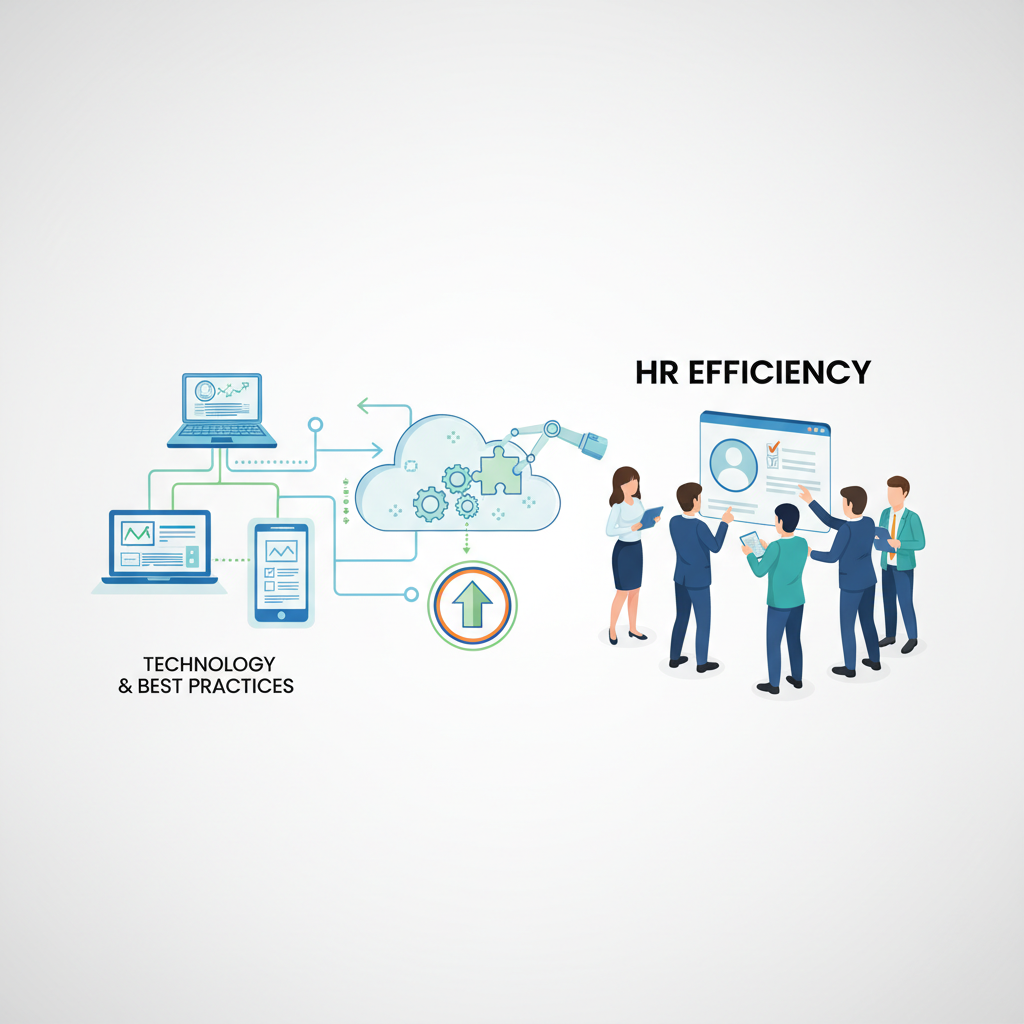
1. Implementing HRIS (Human Resources Information Systems) for SMEs
The first significant stride towards HR efficiency for Malaysian e-commerce SMEs is the adoption of an HRIS. Traditionally, HR functions in small and medium-sized enterprises involved cumbersome manual processes – spreadsheets for payroll, physical files for employee records, and paper forms for leave requests. An HRIS centralizes all HR-related data and automates repetitive administrative tasks. For a CEO looking to build a resilient HR structure, a cloud-based HRIS offers affordability and scalability, making it ideal for SMEs. Key functionalities include payroll processing, leave management, attendance tracking, performance appraisal management, and even basic recruitment modules. By digitizing these processes, SMEs can drastically reduce administrative overhead, minimize errors, ensure compliance with Malaysian labor laws, and free up HR personnel to focus on more strategic initiatives like talent development and employee engagement. This digital transformation is a critical component of optimizing the entire HR workflow for an e-commerce business operating in Malaysia.
2. Data Analytics for Informed HR Decision-Making
Beyond simply automating tasks, the real power of an HRIS and other digital tools lies in their ability to generate valuable data. For e-commerce SMEs, leveraging HR data analytics can transform reactive HR functions into proactive strategic assets. By analyzing metrics such as employee turnover rates, recruitment costs, performance trends, and training effectiveness, CEOs can gain deep insights into their workforce dynamics. For instance, identifying peak turnover periods or understanding the common reasons for employee departures can inform retention strategies. Analyzing performance data can highlight training gaps, especially crucial in a fast-evolving digital commerce landscape requiring continuous skill upgrades. Furthermore, understanding workforce demographics and engagement levels can help tailor benefits packages and workplace initiatives to better suit the diverse needs of employees. This data-driven approach enables more informed decision-making, leading to better resource allocation, enhanced productivity, and a stronger talent pipeline, all vital for sustained success in the competitive Malaysian e-commerce sector. Businesses can refer to resources like SHRM’s guidance on small business HR decisions for broader insights into effective HR strategies.
3. Promoting a Positive and Productive E-commerce Workplace Culture
While technology provides the tools for efficiency, a positive and productive workplace culture remains the bedrock of any successful enterprise, especially for the high-paced environment of e-commerce. Malaysian SMEs must consciously cultivate a culture that fosters engagement, innovation, and well-being. This involves clear communication channels, often facilitated by internal communication platforms or HRIS portals, where employees feel heard and valued. Regular feedback mechanisms, performance recognition programs, and opportunities for professional development are critical. For e-commerce, this might include specialized training in digital marketing, logistics, or customer service tools. Promoting work-life balance, acknowledging achievements, and creating a sense of community, even within a potentially remote or hybrid setup, are essential. A strong culture reduces absenteeism, boosts morale, and significantly enhances employee retention – a critical factor in a talent-scarce market. By combining technological efficiency with human-centric best practices, Malaysian e-commerce SMEs can create an environment where employees thrive, leading directly to increased productivity and a competitive edge.
Partner with Shelby Global
You are looking for reliable HR Sevice Suppliers? Contact Shelby Global Now! To connect with verified talents and upgrade your orginization.
—————————————
References
– Employment Act 1955 (Revised 1981): https://www.agc.gov.my/agcportal/uploads/files/Publications/LOM/Employment%20Act%201955.pdf
– SHRM HR Technology Resources: https://www.shrm.org/resources-and-tools/hr-topics/technology/
– Malaysia Digital Economy Corporation (MDEC) – Grow Digital Economy: https://www.mdec.my/grow-digital-economy
– Future-Proofing Your Workforce: https://www.shrm.org/resources-and-tools/hr-topics/talent-acquisition/the-future-of-work-what-to-expect-in-2024
– How Do Small Businesses Make HR Decisions?: https://www.shrm.org/resources-and-tools/tools-and-samples/hr-qa/how-do-small-businesses-make-hr-decisions