Laying the Foundation: Basics of HR in Malaysian SMEs
For a new CEO stepping into the dynamic world of an FMCG Small and Medium-sized Enterprise (SME) in Malaysia, understanding Human Resources (HR) isn’t just about managing people; it’s about navigating a unique operational landscape. Unlike multinational corporations with dedicated, multi-layered HR departments, HR within Malaysian SMEs often operates with leaner teams, broader scopes, and a more intimate connection to daily business operations. This foundational insight is crucial for any leader looking to drive growth and efficiency. This guide will provide a Step by Step to understand SMEs HR Structure for the fresh the CEO in FMCG companies in malaysia, ensuring a smooth transition and effective leadership.

1. Defining SME HR: What’s Different for a New CEO?
The first significant difference a new CEO will observe is the sheer breadth of responsibilities often consolidated within a single HR professional or a small team. In larger entities, functions like talent acquisition, compensation & benefits, learning & development, and employee relations are often distinct departments. In an SME, one HR manager might handle all of these, alongside payroll, administrative tasks, and even office management. This integrated approach means HR is deeply embedded in the company’s daily life, often acting as a bridge between management and employees, and directly impacting business agility.
Furthermore, SME HR is inherently more hands-on and less bureaucratic. Policies might be less formalized, relying more on direct communication and situational judgment. The emphasis is often on immediate problem-solving and fostering a strong company culture, which is vital for retaining talent in competitive sectors like FMCG. For a new CEO, recognizing this operational fluidity and the personal connection HR has with employees is key to effective engagement and strategic decision-making. The challenge is often about optimizing existing, often informal, processes rather than implementing entirely new, rigid structures.
2. Key Roles and Responsibilities of an SME HR Department
While the team might be small, the functions an SME HR department in Malaysia typically undertakes are comprehensive. A lean HR team usually covers:
- Recruitment & Onboarding: Attracting, interviewing, and integrating new hires, often adapting quickly to the specific needs of the FMCG sales and distribution cycles.
- Payroll & Benefits Administration: Ensuring timely and accurate salary processing, managing EPF, SOCSO, EIS, and other statutory contributions, and administering employee benefits.
- Employee Relations: Handling grievances, disciplinary actions, conflict resolution, and promoting a positive work environment crucial for team cohesion in smaller setups.
- Performance Management: Implementing simple yet effective performance appraisal systems to monitor productivity and identify development needs.
- Training & Development: Organizing essential training, particularly for sales and marketing teams in FMCG, to keep them updated on product knowledge and market trends, often leveraging external providers or internal expertise due to budget constraints.
- Compliance: Ensuring adherence to Malaysian labor laws, including the Employment Act 1955, industrial relations regulations, and occupational safety and health standards. This is a critical area, as non-compliance can lead to significant penalties. Understanding national labor legislation is paramount for HR in this context.
The CEO’s role here is to empower this lean team, provide strategic direction, and understand that HR decisions directly impact the company’s operational capacity and financial health.
3. Common HR Challenges for SMEs in Malaysia’s FMCG Sector
SMEs in Malaysia’s FMCG sector face particular HR hurdles:
- Talent Attraction & Retention: Competing with larger corporations for skilled talent, especially in specialized roles like supply chain management or digital marketing, remains a significant challenge. SMEs often rely on culture, growth opportunities, and direct impact as key differentiators.
- Budget Constraints: Limited budgets often restrict investment in sophisticated HR software, comprehensive training programs, or competitive compensation packages, requiring creative and cost-effective HR solutions.
- Regulatory Compliance: Staying abreast of ever-evolving Malaysian labor laws and regulations can be daunting for small HR teams without dedicated legal support. Missteps can be costly.
- Workforce Development: Providing continuous professional development is crucial in the fast-paced FMCG industry, but SMEs often struggle with structuring effective, affordable training programs.
- Succession Planning: The smaller team size makes succession planning more challenging. The loss of a key individual can significantly impact operations, making robust, albeit informal, contingency plans essential.
- Balancing Growth with Culture: As FMCG SMEs grow, maintaining the agile, close-knit culture that defines them while implementing more structured processes becomes a delicate balancing act for HR.
A new CEO must recognize these challenges and work closely with HR to develop pragmatic strategies that support business objectives while nurturing the human capital that drives the organization forward.
Decoding HR Legal & Regulatory Compliance in Malaysia
For a fresh CEO stepping into the dynamic world of FMCG companies in Malaysia, grasping the nuances of human resources (HR) legal and regulatory compliance is not just advisable, it’s absolutely critical. Navigating the intricate web of Malaysian labour laws ensures your SME avoids costly pitfalls, fosters a positive work environment, and secures its long-term success. This guide offers a Step by Step to understand SMEs HR Structure for the fresh the CEO in FMCG companies in malaysia, focusing on the essential legal framework governing HR practices for SMEs.
1. Malaysian Labour Laws: Employment Act & Industrial Relations Act
At the core of HR compliance in Malaysia lie two foundational pieces of legislation: the Employment Act 1955 (EA 1955) and the Industrial Relations Act 1967 (IRA 1967). For FMCG SMEs, understanding these acts is paramount, especially given the sector’s unique operational demands like shift work and diverse workforces.
The Employment Act 1955 (EA 1955), significantly amended effective January 1, 2023, now covers all employees regardless of their wages, extending crucial protections. Key areas for CEOs to note include:
- Working Hours: The standard working week is reduced from 48 to 45 hours, impacting overtime calculations and shift scheduling.
- Flexible Work Arrangements (FWA): Employees can request FWAs; employers must respond within 60 days, requiring robust HR policies.
- Leave Entitlements: Paternity leave is increased to 7 days, and maternity leave to 98 days, necessitating adjustments in leave management.
- Minimum Wage: Adherence to the current minimum wage order (RM1,500 per month) is non-negotiable for all employees.
- Sexual Harassment: The Act strengthens provisions, mandating employers to investigate complaints seriously.
The Industrial Relations Act 1967 (IRA 1967) governs employer-employee relationships, particularly concerning trade disputes, collective bargaining, and unfair dismissals. Understanding the IRA is crucial for managing individual employee grievances and ensuring fair disciplinary processes. Any termination must be carried out with just cause and excuse, upholding principles of natural justice to avoid claims at the Industrial Court.
2. Navigating EPF, SOCSO, and EIS Contributions for SMEs
Every CEO must ensure diligent compliance with statutory contributions to the Employees Provident Fund (EPF), Social Security Organization (SOCSO), and the Employment Insurance System (EIS). These contributions are vital for employee welfare and are mandatory for all employers in Malaysia.
- Employees Provident Fund (EPF): A compulsory retirement savings scheme for employees. Both employers and employees contribute a percentage of monthly wages (e.g., employer 12-13%, employee 11%). Timely contributions avoid penalties.
- Social Security Organization (SOCSO): Administers the Employment Injury Scheme (occupational accidents) and Invalidity Scheme (invalidity/death). Employers mainly contribute to the former, while both parties contribute to the latter.
- Employment Insurance System (EIS): Managed by SOCSO, EIS provides financial assistance and re-employment services for retrenched employees. Both employers and employees contribute a small percentage of monthly wages.
For FMCG SMEs, accurate payroll processing and timely submission of these contributions are non-negotiable. Failing to comply results in severe fines, legal action, and damage to company reputation. Establish robust payroll systems and understand specific declaration and payment deadlines for each fund.
3. Understanding Local Data Privacy (PDPA) & Anti-Discrimination Laws
In today’s digital age, data privacy is paramount, and Malaysia’s Personal Data Protection Act 2010 (PDPA) extends significantly to HR practices. Concurrently, fostering an equitable workplace requires adherence to evolving anti-discrimination principles.
- Personal Data Protection Act 2010 (PDPA): This Act regulates personal data processing in commercial transactions. For SMEs, this means careful handling of employee data—from recruitment to payroll. Key principles include obtaining consent, ensuring data accuracy, implementing security, limiting retention, and providing data access. A data breach can lead to significant penalties. Your HR systems must protect employee privacy throughout the employment lifecycle.
- Anti-Discrimination Laws: While Malaysia lacks a single comprehensive anti-discrimination act, various provisions within the Employment Act 1955 and constitutional principles uphold fair employment practices. Recent EA 1955 amendments, for instance, introduced protections against discrimination in employment based on gender, religion, race, disability, and marital status. CEOs must implement fair recruitment, ensure equal opportunities, and establish clear policies against harassment and discrimination based on any protected characteristic. Promoting diversity and inclusion enhances workplace culture and complies with legal expectations.
By diligently adhering to these crucial legal and regulatory frameworks, an FMCG SME CEO in Malaysia can build a resilient, ethical, and legally compliant HR structure, paving the way for sustainable growth and a thriving workforce.
Practical Steps to Assess Your FMCG SME’s HR Structure
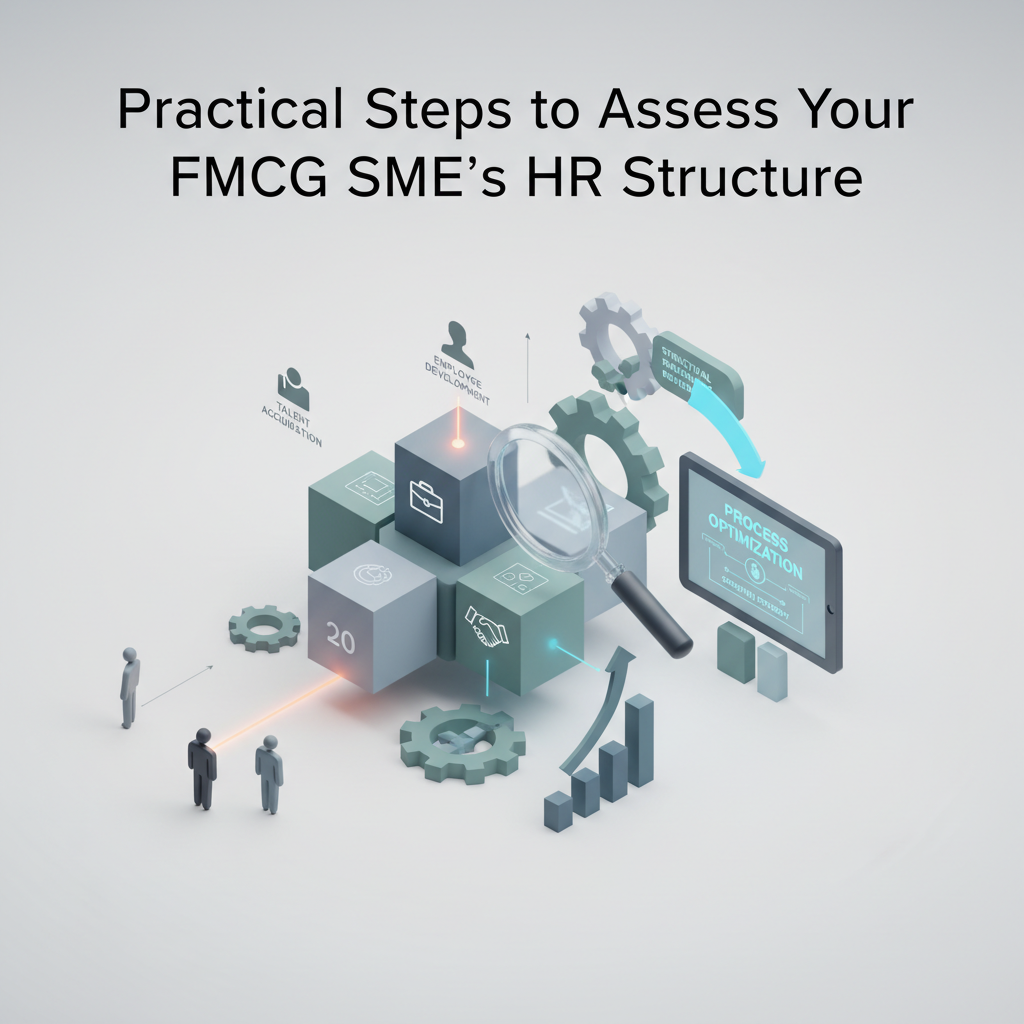
As a new CEO stepping into an FMCG SME in Malaysia, understanding the intricate workings of your human resources department is paramount. A robust HR structure isn’t just about compliance; it’s the backbone of operational efficiency, employee morale, and ultimately, sustainable growth in a dynamic market. This guide provides a Step by Step to understand SMEs HR Structure for the fresh the CEO in FMCG companies in malaysia, enabling you to swiftly identify strengths, weaknesses, and areas for immediate improvement.
-
Conducting an HR Audit: What to Look For
Embarking on an HR audit is your foundational step. This systematic review delves into existing policies, procedures, and practices to ensure they align with legal requirements, best practices, and your company’s strategic goals. For FMCG companies in Malaysia, navigating local labor laws and industry-specific demands is crucial. What should you scrutinize? Start with your recruitment and onboarding processes: Are they efficient? Do they attract the right talent for your fast-paced environment? Evaluate performance management systems, compensation structures, and disciplinary procedures for fairness and clarity. Crucially, assess your compliance with Malaysian labor regulations, including employment contracts, working hours, and employee benefits. Look for comprehensive documentation in employee files and identify the level of technology adoption – are you still relying heavily on manual processes or leveraging an HRIS? An effective HR compliance audit will reveal gaps, potential risks, and areas where streamlined operations can significantly boost efficiency, directly impacting your bottom line.
-
Interviewing Key Stakeholders: Managers & Employees
While policies provide a framework, the human element offers invaluable insights. Conducting confidential interviews with key stakeholders – your managers and employees – provides a qualitative understanding that data alone cannot capture. Engage with departmental managers to understand their challenges in talent acquisition, retention, and performance management. Ask about the support they receive from HR, areas where HR could be more proactive, and the effectiveness of current training programs. Their perspectives often highlight operational bottlenecks or inadequate HR tools. Simultaneously, speak with employees across various levels and departments. Gauge their job satisfaction, perception of fairness in company policies, understanding of career progression paths, and the responsiveness of HR to their concerns. Questions about company culture, communication effectiveness, and opportunities for development can uncover underlying issues affecting morale and productivity. These interviews are vital for understanding the true pulse of your organization and identifying ‘soft’ HR issues that might be hindering performance or contributing to an undesirable workplace culture within your FMCG SME.
-
Analyzing Essential HR Metrics & Data (e.g., turnover, absenteeism)
To complement your audit and stakeholder interviews, a data-driven approach is essential. Analyzing key HR metrics provides objective insights into the health and effectiveness of your HR functions. Start with your employee turnover rate – not just the overall figure, but segment it by department, tenure, and reason for exit. High turnover in specific areas could indicate management issues, inadequate compensation, or a lack of career development opportunities, significantly impacting employee retention in Malaysia‘s competitive FMCG sector. Closely examine absenteeism rates; consistent patterns might point to issues with workload, workplace stress, or poor work-life balance, common FMCG HR challenges. Track time-to-hire and cost-per-hire to evaluate recruitment efficiency. If available, delve into employee engagement survey results, performance review completion rates, and the effectiveness of training initiatives. These quantitative insights are critical for identifying trends, justifying strategic HR investments, and measuring the impact of any changes you implement. Understanding these numbers is a critical step-by-step to understand SMEs HR structure and ensure that your HR efforts are driving tangible business results for your Malaysian FMCG operations. A deep dive into these metrics helps you move beyond assumptions to evidence-based decision-making, crucial for any fresh CEO.
By systematically performing an HR audit, gathering stakeholder feedback, and meticulously analyzing HR metrics, you gain a comprehensive and nuanced understanding of your FMCG SME’s HR landscape. This HR audit for SMEs isn’t just an exercise in compliance; it’s a strategic imperative. It empowers you, as the new CEO, to make informed decisions that strengthen your workforce, enhance productivity, and ultimately drive the sustained success of your operations in the competitive Malaysian FMCG market. A robust HR foundation is your greatest asset in cultivating a resilient and high-performing organization.
Optimizing Talent Management & Development for Growth
For a fresh CEO stepping into the dynamic world of a Malaysian FMCG SME, understanding and strategically managing human capital is paramount. In a market characterized by intense competition and evolving consumer demands, the ability to attract, develop, and retain top talent directly correlates with business growth and sustained competitive advantage. This section provides a strategic framework, outlining crucial steps to optimize your talent management and development initiatives, ensuring your workforce is not just an operational cost but a formidable asset driving innovation and productivity.
-
Effective Recruitment & Onboarding Strategies for FMCG SMEs
In the fast-paced FMCG sector, securing the right talent is foundational. For Malaysian SMEs, this often means competing with larger corporations for skilled individuals, necessitating a sharp and distinctive approach. Begin by clearly defining your employer brand and the unique value proposition your SME offers, focusing on agility, direct impact, and a close-knit culture. Utilize local job portals, industry networks, and even social media to target candidates with relevant FMCG experience and a strong understanding of the Malaysian consumer landscape. Beyond technical skills, prioritize cultural fit and a proactive attitude, as these are critical for thriving in an agile SME environment.
Once a candidate is selected, a robust onboarding process is crucial for rapid integration and retention. For a new CEO looking for a Step by Step to understand SMEs HR Structure for the fresh the CEO in FMCG companies in malaysia, streamlining this process ensures new hires quickly become productive members of the team. This includes not only administrative setup but also comprehensive introductions to company culture, product lines, sales cycles, and key stakeholders. Assigning a buddy or mentor can significantly ease the transition, fostering a sense of belonging and accelerating their understanding of market nuances and operational flows within your specific FMCG niche.
-
Implementing Employee Training & Development Programs
Continuous learning and skill enhancement are non-negotiable for sustained growth in the FMCG sector. Malaysian FMCG SMEs must invest in tailored employee training and development programs that address both current skill gaps and future business needs. These programs should cover product knowledge, sales techniques, digital marketing acumen, supply chain management, and even soft skills like leadership and problem-solving, which are vital for career progression and overall business resilience. Leverage a mix of cost-effective solutions: in-house workshops led by experienced staff, online courses, industry seminars, and mentorship programs.
Creating a culture of continuous learning not only boosts individual capabilities but also enhances overall team performance and morale. By actively investing in the professional growth of your team, you demonstrate commitment to their careers, which is a powerful driver of employee engagement and retention. For ambitious SMEs, linking training outcomes to performance metrics can validate the investment and ensure programs are directly contributing to business objectives, such as increased sales efficiency or improved product development cycles. This strategic approach to SME talent development helps in building a versatile and adaptable workforce capable of navigating market shifts.
-
Performance Management & Succession Planning in SMEs
Effective performance management is the cornerstone of a high-performing team. For a Malaysian FMCG SME, this means establishing clear, measurable objectives that align with the company’s strategic goals. Implement a straightforward yet consistent performance review system that focuses on regular feedback, coaching, and constructive dialogue rather than just annual evaluations. This proactive approach helps employees understand their impact, identify areas for improvement, and celebrate successes, fostering a transparent and accountable work environment. Regular check-ins can prevent minor issues from escalating and help in agile adjustments to individual and team goals.
Complementing performance management with robust succession planning is crucial for long-term organizational stability and growth. Identify key roles and high-potential employees within your organization. Develop tailored development plans, including cross-training, leadership programs, and mentorship, to prepare these individuals for future leadership positions. This not only mitigates the risks associated with key person dependency but also creates clear career pathways, motivating employees and enhancing overall retention. By proactively managing your human capital management Malaysia FMCG operations and fostering internal growth, SMEs can build a powerful engine for sustained competitive advantage. For more insights on building effective frameworks, explore resources like SHRM’s guide to Performance Management: Effective Strategies and Practices, which offers valuable perspectives applicable even for smaller enterprises striving for competitive advantage HR strategies.
Strategic HR: Integrating HR with Business Goals for FMCG Success
For any fresh CEO in FMCG companies in Malaysia, understanding the critical shift in Human Resources (HR) is paramount. Gone are the days when HR was solely an administrative department, bogged down by payroll processing and basic recruitment. Today, especially within the dynamic and competitive Fast-Moving Consumer Goods (FMCG) sector, HR must evolve into a strategic partner, directly contributing to business growth and sustainability. This transformation is particularly vital for Small and Medium-sized Enterprises (SMEs) in Malaysia, where agility, talent retention, and operational efficiency can make or break market presence. This section explores how strategic HR can move beyond transactional tasks to become an indispensable force in achieving overall business objectives, providing a step-by-step approach for a new leader to grasp the essential elements of an effective HR structure.
1. Aligning HR Strategy with FMCG Business Objectives
The foundation of strategic HR lies in its seamless alignment with the overarching business goals. For an FMCG SME, these objectives might include increasing market share, launching new products, optimizing supply chain costs, or expanding into new regional markets. HR’s role is to ensure that the human capital strategies directly support these ambitions. This involves more than just hiring; it encompasses talent acquisition that targets specific skill sets needed for product innovation or market penetration, performance management systems that reward contributions to sales targets and efficiency, and robust training and development programs designed to upskill the workforce in areas like digital marketing, logistics, or new product development methodologies. A new CEO must prioritize an HR framework that actively translates business needs into human capital initiatives, moving beyond a generic approach to a highly targeted, business-centric one. By linking HR Key Performance Indicators (KPIs) directly to business KPIs—such as retention rates among top sales performers impacting revenue, or training hours leading to reduced production errors—HR’s value becomes unequivocally clear.
2. Leveraging Technology for Efficient HR Operations
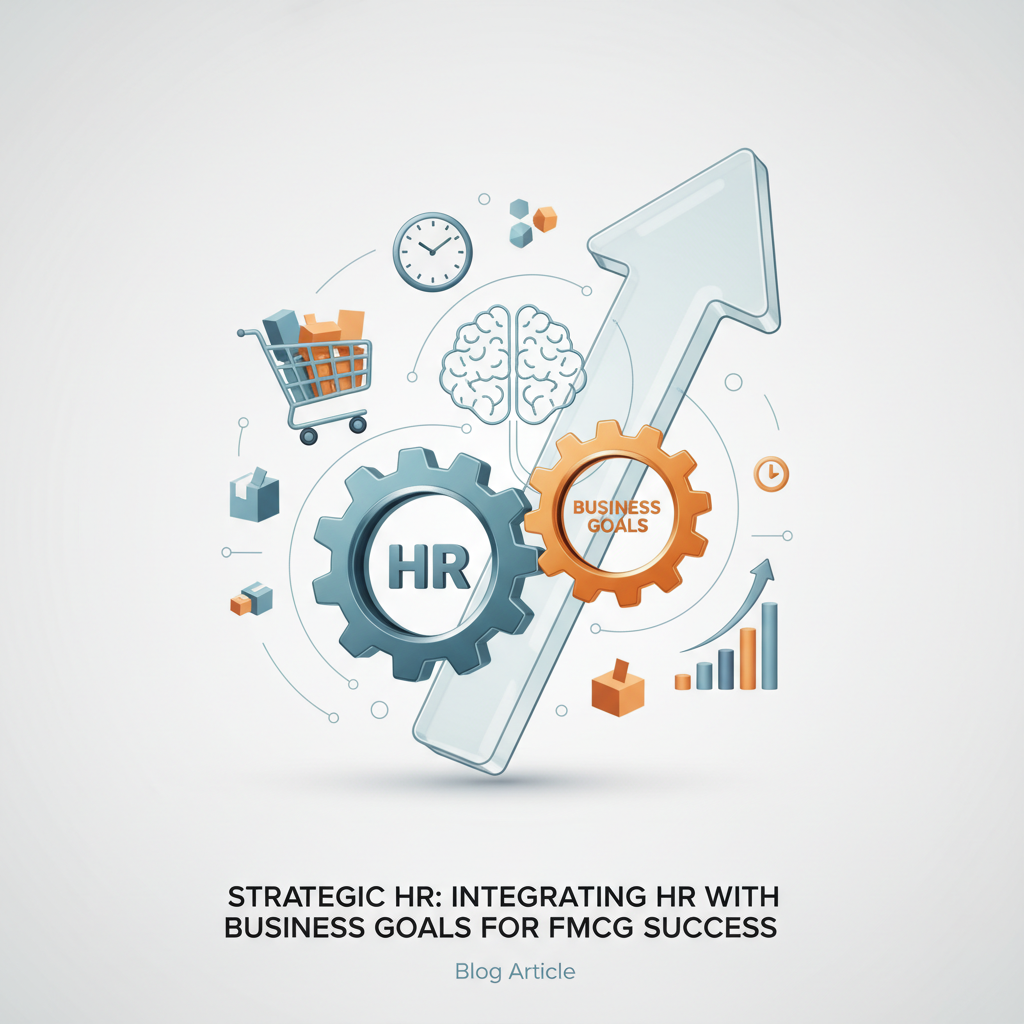
In the fast-paced FMCG environment, efficiency is non-negotiable. Modern HR technology is no longer a luxury but a necessity for SMEs looking to optimize their operations. Implementing a robust Human Resources Information System (HRIS) can automate time-consuming administrative tasks like payroll, leave management, and employee record-keeping, freeing up the HR team to focus on strategic initiatives. Applicant Tracking Systems (ATS) can streamline the recruitment process, ensuring the right talent is identified and onboarded swiftly—a critical factor for companies with high-volume hiring needs or specialized roles in manufacturing and distribution. Furthermore, HR analytics tools provide invaluable insights into workforce data, helping a fresh CEO understand SMEs HR structure strengths and weaknesses, predict future talent needs, and make data-driven decisions. For Malaysian FMCG SMEs, leveraging such technology reduces operational costs, minimizes human error, and empowers HR to become a true data-driven strategic partner. The shift from manual processes to digital solutions enhances transparency and improves the overall employee experience, making the organization more attractive to potential hires.
3. Building a Positive Workplace Culture & Employee Engagement
Beyond systems and strategies, the heart of any successful FMCG company lies in its people and the culture that nurtures them. A positive workplace culture fosters innovation, boosts morale, and significantly reduces employee turnover—a costly challenge for many SMEs. Strategic HR plays a pivotal role in cultivating an environment where employees feel valued, heard, and motivated. This includes implementing effective recognition programs, promoting open communication channels, investing in career development and growth opportunities, and prioritizing employee well-being initiatives. For FMCG companies, where frontline staff often interact directly with consumers or manage critical supply chain operations, engaged employees are brand ambassadors and efficiency drivers. A strong culture of collaboration and psychological safety encourages problem-solving and adaptability, essential traits in a rapidly evolving market. According to a McKinsey report on talent retention, fostering a supportive and engaging culture is crucial for attracting and retaining top talent in competitive industries globally. For a Malaysian FMCG SME, this means actively designing a workplace that reflects local values while embracing global best practices, ensuring that employees are not just performing tasks but are truly invested in the company’s success and vision. Such efforts lead to higher productivity, greater innovation, and ultimately, sustained business growth.
In conclusion, strategic HR is no longer an optional add-on but a fundamental pillar for FMCG success in Malaysia. By aligning HR efforts with business objectives, embracing technological advancements, and fostering a vibrant, engaging workplace culture, a fresh CEO can transform HR from a cost center into a powerful strategic asset. This holistic approach ensures that human capital is not just managed but maximized, propelling the FMCG SME towards greater profitability and market leadership.
Partner with Shelby Global
You are looking for reliable HR Sevice Suppliers? Contact Shelby Global Now! To connect with verified talents and upgrade your orginization.
—————————————
References
– Understanding national labor legislation: https://www.ilo.org/wcmsp5/groups/public/—asia/—ro-bangkok/—ilo-jakarta/documents/publication/wcms_375631.pdf
– Ministry of Human Resources Malaysia: https://www.mohr.gov.my/index.php/en/
– HR compliance audit: https://www.shrm.org/resourcesandtools/tools-and-samples/how-to-guides/pages/howtoconductanhrcomplianceaudit.aspx
– Performance Management: Effective Strategies and Practices: https://www.shrm.org/resources-and-tools/pages/performance-management-effective-strategies-and-practices.aspx
– McKinsey report on talent retention: https://www.mckinsey.com/capabilities/people-and-organizational-performance/our-insights/the-organization-blog/the-great-attrition-is-making-it-harder-to-find-talent-here-is-what-companies-can-do