Laying the Foundation: Basics of SME HR in Malaysia
For a fresh CEO stepping into the vibrant, yet often complex, entertainment industry in Malaysia, understanding the nuances of Human Resources (HR) for Small and Medium-sized Enterprises (SMEs) isn’t just an advantage—it’s a critical imperative. Your ability to navigate talent management, legal compliance, and employee well-being will directly impact your company’s growth and reputation. This guide offers a step-by-step approach to understanding SME HR structure for the fresh CEO in the entertainment field in Malaysia, ensuring you build a robust and compliant workforce from day one.

1. Understanding Malaysian Labour Laws & Regulations for SMEs
Navigating Malaysia’s intricate labour laws is the bedrock of effective SME HR. For entertainment businesses, compliance isn’t just about avoiding penalties; it’s about fostering a fair and secure environment for your creative talent. The primary legislation governing employment in Malaysia is the Employment Act 1955 (amended most recently in 2022), which outlines fundamental rights and responsibilities for both employers and employees. While some provisions apply universally, SMEs often need to pay closer attention to specific thresholds, such as those related to annual leave, sick leave, and overtime, which can vary based on an employee’s salary level.
Beyond the Employment Act, CEOs must familiarise themselves with mandatory contributions and social security schemes. This includes the Employees Provident Fund (EPF), a compulsory savings scheme for retirement, and the Social Security Organisation (SOCSO), which provides protection for employment injury and invalidity. The Employment Insurance System (EIS), managed by SOCSO, offers financial assistance to retrenched workers. For entertainment companies, understanding contract types—be it permanent, fixed-term, or project-based—is particularly vital given the industry’s often transient nature. Proper documentation for each contract, detailing terms, conditions, and benefits, is crucial to prevent future disputes. Failing to adhere to these regulations can lead to significant fines, legal action, and damage to your company’s brand image, especially in a sector where public perception is paramount.
2. Common HR Challenges for SMEs in Malaysia’s Business Landscape
SMEs in the Malaysian entertainment industry face a unique set of HR challenges, requiring agile and creative solutions. One of the foremost hurdles is talent acquisition and retention. The entertainment sector thrives on specialized skills—from graphic designers and animators to scriptwriters and performers. Attracting top talent often means competing with larger, more established companies or even international studios, which typically offer more attractive compensation packages and extensive benefits. For SMEs, leveraging unique company culture, growth opportunities, and creative freedom becomes key differentiators.
Another significant challenge is limited HR budget and resources. Unlike larger corporations with dedicated HR departments, SMEs often rely on a small team, or even the CEO themselves, to manage all HR functions. This scarcity of resources can lead to inefficiencies, compliance oversights, and a reactive rather than proactive approach to HR. Furthermore, managing a diverse workforce—including local and potentially foreign talent, freelancers, and project-based staff—presents complexities in terms of cultural integration, legal permits, and fair treatment. Performance management can also be difficult to standardize in creative roles where output is often subjective, requiring clear KPIs and regular, constructive feedback mechanisms. Maintaining employee morale and engagement in a high-pressure, deadline-driven industry is equally critical, demanding effective communication and recognition strategies. Addressing these challenges head-on is paramount for a fresh CEO aiming to build a resilient and motivated team.
3. Key HR Functions: From Payroll Management to Legal Compliance
Effectively managing an SME in the Malaysian entertainment sector requires a clear understanding and execution of core HR functions, even if these are initially handled by a lean team. Recruitment and Onboarding are foundational: attracting the right talent through targeted advertising and a smooth onboarding process ensures new hires are integrated quickly and productively into your creative environment. This includes preparing employment contracts, setting up necessary accounts (EPF, SOCSO), and introducing them to company culture and project workflows.
Compensation and Benefits extend beyond just monthly salaries. It encompasses meticulous payroll management, ensuring timely and accurate contributions to EPF, SOCSO, and EIS, as well as managing leave entitlements (annual, sick, maternity, paternity) in accordance with the Employment Act. For a nascent CEO, understanding these statutory requirements is crucial to avoid legal pitfalls. Performance Management involves setting clear expectations, conducting regular appraisals, and providing constructive feedback to foster continuous improvement and career development. This is particularly important in creative fields where growth and skill enhancement are highly valued. Learning and Development initiatives, even small-scale ones, can significantly boost employee capabilities and morale. Finally, Employee Relations and Legal Compliance are overarching functions. This includes handling grievances, disciplinary actions, and ensuring all company policies align with Malaysian labour laws. By establishing efficient, if initially basic, systems for these key HR functions, a fresh CEO can build a stable and legally sound operational backbone for their entertainment venture in Malaysia.
Decoding HR Structure for Entertainment SMEs
The vibrant world of entertainment, from film production houses to animation studios and event management firms, presents a unique landscape for human resources. Unlike traditional corporate environments, HR in entertainment SMEs (Small and Medium-sized Enterprises) in Malaysia must adeptly navigate creative roles, project-based workflows, and a dynamic talent pool that often includes a significant number of freelancers and gig workers. For a fresh CEO in the Malaysian entertainment field, understanding the nuances of this HR structure is crucial for sustainable growth and talent retention. This guide offers a Step by Step to understand SMEs HR Structure for the fresh the CEO in Entertainment field in malaysia, focusing on tailored strategies for the creative industry. It delves into typical HR department sizes, freelance management, and industry-specific compliance, essential for effective talent management and operational efficiency. We will explore key aspects of entertainment HR challenges and creative talent management.
-
Typical HR Department Sizes and Structures in Entertainment SMEs
In Malaysian entertainment SMEs, HR departments rarely mirror the large, multi-faceted teams found in established corporations. For a startup or a smaller production house, HR functions might initially be handled by a single dedicated HR generalist, or even outsourced entirely. This individual often wears multiple hats, managing everything from recruitment for specific projects to payroll processing and employee relations. As the SME grows, the structure typically evolves. A common progression involves adding an HR assistant or a specialist focused on talent acquisition – especially critical given the constant need for diverse creative talent.
The structure is often project-centric. Instead of a fixed hierarchy, HR roles may expand or contract based on the production schedule. For instance, during a major film shoot, HR might temporarily bring in additional recruiters or administrative support to handle the influx of crew and cast. Post-production, the team might scale back. Key considerations for a fresh CEO include determining when to transition from outsourced HR services to an in-house team, and how to scale HR support effectively without overburdening a lean budget. Effective resource planning and understanding project-based HR are paramount for these agile organizations.
-
Navigating Freelance & Gig Worker Management in Creative Projects
The backbone of the entertainment industry often comprises freelancers, contractors, and gig workers. From scriptwriters and graphic designers to lighting technicians and sound engineers, these independent professionals bring specialized skills to projects without the long-term commitment of full-time employment. For entertainment SMEs, managing this transient workforce presents distinct HR challenges. This involves robust onboarding processes for temporary staff, ensuring clear communication of project scopes, deadlines, and deliverables.
One of the primary difficulties lies in integration and engagement. While not traditional employees, freelancers still require a positive working environment and clear channels for feedback. HR must develop systems for contract management, payment processing, and performance evaluation that differ significantly from those for permanent staff. Furthermore, HR plays a vital role in fostering a collaborative culture where full-time employees and freelancers can seamlessly work together, promoting team cohesion despite fluctuating personnel. Adopting effective freelance HR solutions is not just about logistics; it’s about nurturing a reliable network of creative talent. This requires proactive communication, fair compensation practices, and a clear understanding of legal distinctions between employees and independent contractors to avoid misclassification issues.
-
Compliance for Industry-Specific Contracts (e.g., Artists, Crew)
Legal and ethical compliance in the entertainment industry is complex, particularly concerning contracts for artists, crew, and other creative professionals. Unlike standard employment agreements, these contracts often include specific clauses relating to intellectual property rights, residuals, royalties, image rights, and intricate payment structures linked to project milestones or performance. A fresh CEO must prioritize a deep understanding of Malaysian labor laws as they apply to both permanent staff and the diverse range of contractual workers. This also involves navigating industry-specific regulations and union agreements, where applicable.
HR’s role extends to ensuring that all contracts are legally sound, clearly define responsibilities and compensation, and protect the interests of both the SME and the individual. This includes meticulous record-keeping, ensuring timely payments, and managing disputes effectively. Missteps in contract compliance can lead to significant financial penalties, reputational damage, and loss of valuable talent. For example, understanding the distinctions between a contract for services (freelancer) and a contract of service (employee) is critical to avoid legal challenges related to employment benefits, taxes, and social security contributions. This is a crucial aspect of HR compliance entertainment. Seeking legal counsel specializing in entertainment law is often a wise investment for SMEs to ensure all contracts meet Malaysian legal standards and industry best practices. Staying updated on changes in labor legislation, particularly concerning gig economy workers, is also essential for maintaining compliance and mitigating risks.
Talent Management in the Creative Sphere
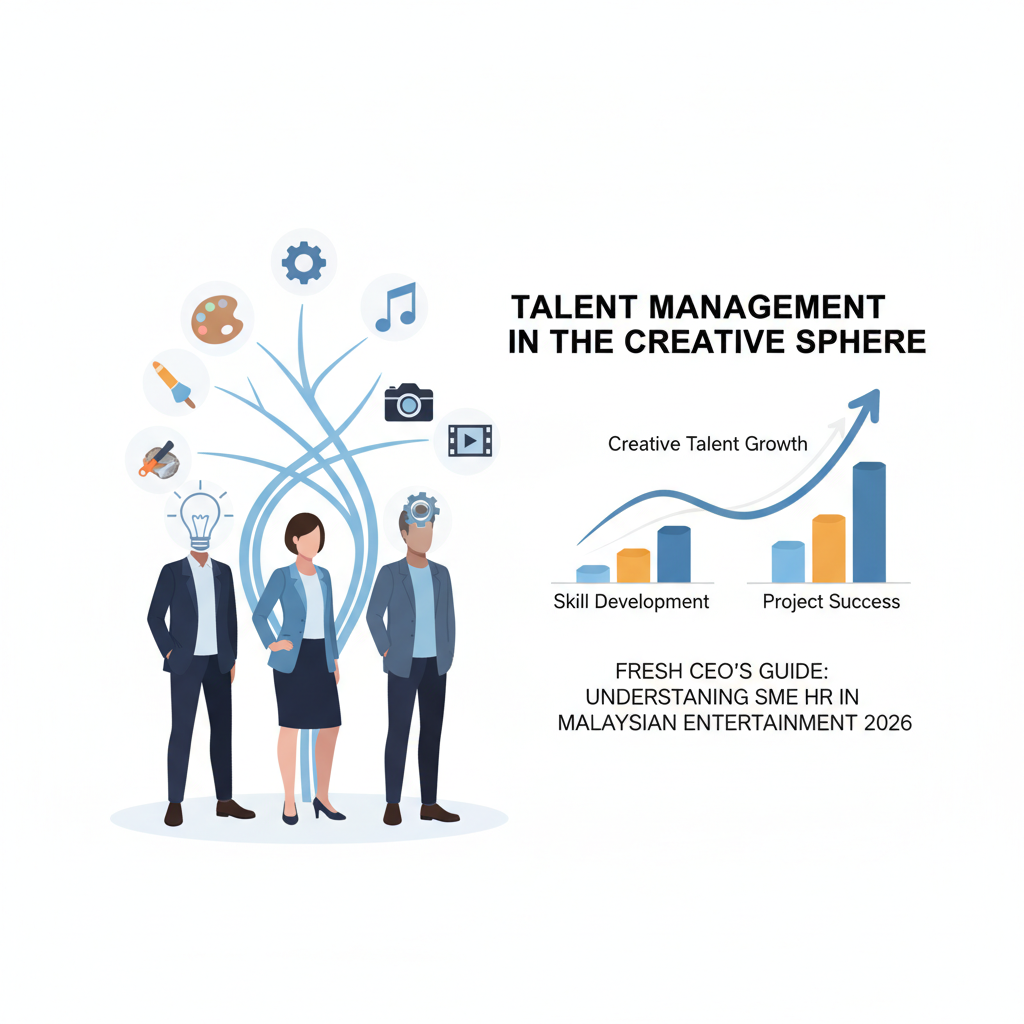
For a fresh CEO entering the dynamic Malaysian entertainment industry, understanding the nuances of human resources is paramount, especially when operating within the confines of Small and Medium-sized Enterprises (SMEs). The creative sector thrives on unique skills, innovative thinking, and passionate individuals, making Step by Step to understand SMEs HR Structure for the fresh the CEO in Entertainment field in malaysia not just helpful, but critical. Effective talent management in this sphere isn’t merely about hiring; it’s about strategically attracting, developing, and retaining the specialized talent crucial for sustained growth and competitive advantage. SMEs in Malaysia face distinct challenges, including limited budgets and intense competition for niche skills, necessitating innovative human resources strategies for SMEs that align with their growth objectives.
-
Strategies for Talent Acquisition in Creative Industries
Attracting top creative talent to an SME in the Malaysian entertainment industry requires a multifaceted and often non-traditional approach. Unlike larger corporations, SMEs may not have the luxury of extensive recruitment budgets or established employer brands. Therefore, focusing on the unique value proposition is key. This includes highlighting the opportunity for greater impact, direct involvement in exciting projects, and a more intimate work culture. Leveraging digital platforms is crucial for creative talent acquisition; professional networking sites, industry-specific forums, and even creative portfolio platforms can be invaluable. Participating in local industry events, workshops, and university outreach programs helps identify emerging talent and build a pipeline for future needs. Furthermore, establishing a strong referral program among current employees, who often have connections within the creative community, can yield highly qualified candidates. Clear, compelling job descriptions that emphasize project scope, creative freedom, and growth potential will resonate more with artistic professionals than generic corporate jargon. For SMEs, demonstrating a commitment to fostering creativity and providing a platform for professional expression often outweighs the allure of a higher salary from a larger entity. Understanding the specific needs of the entertainment industry HR Malaysia landscape is vital here, adapting global best practices to local cultural and market conditions.
-
Developing & Retaining Key Creative Talent
Once acquired, nurturing and retaining creative professionals is an ongoing process that goes beyond compensation. SME talent development within the creative sphere should focus on continuous learning, skill enhancement, and career progression pathways tailored to individual aspirations. This might involve access to online courses, mentorship programs, cross-functional project opportunities, or even support for personal creative endeavors that enrich their professional skills. Creating a culture that values experimentation, provides constructive feedback, and celebrates success is fundamental. Creative individuals often thrive on autonomy and a sense of ownership over their work; micromanagement can be a significant deterrent. Providing flexible work arrangements, where feasible, can also greatly contribute to job satisfaction and work-life balance, essential factors for retaining creative professionals. Regular check-ins and open dialogues about career goals and challenges help build trust and commitment. Recognising and rewarding contributions, not just financially but through public acknowledgement and new opportunities, reinforces their value to the team and the company’s mission. For a growing entertainment SME, investing in its people is investing in its future, ensuring a stable foundation of skilled individuals who are passionate about their work and the company’s vision.
-
Performance Management & Appraisals for Creative Roles
Traditional performance management systems often fall short when applied to creative roles, where output can be subjective, iterative, and not easily quantifiable. For SMEs in the entertainment industry, developing a nuanced approach to performance appraisals creative roles is essential. Instead of solely focusing on measurable metrics, appraisals should incorporate qualitative feedback, peer reviews, and self-assessment of creative contributions, problem-solving, and collaborative efforts. Goals should be set collaboratively, focusing on project milestones, skill development, and creative innovation rather than just output volume. Regular, informal feedback sessions throughout a project lifecycle are often more effective than annual reviews, allowing for timely adjustments and continuous improvement. Managers should be trained to provide constructive criticism that inspires rather than stifles creativity, emphasizing growth opportunities and learning from challenges. The appraisal process should be a dialogue, not a judgment, fostering a supportive environment where creatives feel safe to experiment and take risks. Aligning individual performance with team and company objectives, while respecting creative autonomy, is the ultimate goal. This iterative and supportive framework ensures that talent is not only managed but also nurtured, allowing the Malaysian entertainment SME to continuously innovate and excel.
Operational HR: Tools, Tech & Culture
For fresh CEOs navigating the vibrant yet complex entertainment industry in Malaysia, mastering operational HR is crucial. This section provides a Step by Step guide to understanding SMEs HR Structure for the fresh CEO in the Entertainment field in Malaysia, focusing on practical implementation. From leveraging cutting-edge technology to cultivating a thriving workplace, effective HR operations are the bedrock of sustainable growth for any entertainment SME in Malaysia. Understanding HR structures is not just about compliance; it’s about optimizing employee experience in the entertainment industry to ensure your creative talent flourishes.
1. Leveraging HR Technology (HR Tech) for Malaysian SMEs
In today’s fast-paced digital landscape, HR operations for entertainment SMEs in Malaysia can be dramatically streamlined through technology. Implementing the right HR Tech solutions, such as Human Resources Information Systems (HRIS), is no longer a luxury but a necessity for efficient management. For a fresh CEO, choosing scalable platforms that can grow with your business is key. These systems can automate core processes like payroll, leave management, attendance tracking, and onboarding, freeing up valuable time for strategic initiatives.
Furthermore, HR Tech aids significantly in ensuring Malaysian labor laws compliance. Digital record-keeping, automated policy dissemination, and built-in reporting features can help your SME adhere to local regulations, such as the Employment Act 1955 and minimum wage requirements. For instance, using a robust HRIS for small businesses Malaysia can help track employee benefits, statutory contributions (EPF, SOCSO, EIS), and even manage performance reviews effectively. Look for platforms that offer modules for Applicant Tracking Systems (ATS) to simplify recruitment, and performance management tools to foster employee growth. Consulting resources like the Ministry of Human Resources Malaysia (MOHR) website can provide up-to-date information on compliance requirements for SMEs.
2. Fostering a Positive Workplace Culture in Entertainment
The entertainment industry, by its nature, thrives on creativity, passion, and collaborative spirit. For Malaysian entertainment SMEs, cultivating a positive workplace culture is paramount for attracting and retaining top talent. This goes beyond just competitive salaries; it involves creating an environment where employees feel valued, heard, and inspired. Fresh CEOs should prioritize open communication channels, ensuring feedback loops are active and employees feel comfortable sharing ideas and concerns.
Given the often demanding schedules and project-based nature of entertainment work, promoting workplace well-being entertainment professionals is crucial. This includes advocating for reasonable work-life balance, offering mental health support, and celebrating achievements. A culture of recognition, where efforts are acknowledged both formally and informally, significantly boosts morale. Embracing diversity and inclusion is also vital; a diverse workforce brings varied perspectives that can spark innovation and resonate with broader audiences. By embedding core values like respect, transparency, and innovation into your company’s DNA, you build a resilient team ready to tackle any creative challenge.
3. Building Effective Employee Engagement Strategies
Engaged employees are productive employees. For SMEs in the competitive Malaysian entertainment sector, proactive talent retention in the creative industry relies heavily on robust employee engagement strategies. This means going beyond basic HR functions to actively involve employees in the company’s vision and success. Regular performance reviews, coupled with clear pathways for career development and skill enhancement, are powerful motivators. Consider offering training workshops relevant to industry trends, or mentorship programs that connect junior talent with experienced professionals.
Effective engagement also involves creating opportunities for connection and collaboration outside of core project work. Team-building activities, company-wide celebrations, and even informal social gatherings can strengthen bonds and foster a sense of belonging. Implement feedback mechanisms, such as anonymous surveys or suggestion boxes, to give employees a voice and demonstrate that their opinions matter. By consistently investing in your people’s growth and well-being, you not only enhance their commitment but also build a powerful employer brand that attracts future talent, ultimately securing the long-term success of your entertainment venture.
Future-Proofing Your HR: Growth & Compliance
As your entertainment SME in Malaysia evolves from a fledgling startup to a thriving enterprise, the complexities of human resources will inevitably escalate. Proactive planning is not just advisable; it’s essential for sustainable growth, maintaining legal integrity, and fostering a robust work environment. This section offers critical guidance for fresh CEOs in the Malaysian entertainment field, detailing how to scale HR operations, anticipate future trends, and ensure continuous compliance.

1. Scaling HR Operations as Your Entertainment SME Grows
Initially, a CEO might manage HR functions personally, but this rapidly becomes unsustainable. As your entertainment SME expands, so too does your workforce, the diversity of roles, and the volume of HR tasks. The first step in scaling is to transition from an ad-hoc approach to structured HR processes. This involves:
- Implementing HR Information Systems (HRIS): Investing in a suitable HRIS can automate payroll, leave management, attendance tracking, and employee data management. This frees up valuable time and reduces manual errors, ensuring a smoother HR workflow as employee numbers rise. Cloud-based solutions are often ideal for SMEs due to their scalability and accessibility.
- Defining Roles and Responsibilities: Clearly delineate job descriptions for new and existing roles, especially as creative and technical teams expand. This prevents overlap, boosts efficiency, and provides a transparent framework for performance management.
- Building an HR Team or Outsourcing: Depending on the pace of growth and budget, consider hiring dedicated HR personnel. A generalist can handle day-to-day operations, while specialists might be needed for talent acquisition or compensation and benefits. Alternatively, outsourcing specific HR functions (e.g., payroll, recruitment) can provide expert support without the overhead of a full-time hire.
- Developing Clear Policies and Procedures: Standardize processes for recruitment, onboarding, performance reviews, grievances, and offboarding. Consistent policies ensure fairness, clarity, and adherence to company values. Understanding the foundational elements of your HR setup from the outset is crucial for future expansion. For a comprehensive guide on building these foundations, refer to our detailed article on Step by Step to understand SMEs HR Structure for the fresh the CEO in Entertainment field in malaysia.
- Talent Management Strategies: As you grow, attracting and retaining top talent becomes more competitive. Implement strategies for talent acquisition, learning & development, career progression, and succession planning to ensure a continuous pipeline of skilled individuals for your creative and operational needs.
2. Anticipating & Adapting to Future HR Trends in Malaysia
The HR landscape is in constant flux, driven by technological advancements, evolving workforce demographics, and shifts in societal values. For an entertainment SME in Malaysia, staying ahead of these trends is vital for attracting and retaining the best talent and maintaining a competitive edge. Key trends to monitor include:
- The Gig Economy and Flexible Work Arrangements: The entertainment industry heavily relies on freelancers and project-based work. Understanding and optimizing contracts, compensation, and engagement for a flexible workforce will be paramount. Beyond this, embracing hybrid or remote work models, where feasible, can broaden your talent pool.
- Technology Integration (AI & Automation): AI is transforming HR, from automated recruitment screening and chatbots for employee queries to predictive analytics for retention. Exploring AI tools can significantly enhance efficiency and decision-making in your HR department.
- Focus on Employee Wellbeing and Mental Health: The demanding nature of the entertainment industry, coupled with global stressors, means employee wellbeing is no longer a luxury but a necessity. Implementing comprehensive wellness programs, mental health support, and promoting work-life balance will be critical for a productive and engaged workforce.
- Diversity, Equity, and Inclusion (DEI): A diverse workforce brings a wider range of perspectives and fosters innovation, particularly valuable in the creative sector. Developing robust DEI strategies and policies will not only enrich your company culture but also appeal to a broader audience. Insights from recent surveys, such as the PwC Malaysia Global Workforce Hopes and Fears Survey 2023, highlight the evolving expectations of the Malaysian workforce regarding these aspects.
- Talent Analytics and Data-Driven HR: Utilizing data to understand workforce trends, predict turnover, and measure the effectiveness of HR initiatives will enable more strategic HR planning.
3. Ensuring Ongoing Legal Compliance & Risk Management
Navigating the complex web of Malaysian labor laws and regulations is non-negotiable for any SME. Non-compliance can lead to hefty fines, reputational damage, and legal battles. Proactive risk management is key:
- Understanding Malaysian Labor Laws: Stay updated on key legislations such as the Employment Act 1955 (and its recent amendments), Employees Provident Fund (EPF) Act 1991, Employees’ Social Security Act 1969 (SOCSO), and Human Resources Development Act (HRD Corp) 2001. Ensure all employment contracts, policies, and practices align with these laws.
- Contract Management for Talent: In the entertainment sector, careful drafting of contracts for artists, crew, and contractors is crucial. Address intellectual property rights, royalties, confidentiality, and termination clauses clearly to mitigate disputes. Differentiate clearly between employees and independent contractors to avoid misclassification issues, which carry significant legal and financial risks.
- Data Privacy (PDPA): Protect employee personal data in accordance with the Personal Data Protection Act 2010 (PDPA). Implement robust data security measures and ensure transparency in how employee information is collected, stored, and processed.
- Workplace Safety and Health: Adhere to the Occupational Safety and Health Act 1994 (OSHA). For entertainment SMEs, this might involve specific safety protocols for sets, live events, or equipment handling.
- Regular Audits and Legal Counsel: Periodically audit your HR practices and policies to identify gaps and ensure continuous compliance. Engage with legal counsel specializing in Malaysian employment law to review significant changes, manage complex cases, and stay informed on regulatory shifts. This proactive approach minimizes legal risks and safeguards your company’s future.
By systematically addressing HR scaling, trend anticipation, and compliance, fresh CEOs in the Malaysian entertainment industry can lay a strong foundation for sustainable growth, create a resilient organizational culture, and navigate the future with confidence.
Partner with Shelby Global
You are looking for reliable HR Sevice Suppliers? Contact Shelby Global Now! To connect with verified talents and upgrade your orginization.
—————————————
References
– Employment Act 1955 Amendments 2022 by Skrine: https://www.skrine.com/insights/alerts/september-2022/employment-act-1955-amendments-2022
– What is the difference between an employee and an independent contractor?: https://www.shrm.org/resourcesandtools/tools-and-samples/hr-qa/pages/whatisthedifferencebetweenanemployeeandanindependentcontractor.aspx
– How To Attract And Retain Creative Talent In The Digital Age: https://www.forbes.com/sites/forbescoachescouncil/2021/04/20/how-to-attract-and-retain-creative-talent-in-the-digital-age/
– Ministry of Human Resources Malaysia (MOHR): https://www.mohr.gov.my/
– PwC Malaysia Global Workforce Hopes and Fears Survey 2023: https://www.pwc.com/my/en/publications/global-workforce-hopes-and-fears-survey-2023.html