Understanding the Unique Landscape of Education SMEs in Singapore

Singapore’s reputation as a global education hub is well-earned, driven by significant government investment, a highly competitive academic environment, and a diverse range of public and private educational institutions. Within this vibrant ecosystem, Small and Medium-sized Enterprises (SMEs) play a crucial, albeit often challenging, role. These education-focused SMEs, ranging from tuition centres and enrichment programmes to vocational training providers and edutech startups, contribute significantly to the accessibility and specialisation of learning opportunities. However, for a fresh CEO in the education field in Singapore, understanding the unique landscape of these SMEs, particularly their Human Resources (HR) structure and challenges, is paramount. This section provides a foundational overview of Singapore’s education sector, highlighting the specific characteristics and HR hurdles faced by these vital players, offering a crucial Step by Step to understand SMEs HR Structure for the fresh CEO in education field in singapore.
-
Singapore’s Education Sector Overview
Singapore’s education sector is renowned for its high standards and emphasis on meritocracy. The Ministry of Education (MOE) steers public education, ensuring quality and alignment with national goals. Parallel to this, a thriving private education sector caters to diverse needs, offering specialised courses, international curricula, and supplementary learning. This dual structure creates a highly competitive environment where private providers, including SMEs, must constantly innovate and deliver value. The sector’s growth is further fuelled by a culture that highly values continuous learning and skills upgrading, extending beyond primary and secondary education into tertiary and professional development. For any education SME, navigating this landscape requires a keen awareness of regulatory frameworks, parent expectations, and the overarching national educational ethos. Understanding this competitive backdrop is the first step in comprehending the broader operational context for education providers in the city-state.
-
Characteristics of SME Education Providers
Education SMEs in Singapore typically exhibit several distinguishing characteristics. Firstly, they often operate within niche markets, catering to specific subjects (e.g., advanced mathematics, coding), age groups (e.g., pre-school enrichment, secondary school tuition), or learning methodologies (e.g., experiential learning, online platforms). This specialisation allows them to be agile and responsive to evolving educational demands. Secondly, their size often means limited financial and human resources compared to larger institutions. This constraint impacts everything from marketing budgets to the capacity for in-house HR functions. Thirdly, education SMEs are heavily reliant on the expertise and passion of their educators. The quality of teaching staff directly translates to student outcomes and parental satisfaction, making talent a critical asset. Fourthly, they often foster a more intimate and personalised learning environment, building strong relationships with students and parents. Finally, many are entrepreneurial ventures, driven by passionate founders who might initially wear multiple hats, including HR. Recognizing these characteristics is key to appreciating the unique HR challenges they face, guiding a fresh CEO on how to approach their internal structures.
-
Common HR Challenges for Education-Focused SMEs
The inherent characteristics of education SMEs often translate into specific HR challenges. One of the foremost is talent acquisition and retention. The demand for qualified, experienced, and passionate educators is high in Singapore, making it difficult for SMEs to compete with larger institutions on salary or benefits. Retaining valuable staff, especially those who have built strong rapport with students, is crucial. Secondly, professional development and training can be a hurdle. While vital for maintaining quality and adapting to new pedagogies, budget and time constraints often limit opportunities for continuous learning for staff. Thirdly, regulatory compliance with local labour laws and educational guidelines (e.g., CPE registration for private schools) can be complex and burdensome for small teams without dedicated HR legal expertise. Fourthly, performance management can be subjective in an educational context, requiring robust frameworks that balance quantitative results (e.g., student grades) with qualitative feedback (e.g., teaching quality, student engagement). Lastly, many SMEs lack a dedicated HR department, leading to founders or administrative staff handling HR tasks alongside other duties. This often results in reactive rather than proactive HR strategies, potentially leading to inconsistencies in policies, unaddressed employee grievances, and difficulties in scaling. A fresh CEO needs to address these challenges proactively to build a sustainable and effective HR structure, which is a vital part of a Step by Step to understand SMEs HR Structure for the fresh CEO in education field in singapore approach.
Deciphering the Core HR Structure: Roles & Responsibilities
As a fresh CEO navigating the dynamic education landscape in Singapore, understanding the backbone of your organization – its Human Resources (HR) structure – is paramount. Unlike large corporations with specialized departments, Small and Medium-sized Enterprises (SMEs) often adopt a more streamlined, agile approach to HR. This section offers a clear, step-by-step guide to understanding the essential HR functions, key roles, and how they seamlessly integrate with your daily business operations to foster a thriving learning environment. Mastering your SMEs HR Structure is crucial for effective talent management and organizational growth, especially for a fresh CEO in the education field in Singapore.
-
Typical HR Functions & Processes in an SME
In an education-focused SME, HR encompasses a variety of critical functions, all designed to support the institution’s core mission of learning and development. These processes, while often managed by a lean team, are foundational to operational success:
- Recruitment & Onboarding: This involves attracting and integrating qualified educators and support staff. For an education SME, this goes beyond basic hiring to include assessing pedagogical skills, cultural fit, and ensuring compliance with local educational standards. It covers everything from crafting compelling job descriptions to conducting thorough interviews, background checks, and a comprehensive orientation specific to the education sector (e.g., MOE requirements, teaching methodologies).
- Payroll & Benefits Administration: Ensuring timely and accurate salary payments, mandatory CPF contributions, and managing various leave entitlements (annual, sick, maternity/paternity) are non-negotiable. This function requires meticulous attention to detail and strict adherence to Singaporean labour laws, particularly the Employment Act.
- Performance Management: Establishing clear performance expectations, facilitating regular feedback sessions, conducting structured performance reviews, and developing professional growth plans for both teaching and administrative staff are vital. This ensures high standards of education are maintained and fosters continuous improvement among employees.
- Training & Development: Identifying skill gaps and facilitating relevant professional learning opportunities is crucial for pedagogical advancement and curriculum updates. This function ensures your educators and staff remain at the forefront of educational best practices.
- Employee Relations & Engagement: Cultivating a positive and supportive work culture, efficiently addressing grievances, resolving conflicts, and promoting staff well-being are key to reducing turnover. In a demanding field like education, high employee engagement directly translates to a better learning experience for students.
- HR Compliance & Policy: Strict adherence to all local employment laws, developing and enforcing internal policies (e.g., code of conduct, anti-harassment), and maintaining accurate, confidential employee records are paramount. This ensures legal integrity and ethical operations. For a comprehensive understanding of employment standards, a fresh CEO in the education field in Singapore should always refer to the official Ministry of Manpower (MOM) website.
-
Key HR Roles & Their Scope (e.g., HR Generalist, Admin Support)
The allocation of HR responsibilities in an SME is often more consolidated than in larger organizations. Understanding who handles what is crucial for effective management:
- HR Generalist: This is often the cornerstone of HR in many SMEs. An HR Generalist handles a broad spectrum of HR tasks – from managing the entire recruitment cycle and overseeing payroll to handling employee relations and ensuring basic compliance. In an education SME, they might also be involved in managing teacher certifications, professional development tracking, and even supporting curriculum-related HR needs. Their role is inherently multifaceted, requiring exceptional adaptability and a solid grasp of all HR functions.
- HR Administrator/Support: This role typically supports the HR Generalist or a smaller HR team, focusing on essential administrative tasks. This includes diligent record-keeping, scheduling interviews, processing new hire paperwork, managing leave applications, and accurately updating employee databases. Their meticulous work ensures the smooth, day-to-day operation of HR processes.
- Outsourced HR Functions: For very small SMEs, or for specific, complex tasks (e.g., legal counsel for intricate employee disputes, specialized training program development, or complex benefits administration), outsourcing can be a highly cost-effective and efficient solution. This approach allows the CEO to focus on core business strategies while ensuring expert handling of critical HR responsibilities.
- The CEO’s Role: Even with dedicated HR staff, the CEO remains ultimately responsible for setting the HR vision, fostering a positive organizational culture, and ensuring that all HR strategies align seamlessly with the institution’s overarching educational goals. Understanding these diverse HR roles and their respective scopes is vital for strategic leadership.
-
Integrating HR with Daily Business Operations
True value from HR in an SME comes not just from executing isolated functions, but from its deep integration into the daily fabric of the business. For an education SME, this strategic integration is even more profound:
- Strategic Alignment: HR in an education SME isn’t merely about administrative paperwork; it’s fundamentally about identifying, attracting, and retaining the best teachers and support staff who genuinely align with your institution’s mission, values, and pedagogical approach. HR initiatives must directly support student success and enhance the institution’s reputation.
- Operational Efficiency: By proactively streamlining processes such as recruitment, onboarding, and performance management, HR contributes significantly to overall operational efficiency. For instance, a well-managed and expedited onboarding process means new teachers become productive more quickly, directly impacting student learning without undue delay.
- Culture Building: HR plays a pivotal and active role in shaping the workplace culture. In an education setting, this translates into fostering an environment of collaboration, continuous learning, mutual respect, and professional growth. A positive culture directly influences teacher morale, reduces burnout, and ultimately enhances the student experience. Effective employee engagement strategies are key.
- Risk Management: Proactive HR management minimizes potential legal risks (e.g., wrongful termination claims, discrimination lawsuits) and ensures consistent adherence to Singapore’s stringent employment laws. This protection is vital for safeguarding the institution’s reputation, financial stability, and long-term viability.
- Data-Driven Decisions: Leveraging HR data – such as turnover rates, recruitment costs per hire, training effectiveness metrics, and employee satisfaction scores – empowers the CEO to make highly informed and strategic decisions about workforce planning, budget allocation, and sustainable organizational growth.
This strategic integration is a core component of how a fresh CEO in the education field in Singapore can effectively approach their organization’s growth. To delve deeper into a comprehensive understanding, explore our detailed guide on Step by Step to understand SMEs HR Structure for the fresh CEO in education field in singapore.
Deciphering the core HR structure in your education SME is more than an administrative exercise; it’s a strategic imperative. By understanding the typical functions, delineating key roles, and ensuring HR is deeply integrated into your daily operations, you can build a resilient, high-performing team dedicated to your educational mission. This foundational knowledge empowers you, as a fresh CEO, to cultivate a supportive and compliant environment where both your staff and your institution can thrive in Singapore’s competitive education sector.
Navigating Singapore’s Employment Laws and Compliance
Crucial for any new CEO, this section covers the essential legal and regulatory frameworks governing employment in Singapore, ensuring the SME remains compliant and avoids potential pitfalls.
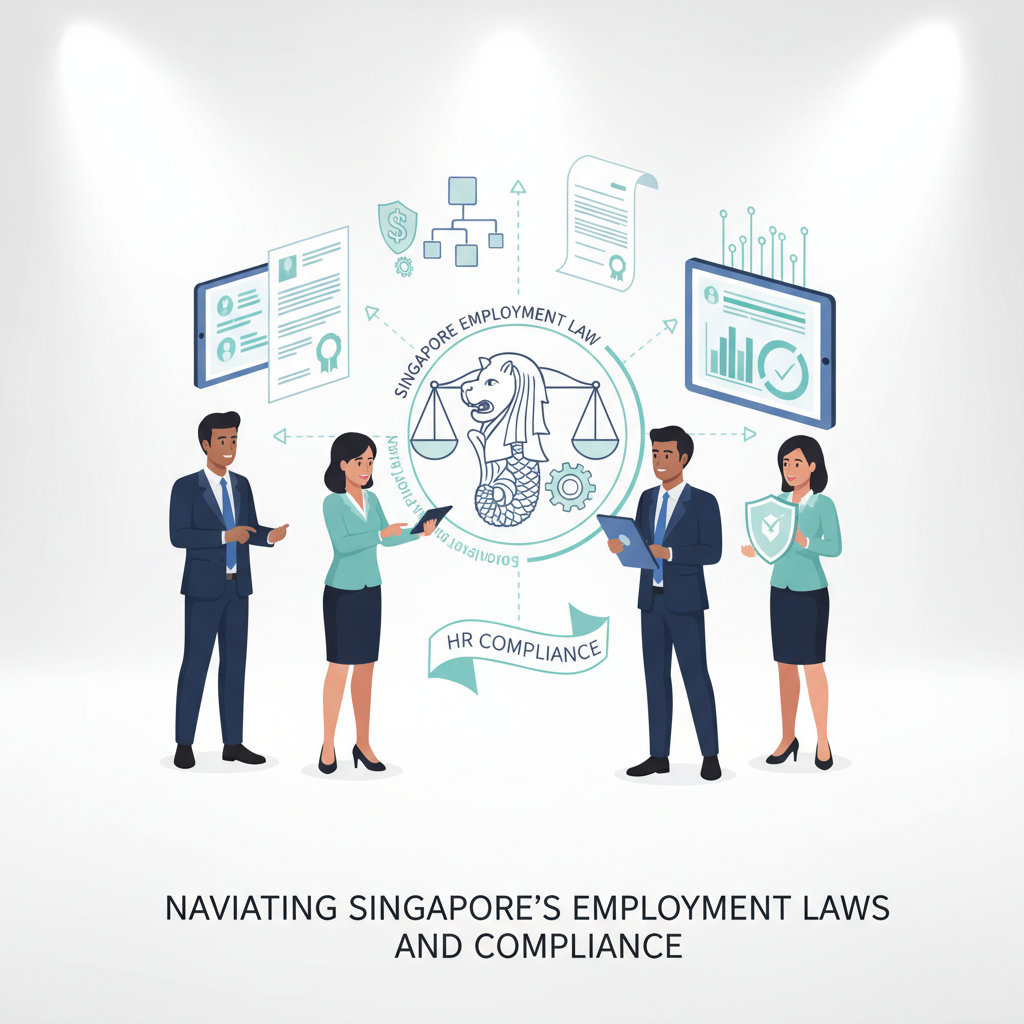
As a new CEO stepping into Singapore’s vibrant education sector, one of your immediate priorities must be to master the intricacies of the nation’s employment laws. Establishing a legally compliant and ethically sound HR framework is not just about avoiding penalties; it’s about building a stable, motivated workforce that drives your SME’s success. This journey requires a comprehensive understanding of statutory obligations, employee rights, and best practices. Consider this your essential step-by-step guide to understanding SMEs HR structure for the fresh CEO in education field in Singapore, designed to help you navigate the complexities and lay a solid foundation for your educational enterprise.
1. Key Employment Act (EA) & Related Regulations
The Employment Act (EA) stands as the cornerstone of employment law in Singapore, governing the basic terms and conditions of employment for most employees. As an education SME CEO, understanding who is covered by the EA and its core provisions is paramount. The EA primarily protects employees earning up to S$4,500 per month (for non-manual labour) and all workmen, regardless of salary. Crucially, it outlines fundamental rights and obligations concerning employment contracts, working hours, rest days, annual and sick leave entitlements, public holidays, notice periods for termination, and the proper payment of wages.
For education-focused SMEs, it’s vital to apply EA principles correctly, especially when managing varied employment arrangements common in the sector, such as full-time teachers, part-time instructors, or administrative staff. Misinterpreting these can lead to disputes and legal repercussions. Beyond the EA, be aware of other significant legislation, including the Work Injury Compensation Act (WICA), which ensures employees are compensated for work-related injuries or diseases, and the Foreign Manpower Act, vital if your SME employs foreign talent. Staying updated with the Ministry of Manpower’s guidelines on the Employment Act is essential for continuous compliance.
2. CPF & Statutory Contributions for Employees
The Central Provident Fund (CPF) is Singapore’s comprehensive social security savings scheme, a mandatory requirement for all Singapore Citizen and Permanent Resident employees. As an employer, you are legally obligated to make monthly contributions to your employees’ CPF accounts, along with deducting their share from their wages. These contributions are allocated into three main accounts: Ordinary Account (for housing, education, and investment), Special Account (for retirement and related investments), and Medisave Account (for healthcare expenses). The contribution rates vary based on an employee’s age and salary, with both employer and employee contributions being clearly defined by law.
Accurate and timely CPF contributions are critical. Non-compliance can result in significant penalties, including fines and imprisonment. Beyond CPF, employers must also contribute to the Skills Development Levy (SDL), which supports workforce upgrading through the provision of training grants. For an education SME, ensuring meticulous payroll management and understanding the nuances of CPF contribution rates across different age groups and employment statuses is key to maintaining fiscal and legal integrity.
3. Data Protection (PDPA) & Employee Privacy Considerations
In an increasingly digital age, safeguarding personal data is non-negotiable. The Personal Data Protection Act (PDPA) governs the collection, use, disclosure, and care of personal data in Singapore, extending its reach to employee information within your SME. For a CEO in the education field, handling sensitive data – from employee records (e.g., resumes, performance appraisals, medical information) to student information – requires utmost diligence. The PDPA is built on key principles: the Consent Obligation (obtaining consent for data collection), the Purpose Limitation Obligation (using data only for stated purposes), and the Protection Obligation (implementing reasonable security measures).
Your SME must develop robust data protection policies and ensure all staff, especially those in HR and administration, are trained on these protocols. This includes secure storage of physical and digital records, secure disposal methods, and clear guidelines on when and how employee data can be accessed or shared. Appointing a Data Protection Officer (DPO) might also be a requirement or a best practice, depending on the scale and nature of your data handling activities. Non-compliance with the PDPA can lead to substantial financial penalties and reputational damage. By prioritising data privacy, your educational institution not only adheres to legal mandates but also builds trust with its employees and stakeholders.
Talent Management & Development in Education SMEs
In the dynamic and ever-evolving education sector of Singapore, the ability to attract, retain, and develop top-tier talent is paramount for Small and Medium-sized Enterprises (SMEs). This focus on talent management is vital for maintaining high-quality services, fostering continuous growth, and ensuring the long-term success of educational institutions. For a fresh CEO in the education field in Singapore, understanding the nuances of human resources within an SME context can be a daunting yet crucial challenge. Developing a robust HR structure, step by step, is essential for nurturing a high-performing team of educators and administrators. This section provides a comprehensive guide for navigating the complexities of talent management, emphasizing strategic approaches that align with the unique demands of education SMEs.
1. Effective Recruitment & Onboarding Strategies
The foundation of a successful education SME lies in its ability to recruit the right people. Unlike larger institutions, SMEs often have limited resources, making each hiring decision critical. For a new CEO, establishing a clear and effective recruitment strategy is a fundamental step to understand SMEs HR structure. This involves defining precise job roles, identifying the core competencies required for educators and support staff, and crafting compelling job descriptions that attract passionate and qualified individuals. Leveraging platforms tailored for the education sector and professional networking can significantly enhance outreach. Beyond recruitment, a structured onboarding process is indispensable. This isn’t merely about paperwork; it’s about integrating new hires seamlessly into the school’s culture, values, and operational procedures. Effective onboarding provides new educators with the necessary tools, resources, and mentorship to thrive, reducing early attrition and fostering a sense of belonging and commitment from day one. It sets the tone for their entire tenure and ensures they quickly become productive contributors to the educational mission.
2. Performance Management & Appraisal Systems
Once talent is onboarded, effective performance management becomes the cornerstone of development and retention. For education SMEs, this means implementing appraisal systems that are fair, transparent, and geared towards continuous improvement rather than mere evaluation. A fresh CEO should establish clear performance indicators that reflect both academic outcomes and pedagogical effectiveness, encouraging educators to excel in their craft. Regular feedback sessions, beyond formal annual appraisals, are crucial. These should be constructive, providing specific areas for improvement alongside recognition for achievements. Mentorship programs, peer observations, and self-reflection exercises can be integrated into the performance management framework, fostering a culture of professional growth. The goal is to create a supportive environment where educators feel valued, understood, and motivated to enhance their skills and contributions. Properly designed performance appraisal systems not only identify high-performers but also pinpoint areas where additional training or support may be needed, contributing directly to the overall quality of education delivered.
3. Training, Development & Career Progression for Educators
Investing in the ongoing professional development and career progression of educators is a non-negotiable aspect of talent management in education SMEs. The educational landscape is constantly evolving, requiring educators to continuously update their pedagogical approaches, digital literacy, and subject matter expertise. For a fresh CEO, allocating resources for bespoke training programs is a strategic investment. These programs could cover areas such as innovative teaching methodologies, special educational needs, technology integration in the classroom, or leadership development. Furthermore, offering clear pathways for career progression—whether through senior teaching roles, curriculum development, or administrative positions—motivates educators to remain with the institution long-term. This demonstrates a commitment to their growth and provides tangible incentives for sustained high performance. Providing opportunities for educators to attend workshops, conferences, or pursue further certifications not only enhances their individual capabilities but also enriches the entire learning environment. According to a report by the OECD Teaching and Learning International Survey (TALIS), professional development significantly impacts teacher job satisfaction and efficacy, underscoring its importance in retaining skilled educators. By fostering an environment of continuous learning and growth, education SMEs can build a resilient, adaptable, and highly skilled workforce capable of delivering exceptional educational outcomes.
Strategic HR: Leveraging HR for Growth as a CEO
A fresh CEO, especially in Singapore’s dynamic education sector, faces a unique set of challenges and opportunities. Traditionally, Human Resources (HR) has been viewed as a back-office function, handling payroll and compliance. However, for a forward-thinking CEO aiming for sustainable growth, HR transforms into a pivotal strategic partner. Strategic HR moves beyond administration to leverage people, culture, and data as key drivers for organizational success. For a new leader, understanding the nuances of how a well-structured HR function in an SME can fuel growth is paramount. This guide provides a strategic lens, offering a Step by Step to understand SMEs HR Structure for the fresh CEO in education field in singapore, emphasizing how HR insights and practices can dramatically impact growth and foster a positive workplace culture.

1. HR Data & Analytics for Strategic Decision Making
The era of gut-feel decision-making in HR is long past. Modern CEOs must champion the use of HR data and analytics to gain actionable insights that directly influence business strategy. For an education SME, this could mean analyzing student-teacher ratios against performance metrics, understanding turnover rates among top educators, or identifying skill gaps within the faculty that impact curriculum development. By tracking metrics like employee engagement scores, recruitment efficiency, training ROI, and retention rates, CEOs can make informed decisions about talent acquisition, development, and resource allocation. This data-driven approach allows leaders to predict future workforce needs, optimize operational costs, and proactively address potential issues before they escalate. Leveraging HR analytics empowers a CEO to move beyond reactive problem-solving to proactive, strategic planning, ensuring that human capital investments yield maximum returns. Understanding how to collect, interpret, and act upon this data is a cornerstone of strategic HR leadership. Further insights into this area can be found from resources like the Society for Human Resource Management (SHRM) on HR Metrics & Analytics.
2. Fostering a Positive Workplace Culture & Employee Engagement
A thriving workplace culture is not merely a soft benefit; it is a hard strategic advantage. For CEOs in the education field, where passionate and dedicated professionals are the core asset, cultivating a positive culture directly correlates with student success and institutional reputation. Engaged employees are more productive, innovative, and loyal, reducing costly turnover and enhancing the overall learning environment. The CEO’s role in this is paramount: to define and embody the organization’s values, communicate a compelling vision, and ensure that HR practices—from onboarding to performance management and recognition—reinforce the desired culture. Investing in employee well-being, professional development, and creating avenues for feedback and open communication are critical. A positive culture fosters psychological safety, encouraging educators to innovate and excel, which in turn attracts top talent and strengthens the institution’s competitive edge in Singapore’s education landscape. Ultimately, a CEO who prioritizes and strategically shapes culture builds a resilient and high-performing organization capable of sustained growth.
3. Future-Proofing HR: Technology & Emerging Trends
The future of work is here, and HR must be at the forefront of adapting to it. CEOs need to champion the adoption of HR technology to streamline administrative tasks, free up HR professionals for strategic initiatives, and enhance the employee experience. Implementing robust HR Information Systems (HRIS), leveraging AI for recruitment and personalized learning pathways, and utilizing digital tools for performance management can significantly boost efficiency and effectiveness. Beyond technology, strategic CEOs must also prepare their organizations for emerging workforce trends. This includes understanding the implications of the gig economy, remote and hybrid work models, the critical need for continuous upskilling and reskilling of the workforce, and embracing diversity, equity, and inclusion (DEI). For an education SME in Singapore, this might mean investing in e-learning platforms for staff development, exploring flexible work arrangements for educators, or implementing data-driven approaches to ensure equitable opportunities. By proactively embracing these shifts, CEOs ensure their HR function is agile, innovative, and capable of attracting, developing, and retaining the talent required to navigate future challenges and seize new growth opportunities.
In conclusion, for a fresh CEO, particularly in Singapore’s education sector, transforming HR into a strategic growth engine is non-negotiable. By leveraging data, nurturing culture, and embracing technological and demographic shifts, HR becomes a powerful ally in achieving sustainable growth, operational excellence, and a competitive advantage in a rapidly evolving market.
Partner with Shelby Global
You are looking for reliable HR Sevice Suppliers? Contact Shelby Global Now! To connect with verified talents and upgrade your orginization.
—————————————
References
– Singapore’s Education System – MOE: https://www.moe.gov.sg/about-us/education-system
– Ministry of Manpower (MOM) website: https://www.mom.gov.sg/employment-practices/employment-act
– Ministry of Manpower’s guidelines on the Employment Act: https://www.mom.gov.sg/employment-practices/employment-act
– OECD TALIS Report on Teachers and School Leaders: https://www.oecd.org/education/school/TALIS2018_CN_Singapore.pdf
– Society for Human Resource Management (SHRM) on HR Metrics & Analytics: https://www.shrm.org/resources-and-tools/hr-topics/talent-acquisition/pages/hr-metrics-analytics.aspx