
Scope of Responsibilities: Breadth vs. Depth
In the vibrant and rapidly evolving entertainment industry of Malaysia, the role of Human Resources is pivotal, yet it manifests strikingly differently across organizations of varying scales. The differences between the SMEs’ HR Manager and the Corporates’ HR Director in Entertainment field in Malaysia are not merely titular; they represent a fundamental divergence in scope, focus, and strategic contribution. While both roles are dedicated to nurturing talent and ensuring organizational effectiveness, their day-to-day realities and long-term objectives are shaped profoundly by the size and complexity of their respective companies. This distinction, often characterized as breadth versus depth, defines the unique challenges and opportunities each professional navigates.
An HR Manager in a Small and Medium-sized Enterprise (SME) in Malaysia’s entertainment sector typically wears multiple hats, overseeing a vast array of HR functions single-handedly or with minimal support. Their role demands versatility and a hands-on approach to virtually every aspect of human capital management. In stark contrast, a Corporate HR Director in a large entertainment conglomerate operates at a more strategic altitude, guiding specialized teams and focusing on high-level initiatives that impact the entire organization. This contrast is critical for understanding effective HR deployment within the dynamic Malaysian market.

1. Operational vs. Strategic Day-to-Day Tasks
For an SME HR Manager, the daily grind is heavily operational. Their primary focus is on immediate problem-solving, ensuring compliance with local labour laws, and managing the day-to-day HR needs of a smaller workforce. This includes drafting employment contracts, handling urgent employee relations issues, and meticulously processing monthly payroll. The fast-paced nature of the entertainment industry often involves fluctuating project-based employment and unique contractual agreements, requiring agility and a deep understanding of Malaysia’s dynamic employment regulations. Their role is intrinsically linked to the direct support and well-being of individual employees, making them a crucial point of contact for all HR-related queries.
Conversely, a Corporate HR Director’s day is predominantly strategic. While ultimately responsible for operational efficiency, their direct involvement is in planning, policy formulation, and aligning HR initiatives with overarching business objectives. They might lead discussions on organizational restructuring, talent management strategies to support ambitious growth targets, or developing comprehensive employee engagement programs across multiple divisions. Their focus shifts from individual transactions to systemic improvements and foresight, ensuring HR functions as a strategic business partner rather than a purely administrative one.
2. Variety of Functions Handled (e.g., Recruitment, Payroll, Admin)
The SME HR Manager is truly a jack-of-all-trades. In a typical entertainment SME, they might be solely responsible for end-to-end recruitment – from sourcing and interviewing candidates to onboarding and orientation. They personally manage payroll processing, benefits administration, leave management, and maintaining employee records. Beyond this, they often assist with facilities management, IT support coordination, and general administrative duties. Employee relations, conflict resolution, basic performance management, and training coordination also fall under their wide umbrella. This comprehensive remit means a foundational understanding of every HR discipline, without deep specialization in any one area.
In a large corporate structure, these functions are typically compartmentalized and handled by dedicated teams or specialists. The HR Director oversees departments focusing on specific areas: a talent acquisition team handles recruitment, a compensation & benefits team manages payroll and benefits, and an HR operations team manages administrative tasks and HRIS. The Director’s role is to ensure these teams operate cohesively, align with strategic goals, and maintain high standards. They lead the HR department, setting its vision and ensuring its effectiveness across all specialized functions, but rarely get involved in the minute operational details.
3. Specialization in Corporate HR (e.g., Compensation & Benefits, OD)
One of the most defining differences between the SMEs’ HR Manager and the Corporates’ HR Director in Entertainment field in Malaysia lies in the degree of specialization. While the SME HR Manager needs to be broadly competent, the Corporate HR Director often leads or focuses on highly specialized areas. For instance, they might spearhead sophisticated compensation and benefits frameworks to attract and retain top talent, including performance-based incentives unique to the entertainment sector. They are deeply involved in Organizational Development (OD), leading initiatives like change management during mergers or acquisitions, fostering corporate culture, or implementing succession planning for critical leadership roles.
Furthermore, Corporate HR Directors often drive HR analytics, leveraging data to inform strategic decisions regarding workforce planning, talent retention, and HR program effectiveness. They might focus on complex industrial relations matters, global mobility for international projects, or designing intricate learning and development pathways. This level of specialization allows for deeper expertise and more sophisticated solutions, directly contributing to the corporate entity’s long-term sustainability and competitive advantage in the Malaysian entertainment landscape. While an SME HR Manager might touch upon these aspects, a Corporate HR Director dedicates significant resources and strategic thought to their intricate design and implementation.
In conclusion, both the SME HR Manager and the Corporate HR Director are indispensable to their respective organizations within Malaysia’s vibrant entertainment industry. The former offers invaluable versatility and a direct, hands-on approach essential for agility in smaller setups, while the latter provides strategic leadership and specialized expertise crucial for navigating the complexities of large enterprises. Understanding these distinctions is key to appreciating the diverse demands and profound impact of HR professionals across the Malaysian entertainment spectrum.
Strategic Impact & Decision-Making Authority
The entertainment sector in Malaysia, a vibrant and rapidly evolving industry, presents unique challenges and opportunities for Human Resources professionals. The strategic impact and decision-making authority of HR leaders vary significantly between Small and Medium-sized Enterprises (SMEs) and large corporate entities within this dynamic landscape. Understanding these Differences between the SMEs’ HR Manager and the Corporates’ HR Director in Entertainment field in Malaysia is crucial for aspiring HR professionals and business leaders alike, highlighting HR’s pivotal role in organisational strategy. While both roles are pivotal to an organisation’s success, their spheres of influence, reporting structures, and levels of autonomy in policy formulation are distinctly different, shaped by company size, structure, and strategic priorities within the Malaysian entertainment HR landscape.
1. Direct Influence on Business Strategy in SMEs
In Malaysian entertainment SMEs, the HR Manager often wields a remarkably direct and immediate influence on business strategy. Given the typically flatter organisational structure, the HR Manager frequently works in close proximity to the founder, CEO, or senior leadership team. This proximity allows for real-time input on critical business decisions, from talent acquisition for specific production projects to shaping company culture that aligns with creative vision. For instance, an HR Manager in a boutique film production house or a digital content startup might directly advise on the optimal team composition for a new series, the budget allocation for skill development vital to emerging technologies (e.g., VFX, AI in content creation), or even the compensation structures needed to attract niche creative talent. Their strategic contributions are less formalised but deeply integrated into daily operations and business growth initiatives. They are often “doers” as well as strategists, bridging the gap between operational HR and strategic planning. This hands-on approach means their advice often translates directly into actionable business outcomes, making them indispensable partners in steering the SME’s strategic direction within the competitive Malaysian entertainment market, focusing heavily on talent management and HR strategy.
2. Reporting Structures and Board-Level Involvement
The disparity in reporting structures further accentuates the nuances between the SME’s HR Manager and the Corporate’s HR Director in the Malaysian entertainment sector. In SMEs, the HR Manager typically reports directly to the CEO or Managing Director. This direct line of communication streamlines decision-making and ensures HR insights are immediately considered at the highest level. However, formal board-level involvement is rare, with their strategic input primarily flowing through the CEO. Their autonomy in HR policy implementation is often agile and responsive to immediate business needs.
Conversely, HR Directors in large Malaysian entertainment corporations (e.g., major broadcasters, integrated media groups, international studio branches) navigate a more intricate reporting hierarchy. They usually report to a Chief Human Resources Officer (CHRO), who then sits on the executive board. This structure provides a formal avenue for HR to influence corporate governance and overall business strategy at the board level. The Corporate HR Director’s role often involves presenting comprehensive talent strategies, succession plans, diversity and inclusion initiatives, and workforce analytics to the board, ensuring HR is a central pillar in long-term strategic planning. Their influence, while perhaps less direct in day-to-day operations compared to an SME counterpart, is systemically embedded into the corporate decision-making framework, shaping policies and directions for thousands of employees and multi-million-ringgit projects. This board-level visibility underscores the HR Director’s critical role in safeguarding the organisation’s human capital strategy and ensuring compliance with national and international labour laws, which is vital for large, publicly traded or internationally linked entertainment entities, marking a key difference in their strategic impact.
3. Autonomy in Policy Formulation and Implementation
The level of autonomy in HR policy formulation and implementation also highlights key distinctions. SME HR Managers often possess greater agility and practical autonomy to adapt and implement HR policies quickly. Due to fewer layers of bureaucracy and less stringent corporate governance frameworks, they can rapidly introduce new policies related to flexible work arrangements, project-based compensation, or performance management systems that directly respond to the dynamic needs of creative teams or urgent project deadlines. While their decisions might be constrained by limited budgets or resources, their ability to innovate and experiment with HR policies is often unencumbered by rigid corporate structures, fostering a culture of rapid adaptability in the entertainment field in Malaysia.
In contrast, HR Directors in large entertainment corporations operate within a more formalised and regulated environment. While they have the strategic mandate and resources to develop comprehensive, enterprise-wide HR policies—covering areas like global talent mobility, complex remuneration packages, and robust employee relations frameworks—their autonomy is often governed by corporate legal departments, compliance requirements, union agreements, and established brand guidelines. Policy formulation involves extensive consultation with various stakeholders, legal teams, and often, regional or international HR counterparts, ensuring consistency across diverse business units. Implementation requires systematic communication and training across a large workforce. However, the impact of their policies is far-reaching, setting standards for fair employment practices, fostering a robust corporate culture, and ensuring legal compliance across a vast and diverse workforce, often influencing industry benchmarks for human capital management. Their autonomy lies in designing scalable, sustainable policies that align with the company’s long-term strategic objectives and comply with Malaysian labour laws and international best practices for large corporations, showcasing a significant difference in their approach to HR strategy.
In conclusion, while both SME HR Managers and Corporate HR Directors in Malaysia’s entertainment sector are crucial for organisational success, their strategic impact and decision-making authority are profoundly shaped by their respective environments. The SME HR Manager thrives on direct, agile influence, embedded deeply in operational strategy and talent management, whereas the Corporate HR Director navigates a more formal, systemic pathway to board-level strategic input and policy influence, setting broader organisational standards. Recognising these nuances is essential for effective talent management and fostering a thriving entertainment industry workforce in Malaysia, understanding the varied HR strategic partner roles.
Resources, Budget, and Technology Adoption
The operational landscape for Human Resources in the Malaysian entertainment industry is starkly different between Small and Medium-sized Enterprises (SMEs) and larger corporate entities. These Differences between the SMEs’ HR Manager and the Corporates’ HR Director in Entertainment field in malaysia are particularly evident when examining the availability of resources, the allocation of financial budgets, and the strategic approach to HR technology implementation. While corporates leverage extensive funding and specialized teams to drive sophisticated HR initiatives, SMEs often navigate a terrain of limited capital, requiring their HR managers to be resourceful and adaptable.
-
Budget Constraints & Resource Scarcity in SMEs
In the dynamic yet often unpredictable Malaysian entertainment sector, SMEs frequently operate with tight financial margins. This directly translates into significant budget constraints for HR functions. An SME’s HR Manager might be a sole practitioner, responsible for everything from recruitment and payroll to compliance and employee relations, often with minimal administrative support. Resources such as dedicated HR staff, training budgets, or even office space for HR activities can be severely limited. The focus is typically on immediate operational needs and cost-efficiency, often postponing long-term strategic HR investments. For instance, a small production house might rely on external consultants for complex legal advice rather than maintaining an in-house expert, or an independent talent agency might use free online tools for basic HR tasks.
Conversely, large corporate entertainment companies, such as major broadcasters, film studios, or integrated resort operators, command substantially larger HR budgets. Their HR departments are typically multi-faceted, comprising specialized teams for talent acquisition, compensation and benefits, learning and development, and HR operations. A corporate HR Director has the financial backing to invest in a robust HR infrastructure, including staffing, advanced systems, and continuous professional development, which allows for a more proactive and strategic approach to human capital management.
-
Access to Advanced HRIS and Analytics Platforms
The gap in HR technology adoption is perhaps one of the most striking differences between the SMEs’ HR Manager and the Corporates’ HR Director. Due to budget limitations, many SMEs in the Malaysian entertainment industry still rely on manual processes, basic spreadsheets, or off-the-shelf, entry-level HR software for managing employee data, attendance, and leave. Investing in comprehensive Human Resources Information Systems (HRIS), Applicant Tracking Systems (ATS), or sophisticated payroll software is often deemed too expensive or complex for their scale. The lack of integrated systems can lead to inefficiencies, data inconsistencies, and a reactive rather than proactive HR posture.
In sharp contrast, corporate entertainment giants view HR technology as a strategic imperative. Their corporate HR Director and their teams often have access to state-of-the-art HRIS platforms that integrate payroll, benefits administration, performance management, talent acquisition, and learning management. These platforms are often cloud-based, scalable, and offer advanced analytics capabilities, enabling data-driven decision-making. Such corporations frequently invest in digital HR solutions to streamline operations and enhance employee experience, positioning HR as a strategic business partner. The ability to track key HR metrics, forecast talent needs, and personalize employee development is a significant competitive advantage.

-
Investment in HR Training & Professional Development
The commitment to continuous learning and professional growth for HR personnel also varies significantly. For an SME HR Manager, opportunities for formal training and professional development are often scarce. Budgetary constraints mean that attending industry conferences, workshops, or pursuing certifications is frequently considered a luxury rather than a necessity. Many SME HR professionals learn through experience, online free resources, or informal networks. This can sometimes limit their exposure to best practices, emerging HR trends, and advanced strategic HR methodologies, potentially impacting the organization’s ability to adapt to evolving labor laws or talent market demands in the Malaysian entertainment industry.
On the other hand, large corporations actively invest in the upskilling and reskilling of their HR teams. A corporate HR Director typically champions continuous professional development, providing access to extensive training programs, certifications (e.g., HRCI, SHRM), and opportunities to attend leading industry events. This investment ensures that HR teams are equipped with the latest knowledge in areas like strategic talent management, HR analytics, compensation design, and employment law compliance. Such proactive development cultivates a highly skilled and strategic HR function capable of significantly contributing to the corporate entity’s overall business objectives and long-term success in the competitive entertainment landscape.
Talent Acquisition, Management & Development
The Malaysian entertainment industry is a vibrant, dynamic, yet intensely competitive landscape. From burgeoning independent production houses to established media conglomerates, the demand for exceptional talent — be it on-screen, behind the scenes, or in creative and technical roles — is constant. Navigating this unique environment requires distinct human resources strategies, particularly evident in the contrasting roles of an HR Manager in a Small and Medium-sized Enterprise (SME) and an HR Director in a large Corporate entity. Understanding the differences between the SMEs’ HR Manager and the Corporates’ HR Director in the Entertainment field in Malaysia is crucial for grasping the varied approaches to talent acquisition, management, and development across the sector.
1. Recruitment Challenges & Employer Branding (SME vs. Corporate)
For an SME HR Manager in the Malaysian entertainment sector, recruitment is often a highly personal and resource-intensive endeavor. Operating with tighter budget constraints, their approach to attracting talent relies heavily on word-of-mouth, informal networks, and direct engagement. They often act as adept talent scouts, identifying promising individuals through industry events, educational institutions, and social media. Employer branding for SMEs is typically organic, built on the company’s culture, specific project successes, and the promise of a close-knit, impactful work environment. However, competing with the established brand power and compensation packages of larger entities for top-tier creative talent acquisition remains a significant hurdle. They must craft a compelling employer value proposition that emphasizes growth opportunities and direct contribution to projects.
Conversely, a Corporate HR Director wields the advantage of a well-resourced department and a recognized brand name. Their recruitment strategies are more structured, often involving sophisticated online platforms, dedicated recruitment agencies, and extensive university outreach programs. Employer branding is a strategic, continuous effort, supported by substantial marketing budgets to showcase the company’s stability, diverse portfolio, and comprehensive benefits. They focus on building a strong employer value proposition through career development paths, robust HR technology for applicant tracking, and clearly defined pathways for advancement. While they may attract a larger pool of applicants, the challenge lies in filtering and onboarding a high volume of talent effectively while maintaining a personal touch in a larger organization.
2. Performance Management & Succession Planning Frameworks
The distinction in performance management and succession planning frameworks between SMEs and Corporates is stark. An SME HR Manager typically employs a more agile and informal performance review system. Feedback is often direct, continuous, and project-specific, integrated into daily operations rather than through quarterly or annual formal appraisals. Artist management and performance evaluation might be highly individualized, focusing on specific project goals and creative output. Succession planning in SMEs can be less structured, often involving mentoring younger talent directly or identifying individuals with potential for growth into broader roles. The smaller team size means that career development paths might be more fluid, adapting to immediate organizational needs rather than following rigid corporate ladders.
In contrast, a Corporate HR Director oversees sophisticated and formalized performance management systems. These often involve comprehensive Key Performance Indicators (KPIs), regular performance appraisals, 360-degree feedback, and robust talent management software. Strategic HR planning is integral to their approach, ensuring that performance metrics align with broader organizational goals. Succession planning is a critical component, involving identifying high-potential employees, developing leadership pipelines, and creating detailed development plans for key roles. These frameworks aim to ensure long-term stability and growth, providing clear career development paths and fostering a culture of continuous improvement across various departments, from production to marketing and talent acquisition.
3. Employee Engagement & Retention Strategies
Employee engagement and retention strategies also reflect the fundamental differences between the SMEs’ HR Manager and the Corporates’ HR Director in the Entertainment field in Malaysia. For an SME HR Manager, retention hinges on fostering a strong sense of community, purpose, and direct contribution. They leverage the flat hierarchy and hands-on nature of the work to ensure employees feel valued and their voices heard. Personal relationships are key, and engagement efforts might include team-building activities, flexible work arrangements, and opportunities for cross-functional learning. While competitive salaries can be a challenge due to budget constraints, the appeal often lies in creative freedom, direct involvement in impactful projects, and the ability to build a diverse portfolio. They often facilitate industry networking opportunities for their talent to encourage professional growth.
A Corporate HR Director employs a broader, more systematic approach to employee engagement and creative talent retention. This includes comprehensive benefits packages (health, insurance, retirement plans), structured professional development programs, mentorship initiatives, and regular employee surveys to gauge satisfaction and identify areas for improvement. The focus is on creating a supportive work environment that offers stability, opportunities for career progression, and a positive work-life balance through well-defined HR policies and programs. Utilizing advanced HR technology, they can track engagement metrics, analyze turnover trends, and implement data-driven retention strategies. These organizations also invest significantly in training and upskilling, ensuring employees remain at the forefront of industry trends and possess strong talent management capabilities.
In essence, while both roles strive for optimal talent outcomes, the SME HR Manager excels in agility, personal touch, and resourcefulness within limitations, whereas the Corporate HR Director leverages structure, strategic planning, and extensive resources to manage talent on a larger, more complex scale within Malaysia’s vibrant entertainment landscape.
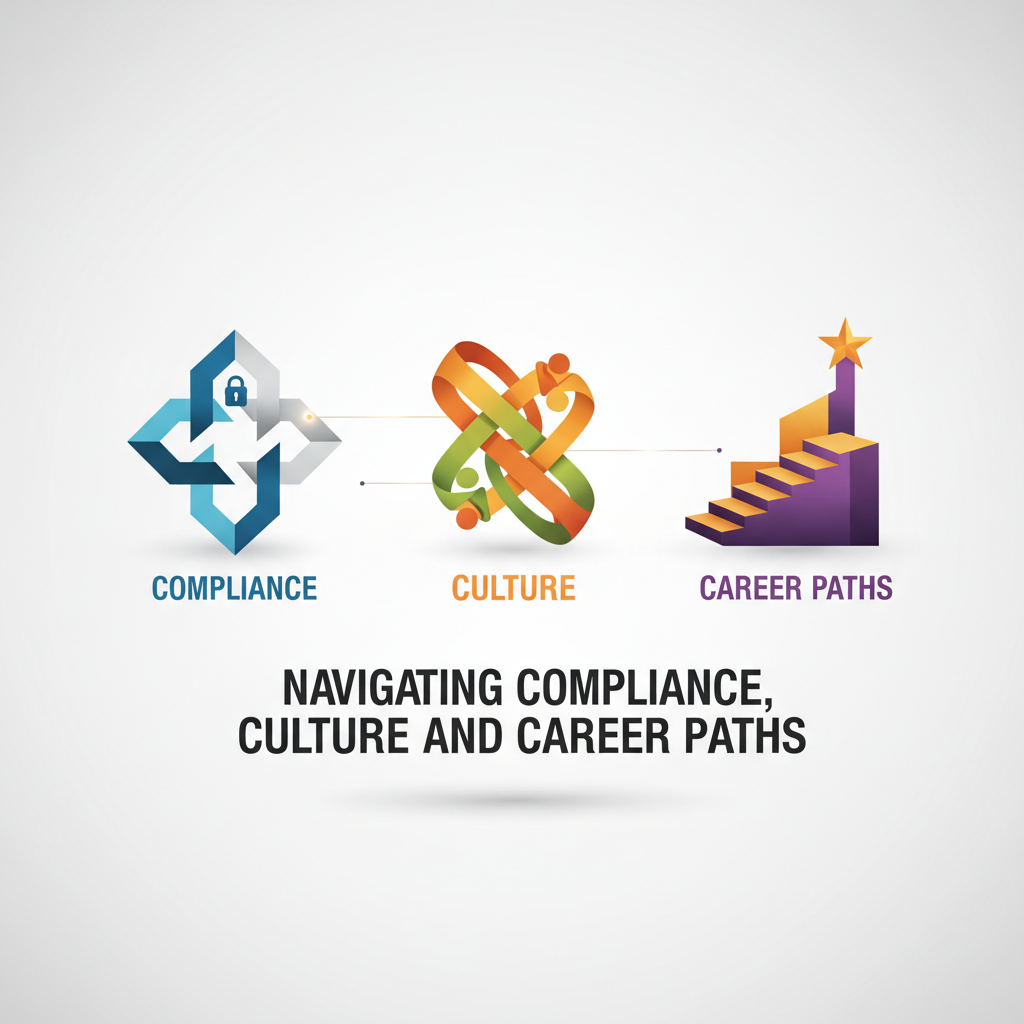
Navigating Compliance, Culture, and Career Paths
In the dynamic and often exhilarating world of Malaysia’s entertainment industry, Human Resources professionals play a pivotal role in ensuring smooth operations, fostering positive work environments, and driving organizational success. This section delves into the varied approaches to regulatory compliance, shaping organizational culture, and potential career trajectories for HR professionals, specifically highlighting the nuanced differences between the SMEs’ HR Manager and the Corporates’ HR Director in the Entertainment field in Malaysia.
1. Adherence to Malaysian Labor Laws & Entertainment Industry Regulations
For an SME HR Manager in the Malaysian entertainment scene, regulatory compliance is often a hands-on, generalist affair. With limited resources, the SME HR Manager is typically responsible for understanding and implementing all aspects of Malaysian labor laws, from the Employment Act 1955 and minimum wage requirements to social security contributions and workplace safety. Their approach tends to be reactive, addressing issues as they arise, relying on practical experience and a direct understanding of their often smaller, close-knit workforce. Challenges include keeping abreast of frequent legislative updates and navigating the unique complexities of entertainment contracts, such as those for project-based artists, freelancers, and varying intellectual property agreements.
Conversely, a Corporate HR Director in a large entertainment conglomerate in Malaysia operates at a more strategic and specialized level. They oversee dedicated teams focusing on specific compliance areas, employing proactive risk management strategies. This includes establishing robust internal policies, conducting regular audits, and often engaging legal counsel for intricate matters like union negotiations, international talent visas, or complex contractual agreements specific to high-profile productions. The Corporate HR Director’s role involves ensuring adherence not just to national labor laws but also to global standards and ethical guidelines prevalent in the larger entertainment industry, managing a multi-faceted regulatory landscape.
2. Shaping Company Culture & Employee Relations Management
The role of an SME HR Manager in shaping company culture is deeply personal and direct. In smaller entertainment companies, the HR manager often acts as a central figure, directly influencing the workplace atmosphere through day-to-day interactions. They are responsible for fostering a collaborative, creative, and often family-like culture, where communication is fluid, and conflict resolution is typically immediate and informal. Employee relations in SMEs heavily rely on the HR Manager’s ability to build rapport, understand individual employee needs, and mediate disputes with a personal touch. Their success in talent management often hinges on creating an environment that supports creative expression and retention.
A Corporate HR Director, on the other hand, approaches culture and employee relations strategically and systematically across a larger, more diverse workforce. Their focus is on developing and implementing large-scale talent management initiatives, employee engagement programs, and formal grievance procedures. They are instrumental in driving diversity, equity, and inclusion (DEI) strategies, ensuring that the company’s values are consistently communicated and upheld across various departments and projects. Managing employee relations in a corporate setting involves navigating complex hierarchies, potentially dealing with collective bargaining agreements, and establishing robust communication channels to maintain morale and productivity across a vast and varied talent pool, from technical crews to creative departments. This highlights the substantial differences between the SMEs’ HR Manager and the Corporates’ HR Director in the Entertainment field in Malaysia in their impact on the organizational environment.
3. Career Progression and Professional Growth Opportunities
Career paths for HR professionals in the Malaysian entertainment sector diverge significantly based on organizational size. For an SME HR Manager, professional growth often involves becoming an indispensable generalist, mastering a wide array of HR functions. Growth opportunities might include ascending to a senior HR management role as the company expands or transitioning to larger SMEs that require a hands-on, comprehensive HR leader. Continuous learning through certifications in specific areas like industrial relations or HR technology is crucial for enhancing their value and facilitating lateral moves or even entrepreneurial ventures within the entertainment HR consulting space.
For a Corporate HR Director, career progression follows more defined ladders, often leading to specialized roles or executive leadership. These professionals can advance to become HR Business Partners, heads of talent acquisition, compensation and benefits specialists, or even Chief Human Resources Officers (CHROs), potentially overseeing regional or global HR operations. Opportunities for international assignments, leading major HR transformation projects, and developing sophisticated HR strategy are common. The emphasis here is on developing deep expertise in specific HR domains, strategic leadership, and the ability to influence organizational policy at the highest levels. Both paths, however, demand strong adaptability and a keen understanding of the unique demands of the Malaysian entertainment industry, fostering continuous professional growth.
Partner with Shelby Global
You are looking for reliable HR Sevice Suppliers? Contact Shelby Global Now! To connect with verified talents and upgrade your orginization.
—————————————
References
– Malaysia’s dynamic employment regulations: https://www.malaysianbar.org.my/article/employment-law-updates-in-malaysia-key-changes-to-the-employment-act-1955-as-at-1-january-2023
– The Strategic Role of HR in Business: https://www.shrm.org/resources-and-tools/hr-topics/talent-acquisition/pages/strategic-role-of-hr.aspx
– Digital HR: How Malaysian HR Leaders Are Leading the Charge: https://hr.asia/news/digital-hr-how-malaysian-hr-leaders-are-leading-the-charge/
– What Is Talent Acquisition? – SHRM: https://www.shrm.org/resources-and-tools/hr-topics/talent-acquisition/pages/what-is-talent-acquisition.aspx
– Malaysian Employment Act 1955: https://www.mohr.gov.my/index.php/en/component/content/article/60-aktviti/perundangan/598-employment-act-1955?Itemid=435



































































































