
Understanding the Singapore Travel Industry Landscape
This section sets the foundational context for specialized CV assessment, highlighting the unique challenges and opportunities within Singapore’s travel sector for managerial roles. Singapore, a global hub for business and leisure, presents a dynamic and competitive environment for travel professionals. Evaluating managerial CVs in this context requires a deep understanding of market nuances, strategic shifts, and consumer expectations. A robust Test structure to assess Manager Level CVs in Travels field in singapore must account for these intricacies, ensuring candidates possess not only general management skills but also specific acumen for the Lion City’s unique travel ecosystem.

1. Key trends impacting travel management in Singapore
The Singapore travel industry is continually shaped by global and regional trends, demanding adaptive and forward-thinking travel management. Digital transformation remains paramount, with technologies like AI-driven personalization, big data analytics, and seamless mobile booking experiences becoming standard. Managers in the Singapore tourism sector must demonstrate proficiency in leveraging these tools to enhance customer journeys and operational efficiency. Furthermore, sustainability and responsible tourism are gaining significant traction among discerning travelers, pushing companies to integrate eco-friendly practices and ethical considerations into their offerings. The shift towards experiential travel, where consumers seek unique, immersive, and authentic experiences over traditional sightseeing, also presents both a challenge and an opportunity for product development. Post-pandemic, health and safety protocols remain a crucial operational consideration, alongside the need for agile crisis management. Navigating intense competition from other regional travel hubs, coupled with a persistent demand for talent with specialized skills in digital marketing, analytics, and sustainable tourism, defines the complex landscape for managerial roles in travel. Understanding these shifts is vital for any effective CV assessment travel framework.
2. Regulatory environment and its implications
Singapore’s robust and well-regulated environment significantly influences operations within its travel sector. The Singapore Tourism Board (STB) plays a pivotal role, not only in promoting Singapore as a premier destination but also in setting industry standards and offering strategic incentives for growth and innovation. Managerial candidates must possess a strong grasp of the regulatory framework, including licensing requirements for travel agencies and tour operators, as well as consumer protection laws that safeguard traveler rights. Compliance with these regulations is not just a legal necessity but a cornerstone of maintaining trust and reputation within the Singapore travel industry. Furthermore, immigration and visa policies directly impact inbound tourism volumes and source markets, requiring managers to stay abreast of policy changes and adapt their strategies accordingly. Labor laws, including those pertaining to employment practices and foreign talent, also have significant implications for human resources and talent management within travel companies. Demonstrating an understanding of this intricate regulatory landscape is a critical aspect for those aspiring to managerial roles in travel, as it underpins responsible and sustainable business practices in the city-state. For further insights into the sector’s strategic direction, refer to the Singapore Tourism Board’s industry insights.
3. Specific demands of Singaporean travel consumers
Singaporean travel consumers are a sophisticated and highly discerning segment, accustomed to high standards of service, efficiency, and technological integration. They are generally well-traveled, globally aware, and possess significant purchasing power. While value for money remains important, they are often willing to pay a premium for quality, convenience, unique experiences, and brands that align with their values, such as sustainability. These tech-savvy consumers expect seamless digital experiences from research and booking to in-destination services, favoring platforms that offer personalization and efficiency. Reliability, safety, and transparent communication are non-negotiable expectations. While outbound travel has historically been strong, there’s also a growing appreciation for domestic tourism, driven by unique local experiences and staycations. Furthermore, there’s an increasing interest in niche travel segments like wellness retreats, adventure tourism, and eco-conscious journeys, both domestically and internationally. Managers in the Singapore travel industry must therefore be adept at understanding these evolving preferences, designing tailored products, and delivering exceptional customer service that resonates with this demanding demographic. Successfully addressing these travel consumer trends in Singapore is crucial for competitive advantage and sustainable growth.
Core Competencies for Manager-Level Roles in Singapore Travel
The dynamic and ever-evolving landscape of Singapore’s travel industry demands more than just experience from its managerial talent. To truly succeed and drive sustainable growth, top-tier travel managers must possess a nuanced blend of essential skills, profound knowledge, and proven experience. As the global travel sector recalibrates, understanding the core competencies required becomes crucial for both aspiring leaders and organizations seeking to build robust teams. This section identifies the pivotal capabilities that define success in Singapore’s competitive travel market, offering insights invaluable for those looking to Test structure to assess Manager Level CVs in Travels field in singapore and ensure they align with industry benchmarks. These competencies are fundamental for navigating the complexities of the Asia Pacific travel roles and capitalizing on the unique opportunities within the Singapore travel sector.
-
1. Leadership and team management skills in diverse environments
Effective leadership is the bedrock of any successful travel operation in Singapore. Managers are increasingly tasked with overseeing multicultural teams, catering to diverse customer segments, and adapting to rapid market changes. This necessitates not just strong traditional management skills but also a high degree of emotional intelligence, cross-cultural communication proficiency, and an ability to foster an inclusive work environment. A successful travel manager must be adept at talent acquisition travel, motivating their team, delegating effectively, and conflict resolution, all while inspiring a shared vision. In a city-state known for its global connectivity, leading a diverse team means understanding varied perspectives, leveraging individual strengths, and cultivating a collaborative spirit that drives collective success. Such leadership in travel is pivotal, particularly when managing complex projects or spearheading new initiatives that impact the overall Singapore tourism management and growth targets. Assessing these qualities in a CV assessment travel manager context requires looking beyond titles to actual achievements in team development and project execution.
-
2. Strategic business development and market analysis acumen
In Singapore’s highly competitive travel industry Singapore, managers must possess acute strategic business development capabilities coupled with profound market analysis acumen. This involves more than just understanding current trends; it requires foresight to anticipate future shifts, identify emerging opportunities, and mitigate potential risks. Top-tier travel managers need to be proficient in data-driven decision-making, capable of analyzing complex market trends travel Singapore, consumer behaviors, and competitor strategies to formulate robust growth plans. This includes developing new products, expanding into untapped markets, and forging strategic partnerships that enhance the organization’s competitive edge. Strategic planning travel is not a once-off activity but an ongoing process of adaptation and innovation. A strong competency framework travel for managers will heavily weight their ability to demonstrate tangible results from strategic initiatives, showcasing their capacity to drive revenue growth and market share. Their understanding of the broader Asia Pacific travel roles landscape and how it influences the Singapore travel sector is also paramount for sustainable success.
-
3. Digital transformation and technology proficiency (e.g., AI, automation)
The modern travel sector is undeniably shaped by technology, making digital transformation and technology proficiency indispensable for manager-level roles. From leveraging AI-powered personalized recommendations and predictive analytics to implementing automation for streamlined operations, a manager’s ability to embrace and integrate technological advancements is critical. This includes familiarity with sophisticated booking systems, customer relationship management (CRM) platforms, big data analytics tools, and emerging technologies like blockchain for secure transactions or virtual reality for immersive travel experiences. Digital innovation tourism is no longer a luxury but a necessity for maintaining relevance and efficiency. Managers must not only understand these tools but also strategically apply them to enhance customer experience, optimize operational workflows, and gather actionable insights. The ability to lead digital initiatives, manage tech implementation projects, and foster a culture of technological adoption within the team is a key differentiator. When conducting a CV assessment travel manager, particular attention should be paid to candidates who can demonstrate a clear track record in leveraging technology to achieve business objectives and drive innovation across the travel industry Singapore.
Developing a Structured CV Assessment Framework
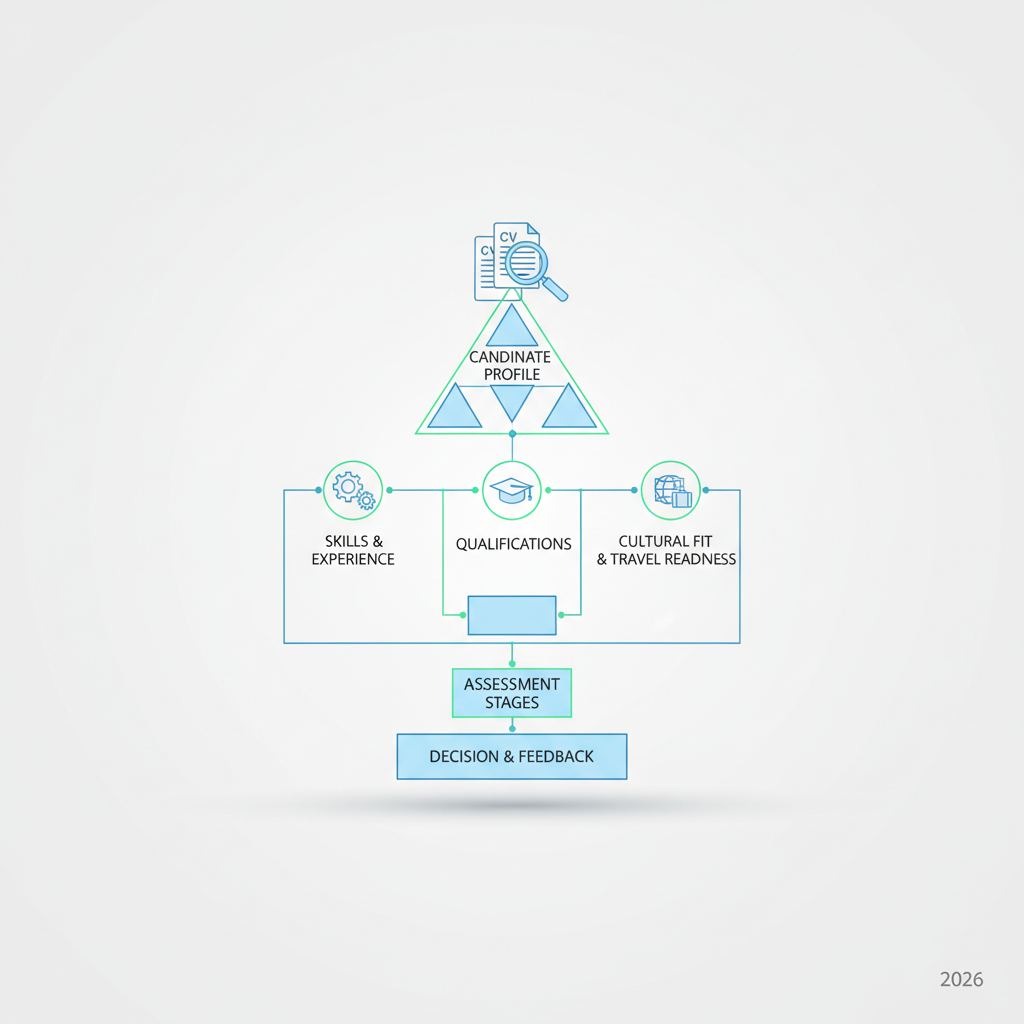
In the competitive and dynamic landscape of Singapore’s travel industry, identifying the right manager-level talent is crucial for sustained growth and innovation. This section outlines a systematic and objective approach to evaluating CVs, specifically tailored for manager-level positions within Singapore’s travel industry. It proposes a robust Test structure to assess Manager Level CVs in Travels field in Singapore, ensuring that recruitment processes are not only efficient but also highly effective in pinpointing candidates who possess both the requisite experience and the potential for strategic leadership. By standardizing the assessment process, organizations can minimize bias, accelerate hiring decisions, and ultimately secure top-tier professionals ready to drive the next phase of development in this vibrant sector.
1. Keyword analysis and ATS optimization strategies
For manager-level roles in Singapore’s travel sector, initial screening often relies on Applicant Tracking Systems (ATS). A critical component of our proposed Test structure to assess Manager Level CVs in Travels field in Singapore involves a thorough understanding of keyword analysis and ATS optimization. This means identifying the precise terminology, skills, and industry-specific jargon that successful candidates for management positions in tourism, hospitality, or aviation frequently employ. For instance, keywords like “revenue management,” “strategic partnerships,” “destination marketing,” “operational excellence,” “team leadership,” “budget oversight,” and “digital transformation initiatives” are paramount. Recruiters must develop a comprehensive list of these keywords, gleaned from job descriptions, industry reports, and competitor analyses. The framework dictates a systematic scan for these terms, ensuring qualified candidates are not overlooked due to vocabulary mismatches. Furthermore, understanding how ATS parses information allows us to advise candidates on optimizing their CVs, streamlining the initial selection phase. This strategic approach ensures a broader pool of relevant candidates progresses, enhancing overall talent acquisition in Singapore’s dynamic travel market.
2. Balancing experience vs. potential: defining evaluation criteria
Beyond initial keyword screening, a robust CV assessment framework must tackle the nuanced balance between a candidate’s proven experience and their demonstrable potential, especially for manager-level roles. While past achievements are crucial, Singapore’s rapidly evolving travel industry demands adaptability and forward-thinking leadership. Our framework advocates for defining clear evaluation criteria that equally weigh both aspects. For “experience,” this includes direct industry tenure, specific roles held, scope of responsibilities, and success in similar market conditions. “Potential” can be assessed through indicators like a history of continuous learning, cross-functional project involvement, leadership in non-traditional roles, and demonstrated problem-solving abilities. For instance, a candidate with slightly less direct management experience but a strong track record of innovative project leadership might possess greater long-term potential. We recommend a scoring matrix with weighted values for criteria such as “years of relevant management experience,” “scope of team managed,” “demonstrated innovation,” and “alignment with company culture.” This balanced approach ensures we invest in future leadership. For further insights into developing effective evaluation criteria, the Harvard Business Review’s section on Hiring & Recruiting offers valuable perspectives on talent assessment best practices. This holistic method is key to building resilient management teams in Singapore’s competitive travel landscape.
3. Quantifiable achievements and impact assessment methodologies
The most compelling CVs for manager-level positions in Singapore’s travel industry don’t just list responsibilities; they quantify achievements and demonstrate tangible impact. Our framework emphasizes an “impact assessment methodology” during CV review, moving beyond generic bullet points to uncover the true value a candidate has delivered. Recruiters are trained to actively look for metrics, percentages, and specific outcomes. Instead of “managed a team,” we seek “led a team of 15, improving departmental efficiency by 20%.” Instead of “developed marketing campaigns,” we look for “spearheaded digital marketing initiatives that increased online bookings by 30% year-over-year, contributing $X million in revenue.” This involves critically analyzing each achievement to understand its scope and measurable results. Candidates should be encouraged to articulate their contributions using the STAR (Situation, Task, Action, Result) method, even if implicitly. The assessment framework includes a dedicated section for scoring candidates based on the depth and breadth of their quantifiable achievements, evaluating not just what they did, but the impact of their actions on business objectives. By prioritizing quantifiable impact, organizations can confidently select manager-level candidates with a proven track record of delivering results, poised to make a substantial contribution to Singapore’s thriving travel sector.
Leveraging Beyond-CV Insights for Holistic Assessment
In today’s dynamic global landscape, particularly within the fast-evolving travels field in Singapore, relying solely on a Curriculum Vitae (CV) for manager-level hiring best practices is akin to navigating a complex journey with only a map of the starting point. To truly excel in strategic talent acquisition, especially for roles demanding significant travel industry leadership, a holistic candidate assessment is paramount. This approach transcends academic qualifications and work history, delving into a candidate’s practical skills, leadership potential, cultural fit assessment, and strategic acumen – all critical for successful Singapore tourism management. Developing a robust test structure to assess Manager Level CVs in Travels field in singapore requires incorporating diverse tools and methods to gain a comprehensive understanding of a candidate’s suitability and long-term potential.
1. Effective interview techniques for manager-level roles
Interviews remain the cornerstone of any hiring process, but for manager-level positions in the travel industry, they must go beyond superficial questioning. Adopting behavioral interviewing techniques, such as the STAR (Situation, Task, Action, Result) method, allows interviewers to probe past experiences, uncovering how candidates have handled real-world challenges. This is crucial for evaluating problem-solving capabilities, decision-making skills, and resilience – traits vital for any manager in the dynamic Singaporean travel sector. Situational questions, presenting hypothetical scenarios specific to Singapore tourism management, can also reveal strategic thinking and adaptability. For instance, asking a candidate how they would respond to a sudden shift in travel regulations or a major competitor’s new offering can illuminate their ability to lead and innovate under pressure. Focusing on competencies like strategic planning, financial oversight, client relations, and team leadership evaluation ensures the interview aligns with the core demands of the managerial role, forming a vital part of a comprehensive test structure to assess Manager Level CVs in Travels field in singapore.
2. Case studies and scenario-based questions specific to Singapore travel
For positions that demand a high degree of strategic insight and practical application, particularly in travel industry leadership, case studies and scenario-based assessments offer invaluable insights. These tools move beyond theoretical knowledge, challenging candidates to apply their expertise to complex, real-world problems. Imagine presenting a candidate with a scenario involving the development of a new sustainable travel package for a specific market segment in Singapore, or requiring them to devise a recovery plan for a local tour operator following an unexpected travel disruption. Such exercises allow for direct observation of a candidate’s analytical prowess, creative problem-solving, and ability to formulate actionable strategies. The case study evaluation helps gauge their grasp of market dynamics, operational challenges, and regulatory frameworks pertinent to the Singaporean context. It’s an effective way to assess how well a candidate can synthesize information, make sound judgments, and articulate their reasoning, providing tangible evidence of their potential to contribute meaningfully to Singapore tourism management. This method significantly strengthens the overall test structure to assess Manager Level CVs in Travels field in singapore.
3. Psychometric assessments and leadership profiling tools
To gain a deeper understanding of a candidate’s innate capabilities, leadership style, and potential for growth, psychometric assessments are indispensable. Tools like the Occupational Personality Questionnaire (OPQ), Hogan Assessments, or 360-degree feedback can reveal crucial behavioral preferences, cognitive abilities, and motivations that might not emerge during traditional interviews or CV reviews. For manager-level roles, particularly in a collaborative and relationship-driven sector like travel, understanding a candidate’s interpersonal style, resilience under stress, and predisposition towards innovation is vital. These leadership psychometrics can assess traits like conscientiousness, openness to experience, emotional stability, and extraversion, all of which influence a manager’s effectiveness. They provide an objective layer to the holistic candidate assessment, helping to predict job performance, team dynamics, and cultural fit assessment within your organization’s specific ethos in Singapore. Integrating these assessments ensures that the chosen manager possesses not only the requisite skills but also the personality and leadership attributes to thrive and drive success in travel industry leadership. Such tools are a critical component of any sophisticated test structure to assess Manager Level CVs in Travels field in singapore, offering insights that traditional methods simply cannot.
By combining these advanced assessment methods—strategic interviews, real-world case studies, and insightful psychometrics—organizations can move beyond the limitations of the CV. This comprehensive approach provides a nuanced, multi-faceted view of each candidate, significantly enhancing the precision of manager-level hiring best practices. Ultimately, investing in a robust test structure to assess Manager Level CVs in Travels field in singapore leads to more informed decisions, stronger leadership, and sustained success in the competitive travel industry.
Optimizing Your Hiring Process for Future Travel Leaders (2026 Perspective)
The global travel industry is in a perpetual state of evolution, and nowhere is this more evident than in the vibrant, competitive market of Singapore. As we look towards 2026, talent acquisition teams in the travel sector face the crucial task of identifying and securing visionary leaders who can navigate unprecedented change, leverage emerging technologies, and drive sustainable growth. This demands a forward-thinking and continuously optimized hiring process, robust enough to attract top-tier management talent and competitive for the years ahead. A critical component of this optimization involves developing a sophisticated test structure to assess Manager Level CVs in Travels field in Singapore, ensuring that candidates possess not just experience but also the visionary leadership required for tomorrow’s challenges.

1. Integrating AI and automation into recruitment workflows
The dawn of 2026 sees AI and automation as indispensable tools in modern recruitment, especially for high-volume and high-stakes roles like travel leadership. Integrating these technologies can significantly streamline the initial phases of the hiring process, from advanced CV screening to automated scheduling and preliminary candidate engagement. AI-powered analytics can quickly process vast amounts of data, identifying patterns and predicting candidate success based on a comprehensive test structure to assess Manager Level CVs in Travels field in Singapore against predefined competencies and cultural fit. This not only reduces human bias but also frees up recruiters to focus on more strategic activities, such as in-depth interviews and relationship building with promising candidates. Furthermore, intelligent chatbots can provide 24/7 candidate support, answering FAQs and guiding applicants through the process, enhancing the overall candidate experience even before human interaction begins. For manager-level roles in travel, AI can help pinpoint candidates with specific experience in digital transformation, sustainable tourism, or crisis management, attributes vital for future leaders.
2. Employer branding in a highly competitive talent market
In Singapore’s dynamic and talent-hungry travel industry, a compelling employer brand is no longer a luxury but a necessity. As companies vie for the same limited pool of exceptional managerial talent, differentiating your organization becomes paramount. Employer branding encompasses your company’s reputation as an employer, the value proposition you offer, and the overall candidate and employee experience. It’s about showcasing your unique culture, growth opportunities, commitment to innovation, and the impact employees can make. Prospective travel leaders are not just looking for a job; they are seeking a career path in an organization that aligns with their values and offers a platform for significant influence. Proactive employer branding involves consistent communication across multiple channels—social media, career pages, employee testimonials, and industry events—to tell your story authentically. Organizations must highlight how they develop leaders, foster a collaborative environment, and embrace cutting-edge practices in travel. A strong brand also ensures that your refined test structure to assess Manager Level CVs in Travels field in Singapore attracts the *right* kind of candidates—those who are genuinely excited by your vision and culture. Investing in employer branding pays dividends by attracting passive candidates and reducing time-to-hire. LinkedIn’s research consistently shows that a strong employer brand significantly lowers cost-per-hire and improves talent attraction metrics.
3. Diversity, equity, and inclusion (DEI) in hiring practices
For travel leaders of 2026 and beyond, diversity, equity, and inclusion are not merely ethical considerations but strategic imperatives that drive innovation, broaden market understanding, and enhance organizational resilience. A diverse leadership team brings varied perspectives, experiences, and problem-solving approaches, which are critical for navigating the complex global travel landscape. Integrating DEI into hiring practices means proactively challenging unconscious biases at every stage of the recruitment funnel, from job description wording to interview panel composition and final selection. It involves ensuring that your test structure to assess Manager Level CVs in Travels field in Singapore is free from discriminatory elements and focuses purely on merit and potential. Companies should implement structured interview processes, utilize blind CV screening where appropriate, and set clear, objective criteria for evaluation. Beyond hiring, fostering an inclusive culture ensures that diverse talent not only joins but also thrives and stays. Training hiring managers on unconscious bias and inclusive leadership is essential. By embracing DEI, organizations can tap into a wider talent pool, enhance their reputation, and create a more equitable and dynamic workplace, ultimately leading to better decision-making and superior business outcomes in the competitive travel market.
Partner with Shelby Global
You are looking for reliable HR Sevice Suppliers? Contact Shelby Global Now! To connect with verified talents and upgrade your orginization.
—————————————
References
– Singapore Tourism Board’s industry insights: https://www.stb.gov.sg/content/stb/en/trade-and-partners/industry-insights.html
– Singapore Tourism Board 2023 Performance: https://www.stb.gov.sg/content/stb/en/home-pages/news-events/press-releases/2023/singapore-tourism-board-2023-performance.html
– Harvard Business Review on Hiring & Recruiting: https://hbr.org/topic/hiring-and-recruiting
– Behavioral Interviewing Techniques: https://www.shrm.org/resources-and-tools/hr-topics/talent-acquisition/pages/behavioral-interviewing-techniques.aspx
– LinkedIn’s research consistently shows that a strong employer brand significantly lowers cost-per-hire: https://business.linkedin.com/talent-solutions/blog/employer-branding/2023/why-employer-branding-is-important-and-how-to-improve-it



































































































