
Understanding Malaysia’s Travel Industry Job Market
The Malaysian travel and tourism sector stands as a vital pillar of the nation’s economy, renowned for its diverse cultural heritage, pristine natural landscapes, and vibrant urban centers. As one of the fastest-growing industries globally, its local counterpart plays a significant role in job creation and national revenue. For those considering a career in this dynamic field, comprehending the current landscape and growth trajectory is crucial, especially when evaluating a comprehensive salary range report of jobs in Travels field in Malaysia. This overview aims to set the context for salary expectations by exploring the sector’s current health, the forces propelling its expansion, and the transformative effects of post-pandemic recovery on travel roles.
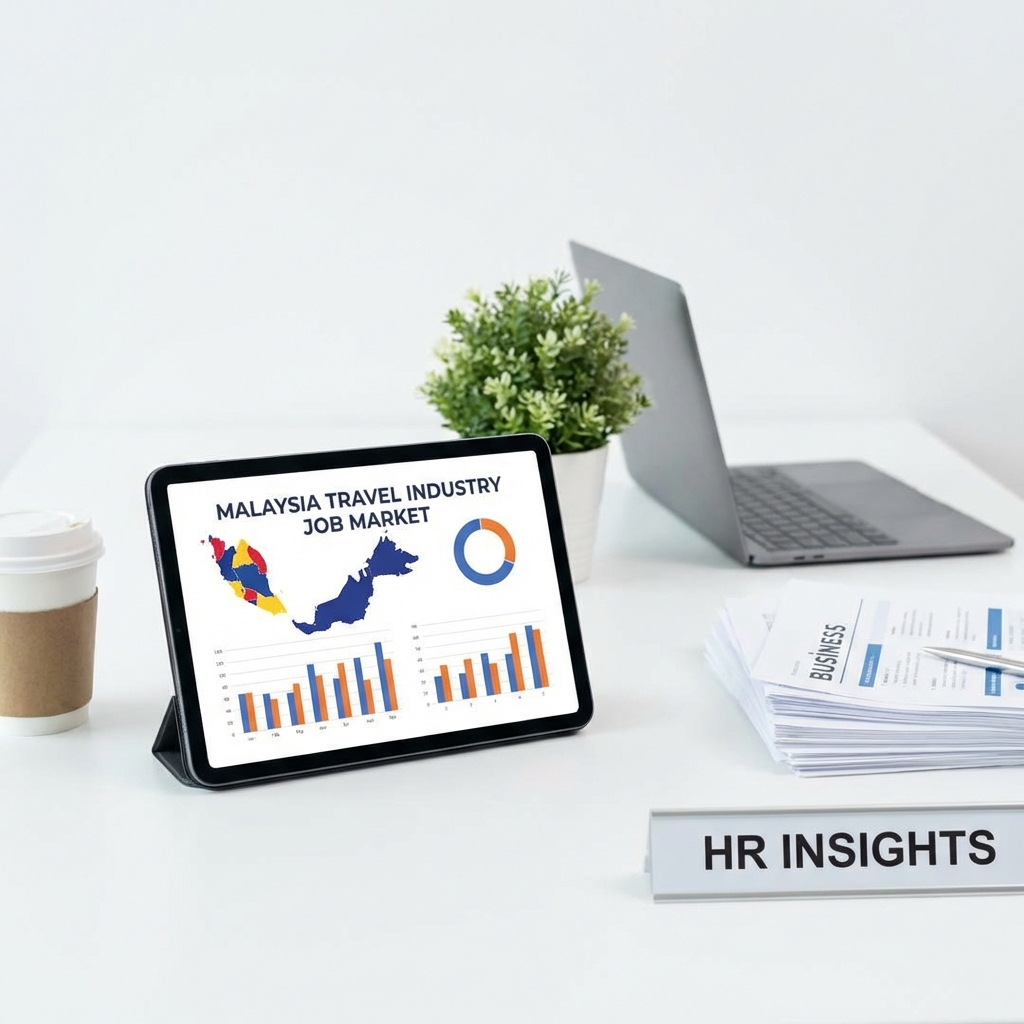
1. Current State of Malaysia’s Tourism Sector
Malaysia’s tourism sector has historically been a robust contributor to the nation’s Gross Domestic Product (GDP) and employment figures. Before the global pandemic, the industry was a significant foreign exchange earner, attracting millions of international tourists annually. Key attractions range from the iconic Petronas Twin Towers and the historical streets of Malacca to the lush rainforests of Borneo and the idyllic beaches of Langkawi. The sector encompasses a wide array of sub-industries, including hospitality, aviation, tour operations, food and beverage, and MICE (Meetings, Incentives, Conferences, and Exhibitions). While the pandemic undoubtedly presented unprecedented challenges, the foundational strengths – diverse offerings, strategic geographical location, and robust infrastructure – have positioned Malaysia for a strong rebound. Recent data indicates a promising resurgence, with tourist arrivals steadily increasing and domestic tourism playing a crucial role in the initial recovery phases. According to the Malaysia Tourism Promotion Board (Tourism Malaysia), the sector is on a clear path to regaining and even surpassing its pre-pandemic performance, signaling a healthy and expanding job market.
2. Key Drivers of Growth in Travel Employment
Several factors are actively fueling the growth of travel employment in Malaysia. Government initiatives, such as comprehensive tourism master plans and promotional campaigns, are pivotal in attracting both local and international visitors. Investments in infrastructure development – including new airports, improved road networks, and enhanced public transportation – make destinations more accessible and appealing. The ongoing digital transformation across the industry is another significant driver, creating demand for roles in e-commerce, digital marketing, data analytics, and IT support for travel platforms. Furthermore, the diversification of tourism products is opening up new avenues for employment. Niche tourism segments like eco-tourism, adventure tourism, medical tourism, and heritage tourism require specialized skills and services, from certified guides and conservationists to healthcare coordinators and cultural interpreters. The MICE sector continues to grow, demanding professionals in event management, venue operations, and corporate travel planning. The expansion of low-cost carriers and increased regional connectivity also contributes to higher passenger volumes, translating into more jobs in airlines, ground handling, and airport operations. These interconnected drivers collectively ensure a continuous demand for a diverse range of professionals within the travel ecosystem.
3. Impact of Post-Pandemic Recovery on Travel Roles
The post-pandemic recovery has profoundly reshaped the travel industry’s job market in Malaysia, creating both challenges and opportunities. Initially, the focus was heavily on domestic tourism, leading to increased demand for roles catering to local travelers and a re-emphasis on regional destinations. As international borders reopened, the industry pivoted towards attracting foreign visitors once again, albeit with heightened awareness of health and safety protocols. This shift has necessitated new roles and skills, particularly in areas related to hygiene management, contactless services, and digital check-ins. The rapid adoption of technology during the pandemic has accelerated the need for tech-savvy professionals across all levels, from front-line staff proficient in digital tools to strategists capable of implementing AI and big data solutions for personalized travel experiences. There’s also a growing emphasis on sustainable tourism, prompting demand for experts in environmental management, community engagement, and responsible travel practices. While some traditional roles have evolved, the overall trend points towards a more resilient, technology-driven, and experience-focused industry. Understanding these evolving dynamics is essential for job seekers looking to enter or advance within Malaysia’s vibrant travel sector, offering valuable context for interpreting a detailed salary range report of jobs in Travels field in Malaysia and identifying high-demand areas.
Salary Ranges for Popular Travel Roles in Malaysia
Understanding the financial landscape of any industry is crucial for both job seekers and employers. In Malaysia, the vibrant and growing travel sector offers diverse career opportunities. This detailed breakdown provides an expected salary range report of jobs in Travels field in Malaysia, helping professionals gauge their earning potential and businesses benchmark compensation strategies.
Malaysia’s tourism industry significantly contributes to its economy, attracting millions annually. This growth fuels consistent demand for skilled professionals across various segments, from guiding and agency operations to hospitality management. Navigating salary expectations requires understanding market trends, skill demands, and experience. For comprehensive industry insights, refer to JobStreet Malaysia’s latest salary guides.
1. Tour Guides & Tour Operators Salary Outlook
The role of a tour guide or operator is fundamental to Malaysia’s tourism experience, offering insights into local culture and attractions. Salaries vary significantly based on experience, language proficiency, specialization (e.g., adventure, historical tours), and employment type (company vs. freelance).
- Entry-Level Tour Guides (0-2 years): Often assisting senior guides, entry-level professionals can expect MYR 1,800 to MYR 2,500 monthly. Multilingual guides may command slightly higher rates.
- Experienced Tour Guides (2-5 years): With a proven track record and broader specializations, experienced guides typically earn MYR 2,500 to MYR 4,000 monthly. Freelance guides often charge MYR 150 to MYR 350 per day, depending on tour complexity and duration.
- Senior Tour Operators/Managers (5+ years): These professionals manage teams, design packages, handle logistics, and have significant operational responsibilities. Salaries range from MYR 4,000 to MYR 7,000 monthly, with senior management or specialized roles in larger agencies potentially earning more, often including performance-based bonuses.
2. Travel Agents & Consultants Earning Potential
Despite the rise of online travel agencies, human-centric agents remain vital for complex itineraries, corporate travel, and luxury experiences. Earning potential is influenced by client base, sales performance, and compensation structure (fixed salary vs. commission-based).
- Entry-Level Travel Agent/Consultant (0-2 years): Newcomers focusing on reservations, ticketing, and basic package sales can expect a base salary of MYR 2,000 to MYR 2,800 monthly, often supplemented by commissions.
- Experienced Travel Agent/Consultant (2-5 years): With a growing client portfolio and expertise in various travel products, experienced agents can earn MYR 2,800 to MYR 4,500 monthly. This figure typically includes a significant commission component. Corporate travel agents may see slightly higher base salaries.
- Senior Travel Consultant/Team Leader (5+ years): These professionals manage high-value clients, lead teams, and develop new business or specialize in niche markets (e.g., MICE). Total earnings, combining base and commissions, can range from MYR 4,500 to MYR 7,000 monthly, with top performers potentially exceeding this.
3. Hotel & Hospitality Management Salaries
The hotel and hospitality sector is a cornerstone of the travel industry, offering diverse roles from operations to strategic management. Salaries are heavily influenced by the establishment’s type and star rating, location, and specific department.
- Entry-Level Roles (e.g., Front Office Assistant, F&B Assistant, Housekeeping Supervisor): New entrants in operational roles typically start with salaries from MYR 1,800 to MYR 2,500 monthly, gaining foundational experience.
- Mid-Level Management (e.g., Assistant Manager Front Office, Restaurant Manager, Sales & Marketing Executive): With 2-5 years of experience and proven leadership, these professionals can expect MYR 2,800 to MYR 4,500 monthly. Salaries are generally higher in 4-star and 5-star properties.
- Senior Management (e.g., Hotel Manager, Director of Sales, General Manager): Highly experienced individuals overseeing departments or properties command significantly higher salaries. A Hotel Manager in a mid-sized property might earn MYR 5,000 to MYR 10,000 monthly, while a General Manager of a 5-star hotel in a prime location could earn MYR 12,000 to MYR 25,000 or more, often with profit-sharing.
The Malaysian travel industry continues to evolve, presenting both challenges and opportunities. Understanding these salary benchmarks is essential for making informed career decisions and fostering a competitive and fair employment market. For a more comprehensive salary range report of jobs in Travels field in Malaysia and broader insights, explore relevant resources to stay updated on the latest trends and opportunities.
Factors Influencing Travel Job Salaries in Malaysia
The Malaysian travel industry, a vibrant and expanding sector, offers diverse and rewarding career paths. While a job title provides a glimpse, understanding the true earning potential requires a deeper dive into several key determinants. A comprehensive salary range report of jobs in Travels field in Malaysia would reveal that compensation is a complex interplay of individual attributes and organizational characteristics. This section examines the core factors that significantly impact an individual’s pay in this dynamic field, offering insights beyond surface-level observations.
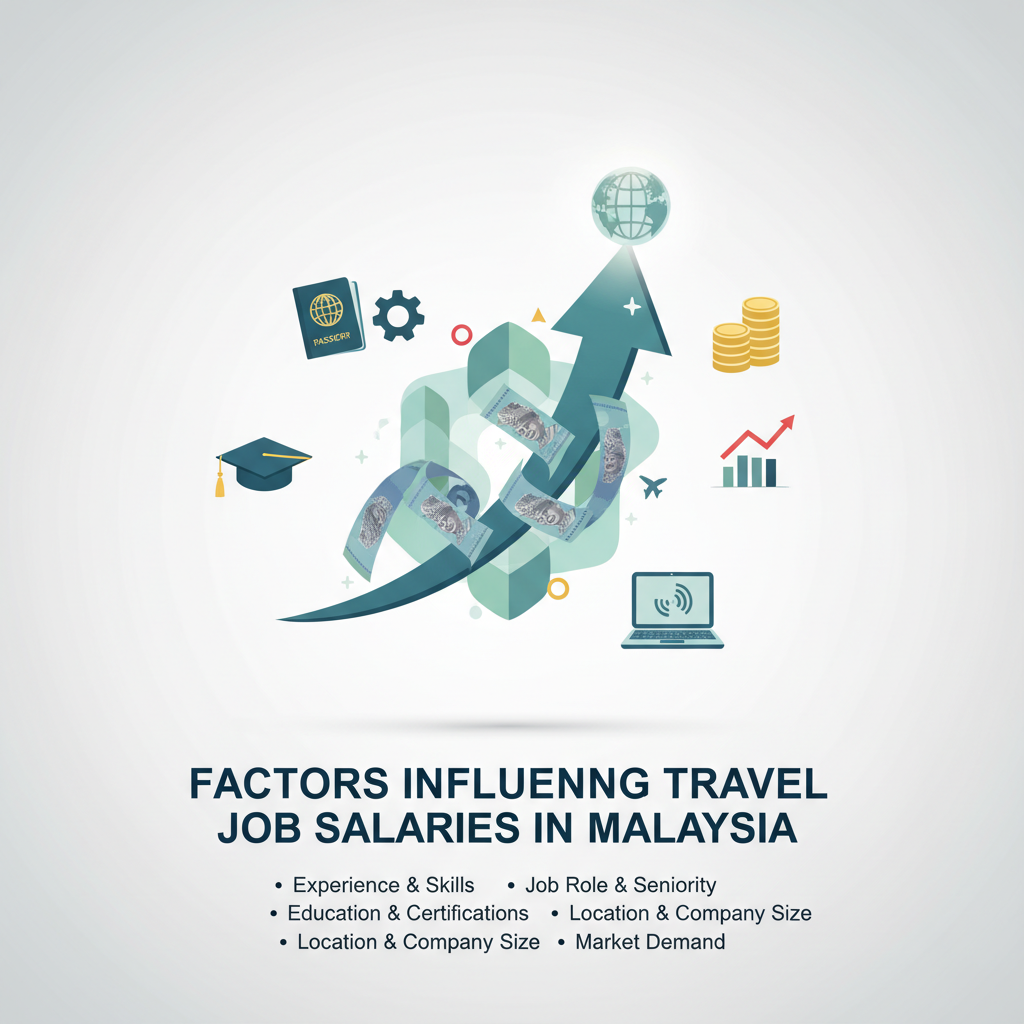
1.
Experience Level and Seniority
One of the most significant factors influencing travel job salaries in Malaysia is the individual’s experience level and seniority within the industry. Entry-level positions, such as Interns, Junior Travel Consultants, or Front Desk Agents, typically command lower salaries as they focus on foundational learning and basic operational tasks. As professionals accumulate years of experience, their responsibilities expand, leading to roles like Senior Travel Agents, Tour Managers, or Sales Executives. These mid-career positions involve managing client portfolios, leading small teams, and handling more complex tasks, which naturally translates to higher compensation.
At the senior and management levels, such as Directors of Sales, Operations Managers, or General Managers of travel agencies or hotels, salaries reach their peak. These roles demand extensive experience, strategic thinking, profit-and-loss responsibility, and leadership skills. The progression in salary directly correlates with the increasing complexity of roles, the ability to contribute to revenue generation, and the invaluable expertise gained over time. Specialization in niche markets, such as MICE (Meetings, Incentives, Conferences, and Exhibitions) or luxury travel, further enhances an individual’s value and earning potential.
2.
Qualifications, Education & Specialized Skills
Beyond general experience, an individual’s educational background, professional qualifications, and specialized skill sets play a crucial role in determining their salary. Degrees in Tourism Management, Hospitality Management, Business Administration, or Marketing provide a strong theoretical foundation, often leading to better entry points and faster career progression. Professional certifications, such as those from IATA (International Air Transport Association) or proficiency in Global Distribution Systems (GDS) like Amadeus, Sabre, or Galileo, are highly valued as they demonstrate practical competency essential for the travel trade.
Moreover, specialized skills are increasingly critical in today’s evolving travel landscape. Language proficiency, especially in Mandarin, Arabic, Japanese, or key European languages, can significantly boost earning potential due to Malaysia’s diverse inbound and outbound tourist markets. Digital marketing skills (SEO, SEM, social media management, content creation) are in high demand for online travel agencies (OTAs) and marketing departments. Data analytics, allowing professionals to interpret travel trends and customer behavior, is becoming indispensable for strategic decision-making. Expertise in Customer Relationship Management (CRM) systems and niche areas like eco-tourism, adventure travel, medical tourism, or pilgrimage tours also command higher remuneration. Employers actively seek candidates who possess a blend of traditional travel knowledge and modern digital competencies. For a broader understanding of industry compensation, reviewing comprehensive salary insights can be highly beneficial.
3.
Company Size, Location, and Type of Organization
The organizational context—specifically the company’s size, geographical location, and its type—exerts a substantial influence on salary structures. Multinational Corporations (MNCs) and large hotel chains generally offer more structured salary scales, competitive benefits packages, and higher base salaries due to their extensive revenue streams, global standards, and capacity to invest in talent. In contrast, Small to Medium Enterprises (SMEs) or independent travel agencies might offer slightly lower base pay but could compensate with potentially higher commission-based incentives, especially for sales-driven roles.
Geographical location is another critical factor. Major urban centers like Kuala Lumpur, Penang, and Johor Bahru typically offer higher salaries to offset the elevated cost of living and to attract talent in competitive markets with greater demand for skilled professionals. Roles in smaller towns or emerging rural tourist destinations, while potentially offering unique lifestyle perks, often come with lower base salaries. The accessibility to international airports and major business hubs also plays a role in salary differentiation.
Finally, the type of organization significantly impacts compensation. Airlines and airports usually provide competitive salaries, attractive travel benefits, and clear career progression paths. Hotels and resorts see salaries vary greatly depending on the chain, star rating, and the specific role (e.g., front office staff vs. senior management). Tour operators and travel agencies, whether online or brick-and-mortar, often have a mix of base salary plus commission, particularly for sales and booking roles. Corporate travel management firms tend to offer more stable salaries focused on B2B client management, while event management companies’ salaries can be project-based or fixed, depending on the scope and duration of assignments.
In essence, determining a travel professional’s salary in Malaysia goes far beyond the job title. It’s a holistic assessment of their accumulated experience, specific skill set, educational background, and the operational context of their employer. Aspiring and current professionals in the travel industry should continuously upgrade their skills and strategically choose their employers to maximize their earning potential, keeping an eye on the latest salary range report of jobs in Travels field in Malaysia. Understanding these dynamics is crucial for effective career planning and negotiation in Malaysia’s vibrant and ever-evolving travel landscape.
Emerging Trends and Future Salary Projections (2026 Focus)
The Malaysian travel sector is undergoing dynamic transformation, shaped by evolving consumer demands, technological innovations, and a renewed emphasis on sustainability. Looking towards 2026, these shifts will redefine job roles and influence future salary ranges within the industry. This section provides insights into new and developing positions and their compensation outlook, offering a forward-looking perspective on the salary range report of jobs in Travels field in malaysia.
1. Rise of Sustainable and Niche Tourism Jobs
A significant trend is the growing demand for authentic, responsible, and environmentally conscious travel. This has fostered specialized roles:
- Sustainable Tourism Manager: Professionals who develop and implement eco-friendly practices for travel businesses. Their expertise will be highly valued, commanding competitive salaries due to their impact on brand reputation and long-term viability.
- Ecotourism Guides/Educators: Specialized guides focusing on wildlife, conservation, and local ecosystems, often requiring specific certifications. These roles, particularly for high-value tours, can expect above-average earnings.
- Experiential Travel Designers: Curating highly personalized and immersive cultural or adventure experiences. Their unique skill in crafting bespoke journeys will lead to premium compensation.
- Community-Based Tourism Coordinators: Facilitating sustainable tourism benefits for local communities. These roles will gain recognition and improved remuneration as the focus on equitable tourism grows.
Salaries for these niche roles are projected to trend upwards. While entry-level might start moderately, professionals with specialized skills, proven experience, and deep local understanding will command significantly higher remuneration as companies seek to deliver these in-demand experiences.
2. Impact of Technology (AI, Digitalization) on Compensation
Technology, particularly AI and digitalization, is reshaping operations and compensation structures across the travel industry. The World Travel & Tourism Council (WTTC) consistently highlights technology as a key driver for future growth and job creation, underscoring the need for a digitally skilled workforce.
- AI-Powered Travel Consultants/Managers: Individuals managing and optimizing AI tools for customer service and routine inquiries, allowing human consultants to focus on complex, high-value interactions.
- Data Analysts (Tourism & Hospitality): Essential for extracting actionable insights from customer data, booking patterns, and market trends. These analytical roles will attract premium salaries due to their direct impact on strategic decision-making and revenue.
- Digital Marketing Specialists (Travel): Experts in SEO, social media, and content creation tailored for the travel sector will continue to be crucial for reaching global audiences, ensuring strong compensation growth.
- Cybersecurity Specialists for Travel Platforms: Safeguarding customer data and online transactions is paramount. These specialists will be highly sought after, reflecting the critical nature of their work in securing digital infrastructure.
Technology integration will create a demand for advanced digital skills, leading to higher salaries for tech-savvy roles. Traditional roles involving repetitive tasks may face automation, requiring upskilling to maintain competitiveness within the evolving `salary range report of jobs in Travels field in malaysia`.
3. Anticipated Growth Areas and High-Demand Roles
Several segments within Malaysian tourism are poised for significant growth, creating new opportunities and driving competitive salaries for skilled professionals. These areas align with global trends and Malaysia’s unique offerings:
- Health & Wellness Tourism: Expansion in spa resorts, medical tourism, and wellness retreats will increase demand for Wellness Retreat Managers and Medical Tourism Facilitators, commanding competitive salaries.
- MICE (Meetings, Incentives, Conferences, Exhibitions) Sector: A rebounding business travel market will drive demand for MICE specialists and event planners. Roles requiring complex logistics and high-stakes negotiations will attract attractive remuneration.
- Luxury and Bespoke Travel Advisors: Catering to affluent clients seeking exclusive, personalized experiences. Advisors offering unparalleled service and unique access will command top-tier salaries, often with performance bonuses.
- Adventure and Sports Tourism Operators: Specializing in activities like diving, mountaineering, or extreme sports, requiring strong safety credentials and international certifications. These operators will see increasing demand and competitive pay.
The future salary landscape in Malaysia’s travel sector up to 2026 looks promising for adaptable individuals who specialize and embrace continuous learning. The demand for highly skilled, technologically proficient, and niche-focused professionals will drive competitive compensation, making the travel industry an exciting career path for those ready to navigate emerging trends.
Strategies to Maximize Your Earning Potential in Travel
The travel industry in Malaysia is dynamic and ever-evolving, offering a plethora of opportunities for professionals. However, merely holding a position isn’t enough to secure a prosperous career. To truly advance and significantly increase your salary, a strategic approach is essential. This section provides practical advice and actionable strategies for travel professionals in Malaysia looking to elevate their careers and boost their earning potential. Understanding the current salary range report of jobs in Travels field in malaysia is your first step, allowing you to benchmark your current earnings and set realistic goals for career progression and increased remuneration.
1. Upskilling and Professional Development Courses
In a competitive job market, continuous learning is not just an advantage; it’s a necessity. Investing in upskilling and professional development courses directly correlates with higher earning potential. For travel professionals, this means acquiring certifications and expertise that are highly valued by employers. Consider certifications from recognized bodies like IATA (International Air Transport Association), which offers crucial training in areas like travel and tourism foundations, passenger ground services, and dangerous goods regulations. Mastering Global Distribution Systems (GDS) such as Amadeus, Sabre, or Galileo is also critical for ticketing and reservations roles. Furthermore, digital competencies are becoming indispensable. Courses in digital marketing, customer relationship management (CRM) software, and even basic data analytics can set you apart, as the industry increasingly relies on online platforms and data-driven decisions. Specialized knowledge in niche areas like eco-tourism, medical tourism, or specific destination expertise can also open doors to higher-paying roles requiring unique skill sets. Proficiency in additional languages, especially Mandarin, Japanese, or Arabic, given Malaysia’s diverse tourism market, can significantly increase your value and, consequently, your salary.
2. Networking and Building Industry Connections
Your network is your net worth, a adage that holds particularly true in the travel industry. Building strong industry connections can unlock opportunities that might never be publicly advertised. Actively participate in travel trade shows, workshops, and industry conferences such as MATTA Fair or regional PATA events. These gatherings are excellent platforms to meet peers, potential mentors, and decision-makers. Leverage online professional platforms like LinkedIn to connect with industry leaders and recruiters, share insights, and stay updated on job openings and trends. Don’t underestimate the power of informational interviews—reaching out to experienced professionals for advice and insights can lead to invaluable connections and potential job referrals. Mentorship, whether formal or informal, can provide guidance and open doors to advanced roles and projects. A robust professional network can provide leads on high-paying positions, collaborative projects, or even entrepreneurial ventures, all contributing to increased earning potential.
3. Negotiating Salary and Benefits Effectively
Once you’ve upskilled and expanded your network, the next crucial step is to effectively negotiate your salary and benefits. Many professionals undervalue themselves, leaving significant money on the table. Start by doing your homework: thoroughly research the current salary range report of jobs in Travels field in malaysia for roles similar to yours, taking into account your experience, qualifications, and the specific responsibilities of the position. Websites like JobStreet, LinkedIn, and government labor statistics can provide valuable data. During negotiations, clearly articulate your value proposition, highlighting how your unique skills, experiences, and certifications will benefit the company. Be prepared to discuss not just the base salary but also the entire compensation package, including performance bonuses, travel perks, health insurance, professional development budgets, and opportunities for career advancement. Remember that negotiation is a two-way street; be confident, professional, and prepared to justify your requests with data and examples of your accomplishments. For deeper insights into mastering this skill, consider reviewing authoritative guides on effective negotiation, such as this article on How to Negotiate Your Salary from Harvard Business Review, which offers timeless advice applicable to any industry. By approaching negotiations strategically, you can ensure your compensation truly reflects your worth and maximizes your earning potential in the Malaysian travel sector.
Partner with Shelby Global
You are looking for reliable HR Sevice Suppliers? Contact Shelby Global Now! To connect with verified talents and upgrade your orginization.
—————————————
References
– Malaysia Tourism Promotion Board (Tourism Malaysia): https://www.tourism.gov.my/statistics/key-statistics
– JobStreet Malaysia’s latest salary guides: https://www.jobstreet.com.my/en/salaries
– Michael Page Malaysia Salary Guide: https://www.michaelpage.com.my/salary-and-market-report
– WTTC Economic Impact Research: https://www.wttc.org/research/economic-impact-research/
– How to Negotiate Your Salary from Harvard Business Review: https://hbr.org/2015/07/how-to-negotiate-your-salary



































































































