The Evolving Landscape of Cyber Threats in Singapore
Singapore, a global financial and technological hub, operates within an intricate digital ecosystem that is both highly advanced and increasingly vulnerable. The nation’s rapid digital transformation, coupled with its strategic importance, makes its IT field a prime target for a diverse array of cyber adversaries. This section details the current and anticipated cybersecurity threats specifically targeting Singapore’s IT infrastructure and businesses, highlighting their evolving nature, sophisticated tactics, and the significant impact they pose to national security and economic stability. Understanding these challenges is crucial for developing robust proactive defense strategies and enhancing the overall resilience of critical infrastructure.
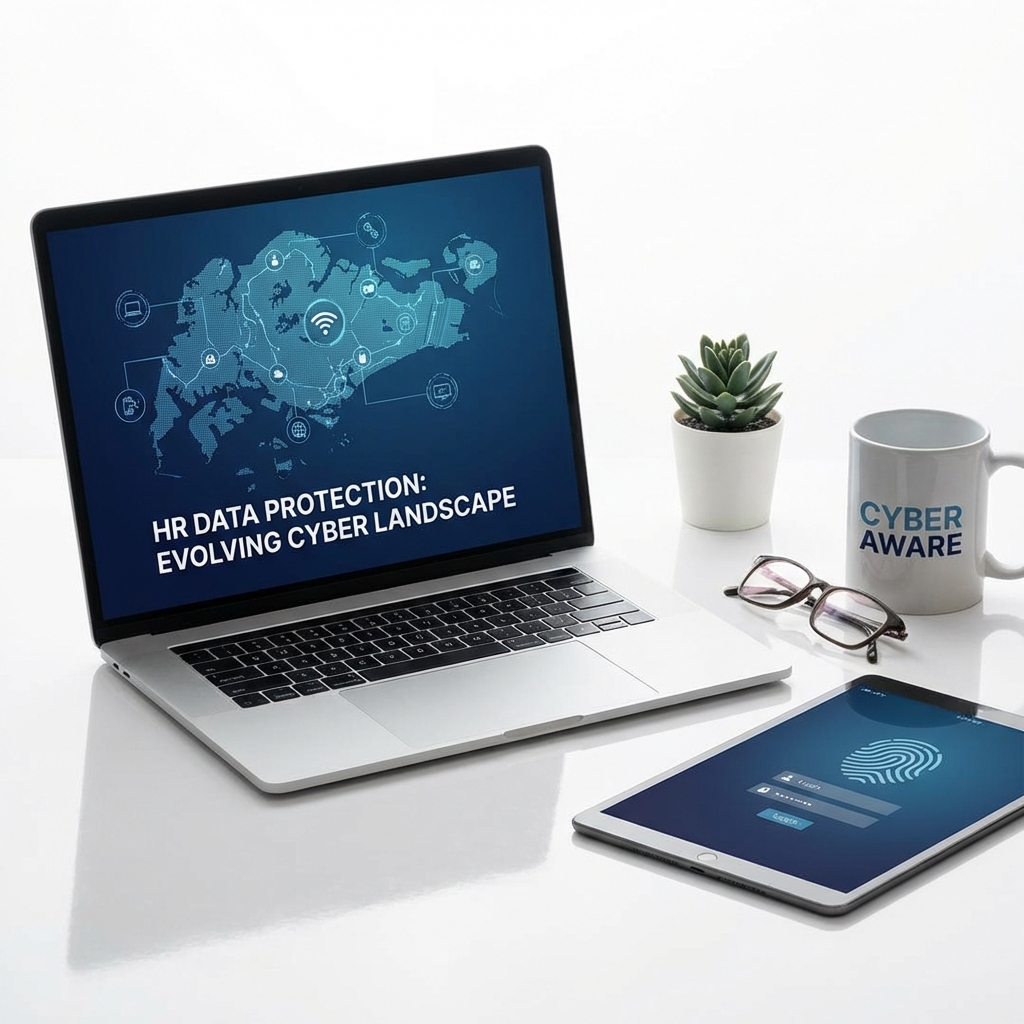
As outlined in the latest reports, including insights from the Singapore Cyber Landscape 2023, the threat landscape continues to escalate in complexity and frequency. Organizations within Singapore’s IT field must contend with an environment where cybercriminals and state-sponsored actors continually refine their methods, leveraging new technologies and exploiting human factors to breach defenses. This necessitates a continuous reassessment of security postures, investment in advanced threat intelligence, and a commitment to perpetual security awareness and training across all levels.
1. Ransomware and Advanced Persistent Threats (APTs)
Ransomware continues to be a dominant and devastating threat to Singapore’s IT field, evolving from opportunistic attacks to highly targeted campaigns. Modern ransomware groups often employ a ‘double extortion’ strategy, not only encrypting data but also exfiltrating it and threatening public release if the ransom is not paid. This significantly increases the pressure on victim organizations, leading to potential data breaches, reputational damage, and severe operational disruption. Beyond financial motivations, the emergence of ‘Ransomware-as-a-Service’ (RaaS) models has lowered the barrier to entry for cybercriminals, making these attacks more widespread and sophisticated. Concurrently, Advanced Persistent Threats (APTs), often backed by state actors, pose a severe long-term risk. These groups conduct multi-stage attacks, meticulously planning and executing their campaigns to gain persistent access to high-value targets, exfiltrate sensitive data, or disrupt critical infrastructure without detection. Their tactics involve custom malware, zero-day exploits, and patient reconnaissance, making them incredibly difficult to detect and eradicate, demanding advanced threat hunting capabilities and robust incident response plans from IT security teams.
2. Phishing, Spear-phishing, and Social Engineering Tactics
Despite technological advancements in cybersecurity, human vulnerability remains one of the weakest links, making phishing, spear-phishing, and broader social engineering tactics highly effective against Singaporean organizations. Phishing attacks, which are broad in nature, typically involve deceptive emails or messages designed to trick recipients into revealing credentials or installing malware. Spear-phishing, however, is far more targeted, with attackers meticulously researching their victims to craft highly personalized and believable messages. These attacks often impersonate senior management, trusted partners, or government agencies to bypass security awareness and exploit trust. Social engineering extends beyond email, encompassing vishing (voice phishing), smishing (SMS phishing), and even in-person deception to manipulate individuals into performing actions or divulging confidential information. The increasing use of Generative AI by threat actors to craft more convincing lures and deepfakes further elevates the risk, making it challenging for employees to discern legitimate communications from malicious ones. Continuous security awareness training, simulation exercises, and multi-factor authentication are critical countermeasures to mitigate these pervasive threats.
3. Supply Chain Attacks and Software Vulnerabilities
The intricate and interconnected nature of the global digital supply chain presents a significant vulnerability for Singapore’s IT field. Attackers are increasingly targeting less secure links in the supply chain – third-party vendors, software providers, or service partners – to gain access to larger, more fortified organizations. By compromising a single component or software dependency, attackers can potentially impact hundreds or thousands of downstream users, as demonstrated by high-profile incidents globally. This includes injecting malicious code into legitimate software updates, exploiting vulnerabilities in commonly used open-source libraries, or compromising managed service providers. Alongside supply chain risks, persistent software vulnerabilities, whether in operating systems, applications, or network devices, remain a primary entry point for cyber adversaries. Despite vendor efforts, new zero-day vulnerabilities are constantly discovered, and organizations often struggle with timely patching and vulnerability management across their complex IT environments. A comprehensive approach involves rigorous third-party risk assessments, robust patch management policies, secure coding practices, and continuous monitoring for anomalous activity across the entire digital ecosystem to build resilience against these multifaceted threats.
Data Governance, Privacy, and Compliance Challenges
Singapore’s vibrant IT sector, a cornerstone of its digital economy, faces an ever-growing labyrinth of data governance, privacy, and compliance complexities. As organizations increasingly leverage vast datasets for innovation and competitive advantage, the imperative to safeguard personal information has never been more critical. The dynamic nature of technology, coupled with a heightened global awareness of data privacy, presents significant challenges for companies striving to maintain robust data protection strategies while navigating a stringent regulatory landscape. This section delves into the escalating complexities around data protection regulations, persistent privacy concerns, and the multifaceted challenges organizations encounter in upholding compliance within Singapore’s rapidly evolving IT sphere.
1. Navigating Singapore’s PDPA and Global Data Regulations
Navigating Singapore’s PDPA and Global Data Regulations
Singapore’s Personal Data Protection Act (PDPA) forms the bedrock of its data protection framework, governing the collection, use, and disclosure of personal data. Since its full implementation and subsequent amendments, the PDPA has instilled a robust accountability-based regime, requiring organizations to not only protect data but also demonstrate their compliance through comprehensive data governance frameworks. However, the challenge extends beyond national borders. For many Singaporean IT firms, business operations are inherently global, necessitating adherence to an intricate web of international privacy regulations such as the European Union’s General Data Protection Regulation (GDPR) and California’s Consumer Privacy Act (CCPA). Managing cross-border data transfers, reconciling differing consent requirements, and ensuring data residency while maintaining operational efficiency create a significant compliance burden. Organizations must possess a nuanced understanding of these diverse legal frameworks and implement flexible data management strategies that can adapt to varying jurisdictional demands, preventing costly penalties and preserving trust.
2. Challenges in Data Breaches and Incident Response
Challenges in Data Breaches and Incident Response
In an era of sophisticated cyber threats, data breaches are an unfortunate, yet increasingly common, reality. Singapore’s IT field, due to its strategic importance and reliance on digital infrastructure, remains a prime target for malicious actors. The ramifications of a data breach extend far beyond immediate technical remediation; they can include severe financial penalties under the PDPA, significant reputational damage, loss of customer trust, and long-term operational disruptions. Developing and maintaining a robust incident response plan is therefore paramount. This involves not only implementing cutting-edge cybersecurity measures and regular vulnerability assessments but also fostering a culture of security awareness among employees. Swift detection, containment, eradication, and post-incident analysis are critical. Furthermore, the mandatory breach notification requirements under the PDPA stipulate that organizations must promptly inform affected individuals and the Personal Data Protection Commission (PDPC) of significant breaches, adding another layer of complexity and urgency to incident management.
3. Ethical AI and Data Bias Risks in Data Management
Ethical AI and Data Bias Risks in Data Management
The burgeoning adoption of Artificial Intelligence (AI) across Singapore’s IT sector introduces a new frontier of data governance and ethical considerations. While AI promises unparalleled efficiencies and innovation, its efficacy and fairness are inextricably linked to the quality and impartiality of the data it processes. A significant risk lies in data bias, where historical or unrepresentative datasets used to train AI models can perpetuate and even amplify societal biases, leading to discriminatory outcomes in areas like hiring, credit scoring, or customer service. Addressing these ethical AI challenges requires a proactive approach to data management, focusing on data quality, representativeness, and transparent algorithmic design. Organizations must invest in robust data auditing processes to identify and mitigate biases before they are embedded into AI systems. The absence of clear ethical guidelines or a lack of accountability in AI development can erode public trust, invite regulatory scrutiny, and undermine the societal benefits of AI. Therefore, fostering responsible AI development, ensuring algorithmic transparency, and prioritizing fairness are essential for maintaining ethical data governance in the age of AI.
Risks Associated with Emerging Technologies
The landscape of Singapore’s IT infrastructure is undergoing a transformative shift, driven by the rapid adoption of cutting-edge technologies such as Artificial Intelligence (AI), the Internet of Things (IoT), and sophisticated cloud computing solutions. While these innovations promise unprecedented efficiency, connectivity, and data insights, they concurrently introduce a new spectrum of complex and amplified risks. Organizations in Singapore must critically evaluate these evolving threats to safeguard their digital assets, maintain operational continuity, and protect sensitive data. Understanding these risks is paramount for developing robust cybersecurity strategies and ensuring resilient digital growth. This section explores key challenges highlighted in the trend report of the risk of IT field in singapore, providing insights into the vulnerabilities inherent in these emerging technological paradigms.
1. Cloud Security Vulnerabilities and Misconfigurations
The widespread migration to cloud platforms, both public and hybrid, offers scalability and flexibility but also introduces significant security challenges for Singaporean enterprises. While cloud providers invest heavily in security, the shared responsibility model often leaves clients vulnerable to misconfigurations. Improper access controls, insecure APIs, default credential usage, and unpatched vulnerabilities within cloud environments are common entry points for attackers. Data breaches resulting from cloud misconfigurations can be catastrophic, leading to intellectual property theft, regulatory non-compliance, and severe reputational damage. Furthermore, the complexity of managing multiple cloud services across different providers can lead to a lack of visibility and control, exacerbating the risk of overlooked vulnerabilities. As organizations increasingly leverage cloud-native services and serverless architectures, the attack surface expands, demanding rigorous security hygiene, continuous monitoring, and specialized expertise to identify and remediate potential gaps. A proactive approach, including regular audits and automated security checks, is crucial for mitigating these inherent cloud-centric risks within Singapore’s digital ecosystem.
2. IoT Device Insecurity and Network Edge Risks
The proliferation of IoT devices, from smart city sensors to industrial control systems, is transforming Singapore’s urban and industrial landscapes. However, many IoT devices are designed with convenience over security, featuring weak default passwords, unpatchable firmware, and limited encryption capabilities. These vulnerabilities make them prime targets for botnet attacks, data exfiltration, and unauthorized network access. Once compromised, an IoT device can serve as a pivot point for attackers to infiltrate deeper into an organization’s core network. The sheer volume and diversity of IoT devices create an expansive and difficult-to-monitor attack surface at the network edge. Securing these endpoints requires robust authentication mechanisms, network segmentation, continuous threat monitoring, and lifecycle management for devices, many of which may have long operational lifespans. The integration of IoT into critical infrastructure components, like smart utilities and transport systems, elevates the potential impact of a security breach from data loss to physical disruption, underscoring the urgent need for comprehensive IoT security frameworks in Singapore. Addressing these top threats to cloud security and IoT security is vital for maintaining resilience.
3. AI/ML System Integrity and Explainability Issues
Artificial Intelligence and Machine Learning (AI/ML) are being rapidly integrated into decision-making processes, customer service, and operational efficiencies across various sectors in Singapore. However, the integrity and explainability of these systems present significant risks. AI models are susceptible to adversarial attacks, where subtle modifications to input data can lead to erroneous or malicious outputs, potentially causing financial losses, flawed medical diagnoses, or biased judicial decisions. Data poisoning, model inversion, and data leakage are other critical concerns. Furthermore, the “black box” nature of many advanced AI/ML algorithms makes it challenging to understand why a particular decision was made. This lack of explainability poses regulatory and ethical dilemmas, especially in fields like finance and healthcare, where transparency and accountability are paramount. Ensuring the fairness, robustness, and interpretability of AI systems requires rigorous testing, explainable AI (XAI) techniques, and continuous monitoring for drift or adversarial manipulation. Singapore’s commitment to responsible AI development necessitates addressing these integrity and explainability challenges to build trust and prevent unintended consequences from widespread AI adoption.
Operational and Third-Party Risk Management
In today’s interconnected digital ecosystem, businesses face a labyrinth of threats, making robust operational and third-party risk management not just a best practice, but a strategic imperative. This section addresses the critical operational risks, including human factors, skill gaps, and the intricate challenges of managing security risks posed by third-party vendors and supply chain dependencies. As organizations in Singapore increasingly digitalize, understanding and mitigating these risks becomes paramount for maintaining resilience and trust.
1. Human Error and Insider Threats
The human element remains an enduring vulnerability in the cybersecurity landscape. Despite advancements in technology, human error continues to be a leading cause of data breaches and operational disruptions. This can manifest in various ways, from employees falling victim to sophisticated phishing scams and social engineering tactics to accidental misconfigurations of critical systems. Furthermore, the threat of malicious insiders, whether disgruntled employees or individuals with compromised credentials, poses a significant risk of data theft, intellectual property leakage, or system sabotage. Organizations must recognize that even the most advanced technological safeguards can be bypassed or undermined by human actions.
To counteract these pervasive threats, a multi-faceted approach is essential. Continuous cybersecurity awareness training, regular simulated phishing exercises, and strong organizational policies are crucial in fostering a security-conscious culture. Implementing robust access controls, segregation of duties, and continuous monitoring of employee activities can help detect and deter insider threats. Proactive risk assessments, informed by the latest insights from a the trend report of the risk of IT field in singapore, are vital for identifying potential weaknesses and developing targeted mitigation strategies.
2. Third-Party Vendor and Supply Chain Cybersecurity Risks
The modern enterprise rarely operates in isolation, relying heavily on a sprawling network of third-party vendors, cloud providers, and supply chain partners for critical services and components. While this interconnectedness offers immense benefits in efficiency and specialization, it also dramatically expands an organization’s attack surface. A vulnerability or breach in a single vendor’s system can have catastrophic ripple effects, compromising the data, systems, and reputation of every organization connected to it.
Recent high-profile incidents underscore the urgent need for stringent third-party risk management. From software supply chain attacks that exploit weaknesses in widely used components to data breaches originating from compromised service providers, the complexity of managing these external dependencies is escalating. In Singapore, where businesses are deeply integrated into global supply chains, the onus is on organizations to conduct thorough due diligence on all third-party partners. This includes evaluating their security postures, ensuring compliance with relevant standards and regulations, and establishing clear contractual obligations regarding data protection and incident response. Continuous monitoring, regular security audits, and the ability to swiftly respond to security incidents within the supply chain are non-negotiable elements of a robust third-party risk strategy. For a deeper dive into the landscape of cyber threats affecting Singapore, organizations can refer to authoritative reports such as the Singapore Cyber Landscape report by the Cyber Security Agency of Singapore (CSA), which often highlights emerging risks, including those related to third-party dependencies.
3. Talent Shortages and Cybersecurity Skill Gaps
A persistent and escalating challenge for organizations worldwide, and acutely felt in Singapore’s rapidly evolving digital economy, is the severe shortage of skilled cybersecurity professionals. This talent gap directly exacerbates operational and third-party risks. Without sufficient expertise, organizations struggle to implement, monitor, and maintain effective security controls, leading to unpatched vulnerabilities, delayed incident response times, and a general inability to keep pace with the sophisticated tactics of cyber adversaries.
The scarcity of qualified professionals impacts every aspect of cybersecurity, from security architecture and engineering to incident handling and compliance. Companies find it difficult to attract and retain top talent, leaving existing teams stretched thin and prone to burnout. This, in turn, can increase the likelihood of human error and reduce overall security effectiveness. Addressing this requires a multi-pronged approach that extends beyond traditional hiring. Organizations must invest in upskilling their current IT staff, developing internal training programs, and fostering a culture of continuous learning. Collaboration with educational institutions, government initiatives aimed at nurturing cybersecurity talent, and exploring managed security services are also critical pathways to bridge this widening gap. Only by proactively investing in human capital can organizations effectively strengthen their defenses against the complex operational and third-party risks prevalent in today’s IT field.
Strategies for Robust IT Risk Mitigation in 2026
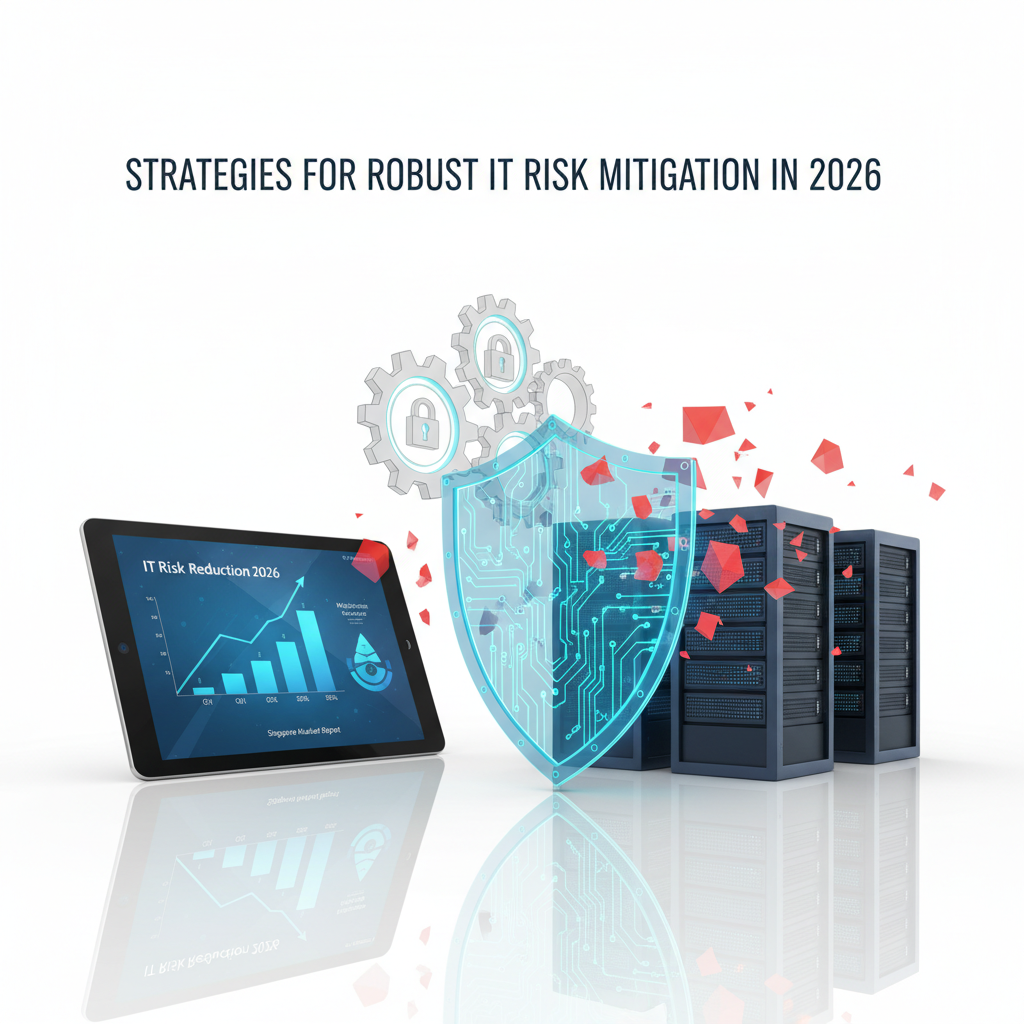
This final section outlines actionable strategies and best practices for organizations in Singapore to effectively identify, assess, and mitigate the IT risks identified for 2026. As the digital landscape evolves, driven by advanced technologies and a sophisticated threat environment, a proactive, multi-layered approach to IT risk management is critical for operational resilience. Insights from the trend report of the risk of IT field in Singapore emphasize the urgency for robust mitigation strategies, shifting from reactive measures to comprehensive preventative and responsive frameworks. In 2026, Singaporean businesses face a dynamic array of IT challenges, from ransomware to AI-powered threats. Addressing these requires a strategic blend of technological investment, process optimization, and human capital development. The following strategies provide a roadmap for building resilient IT infrastructure and fostering a security-first mindset, acknowledging the 17 distinct types of threats demanding attention.
1. Implementing Proactive Threat Intelligence and Detection
Staying ahead is paramount in the battle against evolving cyber threats. Organizations must adopt a proactive stance driven by comprehensive threat intelligence, continuously gathering, analyzing, and acting upon information about emerging threats, vulnerabilities, and attack methodologies relevant to their specific context in Singapore. Implementing advanced detection solutions like Security Information and Event Management (SIEM), Endpoint Detection and Response (EDR), and User and Entity Behavior Analytics (UEBA) is crucial. These tools leverage AI/ML to identify anomalous activities and potential breaches in real-time, significantly reducing the window of compromise. Regular vulnerability assessments, penetration testing, proactive patching, and configuration management are routine practices. Investing in specialized threat intelligence feeds from reputable cybersecurity firms and government agencies provides early warnings. Continuous monitoring of network traffic, cloud environments, and critical assets ensures instant flagging of deviations, enabling rapid investigation and containment. This proactive approach transforms security into a strategic enabler of business continuity.
2. Strengthening Incident Response and Business Continuity Planning
Despite robust preventative measures, security incidents remain a possibility. A well-defined and frequently tested Incident Response (IR) plan is therefore non-negotiable for organizations in Singapore. An effective IR plan outlines clear roles, responsibilities, communication protocols, and technical steps from detection to post-incident analysis. It should cover various scenarios—data breaches, ransomware, system outages—ensuring a swift, coordinated response that minimizes damage and recovery time.
Complementing the IR plan, a robust Business Continuity Plan (BCP) and Disaster Recovery (DR) strategy are essential for maintaining critical business operations during significant disruptions. This includes regular data backups, off-site storage, and resilient infrastructure for failover. Drills and simulations of both IR and BCP/DR scenarios are vital to identify weaknesses, refine procedures, and ensure all personnel are familiar with their roles under pressure. These exercises should be conducted at least annually, simulating realistic threat scenarios to test preparedness against disruptions impacting operational integrity and customer trust.
3. Fostering a Culture of Cybersecurity Awareness and Training
The human element often remains the weakest link in the cybersecurity chain, vulnerable to error or social engineering. Cultivating a strong culture of cybersecurity awareness and continuous training is fundamental for effective IT risk mitigation. This involves educating all employees, from staff to executives, about common threats like phishing, malware, and social engineering, as well as best practices for secure data handling, password management, and device security. Training programs should be engaging, relevant, and regularly updated. Simulated phishing campaigns and interactive modules can effectively test vigilance. Leadership buy-in is crucial, as executives must champion cybersecurity as a strategic priority, allocating necessary resources. Encouraging a “see something, say something” culture empowers employees to report suspicious activities, transforming them into an active line of defense. Organizations can leverage resources like Singapore’s Cyber Hygiene Portal to guide efforts in establishing foundational cybersecurity practices and fostering digital resilience across their workforce.
Ultimately, a holistic approach to IT risk mitigation in 2026 for Singaporean organizations requires continuous assessment, adaptation, and investment across technology, processes, and people. By embracing these strategies, businesses can not only safeguard their digital assets but also build a more secure and resilient future in an increasingly interconnected world.
Partner with Shelby Global
You are looking for reliable HR Sevice Suppliers? Contact Shelby Global Now! To connect with verified talents and upgrade your orginization.
—————————————
References
– Singapore Cyber Landscape 2023: https://www.csa.gov.sg/singapore-cyber-landscape
– Personal Data Protection Commission (PDPC) Singapore: https://www.pdpc.gov.sg/DPO-Competency-Framework/Data-Protection-Essentials
– Cloud Security Report by Cloud Security Alliance: https://cloudsecurityalliance.org/research/publications/cloud-security-report/
– Singapore Cyber Landscape report by the Cyber Security Agency of Singapore (CSA): https://www.csa.gov.sg/singapore-cyber-landscape
– Cyber Hygiene Portal: https://www.csa.gov.sg/singcert/resources/cyber-hygiene-portal