Understanding Malaysia’s Beauty Industry Landscape
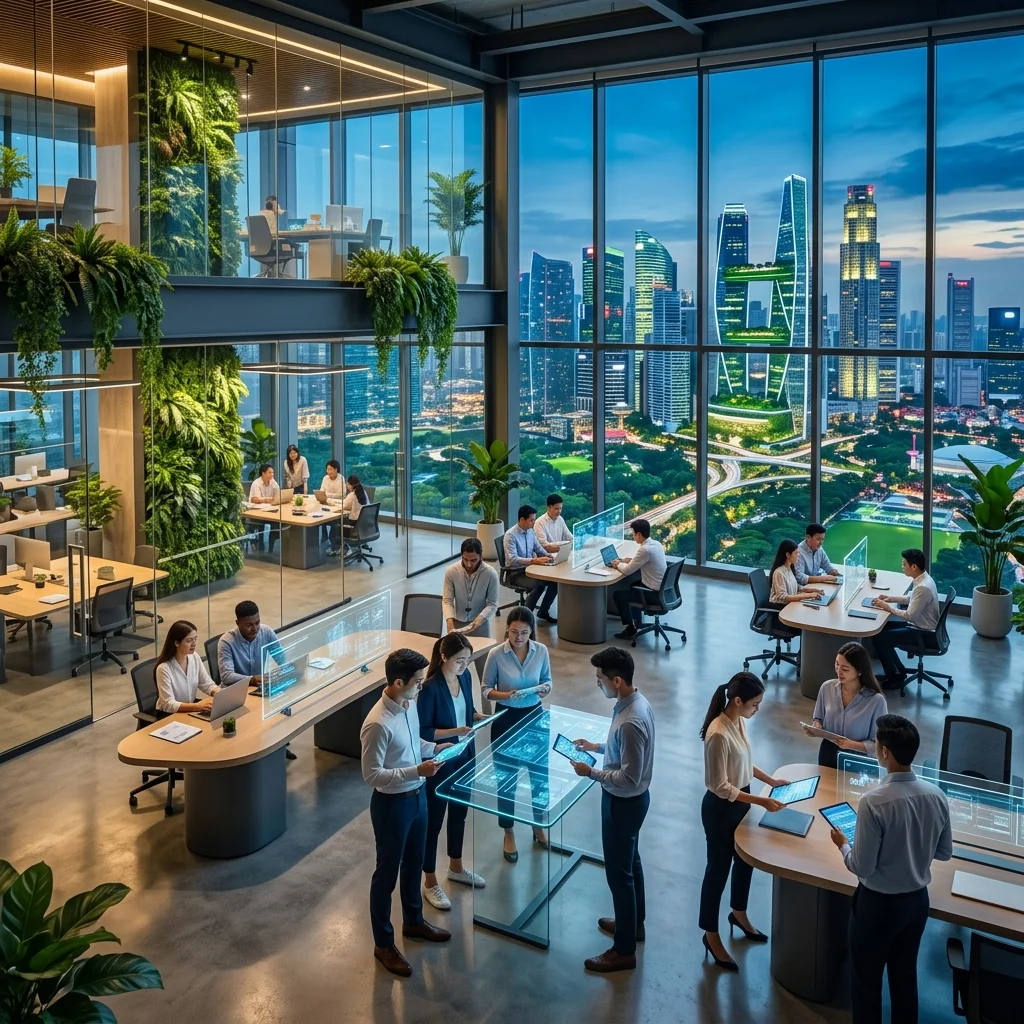
Malaysia’s beauty industry stands as a dynamic and rapidly expanding sector, reflecting the nation’s vibrant economic growth and evolving consumer preferences. Far from being a niche market, it represents a significant segment of the broader personal care industry, influenced by a unique blend of cultural diversity, technological advancements, and a youthful demographic. This introductory overview delves into the current size, key segments, and the multifaceted growth drivers shaping the future of Malaysia’s beauty landscape, providing essential context for a comprehensive risk analysis within this burgeoning field.
-
Market Size and Key Segments (Skincare, Cosmetics, Wellness)
The Malaysian beauty market is robust, with consistent year-on-year growth. Industry analyses frequently highlight its resilience and potential, driven by an increasingly affluent middle class and a strong emphasis on personal grooming and self-care. Projections indicate continued expansion, cementing Malaysia’s position as a key player in Southeast Asia’s beauty scene. This growth is predominantly observed across several core segments:
- Skincare: This remains the largest and most dominant segment, propelled by a heightened consumer awareness regarding skin health, anti-aging solutions, and sun protection. The demand for natural, organic, and Halal-certified skincare products is particularly strong, catering to the predominantly Muslim population and those seeking ethical consumption. Innovations in personalized skincare and advanced formulations also contribute significantly to its growth.
- Color Cosmetics: While smaller than skincare, the cosmetics segment is vibrant, driven by global beauty trends, social media influence, and a desire for self-expression. Products ranging from foundations and lipsticks to eye makeup see steady demand, with consumers often seeking versatile, long-lasting, and trend-aligned options.
- Haircare: Encompassing shampoos, conditioners, treatments, and styling products, this segment benefits from evolving hair care routines and a focus on scalp health. The emergence of products targeting specific concerns like hair fall, dandruff, and heat protection fuels its expansion.
- Fragrances and Wellness: Beyond traditional beauty, the wellness sector, including aromatherapy, beauty supplements, and holistic health products, is gaining traction. Malaysian consumers are increasingly adopting a holistic approach to beauty, understanding the intrinsic link between inner well-being and outer appearance.

-
Driving Factors: Demographics, Disposable Income, Social Media Influence
Several powerful forces are converging to accelerate the growth of the Malaysian beauty industry:
- Favorable Demographics: Malaysia boasts a relatively young population, with a significant proportion falling into the millennial and Gen Z categories. These cohorts are digitally savvy, highly engaged with global trends, and willing to invest in beauty and personal care products that align with their values and aspirations. Urbanization trends further concentrate this consumer base, making market penetration more efficient.
- Rising Disposable Income: The country’s continuous economic development has led to an expanding middle class with increased purchasing power. As disposable incomes rise, consumers are more inclined to spend on premium beauty products, innovative treatments, and a wider variety of items, moving beyond basic necessities to aspirational purchases.
- Pervasive Social Media Influence: Social media platforms like Instagram, TikTok, and YouTube play a pivotal role in shaping consumer preferences and driving sales. Beauty influencers, content creators, and user-generated reviews act as powerful marketing tools, introducing new products, demonstrating usage, and fostering communities around beauty trends. The virality of K-beauty and J-beauty trends, alongside local beauty vlogger endorsements, significantly impacts purchasing decisions.
- E-commerce Penetration: The widespread adoption of e-commerce platforms has democratized access to a vast array of local and international beauty brands. Online shopping offers convenience, competitive pricing, and a broader selection, making it a crucial channel for discovery and purchase within the industry.
-
Key Players and Emerging Local Brands
The Malaysian beauty landscape is characterized by a dynamic interplay between established global giants and a burgeoning ecosystem of innovative local brands:
- International Dominance: Global conglomerates such as L’Oréal, Estée Lauder, Shiseido, Procter & Gamble, and Unilever maintain a strong presence, leveraging their extensive R&D, marketing budgets, and well-recognized brand portfolios. They often introduce global innovations to the Malaysian market, setting benchmarks for quality and trend.
- Emerging Local Powerhouses: A significant and increasingly impactful trend is the rise of local Malaysian beauty brands. These brands often specialize in catering to specific local needs, such as Halal-certified products, ingredients suited for tropical climates, and formulations that resonate with Malaysian cultural preferences. Brands like SimplySiti, Wardah (though Indonesian, widely popular in Malaysia for its Halal focus), and high-growth direct-to-consumer (DTC) brands are gaining significant market share. Their agility, authenticity, and ability to connect directly with consumers through digital channels present a formidable challenge to international players.
- Niche and Indie Brands: The market also supports a vibrant segment of niche and indie brands, often focused on sustainable, cruelty-free, or artisan products. These smaller players thrive by offering unique value propositions and building strong community loyalty.
Understanding these market dynamics, including the trend report of the risk of beauty field in Malaysia, is paramount for any stakeholder. The blend of international influence and local innovation creates a competitive yet opportunity-rich environment, demanding careful strategic planning and continuous adaptation to consumer shifts and regulatory developments.
Regulatory & Compliance Risks in Malaysian Beauty
The Malaysian beauty sector is a vibrant market, yet it’s increasingly navigating a complex web of legal and regulatory requirements. This section delves into the evolving legal and regulatory framework impacting the beauty sector, highlighting critical compliance challenges and potential implications for businesses operating within this dynamic landscape. Understanding the broader landscape of the trend report of the risk of beauty field in malaysia is crucial for businesses aiming for sustainable growth. Key areas of concern include Malaysia beauty industry regulations, cosmetic product registration Malaysia, Halal beauty market compliance, MOH cosmetic guidelines, non-compliance penalties beauty Malaysia, and regulatory challenges beauty Malaysia.
-
Evolving MOH Regulations and Product Registration Processes
The Ministry of Health (MOH) in Malaysia, primarily through its National Pharmaceutical Regulatory Agency (NPRA), plays a pivotal role in safeguarding public health by regulating cosmetic products. The regulatory framework, guided by the Control of Drugs and Cosmetics Regulations 1984, mandates that all cosmetic products must be notified to the NPRA before being placed on the market. This “cosmetic notification” process requires comprehensive documentation, including product formulation, ingredient lists, manufacturing information, and safety assessments. Businesses must stay abreast of continuous updates to these guidelines, which often reflect international best practices and emerging safety concerns. The evolving nature of these regulations means that what was compliant yesterday might require adjustments today. From stringent labeling requirements to specific prohibitions on certain ingredients, navigating the detailed MOH cosmetic guidelines can be a formidable task for both local manufacturers and international importers. Non-compliance at this initial stage can lead to significant delays, product recalls, and severe penalties, underscoring the importance of meticulous attention to detail in the cosmetic product registration Malaysia process. Furthermore, post-market surveillance by the NPRA means that compliance is an ongoing commitment, not a one-time event, requiring continuous monitoring and adherence.
-
Halal Certification and Islamic Compliance for Beauty Products
Malaysia, with its significant Muslim population, represents a robust market for Halal beauty products. Beyond standard safety and quality regulations, businesses targeting this demographic must also comply with Islamic principles, which dictate the ingredients, manufacturing processes, and ethical sourcing of products. The Department of Islamic Development Malaysia (JAKIM) is the primary authority for Halal certification, ensuring that products adhere to Sharia law. This involves rigorous audits to confirm the absence of prohibited ingredients (like pork derivatives, alcohol, or certain animal by-products) and the cleanliness of the production environment. The demand for Halal-certified cosmetics is not only growing domestically but also positioning Malaysia as a hub for the global Halal market. However, achieving and maintaining this certification can be complex, requiring deep understanding of Islamic jurisprudence and meticulous supply chain management. For many businesses, particularly international brands, adapting formulations and manufacturing lines to meet these specific requirements presents unique regulatory challenges beauty Malaysia. Missteps in this area can lead to strong consumer backlash, brand damage, and loss of market share, making Halal beauty market compliance a critical strategic imperative.
-
Enforcement Trends and Penalties for Non-Compliance
The NPRA and other enforcement agencies in Malaysia maintain a vigilant stance against non-compliant beauty products, reflecting a broader commitment to consumer protection and fair trade practices within the Malaysia beauty industry regulations. Recent years have seen an increase in enforcement activities, including market surveillance, raids, and public advisories on unregistered or prohibited products. Common violations range from selling products without proper notification to the use of banned substances (like mercury or hydroquinone), false claims, or misleading labeling. The implications for businesses found in breach of regulations can be severe. Penalties for non-compliance can include hefty fines, product confiscation, compulsory recalls, and even imprisonment for serious offenses. Beyond legal repercussions, businesses also face significant reputational damage, loss of consumer trust, and potential permanent exclusion from the market. For a comprehensive overview of these critical issues and more, stakeholders should refer to the trend report of the risk of beauty field in malaysia. The proactive nature of enforcement trends underscores the need for continuous internal audits, robust quality control systems, and up-to-date knowledge of the regulatory landscape. Ignoring these stringent rules can lead to substantial non-compliance penalties beauty Malaysia, making proactive and preventive measures indispensable for sustainable business operations.
Consumer Safety & Behavioral Shift Risks
The dynamic landscape of Malaysia’s beauty industry is increasingly shaped by evolving consumer behaviors, a heightened demand for transparency, and critical concerns surrounding product safety and efficacy. As highlighted in the trend report of the risk of beauty field in Malaysia, brands face unprecedented challenges in navigating these shifts. From ingredient scrutiny to the pervasive influence of online information, understanding these risks is paramount for sustainable growth and maintaining consumer trust. This section delves into the multifaceted dangers arising from changing preferences and the imperative for brands to adapt proactively.
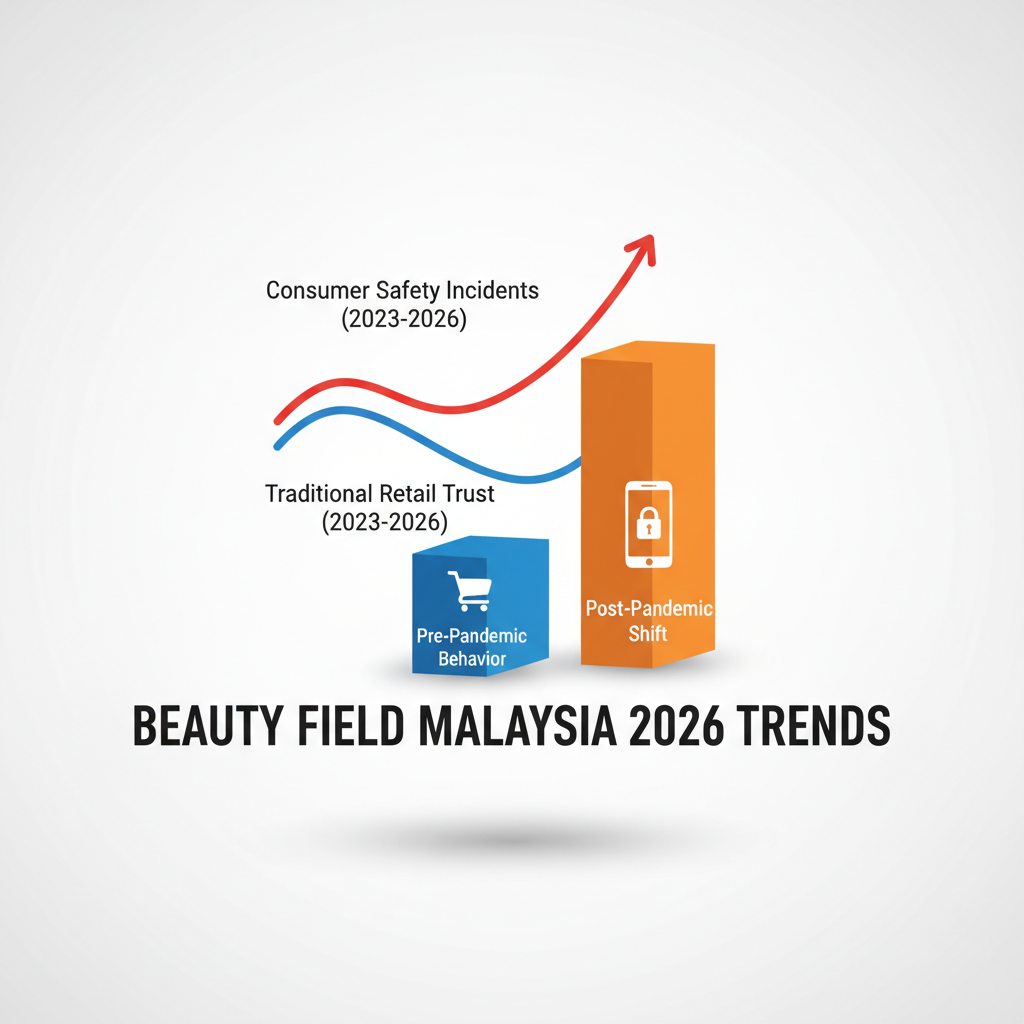
1. Rise of Ingredient Scrutiny and ‘Clean Beauty’ Demands
Malaysian consumers are becoming increasingly sophisticated, moving beyond traditional brand loyalty to meticulously examine product formulations. The ‘clean beauty’ movement, emphasizing natural, non-toxic, and ethically sourced ingredients, is no longer a niche but a significant market driver. This heightened ingredient scrutiny poses a substantial risk for brands that fail to adapt. Consumers are actively researching ingredient lists, seeking transparency regarding everything from parabens and sulfates to artificial fragrances and microplastics. The demand for clear, concise, and scientifically backed information about ingredients’ origins, purpose, and potential health impacts is growing. Brands must navigate a delicate balance: while ‘natural’ ingredients are favored, consumers also expect efficacy, leading to a preference for “scientifically clean” formulations. Failure to meet these demands can lead to rapid loss of market share, particularly as competitor brands champion their ‘free-from’ and sustainably sourced credentials. This shift necessitates robust supply chain transparency and clear communication strategies to educate consumers and build trust in a market increasingly wary of synthetic additives and harmful chemicals.
2. Impact of Misinformation and Online Reviews on Brand Reputation
In the digital age, a brand’s reputation can be made or shattered overnight. The proliferation of social media platforms and beauty blogs has given immense power to consumer reviews and user-generated content, often outpacing traditional advertising in influence. While positive reviews can propel a brand to success, negative feedback, especially when amplified by misinformation, poses a significant risk. False claims, unverified testimonials, or exaggerated safety concerns can spread like wildfire, causing irreparable damage to a brand’s image and sales. Malaysian consumers, like their global counterparts, heavily rely on online reviews and influencer recommendations before making purchasing decisions. Brands must not only monitor their online presence rigorously but also develop proactive strategies to counter misinformation and engage with critical feedback constructively. This includes transparently addressing complaints, providing accurate product information, and potentially collaborating with trusted micro-influencers who can genuinely vouch for product quality and safety. Managing online narratives is no longer an option but a critical component of risk mitigation in the beauty sector, as even a single viral negative review can erode years of brand building and consumer confidence.
3. Allergic Reactions and Adverse Effects: Reporting and Prevention
Product safety remains a paramount concern, and the incidence of allergic reactions and adverse effects presents a direct and serious risk to beauty brands. With a diverse consumer base and varying skin sensitivities, ensuring product safety and minimizing potential harm is a continuous challenge. Cases of skin irritation, allergic contact dermatitis, or more severe reactions can lead to widespread consumer distrust, product recalls, and significant legal and financial repercussions. The imperative for rigorous pre-market testing, clear labeling of potential allergens, and transparent reporting mechanisms cannot be overstated. Brands are increasingly expected to not only formulate safe products but also to educate consumers on proper usage and potential sensitivities. Furthermore, established channels for consumers to report adverse effects are crucial, both for regulatory compliance and for continuous product improvement. Proactive measures, such as patch test recommendations, comprehensive ingredient disclosure, and accessible customer service for feedback, are essential for mitigating these risks. Investing in robust quality control and adhering to international safety standards, such as those outlined by the Cosmetic, Toiletry and Fragrance Association (CTFA) guidelines or even local National Pharmaceutical Regulatory Agency (NPRA) standards in Malaysia, are non-negotiable for brands seeking to build and maintain long-term trust in the competitive beauty market. Understanding global cosmetic safety regulations is vital for brands operating in international markets like Malaysia, ensuring compliance and consumer protection.
Market Dynamics & Competitive Pressures
The Malaysian beauty field is a vibrant and rapidly expanding market, yet its dynamic growth also presents significant market dynamics and competitive pressures. A comprehensive understanding of these challenges is crucial for developing robust strategies and ensuring sustainable growth. This section delves into the intricate competitive landscape, pricing complexities, and critical supply chain vulnerabilities that define the current beauty market in Malaysia, offering insights from a detailed trend report of the risk of beauty field in Malaysia.
1. Intensifying Competition from Local and International Brands
The Malaysian beauty sector is a battleground of burgeoning brands, a key finding in any current analysis of market risks. This highly fragmented landscape sees intense competition from both a surge in innovative local brands and a relentless influx of established international players. Homegrown Malaysian brands, often leveraging local ingredients, cultural sensitivities, and targeted digital marketing strategies, have successfully carved out niches. They appeal to a growing segment of consumers seeking authenticity and ethical sourcing, showcasing agility and responsiveness to evolving consumer preferences, particularly among the younger demographic. These local heroes, ranging from indie skincare lines to halal-certified cosmetics, significantly shape the Malaysian beauty market.
Simultaneously, Malaysia remains a coveted destination for global giants and popular regional brands, especially from Korea (K-beauty) and Japan (J-beauty). These international players, backed by substantial R&D, sophisticated marketing campaigns, and extensive product portfolios, exert immense pressure on pricing and market share. Their accessibility through e-commerce platforms and multinational retailers further intensifies the competitive landscape. This dual pressure means brands must continually differentiate themselves, not just on product quality but also on unique value propositions, brand storytelling, and exceptional customer experience. The challenge is to attract and retain consumers amidst a dizzying array of choices, highlighting a significant competitive pressure for every participant in the sector.
2. Pricing Pressures and Discounting Strategies
The intense competition inevitably leads to significant pricing pressures across all segments of the beauty field in Malaysia. To capture and retain market share, brands frequently resort to aggressive discounting strategies, loyalty programs, and bundled promotions. While these tactics can drive short-term sales, they come with inherent risks. Sustained discounting can erode profit margins, making it challenging for businesses to invest in innovation or sustainable practices. Moreover, over-reliance on promotions can inadvertently devalue a brand’s perceived worth, conditioning consumers to expect price reductions rather than paying full price, thereby shifting the “fair price” benchmark downwards.
This race to the bottom in pricing is particularly challenging for premium and luxury beauty brands, which rely on elevated positioning and perceived exclusivity. They must meticulously balance promotional activities with maintaining brand integrity, often opting for value-added incentives. Mass-market brands, conversely, might find themselves in perpetual price wars, necessitating extremely efficient supply chains and operational costs to remain profitable. Understanding these dynamics is paramount for businesses tracking risks, as they directly impact financial stability and long-term brand equity. Navigating this pricing tightrope requires strategic foresight, clear market positioning, and a deep understanding of consumer purchasing behaviors.
3. Supply Chain Vulnerabilities and Counterfeit Products
The beauty field in Malaysia faces critical supply chain vulnerabilities, exacerbated by reliance on imported raw materials and finished products, alongside the pervasive threat of counterfeit goods. Global supply chain disruptions—such as geopolitical events, natural disasters, or pandemics—can lead to significant delays, increased shipping costs, and shortages of crucial ingredients. This directly impacts production schedules and product availability. Brands without diversified sourcing strategies or robust contingency plans are particularly exposed to these external shocks, which can result in missed market opportunities and diminished consumer trust.
Perhaps an even more insidious risk within the supply chain is the proliferation of counterfeit beauty products. Malaysia has long been a hotspot for fake cosmetics and skincare, often manufactured in unregulated environments with unknown and potentially harmful ingredients. These counterfeits not only pose severe health risks to consumers but also inflict substantial damage on legitimate brands by diluting brand equity and undermining consumer confidence. Combating the rampant issue of counterfeit beauty products in Malaysia requires a multi-pronged approach involving stringent regulatory enforcement, consumer education campaigns, and advanced product authentication technologies. Any comprehensive analysis within a trend report of the risk of beauty field in Malaysia must prominently feature these supply chain challenges and the ongoing battle against counterfeits. The growth of e-commerce has unfortunately provided new avenues for illicit products, adding another layer of complexity to detection and eradication efforts.
Technological & Digital Transformation Risks
The beauty industry in Malaysia is experiencing an unprecedented wave of technological and digital transformation, propelled by evolving consumer behaviors and global innovations. While this shift promises enhanced customer experiences, operational efficiencies, and new market opportunities, it simultaneously introduces a complex array of challenges and risks. Businesses must navigate these emerging landscapes carefully to protect their brand reputation, ensure consumer trust, and comply with increasingly stringent regulations. Understanding these risks is crucial for any the trend report of the risk of beauty field in malaysia looking to thrive in this rapidly evolving digital era.
1. Data Privacy and Cybersecurity in E-commerce
The meteoric rise of e-commerce in Malaysia’s beauty sector has transformed how consumers discover, purchase, and interact with brands. This convenience, however, comes with significant data privacy and cybersecurity risks. Beauty brands collect a wealth of personal and sensitive information, including names, addresses, payment details, skin types, and purchasing habits. Protecting this data is paramount. Malaysian consumers are increasingly aware of their rights under the Personal Data Protection Act (PDPA) 2010, making robust data protection regulations and practices indispensable. Cybersecurity threats, such as data breaches, phishing attacks, and ransomware, pose a constant danger, capable of compromising customer information, eroding consumer trust, and incurring severe financial penalties. Brands must invest in advanced security infrastructure, regular audits, employee training, and transparent data handling policies to safeguard customer data and maintain digital trust.
2. Challenges of Influencer Marketing Credibility and Disclosure
Influencer marketing has become a cornerstone of beauty brand strategies in Malaysia, leveraging the reach and perceived authenticity of digital personalities. However, this powerful tool is not without its pitfalls. A significant challenge lies in maintaining influencer marketing ethics and credibility. Instances of undisclosed paid partnerships, sponsored content presented as genuine reviews, and the use of fake engagement metrics (e.g., bot followers) have led to widespread skepticism among consumers. This lack of transparency undermines consumer trust and can damage a brand’s reputation if associated with unethical influencer practices. Malaysian consumers are becoming more discerning, demanding clear disclosure from influencers about their commercial relationships with brands. Regulators are also starting to scrutinize these practices, pushing for clearer guidelines. Brands must vet influencers thoroughly, establish explicit disclosure requirements in contracts, and prioritize authentic connections over sheer reach to ensure their marketing efforts build, rather than erode, consumer trust.
3. Adoption of AI and AR in Beauty: Ethical Considerations
Artificial Intelligence (AI) and Augmented Reality (AR) are revolutionizing the beauty experience, offering personalized product recommendations, virtual try-ons, and AI-powered skin analysis tools. While these innovations enhance engagement and personalization, they introduce complex ethical considerations, particularly regarding AI ethics in beauty. AI algorithms, if not carefully designed, can exhibit inherent biases (e.g., racial, gender, or age bias) in product recommendations or skin diagnostics, leading to unfair or inaccurate results for diverse consumer segments. Furthermore, the use of AR for virtual try-ons or advanced facial scanning often involves the collection of biometric data privacy. This raises questions about data storage, security, and consent. Brands must prioritize transparency in how AI/AR technologies collect and utilize consumer data, implement robust privacy safeguards, and continuously audit algorithms to ensure fairness and inclusivity. Responsible innovation is key to harnessing the power of these technologies without compromising consumer rights or perpetuating societal biases. Building a framework that addresses these concerns will be critical for maintaining consumer trust as these technologies become more integrated into the beauty landscape.
Partner with Shelby Global
You are looking for reliable HR Sevice Suppliers? Contact Shelby Global Now! To connect with verified talents and upgrade your orginization.
—————————————
References
– Halal Malaysia Product Status: https://www.halal.gov.my/v4/index.php?data=aW5mby9wcm9kdWN0L3N0YXR1cyZwcmltYXJ5X2lkPTQ2Jmxhbmc9ZW4=
– National Pharmaceutical Regulatory Agency (NPRA) – Cosmetic Products Regulations: https://www.npra.gov.my/index.php/en/consumers/cosmetic-products/regulations
– Understanding global cosmetic safety regulations: https://www.fda.gov/cosmetics/cosmetics-basics/cosmetics-safety-qa
– MDTCA seizes RM4.4 million worth of fake cosmetic products in three-day raids: https://www.malaymail.com/news/malaysia/2021/08/17/mdtca-seizes-rm4.4-million-worth-of-fake-cosmetic-products-in-three-day-rai/1998578
– Malaysia Personal Data Protection Act: https://www.pdpa.gov.my/