
Introduction: Unpacking Singapore’s Technology Risk Landscape 2026
As a global leader in innovation and a torchbearer for the ‘Smart Nation’ initiative, Singapore’s reliance on technology is profound and ever-growing. This hyper-connected environment, while fostering unprecedented opportunities, simultaneously amplifies its exposure to an evolving array of digital threats. Understanding and mitigating these vulnerabilities is paramount for sustained economic growth and national security. This section sets the stage for the trend report of the risk of technology field in Singapore for 2026, defining its scope, purpose, and underscoring its critical importance for businesses, government agencies, and policymakers alike.
In an era where technological advancements such as Artificial Intelligence (AI), blockchain, quantum computing, and the Internet of Things (IoT) are rapidly transforming industries, the associated risks are becoming more complex and interconnected. This report aims to provide a forward-looking perspective, anticipating the challenges that will shape Singapore’s digital future and offering strategic insights to navigate them successfully. By dissecting the multi-faceted nature of technology risk, we aspire to empower stakeholders with the knowledge needed to build robust, resilient, and responsible digital ecosystems.

1. Defining Technology Risk in Singapore’s Context
Technology risk in Singapore extends beyond traditional cybersecurity threats. Given the nation’s strategic ambition to be a digital hub, it encompasses a broad spectrum of potential failures, disruptions, and unintended consequences arising from the use and integration of technology. This includes, but is not limited to:
- Cybersecurity Threats: From sophisticated nation-state attacks and ransomware to data breaches and phishing scams, the digital threat landscape is perpetually shifting. Singapore’s highly digitized critical infrastructure and financial sector are prime targets.
- Data Governance and Privacy: With stringent regulations like the Personal Data Protection Act (PDPA), the risk of non-compliance, mishandling of sensitive data, and privacy violations carries significant legal and reputational repercussions.
- Artificial Intelligence (AI) and Machine Learning (ML) Risks: These include algorithmic bias, explainability issues, ethical dilemmas, and the potential for AI systems to be exploited or to make flawed decisions with far-reaching societal impacts.
- Operational Technology (OT) and IoT Vulnerabilities: The increasing convergence of IT and OT in smart city initiatives and industrial control systems introduces new attack vectors that could disrupt essential services and critical infrastructure.
- Supply Chain Risks: Dependence on global technology supply chains exposes Singapore to risks stemming from hardware and software vulnerabilities introduced at any point in the development or distribution process.
- Regulatory and Compliance Risks: The dynamic nature of technology often outpaces regulatory frameworks, leading to uncertainties and potential compliance gaps for businesses operating in a rapidly evolving digital landscape.
For Singapore, where trust and efficiency are cornerstones of its economy, understanding these nuances is essential for effective risk management.
2. Why a 2026 Trend Report Matters for the Tech Field
The pace of technological change shows no signs of slowing down. What constitutes a significant risk today may be eclipsed by an entirely new threat vector tomorrow. A 2026 trend report offers a crucial advantage by providing a forward-looking perspective rather than merely reacting to past incidents. For the tech field in Singapore, this proactive approach is vital for several reasons:
- Strategic Foresight: It enables businesses and government entities to anticipate future challenges and opportunities, allowing for the development of resilient strategies and investment decisions.
- Policy Formulation: Policymakers can leverage these insights to formulate agile regulations, national cybersecurity strategies, and digital literacy programs that are future-proof and supportive of innovation while safeguarding national interests. The Cyber Security Agency of Singapore (CSA) consistently emphasizes the need to strengthen Singapore’s cyber resilience through such forward planning.
- Competitive Advantage: Companies that understand and proactively address emerging technology risks can gain a significant competitive edge, building greater trust with customers and partners.
- Ecosystem Collaboration: The report serves as a common reference point, fostering collaboration between public and private sectors, academia, and the broader tech community to collectively address systemic risks.
This crucial trend report of the risk of technology field in Singapore for 2026 is not just an analysis; it’s a blueprint for future preparedness and sustainable digital growth.
3. Key Objectives of This Risk Analysis
This comprehensive analysis of the technology risk landscape for 2026 aims to achieve several critical objectives:
- Identify Emerging Threats: To pinpoint new and evolving technology risks that Singapore will likely face in the coming years, particularly those driven by advancements in AI, quantum computing, and distributed ledger technologies.
- Assess Impact and Likelihood: To evaluate the potential impact and likelihood of these identified risks on Singapore’s key sectors, critical infrastructure, and society at large.
- Provide Actionable Recommendations: To offer practical, evidence-based recommendations for businesses, government agencies, and individuals on how to mitigate these risks effectively. This includes best practices, technological solutions, and policy adjustments.
- Foster Dialogue and Awareness: To stimulate informed discussions among stakeholders about the future of technology risk, enhancing collective understanding and promoting a culture of proactive risk management.
- Inform Strategic Planning: To serve as a vital resource for strategic planning, helping organizations and policymakers integrate risk considerations into their long-term digital transformation roadmaps.
By achieving these objectives, this report will serve as an indispensable guide for all stakeholders committed to ensuring Singapore remains a secure, resilient, and leading digital nation well into 2026 and beyond.
Current Cybersecurity Threats & Data Vulnerabilities
Singapore, a global hub for technology and innovation, faces an increasingly complex and hostile digital environment. As the nation accelerates its Smart Nation initiatives and digital transformation across all sectors, the vulnerabilities within its technology field multiply. Understanding the trend report of the risk of technology field in singapore is crucial for businesses and individuals alike to navigate the evolving digital threat landscape. The current cybersecurity threats are characterized by their sophistication, persistence, and potential for widespread disruption, demanding robust cyber resilience strategies.
1. Rising Sophistication of Cyberattacks in SG
The digital threat landscape in Singapore is witnessing a continuous escalation in the sophistication of cyberattacks. No longer limited to amateur exploits, threat actors, including state-sponsored groups and organized cybercriminals, employ advanced persistent threats (APTs) that can remain undetected within networks for extended periods. Ransomware remains a pervasive and evolving menace, with strains like LockBit and Hive targeting critical business operations and demanding hefty payments, often leveraging double extortion tactics by exfiltrating data before encrypting it. Zero-day exploits, which leverage previously unknown software vulnerabilities, pose a significant challenge as they bypass traditional security measures. Supply chain attacks, as seen globally with incidents like SolarWinds, are also a growing concern, targeting trusted third-party vendors to gain access to their clients’ networks. Furthermore, the increasing use of artificial intelligence and machine learning by attackers to automate and scale their operations, from phishing campaigns to malware development, pushes the boundaries of traditional defense mechanisms, requiring businesses to adopt equally advanced cyber resilience strategies.
2. Impact of Data Breaches on Businesses and Individuals
Data breaches represent one of the most immediate and damaging consequences of cyberattacks, carrying severe repercussions for both businesses and individuals in Singapore. For enterprises, a data breach can result in substantial financial losses, not only from direct theft but also from regulatory fines imposed under the Personal Data Protection Act (PDPA). Beyond monetary penalties, reputational damage can be catastrophic, eroding customer trust and market share, which can take years to rebuild. Operational disruptions, legal fees, and the cost of forensic investigations and remediation efforts further compound the financial burden. Individuals, on the other hand, face risks such as identity theft, financial fraud, and severe privacy invasion, with their personal identifiable information (PII), financial details, and even health records being compromised. The sheer volume and sensitivity of data being targeted – from customer databases to intellectual property and confidential business strategies – underscore the critical need for stringent data protection measures. According to the Cyber Security Agency of Singapore (CSA) Singapore Cyber Landscape 2022 report, reported data breaches remain a significant concern, highlighting the continuous need for organisations to enhance their data governance and incident response capabilities.
3. Critical Infrastructure Protection Challenges
Protecting critical infrastructure (CI) assets stands as a paramount cybersecurity challenge for Singapore. CI sectors, encompassing energy, water, telecommunications, transportation, and healthcare, are vital for the nation’s economic stability and public welfare. These systems, increasingly interconnected and digitized, present lucrative targets for sophisticated state-sponsored actors, terrorist organizations, and highly motivated cybercriminal groups aiming to cause widespread disruption. Attacks on Supervisory Control and Data Acquisition (SCADA) and Industrial Control Systems (ICS) can lead to catastrophic physical damage, operational paralysis, and even endanger human lives. The unique characteristics of these operational technology (OT) environments, such as legacy systems, specialized protocols, and the need for continuous uptime, make them particularly challenging to secure using traditional IT security methods. Ensuring the resilience and security of these foundational systems requires a multi-layered approach involving advanced threat detection, robust incident response planning, and collaborative efforts between government agencies and private sector operators. This vigilance is crucial to safeguard against threats that could cripple essential services and undermine national security, reinforcing the need for continuous monitoring and improvement of cyber resilience strategies across all critical sectors.
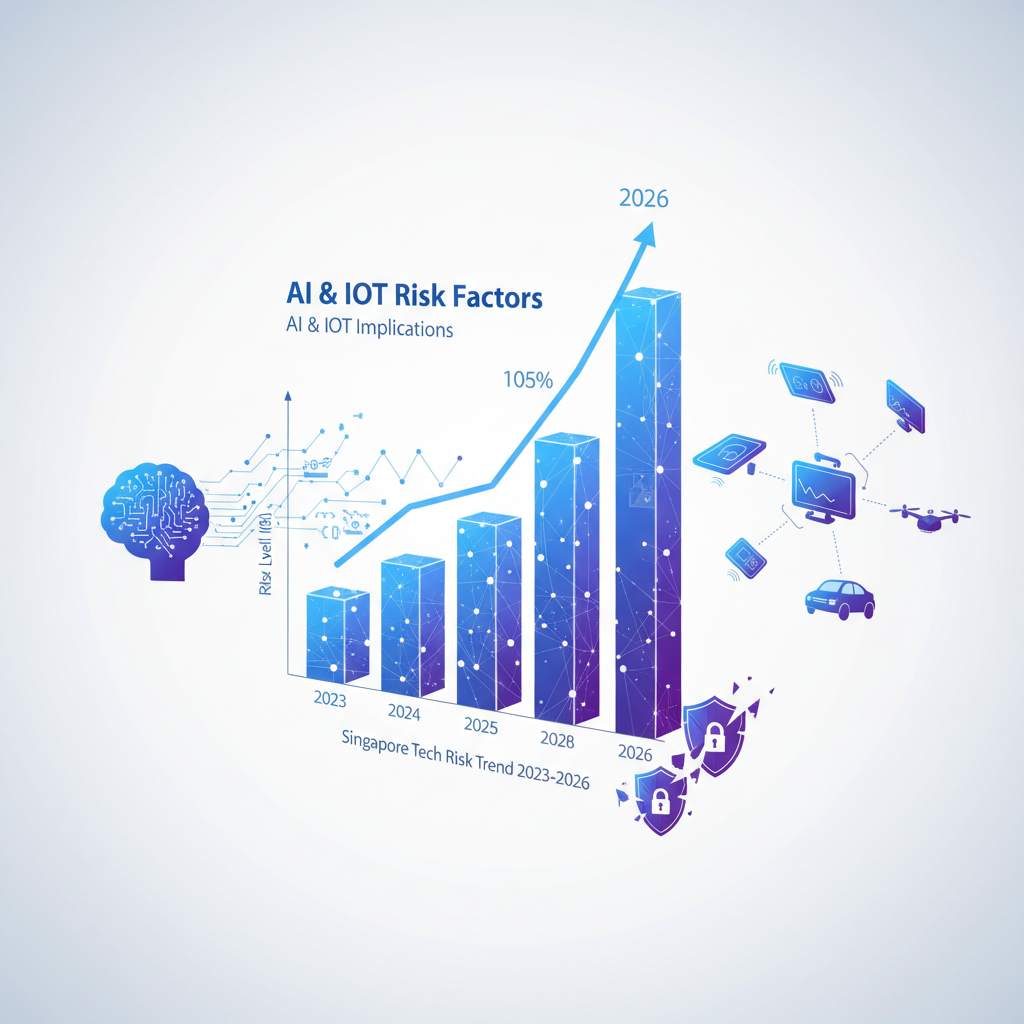
Emerging Technologies: AI, IoT, and Their Risk Implications
Explore how nascent technologies like Artificial Intelligence (AI) and the Internet of Things (IoT) introduce new and complex risks, from ethical dilemmas to systemic vulnerabilities within Singapore’s digital ecosystem.
Singapore’s drive towards a Smart Nation heavily relies on advanced technologies like Artificial Intelligence (AI) and the Internet of Things (IoT). While these innovations promise significant societal and economic benefits, their rapid adoption concurrently introduces complex, evolving risks. A thorough understanding of these challenges is crucial for any comprehensive trend report of the risk of technology field in Singapore, vital for ensuring the nation’s digital security and resilience.
-
Ethical and Bias Concerns in AI Development & Deployment
AI’s expanding footprint across Singaporean sectors—from public services and finance to human resources—raises critical ethical questions. A primary concern is data privacy, as AI models necessitate vast datasets, prompting scrutiny over collection, storage, and usage practices. Algorithmic bias is another significant risk; if training data is unrepresentative or historically skewed, AI systems can inadvertently perpetuate discrimination in areas like recruitment or credit assessment. The “black box” nature of many advanced AI models further exacerbates this, making it challenging to scrutinize decision-making processes and hindering accountability. Singapore has taken steps to address these issues, notably through the Model AI Governance Framework, which guides responsible AI innovation. Nevertheless, sustained vigilance and robust ethical frameworks are essential to mitigate potential societal harm and maintain public trust as AI deployment continues to accelerate.
-
IoT Security Gaps and Network Vulnerabilities
The Internet of Things underpins much of Singapore’s smart city infrastructure, encompassing everything from smart home devices to industrial sensors and critical urban systems. However, this extensive network of interconnected devices inherently expands the cyberattack surface. Many IoT devices prioritize cost-effectiveness and convenience, often lacking fundamental security features such as strong default passwords, secure boot mechanisms, or regular vulnerability patching. These inherent IoT security gaps create severe network vulnerabilities, making them prime targets for exploitation. Malicious actors can exploit these weaknesses to launch Distributed Denial of Service (DDoS) attacks, infiltrate private networks, exfiltrate sensitive data, or even hijack control of critical infrastructure. The sheer volume and diversity of IoT devices complicate security management, making threat detection and mitigation a significant challenge. A single compromised device can become a gateway to an entire network, risking widespread disruption and data breaches. Addressing these vulnerabilities requires a multi-faceted approach, emphasizing secure-by-design principles, stringent regulatory oversight, and continuous user education.
-
Blockchain and Quantum Computing: Future Risk Frontiers
Beyond current challenges, emerging technologies like Blockchain and Quantum Computing introduce the next wave of future risk frontiers for Singapore. While Blockchain holds immense promise for secure transactions and supply chain transparency, it also presents distinct risks. Regulatory ambiguities surrounding cryptocurrencies and decentralized finance (DeFi) can expose users to financial volatility and facilitate illicit activities like money laundering. Smart contract vulnerabilities, if exploited, can lead to irreversible financial losses, a risk frequently highlighted by past incidents.
Quantum Computing, though still nascent, poses a profound long-term threat. Once operationalized, quantum computers will be capable of breaking current public-key cryptography algorithms, which underpin the security of nearly all digital communications, financial transactions, and sensitive data globally. This potential “crypto-apocalypse” could render existing encryption standards obsolete, leaving national security systems, critical infrastructure, and personal data exposed to unprecedented compromise. Singapore is actively investing in quantum research and post-quantum cryptography development to prepare for this transformative shift. Proactive research, robust international collaboration, and the development of quantum-resistant cryptographic standards are crucial strategies to mitigate these existential risks.
Navigating the landscape of emerging technologies in Singapore demands a keen awareness of their dual nature: immense potential coupled with significant, evolving risks. From the ethical complexities of AI and the pervasive security vulnerabilities of IoT to the impending threats of Blockchain and Quantum Computing, a proactive, adaptive, and comprehensive strategy is essential. Robust risk management frameworks, agile regulatory responses, continuous public-private collaboration, and a steadfast commitment to responsible innovation are indispensable for safeguarding Singapore’s digital future and solidifying its standing as a leading Smart Nation. Such ongoing risk assessment is a cornerstone of any truly insightful trend report of the risk of technology field in Singapore, informing strategic decisions for sustainable resilience and progress.
Regulatory Frameworks and Risk Mitigation Strategies
Singapore, a global economic powerhouse and a leading digital hub, has long recognized that its burgeoning technological landscape brings with it inherent risks. Rather than reacting to threats, the city-state has adopted a highly proactive and comprehensive approach to managing the trend report of the risk of technology field in singapore, ensuring that its digital infrastructure remains resilient and trustworthy. This forward-thinking stance is underpinned by robust regulatory frameworks, clear national cybersecurity strategies, and an unwavering commitment to public-private partnerships, all aimed at fostering a secure and innovative environment. Singapore’s journey in establishing a strong defense against evolving technology risks serves as a blueprint for nations striving for digital excellence amidst increasing global cyber threats.
1.
Singapore’s Cybersecurity Act and Data Protection Policies
At the core of Singapore’s proactive approach lies a sophisticated legal framework designed to safeguard critical digital assets and personal information. The Cybersecurity Act 2018 is a landmark piece of legislation that empowers the Cyber Security Agency of Singapore (CSA) to protect Critical Information Infrastructure (CII) across various sectors, from banking and energy to healthcare and transport. This Act grants the CSA the authority to conduct audits, investigate cybersecurity incidents, and enforce security standards on CII owners, significantly enhancing the nation’s ability to manage systemic cyber risks. Complementing this, the Personal Data Protection Act (PDPA) serves as the primary legislation governing the collection, use, and disclosure of personal data. Administered by the Personal Data Protection Commission (PDPC), the PDPA mandates organizations to protect personal data, obtain consent for its use, and notify individuals and the PDPC of data breaches. Together, these acts form a strong foundation for managing data privacy and addressing the increasingly complex landscape of cyber threats, ensuring that both national infrastructure and individual data are adequately protected against illicit activities and misuse.
2.
National Strategies for Tech Risk Management
Beyond legislation, Singapore has developed overarching national strategies that provide a strategic roadmap for managing technology risks. The Singapore Cybersecurity Strategy, first launched in 2016 and continuously updated, outlines key pillars focused on building a resilient infrastructure, creating a secure cyberspace, developing a vibrant cybersecurity ecosystem, and fostering strong international partnerships. This strategy prioritizes operational technology (OT) security, addressing vulnerabilities in industrial control systems that are critical to the nation’s infrastructure. Agencies like the Cyber Security Agency (CSA) and the Infocomm Media Development Authority (IMDA) play pivotal roles in executing these strategies, driving initiatives to enhance public awareness, nurture cybersecurity talent, and encourage innovation in security technologies. These national efforts go beyond mere compliance, aiming to embed cybersecurity as a fundamental aspect of the nation’s digital transformation, proactively addressing emerging technology risks and fostering overall cyber resilience across all sectors.
3.
Role of Public-Private Collaboration in Resilience Building
Recognizing that no single entity can tackle the complexities of modern technology risks alone, Singapore places significant emphasis on robust public-private collaboration. This collaborative ethos is crucial for building national cyber resilience. The government actively engages with industry players, academia, and the public to share threat intelligence, develop best practices, and conduct joint exercises to test preparedness. Initiatives such as the Sectoral Cyber Watch Groups facilitate information sharing and coordinated responses within critical sectors, enabling a rapid and effective defense against evolving threats. For example, the CSA collaborates closely with private sector operators of Critical Information Infrastructure (CII) to enhance their security postures through joint assessments and incident response planning. Furthermore, campaigns like the ‘Go Safe Online’ initiative by the National Cyber Security Centre aim to educate the public and small and medium-sized enterprises (SMEs) on essential cybersecurity hygiene. These deep-seated partnerships are instrumental in creating a collective defense mechanism, ensuring that Singapore’s digital ecosystem remains robust and adaptable in the face of persistent and sophisticated cyber attacks, thereby strengthening the nation’s overall cyber resilience.
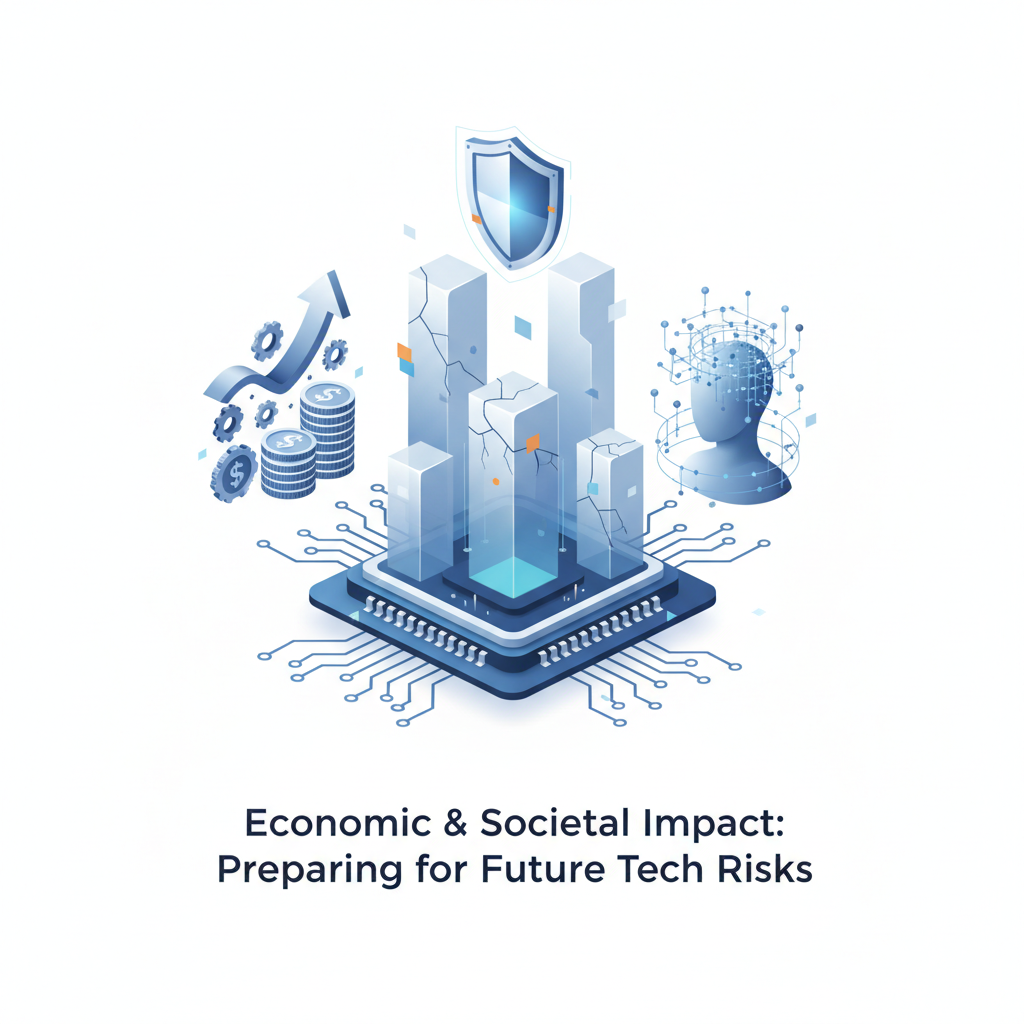
Economic & Societal Impact: Preparing for Future Tech Risks
Singapore, a globally recognized smart nation, stands at the forefront of technological adoption. However, this rapid embrace of advanced technologies – from AI and IoT to quantum computing and biotechnologies – brings with it a complex web of potential unmanaged risks. These risks, if left unaddressed, could significantly undermine the nation’s economic stability and societal cohesion. Understanding their multifaceted nature is crucial for developing robust strategies that ensure Singapore’s resilience and continued progress in a hyper-connected world. Preparing for these future tech risks is not merely a reactive measure but a proactive imperative, demanding integrated efforts from businesses, government, and individuals.
1. Economic Repercussions of Tech Disruptions
Unmanaged technology risks pose a formidable threat to Singapore’s vibrant economy, heavily reliant on global trade, financial services, and high-tech manufacturing. A significant cyberattack, for instance, could cripple critical national infrastructure, disrupt supply chains, and lead to massive financial losses for businesses. Consider the potential impact on sectors like financial technology (FinTech), where data breaches could erode consumer trust and trigger regulatory penalties, or advanced manufacturing, where IoT vulnerabilities could halt production lines. Job displacement due to unchecked AI automation is another pressing concern, potentially leading to increased unemployment and a widening skills gap if the workforce isn’t adequately reskilled. Analyzing the trend report of the risk of technology field in singapore reveals that sectors like manufacturing, finance, and logistics are particularly susceptible, emphasizing the need for robust cybersecurity and adaptive workforce development. Global interconnectedness means a tech-related crisis elsewhere can impact Singapore’s trade and investment climate.
2. Societal Implications: Trust, Privacy, and Digital Divide
Beyond economic figures, unmanaged technology risks profoundly impact Singaporean society. Trust, a cornerstone of any thriving community, can be severely eroded by frequent data breaches, privacy violations, and the proliferation of misinformation amplified by AI. As individuals become more reliant on digital platforms, concerns about ethical data use grow. Misused surveillance technologies could infringe on civil liberties. Furthermore, rapid technological advancement risks exacerbating the digital divide. While Singapore boasts high internet penetration, disparities in digital literacy and access can leave vulnerable populations behind, widening income inequality and limiting access to essential services and opportunities. This digital exclusion can lead to social fragmentation, undermining inclusive growth. Safeguarding digital well-being and ensuring equitable access to technology are critical societal challenges identified in various tech risk analyses.
3. Recommendations for Proactive Risk Management and Adaptation
To effectively mitigate the economic and societal repercussions of future tech risks, a multi-stakeholder approach is essential.
- For Businesses: Companies must move beyond basic cybersecurity, adopting a holistic risk management framework. This includes robust data governance, regular vulnerability assessments, AI ethics training, and comprehensive business continuity plans. Collaboration with government and industry peers to share threat intelligence is vital. Investing in employee reskilling helps adapt the workforce, transforming potential job displacement into job transformation.
- For Government: Singapore’s government plays a pivotal role in creating a resilient tech ecosystem. This involves strengthening regulatory frameworks for emerging technologies, fostering international collaboration on cybersecurity standards, and investing in national R&D. Public education campaigns on digital literacy, cybersecurity hygiene, and critical thinking are crucial. Policies addressing the digital divide, ensuring equitable access and skills for all citizens, must be prioritized. The government should also regularly commission detailed analyses, such as the World Economic Forum’s Global Risks Report, to stay ahead of evolving tech risk landscapes.
- For Individuals: Personal responsibility is key. Individuals must cultivate digital literacy, understand privacy settings, be vigilant against scams and misinformation, and continuously update their digital skills. Embracing lifelong learning enables adaptation to an evolving job market. Participating in public discourse on tech ethics and policy empowers citizens to shape a safer, more equitable digital future. Staying informed about the trend report of the risk of technology field in singapore can provide valuable insights for personal and professional preparedness.
By fostering a culture of preparedness, collaboration, and continuous adaptation, Singapore can navigate the complexities of future tech risks, transforming potential threats into opportunities for innovation, growth, and societal well-being.
Partner with Shelby Global
You are looking for reliable HR Sevice Suppliers? Contact Shelby Global Now! To connect with verified talents and upgrade your orginization.
—————————————
References
– Cyber Security Agency of Singapore (CSA) – Singapore Cyber Landscape Report: https://www.csa.gov.sg/who-we-are/our-role/singapore-cyber-landscape-report
– Cyber Security Agency of Singapore (CSA) Singapore Cyber Landscape 2022 report: https://www.csa.gov.sg/docs/default-source/documents/singapore-cyber-landscape-2022.pdf
– IoT Security Gaps: https://www.cisa.gov/resources-tools/resources/iot-security
– Cybersecurity Act 2018: https://www.csa.gov.sg/who-we-are/our-roles/legislation/cybersecurity-act
– the World Economic Forum’s Global Risks Report: https://www.weforum.org/publications/global-risks-report-2024/



































































































