Laying the Foundation: Core HR Concepts for Tech SMEs
For a fresh CEO navigating Singapore’s dynamic tech SME landscape, understanding the intricate world of Human Resources is not just beneficial; it’s absolutely crucial for sustainable growth and operational excellence. This section provides a Step by Step to understand SMEs HR Structure for the fresh the CEO in technology field in singapore, introducing fundamental HR principles and highlighting their essential role in building a resilient and high-performing team. Mastering these core concepts from the outset can prevent common pitfalls, ensure compliance, and foster a thriving company culture.

1. SME HR Basics for New CEOs
As a new CEO in a tech SME, your primary focus might be product development, sales, or fundraising. However, overlooking the foundational aspects of HR can lead to significant setbacks. HR in an SME context encompasses several critical functions, even if handled by a single individual or the CEO initially. These include recruitment and onboarding, ensuring you attract and integrate the right talent; HR strategy for startups that aligns people initiatives with business goals; performance management systems to keep employees engaged and productive; and managing compensation and benefits Singapore-specific requirements to remain competitive. Understanding these fundamental HR roles in tech SMEs allows you to proactively build a robust workforce, manage talent effectively, and foster a positive working environment that supports innovation and growth. It’s about moving from reactive problem-solving to strategic people management, forming the backbone of your company’s future success and impacting overall talent management tech SMEs strategies.
2. Understanding HR Compliance Singapore
Navigating the complex regulatory environment is paramount for any business operating in Singapore, especially for tech SMEs. Non-compliance with Singapore employment laws can lead to hefty fines, legal disputes, and reputational damage. Key areas of compliance include the Employment Act, which governs basic terms and conditions of employment; the Central Provident Fund (CPF) Act, mandating contributions for local employees; and the Foreign Manpower Act, regulating the hiring of foreign talent. Additionally, rules around leave entitlements, termination procedures, and fair employment practices (such as the Tripartite Guidelines on Fair Employment Practices – TGFEP) are crucial. CEOs must familiarize themselves with these regulations to establish sound HR compliance best practices from day one. Engaging with a local HR consultant or legal advisor can be an invaluable investment to ensure your SME remains fully compliant and mitigates risks associated with inadequate legal knowledge.
3. Importance of an Employee Handbook
A well-crafted employee handbook serves as the cornerstone of clear communication and consistent policy enforcement within your tech SME. It’s more than just a rulebook; it’s a living document that outlines your company’s mission, vision, values, and culture. For new employees, it acts as an essential guide during onboarding, setting expectations for workplace conduct, outlining benefits, and detailing operational procedures. For existing staff, it provides a reliable reference for company policies on leave, remote work, code of conduct, performance reviews, and grievance procedures. From a legal standpoint, a comprehensive handbook demonstrates due diligence and can offer protection in the event of employee disputes, showcasing fair and consistent application of policies. Regularly updating the handbook to reflect changes in Singapore employment laws and company practices is also vital. Investing time in developing a thorough handbook is a proactive measure that clarifies expectations, reduces misunderstandings, and reinforces a professional and transparent work environment, underscoring the employee handbook importance in any growing organization.
Building a strong HR foundation early on is not a luxury but a necessity for tech SMEs in Singapore. By understanding these core concepts – from basic HR functions and critical Step by Step to understand SMEs HR Structure for the fresh the CEO in technology field in singapore to robust compliance and clear internal communication through an employee handbook – new CEOs can confidently lead their teams towards sustained success and innovation.
Navigating Singapore’s Employment Laws & Regulations
For a fresh CEO stepping into the dynamic world of technology SMEs in Singapore, understanding the intricate web of employment laws and regulations is not just a legal obligation but a strategic imperative. A robust HR structure, built on a strong foundation of compliance, is crucial for sustainable growth and workforce management. This deep dive aims to provide a Step by Step to understand SMEs HR Structure for the fresh the CEO in technology field in singapore, ensuring your tech venture adheres to statutory requirements and fosters a fair and productive work environment. Mastering these essential legal frameworks will safeguard your company from potential penalties and enhance your reputation as a responsible employer, particularly when navigating talent acquisition and employee relations.
1. Key Aspects of the Employment Act Singapore
The Employment Act (EA) stands as the cornerstone of Singapore’s labor legislation, providing the minimum terms and conditions of employment for most employees. As a CEO, understanding its scope is vital for effective HR policies and compliance management. The EA generally covers all employees, with specific provisions for non-workmen earning up to S$4,500 a month and all workmen (regardless of salary). Key areas include:
- Working Hours: Stipulates maximum daily and weekly working hours, rest days, and overtime pay.
- Public Holidays & Annual Leave: Mandates paid public holidays and a minimum number of annual leave days based on an employee’s length of service.
- Sick Leave & Hospitalisation Leave: Details entitlements for paid sick leave and hospitalisation leave, subject to medical certification.
- Notice Period & Dismissal: Outlines the minimum notice periods required for termination by either employer or employee, and sets regulations for fair dismissal practices to prevent wrongful dismissal claims.
- Payment of Salary: Ensures timely payment of salaries, bonuses, and other entitlements.
While managerial and executive employees may have certain parts of the EA not applicable to them (e.g., Part IV regarding hours of work, rest days, and public holidays), fundamental protections like wrongful dismissal and payment of salaries still apply. For comprehensive details, refer to the Ministry of Manpower’s guide on the Employment Act. Ensuring your employment contracts and internal policies align with the EA is a fundamental step in building a compliant HR operation.
2. Mandatory CPF Contributions and Payroll Compliance
The Central Provident Fund (CPF) is Singapore’s comprehensive social security savings scheme, critical for employees’ retirement, healthcare, and housing needs. As an employer, mandatory CPF contributions are a significant aspect of compensation and benefits and necessitate rigorous payroll administration. Both employers and employees are required to make monthly contributions, calculated based on the employee’s age and monthly wages, up to a certain Ordinary Wage ceiling.
- Employer’s Obligation: You must contribute a specified percentage of your employee’s wages to their CPF accounts. These rates vary by age group, with higher rates for younger employees.
- Employee’s Obligation: A portion of the employee’s gross salary is also deducted and contributed to CPF.
- Payment Deadlines: CPF contributions for a given month must be paid by the 14th of the following month. Late payments incur penalties and interest.
- Accurate Record-Keeping: Meticulous record-keeping of salaries, deductions, and CPF contributions is essential for audits and compliance. Utilize robust payroll software to automate calculations and submissions, minimizing errors and ensuring adherence to legal obligations.
Neglecting CPF compliance can lead to severe penalties, including fines and imprisonment for repeat offenders. Implementing an efficient and accurate payroll system is paramount for any tech SME, establishing trust with your employees and fulfilling a core statutory requirement.
3. Adhering to the Fair Consideration Framework (FCF)
The Fair Consideration Framework (FCF) is a critical policy designed to safeguard the employment of Singaporeans and ensure fair hiring practices. Introduced by the Ministry of Manpower (MOM), the FCF requires employers to fairly consider Singaporean candidates before hiring foreign professionals, managers, and executives (PMEs) on Employment Passes (EPs) or S Passes. For a tech SME actively seeking global talent, understanding the FCF is key to compliant talent acquisition.
- Job Advertisement Requirement: For most PME positions requiring an EP or S Pass, employers must advertise the job on the MyCareersFuture (MCF) portal for at least 14 calendar days before submitting a work pass application. This allows Singaporean job seekers to apply and be considered.
- Exceptions: Certain exemptions apply, such as roles in companies with fewer than 10 employees, those with fixed monthly salaries of S$20,000 and above, or highly specialized roles that are clearly niche.
- Ethical Hiring Practices: Beyond the mandatory advertising, employers are expected to genuinely review all suitable Singaporean applications. MOM actively monitors companies for suspected discriminatory hiring practices.
- Consequences of Non-Compliance: Failure to adhere to FCF requirements can result in inclusion on MOM’s FCF Watchlist, which leads to closer scrutiny of future work pass applications and potential rejection of EPs/S Passes. Severe breaches can also lead to administrative penalties and prosecution.
As a fresh CEO, embracing the spirit of the FCF demonstrates your commitment to Singapore’s local workforce and responsible business practices. Integrate FCF requirements into your HR policies for recruitment to ensure fair and transparent hiring processes.
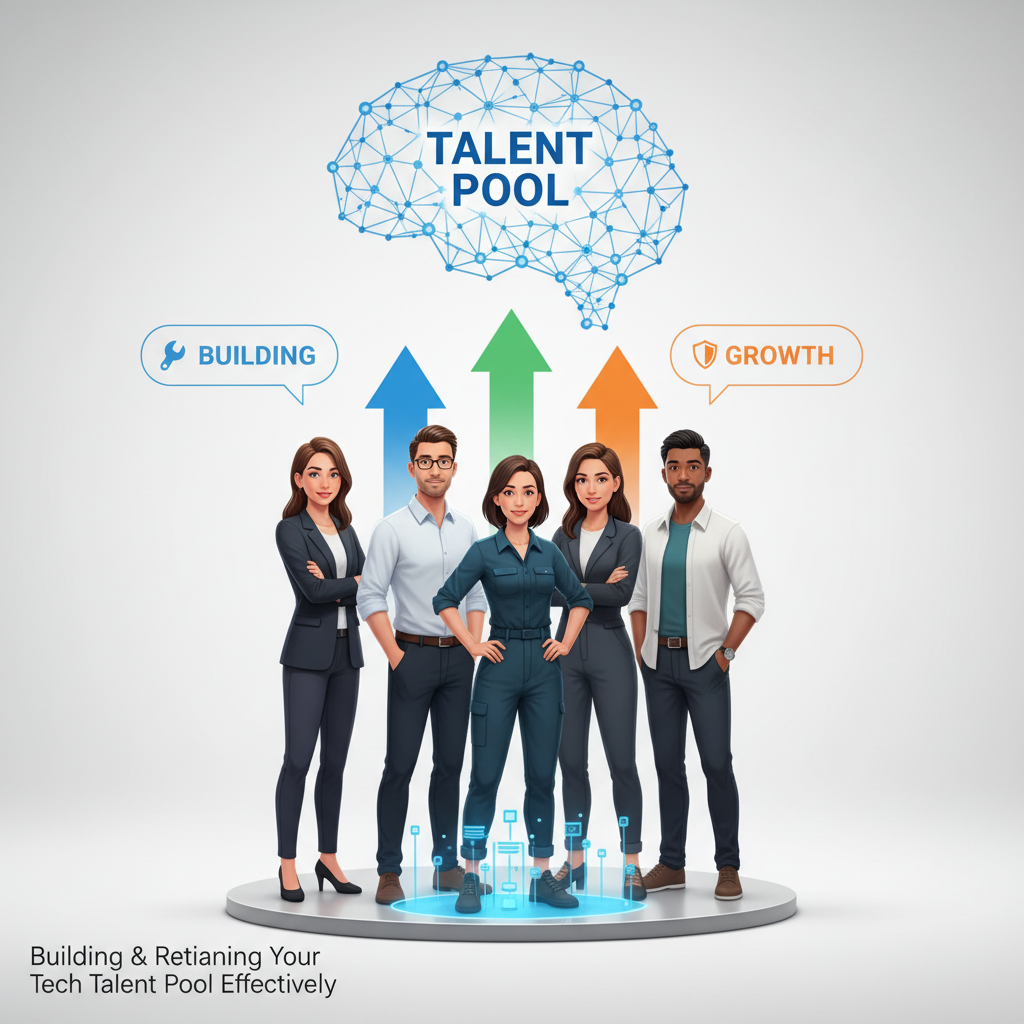
Building & Retaining Your Tech Talent Pool Effectively
In the fiercely competitive landscape of the technology sector, attracting, developing, and retaining top-tier talent is paramount for sustained growth and innovation. For a fresh CEO in technology, particularly within an SME in Singapore, understanding the nuances of HR structure and talent management is not just beneficial—it’s critical. This section outlines comprehensive strategies for effective recruitment, streamlined onboarding, and robust talent retention specifically tailored to help you build and maintain a high-performing tech team. Mastering these areas is a Step by Step to understand SMEs HR Structure for the fresh the CEO in technology field in singapore, ensuring your organization not only attracts the best but keeps them engaged and productive.
1. Effective Tech Talent Acquisition Strategies
Attracting the right tech talent requires more than just posting job descriptions; it demands a proactive, multi-faceted approach. Begin by clearly defining your employer brand, showcasing your company culture, mission, and the unique challenges and opportunities your tech team offers. Leverage specialized tech job boards, professional networks like LinkedIn, and industry-specific conferences. Consider implementing an employee referral program, which often yields high-quality candidates who are a good cultural fit. Adopt a skills-based hiring approach, prioritizing practical coding challenges, technical assessments, and portfolio reviews over traditional interview formats alone. This ensures candidates possess the tangible abilities required for the role. Furthermore, cultivate relationships with universities and coding bootcamps to tap into emerging talent pools, potentially offering internships or entry-level positions. In a market where tech professionals often receive multiple offers, a swift and transparent recruitment process, coupled with competitive compensation and benefits packages, will significantly enhance your appeal.
2. Developing Robust Employee Retention Strategies
Once you’ve invested in acquiring top tech talent, the next challenge is keeping them. Retention strategies must be holistic, addressing both professional growth and personal well-being. Start with a structured and engaging onboarding process that integrates new hires into the team and culture swiftly, providing them with necessary tools and mentorship. Offer continuous learning and development opportunities, such as access to online courses, certifications, and internal knowledge-sharing sessions. Tech professionals thrive on innovation and impact, so ensure they are given challenging projects and opportunities to contribute to meaningful work. Foster a culture of open communication, psychological safety, and recognition, where contributions are valued and feedback is constructive. Competitive salaries and comprehensive benefits are foundational, but also consider flexible work arrangements, remote options, and well-being programs to support work-life balance. Regular one-on-one meetings between managers and employees are crucial for understanding career aspirations and addressing any concerns proactively. Understanding the evolving landscape of tech talent trends is vital for adapting your retention efforts to meet current expectations and prevent attrition.
3. Implementing Modern Performance Management Systems
Traditional annual reviews are often insufficient for the fast-paced tech environment. Modern performance management systems emphasize continuous feedback, goal alignment, and developmental conversations. Implement frequent check-ins between managers and employees, focusing on progress towards OKRs (Objectives and Key Results) or KPIs (Key Performance Indicators). These discussions should be forward-looking, identifying areas for growth and providing real-time coaching. Utilize performance management software that facilitates 360-degree feedback, allowing peers and direct reports to offer insights, providing a more comprehensive view of an individual’s impact. Link performance directly to professional development plans, ensuring that growth opportunities are tailored to individual needs and career aspirations. Transparently communicate how performance is measured and how it ties into compensation, promotions, and overall career progression. By fostering a culture of continuous improvement and transparent recognition, modern performance management systems not only help employees understand their contributions but also empower them to take ownership of their professional journey, leading to higher engagement and loyalty within your tech talent pool.
Fostering a High-Performance Culture & Employee Engagement
For a fresh CEO navigating the dynamic landscape of a lean tech SME in Singapore, cultivating a high-performance culture and robust employee engagement is not merely a soft skill but a strategic imperative. In a competitive market where talent is key, understanding and implementing effective HR strategies can significantly boost morale, drive productivity, and ensure long-term sustainability. This section provides a Step by Step to understand SMEs HR Structure for the fresh the CEO in technology field in singapore, focusing on practical approaches to empower your team and foster an environment where innovation thrives.
1. Crafting an impactful HR strategy tech startup
At the core of any successful tech SME lies a well-defined HR strategy. For a startup, this means more than just compliance; it’s about aligning people practices with your business goals to create a competitive advantage. Begin by clearly articulating your company’s vision, mission, and core values. These foundational elements will guide all subsequent HR decisions, from talent acquisition to performance management. Developing lean HR policies tailored to your growth stage is crucial. Focus on creating transparent processes for recruitment, onboarding, and compensation that are fair and competitive within the Singaporean tech industry. Implementing effective HR best practices for tech SMEs involves not only attracting top talent but also ensuring they fit the company culture. Consider establishing clear job roles and responsibilities early on, even if your team is small. This clarity helps prevent bottlenecks and allows employees to understand their contribution to the bigger picture. A proactive HR strategy anticipates future needs, preparing your SME for scaling and managing potential challenges in talent management.
2. Designing effective Employee engagement initiatives
Employee engagement is the lifeblood of a high-performance culture, especially within a lean tech SME where every individual’s contribution is amplified. Start with open and continuous communication. Regular town halls, one-on-one meetings, and accessible feedback channels ensure employees feel heard and valued. Implement a strong recognition program, celebrating both individual and team achievements. Simple gestures like shout-outs during team meetings or small tokens of appreciation can significantly boost morale and foster a sense of belonging. Beyond recognition, focus on creating meaningful work that challenges and develops your employees. For tech companies, this often means involving them in innovative projects and giving them autonomy. Consider wellness programs or initiatives that promote work-life balance, essential for preventing burnout in the fast-paced tech world. Addressing remote work engagement strategies is also vital, particularly in a post-pandemic landscape. Tools for collaboration, virtual team-building activities, and clear communication protocols are key to keeping distributed teams connected and productive. According to Gallup’s research on employee engagement, highly engaged teams show significant improvements in productivity and profitability. Prioritizing engagement initiatives is a direct investment in your company’s success and employee retention strategies Singapore tech firms critically need.
3. Investing in Learning and Development programs
In the rapidly evolving tech sector, continuous learning is not just an advantage; it’s a necessity. Investing in talent development tech industry-wide is paramount for fostering a high-performance culture. Even with a lean budget, innovative L&D programs can be implemented. Encourage a culture of knowledge sharing through internal workshops, lunch-and-learn sessions, or peer-to-peer mentorship programs. Identify key skills gaps within your team and provide targeted training opportunities, whether through online courses, certifications, or industry conferences. This not only upskills your employees but also demonstrates your commitment to their professional growth, a crucial factor in building company culture tech startup founders often overlook in the rush to market. Define clear career paths and provide opportunities for advancement, which can be a powerful motivator. For leadership roles, consider targeted leadership development for SMEs to prepare your next generation of managers. Leverage internal expertise and external, cost-effective resources. The goal is to cultivate a learning mindset where employees are empowered to take ownership of their development. This commitment to growth is essential for maintaining a competitive edge and ensuring your team remains adaptable and skilled for future challenges.
By thoughtfully integrating these strategies, fresh CEOs can effectively navigate the complexities of HR within a tech SME. Building a high-performance culture and nurturing employee engagement are ongoing processes that demand commitment, clear communication, and a genuine investment in your people. The returns are profound: a motivated workforce, increased innovation, and a resilient organization poised for success in Singapore’s vibrant tech ecosystem. Remember, effective performance management small businesses implement is agile, adaptive, and focused on growth, complemented by smart HR technology solutions for startups to streamline administrative tasks and focus on strategic initiatives.
Future-Proofing HR: Technology, Trends & Scaling
For a fresh CEO in the dynamic technology field in Singapore, understanding and optimizing HR functions is paramount for sustained growth. This section explores digital HR tools, emerging industry trends, and strategic approaches to scale HR functions effectively, ensuring your tech SME is prepared for tomorrow’s challenges and opportunities.

-
Leveraging HR Tech Solutions Singapore
In Singapore’s competitive tech landscape, adopting the right Step by Step to understand SMEs HR Structure for the fresh the CEO in technology field in singapore is crucial for operational efficiency and strategic insight. Digital HR transformation is no longer a luxury but a necessity for tech SMEs looking to streamline processes, enhance employee experience (EX), and make data-driven HR decisions. Modern HR Information Systems (HRIS) integrate various functions like payroll, leave management, and employee records, reducing administrative burdens and freeing up HR teams to focus on strategic initiatives like talent acquisition strategies and employee development. Applicant Tracking Systems (ATS) are vital for managing recruitment pipelines, while performance management tools facilitate continuous feedback and goal alignment. Investing in cloud-based solutions ensures scalability and accessibility, making it easier to manage a growing workforce. Furthermore, embracing HR analytics provides invaluable insights into workforce trends, helping predict future staffing needs and inform crucial decisions around talent retention and skill development. For tech SMEs, the agility offered by these tools directly contributes to competitive advantage, allowing for quicker adaptation to market changes and optimized resource allocation.
-
Considerations for HR Outsourcing Singapore
While HR tech solutions offer significant advantages, many tech SMEs in Singapore also consider HR outsourcing to manage non-core but essential functions. This approach can be particularly beneficial for companies navigating rapid growth or lacking in-house expertise for complex areas like HR compliance in Singapore. Outsourcing can cover a wide range of services, including payroll processing, benefits administration, recruitment support, and even full-spectrum HR consulting. The primary benefit lies in cost savings, as it eliminates the need for a full-time HR department for certain tasks and provides access to specialist knowledge without the overhead. It also allows your internal team to focus on strategic HR initiatives that directly impact your company’s core mission and innovation. When considering outsourcing, it’s essential to evaluate potential partners based on their understanding of Singaporean labor laws, their track record with tech companies, and their ability to integrate seamlessly with your existing processes and HR tech stack. A well-chosen outsourcing partner can provide invaluable support, ensuring your HR operations are robust, compliant, and scalable as your company evolves.
-
Adapting to the Future of Work for SMEs
The global work landscape is continuously evolving, and tech SMEs in Singapore must proactively adapt to these changes to attract and retain top talent. Key trends shaping the future of work include the prevalence of hybrid work models, the rise of the gig economy, an increased focus on employee well-being, and the urgent need for continuous learning and development. Agile workforce planning becomes critical, enabling companies to respond quickly to market demands and project needs by leveraging both permanent and contingent workers. HR strategies must shift to support flexible work arrangements, emphasizing trust, clear communication, and performance-based outcomes rather than traditional office presence. To bridge skill gaps and foster innovation, SMEs should invest in upskilling employees through accessible training programs and fostering a culture of continuous learning. Furthermore, prioritizing employee well-being, including mental health support and work-life balance initiatives, is no longer optional but essential for engagement and productivity. As highlighted in the World Economic Forum’s Future of Jobs Report, adaptability, critical thinking, and creativity are becoming more crucial than ever. By embracing these shifts, tech SMEs can build a resilient, future-ready workforce capable of navigating unprecedented challenges and capitalizing on new opportunities.
Partner with Shelby Global
You are looking for reliable HR Sevice Suppliers? Contact Shelby Global Now! To connect with verified talents and upgrade your orginization.
—————————————
References
– Singapore Employment Act by Ministry of Manpower (MOM): https://www.mom.gov.sg/employment-practices/employment-act
– Ministry of Manpower’s guide on the Employment Act: https://www.mom.gov.sg/employment-practices/employment-act
– LinkedIn Talent Blog on Future of Work in Tech: https://www.linkedin.com/business/talent/blog/talent-strategy/future-of-work-in-tech-talent-trends
– Gallup’s research on employee engagement: https://www.gallup.com/workplace/396090/why-employee-engagement-matters.aspx
– World Economic Forum’s Future of Jobs Report: https://www.weforum.org/reports/the-future-of-jobs-report-2023/