Foundations of F&B SME HR in Vietnam
For a fresh CEO stepping into Vietnam’s vibrant and rapidly evolving Food & Beverage (F&B) sector, understanding the intricate landscape of Human Resources (HR) within Small and Medium-sized Enterprises (SMEs) is paramount. This section aims to provide a comprehensive, step-by-step to understand SMEs HR structure, highlighting the unique challenges and opportunities that define the F&B industry in this dynamic Southeast Asian nation. From navigating complex labor laws to fostering a resilient workforce, effective HR management is the cornerstone of sustainable growth for any F&B SME in Vietnam.
The F&B sector in Vietnam is characterized by its high growth potential, diverse culinary landscape, and a young, energetic workforce. However, this dynamism also brings its own set of HR complexities, particularly for SMEs that often operate with limited resources and specialized HR departments. New CEOs must develop a keen understanding of local employment practices, cultural nuances, and the strategic importance of human capital in a service-driven industry.
1. Understanding the Vietnamese Labor Code for F&B SMEs
Compliance with the Vietnamese Labor Code is non-negotiable and forms the bedrock of sound HR practices for F&B SMEs. While the principles may seem universal, their application in Vietnam has specific interpretations that new CEOs must grasp. Key areas include employment contracts, working hours, minimum wages, social insurance contributions, and termination procedures. For instance, understanding the nuances of fixed-term versus indefinite-term contracts, statutory holidays, and overtime regulations is critical to avoid legal pitfalls and ensure fair treatment of employees.
Vietnamese labor law places a strong emphasis on employee protection, requiring employers to provide comprehensive benefits, adhere to strict disciplinary processes, and maintain accurate records. For F&B businesses, which often have irregular working hours, seasonal demands, and a high proportion of part-time staff, meticulous attention to these regulations is essential. A thorough understanding of the Vietnamese Labor Code not only ensures legal compliance but also builds trust and loyalty among the workforce, crucial for an industry with high turnover potential. CEOs must consider allocating resources for legal counsel or specialized HR consulting to navigate these complexities effectively.
2. Common HR Challenges in Vietnam’s F&B Sector
The F&B sector in Vietnam faces several pervasive HR challenges. One of the most significant is the recruitment and retention of skilled talent. From experienced chefs and baristas to proficient servers and reliable kitchen staff, attracting and keeping qualified individuals is a constant battle. High turnover rates are common, driven by competitive wages, demanding work environments, and a general scarcity of specialized skills. This necessitates continuous recruitment efforts and robust onboarding processes.
Another challenge is staff training and development. While many young Vietnamese workers are enthusiastic, they often lack formal training in international service standards, food safety protocols, or advanced culinary techniques. F&B SMEs must invest in ongoing training programs to upskill their workforce, enhance productivity, and maintain quality standards. Furthermore, managing employee expectations regarding compensation and benefits in a rapidly growing economy requires a strategic approach. Cultivating a positive workplace culture that encourages teamwork, provides growth opportunities, and recognizes contributions can significantly mitigate these challenges, fostering a more stable and dedicated team.
3. Key Differences: Large Corp vs. SME HR in F&B
The approach to HR in a large F&B corporation vastly differs from that of an SME. Large corporations typically boast dedicated HR departments with specialized functions for recruitment, training, compensation & benefits, and employee relations. They have established policies, robust HR information systems, and extensive budgets for talent development.
In contrast, HR in F&B SMEs is often lean, with HR functions frequently handled by the CEO, an office manager, or a single HR generalist who wears multiple hats. This necessitates a more agile, hands-on, and often informal approach. SMEs lack the resources for sophisticated HR tech or extensive training academies, requiring creative and cost-effective solutions. The emphasis shifts from formal structures to fostering a strong team culture, direct communication, and flexible problem-solving. While large corporations might rely on rigid policies, SMEs thrive on building personal relationships and adapting quickly to employee needs. New CEOs must leverage this flexibility, focusing on core HR functions that directly impact operational efficiency and employee morale, while strategically utilizing external HR support for specialized needs like labor compliance or complex dispute resolution.
Deconstructing Your Current F&B HR Structure
Description: Guiding fresh CEOs on how to effectively audit and understand their existing HR department’s roles, responsibilities, and current state within an F&B SME.
As a fresh CEO stepping into the dynamic world of Food & Beverage (F&B) in Vietnam, gaining a profound understanding of your company’s human resources (HR) landscape is paramount. In an F&B Small and Medium-sized Enterprise (SME), people are your most valuable asset, directly influencing service quality, operational efficiency, and ultimately, profitability. A robust HR structure isn’t just about compliance; it’s the backbone for attracting, retaining, and developing the talent that drives your business forward. This guide provides a Step by Step to understand SMEs HR Structure for the fresh the CEO in Food & Beverage field in vietnam, empowering you to effectively audit and optimize your existing HR department.
1. Mapping Current HR Roles and Responsibilities
Your initial step involves meticulously charting out your existing HR framework. Begin by visualizing your HR department, regardless of its size or formality. Who handles recruitment? Who manages payroll? Are these functions dedicated or dispersed among various managers?
- Organizational Chart & Job Descriptions: Create an up-to-date organizational chart for your HR function. For each role, document clear job descriptions outlining key responsibilities, reporting lines, required competencies, and specific Key Performance Indicators (KPIs). For an F&B SME, this might include metrics like “time-to-fill” for critical kitchen staff or “employee retention rate” for front-of-house teams.
- Understanding Scope: Evaluate the depth of each role. Does the HR individual only focus on administrative tasks, or do they engage in strategic initiatives like talent development? F&B roles often demand a blend of operational understanding and HR expertise, especially with high-volume, shift-based staffing and Vietnamese workforce cultural nuances.
- Stakeholder Interviews: Conduct one-on-one interviews with HR personnel, department heads (kitchen, service, operations), and a sample of employees. Ask about their interactions with HR, perceived roles, and challenges. This qualitative data uncovers informal processes influencing your actual HR structure.
2. Analyzing HR Processes: Recruitment to Offboarding
Once you understand who does what, the next crucial step is to analyze how things are done. This involves dissecting every HR process from initial hiring needs to an employee’s departure.
- Recruitment & Onboarding: Examine your candidate sourcing, screening, interviewing, and offer management strategies. Are you effectively attracting the right talent for F&B roles, from chefs to waitstaff? Evaluate the initial integration process: does it include comprehensive training on F&B service standards, food safety regulations (critical in Vietnam), and company culture? A strong onboarding significantly impacts early retention.
- Performance Management & Development: Review how employee performance is evaluated, feedback is provided, and development opportunities are offered. Are there regular reviews and clear career progression paths within your F&B SME? This is vital for motivating staff in a sector often characterized by high turnover.
- Compensation & Benefits (C&B): Scrutinize your payroll system, benefit packages, and adherence to Vietnamese labor laws regarding wages, social insurance, and working hours. Is your C&B competitive enough to attract and retain talent in the local market?
- Employee Relations & Compliance: Assess your procedures for handling grievances, disciplinary actions, and conflict resolution. Crucially, confirm your HR practices are fully compliant with Vietnam’s labor laws and F&B-specific regulations (e.g., hygiene and safety certifications).
- Offboarding: Understand the process when an employee leaves. Are exit interviews conducted to gather valuable feedback? Is the departure managed smoothly, ensuring final payments are correct and company assets recovered?
3. Identifying Gaps and Inefficiencies in Your HR Framework
With your mapping and process analysis complete, you can now pinpoint critical areas for improvement. This requires a critical eye and a willingness to challenge existing norms.
- Uncover Redundancies & Bottlenecks: Look for overlapping responsibilities causing duplicated efforts, or conversely, tasks that fall through the cracks. Identify bottlenecks that slow down critical HR processes, such as lengthy approval for new hires or convoluted grievance procedures.
- Assess Technology & Automation: Is your HR function overly reliant on manual processes (spreadsheets, paper forms)? Could simple HR Information Systems (HRIS) or payroll software streamline operations, reduce errors, and free up HR staff for more strategic work? Even for an SME, targeted automation yields significant efficiency gains.
- Evaluate Compliance Risks: Any deviations from Vietnamese labor laws or F&B industry standards represent a significant risk. Prioritize addressing these immediately to avoid potential fines, legal disputes, or reputational damage.
- Measure Effectiveness & Employee Satisfaction: Analyze key HR metrics like employee turnover rates, absenteeism, time-to-hire, and training completion. High turnover, especially among key F&B roles, signals underlying issues in your HR framework. According to SHRM, effective HR practices are crucial for the sustainability and growth of small businesses, directly impacting talent management and operational success.
- Strategic Alignment: Finally, evaluate if your HR activities are aligned with your overall business objectives. Is HR merely reactive, or is it a proactive partner in achieving your F&B SME’s growth ambitions, especially in the competitive Vietnamese market?
By systematically deconstructing your HR structure, you empower yourself, as the fresh CEO, to make informed decisions. This audit is not about finding fault but about building a more resilient, efficient, and strategically aligned HR function that will be a true asset to your F&B enterprise’s success.
Building a Compliant and Effective HR Team
For a fresh CEO stepping into the vibrant, yet complex, Food & Beverage (F&B) sector in Vietnam, establishing a robust Human Resources (HR) foundation is not merely about administration; it’s about strategic growth and risk mitigation. This section provides a Step by Step to understand SMEs HR Structure for the fresh the CEO in Food & Beverage field in vietnam, outlining actionable steps to build a legally compliant and operationally effective HR team. Navigating Vietnam’s dynamic labor landscape requires foresight, an understanding of local customs, and a commitment to employee well-being, all while ensuring your F&B venture thrives.
1. Essential HR Roles for an F&B SME in Vietnam
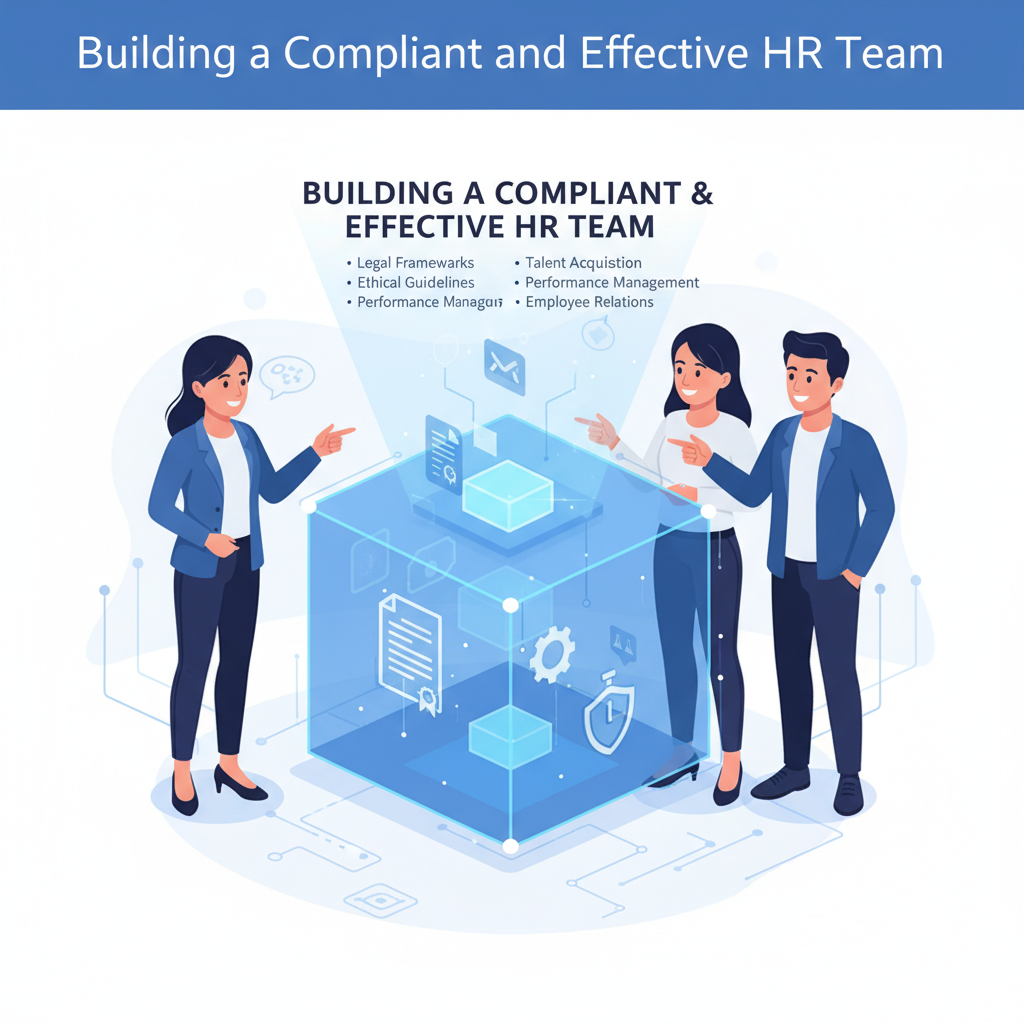
Initially, an F&B SME might operate with the CEO or a manager handling basic HR functions. However, as the business grows, dedicated HR support becomes indispensable. For an F&B SME, key roles revolve around recruitment, onboarding, training, and employee relations, which are crucial for maintaining service quality and staff morale. At a minimum, consider a dedicated HR Generalist or a Manager with strong HR acumen. This individual would oversee:
- Recruitment & Selection: Attracting, interviewing, and hiring F&B specific roles – from chefs and kitchen staff to servers, bartenders, and supervisors. This includes crafting clear job descriptions, conducting background checks, and ensuring cultural fit.
- Onboarding & Training: Developing structured onboarding programs that cover company culture, operational procedures, food safety, and customer service standards. Continuous training is vital in F&B to maintain skill levels and introduce new menu items or service protocols.
- Performance Management: Implementing systems for setting goals, providing regular feedback, and conducting performance reviews. This helps motivate staff, identify areas for improvement, and inform promotion or development plans.
- Employee Relations: Managing workplace issues, resolving conflicts, addressing grievances, and fostering a positive work environment. This role is critical for reducing turnover in an industry known for its high churn rate.
- Administrative HR: Handling payroll inputs, leave requests, attendance tracking, and maintaining accurate employee records.
Even if these functions are initially shared, understanding their necessity lays the groundwork for future specialization.
2. Leveraging Technology for HR Efficiency
For an SME, optimizing resources is paramount. HR technology, even simple solutions, can significantly reduce administrative burdens and enhance operational efficiency. Instead of complex, expensive Enterprise Resource Planning (ERP) systems, F&B SMEs can benefit from cost-effective digital tools:
- Cloud-based Payroll Software: Streamlines salary calculations, tax deductions, and social insurance contributions, ensuring accuracy and compliance with Vietnamese regulations. Many local providers offer tailored solutions for SMEs.
- Time & Attendance Systems: Digital clock-in/out systems (biometric fingerprint/facial recognition, mobile apps) accurately track employee hours, crucial for managing shifts and calculating overtime in a dynamic F&B environment. This minimizes disputes and ensures fair compensation.
- Basic HR Information Systems (HRIS): Simple HRIS platforms allow for centralized management of employee data, leave requests, and performance records. This digital repository reduces paper dependency and improves data accessibility for HR and management.
- Internal Communication Platforms: Tools like Zalo (popular in Vietnam), Slack, or dedicated internal portals can facilitate faster communication regarding schedules, policy updates, and team announcements, keeping the F&B team well-informed and connected.
By automating routine tasks, your HR team, even if small, can focus more on strategic initiatives like talent development and employee engagement rather than manual data entry.
3. Ensuring Legal Compliance: Contracts, Wages, & Benefits
Compliance with Vietnamese labor law is non-negotiable for F&B SMEs to avoid costly penalties, legal disputes, and reputational damage. A fresh CEO must prioritize understanding these key areas:
- Employment Contracts: All employees must have written employment contracts specifying terms like job title, duties, working hours, salary, and contract duration (fixed-term, indefinite, or seasonal). Ensure compliance with probation period limits and termination procedures as stipulated in the Vietnam Labour Code. Misclassification or improper contracts can lead to significant fines.
- Wages & Overtime: Adhere strictly to Vietnam’s regional minimum wage regulations, which are updated periodically. Overtime pay is mandatory and calculated at higher rates (e.g., 150% for weekdays, 200% for weekends, 300% for public holidays). Transparent payroll practices and accurate record-keeping are essential.
- Mandatory Benefits – Social, Health, and Unemployment Insurance: Employers and employees are legally required to contribute to Social Insurance, Health Insurance, and Unemployment Insurance. These contributions provide crucial safety nets for employees and are closely monitored by Vietnamese authorities. Proper registration and timely payments are paramount.
- Leave Entitlements: Understand and correctly apply regulations for annual leave, sick leave, maternity leave, and public holidays. Granting correct entitlements is not just a legal requirement but also a key factor in employee satisfaction and retention.
- Workplace Health & Safety: Especially critical in F&B, ensuring a safe working environment and providing necessary training and equipment is a legal obligation.
Proactive engagement with legal counsel or HR consultants specializing in Vietnamese labor law is highly recommended to stay updated on regulations and ensure your F&B SME remains fully compliant, securing its operational longevity and reputation.
Talent Management & Development in F&B SMEs
For a fresh CEO entering Vietnam’s dynamic Food & Beverage (F&B) sector, mastering talent management is a strategic imperative for sustainable growth. The competitive landscape, evolving consumer preferences, and unique demands of the F&B industry make attracting, retaining, and developing skilled personnel both challenging and crucial. Understanding an effective HR structure for Small and Medium-sized Enterprises (SMEs) is the bedrock of success. This section offers a comprehensive guide for navigating these challenges, providing a Step by Step to understand SMEs HR Structure for the fresh the CEO in Food & Beverage field in vietnam, ensuring your F&B venture thrives.
-
Strategies for Attracting and Retaining F&B Talent
Securing the right talent, from skilled chefs to diligent service staff and innovative marketing professionals, is the first hurdle for F&B SMEs in Vietnam. Attraction begins with a compelling employer brand. Highlight your company’s unique culture, values, and growth opportunities, showcasing what makes your workplace stand out. Beyond competitive salaries, offer comprehensive benefits like health insurance, performance-based bonuses, and staff meal allowances, which are highly valued. For retention, foster a supportive and respectful work environment. Implement clear career progression paths, demonstrating how junior staff can grow into supervisory or managerial roles. Regular check-ins, mentorship, and cross-training significantly boost loyalty. Considering the demanding F&B hours, explore flexible scheduling where feasible to improve work-life balance and reduce turnover, especially among younger generations seeking greater autonomy.
-
Performance Management & Employee Engagement
Effective performance management is an ongoing dialogue, not just annual reviews, driving productivity and development. For F&B SMEs, establish clear, measurable Key Performance Indicators (KPIs) tailored to specific roles – e.g., customer satisfaction for front-of-house or inventory accuracy for kitchens. Regular, constructive feedback sessions are essential for staff to understand their strengths and areas for improvement. A culture of recognition is equally vital; celebrate achievements through awards, bonuses, or simple appreciation. Highly engaged employees are more productive, innovative, and less likely to leave. Foster engagement by involving staff in appropriate decision-making, like menu ideas. Conduct pulse surveys to gauge sentiment and address concerns promptly. Creating strong team camaraderie via social events, team-building, and open communication channels contributes to a positive work environment. As Harvard Business Review highlights, focusing on meaningful work, a supportive culture, and opportunities for growth are key to retaining top talent, a principle critical for Vietnam’s F&B SMEs.
-
Training & Development Programs for F&B Staff
Investing in staff training and development is an investment in your SME’s future. The fast-paced F&B industry requires continuous skill upgrades for service excellence and adapting to trends. Begin by conducting a training needs analysis to identify specific skill gaps. Programs can range from essential hygiene and food safety certifications, customer service excellence, and upselling techniques for front-of-house, to advanced culinary techniques, inventory management, and waste reduction for kitchen staff. Beyond technical skills, leadership development programs for aspiring managers are crucial for building a strong internal pipeline. Consider on-the-job training facilitated by experienced staff, external workshops, or online courses. Mentorship programs, pairing seasoned employees with new recruits, accelerate learning and foster belonging. Succession planning further ensures continuity by preparing current employees for future leadership roles. By demonstrating a commitment to professional growth, F&B SMEs not only enhance team capabilities but also significantly boost employee loyalty and job satisfaction, transforming staff into long-term assets.
Navigating Vietnam’s F&B landscape as a fresh CEO demands a strategic and empathetic HR approach. By prioritizing robust attraction and retention, implementing dynamic performance management, fostering deep employee engagement, and investing consistently in training and development, F&B SMEs cultivate a high-performing, loyal workforce. This foundational investment in people mitigates industry challenges, unlocks competitive advantages, and propels your enterprise towards sustained success and establishing it as a preferred employer in Vietnam’s vibrant F&B sector.
Future-Proofing Your F&B SME HR Structure
As a new CEO navigating the dynamic Vietnamese Food & Beverage (F&B) market, establishing a robust Human Resources (HR) structure isn’t just about managing payroll; it’s about strategically laying the groundwork for sustainable growth, exceptional adaptability, and long-term success. The F&B sector in Vietnam is characterized by rapid shifts in consumer preferences, technological advancements, and intense competition. A forward-thinking HR strategy ensures your SME can attract, retain, and develop the talent needed to thrive amidst these challenges. This guide offers a Step by Step to understand SMEs HR Structure for the fresh the CEO in Food & Beverage field in vietnam, focusing on key pillars that will future-proof your organization.
1. Adapting to Industry Trends and Digital Transformation
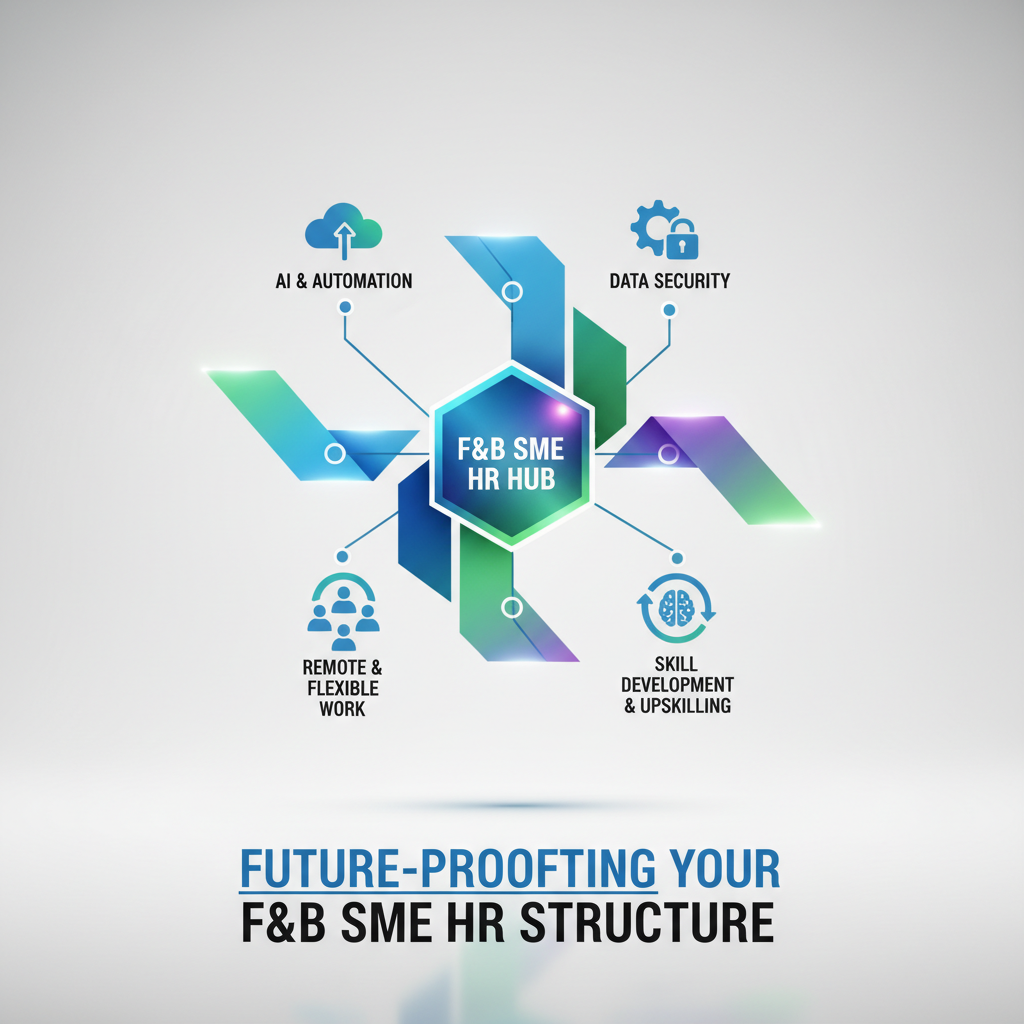
The F&B industry is at the forefront of digital transformation, impacting everything from supply chain management to customer service and human resource operations. For an F&B SME in Vietnam, this means integrating digital tools into your HR structure to enhance efficiency, data accuracy, and employee experience. Consider adopting cloud-based HR Information Systems (HRIS) for streamlined payroll, attendance tracking, and performance management. Explore automated scheduling software to optimize staff deployment and reduce manual errors, a crucial aspect in an industry with variable demand. Furthermore, invest in training programs that equip your workforce with essential digital skills, whether it’s understanding point-of-sale (POS) systems, engaging with online delivery platforms, or utilizing customer relationship management (CRM) tools. This not only improves operational efficiency but also makes your SME more attractive to digitally-savvy talent. Embracing these trends ensures your HR structure remains agile and capable of supporting your business’s evolving technological landscape. For a deeper dive into how digital transformation impacts the workplace, see this report from McKinsey & Company on the future of work in food and beverage manufacturing.
2. Succession Planning and Leadership Development
In a fast-paced market like Vietnam’s F&B sector, talent continuity and strong leadership are non-negotiable. A robust HR structure must prioritize succession planning to identify and nurture future leaders within your organization. Begin by identifying critical roles across all levels – from kitchen managers and front-of-house supervisors to senior management. For each role, assess potential successors, considering their current performance, growth potential, and career aspirations. Implement structured leadership development programs that include mentorship, cross-training opportunities, and specialized workshops. This not only prepares employees for higher responsibilities but also boosts morale and reduces turnover by demonstrating a clear career path. Cultivating an internal talent pipeline minimizes disruption when key personnel depart, protects institutional knowledge, and fosters a culture of growth. It also allows your F&B SME to adapt quickly to market changes by having a pool of well-prepared, versatile leaders ready to step up and innovate.
3. Measuring HR Effectiveness and ROI for Growth
To truly future-proof your HR structure, it’s essential to move beyond anecdotal evidence and embrace data-driven decision-making. As a new CEO, you need to understand the return on investment (ROI) of your HR initiatives. Implement key performance indicators (KPIs) to measure HR effectiveness, such as employee turnover rates, time-to-hire, training completion rates, employee engagement scores, and the impact of HR programs on productivity and customer satisfaction. For example, tracking the reduction in staff absenteeism after implementing a wellness program, or the improvement in service quality following a customer service training initiative, provides tangible evidence of HR’s contribution. Regularly analyze this data to identify areas for improvement, optimize resource allocation, and demonstrate HR’s strategic value to the overall business. By consistently measuring and evaluating HR’s impact, you can ensure that your HR structure is not just a cost center but a powerful engine driving your F&B SME’s growth, efficiency, and long-term profitability in the competitive Vietnamese market.
Partner with Shelby Global
You are looking for reliable HR Sevice Suppliers? Contact Shelby Global Now! To connect with verified talents and upgrade your orginization.
—————————————
References
– Vietnamese Labor Code on ILO website: https://www.ilo.org/dyn/natlex/natlex4.detail?p_lang=en&p_isn=113066&p_country=VNM&p_count=161
– Why HR Is So Important to Small Businesses: https://www.shrm.org/resources-and-tools/hr-topics/small-business/why-hr-is-so-important-to-small-businesses
– Vietnam Labour Code Summary by Baker McKenzie: https://www.bakermckenzie.com/en/insight/publications/2020/06/vietnam-labor-code-2019-summary-of-key-changes
– How to Retain Top Talent: https://hbr.org/2023/10/how-to-retain-top-talent
– The future of work in food and beverage manufacturing – McKinsey & Company: https://www.mckinsey.com/capabilities/operations/our-insights/the-future-of-work-in-food-and-beverage-manufacturing