Current Landscape of Vietnam’s Pharmaceutical Market
Vietnam’s pharmaceutical market is a dynamic and rapidly expanding sector, drawing significant attention from both domestic and international investors. Driven by a confluence of socio-economic factors, the market is undergoing profound transformations, marked by increasing demand for quality healthcare and innovative medical solutions. This overview delves into the current market size, identifies key players, and examines the regulatory environment that collectively shapes the nation’s medicine field, offering insights into the broader market demand trend report of medicine field in vietnam.

1. Market Size and Valuation (2023-2024)
The Vietnamese pharmaceutical market has consistently demonstrated robust growth, positioning itself as one of the fastest-growing in Southeast Asia. For 2023-2024, estimates indicate a market valuation that continues its upward trajectory, fueled by several demographic and economic forces. A rapidly aging population, coupled with rising disposable incomes and increasing health awareness, are primary drivers. The prevalence of lifestyle-related chronic diseases, such as diabetes and cardiovascular conditions, further amplifies the demand for a diverse range of pharmaceutical products. Consumers are increasingly willing to spend on healthcare, seeking not just basic medicines but also specialized drugs, advanced treatments, and over-the-counter (OTC) products for preventive care.
The market’s expansion is not only quantitative but also qualitative, with a noticeable shift towards higher-value drugs, including biologics and specialty pharmaceuticals. Generics still dominate in volume, but the demand for patented and innovative drugs is steadily rising, especially within urban centers and among the growing middle class. This evolving landscape underscores the need for businesses to adapt their strategies to capitalize on emerging opportunities highlighted in any comprehensive market demand trend report of medicine field in vietnam.
2. Key Domestic and International Pharmaceutical Companies
The Vietnamese pharmaceutical landscape is characterized by a dual structure, with strong domestic players coexisting and competing with a significant presence of multinational corporations. On the domestic front, companies like DHG Pharmaceutical, Traphaco, and Imexpharm are household names. These firms typically excel in the production and distribution of generic drugs, traditional medicines, and a wide array of over-the-counter products, leveraging their extensive distribution networks and deep understanding of local consumer preferences. They often benefit from favorable government policies aimed at promoting local manufacturing.
International pharmaceutical giants, including Sanofi, GSK, AstraZeneca, Pfizer, and Novartis, hold a substantial share, particularly in the patented drug segment, high-tech pharmaceuticals, and vaccines. These companies often operate through direct investment, joint ventures, or strategic partnerships, bringing advanced technologies, research capabilities, and global standards to the market. The competitive environment is intense, with both segments vying for market share, leading to continuous innovation in product offerings, marketing strategies, and distribution channels across the country.
3. Regulatory Framework and Policy Impact on Market Access
The regulatory environment in Vietnam, primarily overseen by the Ministry of Health (MoH) and its Drug Administration of Vietnam (DAV), plays a pivotal role in shaping market access and operational dynamics. Key regulations govern drug registration, quality control, pricing, and distribution. The drug registration process, while streamlined over recent years, still presents a significant hurdle for new entrants, especially for foreign companies seeking to introduce innovative products. Pricing controls, particularly for drugs procured through public tenders for hospitals and healthcare facilities, impact profitability and market strategies.
Recent policy reforms have focused on increasing the transparency of drug procurement, strengthening intellectual property (IP) rights protection, and encouraging domestic production while simultaneously attracting foreign direct investment in high-tech pharmaceutical manufacturing. The Law on Pharmacy, last amended in 2016, and subsequent decrees and circulars, continue to evolve, impacting everything from clinical trials and import licenses to advertising and post-market surveillance. Navigating this intricate framework is crucial for success, as regulatory compliance directly influences a company’s ability to operate and expand. For a deeper dive into the market’s regulatory intricacies and growth projections, authoritative sources provide comprehensive analysis of the Vietnam Pharmaceutical Market Size & Share Analysis.
Key Drivers Fueling Medicine Demand Growth
Understanding the forces behind the escalating demand for pharmaceutical products in Vietnam is crucial for industry stakeholders. This section provides an in-depth analysis of the primary demographic, economic, and health-related factors propelling the medicine market forward, offering insights into the evolving landscape and future trajectories for a comprehensive market demand trend report of medicine field in Vietnam.
1. Demographic Shifts: Aging Population and Urbanization
Vietnam is undergoing significant demographic transformations that are directly impacting its pharmaceutical demand. A key factor is the rapidly aging population. With improvements in healthcare and living standards, life expectancy has increased, leading to a larger proportion of the population entering older age brackets. Elderly individuals typically require more pharmaceutical interventions for age-related conditions, chronic diseases, and general health maintenance, thus creating a sustained and growing need for medicines. Projections indicate a continued rise in the elderly demographic, further solidifying this driver.
Simultaneously, rapid urbanization is reshaping the country’s health landscape. As more people move to cities, they often gain better access to healthcare facilities, diagnostic services, and a wider range of pharmaceutical products. However, urbanization also brings changes in lifestyle, including dietary shifts, reduced physical activity, and increased exposure to pollution and stress, which can contribute to a different spectrum of health issues. This dual impact—increased access and lifestyle-related health changes—significantly contributes to the overall medicine demand growth across both urban and peri-urban areas.
2. Rising Healthcare Expenditure and Expanding Health Insurance
Vietnam’s robust economic growth has directly translated into increased healthcare expenditure, both from public and private sources. As disposable incomes rise, individuals and families are more willing and able to spend on health-related products and services, including prescription and over-the-counter medications. This upward trend in per capita healthcare spending signifies a maturing market where health is increasingly prioritized.
Complementing this economic shift is the government’s steadfast commitment to expanding health insurance coverage. The Universal Health Coverage strategy aims to ensure that a vast majority of the population has access to affordable healthcare. Expanding health insurance schemes significantly reduces out-of-pocket expenses for patients, making pharmaceutical treatments more accessible and affordable. This increased affordability directly stimulates medicine demand, as more people can now afford prescribed treatments that might have been cost-prohibitive previously. The government’s proactive role in subsidizing insurance premiums and expanding the benefits package underscores its impact on the universal health coverage in Vietnam, driving the overall medicine demand growth.
3. Increasing Prevalence of Chronic Diseases and Lifestyle Conditions
A significant driver of medicine demand in Vietnam is the growing burden of chronic non-communicable diseases (NCDs) and lifestyle-related conditions. As the country develops and lifestyles evolve, there’s a noticeable epidemiological transition from infectious diseases to chronic ailments such as diabetes, hypertension, cardiovascular diseases, respiratory illnesses, and certain types of cancer. These conditions often require long-term, continuous medication management, creating a consistent and increasing demand for a wide range of pharmaceutical products.
Factors contributing to this rise include changing dietary habits—moving towards processed foods and higher sugar intake—reduced physical activity due to increasingly sedentary lifestyles, higher rates of smoking and alcohol consumption, and increasing environmental pollution. The persistent nature of chronic diseases means that once diagnosed, patients typically remain on medication for extended periods, sometimes for life. This sustained need for pharmaceutical interventions provides a robust foundation for the continued expansion of the medicine market, making the management of NCDs a critical component of the overall medicine demand trend report of medicine field in Vietnam.
Emerging Product Categories and Therapeutic Areas
The medicine field in Vietnam is undergoing a transformative period, characterized by dynamic shifts in consumer preferences, evolving healthcare infrastructure, and a growing emphasis on specific therapeutic areas. As highlighted in various market demand trend report of medicine field in Vietnam, understanding these emerging product categories and therapeutic areas is crucial for stakeholders aiming to navigate and capitalize on the rapidly expanding Vietnam pharmaceutical market. This section delves into the specific medicine segments experiencing significant growth, driven by factors ranging from chronic disease prevalence to increased health awareness and access to advanced medical solutions.
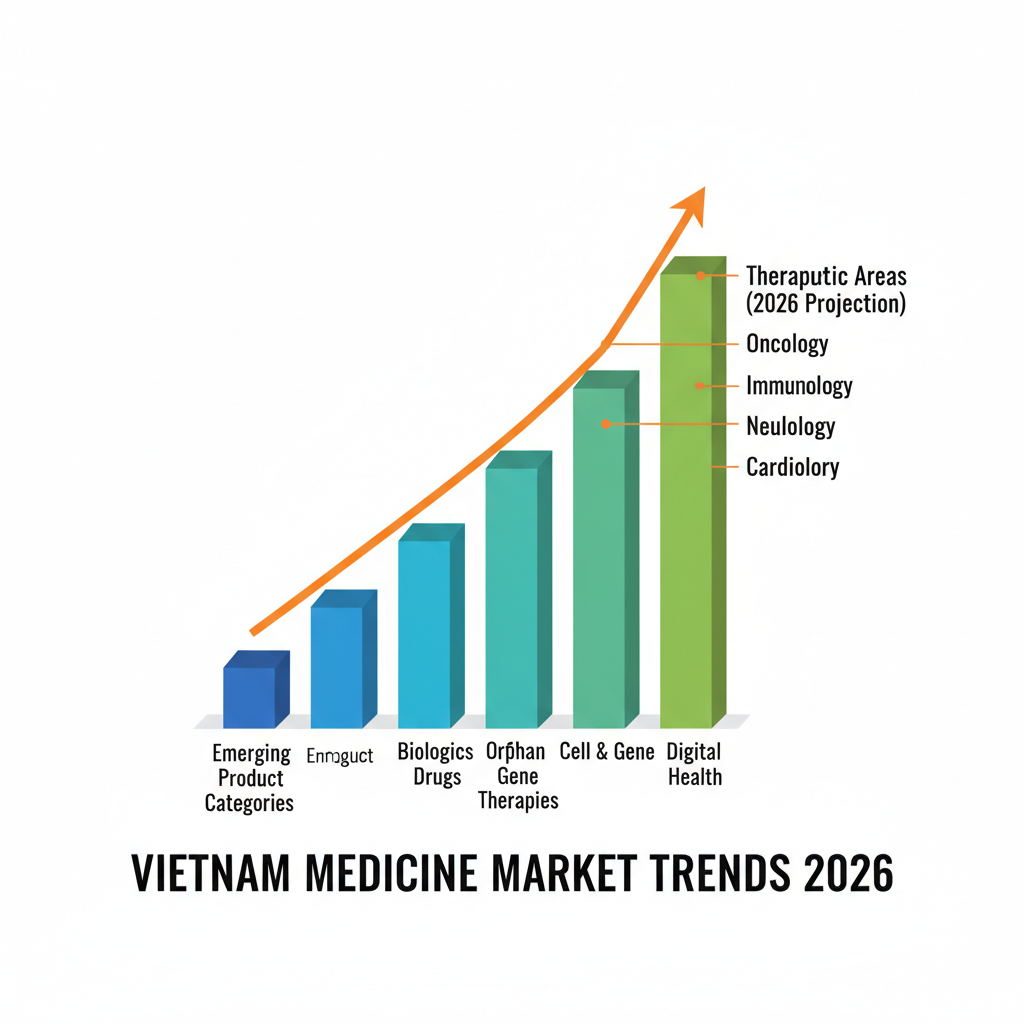
1. Demand Trends: Generic vs. Patented Drugs
The Vietnam pharmaceutical market continues to present a complex interplay between generic and patented drugs, reflecting both cost-sensitivity and a growing appetite for innovative treatments. Historically, generics have dominated the Vietnamese landscape due to their affordability and government initiatives promoting their use to broaden access to essential medicines. This trend is further supported by the country’s developing economy, where cost-effectiveness remains a primary driver for both patients and healthcare providers. Consequently, a significant portion of the medicine market trends Vietnam still indicates robust demand for high-quality, affordable generic alternatives across various therapeutic classes, from antibiotics to cardiovascular medications.
However, a notable shift is occurring. As disposable incomes rise and healthcare infrastructure improves, there’s an increasing willingness among a segment of the population, particularly in urban areas, to invest in patented, innovative drugs for conditions where generics may offer limited solutions or where patients seek the latest advancements. This is particularly evident in oncology, immunology, and rare diseases, where patented drugs often represent breakthroughs. Government policies, while still supporting generics, are also becoming more open to facilitating access to innovative therapies, recognizing their potential to improve patient outcomes. Therefore, while generics maintain their strong base, the growth trajectory for patented drugs, though from a smaller base, is becoming increasingly significant, signaling a maturing market and evolving consumer preferences. Further insights into these dynamics can be found in a comprehensive market demand trend report of medicine field in Vietnam.
2. Growth in Biopharmaceuticals and Specialty Medicines
One of the most profound shifts in the healthcare market Vietnam is the accelerating growth of biopharmaceuticals and specialty medicines. These advanced therapeutic products, derived from biological sources, offer highly targeted treatments for complex and often chronic diseases, including various cancers, autoimmune disorders, and diabetes. The rise in lifestyle-related illnesses and an aging population in Vietnam contribute significantly to the increasing prevalence of such conditions, thereby fueling the demand for more sophisticated therapeutic options.
The expansion of this segment is driven by several factors: increased investment in research and development globally, improved diagnostic capabilities leading to earlier disease detection, and a greater understanding among healthcare professionals and patients about the efficacy of these specialized treatments. While often expensive, their ability to deliver superior outcomes or treat previously untreatable conditions makes them increasingly sought after. Pharmaceutical companies are keenly aware of this trend, with many focusing their pipelines and market entry strategies on this high-value segment within the medicine field in Vietnam. The government’s efforts to modernize its healthcare system and attract foreign direct investment in high-tech pharmaceutical manufacturing also play a crucial role in fostering this growth. This aligns with global trends showing significant expansion in biopharmaceutical sectors, as detailed in various industry analyses and reports, for instance, from the World Health Organization on Pharmaceuticals. This sustained growth underscores the market’s maturation and its increasing alignment with global pharmaceutical innovation.
3. Increasing Focus on Preventative Care and Over-the-Counter (OTC) Products
Beyond prescription medicines, the Vietnam pharmaceutical market is witnessing a substantial surge in demand for preventative care products and over-the-counter (OTC) medicines. This trend reflects a broader shift in consumer mindset towards proactive health management rather than solely reactive treatment of illnesses. Vietnamese consumers, particularly the younger demographic and urban residents, are becoming more health-conscious, investing in products that support general well-being, boost immunity, and prevent the onset of chronic diseases.
This includes a wide array of products such as vitamins and dietary supplements, probiotics, health tonics, and functional foods. The accessibility and convenience of OTC medicines for common ailments like colds, flu, pain relief, and digestive issues also contribute to their growing popularity. Factors such as increasing health literacy, the convenience of purchasing without a prescription, and the widespread availability through pharmacies, supermarkets, and online platforms are propelling this segment. Moreover, the COVID-19 pandemic further accelerated this focus on immunity-boosting and self-care products, solidifying preventative health as a significant driver in the medicine field in Vietnam. Pharmaceutical companies are responding by diversifying their portfolios to include a broader range of consumer health products, recognizing the immense potential in this segment for sustained growth and brand loyalty. This consumer-driven demand for accessible health solutions represents a vital component of future market expansion.
Impact of Technology and Digital Transformation
The landscape of medicine distribution, accessibility, and delivery in Vietnam is undergoing a profound transformation, driven by rapid technological advancements and widespread digitalization. This evolution is not merely an upgrade but a fundamental shift, reshaping how patients access care, how medicines are developed, and how the pharmaceutical supply chain operates. As Vietnam’s economy grows and demand for healthcare services increases, understanding the interplay between technology and medicine becomes crucial for any market demand trend report of medicine field in Vietnam. The nation’s tech-savvy population and proactive government initiatives are accelerating the adoption of digital health solutions, promising improved efficiency, broader reach, and enhanced patient outcomes. This digital metamorphosis touches every facet of the medical ecosystem, from remote consultations to sophisticated data analytics and streamlined logistics.
1. Rise of Telemedicine and E-pharmacy Platforms
The advent of telemedicine and e-pharmacy platforms marks a significant revolution in how medical services and products are accessed across Vietnam, particularly in remote or underserved areas. These platforms have bridged geographical gaps, allowing patients to consult with doctors, receive prescriptions, and order medicines from home. The COVID-19 pandemic significantly accelerated their adoption, highlighting their critical role in maintaining healthcare continuity and reducing the burden on physical clinics. For a comprehensive market demand trend report of medicine field in Vietnam, it’s essential to recognize this shift as a permanent fixture in healthcare delivery. E-pharmacies, offering convenience and often competitive pricing, attract a growing segment of the population. While they necessitate robust regulatory frameworks to ensure drug authenticity, proper storage, and responsible dispensing, their potential to democratize access to essential medicines is immense. Companies must navigate regulatory complexities while leveraging technology to build trust and provide seamless user experiences.
2. Data Analytics and AI in Drug Discovery and Patient Management
The application of data analytics and Artificial Intelligence (AI) is revolutionizing both ends of the pharmaceutical spectrum: drug discovery and patient management. In drug discovery, AI algorithms can rapidly analyze vast datasets of biological and chemical compounds, significantly accelerating the identification of potential drug candidates and predicting their efficacy and safety profiles. This reduces the time and cost traditionally associated with bringing new medicines to market, offering a competitive edge in Vietnam. Beyond discovery, AI and data analytics are transforming patient management by enabling more personalized and proactive care. From predictive analytics for disease outbreaks to AI-powered diagnostics for early detection, these technologies enhance the precision and effectiveness of medical interventions. Electronic health records (EHRs), integrated with AI, provide clinicians with invaluable insights into patient histories, treatment responses, and potential adverse drug reactions, leading to better-informed clinical decisions. While ethical considerations surrounding data privacy are paramount, the potential for AI to optimize resource allocation, identify at-risk populations, and personalize treatment regimens makes it an indispensable tool for future healthcare strategies in Vietnam.
3. Innovations in Pharmaceutical Supply Chain and Logistics
Digital transformation profoundly impacts the pharmaceutical supply chain and logistics in Vietnam, addressing long-standing challenges related to efficiency, transparency, and product integrity. Traditional supply chains often face issues like counterfeiting, temperature excursions, and inefficient last-mile delivery. Modern innovations, such as blockchain technology, offer unprecedented levels of transparency and traceability, allowing every stakeholder to track a medicine’s journey from production to consumption. This ensures the authenticity and quality of drugs, a critical factor for patient safety and regulatory compliance. Furthermore, AI-driven demand forecasting and predictive analytics optimize inventory management, reducing waste and preventing stockouts – crucial for life-saving medications. The integration of IoT (Internet of Things) devices in cold chain logistics enables real-time monitoring of temperature and humidity, ensuring that sensitive drugs maintain efficacy. Drone delivery and automated warehousing are emerging concepts that promise to further enhance speed and reduce costs, particularly for reaching remote or emergency situations. These advancements are vital for ensuring a resilient and responsive pharmaceutical supply chain, directly impacting the availability and accessibility of medicines across the country and influencing the overall market demand trend report of medicine field in Vietnam. The ongoing investment in these technological solutions underscores Vietnam’s commitment to modernizing its healthcare infrastructure and ensuring equitable access to high-quality medical products. The digital transformation in healthcare Vietnam initiative by organizations like WHO highlights the country’s proactive stance. Understanding these evolving logistics landscapes is critical for analyzing the broader market demand trend report of medicine field in Vietnam and its implications for pharmaceutical businesses.
Future Outlook and Strategic Recommendations for 2026
The Vietnamese medicine market is poised for significant transformation and robust growth in the coming years. Driven by a burgeoning middle class, increasing healthcare awareness, an aging population, and continued government support for healthcare infrastructure development, the market demand trend report of medicine field in vietnam indicates a promising trajectory. This section provides an in-depth look at market projections, identifies key investment opportunities, and outlines actionable strategies for manufacturers, distributors, and policymakers to navigate the evolving landscape up to 2026 and beyond.
1. Market Growth Projections and Potential Scenarios to 2026
The Vietnamese pharmaceutical market is expected to maintain its strong growth momentum, often projected to be one of the fastest-growing in Southeast Asia. Analysts anticipate a Compound Annual Growth Rate (CAGR) in the high single digits or even low double digits through 2026. This growth is fundamentally underpinned by several factors:
- Demographic Shifts: A rapidly aging population and a growing incidence of non-communicable diseases (NCDs) such as diabetes, cardiovascular conditions, and cancer are driving demand for specialized and chronic disease management medications.
- Increased Healthcare Expenditure: Rising disposable incomes and an expanding national health insurance scheme mean more individuals can access and afford better healthcare services and medicines.
- Urbanization and Lifestyle Changes: The shift towards urban living often brings new health challenges and a greater awareness of and demand for modern medicine.
- Government Focus: Vietnam’s government continues to prioritize healthcare development, evidenced by increased budget allocations, infrastructure projects, and initiatives to improve drug accessibility and quality.
Potential scenarios to 2026 range from optimistic to more moderate. An optimistic scenario envisages accelerated economic growth, robust foreign direct investment (FDI) in the pharmaceutical sector, rapid digitalization of healthcare, and streamlined regulatory processes. A moderate scenario suggests steady growth, potentially tempered by global economic fluctuations or slower-than-anticipated policy implementations. The market’s resilience, however, suggests that even under moderate conditions, the upward trend in medicine field demand will persist.
2. Key Investment Opportunities and Anticipated Challenges
The dynamic nature of Vietnam’s pharmaceutical sector presents compelling investment opportunities:
- Generic Drug Manufacturing: With a significant portion of the market still reliant on imported drugs, local production of high-quality generics offers a substantial cost advantage and meets national self-sufficiency goals.
- Specialty Pharmaceuticals: Growing demand for oncology, rare disease treatments, and advanced biologics opens avenues for investment in R&D and manufacturing of these high-value products.
- Digital Health Solutions: Telemedicine, e-pharmacies, health monitoring apps, and AI-driven diagnostics are nascent but rapidly expanding areas, offering innovative distribution and patient engagement models.
- Distribution and Cold Chain Logistics: As the market expands and includes more temperature-sensitive biologics, investment in modern warehousing, transportation, and cold chain infrastructure is crucial.
- Pharmaceutical Services: Contract manufacturing (CMO) and contract research organizations (CRO) can capitalize on the burgeoning R&D needs of both local and international players.
Despite these opportunities, challenges remain. Regulatory complexities, including drug registration and intellectual property rights, can be hurdles. Intense competition from both domestic and international players, coupled with pricing pressures, requires strategic positioning. Furthermore, the shortage of highly skilled labor in specialized pharmaceutical manufacturing and R&D, along with infrastructure gaps in rural areas, needs to be addressed for sustainable growth. According to Statista, the Vietnamese pharmaceutical market size has been on a consistent upward trend, but navigating these challenges will be key to unlocking its full potential.
3. Strategic Recommendations for Industry Players and Government Policies
To capitalize on the future outlook, all stakeholders must adopt forward-thinking strategies:
- For Manufacturers:
- Invest in R&D and Technology Transfer: Focus on developing novel drugs and high-quality generics, and explore partnerships for technology transfer to enhance local manufacturing capabilities.
- Digital Transformation: Embrace Industry 4.0 technologies for efficient production, supply chain management, and data analytics.
- Strategic Partnerships: Collaborate with international pharmaceutical companies for market access, R&D, and expertise sharing.
- Quality Assurance: Adhere to international Good Manufacturing Practice (GMP) standards to build trust and competitiveness.
- For Distributors:
- Optimize Supply Chain: Enhance logistics, warehousing, and cold chain capabilities to ensure efficient and safe delivery of medicines.
- Expand Reach: Leverage digital platforms and e-pharmacies to reach broader customer bases, especially in underserved regions.
- Data Analytics: Utilize market data to understand medicine field demand, optimize inventory, and identify emerging trends.
- For Policymakers and Government:
- Streamline Regulations: Simplify drug registration, approval processes, and enforce robust intellectual property protection to attract FDI and foster innovation.
- Incentivize Local R&D: Provide tax breaks, grants, and favorable policies for domestic pharmaceutical companies investing in research and development.
- Improve Healthcare Infrastructure: Continue investing in public health facilities, human resources training, and universal health insurance coverage.
- Combat Counterfeit Drugs: Strengthen regulatory oversight and enforcement to ensure drug quality and patient safety.
- Promote Ethical Practices: Implement transparent policies to ensure fair competition and reduce unethical marketing practices.
The Vietnamese medicine market’s future is bright, offering substantial opportunities for growth and innovation. By proactively addressing challenges and strategically aligning with market trends, stakeholders can contribute to and benefit from a more robust, accessible, and high-quality healthcare ecosystem for all Vietnamese citizens.
Partner with Shelby Global
You are looking for reliable HR Sevice Suppliers? Contact Shelby Global Now! To connect with verified talents and upgrade your orginization.
—————————————
References
– Vietnam Pharmaceutical Market Size & Share Analysis: https://www.mordorintelligence.com/industry-reports/vietnam-pharmaceutical-market
– Universal Health Coverage in Vietnam – WHO: https://www.who.int/vietnam/health-topics/universal-health-coverage
– World Health Organization on Pharmaceuticals: https://www.who.int/news-room/fact-sheets/detail/pharmaceuticals
– WHO Vietnam: Accelerating Digital Health: https://www.who.int/vietnam/news/detail/29-06-2022-accelerating-digital-health-in-viet-nam-a-journey-towards-a-smarter-health-system
– Vietnamese pharmaceutical market size: https://www.statista.com/statistics/1045230/vietnam-pharmaceutical-market-size/