Introduction
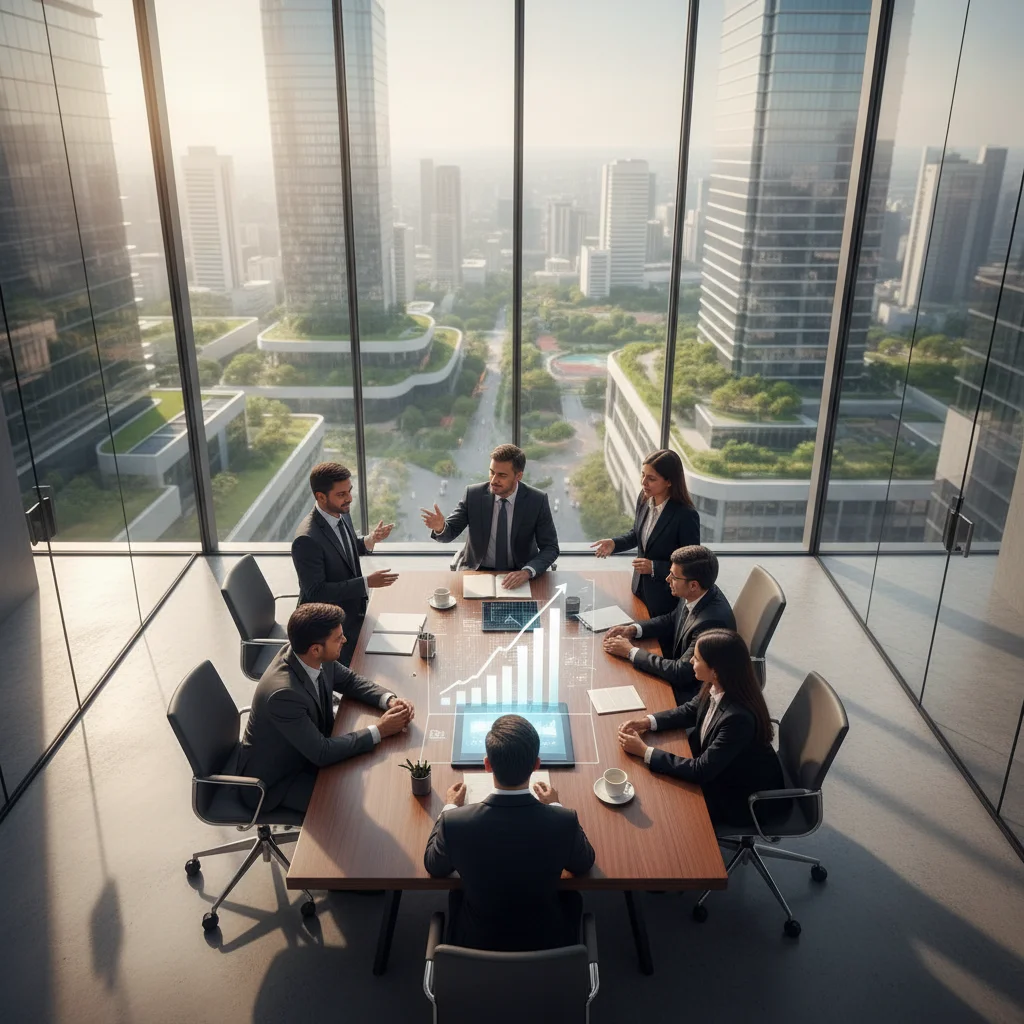
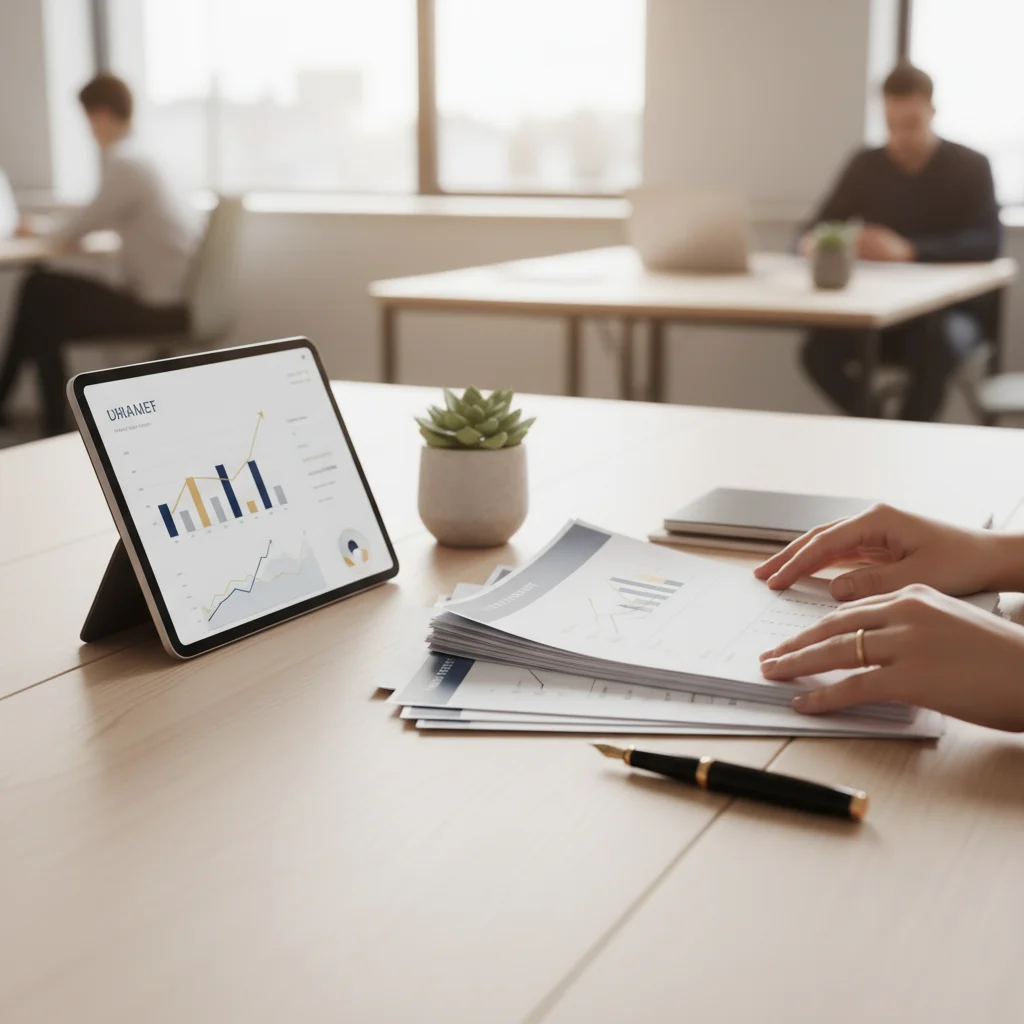
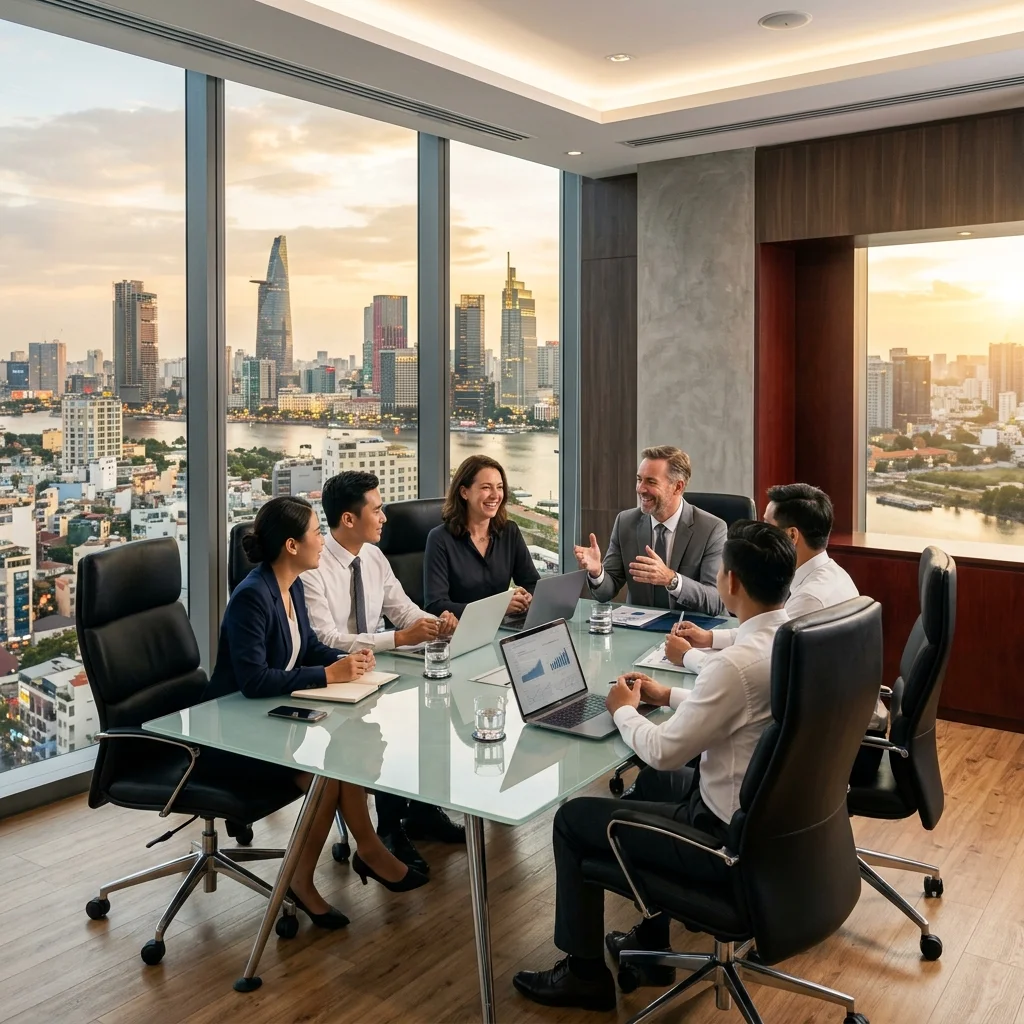
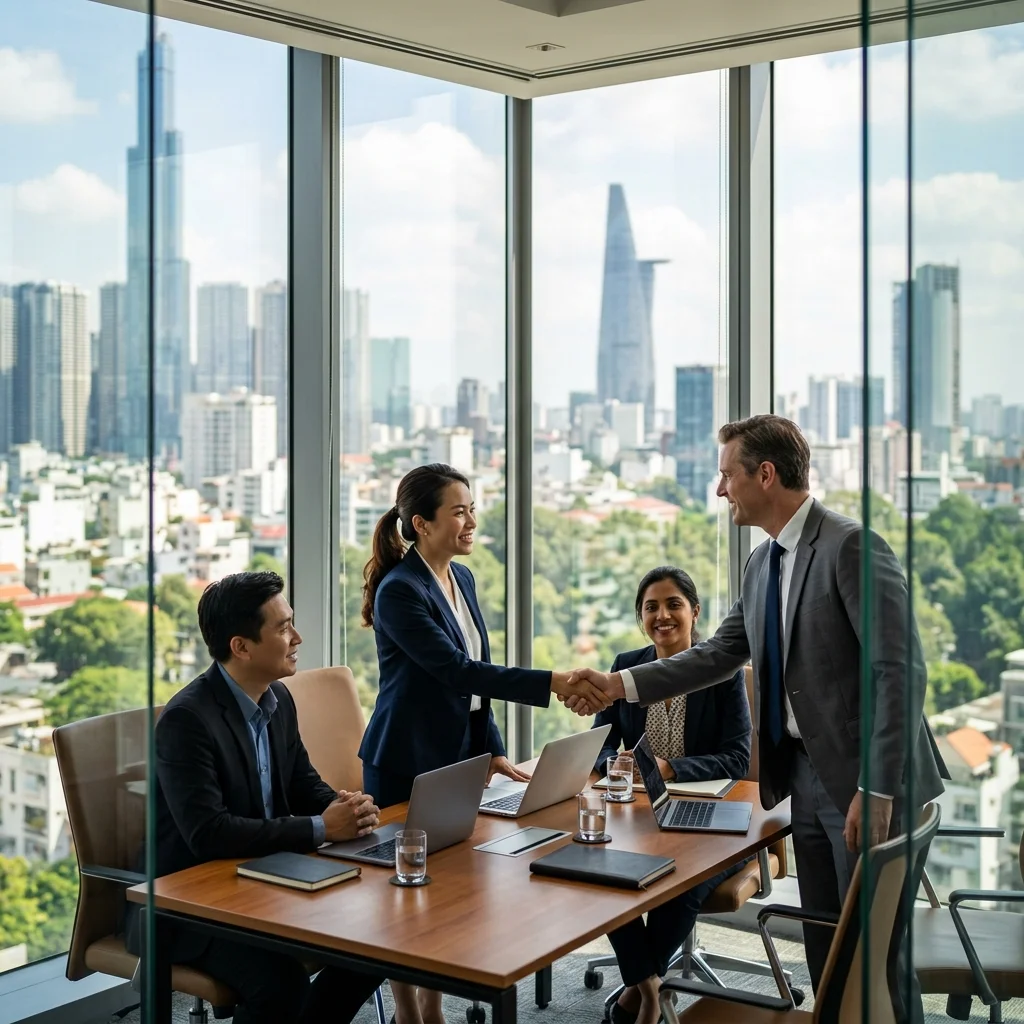
The landscape of the modern corporate workplace is undergoing yet another massive shift as organizations and their employees negotiate the future of work. After years of experimenting with remote, hybrid, and fully in-person models, businesses are taking a step back to evaluate what genuinely works best for their company culture, operational efficiency, and overall bottom line. Understanding the Return to Office Trends 2026 is an absolutely critical exercise for employers, HR professionals, and employees alike as they navigate this highly evolving environment. While some prominent global organizations are making headlines by enforcing strict full-time office mandates, many others are leaning into flexibility as a core strategy to attract and retain top-tier talent.
Interestingly, the aggressive push for in-person collaboration has reignited long-standing debates around actual productivity metrics, the environmental and personal costs of daily commute times, and the elusive concept of work-life balance. Navigating these transitions requires a deep understanding of market demands and employee psychology. For a deeper, more comprehensive look into how these shifting policies impact long-term recruitment and retention strategies, consider reading our internal guide, Recruitment Agency Malaysia 2026: Future Hiring Guide, which thoroughly explores the intersection of workplace flexibility and dynamic talent acquisition.
The Push for Hybrid Flexibility
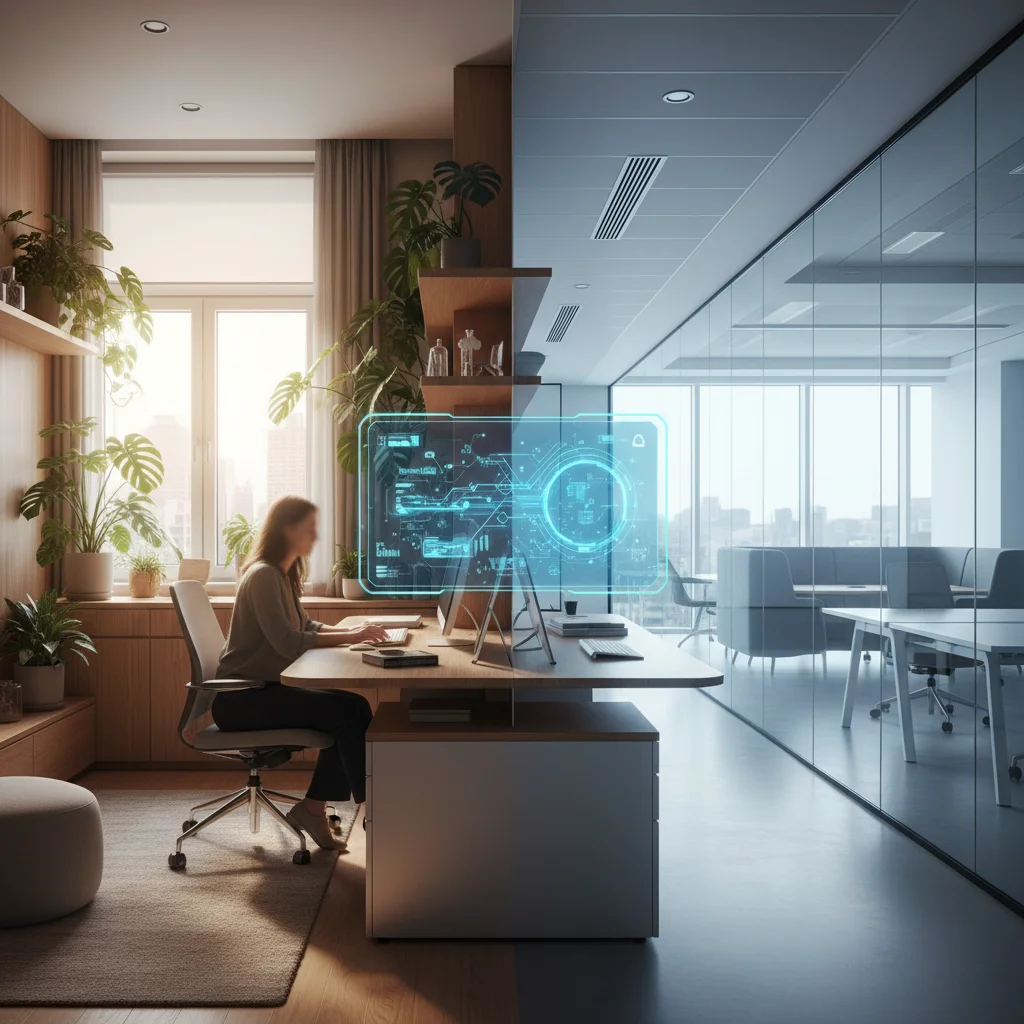
When analyzing the Return to Office Trends 2026, it becomes glaringly evident that hybrid work is no longer just a temporary perk or a pandemic-era leftover—it has become a fiercely protected, established norm for millions of professionals. Many companies have realized through trial and error that forcing a complete, rigid five-day return to the office often leads to widespread employee dissatisfaction, quiet quitting, and a noticeable increase in turnover rates among top performers.
Instead of fighting the tide, forward-thinking organizations are actively adopting and refining structured hybrid models. According to a recent detailed analysis by Built In on return to office dynamics, while a visible percentage of massive Fortune 100 corporations are reverting to full-time office schedules, a significant majority of remote-capable workers still successfully operate under hybrid arrangements in 2026. This data underscores that the future of work is highly nuanced and far from black and white.
The primary drivers behind the continued success of the hybrid approach include:
- Better Work-Life Balance: Employees drastically save on commute times, leading to lower burnout rates and higher overall life satisfaction.
- Optimized Office Space Utilization: Companies can significantly reduce their commercial real estate footprint and overhead costs by rotating team schedules.
- Unrestricted Access to Global Talent: Flexible and hybrid policies allow organizations to confidently hire the best candidates regardless of their immediate geographic location.
It is abundantly clear that carefully observing the Return to Office Trends 2026 helps executive leaders craft empathetic policies that balance strict corporate objectives with necessary employee well-being.
Redefining the Core Purpose of the Workplace
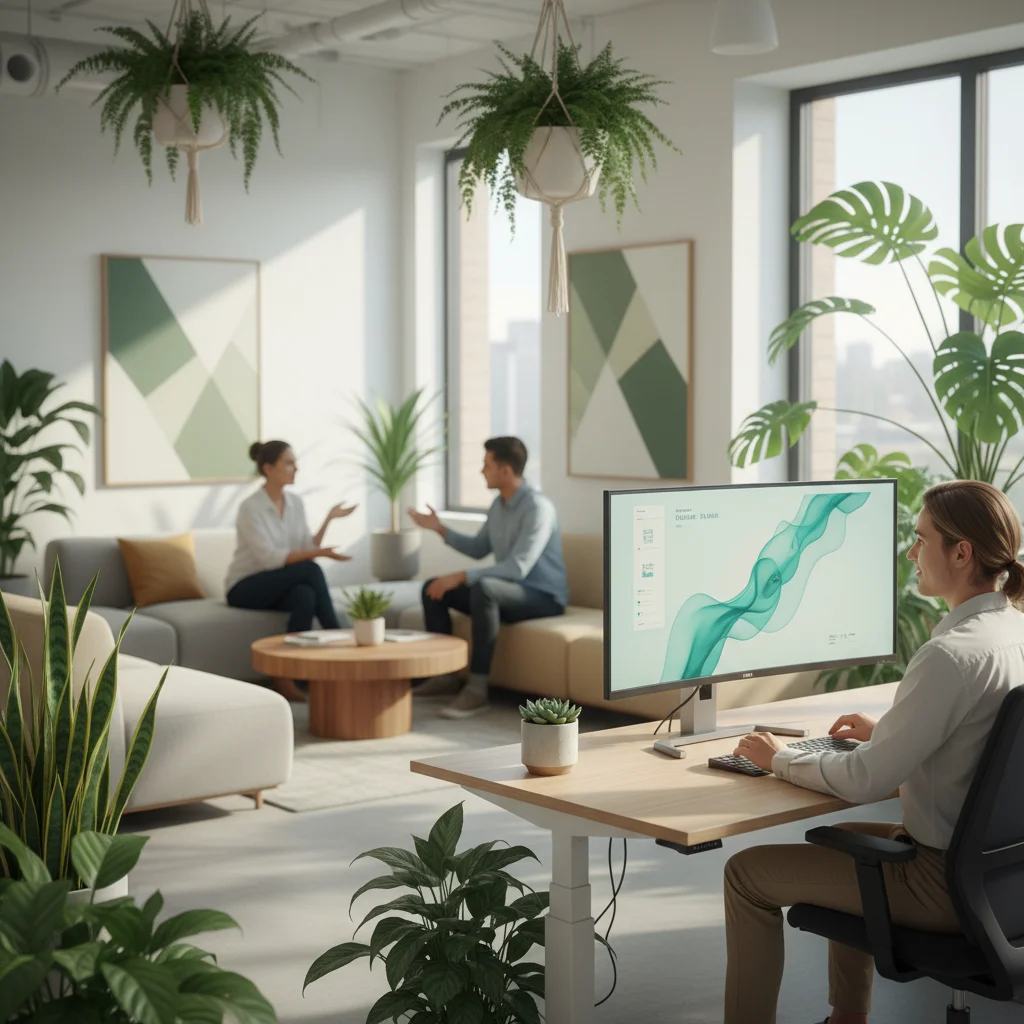
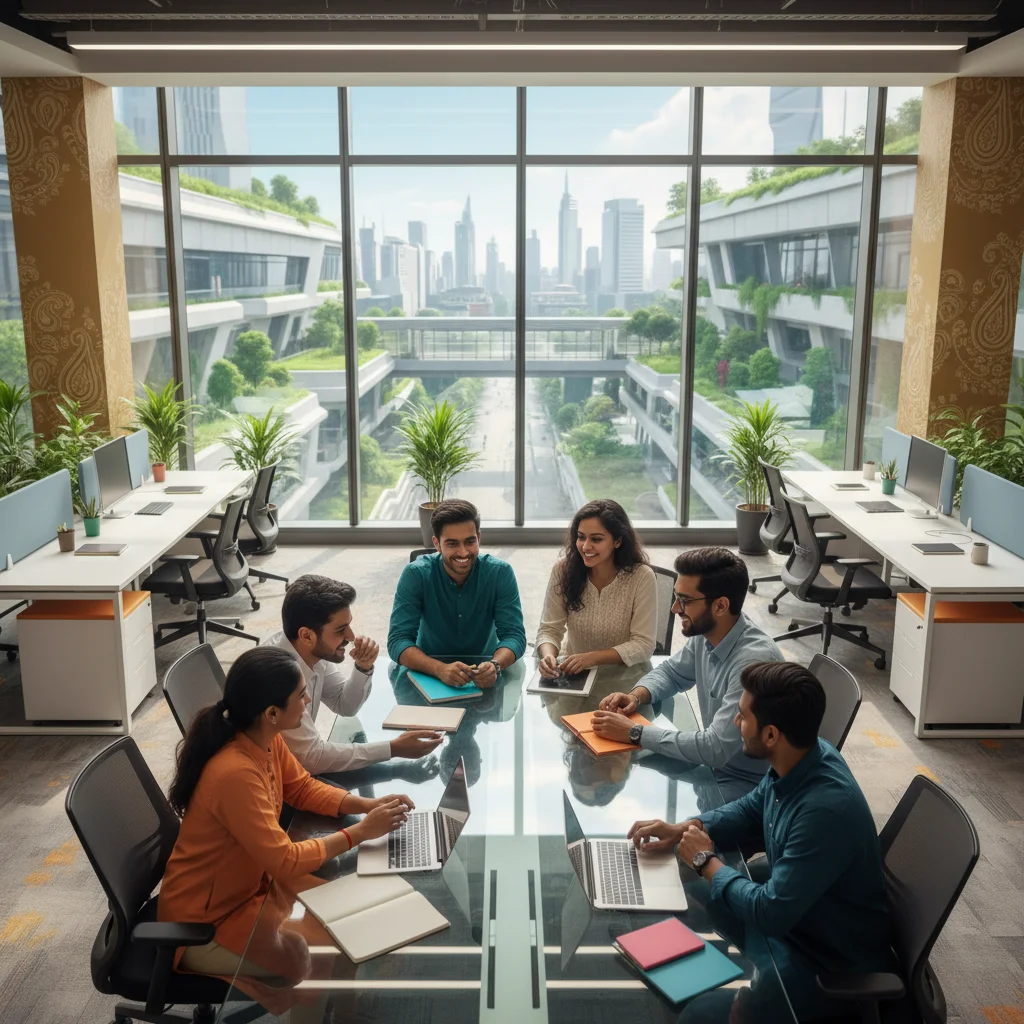
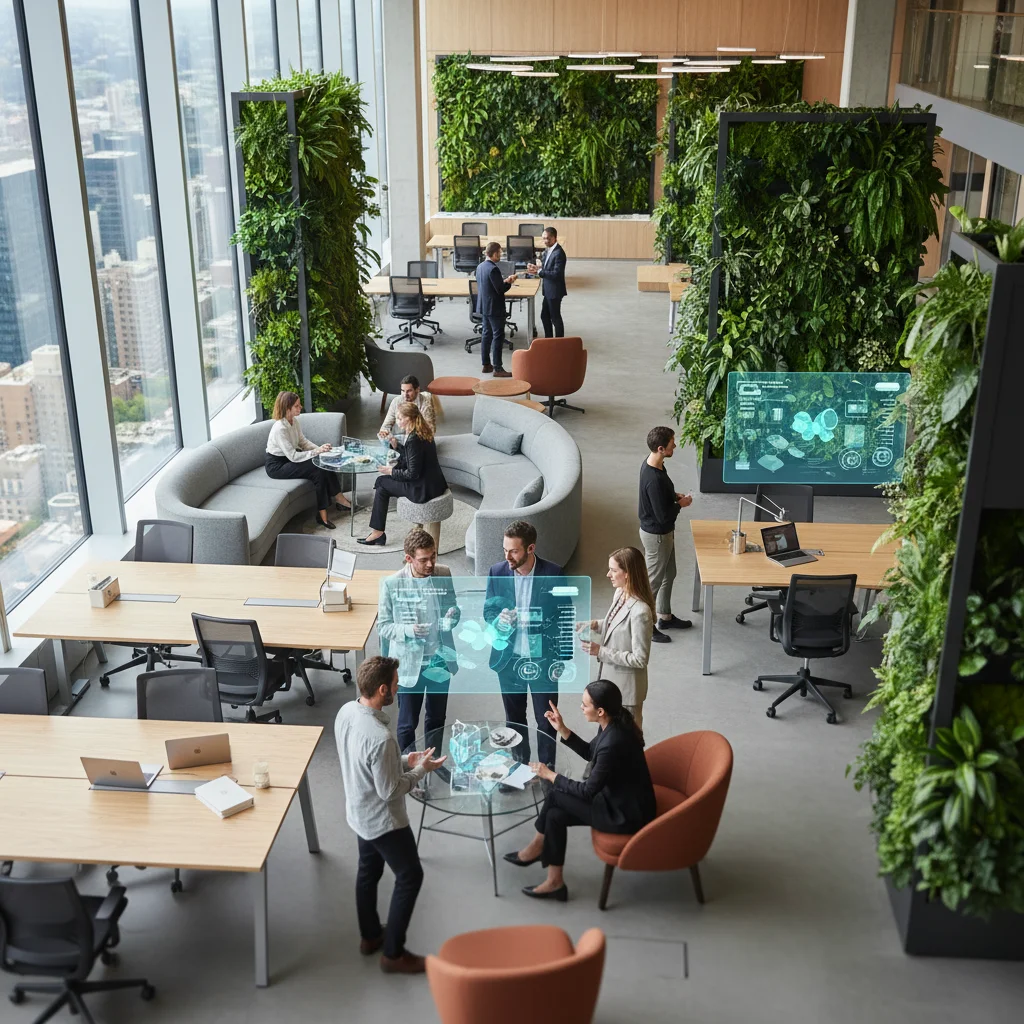
Another critical aspect of the Return to Office Trends 2026 is the rapid, structural transformation of the physical office space itself. The traditional office is no longer merely a place to sit at a solitary desk and answer emails for eight hours; it is evolving into a vibrant, collaborative hub designed specifically for intentional interaction and creative synergy.
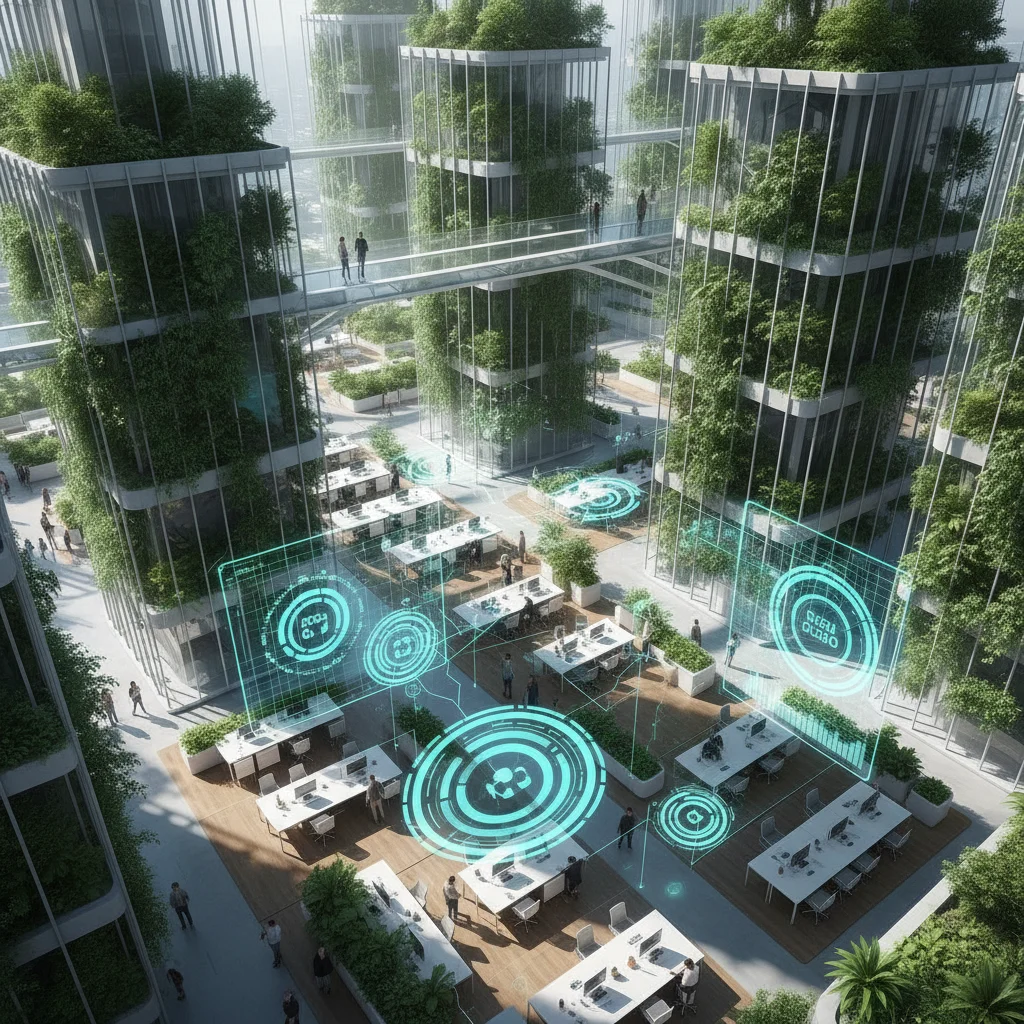
To encourage staff to willingly make the commute, employers are investing heavily in redesigning their workspaces to make the journey genuinely worthwhile. This extensive overhaul involves creating dynamic multi-purpose zones, integrating cutting-edge communication technology, and focusing intensely on biophilic design principles to enhance employee mental health and physical well-being.
- Dedicated Collaboration Zones: Open, highly interactive areas designed specifically for group brainstorming, workshops, and team-building exercises.
- Acoustic Quiet Pods: Soundproofed, isolated spaces built for deep, uninterrupted individual focus and sensitive virtual meetings.
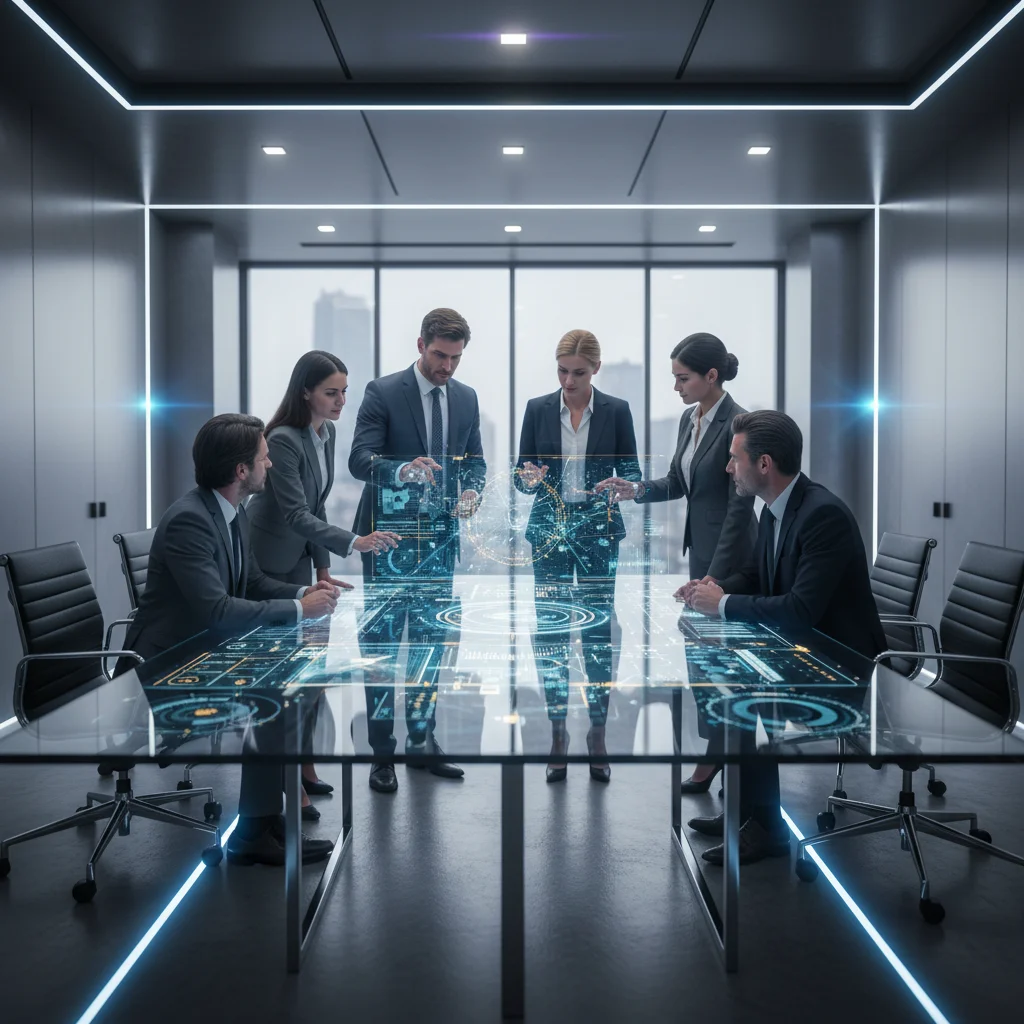
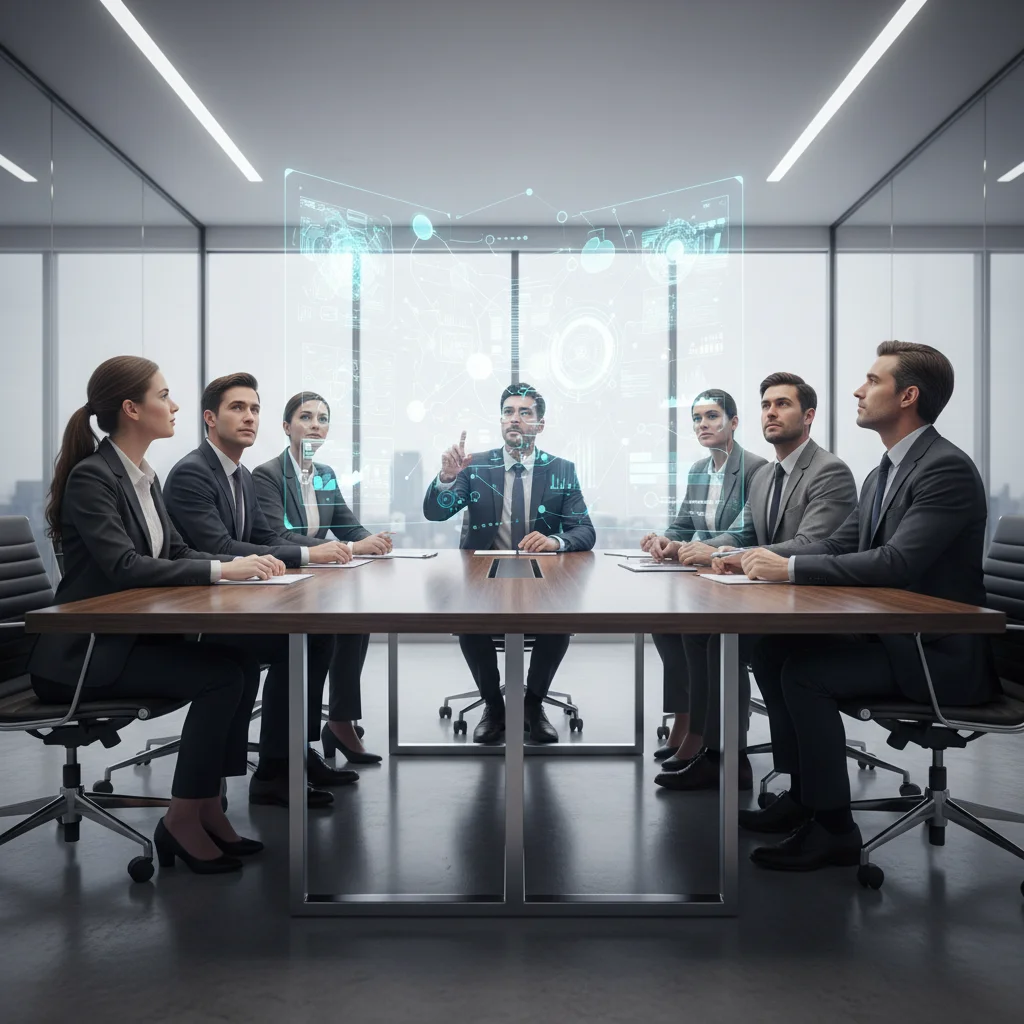
- Tech-Enabled Conference Rooms: Upgraded audiovisual systems designed to seamlessly and equitably connect in-office staff with their remote team members.
Understanding these profound environmental and architectural shifts is absolutely essential when discussing the broader Return to Office Trends 2026. By actively making the office a desirable destination rather than a dreaded obligation, businesses are seeing more organic, willing attendance and higher engagement levels from their workforce.
As we delve further into the Return to Office Trends 2026, the subsequent sections of this comprehensive blog post will explore specific regional impacts, innovative technological integrations, and how forward-looking leadership strategies must dynamically adapt to support these new workforce paradigms. Let’s move forward and examine how these profound shifts are fundamentally altering corporate structures globally.
1. Structured Hybrid Work Models Take Center Stage
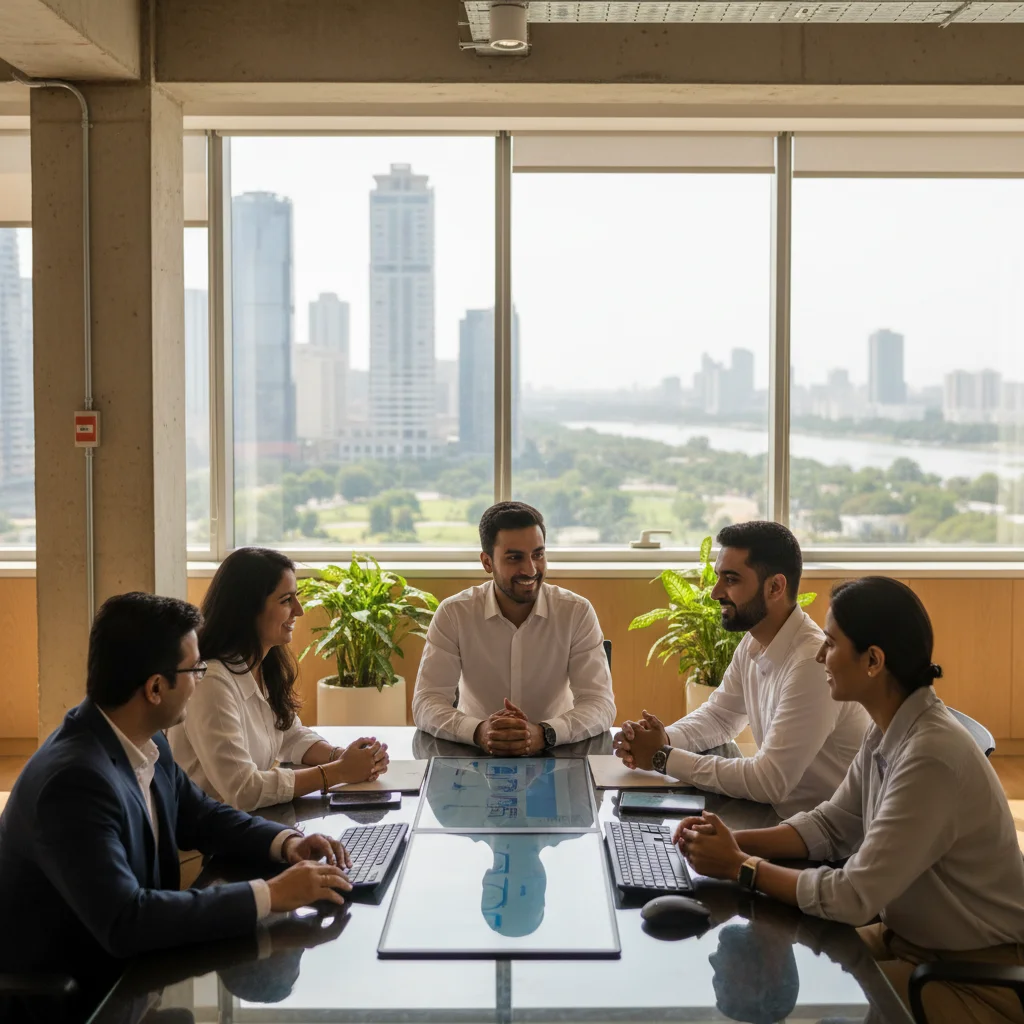
Following the evolution of leadership strategies to support new workforce paradigms, organizations are now tasked with implementing concrete operational policies. As we analyze the core of Return to Office Trends 2026, one profound shift is immediately apparent: the rigid, five-day-a-week in-office mandate is rapidly giving way to highly structured hybrid work models. Rather than leaving attendance to chance or relying on vague rules, companies are standardizing flexibility. This means establishing clear, predictable schedules that balance the undeniable benefits of in-person collaboration with the autonomy and work-life balance that modern professionals demand.
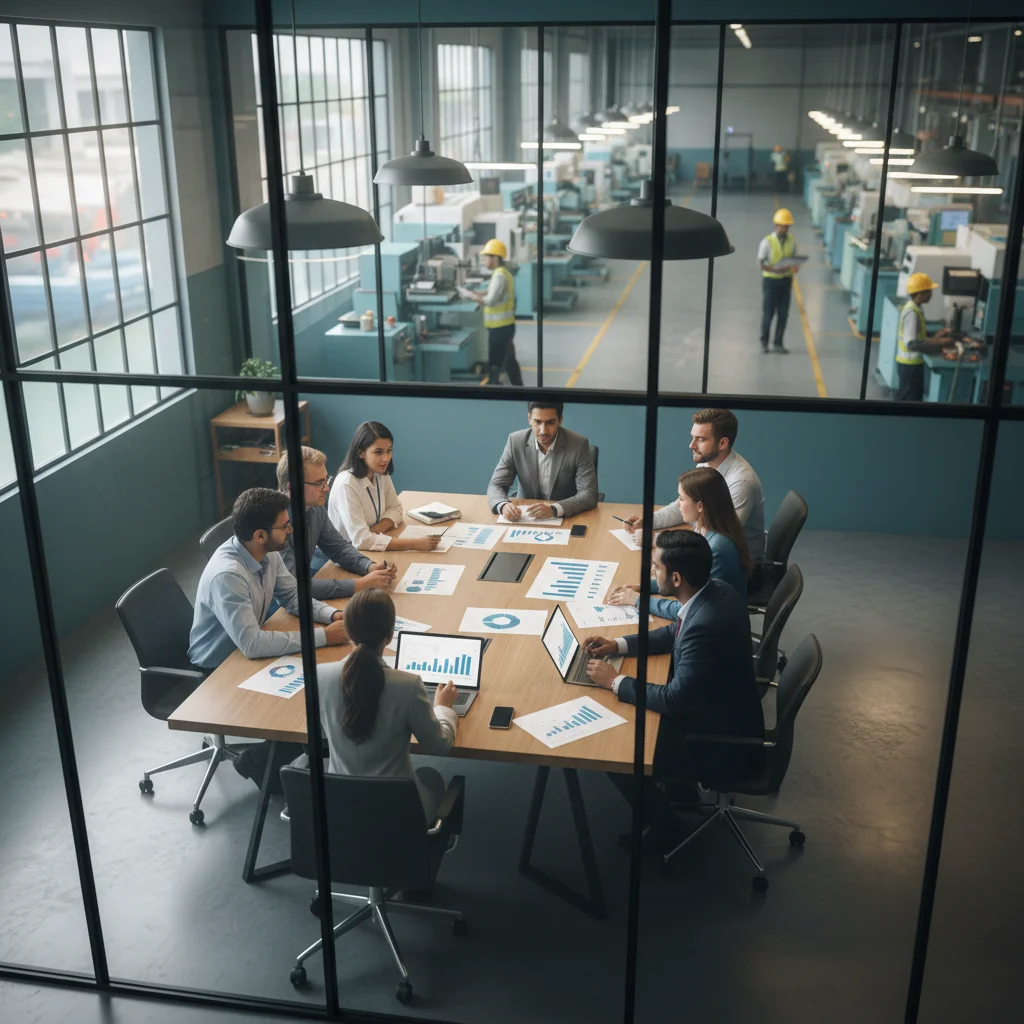
A defining characteristic of Return to Office Trends 2026 is the deliberate move away from the chaotic, ad-hoc remote arrangements of previous years. Executives and employees alike have realized that while full remote work can lead to isolation, mandatory full-time office attendance often results in burnout and high turnover. The compromise is a structured hybrid approach—often taking the form of specific “anchor days” where entire teams come into the physical workspace for brainstorming, strategic planning, and team building, leaving the rest of the week for deep, uninterrupted remote work.
Moving Beyond “One-Size-Fits-All” Policies
When interpreting Return to Office Trends 2026, it becomes clear that blanket policies are no longer effective. Instead, successful organizations are adopting role-specific hybrid models. A software engineer requiring prolonged periods of deep concentration might be required in the office only once a week, whereas a sales team or creative department might have three designated in-office days. This level of customization ensures that the physical office is utilized for its highest and best purpose: human connection and strategic alignment.
In fact, recent insights into workplace flexibility research from SurveyMonkey highlight that structured hybrid arrangements significantly boost employee satisfaction while maintaining high productivity levels. Employees are far more willing to commute when they know their presence will result in meaningful interactions rather than simply sitting at a desk doing solitary work that could easily have been done from their home offices.
The Role of HR in Standardizing Flexibility
Implementing these nuanced models places a heavy burden on human resources departments. The dominant narrative surrounding Return to Office Trends 2026 underscores that HR teams must act as the vital architects of this new workplace reality. They are responsible for updating employment contracts, redefining performance metrics to focus on output rather than hours spent at a desk, and ensuring equitable treatment between remote-heavy and office-heavy employees so that no single group feels marginalized.
It is also fascinating to observe how different business sizes handle these transitions. For instance, evaluating the HR structure differences between small-to-medium enterprises and large corporations reveals varying degrees of agility. Smaller enterprises often pivot to structured hybrid models more fluidly, while large corporate entities require staggered rollouts and extensive compliance reviews. Regardless of organization size, the clear communication of these flexible policies is non-negotiable for maintaining employee trust and long-term operational efficiency.
Technology as the Backbone of Hybrid Architecture
Finally, the predictable patterns highlighted in Return to Office Trends 2026 show that structured hybrid models simply cannot exist without robust technological infrastructure. To prevent proximity bias and ensure operations run smoothly, companies are investing heavily in specific solutions to support this transition:
- Resource Management Software: Allowing employees to easily reserve workspaces or collaborative zones in advance to optimize corporate real estate.
- Equitable Meeting Technologies: Utilizing smart cameras and AI-enhanced audio to ensure seamless collaboration that equalizes the presence of in-room and remote participants.
- Asynchronous Communication Platforms: Minimizing the strict need for real-time responses, thereby reducing meeting fatigue and enabling deeper focus.
By establishing clear expectations and backing them up with the right technological tools, businesses are creating environments where employees can thrive both personally and professionally. As we continue to navigate the broader landscape of Return to Office Trends 2026, it is evident that these structured hybrid frameworks are laying the essential groundwork for the future of work. With the physical workspace now completely redefined, let’s explore how the design and purpose of corporate real estate are dynamically transforming to meet these new demands.
2. The Impact of RTO Mandates on Retention
As organizations finalize their workplace strategies, one of the most prominent aspects of Return to Office Trends 2026 is the profound effect these policies have on employee retention. Over the past few years, employees grew accustomed to the flexibility of remote and hybrid work. Now, as stricter Return to Office Trends 2026 emerge with companies mandating physical attendance, many HR leaders are facing unprecedented pushback. The modern workforce is highly protective of its work-life balance, meaning that heavy-handed mandates often trigger an immediate flight risk among top talent.
It is critical to analyze how these mandates alter the traditional employer-employee dynamic. According to a recent Forbes analysis on corporate workplace strategies, rigid return-to-office requirements are sometimes even used as a silent headcount reduction tactic. However, when examining Return to Office Trends 2026, companies that inadvertently lose their most skilled professionals—rather than just disengaged workers—suffer a severe blow to innovation and long-term stability. The conversation has shifted from where we work to why we work there, and organizations failing to justify their physical presence requirements are watching their turnover rates skyrocket.
The Flight Risk of Top Performers
When strict policies are implemented without employee consultation, high performers are generally the first to leave. Because highly skilled workers remain in great demand, they hold the leverage to reject non-flexible environments. A central theme within Return to Office Trends 2026 is that top-tier talent will gladly accept slightly lower compensation if it means retaining their autonomy. We see a direct correlation between rigid mandates and the rapid loss of institutional knowledge. To mitigate this risk, companies are beginning to realize that workplace flexibility isn’t merely a perk; it is a foundational retention tool that must be protected.
Utilizing Technology to Monitor and Boost Engagement
As employee flight risks increase, HR departments must proactively monitor workforce sentiment. This is where advanced analytics and software play a crucial role. For example, exploring HR tools: Top applications for Vietnam tech in 2026? can provide leadership with the real-time data needed to understand how mandates affect morale. By leveraging mood tracking, pulse surveys, and performance metrics, organizations can adjust their strategies before mass resignations occur. Another fascinating facet of Return to Office Trends 2026 is the reliance on predictive attrition models, which allow HR to identify and intervene when an employee shows signs of burnout or dissatisfaction tied directly to commuting and office requirements.
Rebuilding Trust Through Flexible Compromises
Ultimately, the most successful companies are those adopting a magnet, not mandate philosophy. Instead of forcing employees back, they are redesigning the office to be a hub of genuine collaboration that employees actively want to visit. The prevailing consensus across Return to Office Trends 2026 indicates that hybrid models—where teams decide their in-office days collaboratively—yield the highest retention rates. Trust is the ultimate currency in today’s talent market. When leaders communicate transparently about the purpose of in-person days, they dismantle the friction that usually accompanies top-down directives.
If there is one definitive takeaway regarding Return to Office Trends 2026, it is that employee retention relies heavily on empathy and adaptability. Mandates that ignore the human element will inevitably lead to costly hiring cycles and damaged employer brands. Navigating this delicate balance is critical for any forward-thinking leadership team. Now that we understand how these attendance policies influence workforce loyalty and turnover, we must examine how they tie into broader workplace transformations. Let’s move forward to see how these shifting dynamics directly influence the compensation and benefits packages organizations must offer to stay competitive in the future.
3. Integrating Smart Office Technology for Collaboration
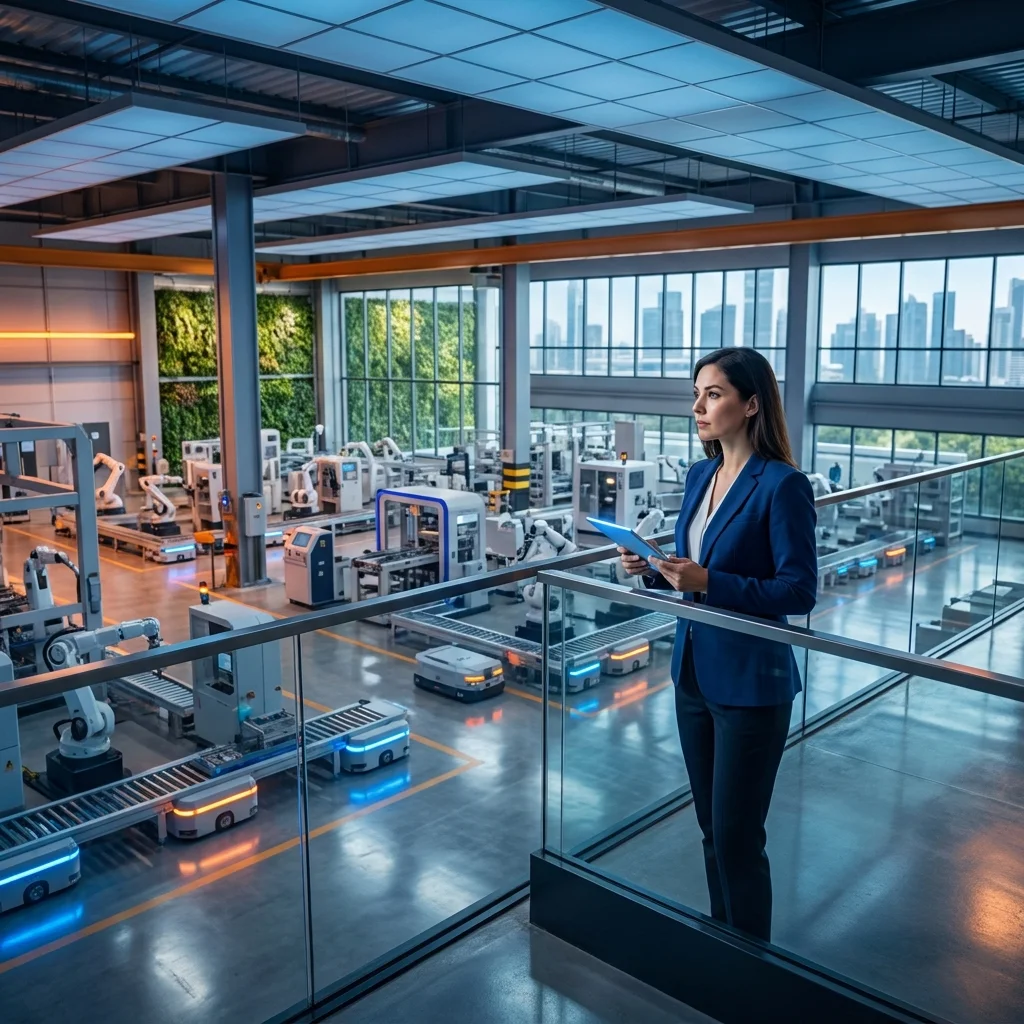
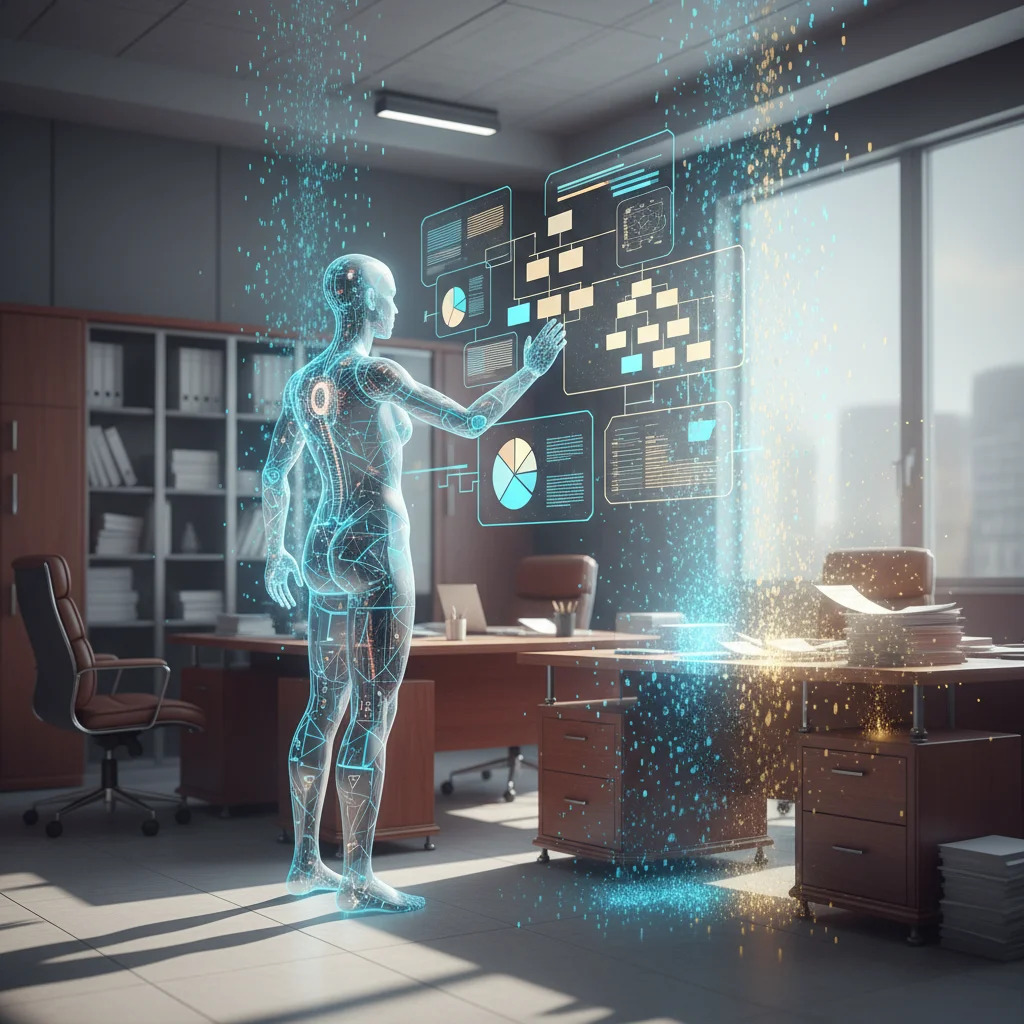
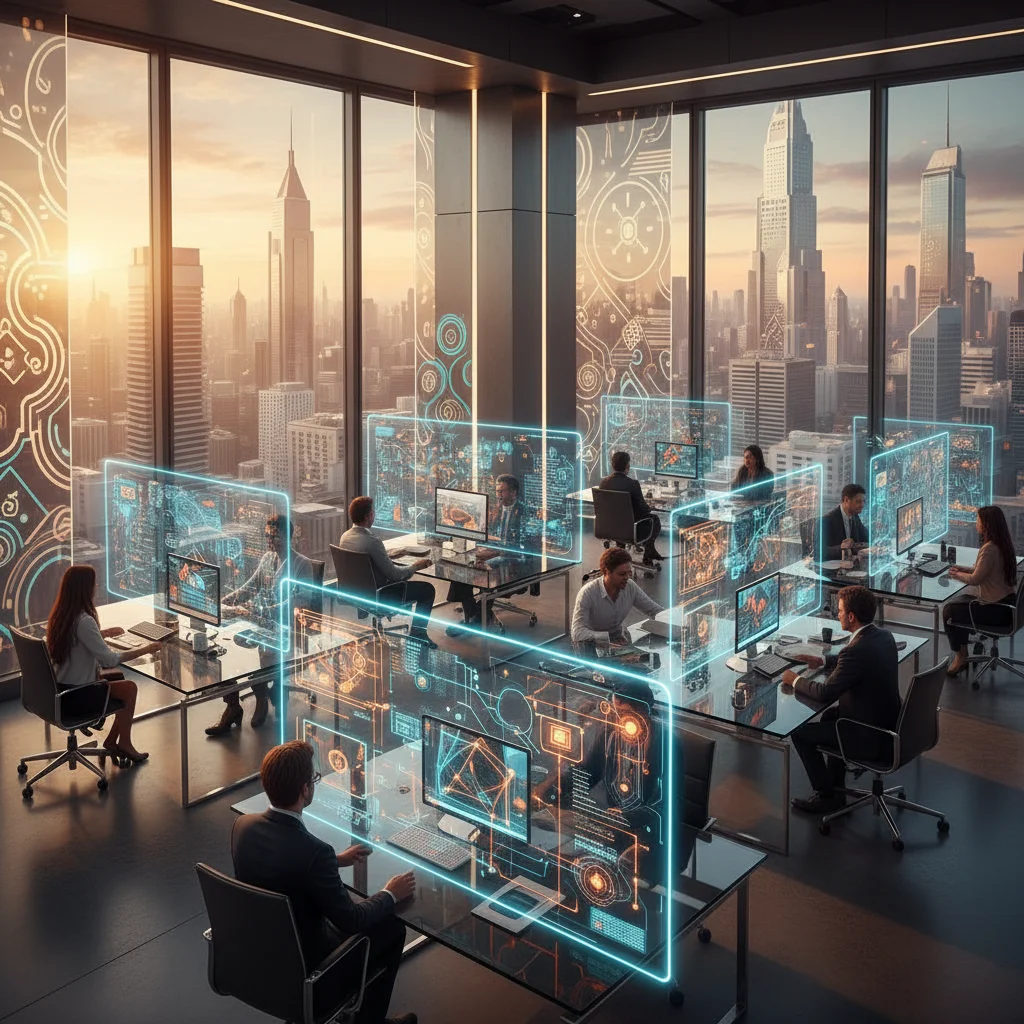
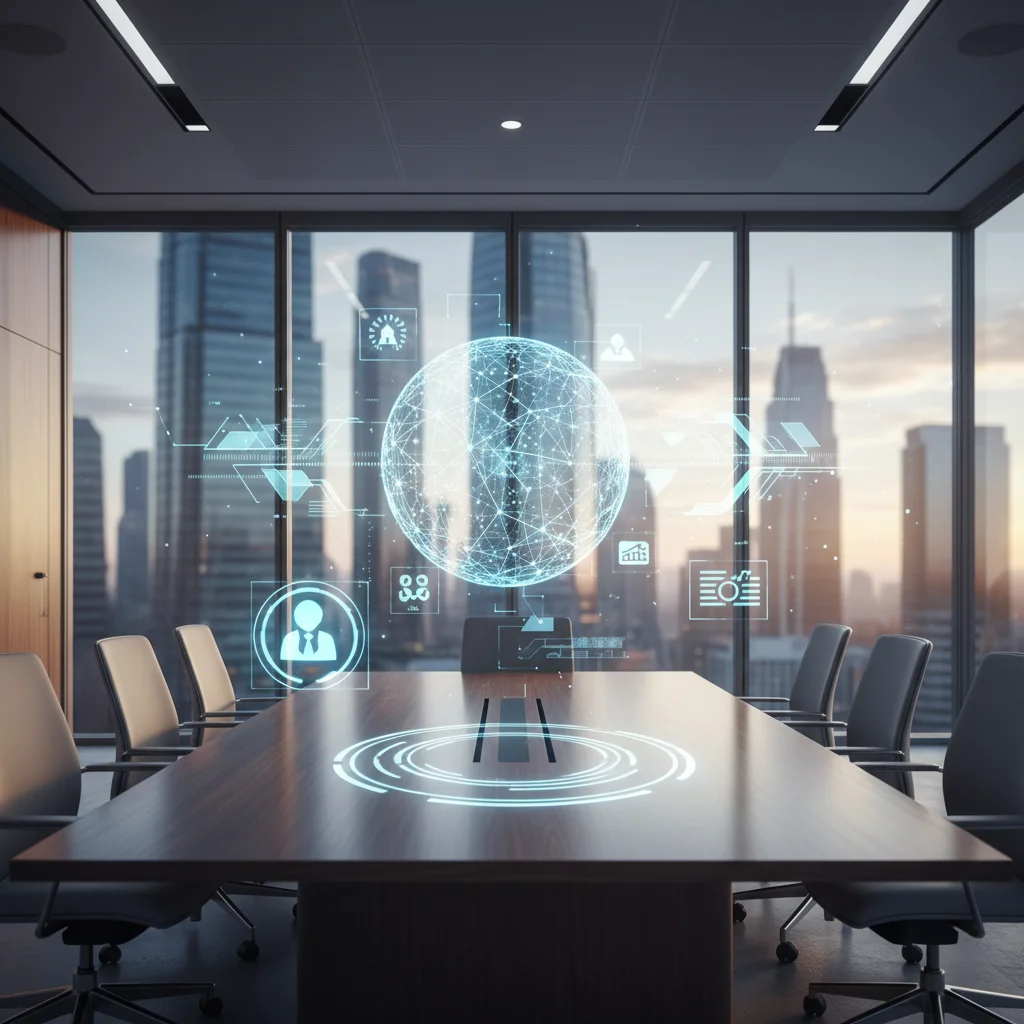
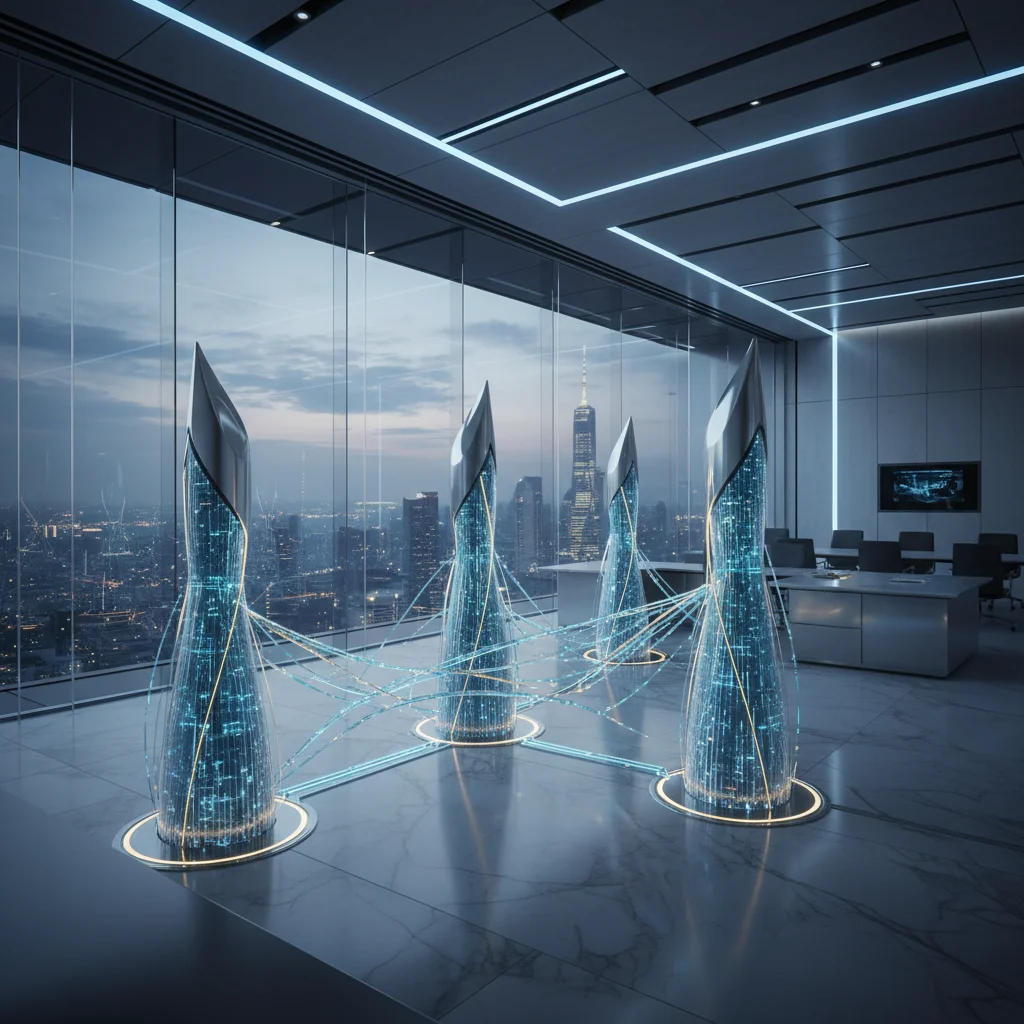
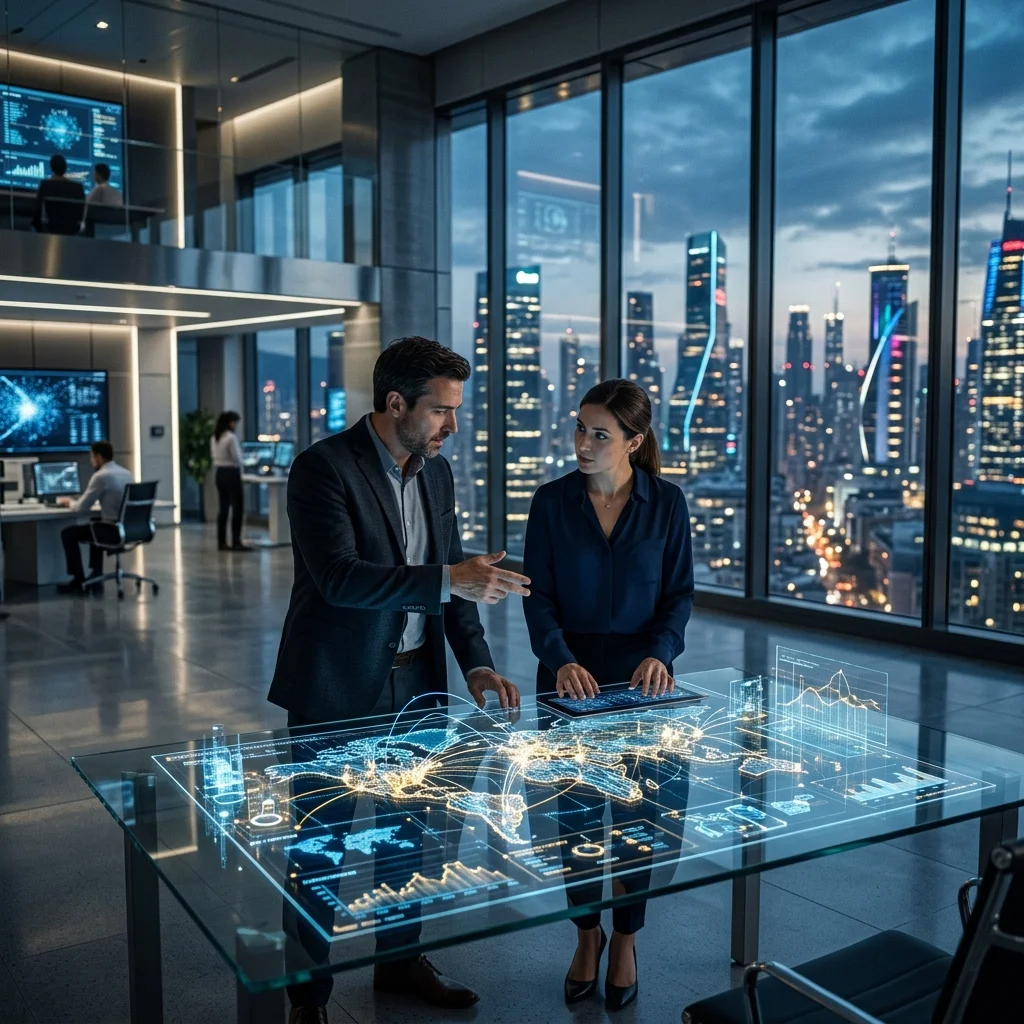
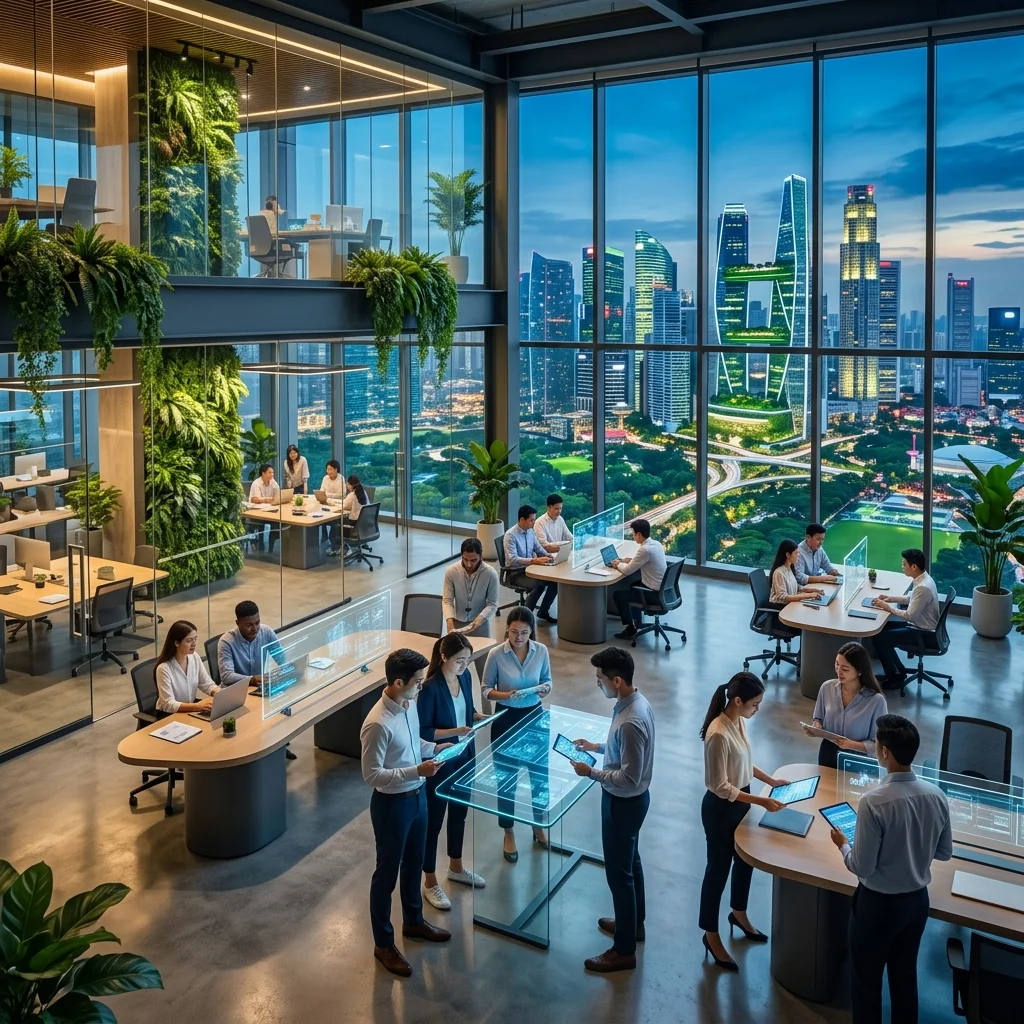
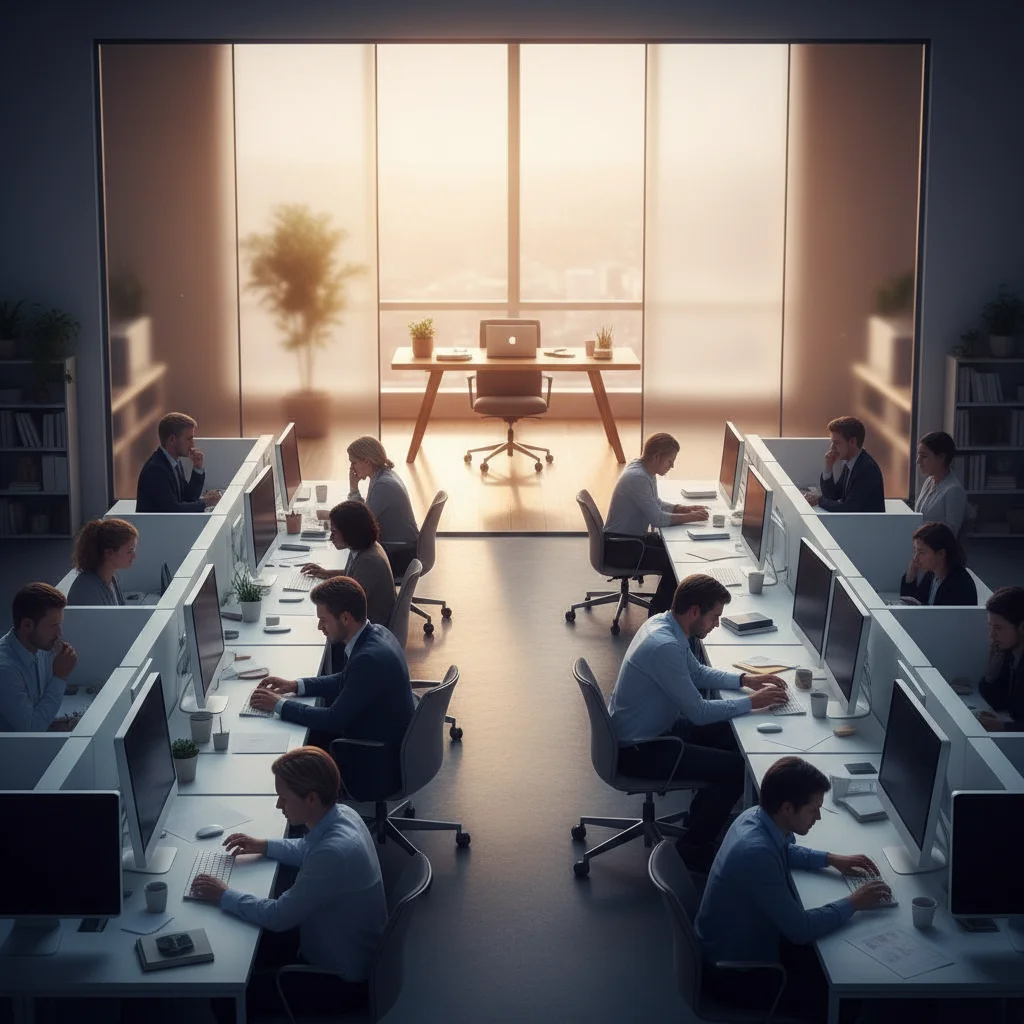
While flexible compensation and agile benefits packages are critical to keeping organizations competitive in the future, the physical workspace must also evolve to justify the daily commute. One of the most prominent Return to Office Trends 2026 is the deliberate and strategic integration of smart office technology. The modern office is no longer merely a stationary location filled with isolated rows of desks; rather, it has evolved into a connected, intelligent environment engineered to support how people think, focus, and interact. To make the daily commute truly worthwhile, global organizations are rapidly abandoning outdated cubicles in favor of fully integrated digital ecosystems that prioritize human productivity and frictionless collaboration.
The Shift Toward Connected Ecosystems and IoT Integration
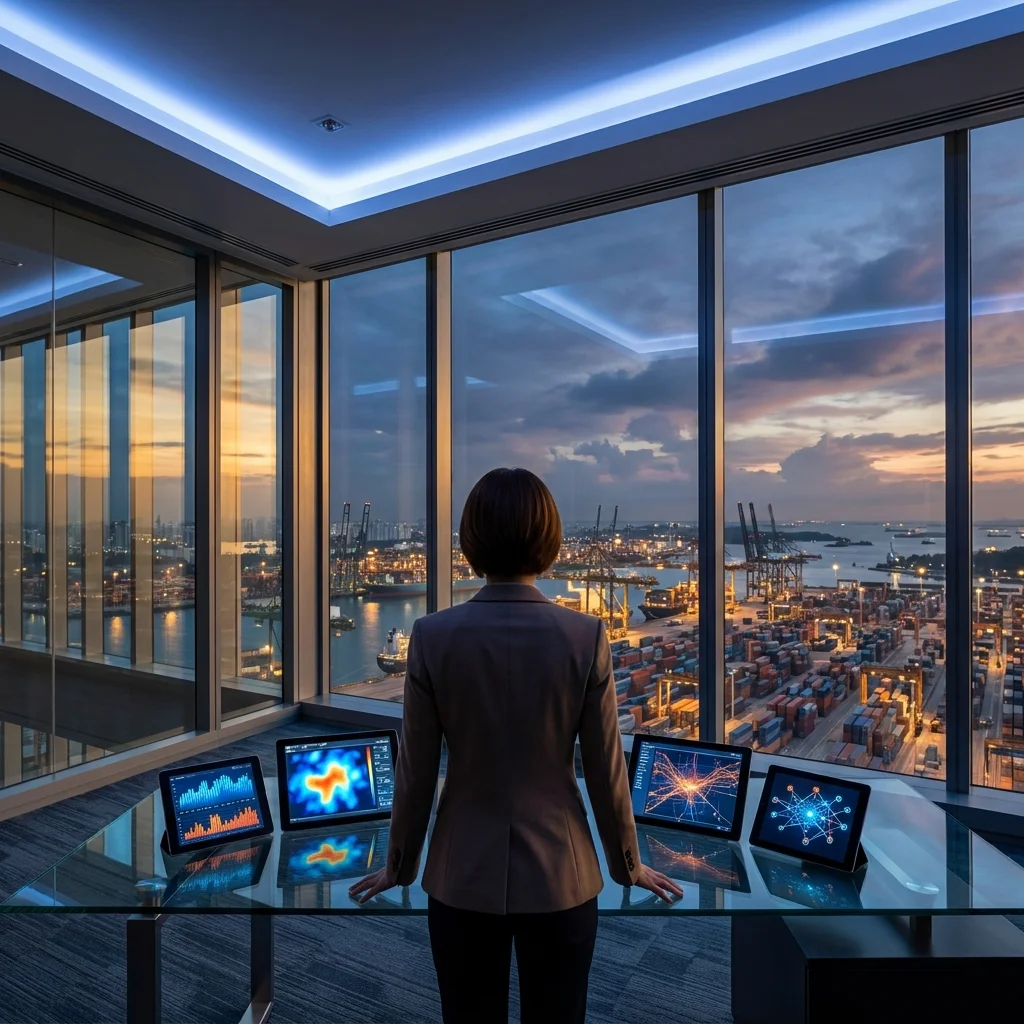
As corporate leaders closely monitor Return to Office Trends 2026, many are realizing that a fragmented technological approach no longer suffices for today’s hybrid teams. Instead, smart offices are transforming into cohesive, connected ecosystems driven heavily by the Internet of Things (IoT). These advanced IoT devices provide real-time visibility into workspace usage and employee behaviors. Through a network of smart sensors, environmental systems—such as intelligent lighting, automated climate control, and digital room-booking displays—can seamlessly adapt to human presence and daily occupancy levels. This friction-free environment not only significantly reduces wasted energy but also ensures that the physical space responds intelligently to the constant ebb and flow of a dynamic workforce.
When analyzing Return to Office Trends 2026, it is vital to note that operational efficiency extends far beyond the physical layout of the building. It also deeply involves the backend software platforms that manage daily employee interactions and workflows. For instance, exploring What HR Tools Are Best for FMCG Companies in Vietnam 2026? provides excellent insights into how advanced HR platforms can directly integrate with smart office scheduling applications. By connecting agile desk-booking systems, automated visitor management software, and unified human resources platforms, businesses can effectively create a streamlined, welcoming journey for every professional stepping into the corporate building.
AI-Native Workflows and Enhanced Hybrid Collaboration
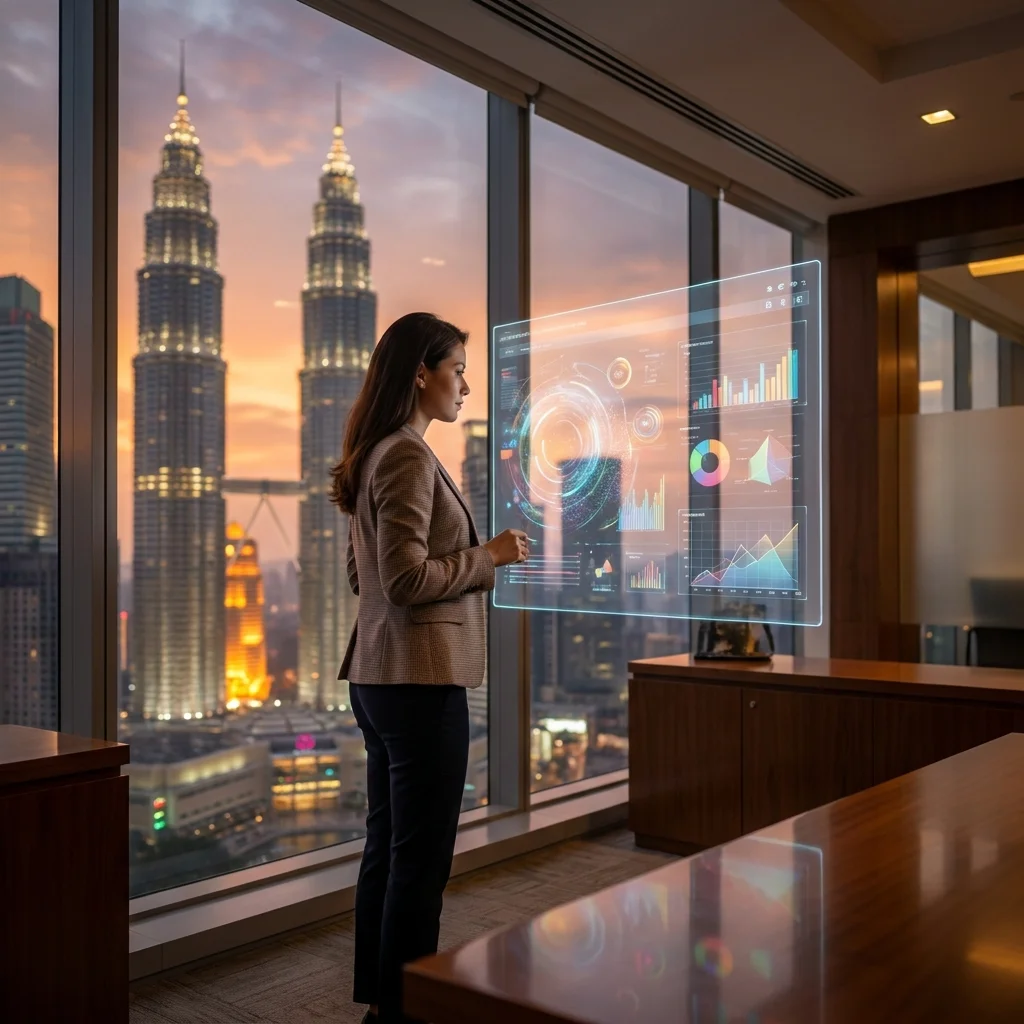
Another crucial aspect heavily shaping Return to Office Trends 2026 is the rapid evolution of Artificial Intelligence from a novelty add-on into an everyday collaborative teammate. In the upcoming year, we will witness AI-native workflows forming the very foundation of smart office operations. From intelligent digital whiteboards that instantly save, summarize, and distribute meeting notes to AI-driven conferencing cameras that automatically frame active speakers in the room, these sophisticated technologies actively bridge the communication gap between in-house staff and their remote counterparts. Consequently, business collaboration becomes continuous, seamless, and entirely equitable, regardless of an employee’s physical geography.
According to recent industry research exploring five corporate real estate strategies redefining the workplace in 2026 by JLL, highly efficient, tech-enhanced workplaces are increasingly necessary to support dynamic hybrid collaboration. Forward-thinking companies are now using high-quality data to integrate people, sustainability, and technology, turning their physical footprints into massive drivers of competitive advantage. Rather than forcing employees to return strictly for mundane, solitary tasks, advanced smart office technology actively curates an experience-centric environment designed specifically for high-value interactions and innovative brainstorming sessions.
By heavily investing in unified communication platforms, sophisticated acoustic solutions, and immersive collaboration zones, employers successfully address core elements of Return to Office Trends 2026. Transforming the workspace into a highly strategic asset yields several operational advantages:
- Enhanced Connectivity: Seamlessly bridges the collaboration gap between remote and in-office staff, ensuring no team member is left behind.
- Data-Driven Operations: Utilizes continuous occupancy metrics for better space utilization and reduced overhead costs.
- Optimized Human Productivity: Removes daily technological friction so teams can immediately focus on high-value interactions rather than troubleshooting equipment.
Understanding Return to Office Trends 2026 reveals that an office leveraging real-time data analytics, artificial intelligence, and smart hardware empowers teams to connect deeply and perform efficiently. These technology-infused work environments naturally pave the way for broader operational shifts, smoothly leading us into discussions on how sustainable and health-conscious office designs can further elevate the holistic employee experience.
4. Redesigning Workspaces for Flexible Employee Needs
As organizations move past temporary hybrid work setups, physical environments are undergoing a dramatic transformation to meet new expectations. Exploring the Return to Office Trends 2026 reveals that the workplace is no longer just a location for employees to complete their tasks; it is a dynamic destination designed to foster collaboration, connection, and well-being. Because modern professionals have grown accustomed to the autonomy of remote work, forcing them back into rigid, uninspiring cubicles is a guaranteed recipe for disengagement. Instead, forward-thinking business leaders are actively redesigning workspaces to cater to highly flexible employee needs, ensuring that the office provides unique value that cannot be replicated at home.
Transitioning from Static Desks to Dynamic Zones
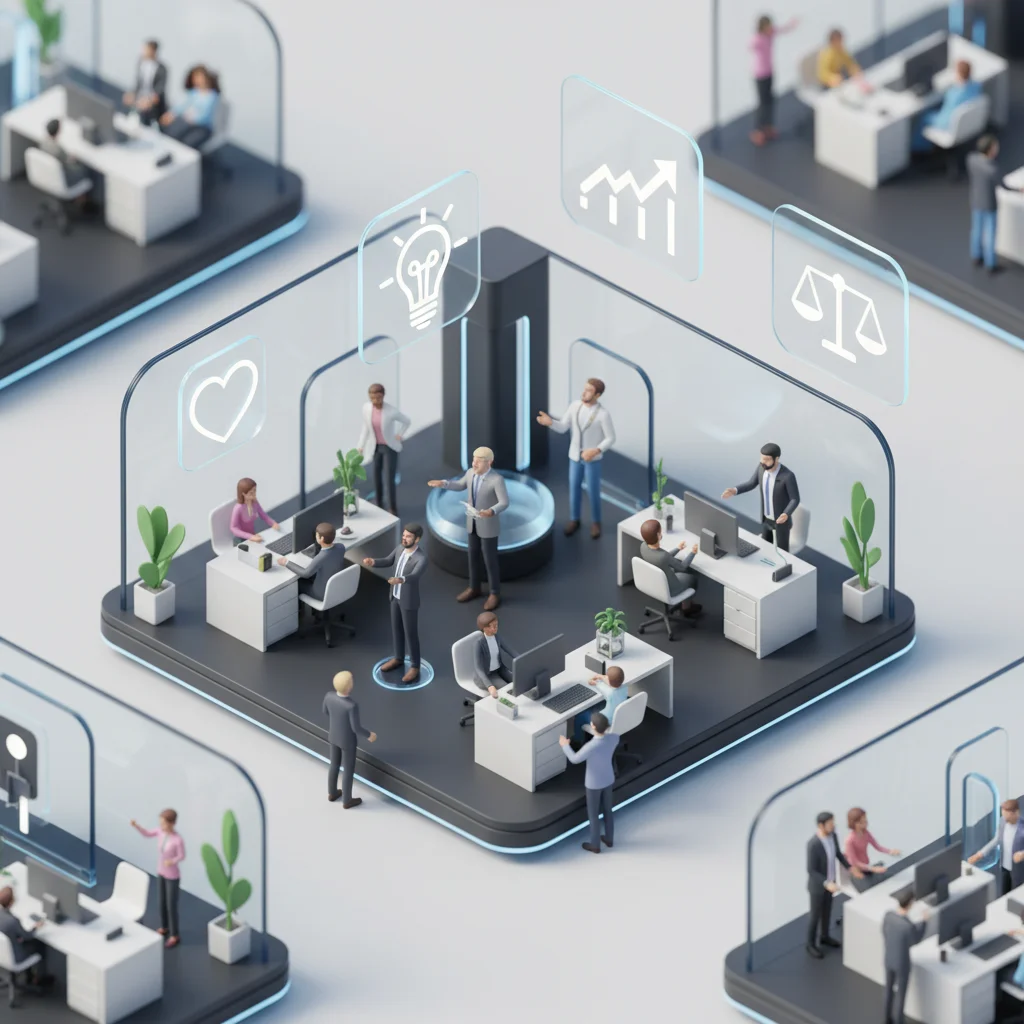
One of the most noticeable shifts in the Return to Office Trends 2026 is the abandonment of the traditional one-to-one desk ratio. In its place, companies are introducing Activity-Based Flexible Offices (AFO) that prioritize diverse workflows. Depending on the tasks at hand, employees require different environments throughout the day. Modern layouts now feature a blend of soundproof pods for deep, focused work, open-plan collaborative hubs for brainstorming, and casual lounge areas for informal networking.
Industry experts emphasize that future-proofing the workplace requires agility. For example, comprehensive insights on 2026 office building space planning highlight the necessity of movable partitions, multi-use furniture, and easily reconfigurable zones. This physical adaptability aligns seamlessly with the overarching Return to Office Trends 2026, allowing companies to scale their spaces up or down based on fluctuating daily occupancy rates without undertaking massive, costly renovations.
Aligning Physical Redesign with Organizational Structure
A successful workspace redesign does not happen in a vacuum; it must be mirrored by corresponding updates to internal human resources frameworks and operational hierarchies. The physical environment often serves as a reflection of the company’s internal structure. If an organization shifts toward a highly collaborative, hot-desking physical layout, the management style and HR policies must simultaneously pivot to support that autonomy and agility. For executives navigating these interconnected shifts, questions often arise regarding best practices in leadership frameworks. If you are exploring how specific industries are adapting structurally, you might consider What HR Structures Should Finance CEOs Adopt in Singapore SMEs 2026? By aligning organizational structures with physical office updates, companies can fully capitalize on the Return to Office Trends 2026.
Fostering Community While Maintaining Autonomy
Another major theme within the Return to Office Trends 2026 is the urgent need to rebuild workplace culture and combat the isolation often associated with remote work. While employees cherish the flexibility of logging in from anywhere, they also crave the spontaneous interactions and mentorship opportunities that naturally occur in a shared physical space. To address this, modern redesigns are heavily prioritizing community-centric spaces.
- Social Hubs: Expansive, café-style kitchens and relaxed seating areas encourage cross-departmental mingling and informal conversations.
- Sensory Wellness Rooms: Dedicated restorative zones with adjustable lighting and acoustic treatments provide employees with a space to decompress and manage cognitive strain during high-stress periods.
- Tech-Enabled Collaboration Rooms: Meeting rooms fully equipped with equitable digital tools ensure that both in-person and remote participants can collaborate seamlessly without feeling disconnected.
When analyzing the trajectory of the Return to Office Trends 2026, it becomes clear that giving employees the power to choose how and where they work within the office is essential for morale and productivity. As these adaptable and community-focused physical spaces take shape, they lay the groundwork for further operational advancements. Designing an intuitive, flexible workspace naturally leads us into examining how advanced digital ecosystems and artificial intelligence tools are being integrated to bridge the gap between physical layouts and virtual connectivity.
5. Prioritizing Well-being in New Workplace Strategies
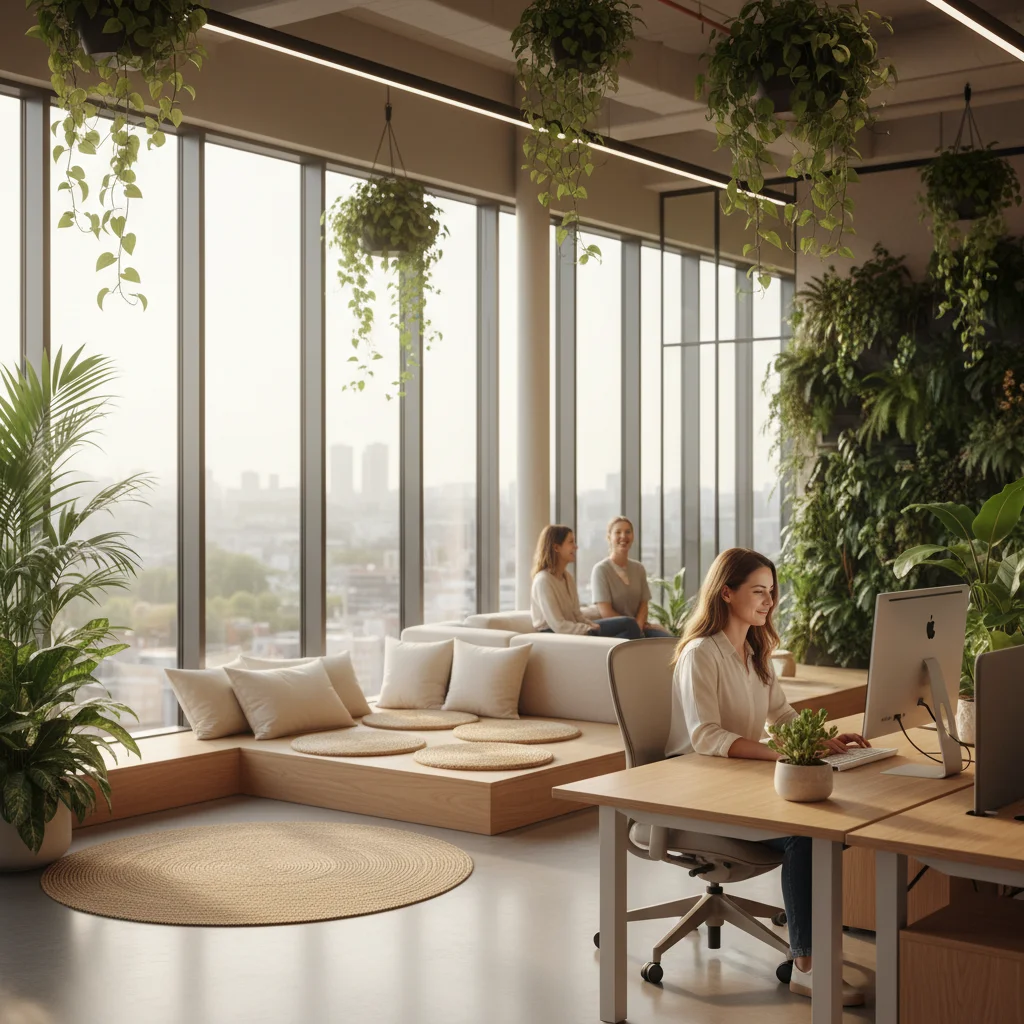
As the conversation about the modern workspace naturally leads us into examining how advanced digital ecosystems and artificial intelligence tools bridge the gap between physical layouts and virtual connectivity, we must not overlook the human element. Integrating state-of-the-art technology is only half the equation; the other half relies fundamentally on employee health and psychological safety. Analyzing the Return to Office Trends 2026 shows a massive shift toward treating employee well-being not just as an optional perk, but as a critical business imperative. Companies are increasingly realizing that returning to a physical environment requires a compassionate and structured approach to combat burnout, ease commute-related stress, and maintain high engagement levels.
A prominent facet of the Return to Office Trends 2026 involves mitigating the friction associated with rigid schedules. While some business objectives benefit from in-person collaboration, the transition often poses significant challenges to work-life boundaries. Thus, organizations are proactively investing in comprehensive wellness programs, ergonomic office redesigns, and mental health resources to support their teams during these transitions.
Fostering Mental Health and Psychological Safety
One of the most pressing concerns highlighted within the Return to Office Trends 2026 is the potential for increased anxiety among employees adjusting to in-person mandates. Mental health initiatives are now taking center stage. Progressive organizations are offering expanded Employee Assistance Programs (EAPs), on-site counseling, and designated ‘quiet zones’ for neurodivergent individuals or anyone needing a reprieve from a bustling office environment. The goal is to build an inclusive atmosphere where staff feel genuinely supported rather than micromanaged.
Moreover, building psychological safety is essential for team dynamics. As noted in recent academic insights on the 5-day office mandate and its impact on well-being, finding a balance between organizational goals and employee autonomy is crucial to avoiding morale depletion. Leaders must create spaces where employees can seamlessly enter a state of ‘flow’ and express ideas without fear of judgment. When mapping out Return to Office Trends 2026, forward-thinking HR departments prioritize this psychological security to ensure that in-office days are truly productive and collaborative, rather than mere compliance.
Revamping Benefits and Work-Life Harmony
Beyond mental health, the physical and financial facets of well-being are undergoing a major overhaul. According to the latest Return to Office Trends 2026, modern benefits packages are being tailored to alleviate the specific pain points of commuting and office attendance. We are seeing a surge in support systems, including:
- Stipends for transit and parking to offset the rising costs of commuting.
- Childcare assistance and on-site daycare facilities to support working parents.
- Flexible arrival and departure times that help workers avoid stressful rush-hour traffic.
These adjustments serve to recreate the work-life harmony that many became accustomed to during fully remote periods.
For organizations navigating this complex landscape, strategic guidance is vital. If you are examining how to effectively implement these structural changes, you might wonder, Who Needs HR Consultancy Services Malaysia 2026? Engaging with specialized HR consultants can provide the localized insights necessary to craft competitive and compassionate benefits packages. The core of Return to Office Trends 2026 requires recognizing that employee satisfaction directly correlates with retention and overall company performance.
Embracing these Return to Office Trends 2026 ensures that businesses do not just mandate attendance, but actively cultivate an environment where talent wants to be. By embedding wellness into the very fabric of their operational strategies, companies set the stage for sustained growth and a resilient workforce. This emphasis on holistic care and tailored employee support naturally guides us toward understanding how to measure the long-term success of these initiatives and what the future holds for talent retention.
Conclusion
As we navigate the evolving landscape of the modern workplace, a definitive shift is underway in how organizations and employees view the purpose of a physical workspace. Analyzing the Return to Office Trends 2026 reveals a complex but highly rewarding transition. Gone are the days when mere attendance equated to productivity. Instead, the focus has entirely pivoted toward intentionality, structured flexibility, and holistic employee well-being. The Return to Office Trends 2026 underline that the workplace is no longer simply a venue for clocking in hours; it has transformed into a strategic hub for collaboration, culture building, and complex problem-solving. This shift requires leaders to rethink traditional management styles and embrace policies that cater to both organizational goals and human needs.
Balancing Business Goals and Employee Needs
The success of any corporate mandate in the coming years relies heavily on striking the right balance between operational efficiency and employee satisfaction. Recent reports, such as the PRSA insights on workplace trends shaping 2026, emphasize that personalization over blanket mandates is becoming the new standard. This aligns perfectly with the overarching Return to Office Trends 2026, which show that top-performing companies are abandoning rigid, five-day in-office rules. Instead, they are implementing “anchor days” and team-specific schedules that maximize the value of face-to-face interactions while preserving the deep-focus time that remote work provides.
Moreover, business leaders must acknowledge that the definition of a supportive work environment has expanded. As managers navigate the Return to Office Trends 2026, they are quickly realizing that investing in commuter subsidies, on-site childcare, and wellness programs is no longer optional but essential for talent retention. When employees feel that their personal lives and boundaries are respected, their engagement and loyalty naturally increase. This delicate equilibrium is the cornerstone of sustainable productivity in the modern era.
Measuring Long-Term Success
Implementing new work models is only the first step; measuring their long-term viability is where true leadership shines. To gauge the effectiveness of your workplace strategies, it is crucial to move beyond basic attendance metrics. The most successful organizations adapting to the Return to Office Trends 2026 are tracking outcome-based performance, employee turnover rates, and overall workforce sentiment. Are your teams hitting their project milestones? Is the quality of collaborative work improving? These are the questions that define success in a hybrid environment.
Furthermore, evaluating financial allocations plays a significant role in sustaining these initiatives. Companies must ensure that their compensation packages and office budgets remain competitive and aligned with new working realities. For instance, if you are looking at regional adaptations, understanding How to Optimize Salary Budget Structures for Vietnam Tech SMEs 2026? can provide vital insights into restructuring funds. By reallocating budget from unused office real estate into localized employee benefits or updated collaboration technology, businesses can directly support the behaviors and outcomes they wish to see.
Looking Ahead: The Future Workplace
As we look to the future, it is evident that the conversation around where we work will continue to mature. The Return to Office Trends 2026 indicate a permanent departure from the one-size-fits-all approach of the past. Companies that stubbornly cling to outdated models of presenteeism risk alienating their most talented professionals, while those that embrace structured flexibility will find themselves with a highly motivated, resilient workforce. The ability to adapt to these changes is what will separate industry leaders from those left behind in the talent wars.
Ultimately, a deep understanding of the Return to Office Trends 2026 empowers organizations to build resilient cultures that thrive regardless of physical location. By prioritizing trust, investing in the right technologies, and treating the office as a tool rather than an obligation, employers can create an environment where people actually want to gather. In embracing the Return to Office Trends 2026, you are not just managing a post-pandemic workforce; you are architecting a dynamic, future-proof organization prepared for whatever the next decade may bring.