
Introduction
As we navigate the transformative landscape of 2026, India stands at a critical juncture regarding its economic trajectory and social inclusivity. The conversation surrounding women labor participation and DEI policies India 2026 has moved beyond mere corporate rhetoric, evolving into a fundamental business and national imperative. While historical data often painted a limited picture of women’s contributions—frequently confined to informal or household roles—recent statistics from the Periodic Labour Force Survey indicate a promising shift, with female labor force participation reaching approximately 40% in 2025. However, translating these participation numbers into meaningful, high-value career progression remains a challenge that requires robust institutional and organizational frameworks.
The Evolving Landscape of Gender Inclusion
The current state of women labor participation and DEI policies India 2026 is defined by a tension between rapid policy-led formalization and persistent structural barriers. With the implementation of the Four Labour Codes in late 2025, India has established a new, consolidated legal foundation aimed at ensuring equal pay, social security for gig workers, and improved workplace protections. Yet, as organizations strive to align with these mandates, the effectiveness of women labor participation and DEI policies India 2026 is often tested by deep-rooted cultural norms and the so-called ‘motherhood penalty’ that continues to impact mid-career retention. For a deeper look at how organizational structures differ between smaller enterprises and large corporations when implementing such policies, refer to this guide on the differences between SMEs’ HR & Corporates’ HR in VN E-commerce 2026.
Bridging the Gap: From Policy to Practice
To truly harness the potential of human capital, it is insufficient to simply adopt generic diversity initiatives. The success of women labor participation and DEI policies India 2026 depends on integrating safety frameworks—such as the PoSH Act—with proactive leadership development and flexible work arrangements. As highlighted in recent analysis by the World Economic Forum’s Global Gender Gap Report, India must address the underrepresentation of women in leadership roles to unlock sustainable economic growth. Employers are now realizing that women labor participation and DEI policies India 2026 are not just compliance requirements but strategic tools to drive innovation and financial performance. Moving forward, we must examine how these evolving strategies are being operationalized across diverse sectors, ensuring that the progress seen in recent labor surveys translates into long-term career success for women across the country.
1. Current State of Women Labor Participation in India
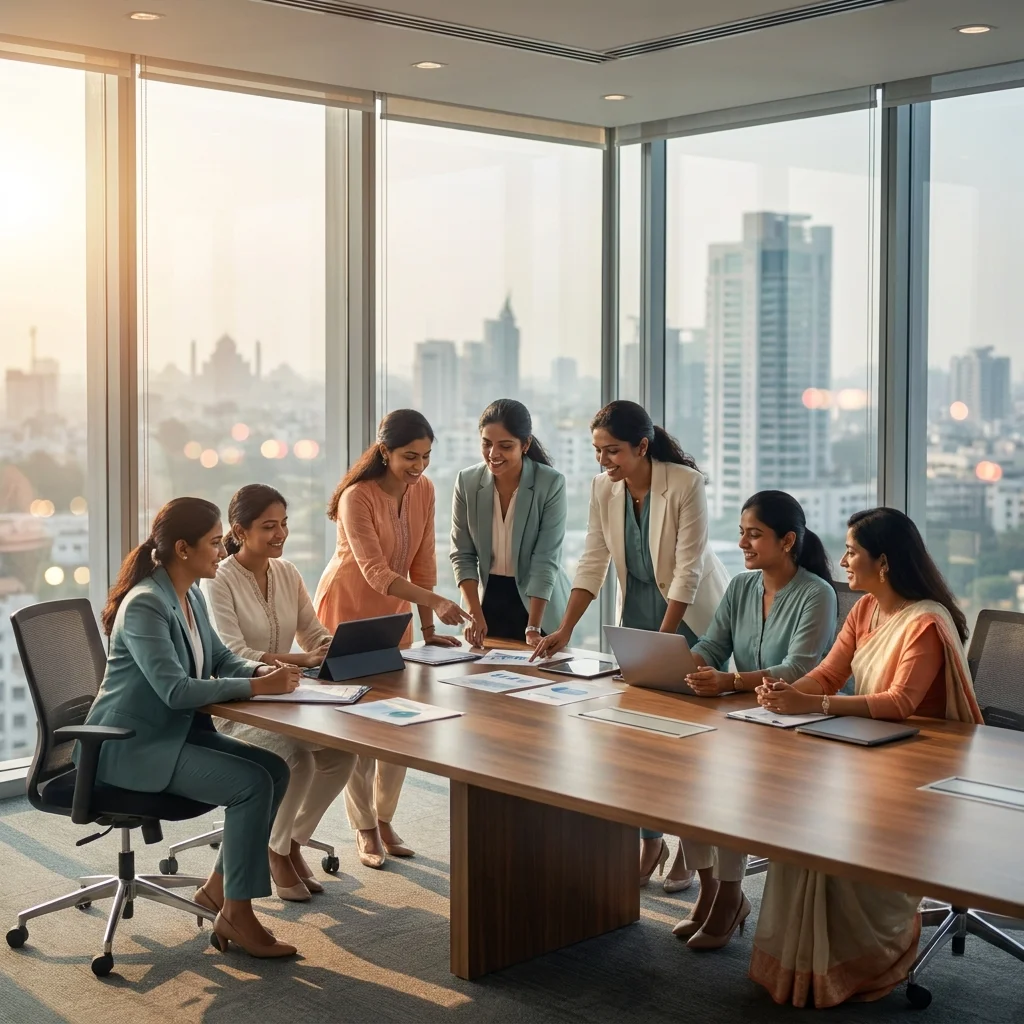
As we navigate the economic landscape of 2026, the discussion surrounding women labor participation and DEI policies India 2026 has transitioned from a peripheral HR concern to a central pillar of national development. Recent data from the Periodic Labour Force Survey (PLFS) underscores a positive, albeit complex, shift in the workforce. Statistics from mid-2026 indicate that female labor force participation rates are experiencing a steady, incremental rise, moving away from historical stagnation. This transformation is not merely statistical; it reflects deeper structural changes as more women transition into formal and semi-formal employment sectors, fueled by digital inclusion, entrepreneurship, and shifting social norms.
Despite this upward trajectory, maintaining consistent growth in women labor participation and DEI policies India 2026 requires addressing persistent barriers. For instance, the uneven distribution of unpaid domestic labor continues to disproportionately impact women’s career continuity. As highlighted by the World Economic Forum’s Global Gender Gap Report, closing these opportunity gaps is essential for sustainable economic output. Organizations are now recognizing that women labor participation and DEI policies India 2026 are not just altruistic goals but are critical drivers of profitability, innovation, and long-term organizational resilience.
The Evolving Landscape of Female Employment
The 2026 fiscal year has seen a renewed focus on integrating women into the formal economy. Government initiatives, such as the expansion of self-help group networks and support for women-led micro-enterprises, have acted as catalysts. However, within the corporate sector, the focus on women labor participation and DEI policies India 2026 has sharpened, with firms increasingly investing in flexible work arrangements, childcare support, and targeted mentorship programs to aid career re-entry. These measures are becoming standard benchmarks for companies aiming to attract top-tier talent in a competitive market.
For a deeper understanding of how modern workforce structures are being managed, particularly regarding the differences between organizational tiers, see this analysis of SME HR Manager vs. Corporate HR Director in Singapore Medicine 2026, which offers valuable comparative insights relevant to regional HR management strategies.
Challenges and Strategic Priorities
While the momentum is encouraging, the practical application of women labor participation and DEI policies India 2026 faces hurdles, particularly regarding the quality of employment and the gender pay gap. Many women remain in roles characterized by limited social security or career advancement. To address this, progressive organizations are adopting comprehensive DEI frameworks that go beyond recruitment, focusing instead on equitable promotion pathways and psychological safety.
- Upskilling: Targeted programs are helping women bridge the skills gap in STEM and emerging digital sectors.
- Policy Alignment: There is a stronger push to harmonize organizational culture with the national goal of increasing female workforce participation.
- Measurement: Companies are increasingly using transparent metrics to track the effectiveness of women labor participation and DEI policies India 2026.
As we move forward, the alignment between state-level economic objectives and corporate diversity strategies will determine the pace of progress. By fostering inclusive environments, India can unlock significant economic potential, ensuring that the current rise in participation is both sustained and equitable, setting a firm foundation for the next phase of workplace evolution.
2. The Evolution of DEI Policies in Indian Corporations
In the rapidly transforming landscape of the Indian workplace, the approach toward diversity, equity, and inclusion has shifted from a symbolic, policy-driven aspiration to a foundational business imperative. As we look at the current state of women labor participation and DEI policies India 2026, it is evident that corporations are increasingly recognizing that superficial commitments are no longer sufficient to attract or retain top-tier talent. The historical reliance on tokenistic measures is being replaced by systemic, data-backed strategies that aim to dismantle long-standing barriers to women’s career advancement.
From Compliance to Cultural Integration
The maturation of these policies is largely reflected in how companies handle internal mandates. While early efforts were primarily focused on regulatory compliance—such as those dictated by the POSH Act—modern organizations in 2026 are embedding inclusion into their core business strategy. Improving women labor participation and DEI policies India 2026 requires a move toward holistic support systems, including structured mentorship, transparent promotion pathways, and flexible work arrangements that acknowledge the diverse realities of the Indian workforce. Despite these advancements, challenges remain; a significant portion of the workforce still perceives corporate DEI efforts as performative, necessitating a sharper focus on accountability and measurable, ground-level outcomes. For businesses looking to refine these frameworks, understanding the regional nuances in talent management is vital, as discussed in this guide on preventing talent shortages in 2026.
Bridging the Leadership and Participation Gap
A critical focus area for 2026 is the persistent “broken rung” that prevents women from transitioning into senior leadership roles. While female labor force participation is showing signs of growth, the transition to the C-suite remains slow. To combat this, leading firms are adopting aggressive tracking of women labor participation and DEI policies India 2026 to ensure that representation targets are not just met but nurtured through deliberate leadership development. By integrating these metrics, companies can better identify where attrition occurs and implement interventions that address both professional and personal hurdles, such as work-life balance pressures and caregiving responsibilities.
As organizations continue to navigate this transition, they must balance global DEI best practices with local sociocultural realities—such as the influence of family structures and regional diversity—to ensure that initiatives are genuinely inclusive. Recent research highlights that when women labor participation and DEI policies India 2026 are aligned with the specific needs of the local workforce, companies not only enhance their brand reputation but also experience tangible improvements in innovation and profitability. Organizations that fail to evolve their women labor participation and DEI policies India 2026 risk stagnation, while those that succeed are setting the stage for a more equitable future. This emphasis on structural change, rather than mere policy documentation, will be the defining factor in how successfully India leverages its female talent pool as a primary driver of economic growth in the coming years. With a clearer understanding of how these policies take root, we can now examine the specific obstacles that remain to be addressed in the broader ecosystem.
3. Key Drivers Influencing Female Workforce Trends in 2026
As we navigate the mid-point of the decade, the landscape of employment in India is undergoing a profound transformation. Women labor participation and DEI policies India 2026 have become central pillars in the national economic discourse, reflecting a shift from passive observation to active institutional engagement. While quantitative data shows a steady climb in participation rates, the qualitative drivers behind these trends reveal a more complex story of social, economic, and legislative evolution.
Structural Shifts and Economic Catalysts
The primary driver currently shaping women labor participation and DEI policies India 2026 is the rapid formalization of the labor market. Historically, a significant portion of women’s work remained informal or unpaid, but recent initiatives are pulling these contributions into the formal economy. Government programs, such as the expansion of self-help group networks and skill-development missions, have acted as critical catalysts, enabling women to transition from household-based labor to entrepreneurial roles. For many organizations, as highlighted in this guide on HR structures, adapting to these changing workforce demographics is no longer optional—it is a competitive necessity. Furthermore, the growth of gig and platform-based employment has provided a vital, albeit challenging, entry point for women seeking flexible work that accommodates domestic responsibilities.
The Role of DEI and Corporate Accountability
Parallel to these structural changes, the adoption of internal corporate strategies is redefining workplace culture. A surge in adoption has occurred, with recent reports indicating that nearly 68% of Indian companies now maintain official DEI frameworks, a marked improvement from previous years. When discussing women labor participation and DEI policies India 2026, it is essential to recognize that these frameworks are evolving beyond mere symbolic compliance.
- Legislative Integration: The rigorous application of the POSH Act, combined with broader DEI mandates, is fostering environments where safety and equity are codified into daily operations.
- Flexible Arrangements: Organizations are increasingly recognizing that flexible working hours and robust maternity support are not just perks but fundamental requirements for sustaining high female participation.
- Leadership Pipelines: Companies that prioritize gender-diverse leadership are seeing tangible improvements in financial performance and innovation, creating a snowball effect where inclusion is viewed as a primary business value.
Despite this progress, significant hurdles remain. Research from the Observer Research Foundation underscores that for women labor participation and DEI policies India 2026 to achieve their full potential, the focus must shift from simply increasing numbers to enhancing the quality of employment. Issues such as the gendered burden of unpaid care work, the limited presence of women in STEM roles, and ongoing mobility barriers continue to constrain potential growth. Ultimately, achieving sustainable progress in women labor participation and DEI policies India 2026 requires a harmonized effort between public policy, which provides the safety net, and private sector innovation, which provides the opportunity. By addressing these core drivers, India is not only empowering its female workforce but also unlocking a massive, previously underutilized economic engine that will define the nation’s trajectory for years to come. With these drivers identified, we must now consider how specific organizational barriers continue to impact the day-to-day realities of these professionals.
4. Top 5 Challenges Hindering Women’s Professional Growth
As India navigates its economic expansion, the focus on sustainable development remains tethered to how effectively the nation integrates its female workforce. Despite significant legislative efforts, women labor participation and DEI policies India 2026 continue to face a complex landscape of hurdles. Understanding these obstacles is essential, as the parity gap is not merely a social concern but a critical economic bottleneck. To foster an environment where women can thrive, organizations must address the systemic inefficiencies that stifle talent.
Structural and Institutional Barriers
The first set of challenges is deeply embedded in organizational structures. A primary concern is the “broken rung” phenomenon, where women are stalled at mid-career levels. Research indicates that while entry-level hiring has improved, the pipeline to leadership remains thin. Furthermore, women labor participation and DEI policies India 2026 are frequently undermined by a lack of transparent advancement criteria. Without objective metrics, unconscious bias often dictates promotion cycles, leaving qualified women sidelined. For a deeper dive into organizational HR structures that impact talent management, you can review this guide on SMEs HR Manager vs Corporates HR Director in Sales, SG 2026: Key Differences? to understand how different leadership models influence professional trajectory.
Additionally, the mismatch between policy and practice remains pervasive. While many firms have formal diversity statements, the ground-level implementation is inconsistent. As noted in a recent McKinsey report on the business case for diversity, companies that fail to operationalize these policies miss out on significant performance gains. Organizations must move beyond tokenism, ensuring that women labor participation and DEI policies India 2026 are backed by accountability and measurable business outcomes.
The Double Burden and Socio-Cultural Constraints
Beyond the office, socio-cultural factors exert immense pressure on professional growth. The most prominent challenge is the disproportionate burden of caregiving and domestic responsibilities, which often forces high-potential women to exit the workforce during critical career junctures. This is where women labor participation and DEI policies India 2026 must intersect with support systems such as flexible working arrangements and accessible childcare. Without these, the attrition rate during mid-career stages will remain high.
Moreover, safety and mobility concerns continue to restrict the choices available to professional women. Whether it is the commute or the need for late-hour availability in global roles, systemic safety risks create an uneven playing field. Effective women labor participation and DEI policies India 2026 must account for these realities by investing in secure infrastructure and flexible scheduling. Finally, the persistent gender wage gap and the concentration of women in informal sectors remain critical issues. Addressing these gaps requires a holistic approach, where the government and private sector collaborate to ensure that women labor participation and DEI policies India 2026 do not just provide entry, but ensure long-term, equitable career advancement. As we look toward the future, these barriers must be dismantled to unlock the full economic potential of the nation.
5. How DEI Initiatives are Reshaping Corporate Culture
In the rapidly evolving landscape of 2026, the integration of Diversity, Equity, and Inclusion (DEI) is no longer a peripheral HR function; it has become a central pillar of organizational strategy. As India moves toward a more inclusive economic future, the conversation around women labor participation and DEI policies India 2026 has transitioned from symbolic gestures to measurable, data-driven institutional mandates. Companies are increasingly recognizing that fostering an environment of belonging is not just a moral imperative but a critical driver of innovation, retention, and long-term business sustainability.
Moving Beyond Compliance to Systemic Transformation
Historically, many firms approached diversity through the lens of compliance, often limited to mandatory disclosures or basic representation metrics. Today, the approach to women labor participation and DEI policies India 2026 is far more sophisticated. Leading organizations are now embedding inclusion into the very fabric of the employee lifecycle, from recruitment and performance management to leadership development. As noted in recent policy discussions, workplace safety and institutionalized support systems are essential to sustaining these gains. By prioritizing psychological safety and transparent advancement criteria, firms are effectively dismantling the ‘broken rung’ that has long hindered women’s career progression, ensuring that women labor participation and DEI policies India 2026 produce real, equitable career trajectories rather than just entry-level numbers.
The Role of Targeted Interventions
To truly reshape corporate culture, businesses are adopting a multifaceted approach. Initiatives such as returnships, mentorship circles, and gender-neutral parental leave are becoming standard in forward-thinking enterprises. These strategies are specifically designed to address the mid-career challenges that often lead to attrition. Furthermore, as organizations refine their understanding of women labor participation and DEI policies India 2026, there is a concerted effort to align DEI outcomes with business goals, such as linking executive compensation to diversity milestones.
For those managing human capital in the region, understanding the nuances of these structural shifts is vital. Strategic frameworks for organizational development, such as those discussed in this guide on building robust HR structures, offer valuable insights into how leadership can implement sustainable change. As companies continue to evolve, the focus on women labor participation and DEI policies India 2026 will undoubtedly remain a key metric for institutional health. By fostering a culture where diversity is viewed as a catalyst for growth, organizations can ensure that their commitment to women labor participation and DEI policies India 2026 is reflected in both their performance and their people. This shift towards a more holistic and integrated culture sets the stage for our next discussion, where we will examine the specific role of technology in accelerating these transitions.
6. Government Policies and Their Impact on Gender Parity
In 2026, the landscape of India’s workforce is undergoing a profound transformation, heavily influenced by a strategic shift from mere welfare initiatives to a comprehensive “women-led development” model. As we evaluate women labor participation and DEI policies India 2026, it becomes clear that government interventions are no longer just supplementary; they are foundational to integrating women into the formal economy. The Periodic Labour Force Survey (PLFS) indicates a significant upward trend in female participation, a trajectory bolstered by targeted legislative reforms and social security frameworks that address historical barriers to entry.
Legislative Reforms and the Future of Work
A critical component of this evolution is the implementation of new labour codes that harmonize 29 central laws into four streamlined codes. These reforms, fully operational by late 2025, are central to women labor participation and DEI policies India 2026. They provide a more robust structure for gender equality by mandating equal pay for equal work and eliminating discriminatory practices in recruitment and promotion. Furthermore, by formalizing gig and platform work, the government has extended essential social security benefits to women in non-traditional roles, offering a safety net that was previously absent. Such measures are vital, as they create a more predictable and protected environment, which is often a prerequisite for sustaining women labor participation and DEI policies India 2026 in sectors ranging from retail to technology.
For a detailed perspective on optimizing resources, CEOs in the IT field can explore optimal wage and resource management strategies, which provide insights into balancing operational costs with inclusive hiring practices. This, coupled with government-mandated creche facilities and expanded maternity leave, represents a holistic approach to removing the “parenthood penalty” that has long suppressed women labor participation and DEI policies India 2026.
Empowerment Through Economic and Entrepreneurial Support
Beyond legislative frameworks, the government has intensified efforts to foster women-led enterprises. Initiatives like the Lakhpati Didi programme and various self-help group (SHG) mobilization efforts have empowered millions of women to transition from informal household contributors to entrepreneurs and primary earners. These programs are pivotal, as women labor participation and DEI policies India 2026 are deeply intertwined with financial independence. By providing collateral-free credit, skill development through the Support to Training and Employment Programme (STEP), and platforms like She-Mart for product distribution, the state is effectively bridging the gap between talent and market access.
According to research from the World Bank on gender equality in India, addressing these structural barriers—such as limited access to finance and safe transport—is essential for sustained growth. By continuing to prioritize these integrated policies, India is better positioned to leverage the full potential of its female workforce, ensuring that women labor participation and DEI policies India 2026 remain a permanent pillar of the national development agenda. As these policies solidify, the next step involves leveraging advanced technological tools to further enhance workforce flexibility and inclusivity.
7. The Role of Technology in Empowering Women Employees
In the rapidly evolving landscape of 2026, the intersection of digital innovation and human capital management has become a critical focal point for Indian enterprises. As organizations strive to balance productivity with inclusivity, women labor participation and DEI policies India 2026 have emerged as core strategic pillars. Technology is no longer just a support function; it is a primary catalyst for dismantling barriers that have historically hindered women’s advancement in the workplace. By leveraging data-driven insights and flexible digital infrastructure, companies are finding new ways to bridge the gender gap and foster environments where talent thrives regardless of traditional constraints.
Bridging the Digital Divide for Workforce Inclusion
The digital transformation of the Indian economy has created unprecedented opportunities for women, yet challenges regarding equitable access persist. To address this, forward-thinking companies are adopting inclusive tech stacks that prioritize accessibility and remote collaboration. When we look at women labor participation and DEI policies India 2026, the emphasis is increasingly on democratizing access to essential tools. Mobile-first learning platforms and cloud-based communication systems allow women in both urban and rural settings to participate in the formal economy while managing domestic responsibilities. According to recent research on digital technology as an instrument for bridging gender gaps, targeted investments in digital literacy and connectivity are essential to ensuring that women are not sidelined as automated and informal sectors shift under the influence of new technologies.
Tech-Driven Strategies for Career Progression
Beyond basic access, technology is being deployed to tackle the “broken rung” phenomenon—the stage where women struggle to transition from entry-level roles into management. Companies are now utilizing AI-powered analytics to identify pay gaps, monitor hiring biases, and track promotion patterns in real-time, which is becoming a standard practice for firms aligned with modern women labor participation and DEI policies India 2026. This data-backed approach ensures that diversity initiatives move beyond vanity metrics and into tangible, equitable career outcomes.
Furthermore, technology serves as an enabler for professional growth through:
- Upskilling Platforms: Virtual training modules designed for lifelong learning allow women to acquire high-demand digital skills on their own schedules.
- Mentorship Algorithms: AI-matched mentorship programs connect high-potential women with leaders, fostering networks that were previously difficult to access.
- Flexible Work Infrastructure: Robust cybersecurity and remote-work support tools enable the operational flexibility necessary to retain women in high-pressure sectors.
As corporations refine their internal structures, understanding how to manage specialized talent becomes paramount. For instance, organizations can learn from structured approaches like those detailed in Cấu trúc bài kiểm tra đánh giá CV cấp quản lý tại các công ty marketing ở Việt Nam to build more objective, competency-based recruitment systems that minimize unconscious bias. As we integrate these technological advancements, the discourse on women labor participation and DEI policies India 2026 must continue to emphasize that technology serves people, not the other way around. By grounding women labor participation and DEI policies India 2026 in human-centric digital strategies, the corporate world can ensure that the promise of a more equitable workforce becomes an operational reality by 2026 and beyond. This technological empowerment naturally leads us to evaluate the regulatory frameworks that govern these digital workplaces, which we will explore in the following section.
8. Measuring ROI of Inclusive DEI Strategies
In the rapidly evolving landscape of 2026, the transition from performative diversity initiatives to data-driven accountability is no longer optional. For organizations in India, the challenge lies in effectively tracking how women labor participation and DEI policies India 2026 influence business outcomes. Measuring the Return on Investment (ROI) requires moving beyond superficial headcount statistics to analyze the nuanced lifecycle of female employees, from recruitment to senior leadership roles. As firms integrate gender parity into their core growth strategies, they must establish rigorous frameworks to quantify the impact of their investments on overall profitability and innovation.
Defining Metrics for Impactful DEI
To accurately assess how women labor participation and DEI policies India 2026 contribute to organizational success, leadership must adopt a multi-dimensional approach to metrics. While simple representation ratios provide a starting point, they fail to capture the qualitative essence of inclusion. Forward-thinking companies are now utilizing advanced analytics to track:
- Promotion Velocity: Monitoring the speed at which women move through the “broken rung” into middle and senior management compared to their male counterparts.
- Retention Disparities: Analyzing turnover rates specifically for women during mid-career stages to identify potential biases or structural obstacles.
- Pay Equity Audits: Conducting regular, transparent reviews to ensure that women labor participation and DEI policies India 2026 translate into fair compensation across all levels.
By shifting focus toward psychological safety and inclusion indices, firms can better understand why talent stays or leaves. According to a recent analysis on workplace inclusion, organizations that prioritize these metrics often see a direct correlation between gender diversity and long-term financial performance.
Connecting DEI to Organizational Sustainability
The pursuit of gender-balanced teams is intrinsically linked to broader economic resilience. When companies optimize their HR frameworks—perhaps by using structured compensation models for SMEs—they create the stability necessary to foster long-term growth. Measuring women labor participation and DEI policies India 2026 also involves evaluating the success of flexible work arrangements and mentorship programs that directly influence employee engagement. When the data confirms that inclusive teams are more innovative and adaptable, DEI transitions from a cost center to a vital investment strategy. Furthermore, as organizations report on these metrics, they signal their commitment to stakeholders, which is essential for attracting top-tier talent. As we continue to examine how women labor participation and DEI policies India 2026 shape the future of work, it is evident that accountability is the bridge between intention and real-world results. This commitment to measurement naturally underscores the necessity for robust legal oversight, which brings us to the regulatory frameworks governing these modern, inclusive digital workplaces.
9. Future Outlook for Gender Diversity by 2030
As India moves toward 2030, the discourse surrounding workplace inclusion is undergoing a fundamental transformation. The national ambition to elevate female labor participation and DEI policies India 2026 into a more robust framework is not merely a corporate trend but a core component of the country’s economic growth strategy. Current projections indicate that achieving a sustained GDP growth rate depends heavily on closing the gender gap, with the government setting an ambitious target to increase female workforce participation to 55% by 2030. This shift requires a systemic move beyond entry-level hiring, focusing instead on long-term retention and leadership progression for women.
Structural Shifts and Policy Integration
The roadmap for female labor participation and DEI policies India 2026 is increasingly centered on formalizing the care economy and addressing structural barriers such as the “double burden” of household responsibilities. By 2030, we expect to see a more integrated approach where flexible work arrangements, such as remote options and hybrid models, become the industry standard rather than an exception. Furthermore, as companies look to refine their operational structures, many are turning to expert resources for guidance, such as learning how SME & Corporate HR structures differ in Singapore sales 2026, to better understand how to scale inclusive practices effectively. Successful organizations will be those that transition from viewing diversity as a compliance requirement to embracing it as a driver of innovation and competitive advantage.
Technology and the Evolving Skills Landscape
Technological advancement is a double-edged sword that will define the future of female labor participation and DEI policies India 2026. As automation and AI reshape the labor market, it is estimated that millions of women may need to transition between occupations by 2030. To thrive in this new landscape, targeted upskilling and reskilling programs must be a central pillar of corporate DEI strategies. According to insights from Observer Research Foundation, addressing the gendered impact of technology is essential to ensuring that the digital transformation serves to bridge, rather than widen, the existing divides. Companies that invest in STEM training and mentorship for women today will be better positioned to navigate the talent shortages of tomorrow.
Ultimately, the success of female labor participation and DEI policies India 2026 hinges on a collaborative effort between the public and private sectors. By 2030, we anticipate that the focus will shift toward creating measurable outcomes—such as pay equity, representation in C-suite roles, and the institutionalization of safe working environments. As we continue to refine these goals, it becomes clear that persistent, data-backed interventions are the only path to achieving true gender parity. This focus on long-term systemic change naturally leads us to evaluate the regulatory frameworks that will hold these organizations accountable for their progress.
Conclusion
As we navigate the complexities of the evolving economic landscape, it is clear that women labor participation and DEI policies India 2026 are not merely peripheral HR concerns but are the primary drivers of sustainable national growth. The journey toward gender parity requires moving beyond tokenism to embrace systemic reforms that address the structural barriers women face at every stage of their professional lives. While recent data suggests a promising upward trajectory in participation rates, the qualitative gap remains, necessitating a concerted effort from both the public and private sectors to ensure these opportunities are inclusive, safe, and equitable.
Bridging the Gap Between Policy and Reality
The implementation of women labor participation and DEI policies India 2026 is currently at a tipping point. Organizations that prioritize these frameworks often find themselves ahead of the curve, benefiting from the innovation and resilience that diverse teams bring to the table. However, as noted in recent reports, the thinning of representation at the top suggests that existing policies frequently fail to support women through the critical mid-career transition. To build a truly inclusive environment, leaders must look beyond hiring quotas and focus on retention, mentorship, and transparent career advancement pathways. As businesses align their internal strategies, organizations are also exploring specific frameworks, such as how to structure HR salary for SMEs in the Food & Beverage field in India 2026, to ensure fair compensation practices that support this broader goal of economic equality.
The Strategic Imperative for a Future-Ready India
Integrating women labor participation and DEI policies India 2026 into the core of corporate strategy is essential for achieving the vision of a resilient, modern economy. The evidence is overwhelming: companies that successfully cultivate inclusive environments outperform their peers. To achieve this, stakeholders must harmonize legislative support with internal workplace cultural shifts. As highlighted by authoritative research, initiatives like workplace safety and childcare access are no longer optional benefits but foundational requirements for long-term economic stability. By focusing on these, India can ensure that women labor participation and DEI policies India 2026 lead to genuine empowerment rather than temporary statistical gains. Ultimately, the success of these efforts hinges on our ability to transform the workplace into a space where every individual, regardless of gender, has the support needed to thrive. As we look toward the future, the integration of robust women labor participation and DEI policies India 2026 will serve as the litmus test for India’s readiness to compete on the global stage, turning the promise of diversity into a powerhouse of sustainable economic impact.



































































































