
Introduction & Overview of Singapore’s Film Landscape
Singapore, a vibrant hub at the crossroads of Asia, presents a dynamic and increasingly influential landscape within the global creative economy. This report embarks on a comprehensive exploration, presenting a crucial market demand trend report of Films field in Singapore. Our aim is to provide an in-depth analysis of the current state, unique characteristics, and future trajectory of its film industry, shedding light on the forces shaping its evolution and its position within the broader international market.
The Lion City’s film sector, though comparatively young, has carved out a distinctive niche defined by its multicultural tapestry, innovative spirit, and strategic government support. Its position as a gateway between East and West, coupled with a highly skilled workforce and state-of-the-art infrastructure, positions Singapore as a compelling player not just in film production, but also in critical areas like post-production, animation, and digital media. Understanding the unique blend of local narratives and international co-production ambitions is key to grasping the nuances of this rapidly evolving ecosystem.

1. Defining the ‘Films Field’ in the Singapore Context
In Singapore, the ‘films field’ extends far beyond traditional feature-length cinematic releases, encompassing a multifaceted and integrated media ecosystem. This report adopts a broad definition to capture the true scope of creative and commercial activity. We include feature films—independent and studio-backed—alongside a thriving documentary scene, often addressing compelling local and regional social issues. Short films, vital incubators for emerging talent, and the rapidly expanding animation sector, catering to both domestic and international audiences, are integral components. Furthermore, the ‘films field’ incorporates related production services, including visual effects (VFX), sound design, post-production, and color grading, where Singaporean firms have gained international recognition. Robust film festivals, such as the Singapore International Film Festival (SGIFF), serve as crucial platforms for showcasing local and global cinema, alongside networking and market development opportunities. Educational institutions offering film and media studies play a foundational role, continuously feeding new talent and innovative ideas into the industry. This comprehensive view allows for a more accurate assessment of market dynamics and emerging opportunities across the entire value chain.
2. Current State & Economic Contribution of Singapore’s Film Industry
Singapore’s film industry is in a state of dynamic growth and strategic diversification, championed by governmental bodies like the Infocomm Media Development Authority (IMDA). IMDA actively supports local content creation and attracts international collaborations through robust policy frameworks and funding initiatives. Local production houses, from established studios to agile independent collectives, are increasingly pushing creative boundaries, garnering critical acclaim at international festivals and expanding their reach through streaming platforms. Economically, the film industry makes a significant, though often underestimated, contribution. It directly generates employment across a spectrum of roles—from writers and directors to technicians and marketers. Indirectly, it stimulates growth in related sectors such as tourism, hospitality, and technology, as international productions choose Singapore and local films draw visitors. Singapore’s ambition to be a leading media hub in Asia drives constant innovation, particularly in virtual production, extended reality (XR), and AI-driven content. According to the IMDA’s Factsheet on SME Go Digital Programme, initiatives like these are pivotal in empowering media companies and fostering a vibrant creative ecosystem, underscoring the government’s commitment. This strategic focus ensures Singapore’s film landscape remains competitive and innovative globally.
3. Objectives of This Market Demand Trend Report (2023-2026)
This comprehensive market demand trend report of Films field in Singapore for 2023-2026 is designed as an indispensable resource for stakeholders including filmmakers, producers, investors, distributors, and policymakers. Our primary objective is to meticulously analyze the current market landscape and forecast key trends shaping the industry over the next three years. Specifically, this report aims to:
- Identify emerging genres and narrative styles that resonate with domestic and international audiences, pinpointing untapped creative opportunities.
- Assess evolving film consumption habits in Singapore, including the impact of streaming services, social media, and new distribution models.
- Evaluate technological advancements—such as virtual production, AI in scriptwriting and post-production, and immersive storytelling—and their potential influence on workflows and audience engagement.
- Map the investment landscape, highlighting potential funding sources, co-production opportunities, and areas ripe for strategic capital injection.
- Analyze the competitive environment, including the rise of regional content hubs and shifting dynamics of global film distribution.
- Provide actionable insights and strategic recommendations for industry professionals navigating challenges and capitalizing on opportunities to foster sustainable growth within Singapore’s dynamic film ecosystem.
By addressing these critical areas, this report empowers stakeholders with the foresight needed to make informed decisions, drive innovation, and ensure the continued vibrancy and economic contribution of the films field in Singapore for the foreseeable future.
Key Drivers Shaping Film Market Demand in Singapore
An analysis of the primary factors influencing the demand for films in Singapore, including technological advancements, shifting consumer preferences, and the impact of regional and global trends, with a focus on the Singapore film industry growth. This report provides a market demand trend report of Films field in Singapore.
Singapore’s dynamic film market is a microcosm of global entertainment trends, influenced by a unique blend of technological innovation, evolving consumer behaviours, and strategic governmental support. Understanding the intricate interplay of these drivers is crucial for stakeholders navigating the market demand trend report of Films field in Singapore, especially as the nation’s film industry experiences significant growth. From the pervasive influence of digital platforms to the nuanced shifts in viewing habits, these factors collectively sculpt the demand landscape for cinematic content within the Lion City.
-
Impact of Digitalization & Streaming Platforms on Consumption
The advent of digitalization has arguably been the most transformative force impacting film consumption patterns in Singapore. The proliferation of high-speed internet and mobile devices has paved the way for the dominance of streaming platforms such as Netflix, Disney+, HBO Go, Amazon Prime Video, and local players like meWATCH. These platforms offer unparalleled convenience, accessibility, and a vast library of content, allowing consumers to watch films on demand, anytime and anywhere. This shift has fundamentally altered how Singaporeans engage with cinema, moving away from a traditional reliance on theatrical releases and physical media. The ability to binge-watch series and films, coupled with personalized recommendation algorithms, has fostered a new culture of film consumption. While traditional cinemas continue to innovate with premium experiences (e.g., IMAX, luxurious seating, dining options) to attract audiences, streaming services have undeniably captured a significant share of the market, impacting box office revenues and shortening the theatrical window for many films. This global trend, detailed in comprehensive industry reports like the PwC Global Entertainment & Media Outlook, underscores a seismic shift towards digital consumption that Singapore mirrors, creating a diverse and competitive landscape for content providers.
-
Changing Consumer Preferences & Viewing Habits (film consumption patterns Singapore)
Beyond technological access, evolving consumer preferences and viewing habits are critical in shaping the market demand trend report of Films field in Singapore. Singaporean audiences are increasingly discerning, seeking a diverse range of content that includes local productions, regional Asian cinema (e.g., Korean dramas, Bollywood), and international blockbusters. There’s a growing appreciation for films that reflect local narratives and cultural identities, driving the Singapore film industry growth. Mobile viewing has become pervasive, with many consumers watching films on their smartphones or tablets, particularly during commutes. The rise of short-form video content on platforms like TikTok and YouTube also influences attention spans, pushing filmmakers to consider more dynamic storytelling approaches. Furthermore, social media plays a significant role in film discovery and recommendation, with peer reviews and influencer endorsements often swaying viewing choices. Consumers now expect more interactive and personalized experiences, moving beyond passive viewing to engage with behind-the-scenes content, director interviews, and online fan communities. This evolution in film consumption patterns Singapore signals a demand for flexibility, personalization, and content relevance, prompting content creators and distributors to adapt their strategies to remain competitive in this vibrant market. For a deeper dive into these shifts, explore reports on market demand trend report of Films field in Singapore.
-
Government Initiatives, Funding, and Regulatory Frameworks
The Singaporean government plays a proactive and instrumental role in nurturing the film market, directly influencing both supply and demand through various initiatives, funding, and regulatory frameworks. The Infocomm Media Development Authority (IMDA) is central to this, implementing strategies under its Media 2025 plan to support the growth of the Singapore film industry. This includes providing grants and funding for local film productions, talent development programs, and promoting international co-productions. Such support not only fosters local creative talent but also ensures a steady supply of Singaporean content that resonates with domestic audiences, thereby stimulating local market demand. Regulatory frameworks, including content censorship policies, also shape the types of films available and how they are consumed. While these policies aim to maintain social cohesion and community values, they also define the boundaries within which filmmakers operate. Furthermore, government-led efforts to attract foreign film productions to Singapore, through incentives and infrastructure development, inject capital and expertise into the industry, enriching the overall film ecosystem and broadening the variety of content available to consumers. These comprehensive governmental interventions are vital for sustaining the Singapore film industry growth, ensuring its vibrancy and competitiveness on both a regional and global scale.
In conclusion, the demand for films in Singapore is a complex interplay of digital transformation, evolving consumer preferences, and strategic governmental support. As technological advancements continue to reshape consumption habits, and as audiences increasingly seek diverse and personalized content, the Singapore film industry is poised for continuous adaptation and growth. Understanding these key drivers is paramount for any entity looking to thrive within this dynamic and exciting market.
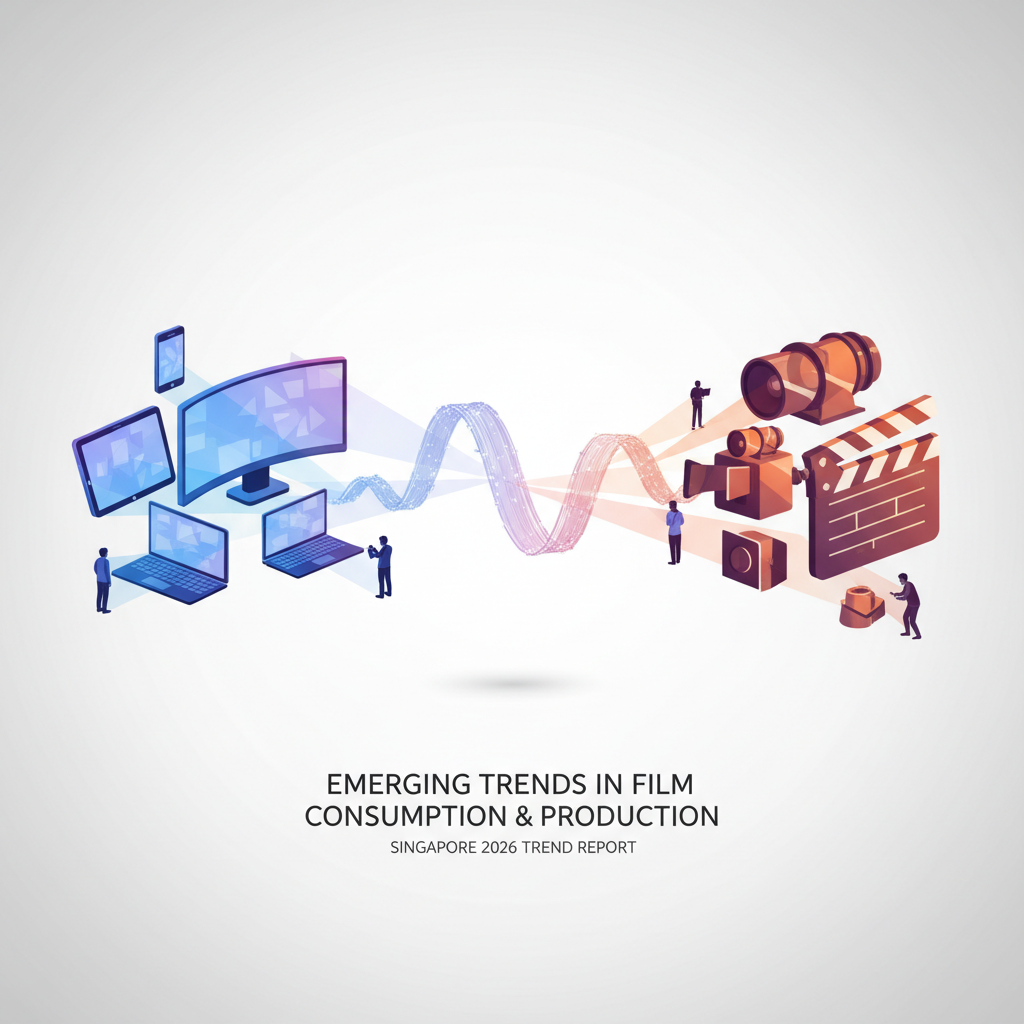
Emerging Trends in Film Consumption & Production
The cinematic landscape is in a constant state of flux, driven by technological advancements, evolving audience preferences, and global interconnectedness. For stakeholders within the Singaporean film ecosystem, understanding these shifts is crucial for identifying new opportunities and navigating potential challenges. This section delves into the evolving trends in how films are consumed and produced, offering insights into the dynamic future of cinema in the Lion City and beyond.
1. Rise of Niche Genres, Independent Cinema, and Local Content
The digital age has fragmented traditional mass audiences, giving rise to a strong demand for niche genres and diverse storytelling. Viewers are increasingly seeking content that resonates with specific cultural identities, interests, or subcultures, moving beyond mainstream blockbusters. In Singapore, this trend is particularly evident in the growing appreciation for independent cinema. Local filmmakers, unconstrained by conventional studio demands, are pushing creative boundaries, producing critically acclaimed works that explore unique Singaporean narratives, historical contexts, and social issues. This shift fosters a vibrant independent film scene, allowing new voices to emerge and offering audiences a richer tapestry of stories. The increasing accessibility of distribution platforms, from dedicated streaming services to curated film festivals, further empowers these niche and independent productions to find their dedicated fan bases, both domestically and internationally. This surge in local content not brutally strengthens cultural identity but also positions Singapore as a hub for authentic, compelling storytelling.
2. Growth of Regional Co-Productions and International Collaborations
Cross-border collaboration is becoming a cornerstone of modern film production, driven by shared cultural ties, economic incentives, and the desire to reach wider audiences. Singapore, with its strategic location and multicultural environment, is uniquely positioned to become a central player in regional co-productions and international collaborations. These partnerships offer numerous benefits, including shared financial risks, access to diverse talent pools, varied shooting locations, and expanded distribution networks. Governments and film bodies across Southeast Asia are actively encouraging such ventures, recognizing their potential to boost local economies and foster cultural exchange. For instance, the increasing number of projects involving Singaporean and Malaysian, Indonesian, or Thai production houses signifies a concerted effort to create compelling regional stories with global appeal. Such collaborations not only elevate the production value and storytelling scope but also help producers tap into larger market opportunities across Asia-Pacific. This trend is set to redefine the geographical boundaries of film creation, making global appeal an inherent part of the production strategy rather than an afterthought.
3. Influence of AI, Virtual Production, and Immersive Technologies
Technology is revolutionizing every facet of film production and consumption. Artificial Intelligence (AI) is streamlining pre-production processes, aiding in script development, character design, and even predictive analytics for audience engagement. During production, AI-powered tools assist with scheduling, resource allocation, and advanced visual effects. Post-production benefits immensely from AI in tasks like color grading, sound mixing, and even deepfake technology for de-aging actors or creating digital doubles. Virtual Production, integrating LED walls and real-time game engines, is transforming traditional filmmaking, allowing creators to build expansive digital environments on set, significantly reducing the need for costly location shoots and green screen work. This technology offers unprecedented creative control, enabling filmmakers to visualize and adjust scenes in real-time. Furthermore, immersive technologies like Virtual Reality (VR) and Augmented Reality (AR) are reshaping how audiences experience stories, moving beyond passive viewing to interactive and participatory narratives. These advancements present both opportunities for groundbreaking creative expression and challenges in terms of skill development and infrastructure investment. Staying abreast of the latest innovations in this area is critical for any market demand trend report of Films field in Singapore, as these technologies are rapidly reshaping the industry’s future.
The confluence of these emerging trends points towards a dynamic and multifaceted future for the Singaporean film industry. By embracing niche markets, fostering regional and international partnerships, and leveraging cutting-edge technology, Singapore can cement its position as a vibrant and innovative hub in the global cinematic landscape.
Forecasting Market Demand & Revenue Streams (2023-2026)
The Singapore films field is poised for a dynamic period of evolution and growth between 2023 and 2026. This forward-looking analysis projects expected market demand, revenue growth across various segments, and identifies potential areas for strategic investment within the nation’s burgeoning film industry. As a vibrant cultural hub with increasing digital adoption, Singapore presents a compelling landscape for both traditional cinematic experiences and innovative digital distribution models. Understanding the evolving market demand trend report of Films field in singapore is crucial for stakeholders looking to capitalize on this expansion.
While global economic uncertainties persist, the local appetite for compelling storytelling, combined with robust government support for the arts and media, underpins a generally optimistic outlook. Key drivers of growth include the resurgence of cinema-going, the exponential expansion of streaming services, and the untapped potential of intellectual property development. This report will delve into specific projections for box office performance, the critical role of digital distribution, and emerging opportunities in ancillary markets, providing a comprehensive overview of the sector’s trajectory.
1. Projected Box Office Performance & Cinema Attendance Trends
Following the significant disruptions of the pandemic, Singapore’s box office is on a clear path to recovery and sustained growth. While 2020-2021 saw unprecedented declines, 2022 marked a robust rebound, driven by a slate of blockbuster releases and pent-up consumer demand. Projections for 2023-2026 indicate a continued upward trend, albeit with a moderated growth rate compared to the immediate post-pandemic surge. Cinema attendance is expected to stabilize, with a focus on premium experiences (IMAX, 4D, luxury screens) and eventized releases that draw audiences away from home viewing. Local Singaporean films, particularly those that resonate with national identity or contemporary social issues, are anticipated to gain increasing traction, complementing the strong performance of Hollywood and regional Asian blockbusters. Investment in modernizing cinema infrastructure and enhancing the overall viewing experience will be vital to sustaining this momentum. According to recent market analysis, the film sector is steadily regaining its pre-pandemic vigor, highlighting the resilience of theatrical exhibition.
2. Growth in SVOD, AVOD, and Hybrid Distribution Models
The digital revolution continues to reshape film consumption habits in Singapore, making streaming services an indispensable component of the market. Subscription Video On Demand (SVOD) platforms like Netflix, Disney+, and Amazon Prime Video are projected to see continued subscriber growth, though at a more mature pace. The competitive landscape is intensifying, leading platforms to focus on unique content offerings, particularly local and regional productions, to attract and retain subscribers. Advertising Video On Demand (AVOD) models, which offer free content supported by ads, are also gaining significant traction, providing an accessible entry point for a broader audience and presenting new revenue streams for content creators. We also anticipate a significant rise in hybrid distribution models. This includes Premium Video On Demand (PVOD) for early digital releases of theatrical films, and Transactional Video On Demand (TVOD) for direct purchases or rentals. These models offer greater flexibility and choice to consumers while allowing studios to maximize revenue across different windows. Content creators in Singapore will find increasing opportunities to license their work to these diverse platforms, fueling the growth of the digital content consumption landscape.
3. Opportunities in Ancillary Markets (Merchandise, Licensing, IP Development)
Beyond direct box office and streaming revenues, the Singapore film industry has significant untapped potential in ancillary markets. The development and monetization of strong Intellectual Property (IP) can create multiple revenue streams long after a film’s initial release. Merchandise, ranging from collectibles and apparel to toys and games, represents a lucrative opportunity for films that capture public imagination. Licensing agreements, allowing third parties to use film characters, logos, or storylines, can extend a film’s reach into various products and services. Furthermore, successful film IPs can be developed into broader franchises, including television series spin-offs, theatrical stage productions, video games, or even immersive experiences. Investing in original storytelling with strong franchise potential at the outset can yield substantial long-term returns. Fostering collaborations between filmmakers, animators, game developers, and merchandise manufacturers will be key to unlocking this potential and diversifying the revenue portfolio of Singaporean film productions, contributing significantly to the overall Singapore film industry growth. This holistic approach ensures that a film’s impact and profitability extend far beyond its initial run.
In conclusion, the Singapore films field is set for a period of robust growth and transformation from 2023 to 2026. While traditional cinema will continue its recovery, digital distribution models will increasingly dominate consumption patterns. The strategic development of intellectual property and engagement with ancillary markets will be crucial for maximizing revenue and ensuring the long-term sustainability and profitability of the industry. Stakeholders who adapt to these evolving market dynamics and invest in innovative content and distribution strategies will be best positioned for success.
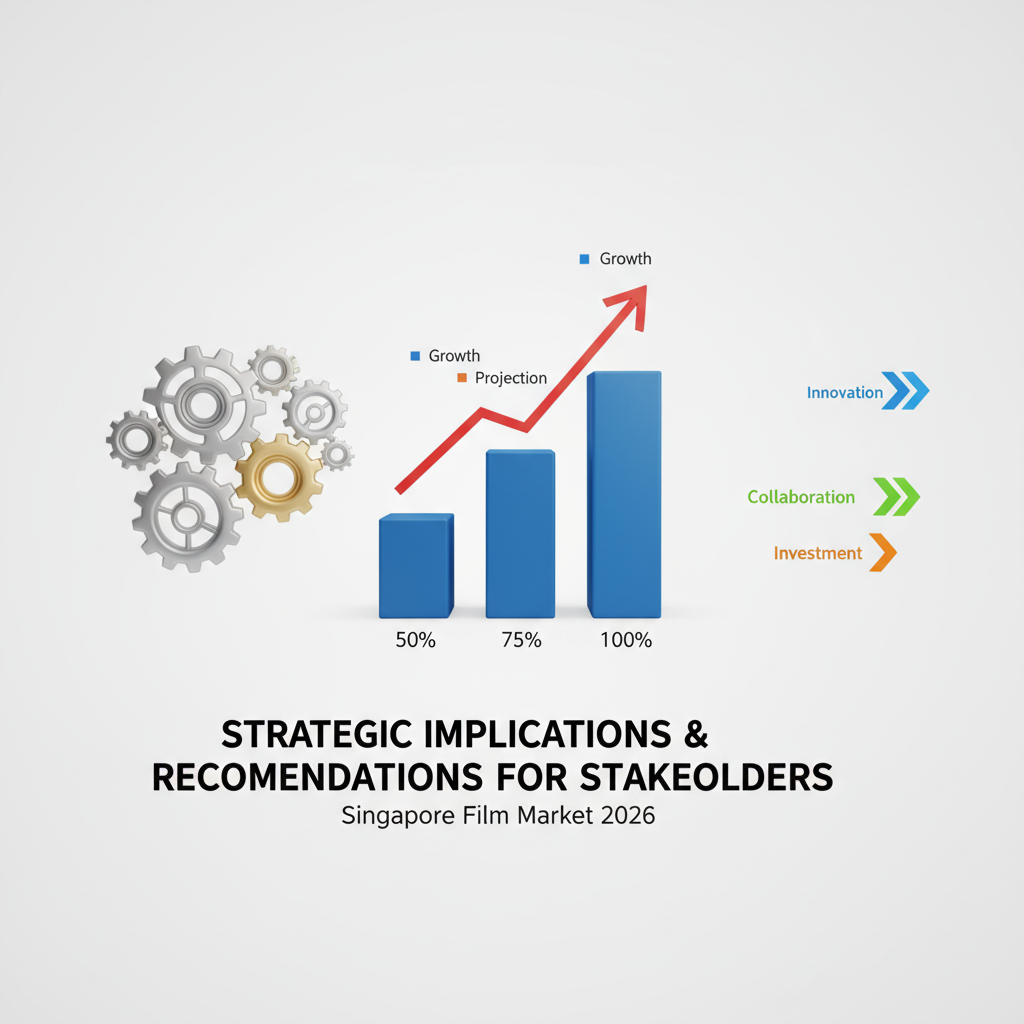
Strategic Implications & Recommendations for Stakeholders
The dynamic evolution highlighted in the market demand trend report of Films field in Singapore necessitates a proactive and adaptive approach from all industry stakeholders. To truly capitalize on emerging opportunities and navigate potential pitfalls, a concerted effort across various fronts is essential. The following recommendations are designed to foster sustainable growth, enhance competitiveness, and ensure the continued vibrancy of Singapore’s film ecosystem.
1. Adapting to Evolving Audience Demographics and Engagement
The film landscape is continuously reshaped by shifting audience preferences and new modes of consumption. For filmmakers, this means moving beyond traditional narratives to embrace diverse storytelling that resonates with Singapore’s multicultural tapestry and the global digital native. Experimentation with genres like localized horror, sci-fi, and animation, as evidenced by rising interest, can unlock new viewership segments. Furthermore, understanding the nuances of digital engagement, from short-form content to interactive experiences, is crucial. Content creators should leverage social media not just for promotion but as a platform for direct audience interaction and co-creation.
Investors must prioritize projects that demonstrate a clear understanding of these evolving demographics, focusing on content with authentic voices and stories that can transcend cultural barriers while retaining local relevance. Investments in data analytics platforms can offer valuable insights into audience behavior, guiding content development and acquisition strategies.
Distributors are urged to refine their market segmentation and targeting efforts. Utilizing advanced analytics to tailor marketing campaigns, explore hybrid release models that combine theatrical runs with robust streaming availability, and cultivate direct-to-consumer relationships through personalized content recommendations will be paramount. Engaging audiences through Q&A sessions, behind-the-scenes content, and interactive fan events can build stronger community loyalty.
Policymakers should support initiatives that encourage content diversity and inclusivity, ensuring that stories from various communities find a platform. Funding for research into digital consumption patterns and audience engagement strategies can provide critical data for the entire industry. The goal is to cultivate a film environment where content truly reflects and engages its diverse viewership.
2. Investing in Talent Development, Infrastructure, and Innovation
A robust film industry is built on the bedrock of skilled talent, cutting-edge infrastructure, and a culture of innovation. Filmmakers must proactively upskill in emerging technologies such as virtual production, AI-driven content creation tools, and immersive storytelling (VR/AR). Emphasizing strong script development and storytelling techniques remains fundamental, as technology merely enhances, not replaces, compelling narratives.
Investors should direct capital towards educational institutions and training programs that nurture diverse skill sets – from cinematography and directing to digital effects and sound design. Funding technology start-ups within the film sector, particularly those developing solutions for efficient production workflows, post-production, and distribution, will yield long-term dividends. Investing in state-of-the-art sound stages, green screens, and digital labs will attract international productions and foster local excellence.
Distributors need to continually upgrade their technical infrastructure to support high-quality streaming, secure content delivery, and personalized user experiences. Investing in robust content delivery networks (CDNs) and cybersecurity measures is critical for maintaining audience trust and protecting intellectual property in an increasingly digital world. Innovative distribution channels, including blockchain-enabled platforms for rights management, should also be explored.
Policymakers play a pivotal role by establishing comprehensive grants and incentives for talent development, research and development (R&D) in film technology, and the construction of world-class production facilities. Tax incentives for companies investing in new film tech and infrastructure, alongside clear regulatory frameworks that support innovation, will position Singapore as a hub for future-forward filmmaking. Fostering a continuous learning environment ensures that the workforce remains competitive and adaptable to technological shifts.
3. Fostering International Collaborations and Market Access Strategies
Singapore’s compact size necessitates looking beyond domestic borders for growth, making international collaboration and strategic market access cornerstones for future success, as outlined in this market demand trend report of Films field in Singapore.
Filmmakers should actively seek co-production opportunities with international partners, which not only provide access to larger budgets and diverse creative talent but also facilitate broader distribution. Crafting stories with universal themes while maintaining a unique Singaporean perspective can enhance global appeal. Participation in prestigious international film festivals and markets is essential for networking and showcasing local talent.
Investors should identify projects with inherent international distribution potential and explore cross-border investment ventures. Understanding the varying regulatory and cultural landscapes of target markets is crucial for successful international investments. This includes evaluating projects that appeal to key growth markets, such as Southeast Asia, India, and China.
Distributors must build robust relationships with international sales agents, aggregators, and platform providers to maximize global reach. Developing nuanced market entry strategies for different territories, including localized marketing and content adaptation, will be vital. Leveraging digital streaming platforms provides unprecedented opportunities to reach global audiences directly, but requires strategic content curation and promotional efforts tailored to international tastes. For a deeper dive into the film industry’s trajectory, further insights can be found on this market demand trend report of Films field in Singapore.
Policymakers can facilitate these efforts by negotiating bilateral co-production agreements, promoting Singapore as an attractive co-production and filming destination, and streamlining visa processes for international film talent. Establishing cultural exchange programs and participating in international forums will further solidify Singapore’s position on the global film stage. Collaborative initiatives with regional film commissions and industry bodies can unlock new avenues for market access and shared growth. This strategic emphasis on global integration is critical for amplifying Singapore’s cinematic voice and ensuring its long-term economic viability within the global film industry. According to the IMDA Annual Statistics for Singapore’s Telecom, Media, and Tech Sectors, the media sector continues to show strong growth, underscoring the importance of these strategic recommendations.
Partner with Shelby Global
You are looking for reliable HR Sevice Suppliers? Contact Shelby Global Now! To connect with verified talents and upgrade your orginization.
—————————————
References
– IMDA’s Factsheet on SME Go Digital Programme: https://www.imda.gov.sg/-/media/Imda/Files/Industry-Development/Media-Sector/SME-Go-Digital-Programme/SME-Go-Digital-IMDAs-Factsheet-2018.pdf
– PwC Global Entertainment & Media Outlook: https://www.pwc.com/gx/en/industries/entertainment-media/outlook.html
– Asian Film Co-Productions Growing in Scope and Number – Busan ACFM: https://variety.com/2023/biz/asia/asian-film-co-productions-growing-1235654316/
– Film Market Outlook Singapore: https://www.statista.com/outlook/emo/film/singapore
– IMDA Annual Statistics for Singapore’s Telecom, Media, and Tech Sectors: https://www.imda.gov.sg/news-and-events/press-releases/2023/IMDA-releases-FY22-23-annual-statistics-on-Singapore-s-Telecom-Media-and-Tech-sectors



































































































