
Overview of the HR Landscape in Vietnam Tech
Vietnam’s technology sector is undergoing an unprecedented boom, transforming the nation into a vibrant digital hub in Southeast Asia. This rapid expansion is not merely about innovative products or burgeoning startups; it critically hinges on its human capital. In this dynamic and highly competitive environment, human resources (HR) functions are no longer just administrative support but strategic imperatives driving growth, innovation, and sustainability. Understanding the nuances of HR structures, particularly the differences between the SMEs’ HR Structure and the Corporates’ HR Structure in technology field in vietnam, is essential for any entity navigating this exciting yet challenging landscape. This section will set the stage, exploring the sector’s meteoric rise, the indispensable role of HR, and how companies are categorized within this unique ecosystem.
1. Rapid Growth of Vietnam’s Technology Sector
Vietnam’s journey to becoming a technological powerhouse has been remarkable. Fueled by robust government support, significant foreign direct investment, and a burgeoning pool of young, educated talent, the tech sector has consistently outpaced national economic growth. Cities like Hanoi, Ho Chi Minh City, and Da Nang are rapidly emerging as innovation centers, attracting both local startups and international tech giants. The digital economy is projected to reach substantial valuations in the coming years, driven by advancements in AI, blockchain, fintech, e-commerce, and software development. This growth has created a high demand for skilled professionals, from software engineers and data scientists to UX/UI designers and cybersecurity experts. The government’s strategic push towards digital transformation, coupled with initiatives to nurture a startup ecosystem, further solidifies Vietnam’s position as a dynamic player in the global tech arena. According to a report by Google, Temasek, and Bain & Company, Southeast Asia’s Digital Economy is on a robust growth trajectory, with Vietnam playing a pivotal role.
2. The Strategic Imperative of HR in Tech Companies
In the high-stakes world of technology, human resources transcends traditional payroll and compliance duties, evolving into a critical strategic partner. For tech companies, talent is their most valuable asset, and the ability to attract, develop, and retain top-tier professionals directly impacts innovation, product development timelines, and competitive advantage. HR departments in this sector are tasked with navigating a highly competitive talent market characterized by fierce bidding wars for niche skills. This involves sophisticated talent acquisition strategies, robust employer branding, and compelling compensation and benefits packages. Beyond recruitment, HR plays a crucial role in fostering a progressive company culture that encourages innovation, collaboration, and continuous learning – attributes vital for tech success. Implementing agile HR practices, supporting employee well-being, driving diversity and inclusion initiatives, and developing effective performance management systems are all part of the strategic mandate. An effective HR function ensures that companies not only find the right people but also create an environment where they can thrive, innovate, and contribute to the company’s long-term vision.
3. Defining SMEs and Corporates in the Vietnamese Tech Arena
To truly understand the HR landscape, it’s crucial to differentiate between Small and Medium-sized Enterprises (SMEs) and Corporate entities within Vietnam’s tech sector. In Vietnam, while official definitions can vary slightly across sectors and government decrees, SMEs are generally characterized by their scale of operations, revenue, and number of employees. For instance, a tech SME typically employs fewer than 200-300 people, has relatively modest annual revenue, and often operates with leaner structures and a more agile decision-making process. These might be startups, burgeoning local software development firms, or specialized tech service providers.
Corporates, on the other hand, represent larger organizations, often exceeding 300 employees, possessing significant annual revenues, and frequently having multi-layered organizational structures. These include established Vietnamese tech giants, large foreign-invested enterprises (FIEs), and multinational corporations with a substantial presence in Vietnam. Their operations are typically more complex, with diverse departments, extensive compliance requirements, and often a global footprint. The distinction is not merely academic; it profoundly influences everything from organizational culture and operational agility to, most notably, the scope, structure, and strategic depth of their HR functions. Understanding these fundamental differences is key to appreciating the varied HR challenges and opportunities across the Vietnamese tech ecosystem.

Fundamental Structural Differences in HR Teams
In Vietnam’s vibrant and rapidly expanding technology sector, the organizational makeup of Human Resources departments varies significantly based on an organization’s size and maturity. Contrasting the lean, often generalist teams found in Small and Medium-sized Enterprises (SMEs) with the specialized, departmentalized structures prevalent in larger corporations reveals distinct operational philosophies, strategic contributions, and day-to-day realities for HR professionals. Understanding these Differences between the SMEs’ HR Structure and the Corporates’ HR Structure in technology field in Vietnam is crucial for effective talent management and HR strategy within this dynamic landscape.
1. SME HR: Generalist Roles and Leaner Team Sizes
For most tech SMEs in Vietnam, HR functions are typically handled by a small, agile team, often comprising one to three professionals, sometimes even falling under the purview of an Office Manager or the CEO directly. These HR practitioners are quintessential generalists, tasked with a broad spectrum of responsibilities, from talent acquisition (recruitment and onboarding of engineers, developers, and product managers) and payroll administration to employee relations, basic training, performance management, and ensuring compliance with Vietnamese labor laws. The lean nature of these teams demands adaptability and a hands-on approach, making every HR individual a critical multi-tasker. They are often deeply embedded in the company culture, providing personalized support and direct interaction with employees, which can foster a strong sense of community and quick problem-solving. However, the trade-off for this agility is often a lack of deep specialization. Complex HR challenges, such as developing sophisticated compensation structures or implementing large-scale learning and development programs, might necessitate reliance on external consultants or tools due to limited internal expertise and resources.
2. Corporate HR: Specialist Functions and Departmentalization
In stark contrast, large technology corporations, whether multinational giants with a presence in Vietnam or established Vietnamese tech conglomerates, boast highly specialized and departmentalized HR structures. These organizations typically feature distinct HR departments or Centers of Excellence (COEs), each focusing on a specific area. Common departments include Talent Acquisition (dedicated to sourcing, interviewing, and hiring high-volume tech roles), Compensation & Benefits (designing competitive salary, bonus, and benefits packages), HR Business Partners (HRBPs) who act as strategic advisors to specific business units, Learning & Development (crafting training programs for skill enhancement and career growth), and HR Operations/HR Information Systems (HRIS) managing data, systems, and administrative processes. This specialization allows for deep expertise in each HR domain, leading to the development of robust policies, advanced analytics, and strategic initiatives that align with global best practices. The departmentalization supports scalability, enabling HR to manage a large and diverse workforce across multiple locations. While this structure brings efficiency and depth, it can sometimes lead to a more bureaucratic process and potentially slower decision-making compared to the rapid responses of an SME HR team, necessitating strong internal communication and collaboration between different HR functions.
3. Hierarchy, Reporting Lines, and Decision-Making Authority
The structural differences between SME and corporate HR teams extend significantly into their internal hierarchies, reporting lines, and the scope of their decision-making authority. In SMEs, the HR function often operates within a relatively flat hierarchy, with HR professionals frequently reporting directly to the CEO or founder. This direct communication facilitates swift decision-making, allowing HR to be highly responsive to immediate business needs and employee concerns, and often empowered to make crucial talent-related decisions with minimal layers of approval. This agility is a significant advantage in the fast-paced tech startup environment.
Conversely, large corporations exhibit multi-layered HR hierarchies. Reporting lines are typically more complex, with HR Coordinators reporting to Specialists, and so on, often culminating in a C-suite executive. Decision-making authority is distributed, requiring approvals and consultations across various departments, not just within HR. For instance, a new compensation policy might involve input from C&B specialists, HRBPs, finance, and senior leadership, leading to a more systematic but potentially lengthier process. While this ensures thoroughness and alignment with overarching corporate strategies and global standards, it can result in a more formalized and sometimes slower response. The evolving role of HR in this context, as highlighted in Deloitte’s Global Human Capital Trends reports, increasingly emphasizes strategic foresight and data-driven decision-making, requiring HR leaders to navigate complex organizational structures and influence through expertise rather than solely direct authority. Ultimately, both models have their merits, each uniquely suited to the scale, operational tempo, and strategic imperatives of their respective organizations within Vietnam’s dynamic tech industry.
Talent Acquisition and Development Strategies Compared
This section explores the distinct approaches adopted by Small and Medium-sized Enterprises (SMEs) and large corporates in Vietnam’s dynamic technology sector for attracting, recruiting, and nurturing talent. The operational landscape in Vietnam presents unique challenges and opportunities, leading to notable Differences between the SMEs’ HR Structure and the Corporates’ HR Structure in technology field in vietnam. We will highlight the variances in their employer branding, recruitment processes, and employee development programs, underscoring how these strategies are shaped by their respective sizes, resources, and strategic imperatives. Vietnam’s rapidly evolving tech market demands tailored approaches, where both agility and structured growth are critical.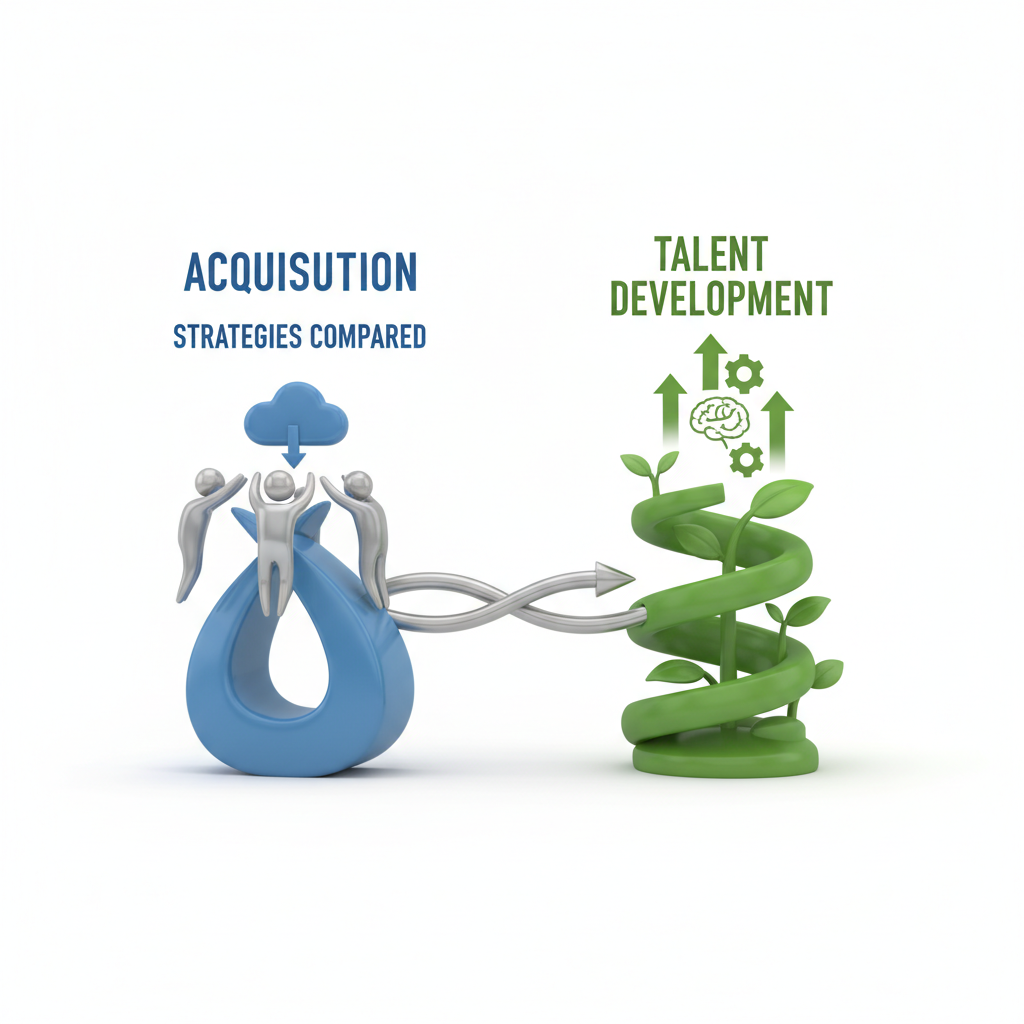
1. SME: Agile Recruitment and Focus on Cultural Fit
SMEs in Vietnam’s tech sector often have lean HR, with talent acquisition handled by founders, team leads, or generalists. This fosters an agile, less bureaucratic recruitment process. Without extensive advertising budgets, SME employer branding relies on their unique vision, innovative projects, direct founder engagement, and the promise of significant individual impact and rapid career growth. They leverage professional networks, social media, and word-of-mouth, seeking candidates through informal channels. The interview process is faster, more personal, and heavily weighted towards cultural fit, adaptability, and a proactive mindset. Given smaller teams, a mismatched hire significantly impacts. Candidates are often expected to be generalists, capable of wearing multiple hats in fast-paced, ambiguous environments. This agility allows SMEs to pivot quickly and fill critical roles, though competing against larger brands’ recognition and benefits remains a challenge.
2. Corporate: Structured Hiring Processes and Brand Appeal
In contrast, large corporates in Vietnam’s technology landscape boast robust, multi-tiered HR departments with specialized talent acquisition teams. Their recruitment processes are highly structured, often involving multiple stages: applicant tracking systems (ATS), psychometric assessments, technical interviews, and several rounds of behavioral evaluations. Employer branding is a significant strategic investment, leveraging global reputation, comprehensive benefits, clear career pathways, and extensive outreach via job portals, university partnerships, and recruitment agencies. The appeal of a corporate entity lies in its stability, global exposure, specialization opportunities, and well-defined training programs. While this structured approach ensures thorough vetting, it can lead to longer hiring cycles. Corporates seek candidates with specific technical competencies who can thrive within established hierarchies and contribute to large-scale projects, often emphasizing specialized skills. Their competitive salaries and secure future are major draws in Vietnam’s competitive tech talent market, as highlighted by various reports, including those from organizations analyzing the country’s labor market.
3. Onboarding, Training, and Career Path Development
The post-recruitment journey also showcases significant differences between the SMEs’ HR Structure and the Corporates’ HR Structure in technology field in vietnam. For SMEs, onboarding is typically hands-on and peer-driven. New hires integrate quickly into projects, learning on the job with mentorship. Training is lean, focused on immediate skill gaps, involving self-learning or ad-hoc workshops. Formal L&D budgets are limited, but broad exposure offers rapid skill acquisition. Career paths are less rigid; growth often stems from increasing responsibilities or adapting to evolving company needs, potentially offering faster upward mobility. This organic growth fosters ownership but may lack the formal structure and comprehensive support of larger organizations. In corporates, onboarding is a formal, structured program to acclimate new employees to culture, policies, and systems, including orientation and clear role definitions. Training and development are extensive, guided by dedicated Learning & Development (L&D) departments. Employees access wide resources: internal academies, external certifications, leadership development, and cross-functional assignments. Career path development is well-defined, with clear promotion ladders and specialization opportunities. While providing clarity and security, the path might be more linear and slower than in an SME. Corporate structures emphasize standardized processes and protocols, ensuring consistency and scalability. The competitive landscape for skilled tech professionals in Vietnam necessitates continuous innovation in talent strategies to attract and retain top talent. For example, recent reports from Vietnam Briefing highlight the growing demand for tech skills across various sectors, pushing companies to invest more in upskilling and reskilling initiatives.
Compensation, Benefits, and Employee Relations Frameworks
Examining how compensation packages, employee benefits, and industrial relations are managed differently in the technology sector of Vietnam offers crucial insights into organizational dynamics. This section will cover salary structures, perks, performance management systems, and methods for fostering employee engagement, highlighting the stark Differences between the SMEs’ HR Structure and the Corporates’ HR Structure in technology field in Vietnam.
1. SME: Flexible Rewards and Close-Knit Engagement
In the vibrant Vietnamese technology startup landscape, Small and Medium-sized Enterprises (SMEs) often adopt highly flexible and adaptive compensation and benefits strategies. Unlike larger entities, SMEs frequently operate with leaner budgets, necessitating creative approaches to attract and retain talent. Salary structures in SMEs are typically less rigid, often featuring competitive base salaries complemented by performance-based bonuses, stock options, or profit-sharing schemes. These incentive programs are designed to foster a sense of ownership and directly link individual contributions to the company’s success, which is particularly appealing to risk-takers and innovators common in the tech industry.
Employee benefits in SMEs tend to be personalized and agile. While they might not offer the extensive health insurance or pension plans of large corporations, they often compensate with unique perks like flexible working hours, remote work options, personalized training budgets, team-building retreats, and direct access to leadership. This close-knit environment fosters strong camaraderie and a sense of belonging, which serves as a significant non-financial motivator. Employee relations are generally more informal, with direct communication channels between employees and management. Grievances are often resolved through personal dialogue and mediation, emphasizing maintaining harmonious team dynamics rather than adhering to rigid bureaucratic processes. This informal yet highly engaged framework is a hallmark of the SME approach to HR in Vietnam’s tech sector.
2. Corporate: Standardized Pay Scales and Comprehensive Benefits
In contrast, large corporations in Vietnam’s technology sector, often multinational or well-established domestic entities, operate with highly standardized and structured compensation and benefits frameworks. Their salary scales are typically defined by comprehensive market research, job grading systems, and pay bands, ensuring internal equity and external competitiveness. Base salaries are generally robust, augmented by annual bonuses, long-term incentive plans (such as Restricted Stock Units or stock options in global companies), and clearly defined career progression paths. This structured approach provides stability and predictability, attracting talent seeking long-term career security and well-defined advancement opportunities.
Corporate benefits packages are extensive and comprehensive, often including top-tier private health insurance, life insurance, robust pension plans, childcare subsidies, fitness programs, and significant professional development budgets for certifications and higher education. These comprehensive offerings are designed to provide a holistic support system for employees and their families, reflecting a more mature and formalized HR strategy. Employee relations in corporations are governed by extensive policies, collective bargaining agreements (where applicable), and established HR departments. Formal grievance procedures, structured performance reviews, and compliance with labor laws are paramount. This highly regulated environment aims to ensure fairness, transparency, and legal adherence across a large and diverse workforce, showcasing the strategic importance of comprehensive benefits and talent strategies in modern organizations.
3. Performance Management and Grievance Resolution
The approaches to performance management and grievance resolution also differ significantly between SMEs and corporates in Vietnam’s tech industry. In SMEs, performance management is often characterized by continuous, informal feedback loops and agile goal setting. Managers and team leads typically have direct oversight, providing real-time coaching and conducting less formal, more frequent check-ins. Performance metrics might be more qualitative or directly tied to project milestones. This agile system allows for rapid adjustments and encourages immediate improvement, fostering a culture of continuous learning and direct accountability within smaller teams.
For grievance resolution in SMEs, the emphasis is often on quick, direct, and interpersonal solutions. Conflicts are typically addressed directly with team leaders or founders, aiming for informal mediation and resolution to maintain team cohesion. The focus is on finding practical solutions that work for the individuals and the team without necessarily involving formal processes or extensive documentation.
Conversely, large corporations employ sophisticated, formalized performance management systems. These often include annual or bi-annual performance reviews, Key Performance Indicators (KPIs), Objectives and Key Results (OKRs), 360-degree feedback, and competency-based assessments. Performance is meticulously documented and linked to promotions, salary increments, and talent development plans. This structured approach ensures consistency, objectivity, and alignment with overarching organizational goals.
Grievance resolution in corporates follows a stringent, multi-tiered process. Employees typically raise concerns through official channels, such as HR business partners, employee relations specialists, or ombudsmen. Investigations are thorough, documented, and adhere to legal and internal policy guidelines. This formal system provides clear avenues for conflict resolution, protects both employees and the organization, and ensures compliance with labor laws, reflecting a commitment to structured industrial relations and employee welfare within a large enterprise framework. Both SMEs and corporates aim to foster employee engagement, but their methods diverge significantly, tailored to their size, resources, and organizational culture.
HR Technology Adoption and Future Innovations
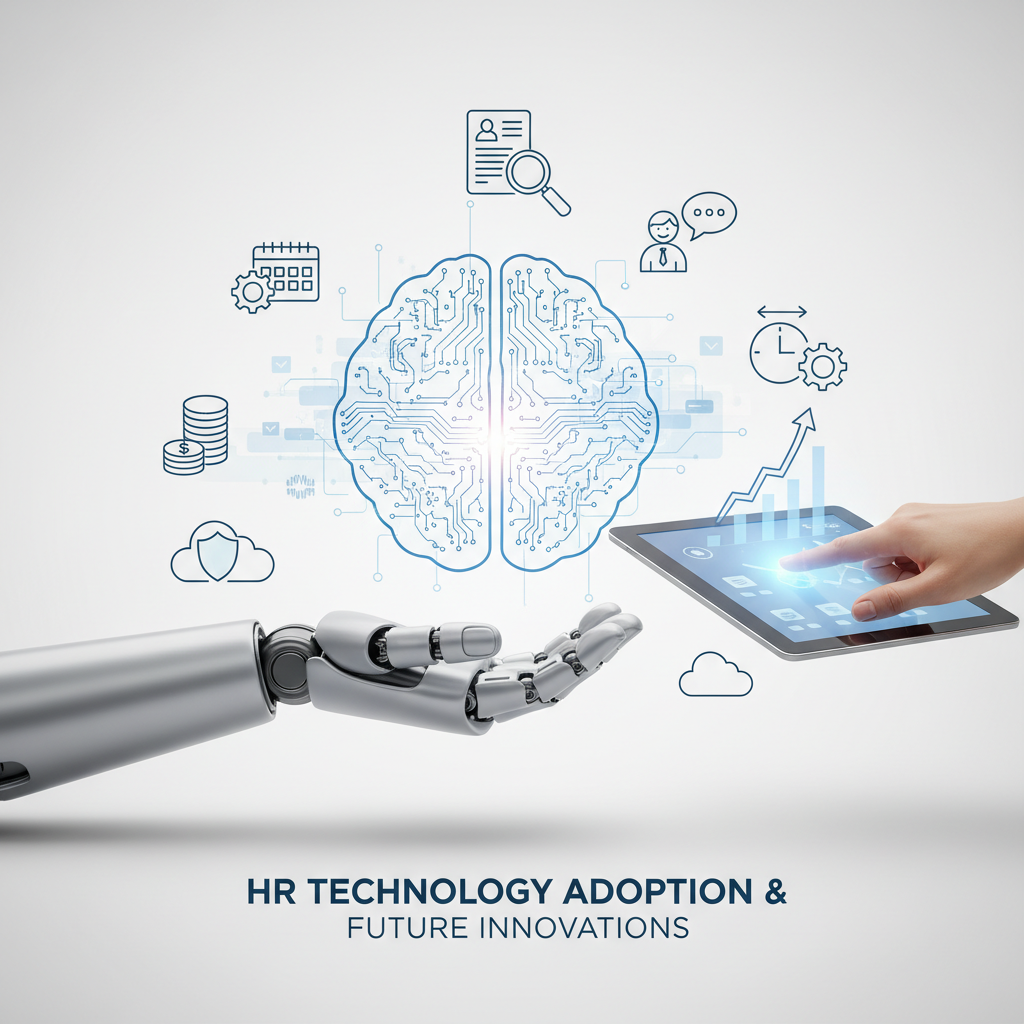
The landscape of Human Resources (HR) in Vietnam’s dynamic economy is being reshaped by technological advancements, yet the pace and depth of HR technology adoption vary significantly between Small and Medium-sized Enterprises (SMEs) and large corporates. This final section analyzes these Differences between the SMEs’ HR Structure and the Corporates’ HR Structure in technology field in vietnam, from basic HRIS to advanced analytics and AI, and projects future innovations shaping HR within Vietnam’s burgeoning tech sector.
1. SME: Essential HR Software and Manual Processes
For many SMEs in Vietnam, HR technology adoption typically centers around foundational systems designed to manage core administrative tasks. A basic Human Resources Information System (HRIS) is often the extent of their digital infrastructure, primarily used for payroll processing, leave management, and employee record-keeping. These systems, while crucial, are often standalone and lack integration with other business functions. Many SMEs still rely heavily on manual processes for a significant portion of their HR operations, utilizing spreadsheets for performance tracking, paper-based forms for onboarding, and direct communication for policy dissemination.
The reasons for this measured adoption are multifaceted. Cost constraints play a significant role, as comprehensive HR tech solutions can be a substantial investment. Furthermore, a perceived lack of specialized HR tech knowledge within the organization, coupled with the belief that their smaller workforce does not necessitate advanced systems, often deters further digitalization. However, there is a growing trend towards affordable, cloud-based HR solutions tailored for SMEs, which offer simplified interfaces and essential functionalities, gradually enabling more Vietnamese SMEs to transition from entirely manual processes to more streamlined digital workflows.
2. Corporate: Advanced HRIS, Analytics, and Automation
In stark contrast, large corporates in Vietnam, particularly those within the tech sector or with international operations, have embraced a much more sophisticated HR technology ecosystem. These organizations typically deploy integrated enterprise-level HRIS platforms such as SAP SuccessFactors, Oracle HCM Cloud, or Workday. These systems offer end-to-end functionality, covering everything from talent acquisition and applicant tracking systems (ATS) to robust performance management, learning management systems (LMS), and succession planning modules.
Beyond basic administration, corporates leverage HR technology for strategic decision-making. Advanced HR analytics tools provide deep insights into workforce trends, employee engagement, attrition rates, and productivity. Automation is pervasive, handling routine tasks like onboarding paperwork, benefits administration, and even initial candidate screening through AI-powered tools, freeing up HR professionals to focus on strategic initiatives. Employee self-service portals are standard, empowering employees to manage their own data, requests, and learning journeys, thereby enhancing the overall employee experience and operational efficiency.
3. Emerging HR Tech Trends and Adaptability in Vietnam
Vietnam’s tech sector is particularly poised to embrace the next wave of HR technology innovations. The rapid digital transformation across industries, coupled with a young, tech-savvy workforce, creates fertile ground for advanced solutions. Key emerging trends include:
- Artificial Intelligence (AI) and Machine Learning (ML): AI is moving beyond basic chatbots to predictive analytics for attrition, personalized learning paths, and intelligent recruitment algorithms that match candidates with unprecedented accuracy. The future of AI in HR promises hyper-personalized employee experiences and more efficient talent management.
- Advanced People Analytics: Moving beyond descriptive reporting, HR will increasingly utilize prescriptive and predictive analytics to inform business strategy, optimize workforce planning, and foster a data-driven culture.
- Employee Experience Platforms (EX Platforms): The focus is shifting from HR efficiency to enhancing the entire employee journey. Integrated platforms offering wellness programs, continuous feedback tools, and seamless access to HR services are becoming central.
- Hybrid Work Management Tools: With the rise of hybrid work models, technologies that facilitate seamless collaboration, performance tracking, and engagement for distributed teams will be crucial.
- Blockchain for HR: While still nascent, blockchain offers potential for secure credential verification, immutable employee records, and transparent payroll systems, addressing trust and security concerns.
Vietnam’s proactive embrace of digital innovation, supported by government initiatives and a vibrant startup ecosystem, suggests a strong adaptability to these trends. Both SMEs and corporates will increasingly look to these innovations not just for efficiency, but as a competitive differentiator in attracting, retaining, and developing top talent in a rapidly evolving market.
Partner with Shelby Global
You are looking for reliable HR Sevice Suppliers? Contact Shelby Global Now! To connect with verified talents and upgrade your orginization.
—————————————
References
– Southeast Asia’s Digital Economy: https://www.bain.com/insights/e-conomy-sea-2023-great-unwind/
– Deloitte’s Global Human Capital Trends reports: https://www2.deloitte.com/us/en/insights/focus/human-capital-trends.html
– Vietnam’s Tech Talent Market in 2023: Challenges and Opportunities: https://www.vietnam-briefing.com/news/vietnams-tech-talent-market-in-2023-challenges-and-opportunities.html
– Mercer’s Global Talent Trends: https://www.mercer.com/our-thinking/global-talent-trends.html
– :