
Foundations of HR in Vietnam eCommerce SMEs
As a fresh CEO stepping into Vietnam’s vibrant and competitive e-commerce sector, understanding the human resources landscape within Small and Medium-sized Enterprises (SMEs) is paramount. This section aims to provide a clear, Step by Step to understand SMEs HR Structure for the fresh the CEO in Ecommerce field in vietnam, outlining the unique challenges and opportunities. Vietnam’s digital economy is booming, driven by a young, tech-savvy population and increasing internet penetration. For SMEs, navigating this growth while building a robust and compliant HR function is crucial for sustainable success. Unlike large corporations with established HR departments and extensive resources, SMEs often face leaner structures, multi-faceted roles, and the need for agile, cost-effective HR solutions.
Your journey as a CEO will involve not just market strategy and product development, but also cultivating a high-performing team within a distinct cultural and regulatory framework. This foundational understanding will empower you to make informed decisions, attract and retain top talent, and ensure your enterprise thrives amidst rapid change.

1. Understanding Vietnam’s E-commerce Landscape & HR Needs
Vietnam’s e-commerce market is experiencing exponential growth, fueled by platforms like Shopee, Lazada, Tiki, and the emergent TikTok Shop. This dynamic environment creates specific HR demands for SMEs. The constant innovation and fierce competition mean that talent acquisition and retention are critical. Businesses require skilled individuals in areas such as digital marketing, supply chain management, logistics, customer service, and data analytics. The demand for these specialized skills often outstrips supply, leading to intense competition for qualified candidates.
Moreover, the youthful demographic of Vietnam’s workforce expects modern working environments, opportunities for growth, and competitive compensation packages. For SMEs, this translates into a need for creative recruitment strategies, clear career development paths, and engaging company cultures to stand out. According to Statista reports, Vietnam’s digital economy is projected to continue its impressive growth, underscoring the ongoing need for robust HR strategies to support this expansion. CEOs must grasp these market dynamics to effectively plan their human capital investments, ensuring their HR initiatives align with broader business objectives and market realities.
2. Key Differences: SME vs. Large Corp HR in Vietnam
The operational reality of HR in Vietnamese SMEs differs significantly from that in large corporations. Large enterprises typically boast dedicated HR departments, specialized roles (e.g., recruitment specialists, compensation and benefits analysts, training managers), and robust HRIS (Human Resource Information Systems). They often have established employer branding, comprehensive employee benefits, and extensive training budgets.
In contrast, HR in an SME is often characterized by a lean team, sometimes even a single HR generalist or the CEO themselves managing multiple HR functions. Budgets for HR software, advanced training, or extensive benefits packages are usually limited. This requires SME HR to be highly adaptable, resourceful, and hands-on. Compliance with Vietnamese labor laws (e.g., social insurance, health insurance, unemployment insurance, labor contracts) is non-negotiable for all businesses, but SMEs must achieve this with fewer resources. CEOs in SMEs must prioritize core HR functions, focusing on essential compliance, efficient recruitment, and effective employee engagement strategies that don’t heavily burden the budget. The emphasis shifts from specialized silos to integrated, practical solutions that directly impact business operations and employee well-being.
3. Initial HR Audit for New CEOs
For a fresh CEO, conducting an initial HR audit is an essential first step to gaining clarity and establishing a strategic HR roadmap. This audit should systematically assess the current state of HR within the SME. Key areas to evaluate include:
- Current HR Policies & Documentation: Review existing employee handbooks, contracts, job descriptions, and internal regulations. Are they up-to-date and compliant with Vietnamese labor laws? Often, SMEs might have informal processes that need formalization.
- Recruitment & Onboarding Processes: How are new employees sourced, interviewed, and integrated into the company? Assess the efficiency and effectiveness of these processes, from talent attraction to the initial training phase.
- Compensation & Benefits Structure: Evaluate current salary scales, bonus structures, and non-monetary benefits. Are they competitive within the e-commerce sector in Vietnam? Are mandatory social, health, and unemployment insurances correctly applied?
- Performance Management & Employee Development: Are there clear systems for performance reviews, feedback, and professional development? SMEs can significantly benefit from simple, consistent performance check-ins.
- Compliance & Risk Assessment: Identify any potential areas of non-compliance with Vietnamese labor regulations, which could lead to significant fines or legal issues. This includes understanding working hours, leave policies, and termination procedures.
This comprehensive audit will highlight strengths, expose critical gaps, and provide the data needed to develop a strategic HR plan. It’s a foundational step for any CEO aiming to optimize their human capital and ensure legal compliance in Vietnam’s fast-paced e-commerce environment.
Navigating Vietnam’s Legal & Compliance HR Framework
Essential knowledge for any CEO, this section focuses on the legal obligations and compliance requirements specific to HR practices in Vietnam, avoiding common pitfalls.
For a fresh CEO stepping into the vibrant e-commerce sector in Vietnam, understanding the intricate web of human resources regulations is paramount. This guide provides a Step by Step to understand SMEs HR Structure for the fresh the CEO in Ecommerce field in vietnam, ensuring your venture not only thrives but also operates with unwavering legal integrity. Navigating HR compliance in Vietnam from the outset protects your business from costly penalties and fosters a positive working environment, crucial for any growing business in the digital economy.
1. Labor Laws & Regulations for SMEs in Vietnam
The foundation of sound HR operations in Vietnam lies in a comprehensive understanding of the Vietnam labor code, specifically tailored for Small and Medium-sized Enterprises (SMEs). For e-commerce businesses, even those with lean teams, adherence to these regulations is non-negotiable. Key areas demanding your attention include:
- Employment Contracts Vietnam: All employees must have written labor contracts, clearly defining terms such as job role, working hours, salary, and benefits. These must align with the Labor Code 2019 and its guiding decrees. Ignoring this basic requirement is a common pitfall.
- Working Hours and Overtime: Standard working hours are typically 8 hours a day, 48 hours a week. Strict rules govern overtime pay, which varies depending on the day (weekdays, weekends, public holidays).
- Minimum Wage: Vietnam’s minimum wage is set regionally and is subject to annual adjustments. Employers must ensure their compensation practices meet or exceed these thresholds.
- Social Insurance Obligations: This is a crucial aspect of social insurance obligations. Employers are legally required to contribute to social insurance, health insurance, and unemployment insurance for their employees. This system provides critical benefits like sick leave, maternity leave, and retirement. Understanding the contribution rates and procedures is vital for accurate payroll and compliance. For a detailed overview of the latest regulations on social insurance, health insurance, and unemployment insurance, refer to authoritative sources such as Vietnam Briefing’s guide on Social Insurance in Vietnam.
- Employee Rights Vietnam: Beyond compensation, employees have rights regarding workplace safety, non-discrimination, trade union participation (though less prevalent in many e-commerce SMEs), and fair treatment.
- Termination Procedures Vietnam: The labor code outlines specific grounds and procedures for terminating employment, requiring advance notice and, in some cases, severance pay. Improper termination can lead to significant legal disputes and penalties.
Staying updated on these laws is not just about avoiding fines; it’s about establishing a reputable and sustainable business environment.
2. Essential HR Policies & Employee Handbook
Beyond legal mandates, well-defined internal HR policies for SMEs are the backbone of efficient and fair operations. An employee handbook serves as an indispensable guide for both management and staff, outlining expectations, procedures, and company culture. For a growing e-commerce business, this document ensures consistency, reduces misunderstandings, and protects the company’s interests.
Key policies to establish include:
- Code of Conduct: Define acceptable workplace behavior, professional ethics, and guidelines against harassment or discrimination.
- Leave Policies: Clearly articulate procedures for annual leave, sick leave, maternity/paternity leave, and other special leaves, ensuring compliance with the Labor Code’s provisions.
- Performance Management: Detail processes for setting goals, conducting performance reviews, and addressing underperformance. Clear communication here can motivate staff and improve overall productivity.
- Data Protection: Given the digital nature of e-commerce, policies around employee data privacy and the responsible use of company information are crucial.
- Disciplinary and Grievance Procedures: Outline fair and transparent processes for addressing employee misconduct or complaints, fostering a sense of trust and equity.
Developing a comprehensive employee handbook might seem daunting for a fresh CEO, but it is a critical investment. It streamlines HR processes, empowers employees by providing clarity on their rights and responsibilities, and reinforces a positive company culture. This structured approach is a vital component of robust HR management, especially for those learning the ropes of managing an e-commerce HR structure.
3. Avoiding Common HR Compliance Pitfalls
Even with good intentions, e-commerce SMEs can stumble over common HR compliance pitfalls in Vietnam. Proactive vigilance is key to mitigate risks and ensure sustainable growth.
- Incorrect Employment Contracts Vietnam: One of the most frequent errors is using generic or outdated contract templates. Contracts must be specific to the employee’s role, adhere strictly to the Labor Code’s format, and be in Vietnamese (with an official translation if necessary). Failure to do so can invalidate the contract or parts of it.
- Mismanagement of Social Insurance Obligations: Incorrect calculation of contributions, delays in payments, or neglecting registration for certain benefits can lead to significant fines and back payments. Ensure your payroll system accurately computes and remits all mandated social insurance obligations.
- Inadequate Termination Procedures Vietnam: Improperly terminating an employee is a major source of legal disputes. Always follow the specified notice periods, severance pay requirements, and grounds for termination as outlined in the Labor Code. Document every step meticulously.
- Lack of Internal HR Policies: Operating without a clear employee handbook or established HR policies creates ambiguity. This can lead to inconsistent decision-making, employee grievances, and a lack of clear recourse for workplace issues, potentially escalating minor problems into major legal headaches.
- Ignoring Workplace Safety and Health: Even in an office-based e-commerce setting, basic workplace safety and health regulations apply. Ensuring a safe environment and providing necessary training helps prevent accidents and demonstrates compliance.
- Insufficient Record-Keeping: Maintain accurate and organized records for all employees, including contracts, payroll, leave requests, performance reviews, and disciplinary actions. These records are indispensable during audits or disputes.
For fresh CEOs, the complexity of Vietnam labor code might seem overwhelming, but recognizing these common pitfalls allows for strategic preventative measures. Consulting with local HR experts or legal counsel from the outset can save significant time and resources in the long run, positioning your e-commerce SME for secure and compliant expansion.
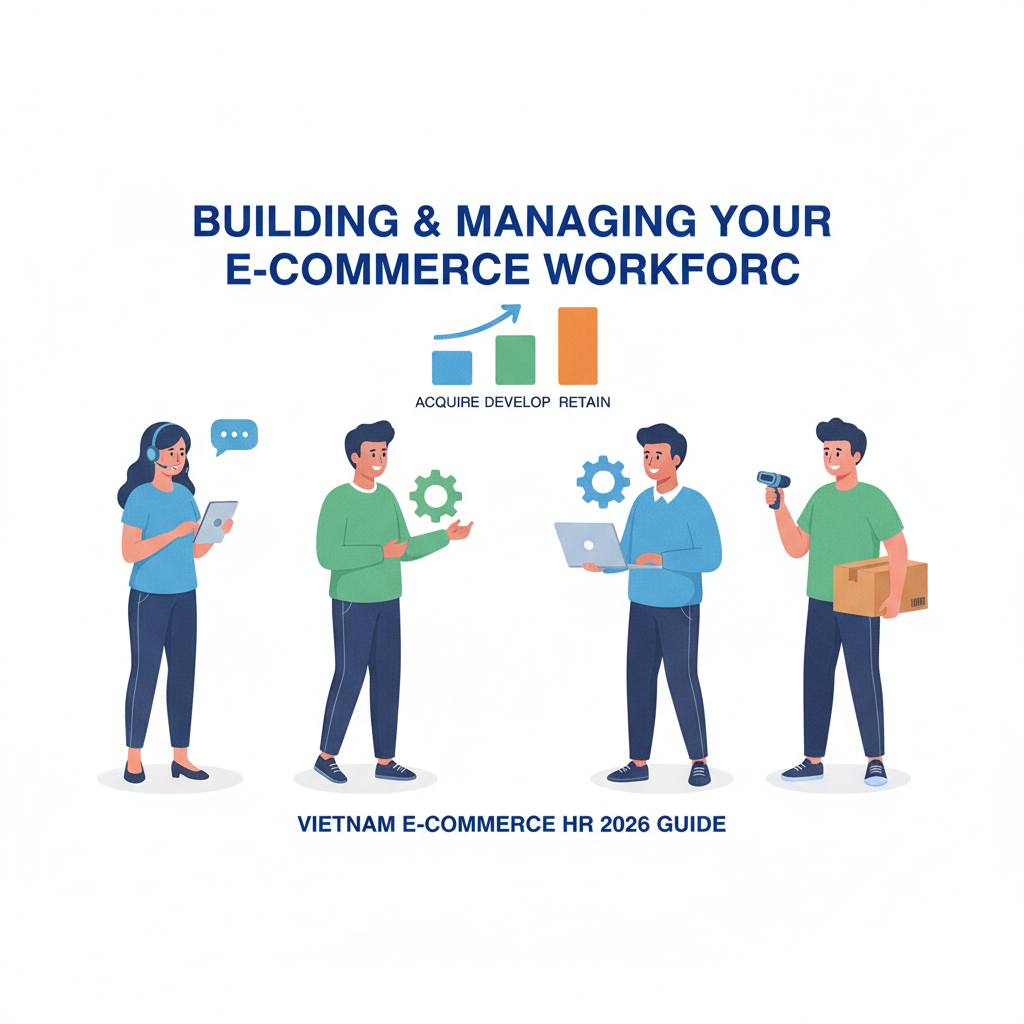
Building & Managing Your E-commerce Workforce
For a fresh CEO navigating the dynamic e-commerce landscape in Vietnam, establishing a robust Human Resources (HR) framework is as critical as mastering digital marketing or supply chain logistics. This section offers a comprehensive, Step by Step to understand SMEs HR Structure for the fresh the CEO in Ecommerce field in vietnam, detailing the practical aspects of attracting, hiring, and managing the talent crucial for an e-commerce SME’s success. From initial recruitment to long-term employee retention, mastering these HR fundamentals is key to building a resilient and productive e-commerce team.
1. Effective Recruitment Strategies for E-commerce Roles
The highly competitive nature of Vietnam’s e-commerce sector demands proactive and targeted recruitment. To build a thriving e-commerce team, SMEs must first define their ideal candidate profiles for key roles such as digital marketing specialists, customer service representatives, logistics coordinators, data analysts, and web developers. Effective e-commerce talent acquisition begins with a clear understanding of the skills and cultural fit required for each position. Leveraging a multi-channel approach is vital. This includes utilizing popular local job portals, professional networking sites like LinkedIn, and even specialized e-commerce communities. Consider partnering with universities for internships and entry-level positions, nurturing local talent from the ground up. Referral programs can also be highly effective, tapping into your existing employees’ networks. Highlight your company culture, growth opportunities, and the exciting challenges of the e-commerce space to attract top candidates. Remember, the goal is not just to fill a vacancy, but to identify individuals who can contribute significantly to your SME’s growth, understanding the nuances of the local market and the global digital trends.
2. Onboarding & Performance Management Best Practices
Once you’ve successfully recruited talent, a structured onboarding process is essential to integrate new hires effectively and ensure high employee productivity. Beyond basic paperwork, a comprehensive onboarding program should introduce new team members to your company’s mission, values, tools, and the specifics of their role within the e-commerce ecosystem. Assigning mentors can accelerate their learning curve and foster a sense of belonging. For ongoing success, robust performance management e-commerce practices are indispensable. This involves setting clear, measurable Key Performance Indicators (KPIs) that align with both individual roles and overall business objectives. Regular feedback sessions, not just annual reviews, are crucial for continuous improvement. Implement a system for 360-degree feedback, allowing employees to receive input from peers and managers. Foster a culture of learning and development by providing opportunities for upskilling in areas like SEO, data analytics, or customer relationship management. Recognizing and rewarding good performance through incentives and career progression plans will significantly boost morale and commitment, contributing to overall e-commerce team building and reducing turnover.
3. Compensation, Benefits, & Employee Engagement Strategies
Attracting and retaining top talent in Vietnam’s competitive e-commerce sector goes beyond competitive salaries. A well-structured compensation and benefits Vietnam package is critical, but it must be complemented by strong employee retention strategies and a focus on engagement. Research local market benchmarks to ensure your pay scales are competitive for various e-commerce roles. Beyond salary, consider a comprehensive benefits package that might include health insurance, performance bonuses, and allowances for professional development. However, monetary incentives are only one piece of the puzzle. Cultivating a positive and supportive work environment is paramount. This involves fostering open communication, promoting work-life balance, and offering flexible working arrangements where feasible. Invest in creating a vibrant company culture through team-building activities, recognition programs, and opportunities for employees to voice their ideas and contribute to strategic decisions. Offering clear career progression paths and investing in continuous learning are powerful motivators. An engaged workforce is a productive workforce, leading to lower attrition and higher job satisfaction. By prioritizing these elements, your SME can build a loyal, high-performing team. For further insights on building effective talent strategies, consider exploring resources on talent management best practices.
In conclusion, establishing a strong HR structure for SMEs Vietnam is fundamental for any fresh CEO in the e-commerce field. By focusing on strategic recruitment, effective performance management, and comprehensive compensation and engagement strategies, you can build and nurture a workforce that drives your e-commerce venture towards sustainable success. Understanding these core principles is your workforce planning e-commerce blueprint for growth.
Strategic HR Development & Tech Integration
For a CEO in Vietnam’s dynamic e-commerce sector, long-term success hinges on a strategic approach to Human Resources. This involves proactive HR development, encompassing robust training, insightful succession planning, and the intelligent leverage of technology to optimize operations. Understanding your human capital is a critical Step by Step to understand SMEs HR Structure for the fresh the CEO in Ecommerce field in vietnam, laying the foundation for sustainable growth.
1. Developing HR Strategy & Talent Growth Plans
A fresh CEO must first craft a comprehensive HR strategy aligned with business objectives. This goes beyond mere recruitment, focusing on proactive talent acquisition—securing individuals skilled in digital marketing, logistics, and customer service essential for e-commerce SMEs. Continuous employee training and development is critical; the rapid evolution of the digital landscape demands ongoing upskilling and reskilling. Tailored programs foster leadership and introduce new technologies, directly supporting effective succession planning for key roles and ensuring business continuity.
Robust performance management frameworks are also vital, offering constructive feedback and recognizing achievements. Coupled with competitive compensation and benefits, effective performance management is crucial for fostering high employee engagement and strong employee retention. By investing in growth and well-being, CEOs cultivate a loyal, productive, and adaptable workforce ready to meet Vietnam’s dynamic e-commerce demands.
2. Leveraging HR Technology & Tools (HRIS)
Manual HR processes hinder strategic decision-making in today’s digital economy. CEOs must embrace HR technology, particularly integrated Human Resources Information Systems (HRIS), to streamline operations and gain valuable insights. An HRIS centralizes employee data, automates administrative tasks like payroll and time tracking, significantly boosting operational efficiency.
Implementing an HRIS transforms HR into a strategic partner by enabling data-driven decisions. Analytics on turnover, training effectiveness, and performance allow informed choices regarding talent investment. Tools like Applicant Tracking Systems (ATS) improve talent acquisition, while learning management systems (LMS) facilitate scalable employee training and development. This strategic adoption leads to significant HR optimization, reducing administrative burdens and allowing HR staff to focus on strategic initiatives. According to SHRM, effective HRIS implementation leads to improved compliance, better data security, and enhanced employee self-service. For an e-commerce CEO, this means a more agile HR function capable of supporting rapid scaling and managing distributed teams.
3. Addressing HR Challenges in a Dynamic Market
Vietnam’s e-commerce sector presents unique HR challenges requiring a proactive and adaptive approach. A primary concern is talent scarcity, especially for specialized digital roles. The intense competition demands robust recruitment and retention strategies, strong employer branding, and compelling value propositions to attract top talent.
Ensuring high employee engagement and fostering a positive workplace culture amidst rapid change is another significant hurdle. E-commerce often entails demanding hours and constant adaptation, necessitating focus on work-life balance, employee well-being, and clear communication to maintain morale and productivity. Building a strong organizational culture aligned with company values is essential.
Finally, navigating Vietnam’s specific labor laws and ensuring regulatory compliance is complex but vital. Proactive HR, supported by robust HRIS, can efficiently manage these complexities, allowing the CEO to focus on strategic growth. Embracing agility and adaptability in HR practices is key to overcoming these hurdles, enabling the e-commerce business to thrive in a dynamic and ever-evolving market.
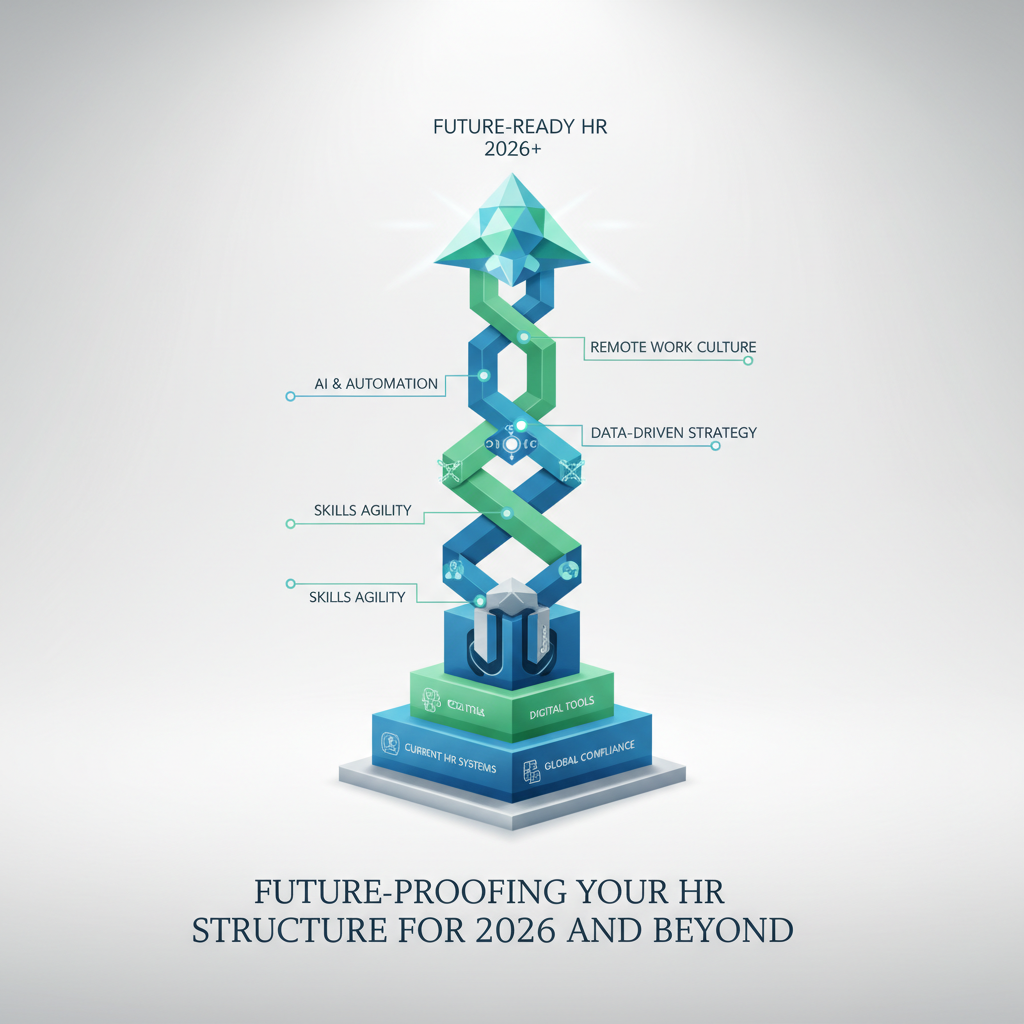
Future-Proofing Your HR Structure for 2026 and Beyond
As a fresh CEO navigating Vietnam’s dynamic e-commerce landscape, understanding and adapting your HR structure is paramount for sustainable growth. The speed of digital transformation, coupled with evolving workforce expectations, demands a proactive approach to human resources. This concluding section provides actionable insights to help you future-proof your HR strategy, ensuring your organization not only thrives amidst change but also secures its competitive edge in Vietnam’s rapidly expanding online market.
1. Adapting to Evolving Labor Market Trends
The Vietnamese labor market is in constant flux, driven by a young, tech-savvy demographic and the accelerating gig economy. For e-commerce businesses, attracting and retaining top talent requires a flexible and forward-thinking HR approach. Remote and hybrid work models, once a contingency, are now a critical expectation, especially for skilled tech and marketing roles. Your HR structure must embrace this flexibility, ensuring robust communication channels, performance management systems, and virtual team-building initiatives.
Furthermore, the demand for specialized skills in areas like data analytics, AI, digital marketing, and logistics optimization is intensifying. To stay competitive, your HR strategy needs to focus on continuous upskilling and reskilling programs for your existing workforce. Partnerships with educational institutions or online learning platforms can provide valuable pathways for your employees to acquire these critical competencies. Consider also the strategic use of contractors and freelancers for project-based work, allowing your organization to scale expertise quickly without long-term overheads. According to PwC’s insights on the Future of Work in Southeast Asia, businesses must prioritize agility and skills development to navigate the changing talent landscape effectively. Your ability to forecast future skill needs and proactively address gaps will be a defining factor in your HR structure’s resilience.
2. Cultivating a Strong Company Culture
In the competitive e-commerce world, a strong, vibrant company culture is no longer a luxury but a necessity for attracting and retaining the best talent. For a fresh CEO in e-commerce, cultivating a positive and inclusive culture can differentiate your brand as an employer of choice. This involves clearly articulating your company values and ensuring they are genuinely embedded in daily operations, from hiring practices to performance reviews. Transparency, open communication, and psychological safety are crucial for fostering an environment where employees feel valued, heard, and empowered to innovate.
Emphasize diversity, equity, and inclusion (DEI) not just as buzzwords, but as fundamental principles that drive decision-making and team dynamics. A diverse workforce brings varied perspectives, which is invaluable for understanding and serving a broad customer base in e-commerce. Invest in employee well-being initiatives, including mental health support, flexible working hours, and opportunities for professional growth. A culture that prioritizes employee holistic well-being translates directly into higher engagement, reduced turnover, and increased productivity – all critical for the fast-paced nature of e-commerce.
3. Continuous Improvement & HR Analytics
To truly future-proof your HR structure, adopt a data-driven approach to human resource management. Implementing a robust HR Information System (HRIS) is the first step, enabling you to track key metrics such as employee turnover rates, time-to-hire, training effectiveness, and employee engagement scores. This data provides invaluable insights into the health of your workforce and the efficiency of your HR processes. Regularly analyze these metrics to identify trends, predict potential challenges, and make informed decisions.
Embrace HR analytics to move beyond reactive problem-solving to proactive strategic planning. For instance, predictive analytics can help forecast staffing needs based on sales projections, identify potential flight risks, or determine the effectiveness of different recruitment channels. For a fresh CEO looking for a Step by Step to understand SMEs HR Structure for the fresh the CEO in Ecommerce field in vietnam, leveraging these insights is crucial. Furthermore, consider adopting agile HR methodologies, allowing your HR team to iterate quickly on policies and programs, responding rapidly to changes in the market or employee needs. By continuously measuring, analyzing, and adapting, your HR structure will evolve into a strategic asset, driving sustainable growth and ensuring your e-commerce venture remains resilient in 2026 and beyond.
Partner with Shelby Global
You are looking for reliable HR Sevice Suppliers? Contact Shelby Global Now! To connect with verified talents and upgrade your orginization.
—————————————
References
– Statista reports on e-commerce in Vietnam: https://www.statista.com/topics/8118/e-commerce-in-vietnam/
– Vietnam Briefing’s guide on Social Insurance in Vietnam: https://www.vietnam-briefing.com/news/social-insurance-in-vietnam-a-primer-for-employers.html
– talent management best practices: https://hbr.org/2021/04/the-new-rules-of-talent-management
– SHRM: Benefits of HRIS: https://www.shrm.org/resources-and-tools/hr-topics/technology/pages/benefits-of-hris.aspx
– PwC’s insights on the Future of Work in Southeast Asia: https://www.pwc.com/sg/en/future-of-work/future-of-work-in-southeast-asia.html