Understanding Vietnam’s Retail SME HR Landscape
This section outlines the unique challenges and opportunities for HR management within small and medium-sized retail businesses in Vietnam.
Vietnam’s vibrant economy, fueled by a young, dynamic population and increasing disposable income, has led to a booming retail sector. Small and Medium-sized Enterprises (SMEs) are the backbone of this growth, contributing significantly to employment and GDP. However, managing human resources within these retail SMEs presents a distinct set of complexities and prospects. From navigating a competitive talent market to ensuring compliance with evolving labor laws, effective HR structures for SMEs the CEO in retail companies in Vietnam are crucial for sustainable success.

1. Key characteristics of Vietnam’s retail SME market
The retail SME market in Vietnam is characterized by its rapid expansion and highly fragmented nature. Thousands of small shops, boutiques, and specialized stores compete alongside larger chains and e-commerce platforms. This environment fosters innovation but also intense competition for market share and, crucially, for talent. A key characteristic is the young demographic of both consumers and the workforce, demanding contemporary approaches to work-life balance, career development, and digital engagement. Many retail SMEs operate with lean teams, often with the owner or CEO HR role Vietnam directly overseeing personnel matters. Digital adoption is accelerating, influencing customer interactions and necessitating upskilling in areas like e-commerce, digital marketing, and data analytics among retail staff. Understanding these nuances is the first step towards developing effective retail HR strategies tailored for this market.
2. Common HR challenges for small retail businesses
For many small retail businesses in Vietnam, HR challenges are multifaceted. One significant hurdle is effective talent acquisition Vietnam retail. Attracting skilled and motivated employees, especially for customer-facing roles that require strong communication and sales acumen, can be difficult amidst high turnover rates in the sector. Furthermore, offering competitive compensation and benefits packages that can rival larger enterprises often strains limited budgets. This directly impacts employee retention strategies, as small businesses struggle to keep valuable staff engaged and prevent them from moving to competitors. Lack of dedicated HR departments means that administrative tasks, from payroll to performance reviews, often fall to senior managers or the CEO, diverting their focus from core business operations. Training and development for skill development retail staff also presents a challenge, with a constant need to update knowledge on products, customer service best practices, and new technologies. Implementing proper performance management and fostering a positive workplace culture are often overlooked, leading to decreased productivity and higher attrition. For deeper insights into optimizing these critical functions, explore our resources on HR structures for SMEs the CEO in retail companies in Vietnam.
3. Navigating Vietnam’s labor laws and regulations for SMEs
Compliance with Vietnam’s complex and evolving labor laws is a critical, yet often daunting, task for retail SMEs. Key areas of concern include employment contracts (ensuring they meet legal requirements for both permanent and temporary staff), working hours, minimum wage regulations, social insurance contributions, and lawful termination procedures. Missteps in any of these areas can lead to significant penalties, legal disputes, and reputational damage. Small businesses, often lacking legal or dedicated HR expertise, find labor law compliance Vietnam particularly challenging. They must keep abreast of updates from the Ministry of Labor, Invalids and Social Affairs (MOLISA) and local authorities. Understanding the nuances of probationary periods, annual leave, sick leave, and mandatory benefits is paramount. Proactive measures, such as seeking professional advice or utilizing reliable resources, are essential to ensure HR compliance retail SMEs. This proactive approach helps in establishing fair and transparent workplace practices, preventing legal issues, and fostering trust with employees. For a comprehensive overview of the latest regulations, reference reliable sources like Vietnam Briefing’s guide on Vietnam’s Labor Laws: What to Know About the Country’s Latest Regulations.
By addressing these challenges head-on and leveraging opportunities, retail SMEs in Vietnam can build resilient and effective human resource frameworks. Investing in HR best practices small businesses, from transparent recruitment to consistent training and strict adherence to regulations, will not only ensure compliance but also empower employees, driving growth and competitiveness in this dynamic market. Embracing SME workforce management principles and considering digital HR solutions for SMEs can further streamline operations and enhance overall HR effectiveness.
Building Foundational HR Structures for Early Growth
For early-stage retail Small and Medium-sized Enterprises (SMEs) in Vietnam, establishing robust Human Resources (HR) HR structures for SMEs the CEO in retail companies in vietnam is not merely a bureaucratic task; it’s a strategic imperative. As a CEO, your focus on growth and market penetration is paramount, but overlooking the human element can lead to significant operational bottlenecks and legal risks down the line. Investing in foundational HR from the outset ensures sustainable development, cultivates a positive work environment, and prepares your company for scaling. This section outlines the essential HR elements and initial steps you, as a CEO in the vibrant Vietnamese retail landscape, should prioritize to establish a solid foundation, navigate the complexities of employee management, and build a resilient workforce.
1. Defining roles, responsibilities, and job descriptions
One of the first and most critical steps in building strong HR HR structures for SMEs the CEO in retail companies in vietnam is to clearly define every role within your organization. In the fast-paced retail environment, ambiguity can lead to inefficiency, duplicated efforts, and unmet expectations. Establishing well-defined job descriptions goes beyond listing tasks; it clarifies the scope, responsibilities, reporting lines, and required competencies for each position. For an early-stage HR retail Vietnam operation, this means detailing expectations for sales associates, store managers, inventory specialists, and administrative staff. Clear job descriptions serve multiple purposes: they guide your recruitment retail Vietnam efforts by attracting candidates with the right skill sets, provide a benchmark for performance evaluations, aid in setting realistic goals, and contribute to a transparent workplace culture. By ensuring everyone understands their contribution to the company’s success, you foster accountability and empower your team. This foundational clarity is crucial for any retail SME HR essentials playbook, laying the groundwork for effective employee management and operational efficiency.
2. Basic recruitment, onboarding, and employee record-keeping
Once roles are defined, the next challenge for the CEO guide HR Vietnam retail is to efficiently attract, integrate, and manage talent. Recruitment retail Vietnam for SMEs should be streamlined yet effective, focusing on identifying individuals who not only possess the necessary skills but also align with your company’s culture and values. For HR setup for small retail Vietnam, this often means leveraging local job boards, social media, and word-of-mouth referrals. However, the hiring process doesn’t end with an acceptance letter; effective onboarding retail Vietnam is vital for retention and productivity. A structured onboarding program, even a simple one, introduces new hires to the company’s mission, values, policies, and their team, making them feel welcome and productive faster. Equally important is meticulous employee management retail SMEs through record-keeping. Maintaining accurate and confidential employee records – including personal information, contracts, attendance, performance reviews, and training logs – is not just a best practice; it’s a legal requirement in Vietnam. This system ensures compliance with labor laws, facilitates efficient HR administration, and provides critical data for strategic decision-making regarding your workforce. Prioritizing these basic yet crucial steps forms the backbone of foundational HR retail practices.
3. Ensuring payroll accuracy and fundamental benefits compliance
Nothing impacts employee morale and trust more directly than accurate and timely payroll. For payroll for retail startups Vietnam, precision is paramount. Mistakes in salary calculation, deductions, or payment schedules can quickly erode employee confidence and lead to significant legal complications. Beyond basic wages, understanding and complying with Vietnam’s labor laws regarding mandatory benefits is essential for HR compliance Vietnam retail. This typically includes social insurance, health insurance, unemployment insurance, and statutory allowances. As an early-stage HR retail Vietnam company, establishing a reliable payroll system—whether through dedicated software or a trusted third-party provider—is crucial. This system should not only manage salary disbursements but also correctly calculate and remit mandatory contributions to relevant government bodies. Ensuring compliance protects your company from fines and penalties while demonstrating your commitment to employee welfare. A proactive approach to HR structures for SMEs the CEO in retail companies in vietnam concerning payroll and benefits not only fosters a sense of security among your employees but also strengthens your reputation as a responsible employer, crucial for attracting and retaining talent in a competitive market.
By focusing on these foundational HR structures, CEOs in early-stage retail SMEs in Vietnam can build a resilient, compliant, and motivated workforce. These initial investments in defining roles, streamlining recruitment and record-keeping, and ensuring payroll accuracy lay the groundwork for a scalable HR function that supports your business growth rather than hinders it. Viewing HR as a strategic partner from day one is the key to long-term success in Vietnam’s dynamic retail sector.
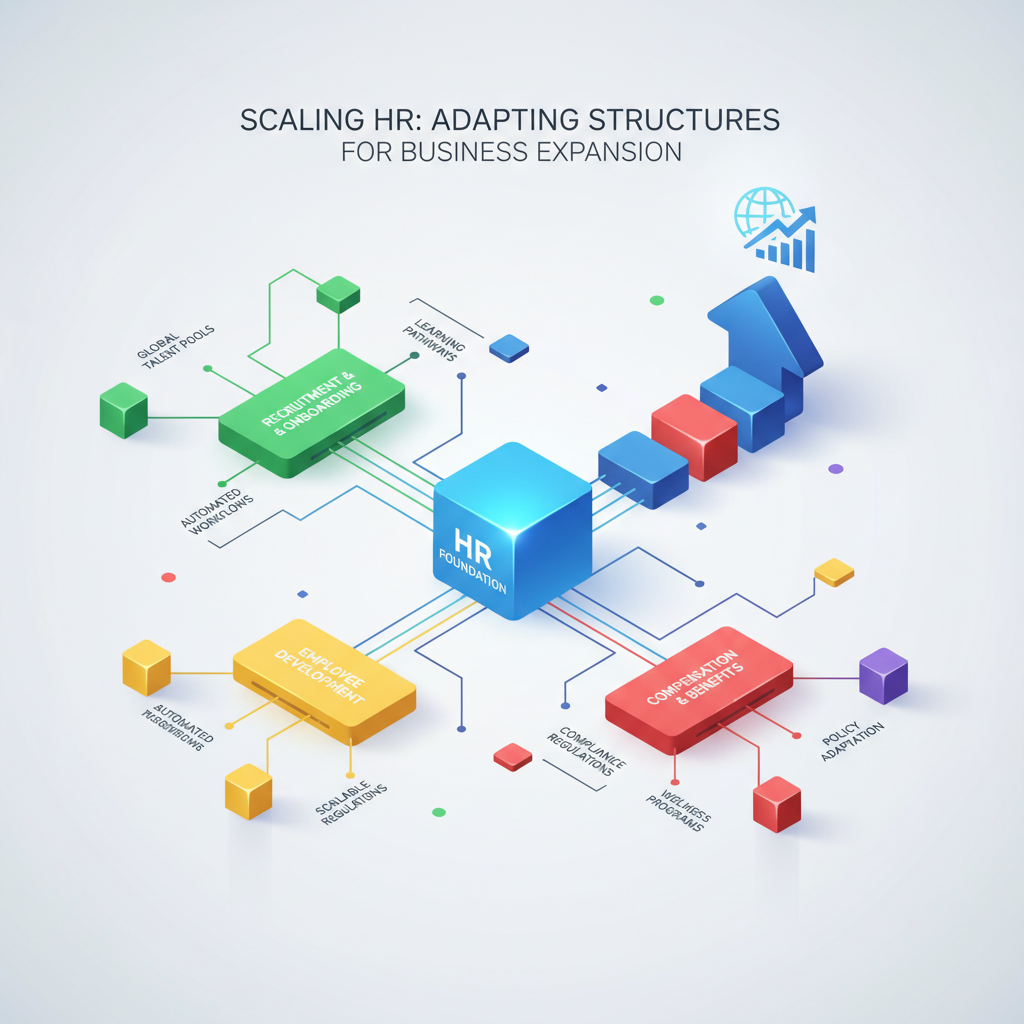
Scaling HR: Adapting Structures for Business Expansion
As a retail Small and Medium-sized Enterprise (SME) in Vietnam experiences significant growth, the informal, ad-hoc approach to human resources quickly becomes unsustainable. What once worked for a handful of employees and a single storefront no longer suffices for an expanding workforce across multiple locations. For the HR structures for SMEs the CEO in retail companies in vietnam, this evolution demands a strategic overhaul of HR functions, transitioning from reactive problem-solving to proactive, structured talent management. This section explores how HR evolves alongside business expansion, focusing on essential strategies to manage an expanding workforce and increasingly complex HR needs, ensuring sustained operational efficiency and growth.
1. Implementing Performance Management and Appraisal Systems
Initially, performance reviews in a burgeoning retail SME might be informal, based on direct observation and personal rapport. However, as employee numbers grow, this approach loses objectivity and consistency, leading to potential fairness issues and demotivation. Establishing formal performance management and appraisal systems becomes critical. These systems provide a clear framework for setting expectations, monitoring progress, and evaluating employee contributions against specific Key Performance Indicators (KPIs).
For a retail business, KPIs could include sales targets, customer satisfaction scores, inventory management accuracy, or team productivity. Regular performance reviews, whether quarterly or semi-annually, coupled with ongoing feedback mechanisms, ensure employees understand their roles, identify areas for improvement, and feel valued for their achievements. This not only boosts individual accountability but also informs strategic decisions regarding promotions, bonuses, and training needs. Effective performance management fosters a culture of high performance and continuous improvement, essential for navigating the complexities of workforce expansion in Vietnam’s dynamic retail sector.
2. Developing Effective Training and Development Programs
Growth inevitably brings new challenges and demands new skills. An expanding retail operation requires not only more staff but also staff with enhanced capabilities, from advanced sales techniques and customer service excellence to managerial leadership and digital literacy. Developing effective training and development programs is paramount for maintaining a competitive edge and ensuring employees can adapt to evolving business needs and new retail technologies.
Training should encompass various aspects: comprehensive onboarding for new hires to integrate them quickly into the company culture and processes; upskilling existing staff in new product knowledge, operational procedures, or customer engagement strategies; and leadership development for those stepping into supervisory or management roles. Investing in employee growth demonstrates a commitment to their long-term career paths, significantly enhancing employee engagement and loyalty. This proactive approach to skill development minimizes skill gaps, improves service quality, and prepares the organization for future expansion, proving indispensable for sustainable retail growth.
3. Strategies for Talent Retention and Succession Planning
In a competitive market like Vietnam, talent retention is a significant challenge for growing retail SMEs. Losing experienced employees can be costly, disrupting operations, increasing recruitment expenses, and impacting team morale. Therefore, implementing robust strategies for retaining key talent and planning for future leadership is non-negotiable. Competitive compensation and benefits packages are foundational, but they must be complemented by a positive work environment, clear career progression paths, and opportunities for professional development.
Employee engagement initiatives, recognition programs, and a culture that values work-life balance can dramatically reduce turnover. Beyond retention, succession planning ensures the continuity of leadership and critical roles. Identifying high-potential employees early, providing them with mentorship, cross-training, and leadership development opportunities prepares them to step into more senior positions when vacancies arise. This proactive approach not only mitigates risks associated with key personnel departures but also creates a strong leadership pipeline, vital for steering the company through continuous growth and market shifts. According to Harvard Business Review, understanding the drivers of employee turnover and addressing them proactively is crucial for sustained business success. By strategically developing HR structures for SMEs the CEO in retail companies in vietnam can ensure their human capital is a source of strength, not vulnerability, as they scale their operations.
The CEO’s Strategic Role in HR for Retail SMEs
In the dynamic landscape of Vietnam’s retail sector, Small and Medium-sized Enterprises (SMEs) face unique challenges in attracting, retaining, and developing talent. While often seen as an administrative function, Human Resources (HR) transcends mere compliance, emerging as a critical driver of business success. At the heart of this transformation is the CEO, whose strategic involvement is indispensable in shaping HR strategy, fostering a robust company culture, and ensuring HR initiatives directly align with overarching business objectives. For retail SMEs, understanding and optimizing their HR structures for SMEs the CEO in retail companies in Vietnam can be the differentiator between stagnation and sustainable growth. The CEO’s active participation elevates HR from a support role to a strategic partner, directly impacting everything from employee morale to profitability.
1. Integrating HR strategy with overall business goals
The CEO’s primary responsibility is to define the company’s vision and strategic direction. For retail SMEs, this might involve aggressive expansion plans, market penetration, or enhancing customer experience. Without direct CEO involvement, HR strategies risk becoming disconnected from these core business objectives. A strategically engaged CEO ensures that HR initiatives are not just about hiring and firing, but about building a workforce capable of executing the company’s vision. This includes talent acquisition strategies that target individuals with specific skills for new market entries, performance management systems that reward contributions to sales targets, and training programs designed to improve customer service, directly impacting revenue. By championing HR as a strategic asset, the CEO ensures that every HR decision contributes tangibly to the retail company’s bottom line and competitive advantage in the Vietnamese market. This strategic alignment is paramount for sustainable success and ensuring human capital effectively supports the business trajectory.
2. Fostering a positive workplace culture and employee engagement
For retail SMEs, where customer interaction is constant and staff turnover can be high, a positive workplace culture and high employee engagement are non-negotiable. The CEO is the ultimate culture architect, setting the tone from the top. Their values, leadership style, and commitment to employee well-being directly influence the organizational environment. A CEO who actively promotes open communication, recognizes employee contributions, and invests in their development creates a sense of belonging and purpose. This not only reduces costly attrition but also transforms employees into brand ambassadors, enhancing the customer experience and ultimately driving sales. Engaged employees are more productive, innovative, and resilient – qualities that are particularly vital in the fast-paced retail environment. The CEO’s consistent demonstration of these values ensures that the desired culture permeates every level of the organization, fostering a workforce that is motivated and committed to the company’s success. As highlighted by various studies on the strategic importance of HR, a strong culture is a key competitive advantage.
3. Leveraging technology for HR efficiency (HRIS adoption)
In an increasingly digital world, even retail SMEs in Vietnam can significantly benefit from leveraging technology to streamline HR operations. The CEO’s role in advocating for and overseeing the adoption of Human Resources Information Systems (HRIS) is crucial. While smaller businesses might initially shy away from such investments, a forward-thinking CEO recognizes that HRIS platforms can automate administrative tasks like payroll, attendance tracking, and leave management, freeing up HR personnel to focus on more strategic initiatives. Furthermore, HRIS provides valuable data analytics on workforce performance, talent gaps, and training needs, enabling data-driven decision-making. For a retail chain, this can mean optimized staffing levels across multiple locations, better management of seasonal hiring surges, and personalized development paths for employees. By championing HRIS adoption, the CEO empowers their HR team to operate more efficiently, enhance employee experience through self-service options, and ultimately build a more agile and responsive workforce capable of adapting to market changes and supporting the company’s growth ambitions.
In conclusion, the CEO’s role in HR for retail SMEs in Vietnam transcends traditional leadership. By strategically integrating HR with business goals, actively cultivating a positive culture, and championing technological advancements like HRIS, CEOs transform HR from a cost center into a powerful strategic advantage. This hands-on, visionary approach is critical for attracting top talent, fostering employee loyalty, and driving sustainable growth in a competitive retail landscape.
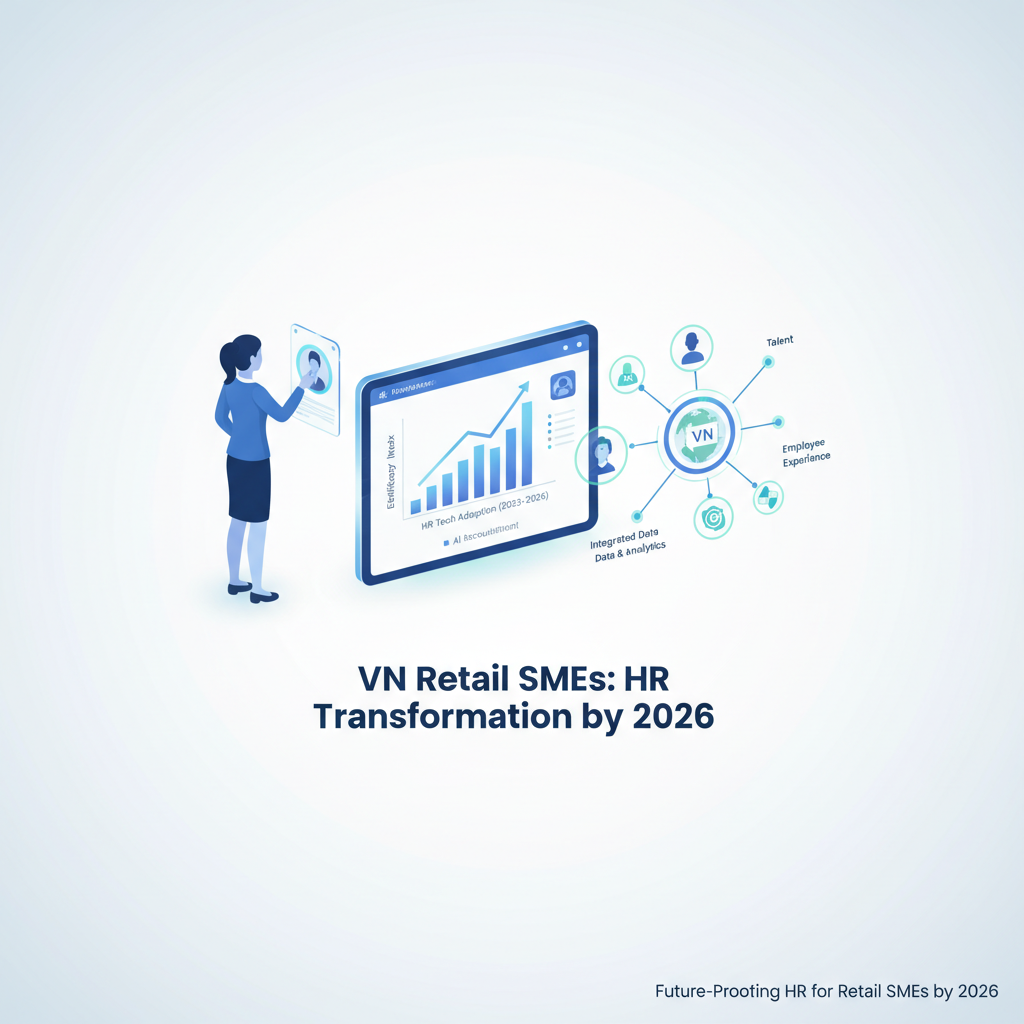
Future-Proofing HR for Retail SMEs by 2026
As Vietnam’s retail landscape continues its rapid evolution, driven by digital acceleration and shifting consumer behaviors, Human Resources (HR) within Small and Medium-sized Enterprises (SMEs) faces a critical juncture. To ensure long-term resilience and adaptability, retail SMEs must proactively future-proof their HR structures for SMEs the CEO in retail companies in vietnam. This forward-looking section explores emerging trends, challenges, and strategic considerations, offering insights for leaders to build robust HR frameworks capable of navigating the complexities of the next few years and beyond, securing their role in the future of work Vietnam HR.
1. Addressing the Impact of Digital Transformation and Remote Work
The relentless march of digital transformation is reshaping every facet of business, and HR is no exception. For Vietnamese retail SMEs, leveraging advanced digital HR solutions for retail is no longer a luxury but a strategic imperative. This involves adopting cloud-based HR Information Systems (HRIS), AI-powered recruitment tools, and automated payroll systems to streamline operations, enhance data analytics, and free up HR teams for more strategic tasks. The rise of HR tech for small businesses facilitates better talent management and operational efficiency. Furthermore, the global shift towards remote and hybrid work models has significant implications for retail, even for traditionally in-person roles. While many customer-facing positions remain on-site, administrative, marketing, and support functions can often benefit from flexible arrangements. Developing clear remote work policies Vietnam-specific and robust remote workforce management strategies will be crucial. This includes ensuring secure data access, fostering virtual team collaboration, and maintaining a strong company culture across distributed teams, ultimately enhancing the overall employee experience.
2. Navigating Evolving Labor Market Trends and Skill Gaps
Vietnam’s labor market is dynamic, characterized by a burgeoning young workforce and increasing competition for skilled talent. Retail SMEs must confront evolving expectations from Gen Z and millennials, who prioritize work-life balance, career development, and purpose-driven employment. Effective talent acquisition Vietnam retail strategies will require more than just competitive salaries; they demand a compelling employer brand and clear pathways for growth. Furthermore, the rapid pace of technological change creates persistent skill gaps. Employees need continuous workforce upskilling retail and reskilling in areas such as digital literacy, data analytics, customer experience management, and soft skills like adaptability and critical thinking. HR leaders in retail SMEs must implement proactive talent retention strategies SMEs, including personalized development plans, mentorship programs, and a commitment to fostering an inclusive and supportive work environment. Understanding future workforce planning needs and investing in continuous learning are paramount to attracting and retaining top talent.
3. Building Resilience and Adaptability into HR Practices
The future is inherently uncertain, as recent global events have demonstrated. For retail SMEs, building HR practices that are resilient and adaptable is non-negotiable. This means moving beyond transactional HR to truly strategic HR planning retail SMEs. HR must play a central role in organizational agility, anticipating disruptions, and developing contingency plans for workforce management. This includes creating flexible staffing models, cross-training employees, and establishing clear communication protocols for crises. Fostering a culture of continuous learning and psychological safety is essential, enabling employees to embrace change and contribute to innovation. HR also needs to monitor key performance indicators (KPIs) related to employee well-being, productivity, and employee engagement retail sector, using data to inform decisions and adapt strategies swiftly. By embedding organizational agility HR principles and proactive change management approaches, retail SMEs can ensure their human capital is a source of strength, capable of weathering economic shifts, technological advancements, and unforeseen challenges, ultimately driving sustainable growth in the Vietnamese retail sector.
Partner with Shelby Global
You are looking for reliable HR Sevice Suppliers? Contact Shelby Global Now! To connect with verified talents and upgrade your orginization.
—————————————
References
– Vietnam’s Labor Laws: What to Know About the Country’s Latest Regulations: https://www.vietnam-briefing.com/news/vietnams-labor-laws-what-to-know-about-the-countrys-latest-regulations.html/
– How to Write a Job Description: https://www.shrm.org/resources-and-tools/tools-and-samples/how-to-guides/pages/how-to-write-a-job-description.aspx
– Why Great Employees Leave — And How to Retain Them: https://hbr.org/2019/07/why-great-employees-leave-and-how-to-retain-them
– The Strategic Importance of HR – SHRM: https://www.shrm.org/hr-today/news/all-things-work/pages/the-strategic-importance-of-hr.aspx
– The Future of Jobs Report 2023: Key findings on AI, green jobs and skills for a new era of growth: https://www.weforum.org/agenda/2023/05/future-of-jobs-2023-ai-digital-transformation-labour-market/