Understanding AI Agents in Singapore’s FMCG Landscape
The Fast-Moving Consumer Goods (FMCG) sector in Singapore, renowned for its rapid pace, intense competition, and discerning consumer base, is undergoing a profound technological transformation. The emergence of AI agents is not merely a trend but a strategic imperative set to redefine operational efficiency, customer engagement, and decision-making across the entire value chain. Understanding how AI agent effect to FMCG companies in Singapore is crucial for businesses aiming to secure a competitive edge and thrive in an increasingly digital-first market. This section will explore the foundational aspects of AI agents, highlight why Singapore’s FMCG landscape is exceptionally receptive to their adoption, and identify the key types of agents that are shaping the future of consumer goods.
1. What are AI Agents and Their Core Functions?
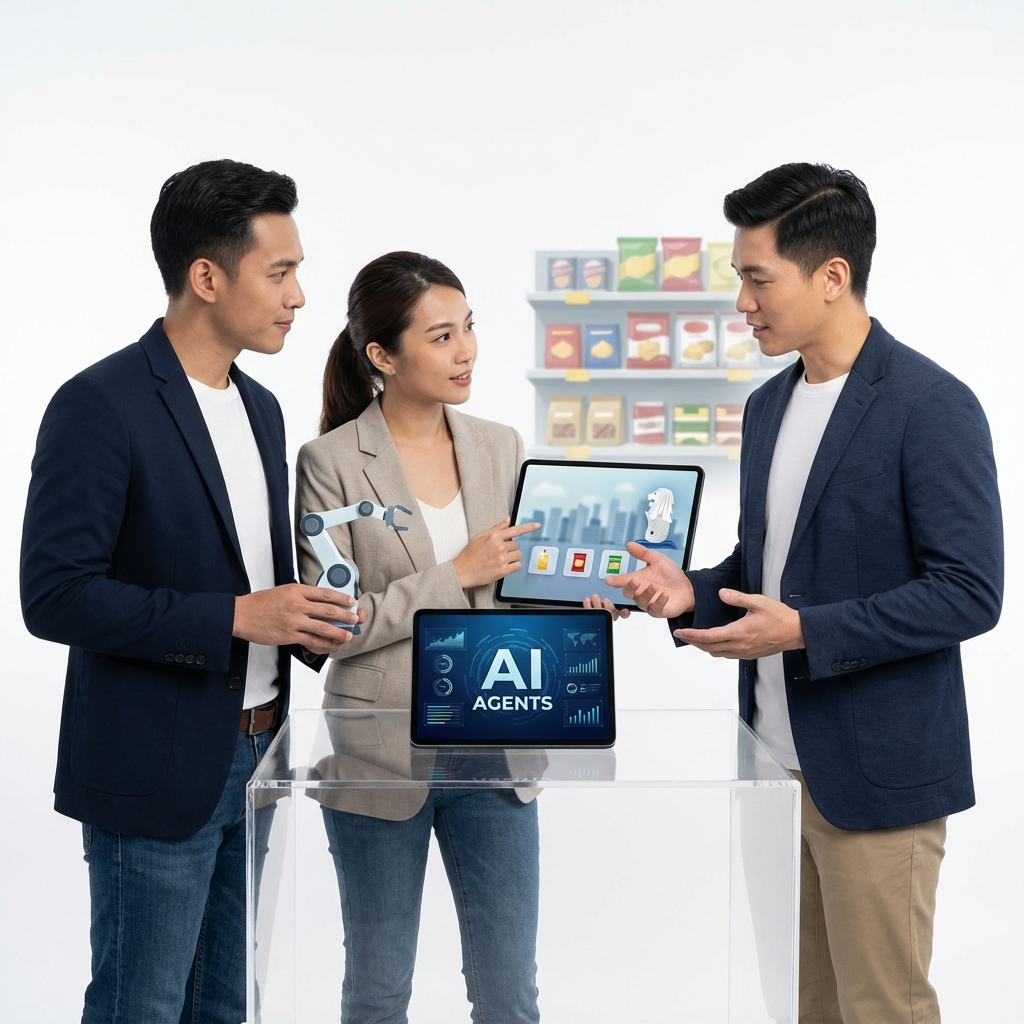
An AI agent is an autonomous entity that perceives its environment, processes information, makes decisions, and executes actions to achieve specific goals. Unlike traditional software, AI agents possess learning capabilities, allowing them to adapt and optimize performance over time. Their core functions are highly relevant to FMCG operations:
- Data Analysis & Pattern Recognition: Agents excel at processing vast datasets to identify consumer trends, market shifts, and inventory dynamics, uncovering insights human analysts might miss.
- Predictive Analytics: They forecast future outcomes, such as demand surges, supply chain disruptions, or evolving consumer preferences, enabling proactive strategic planning.
- Automation: AI agents automate repetitive tasks like inventory management, order processing, and routine customer service inquiries, freeing human capital for strategic work.
- Optimization: They continuously refine processes, optimizing pricing, delivery routes, marketing campaigns, and production schedules to maximize efficiency and profitability.
- Personalized Interactions: Agents deliver tailored experiences, from individualized product recommendations on e-commerce platforms to customized customer support, enhancing satisfaction.
These functions translate directly into tangible benefits for FMCG businesses in Singapore, driving operational excellence and growth.
2. Why Singapore’s FMCG Sector is Ripe for AI Adoption
Singapore’s unique characteristics position its FMCG sector as an ideal environment for the widespread adoption of AI agents. The nation features a highly digitalized economy, a tech-savvy population, and robust digital infrastructure, fostering an environment receptive to advanced technologies. The intense competition within Singapore’s market further pushes FMCG companies to seek innovative solutions.
Key drivers include:
- High Consumer Expectations: Singaporean consumers demand speed, convenience, personalization, and transparency. AI agents deliver these by providing instant support, tailored offers, and efficient services.
- Complex Supply Chains: As a vital logistics hub, Singapore’s FMCG sector deals with intricate global and local supply chains. AI agents offer real-time visibility, optimize inventory, and mitigate risks, simplifying these complexities.
- Data Abundance: Singapore’s digital ecosystem generates vast amounts of data from e-commerce, loyalty programs, and smart store sensors. AI agents are perfectly equipped to harness this data for actionable insights, informing smarter business strategies.
- Government Initiatives: The Singapore government actively promotes digital transformation and AI adoption across industries. The IMDA Singapore champions enterprise digitalization, providing supportive policies and frameworks that encourage FMCG firms to embrace AI to enhance competitiveness.
By addressing challenges like fluctuating demand and the need for hyper-personalization, AI agents offer a clear path to enhanced efficiency, sustainability, and a competitive edge for FMCG players in Singapore.
3. Key Types of AI Agents for Consumer Goods Companies
The application of AI agents in the FMCG sector is diverse, impacting various functions and departments. Here are some key types significantly influencing consumer goods companies:
- Customer Service AI Agents: Chatbots and virtual assistants on websites and messaging platforms handle routine inquiries, process orders, and provide product information 24/7, improving customer satisfaction and reducing operational costs.
- Marketing and Sales AI Agents: These agents personalize campaigns, recommend products based on individual behavior, optimize pricing dynamically, and identify high-value customer segments, driving targeted engagement and conversion.
- Supply Chain Optimization Agents: Crucial for efficient inventory and logistics, these AI agents accurately forecast demand, optimize warehousing, manage transportation, and predict disruptions, ensuring product availability.
- Quality Control and Production Agents: In manufacturing, AI agents monitor production lines for anomalies, predict equipment failures, and ensure product quality through sensor data analysis and visual inspections, minimizing defects and waste.
- Retail Execution Agents: Using computer vision, these agents monitor shelf compliance, analyze planograms, track stock levels in real-time, and provide insights into consumer interaction in physical stores, optimizing product placement and availability.
The integration of these diverse AI agents is fundamentally changing how AI agent effect to FMCG companies in Singapore, enabling them to navigate market complexities with greater agility and deliver unparalleled value. To explore more about how these technologies are transforming the industry, delve into resources detailing how AI agent effect to FMCG companies in singapore within the regional context. This comprehensive adoption marks a new era of intelligence and efficiency for the industry.
Revolutionizing Supply Chain & Operations with AI
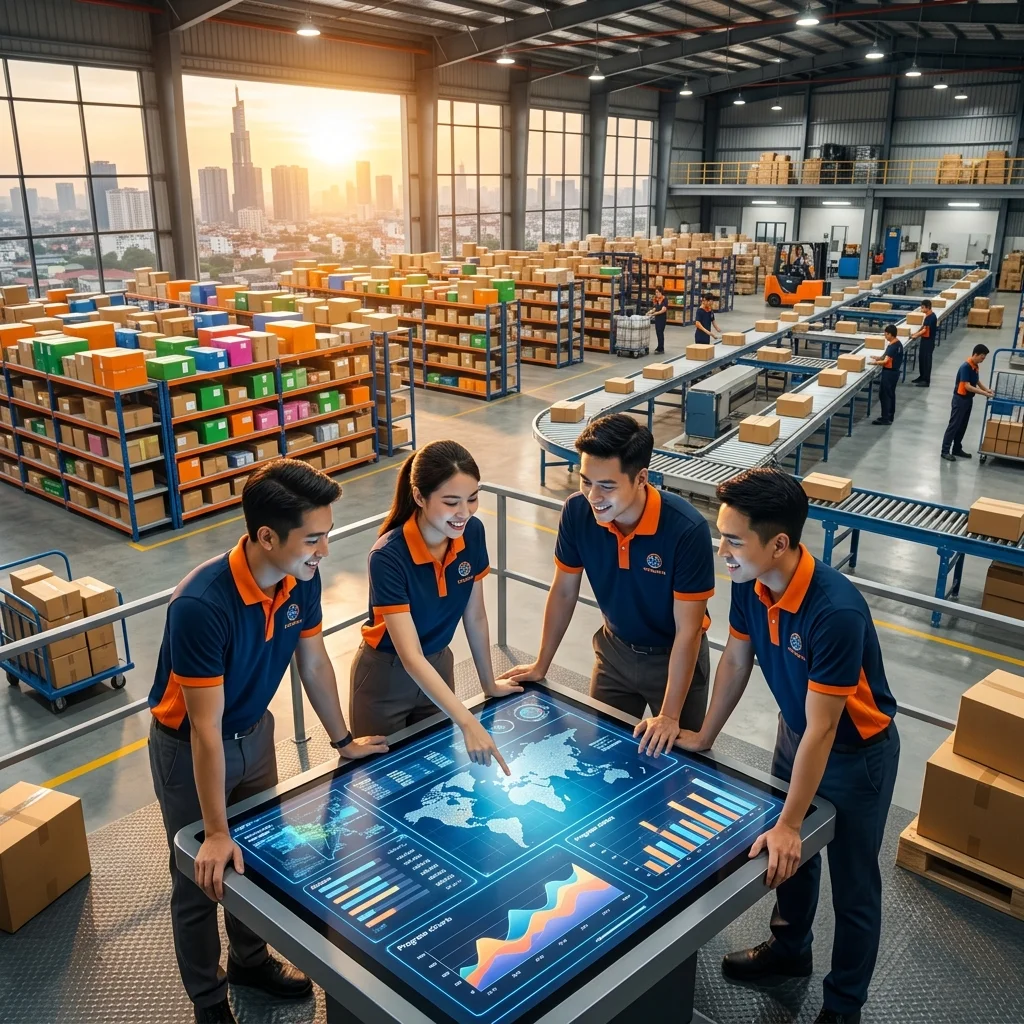
Singaporean Fast-Moving Consumer Goods (FMCG) companies face a unique set of challenges, from dynamic consumer preferences in a compact, import-reliant market to the complexities of global supply chains. In this landscape, AI agents are emerging as transformative tools, offering unprecedented opportunities to streamline logistics, optimize inventory, and enhance production processes for greater efficiency and a significant competitive advantage. Understanding How AI agent effect to FMCG companies in Singapore is crucial for businesses aiming to stay ahead.
1. AI-driven Demand Forecasting and Automated Inventory Management
Traditional demand forecasting methods often struggle with the volatility inherent in the FMCG sector. AI agents, however, revolutionize this by leveraging advanced machine learning algorithms to process vast and diverse datasets. These include historical sales data, promotional activities, market trends, social media sentiment, competitor actions, and even weather patterns. For Singaporean FMCG companies, this means moving beyond reactive adjustments to proactive, highly accurate predictions of consumer demand, helping to optimize AI in supply chains to make better decisions. This granular insight significantly reduces the risks of both stockouts, which can lead to lost sales and customer dissatisfaction, and overstocking, which ties up valuable capital and increases warehousing costs.
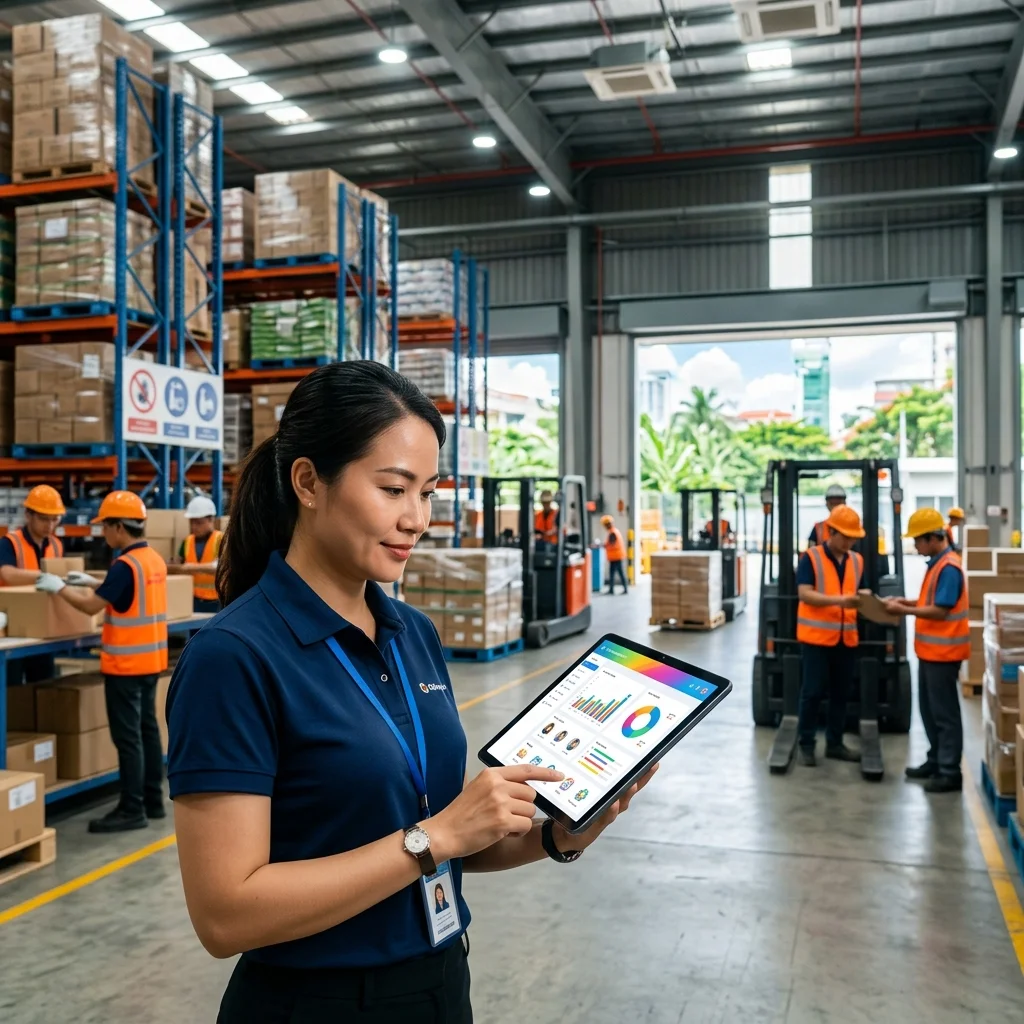
Beyond forecasting, these AI agents seamlessly integrate with inventory management systems, enabling automated replenishment and smart warehousing solutions. They monitor inventory levels in real-time, triggering reorders based on predicted demand and supplier lead times, thereby automating a critical component of the supply chain. This not only minimizes human error but also ensures optimal stock levels across distribution centers, enhancing operational efficiency Singapore, and freeing up resources that can be redirected to innovation or market expansion. The impact on inventory management AI is profound, allowing Singaporean FMCG companies to maintain product availability while significantly cutting down holding costs.
2. Enhanced Logistics, Distribution Efficiency, and Supply Chain Visibility
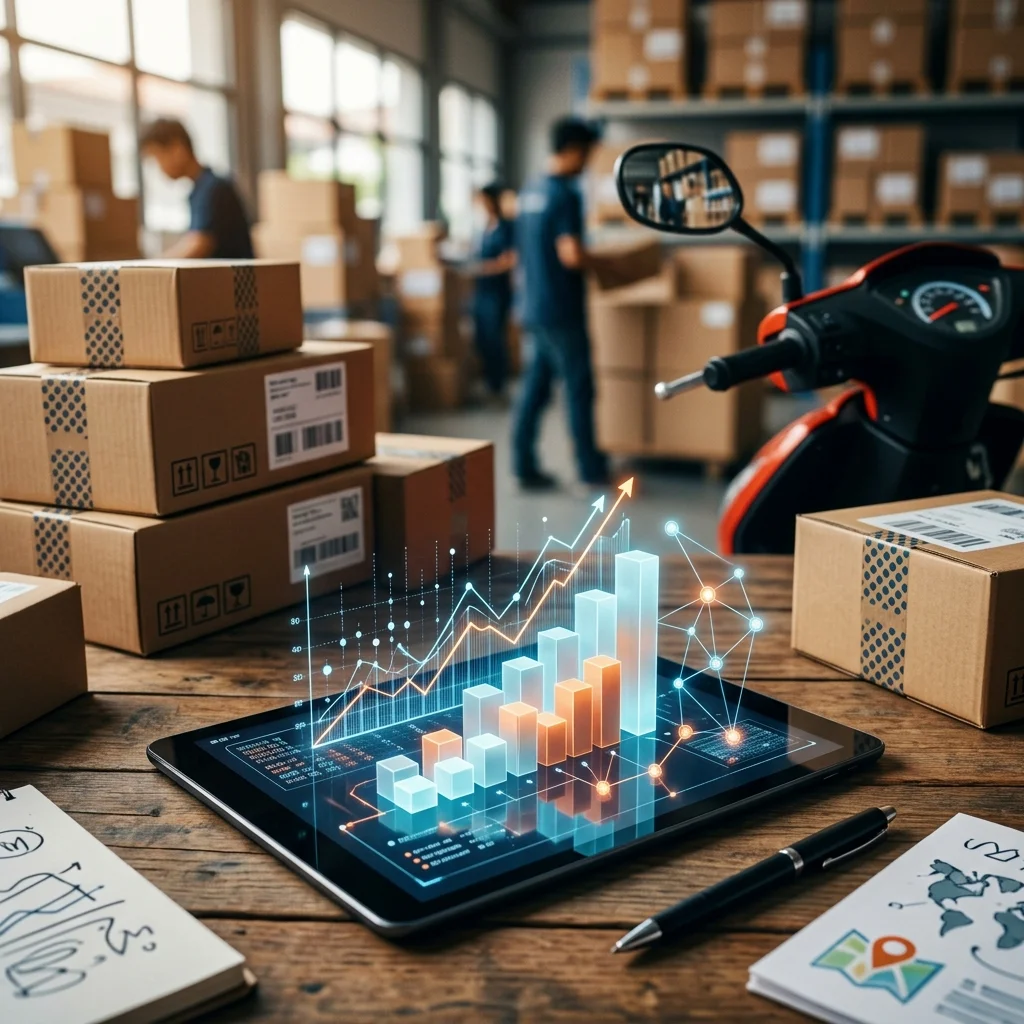
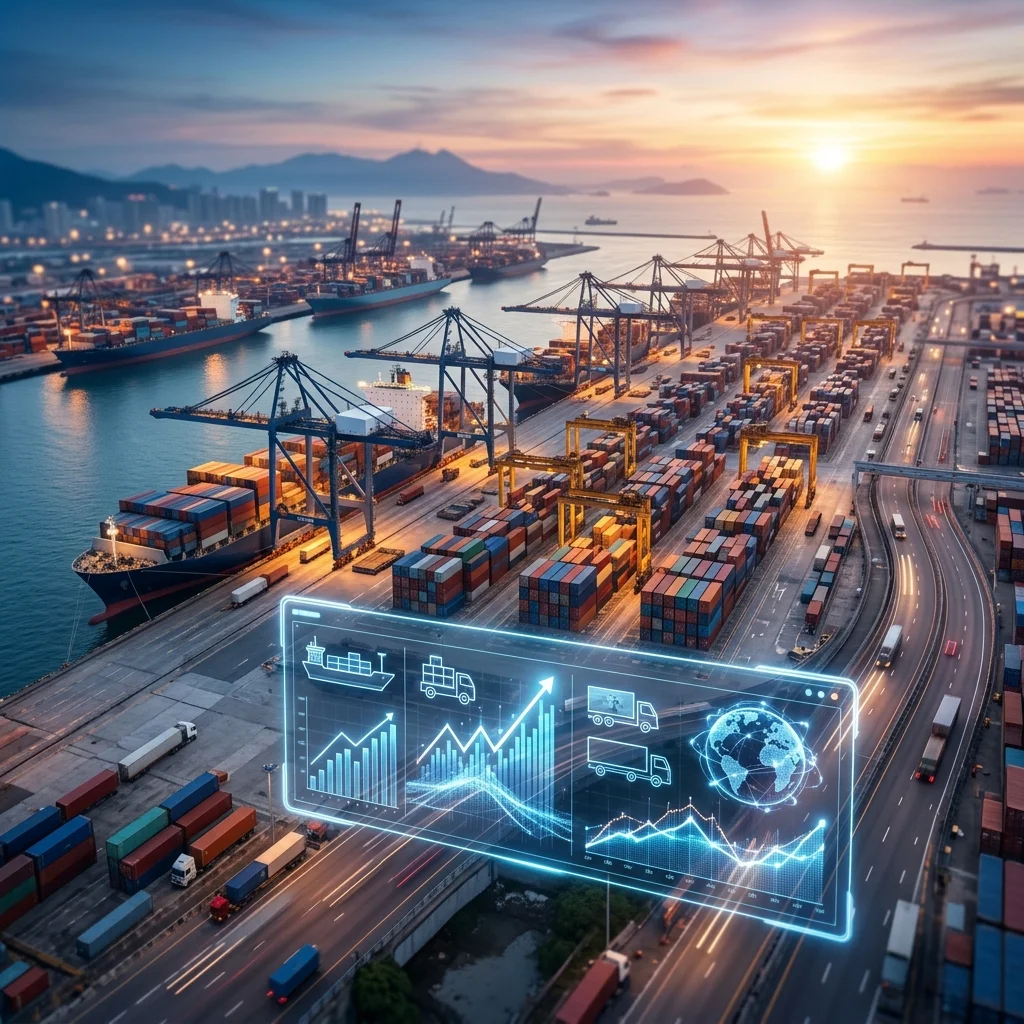
Logistics in the FMCG sector is a complex web of transportation, warehousing, and distribution, all of which benefit immensely from AI agent implementation. For Singaporean companies, AI agents can analyze countless variables—traffic conditions, delivery routes, vehicle capacity, and delivery schedules—to optimize transportation logistics. This leads to intelligent route optimization AI, reducing fuel consumption, cutting down delivery times, and lowering operational costs. Real-time supply chain visibility becomes a reality, as AI monitors the movement of goods from manufacturing plants to retail shelves, providing unparalleled transparency and allowing for immediate intervention in case of disruptions.
Furthermore, AI-powered systems can predict potential delays or bottlenecks in the distribution network by analyzing historical data and real-time external factors, such as port congestion or weather events. This predictive capability enables companies to reroute shipments or adjust schedules proactively, ensuring timely deliveries and enhancing customer satisfaction. Automated distribution networks, driven by AI agents, not only improve efficiency but also contribute to a more sustainable supply chain AI by minimizing waste and optimizing resource utilization across the entire logistics chain. This level of control and insight is crucial for Singapore’s role as a regional logistics hub, strengthening its position through advanced logistics optimization AI.
3. Predictive Maintenance and Optimized Production Workflows
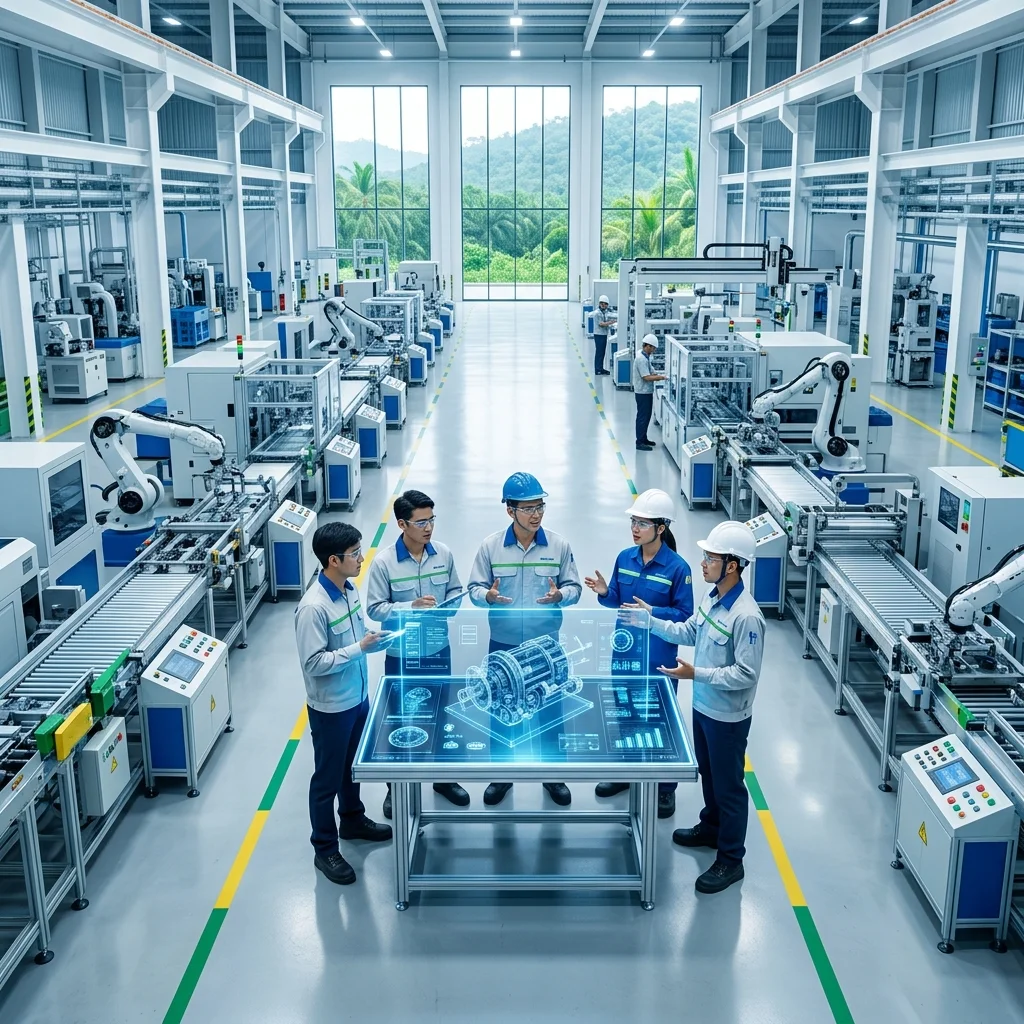
On the production front, AI agents are revolutionizing how FMCG companies manage their manufacturing assets and workflows. Predictive maintenance in manufacturing, powered by AI, moves away from traditional time-based or reactive maintenance strategies. AI agents continuously monitor machinery performance through sensors, analyzing vibration, temperature, pressure, and sound data to detect subtle anomalies that signal impending equipment failure. By accurately predicting when maintenance is needed, companies can schedule interventions proactively, minimizing unexpected downtime, extending the lifespan of critical assets, and preventing costly production stoppages.
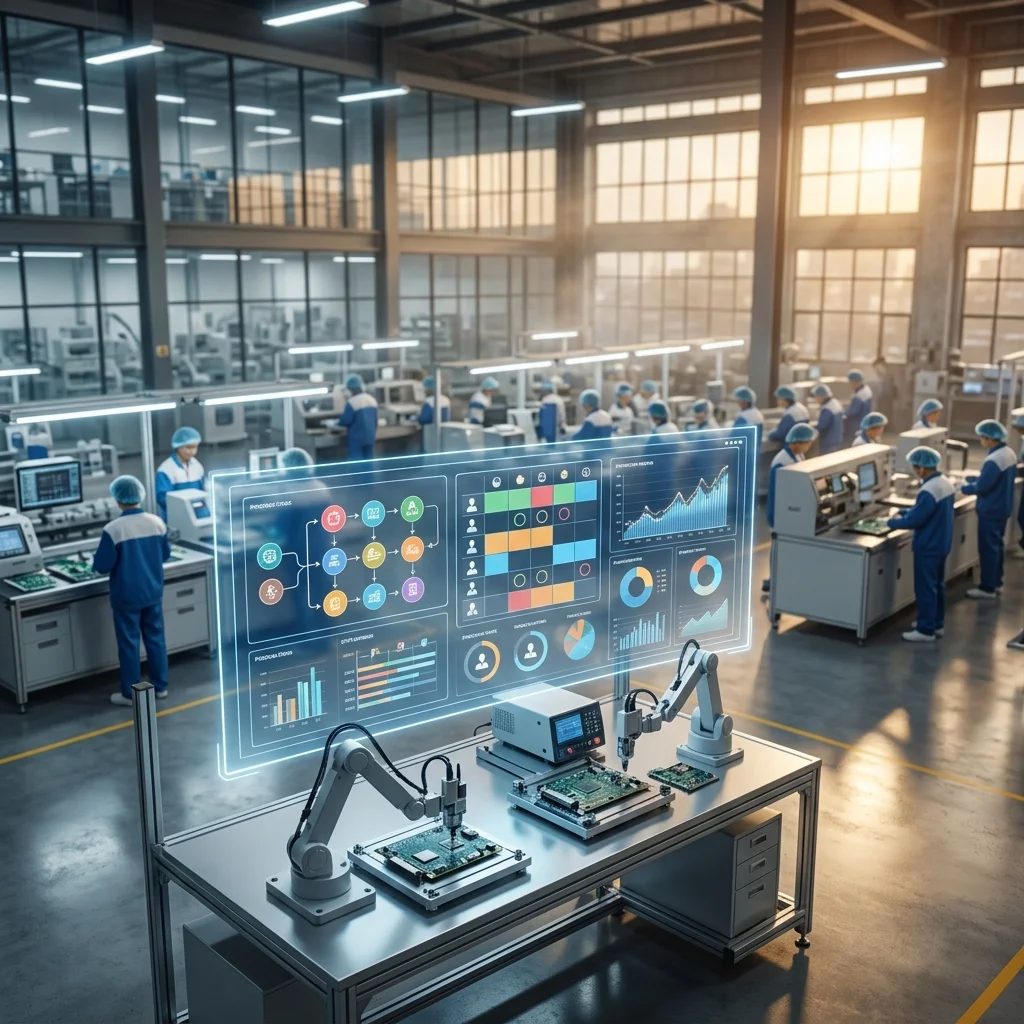
Beyond maintenance, AI agents optimize entire production process automation. They can analyze production data to identify inefficiencies, suggest optimal scheduling for production runs, and even fine-tune machine parameters for maximum throughput and quality. This leads to more agile and responsive production lines that can quickly adapt to changing demand or raw material availability, improving overall production process automation. For Singaporean FMCG manufacturers, this means higher output, reduced waste, and significant cost savings. The integration of AI for demand forecasting FMCG with production planning creates a seamless, highly efficient operational ecosystem, where AI-driven decision making ensures that resources are allocated effectively, and quality control is maintained at every stage, solidifying AI agents in FMCG as a cornerstone of modern, smart factories.
Transforming Marketing & Customer Engagement Strategies
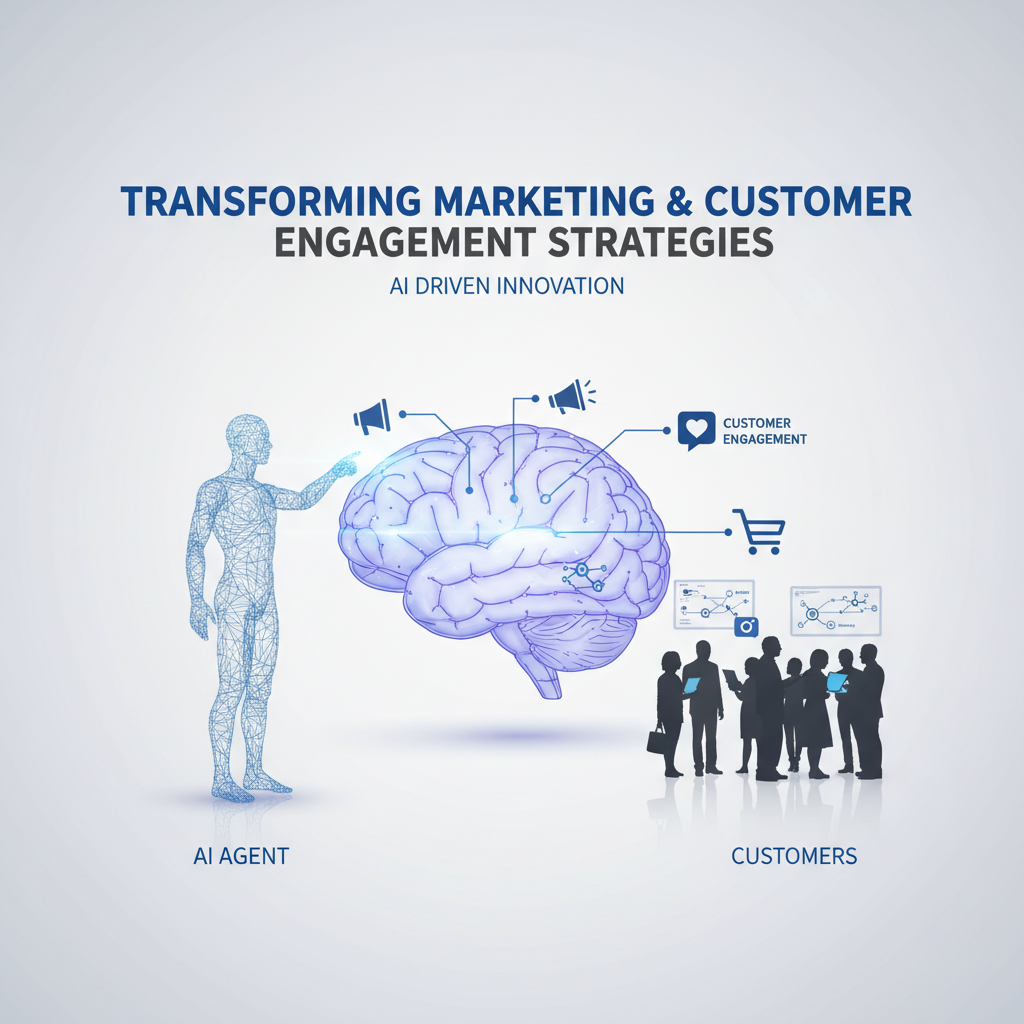
In the dynamic and competitive landscape of Singapore’s Fast-Moving Consumer Goods (FMCG) sector, staying ahead means constantly innovating how brands connect with their audience. Artificial Intelligence (AI) agents are rapidly reshaping this paradigm, offering unprecedented capabilities in understanding, engaging, and serving consumers. This section explores how AI agent effect to FMCG companies in Singapore, from hyper-personalization in marketing to advanced data analytics, driving significant shifts in strategic approaches and operational efficiency.
1. Personalized Marketing Campaigns and Product Recommendations
The era of one-size-fits-all marketing is long gone, especially for FMCG brands vying for consumer attention in a crowded market like Singapore. AI agents are at the forefront of enabling deep consumer personalization. By analyzing vast amounts of data—including browsing history, purchase patterns, social media activity, and demographic information—AI algorithms can create highly detailed consumer profiles. This allows FMCG companies to deliver tailored marketing messages and product recommendations that resonate on an individual level. Utilizing predictive analytics, AI agents can anticipate future consumer needs and preferences, suggesting relevant products even before a customer expresses a specific interest. For instance, an AI might recommend a new organic snack to a consumer who frequently purchases health-conscious products, or offer a discount on household essentials based on past buying cycles. This capability extends to highly targeted advertising across various digital channels, ensuring that marketing spend is optimized for maximum impact. By understanding and influencing the entire customer journey mapping, from initial awareness to post-purchase engagement, AI agents empower FMCG brands to build stronger, more meaningful connections with their Singaporean clientele. The significant way AI agent effect to FMCG companies in Singapore in this domain is undeniable, leading to higher conversion rates and improved customer satisfaction.
2. AI-Powered Customer Service Chatbots and Engagement Tools
Customer service is a critical differentiator in the competitive FMCG market. AI-powered chatbots and virtual assistants are revolutionizing how Singaporean consumers interact with brands, providing instant, 24/7 support. These AI agents handle a wide range of inquiries, from product information and order tracking to complaint resolution, significantly enhancing customer support automation. This not only improves efficiency by reducing the workload on human customer service teams but also ensures a consistent and seamless omnichannel experience across various platforms like websites, messaging apps, and social media. The ability of AI agents to engage in real-time interaction means consumers receive immediate answers, fostering trust and loyalty. Furthermore, these tools can collect valuable feedback during interactions, providing insights into common pain points and areas for product or service improvement. Beyond problem-solving, AI agents can proactively engage customers with personalized promotions or helpful tips related to their purchases, contributing to enhanced brand loyalty. The strategic integration of these tools underscores the profound how AI agent effect to FMCG companies in Singapore, ensuring customers feel valued and heard. This technological advancement is a cornerstone of modern customer engagement strategies.
3. Leveraging Data Analytics for Consumer Insights and Market Trends
The true power of AI agents lies in their unparalleled ability to process and analyze vast quantities of data, transforming raw information into actionable market intelligence. For FMCG companies in Singapore, this means gaining deeper insights into consumer behavior, market dynamics, and emerging trends than ever before. AI algorithms can identify subtle patterns in sales data, social media sentiment, news articles, and competitive activities, providing a holistic view of the market. This capability is crucial for accurate sales forecasting, allowing brands to optimize inventory management and supply chain optimization, thereby reducing waste and improving efficiency. By understanding evolving consumer preferences, FMCG brands can make data-driven decisions regarding new product development, pricing strategies, and promotional campaigns. AI also plays a pivotal role in competitive analysis, monitoring competitor activities and identifying market gaps that can be exploited for competitive advantage. The ability to quickly adapt to market shifts and personalize offerings based on real-time data is a game-changer. This deep analytical prowess epitomizes the ongoing digital transformation sweeping across the industry, highlighting the significant how AI agent effect to FMCG companies in Singapore by turning complex data into strategic opportunities. This intelligent approach enables brands to remain agile and responsive in a fast-paced retail environment.
Conclusion
The integration of AI agents is not merely an incremental improvement for FMCG companies in Singapore; it represents a fundamental digital transformation of marketing and customer engagement strategies. From hyper-personalized campaigns and intelligent product recommendations to 24/7 AI-powered customer service and sophisticated data analytics, AI agents are providing brands with the tools to connect with consumers on an unprecedented level. The insights gleaned from AI-driven analysis enable smarter business decisions, leading to optimized operations, stronger brand loyalty, and sustainable growth. As these technologies continue to evolve, the impact of how AI agent effect to FMCG companies in Singapore will only deepen, making AI an indispensable asset for any brand aiming to thrive in the modern consumer landscape.
Challenges, Opportunities, and Ethical Considerations for Adoption
The integration of AI agents into the operations of Singaporean Fast-Moving Consumer Goods (FMCG) companies presents a multifaceted landscape of potential hurdles, significant benefits, and crucial ethical dilemmas. As this sector grapples with evolving consumer demands, supply chain complexities, and intense competition, understanding how AI agent effect to FMCG companies in Singapore is paramount for strategic planning and sustainable growth. From optimizing inventory to personalizing customer experiences, AI agents promise transformative efficiency. However, their successful adoption hinges on navigating complex regulatory environments, fostering a future-ready workforce, and strategically leveraging innovation to secure a competitive edge, all while upholding robust ethical standards.
1. Navigating Data Privacy, Security, and Regulatory Compliance
One of the most significant challenges for Singaporean FMCG companies deploying AI agents is ensuring stringent data privacy, robust cybersecurity, and adherence to the nation’s comprehensive regulatory framework. AI agents, by their very nature, thrive on data – from consumer purchasing patterns and preferences to supply chain logistics and operational metrics. This reliance on vast datasets necessitates a deep understanding and strict compliance with the Personal Data Protection Act (PDPA) in Singapore, which governs the collection, use, and disclosure of personal data. Companies must implement transparent data handling policies, obtain explicit consent where required, and ensure data anonymization or pseudonymization to protect consumer identities. Beyond privacy, the security of these datasets is critical. AI systems can become targets for cyberattacks, leading to data breaches that not only incur financial penalties but also severely erode consumer trust. FMCG firms must invest in state-of-the-art cybersecurity infrastructure, regular audits, and incident response plans. Ethically, there’s a responsibility to ensure that AI algorithms are not biased due to the data they are trained on, leading to discriminatory outcomes in marketing or service delivery. Adhering to guidelines such as Singapore’s Model AI Governance Framework is essential for building trustworthy AI systems that respect individual rights and societal values, turning compliance into a strategic advantage.
2. Upskilling the Workforce for AI Integration and Talent Development
The introduction of AI agents inevitably reshapes the human element of FMCG operations, presenting both challenges and opportunities for workforce development. A primary concern is the potential displacement of jobs currently performed by humans, particularly in repetitive or data-intensive tasks. This can lead to resistance from employees and a need for careful change management strategies. However, the greater opportunity lies in upskilling and reskilling the existing workforce to collaborate effectively with AI. Instead of merely replacing jobs, AI agents often augment human capabilities, requiring new skill sets in areas like AI oversight, data interpretation, prompt engineering, and human-AI collaboration. Singaporean FMCG companies must proactively invest in talent development programs, offering training in digital literacy, data analytics, and specialized AI tools. This focus on lifelong learning ensures that employees can transition into new, higher-value roles that leverage their uniquely human attributes such as creativity, critical thinking, and emotional intelligence. The ethical imperative here is to ensure a fair and equitable transition for all employees, minimizing disruption and maximizing the potential for career growth in an AI-powered future, transforming challenges into opportunities for a more skilled and agile workforce.
3. Gaining Competitive Advantage through Early and Strategic AI Adoption
For Singaporean FMCG companies, early and strategic adoption of AI agents represents a significant opportunity to gain a decisive competitive advantage. In a fast-paced market where consumer preferences shift rapidly, AI can provide unparalleled insights into market trends, demand forecasting, and consumer behavior, enabling quicker and more informed decision-making. AI agents can optimize complex supply chains, reducing waste, improving logistics efficiency, and ensuring product availability. Predictive maintenance for manufacturing equipment, personalized marketing campaigns based on individual customer data, and AI-powered customer service chatbots can all enhance operational efficiency and elevate the customer experience. Companies that strategically integrate AI early can achieve significant cost savings, accelerate product innovation cycles, and develop more agile and responsive business models. The ethical consideration here involves ensuring that AI-driven advantages do not lead to unfair market practices or create barriers for smaller competitors. Instead, responsible AI adoption should foster innovation across the industry, potentially leading to better quality products, more sustainable practices, and enhanced value for consumers. By embracing AI not just as a tool but as a strategic differentiator, Singaporean FMCG firms can secure a leading position in the evolving global marketplace.
The Future of FMCG in Singapore with AI Agents by 2026
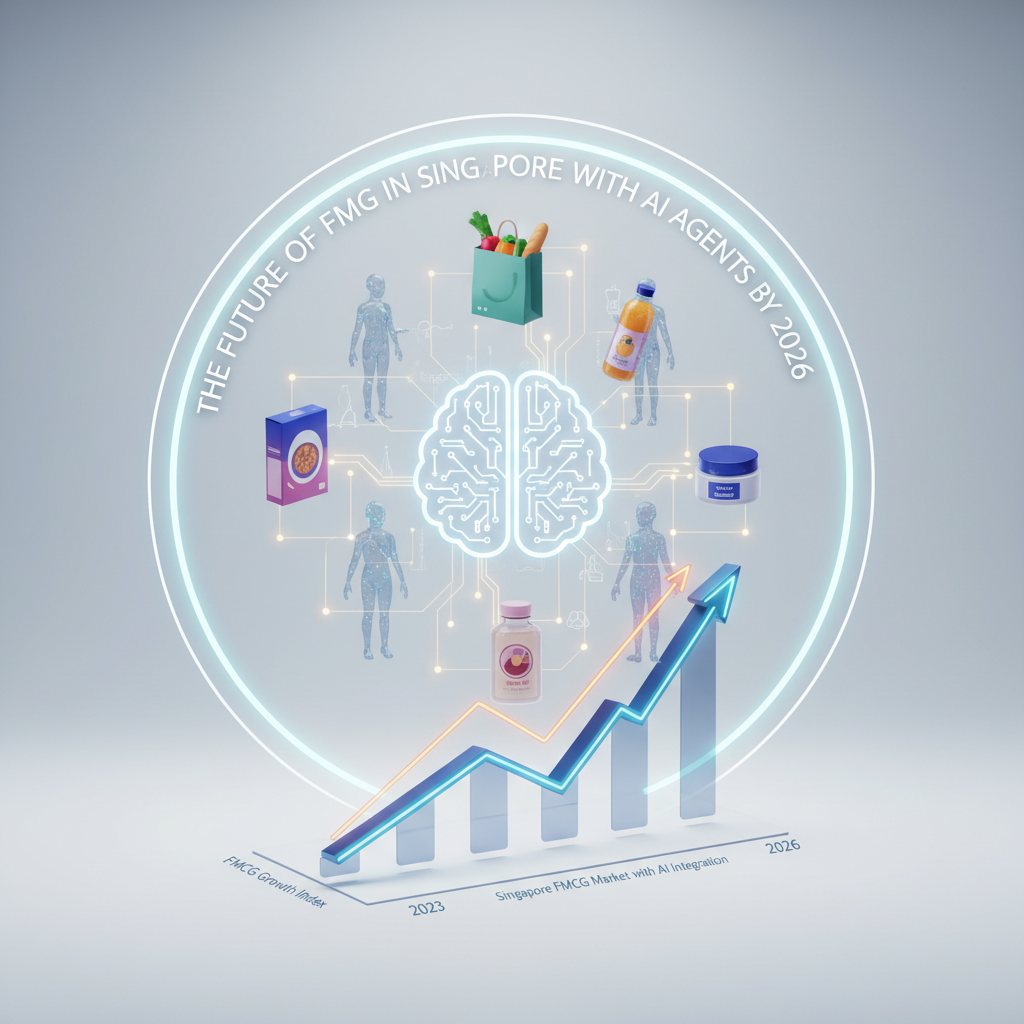
Singapore’s Fast-Moving Consumer Goods (FMCG) sector is on the cusp of a revolutionary transformation, driven by the rapid adoption of AI agents. By 2026, these intelligent systems will move beyond mere automation, becoming integral to every facet of the value chain – from hyper-personalized marketing and predictive demand forecasting to optimizing supply chains and enhancing customer engagement. This forward-looking perspective explores the profound and long-term impact of AI agents on Singapore’s FMCG landscape, offering strategic advice and highlighting key growth areas for businesses aiming to thrive in this evolving environment. The question of how AI agents effect to FMCG companies in Singapore will no longer be hypothetical but a cornerstone of competitive advantage.
1. Anticipated Market Expansion and New Growth Opportunities
The advent of AI agents is set to unlock unprecedented market expansion and create novel growth opportunities for FMCG companies in Singapore. By 2026, AI-powered predictive analytics will enable brands to anticipate consumer trends with remarkable accuracy, allowing for agile product development and targeted market entry. These agents will facilitate hyper-personalization, moving beyond segment-based marketing to individual consumer journeys. Imagine AI agents analyzing purchase history, browsing behavior, and even social media sentiment in real-time to recommend products, tailor promotions, and deliver bespoke content. This level of customer understanding will not only boost sales but also foster deep brand loyalty, leading to higher customer lifetime value.
Furthermore, AI agents will drive efficiency in new areas. Supply chain AI agents will optimize inventory levels, predict disruptions, and automate logistics, reducing waste and ensuring product availability. For instance, AI could analyze weather patterns, traffic data, and local events to re-route deliveries or adjust stock levels proactively. This operational excellence translates into cost savings and the ability to allocate resources towards innovation and expansion into niche markets. New business models, such as subscription services driven by AI-curated bundles or direct-to-consumer (D2C) channels powered by AI-driven fulfillment, will become commonplace, allowing smaller, agile brands to compete effectively with established players.
2. Strategic Roadmaps for Sustainable AI Implementation
To fully capitalize on these opportunities, Singaporean FMCG companies need to develop robust and sustainable strategic roadmaps for AI implementation. A phased approach is crucial, beginning with establishing a strong data foundation. Clean, integrated, and accessible data is the lifeblood of effective AI agents. Companies must invest in data governance, warehousing, and analytics infrastructure to ensure high-quality inputs. The next step involves piloting AI solutions in specific, high-impact areas, such as demand forecasting or customer service chatbots, to demonstrate value and gather insights before scaling. This iterative process allows for continuous learning and refinement.
Crucially, sustainable AI implementation requires a focus on talent development. The workforce needs to be upskilled and reskilled to work alongside AI agents, focusing on roles that involve AI oversight, data interpretation, ethical considerations, and strategic decision-making. Partnerships with AI solution providers, tech startups, and academic institutions can accelerate knowledge transfer and access to cutting-edge tools. Moreover, companies must embed ethical AI principles into their strategies, ensuring transparency, fairness, and accountability in AI agent operations. A clear roadmap will guide investments, mitigate risks, and ensure that AI adoption contributes to long-term business resilience and growth.
3. Leveraging Government Initiatives and Support for AI in FMCG
Singapore’s government has long been a proponent of technological innovation, and its commitment to fostering an AI-driven economy presents a significant advantage for the FMCG sector. By 2026, government initiatives will play a pivotal role in accelerating AI adoption. Programs such as the National AI Strategy 2.0 offer funding, grants, and support for companies looking to integrate AI into their operations. FMCG firms should actively explore these avenues, which can significantly de-risk initial investments in AI technology and talent development. Schemes focused on productivity improvement, digital transformation, and industry-specific innovation can be particularly beneficial.
Beyond financial incentives, the government also facilitates knowledge sharing and ecosystem development. Platforms and consortia that connect FMCG players with AI developers, research institutions, and data scientists create fertile ground for collaborative innovation. Regulatory frameworks, while ensuring responsible AI deployment, also aim to create a conducive environment for technological advancement. Leveraging these initiatives is not merely about securing funding; it’s about tapping into a national strategy that positions Singapore as a leader in the digital economy. This synergistic approach between government support and corporate strategy will be instrumental in shaping a future where AI agents are a ubiquitous and powerful force in Singapore’s thriving FMCG sector.
Partner with Shelby Global
You are looking for reliable HR Sevice Suppliers? Contact Shelby Global Now! To connect with verified talents and upgrade your orginization.
—————————————
References
– IMDA Singapore: https://www.imda.gov.sg/programme-listing/artificial-intelligence-and-data
– AI in supply chains: The next frontier for value: https://www.mckinsey.com/capabilities/operations/our-insights/ai-in-supply-chains-the-next-frontier-for-value
– digital transformation: https://www.accenture.com/sg-en/insights/consulting/ai-future-marketing
– Singapore’s Model AI Governance Framework: https://www.imda.gov.sg/programme-listing/artificial-intelligence-and-data-analytics/ai-governance
– National AI Strategy 2.0: https://www.smartnation.gov.sg/initiatives/national-ai-strategy-2-0