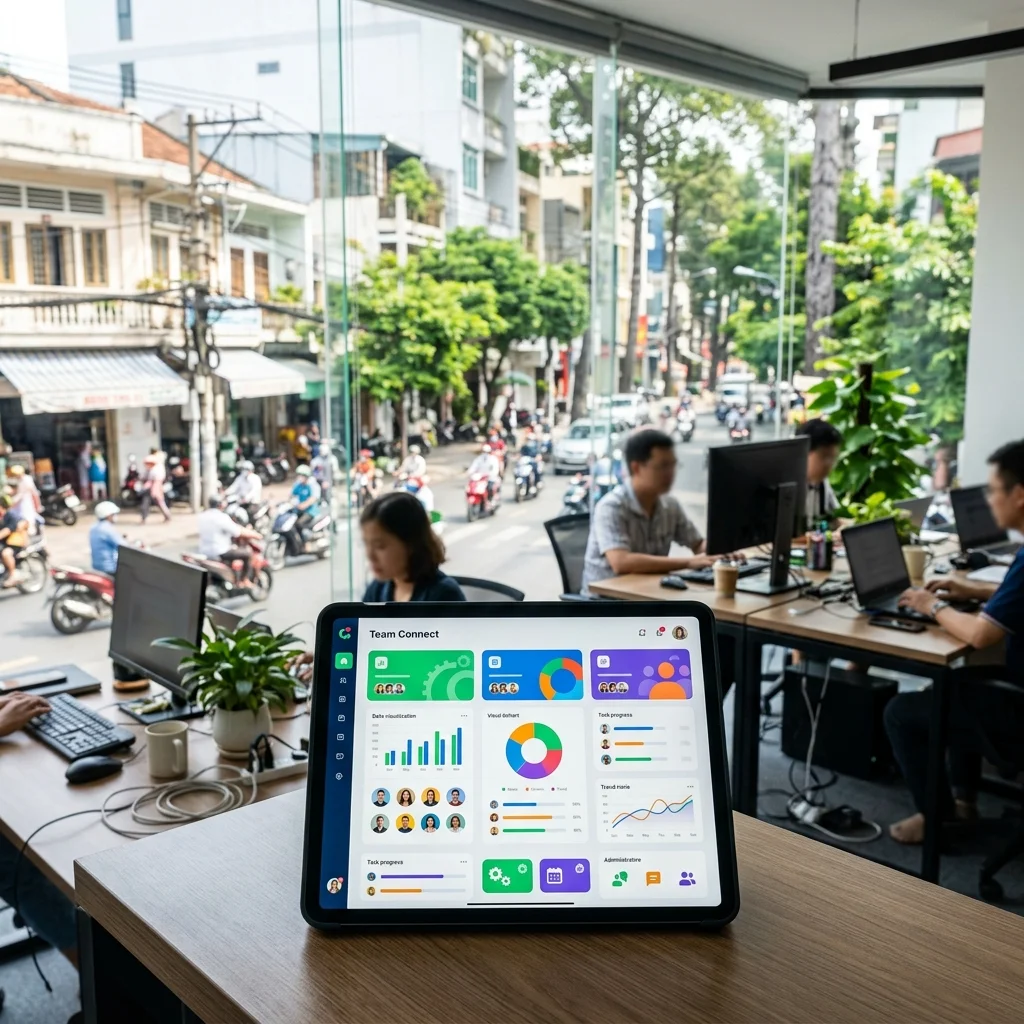
Understanding AI Agents in Vietnam’s F&B Landscape
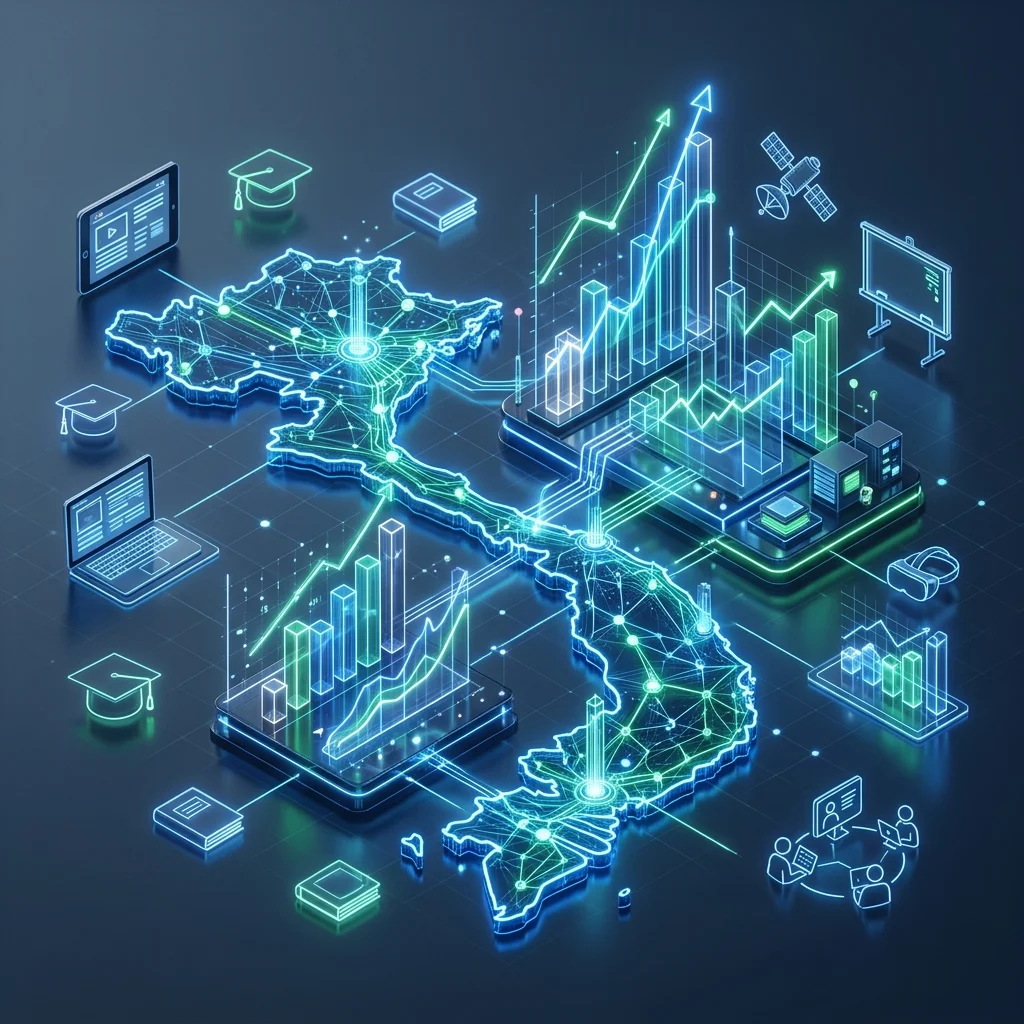
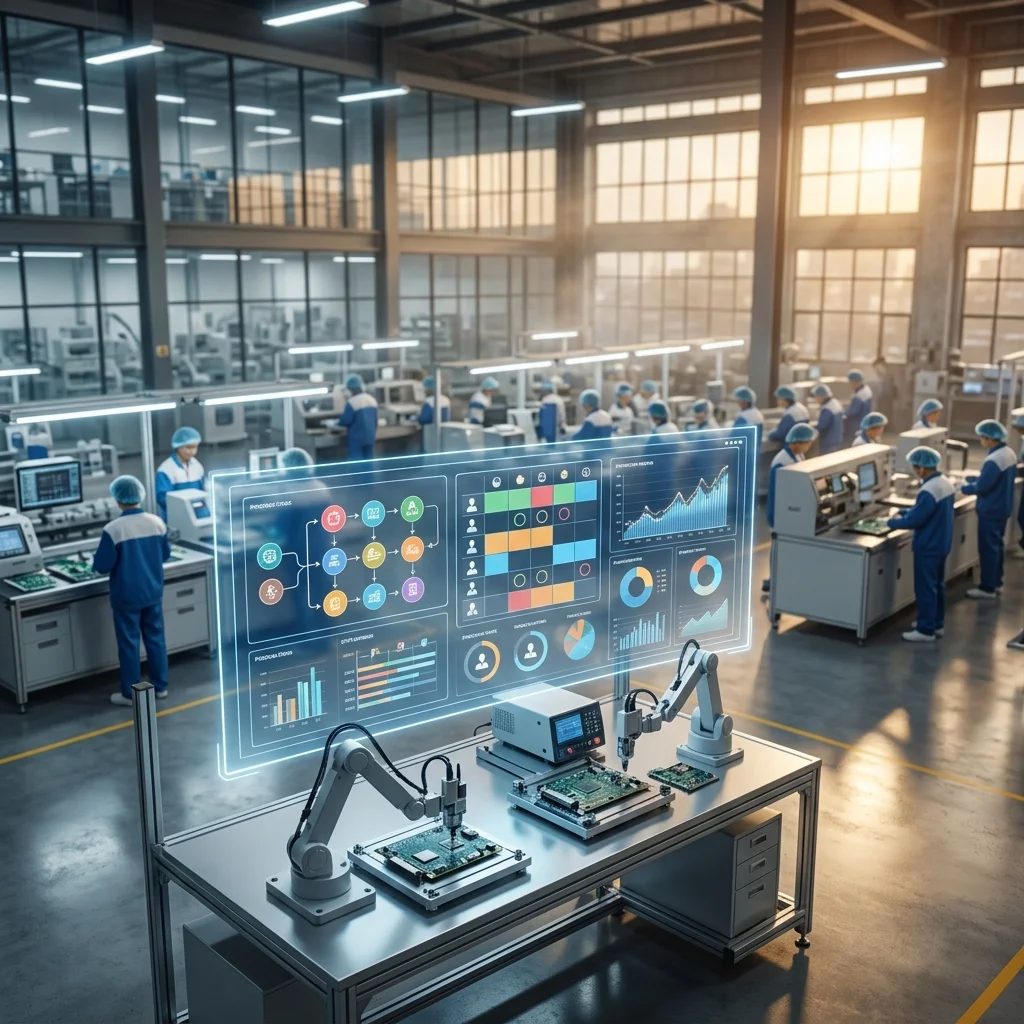
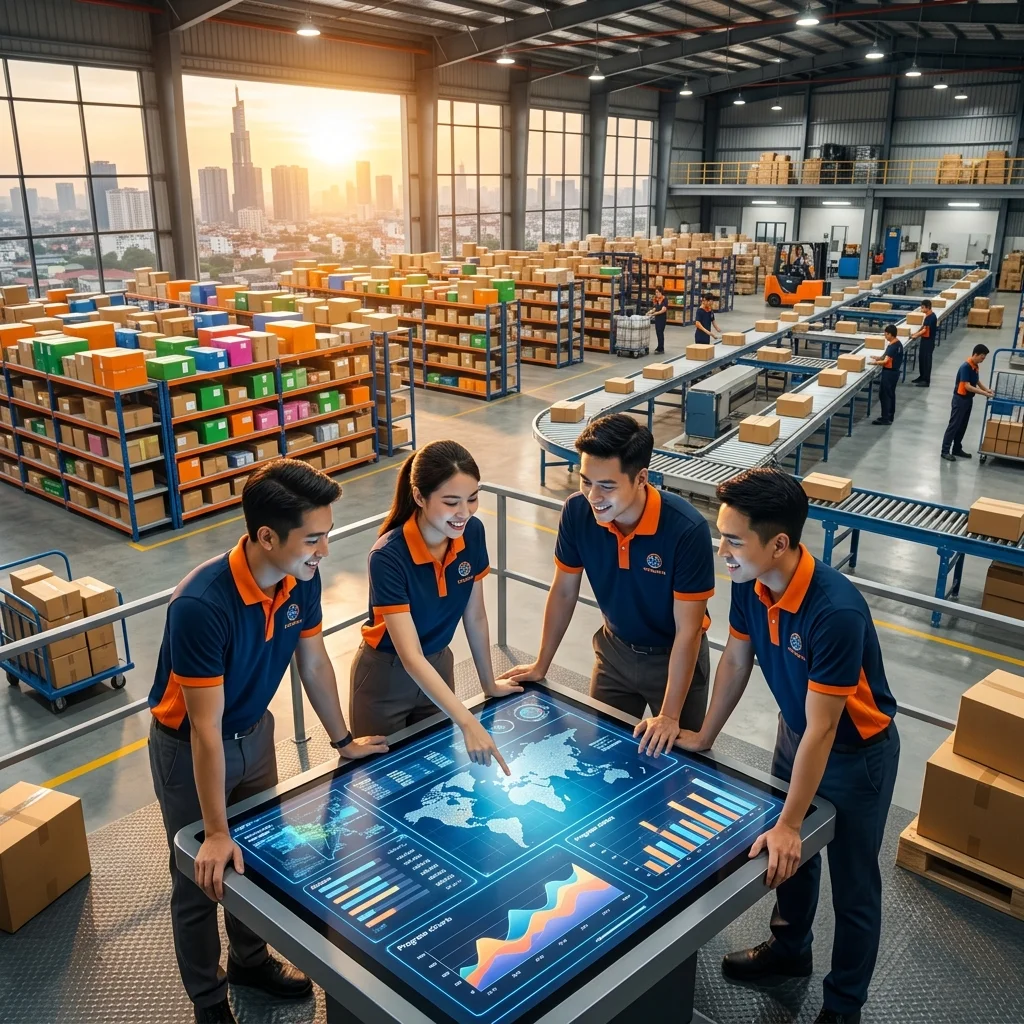
Vietnam’s dynamic Food & Beverage (F&B) industry, characterized by rapid growth and evolving consumer demands, stands on the cusp of a significant technological transformation. This section introduces the concept of AI agents – intelligent software entities capable of autonomous decision-making and learning – and explores their emerging role specifically within the Vietnamese F&B context. We will delve into how these advanced AI systems are poised to reshape operations, enhance customer experiences, and drive unprecedented growth, setting the stage for their transformative potential across the sector.
1. Defining AI Agents: Beyond Basic Automation
To truly grasp how AI agent effect to Food & Beverage field in Vietnam, it’s essential to first differentiate them from conventional automation. While basic automation involves predefined rules for repetitive tasks (like automated email responses or fixed inventory reorder points), AI agents operate with a far greater degree of autonomy, intelligence, and adaptability. An AI agent is a software entity that perceives its environment, makes decisions, and takes actions to achieve specific goals, often learning and improving over time without explicit human programming for every scenario. In F&B, this translates to systems that can dynamically adjust supply chain logistics based on real-time weather and demand forecasts, personalize menu recommendations by analyzing individual diner preferences and past orders, or even manage kitchen workflows to optimize efficiency and reduce waste. They go beyond simple chatbots to truly understand context and respond intelligently, offering predictive insights and proactive solutions that traditional systems cannot.
2. Current State of Digitalization in Vietnamese F&B
The Vietnamese F&B industry has made commendable strides in digitalization over recent years. From widespread adoption of QR code payments and online delivery platforms to integrated Point-of-Sale (POS) systems, many establishments have embraced technology to streamline operations and reach a broader customer base. Digital menus, reservation apps, and social media marketing are commonplace, reflecting a tech-savvy consumer market. However, much of this digitalization remains at a foundational level, often comprising disconnected systems or rule-based applications that lack genuine intelligence or cross-system synergy. While these tools offer significant improvements in convenience and basic data collection, they often fall short in providing deep analytical insights, predictive capabilities, or autonomous decision-making that AI agents promise. According to reports on Vietnam’s rapidly growing digital economy, there’s immense potential for advanced technologies to further penetrate and transform traditional sectors, including F&B, by moving beyond mere digital presence to truly intelligent operations.
3. Why AI Agent Adoption is Crucial for Future Growth
The imperative for adopting AI agents in Vietnam’s F&B landscape is multi-faceted and compelling. As competition intensifies and consumer expectations for personalized experiences and swift service rise, businesses must seek innovative ways to gain an edge. AI agents offer unparalleled operational efficiency, automating complex tasks from inventory management and supplier negotiations to real-time staffing adjustments based on predicted foot traffic. This not only reduces labor costs and human error but also ensures optimal resource utilization, significantly impacting profitability. Furthermore, AI agents excel at enhancing the customer experience. By analyzing vast datasets, they can offer hyper-personalized recommendations, anticipate customer needs, optimize delivery routes for speed, and even manage loyalty programs with dynamic rewards, fostering stronger customer relationships. The ability of AI agents to provide data-driven insights into market trends, consumer behavior, and operational bottlenecks empowers F&B businesses to make strategic decisions with greater confidence. Embracing AI agents is not merely about technological upgrade; it’s about securing a sustainable competitive advantage, driving innovation, and adapting proactively to the evolving demands of Vietnam’s vibrant F&B sector.
Revolutionizing Operational Efficiency and Supply Chains
The Food & Beverage (F&B) sector in Vietnam is experiencing rapid growth, but with this expansion comes increased complexity in managing back-of-house operations and intricate supply chains. In this dynamic landscape, artificial intelligence (AI) agents are emerging as transformative tools, offering unprecedented opportunities to streamline processes, minimize waste, and achieve significant cost savings. The profound impact of How AI agent effect to Food & Beverage field in Vietnam is redefining how businesses operate, from the moment an ingredient enters the supply chain to its final preparation and delivery. By automating routine tasks, providing predictive analytics, and optimizing decision-making, AI is not just an enhancement but a fundamental shift towards more intelligent and resilient F&B operations.
1. Automating Inventory Management and Demand Forecasting
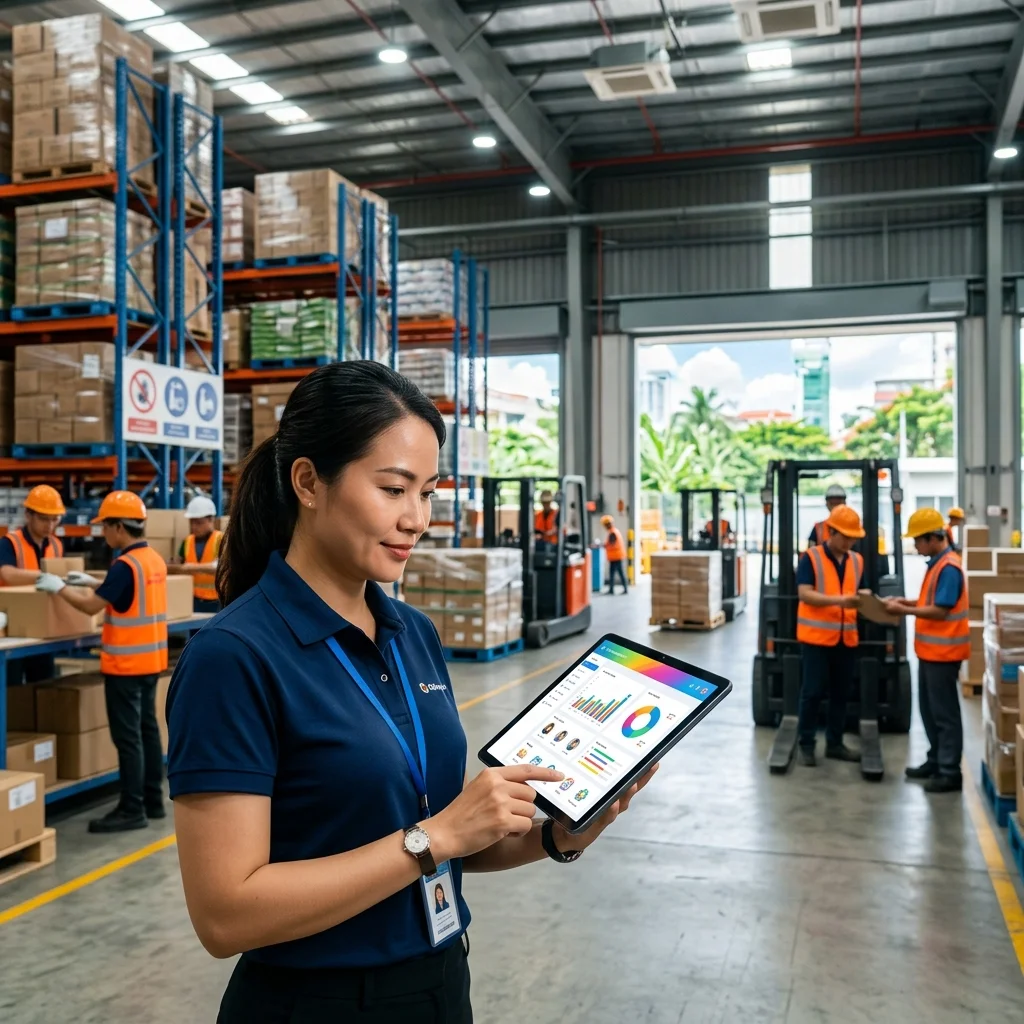
One of the most immediate and impactful applications of AI agents in the Vietnamese F&B industry is in revolutionizing inventory management and demand forecasting. Traditional methods often rely on manual counts and historical sales data, which can be prone to human error and fail to account for dynamic market changes. AI-powered systems, however, can track inventory levels in real-time, integrating data from point-of-sale (POS) systems, supplier databases, and even smart sensors within storage facilities.
Beyond mere tracking, AI excels at predictive analytics. These agents analyze vast datasets, including past sales, seasonal fluctuations, promotional impacts, local holidays, weather patterns, and even social media trends, to forecast future demand with remarkable accuracy. For instance, an AI agent can predict a surge in demand for specific beverages during a heatwave or a dip in sales during a local festival. This precise demand forecasting enables F&B businesses to optimize their ordering processes, significantly reducing instances of both overstocking (leading to spoilage and waste) and understocking (resulting in lost sales and customer dissatisfaction). For businesses striving for leaner operations and reduced food waste, AI for inventory management F&B offers a vital competitive edge, ensuring that ingredients are always fresh and available exactly when needed, ultimately enhancing profitability.
2. Optimizing Kitchen Workflows and Food Preparation
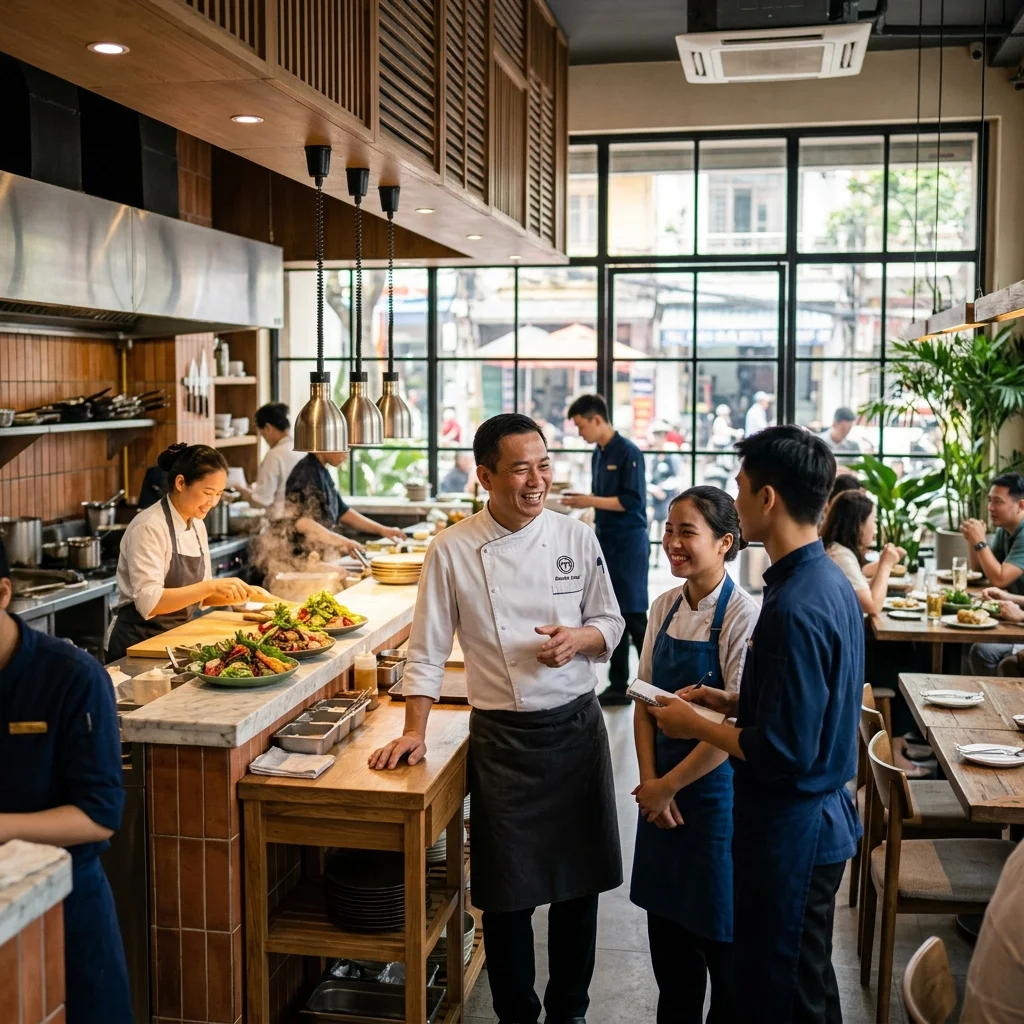
The heart of any F&B business is its kitchen, and AI agents are increasingly being deployed to optimize its workflows and food preparation processes. From staff scheduling to ingredient utilization, AI brings a new level of precision and efficiency. AI can analyze order patterns and staff availability to create optimal work schedules, minimizing labor costs during off-peak hours and ensuring adequate staffing during rushes.
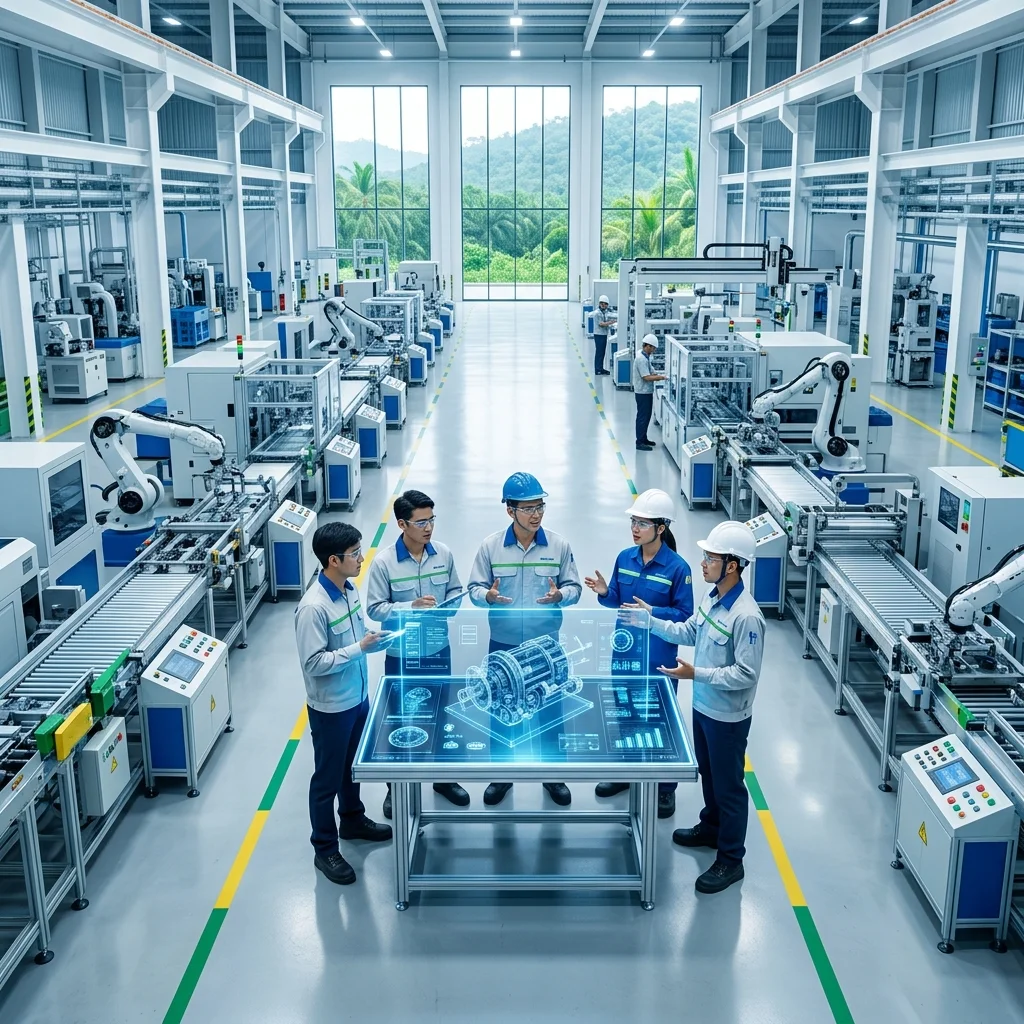
Furthermore, AI-driven systems can integrate with smart kitchen equipment to streamline preparation. For example, by analyzing incoming orders, AI can guide chefs on portion sizes, suggest efficient batch cooking methods, or even control smart ovens to ensure consistent cooking temperatures and times. This not only enhances food quality and consistency across all dishes but also significantly improves the speed of service, crucial for fast-paced environments. By reducing human error and automating repetitive tasks, kitchen automation in Vietnam through AI agents helps conserve valuable resources, reduces waste from over-preparation, and allows skilled staff to focus on more complex, creative culinary tasks, elevating the overall dining experience.
3. AI-Powered Logistics and Delivery Optimization
In an era where delivery services are paramount, especially within Vietnam’s bustling urban centers, AI-powered logistics and delivery optimization are transforming how food reaches the customer. Manual route planning can be inefficient, leading to increased fuel costs, longer delivery times, and frustrated customers. AI algorithms, however, can process multiple variables simultaneously – traffic conditions, road closures, delivery addresses, driver availability, and order priorities – to calculate the most efficient routes in real-time.
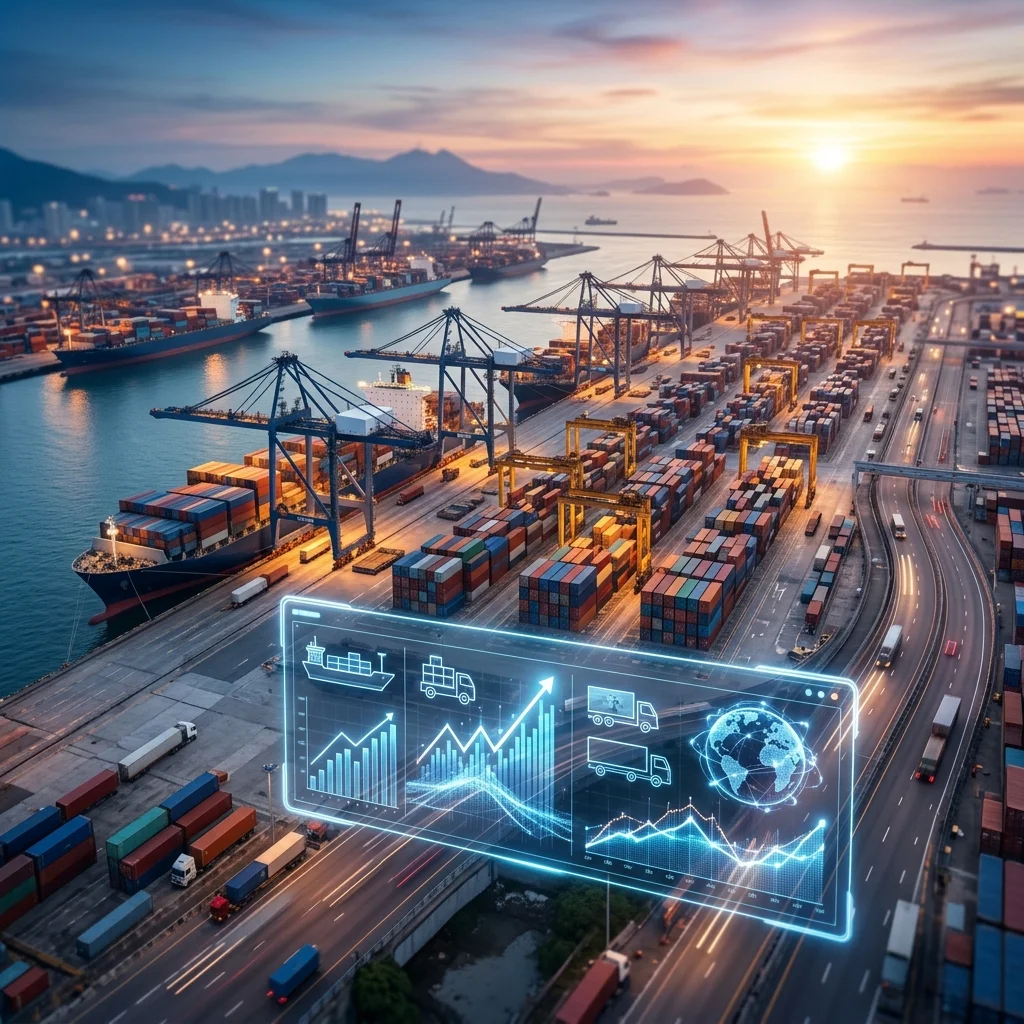
These sophisticated systems don’t just find the shortest path; they consider dynamic factors, such as sudden downpours affecting road conditions in Ho Chi Minh City or peak hour congestion in Hanoi. AI for delivery optimization in F&B enables businesses to manage a fleet of drivers more effectively, providing real-time tracking capabilities for both operators and customers. This leads to substantial reductions in delivery times and operational costs, while simultaneously improving customer satisfaction through reliable and prompt service. The strategic use of AI in the food supply chain in Vietnam helps businesses navigate the complexities of urban logistics, ensuring fresh ingredients arrive on time at the restaurant, and delicious meals reach the customer’s doorstep efficiently. The transformative power of AI in streamlining supply chain operations is well-documented, as highlighted by insights into how AI is reshaping global supply chain strategies.
The integration of AI agents across inventory management, kitchen operations, and logistics is not merely an incremental improvement for the Vietnamese F&B sector; it’s a fundamental paradigm shift towards unprecedented operational efficiency and sustainability. From dramatically reducing food waste through precise demand forecasting to optimizing every step of the supply chain and enhancing customer delivery experiences, AI offers a comprehensive toolkit for modern businesses. Those who embrace these advanced technologies are poised to gain a significant competitive advantage, achieving substantial cost savings, boosting profitability, and setting new standards for service quality. For more insights into the profound How AI agent effect to Food & Beverage field in Vietnam, exploring these innovations is crucial for future success.
Enhancing Customer Experience and Engagement
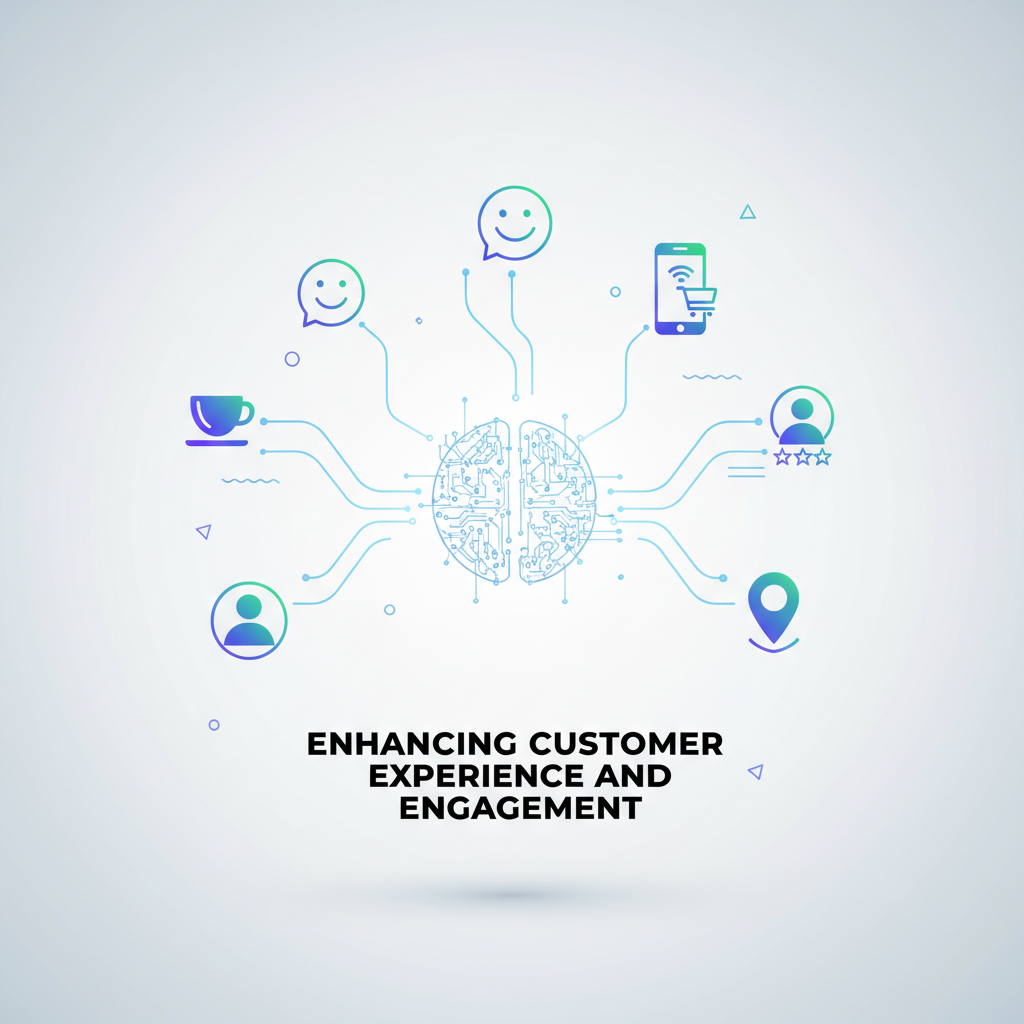
AI agents are rapidly transforming the customer journey within Vietnam’s vibrant Food & Beverage (F&B) sector, ushering in an era of unprecedented personalization, operational efficiency, and heightened customer satisfaction. From the initial search for a restaurant to post-meal feedback, AI is creating seamless, intuitive, and memorable interactions that directly address the evolving expectations of modern diners. This section delves into how AI agent effect to Food & Beverage field in vietnam, specifically focusing on personalized services, efficient ordering, and improved support, ultimately shaping a more engaging and responsive F&B landscape.
1. Personalized Recommendations and Loyalty Programs
AI in Vietnamese F&B leverages vast amounts of customer data—including past orders, dietary preferences, visit frequency, and even social media activity—to deliver highly personalized recommendations. In the Vietnamese F&B scene, this means suggesting a specific type of “bún chả” with particular condiments based on previous choices, or promoting a new “phở” variation to a diner who frequently orders noodle dishes. This level of customization moves beyond generic promotions, making each customer feel uniquely understood and valued in their personalized dining Vietnam experience.
Furthermore, AI-driven loyalty programs F&B are revolutionizing customer retention. Instead of one-size-fits-all discounts, AI can identify high-value customers and offer tailored incentives, special access to new menus, or exclusive event invitations. For instance, an AI system might recognize a customer’s birthday and automatically send a personalized offer for a free dessert at their favorite café, dramatically increasing the likelihood of a celebratory visit. This sophisticated approach to customer engagement is key to improving overall customer experience and driving repeat business, highlighting a major aspect of how AI agent effect to Food & Beverage field in vietnam by fostering deeper brand loyalty.
2. AI Chatbots for Reservations and Customer Service
The adoption of AI chatbots restaurant Vietnam is significantly improving the efficiency of customer service and reservation management. These intelligent agents are available 24/7, capable of handling a multitude of common inquiries without human intervention. From confirming table availability to processing bookings, answering FAQs about menu items or operating hours, and even providing directions, AI customer support Vietnam offers instant responses, eliminating waiting times and enhancing customer convenience. This automation of administrative tasks is a game-changer for digital transformation Vietnam restaurants.
For restaurants, this translates into a reduced workload for staff, allowing them to focus on in-person guest interactions during peak hours. Chatbots can manage multiple conversations simultaneously, ensuring no customer query goes unanswered. Furthermore, they can gather valuable data on common customer questions, helping businesses identify areas for improvement in their service or website information. This shift towards automated reservations F&B, yet highly responsive, customer support is a critical component of the digital transformation sweeping through Vietnam’s F&B sector, demonstrating the powerful impact of AI. The efficiency gained here directly contributes to a smoother and more positive customer journey, a hallmark of effective AI integration.
3. Streamlining Order Taking and Payment Processes
AI agents are revolutionizing the core processes of efficient F&B ordering AI and payment within Vietnamese F&B establishments, making transactions faster, more accurate, and ultimately more satisfying for customers. Self-ordering kiosks powered by AI, voice AI assistants, and integrated mobile apps allow diners to browse menus, customize orders, and place them with minimal friction. This reduces errors commonly associated with manual order taking and significantly cuts down on waiting times, especially in bustling food courts or popular eateries, enhancing guest experience AI.
Beyond ordering, AI facilitates seamless AI payment solutions Vietnam. Integrated payment gateways within self-service systems or mobile apps support various methods, including popular e-wallets (like MoMo or ZaloPay, widely used in Vietnam), credit/debit cards, and QR code payments. AI can also assist in splitting bills, applying discounts, and generating digital receipts efficiently. The speed and accuracy brought by AI in these critical touchpoints significantly elevate the customer experience, making dining out less about the logistics and more about enjoyment. According to a report by Statista, mobile payment usage in Vietnam is on a steady rise, underscoring the relevance of AI-driven payment solutions. This end-to-end automation, from order placement to final payment, exemplifies how AI agent effect to Food & Beverage field in vietnam by creating a highly efficient and user-friendly environment for both customers and operators.
Data-Driven Insights and Strategic Decision Making
Vietnam’s dynamic Food & Beverage (F&B) sector is rapidly transitioning from traditional, intuition-based decisions to strategies powered by advanced analytics. The pivotal question of How AI agent effect to Food & Beverage field in Vietnam is now central, as these intelligent systems empower businesses with unparalleled data processing capabilities. AI agents are strategic partners, providing invaluable insights that enable F&B establishments to make smarter, more informed decisions across marketing, menu development, and market positioning. By leveraging big data, machine learning, and sophisticated algorithms, AI helps businesses unlock growth and gain a competitive edge.
-
Predictive Analytics for Market Trends and Consumer Behavior
At the forefront of AI’s impact is its ability to harness predictive analytics, offering F&B businesses a crystal ball into future market dynamics and customer preferences. AI agents meticulously analyze vast datasets—including point-of-sale (POS) transaction histories, social media sentiment, economic indicators, and real-time weather patterns. This comprehensive analysis yields profound consumer insights, allowing businesses to anticipate shifts in demand, identify emerging market trends (e.g., plant-based diets or specific cuisine preferences), and understand purchasing patterns with unprecedented accuracy.
This foresight is crucial for efficient operations. AI can accurately perform demand forecasting for specific menu items or peak hours, enabling kitchens to optimize ingredient procurement and staffing. This leads directly to significant inventory optimization, reducing food waste and ensuring popular items are always available. Proactive adaptation of offerings and strategies ensures F&B businesses in Vietnam remain relevant and competitive. To delve deeper into these analytical tools, the Forbes Communications Council discusses the future of AI in the restaurant industry, highlighting its transformative potential.
-
Optimizing Marketing Campaigns with AI Segmentation
AI agents are revolutionizing F&B marketing by moving beyond broad campaigns to highly personalized and effective strategies through advanced customer segmentation. By analyzing detailed customer data—such as purchase history, dietary preferences, and loyalty program engagement—AI segments audiences into micro-groups based on shared characteristics and behaviors. This granular understanding allows businesses to craft highly personalized marketing messages and offers, like a discount on a favorite coffee blend or a new dessert promotion tailored to past preferences.
This precision ensures marketing efforts are relevant and timely, significantly boosting engagement and conversion rates. The result is highly targeted advertising across digital platforms, dramatically improving the return on investment (ROI) of marketing spend. Understanding the intricate ways how AI agent effect to Food & Beverage field in Vietnam in areas like customer acquisition and retention highlights its strategic importance in securing a loyal customer base.
-
Menu Development and Pricing Strategies Based on AI Insights
The culinary landscape of F&B in Vietnam benefits immensely from AI’s analytical prowess, particularly in menu development and pricing. AI acts as a sophisticated tool for menu engineering, meticulously analyzing sales data, ingredient costs, customer feedback, and social media trends to identify top-performing dishes, pinpoint underperforming items, and discover popular ingredient combinations. This data-driven approach allows restaurateurs to optimize menus for both profitability and customer satisfaction, suggesting new dishes that align with current tastes.
Furthermore, AI facilitates highly sophisticated dynamic pricing strategies. By continuously monitoring factors such as real-time demand, competitor pricing, ingredient availability, and customer price sensitivity, AI algorithms recommend optimal prices for each menu item at different times. This intelligent approach ensures maximum revenue generation and leads to significant profit maximization, allowing F&B businesses to adapt quickly to market fluctuations and maintain a competitive edge. AI-driven insights empower F&B operators to make swift, data-backed decisions that enhance both customer experience and financial performance.
In essence, AI agents are equipping Vietnam’s F&B sector with unprecedented analytical capabilities. From anticipating market shifts and understanding individual customer preferences to crafting optimized menus and dynamic pricing, the impact of AI is profound. It’s about empowering businesses to make smarter, faster, and more profitable decisions in an increasingly competitive landscape. This strategic integration of AI is defining the future success and innovation of F&B in Vietnam.
Challenges, Ethical Considerations, and Future Outlook
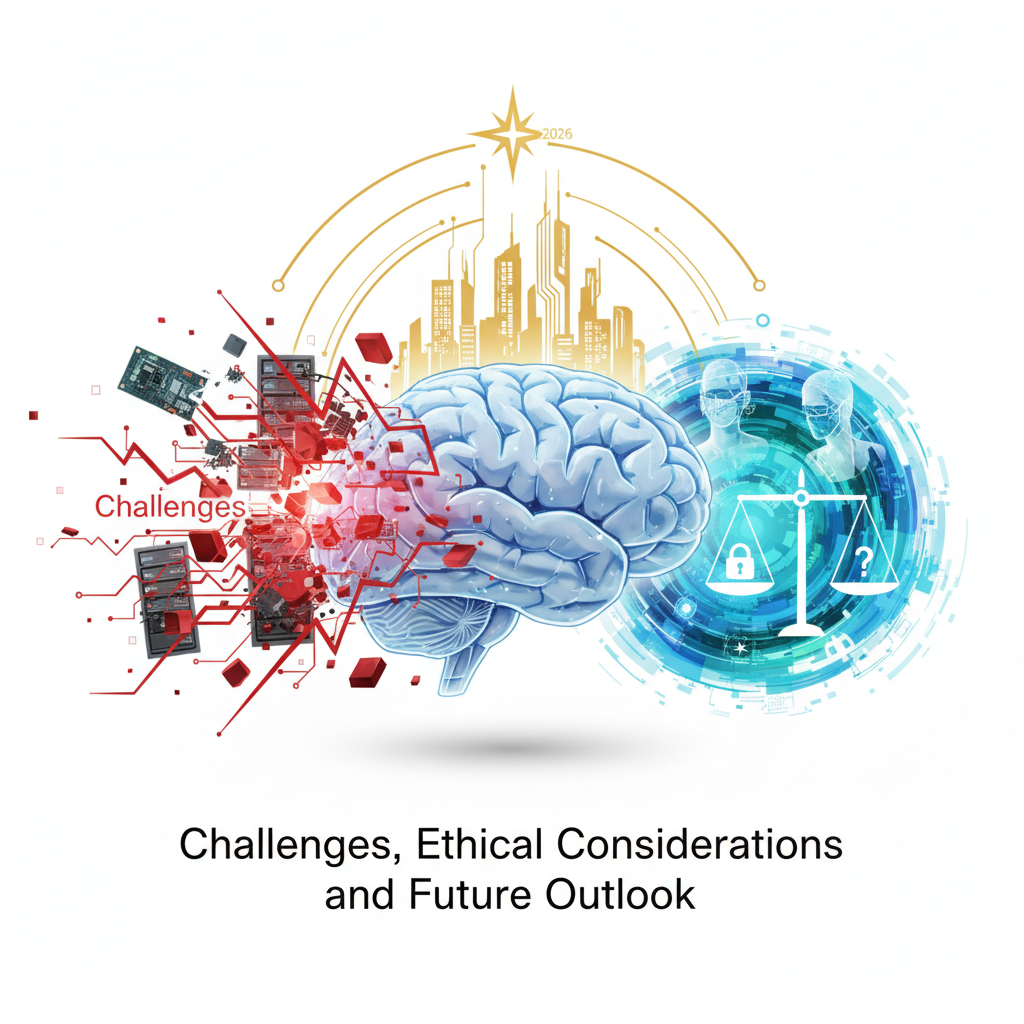
As AI agents increasingly penetrate global industries, their transformative potential within Vietnam’s Food & Beverage (F&B) sector is undeniable. However, the path to widespread adoption is fraught with significant hurdles, necessitating careful consideration of ethical implications and a clear vision for the future. Understanding how AI agent effect to Food & Beverage field in Vietnam requires a holistic examination of implementation challenges, data privacy, and the long-term impact on the industry landscape by 2026, encompassing critical areas like supply chain optimization, customer experience, and operational efficiency.
1. Overcoming Implementation Challenges (Cost, Skills, Infrastructure)
The journey for Vietnamese F&B businesses to embrace advanced AI solutions, including sophisticated AI agents, is often hampered by a trifecta of practical barriers: cost, skills, and infrastructure. Initially, the high upfront investment required for AI implementation can be prohibitive, particularly for small and medium-sized enterprises (SMEs) that form the backbone of Vietnam’s F&B sector. This includes expenses for cutting-edge software licenses, hardware upgrades, and the significant customization needed to integrate AI into existing legacy systems. Beyond the financial outlay, a critical shortage of skilled talent poses another formidable challenge. There’s a limited pool of AI specialists, data scientists, and IT professionals with the expertise to develop, deploy, and maintain these complex systems locally. Businesses often struggle to find individuals capable of understanding advanced algorithms, managing large datasets, and ensuring the smooth operation of AI-powered platforms. Furthermore, the existing technological infrastructure can present substantial limitations. While urban areas generally boast reliable internet connectivity, more remote regions or older establishments might face inconsistent network access or insufficient computing power, hindering the real-time processing capabilities that AI agents demand. Overcoming these digital transformation hurdles will require strategic resource allocation, government incentives, and robust training programs to upskill the workforce and prepare the industry for an AI-driven future.
2. Addressing Data Privacy and Ethical AI Deployment
As F&B businesses collect vast amounts of customer data—from purchasing habits and dietary preferences to personal contact information—the ethical deployment of AI agents becomes paramount. Data privacy concerns are a significant hurdle, demanding strict adherence to robust data protection regulations. Consumers are increasingly aware of their digital rights, and any perceived misuse or breach of personal information can severely erode consumer trust, leading to reputational damage and financial penalties. Therefore, Vietnamese F&B businesses must prioritize transparent data collection practices, secure storage solutions, and clear policies on how AI uses and processes information. Beyond privacy, broader ethical considerations loom. The specter of job displacement due to automation is a sensitive issue, requiring proactive strategies for reskilling employees whose roles might be impacted by AI. Furthermore, ensuring algorithmic fairness and preventing bias in AI systems is crucial. For instance, an AI agent recommending menu items must not inadvertently discriminate based on demographic data. Businesses need to foster ethical AI frameworks that promote transparency, accountability, and human oversight, ensuring that AI development and deployment align with societal values and foster sustainable innovation within the food service industry.
3. Long-Term Impact and Government Support for AI in Vietnam’s F&B by 2026
Looking towards 2026, the long-term impact of AI agents on Vietnam’s F&B sector promises a transformative shift, contingent upon concerted efforts from both industry and government. By this time, widespread AI adoption is expected to unlock unprecedented levels of operational efficiency, from predictive inventory management minimizing waste to dynamic pricing strategies maximizing revenue. Personalized customer experiences, driven by AI insights into individual preferences, will become the norm, fostering stronger brand loyalty. The supply chain optimization capabilities of AI will lead to more resilient and responsive networks, crucial for managing fluctuating demand and external shocks. However, realizing this potential hinges significantly on robust government support for AI in Vietnam. The Vietnamese government has already demonstrated a commitment to digital transformation, aiming for top positions in regional AI development. Initiatives like investment in AI research and development, providing subsidies for businesses to adopt AI technologies, and establishing national AI training programs will be critical. Such a proactive policy framework can foster an enabling environment, accelerating the integration of AI into Vietnamese cuisine and hospitality. By 2026, with sustained policy encouragement and private sector investment, AI agents are poised to not only redefine competition but also propel Vietnam’s F&B sector into a new era of innovation and sustainable growth, solidifying its position in the global digital economy.
Partner with Shelby Global
You are looking for reliable HR Sevice Suppliers? Contact Shelby Global Now! To connect with verified talents and upgrade your orginization.
—————————————
References
– Digital economy in Vietnam – statistics & facts: https://www.statista.com/topics/6249/digital-economy-in-vietnam/
– Using AI to rethink the supply chain: https://www.mckinsey.com/capabilities/operations/our-insights/using-ai-to-rethink-the-supply-chain
– Statista: Mobile Payment Users in Vietnam: https://www.statista.com/statistics/1233066/vietnam-mobile-payment-users/
– The Future of AI in the Restaurant Industry: A Look Ahead: https://www.forbes.com/sites/forbescommunicationscouncil/2023/10/26/the-future-of-ai-in-the-restaurant-industry-a-look-ahead/
– Vietnam aims for top 4 in ASEAN in AI development by 2030: https://en.vietnamplus.vn/vietnam-aims-for-top-4-in-asean-in-ai-development-by-2030/276532.vnp