
Introduction
In the rapidly evolving landscape of 2026, the corporate sector in Vietnam has reached a definitive tipping point regarding its approach to talent management. As the nation accelerates its digital transformation, the strategic deployment of modern technology has shifted from a luxury to an absolute necessity for survival and growth. Among the most transformative developments is the increasing focus on hr ai adoption and automation in Vietnam companies. This transition is not merely about replacing manual labor; it is about leveraging machine intelligence to solve complex human capital challenges, from recruitment bottlenecks to performance management and employee engagement.
The Current State of Technology Integration
Vietnam is currently experiencing a robust push toward modernization. With an AI adoption rate now ranking as the second-highest in Southeast Asia at 26.5%, the momentum is undeniable. Local enterprises, particularly in sectors like manufacturing and professional services, are transitioning away from fragmented spreadsheet systems toward centralized digital frameworks. However, hr ai adoption and automation in Vietnam companies remains a nuanced journey. While major multinational corporations are leading the charge by integrating AI for predictive attrition and automated CV screening, many small and medium-sized enterprises (SMEs) are still in the early stages of this implementation, focusing primarily on automating administrative chores to improve operational speed. This phased approach is critical as companies learn to balance the efficiency of machines with the essential human touch required for high-performing cultures.
Why HR Transformation Matters in 2026
The urgency behind hr ai adoption and automation in Vietnam companies is driven by a highly competitive talent market and the increasing demand for specialized digital skills. As organizations struggle with high turnover and the need to compress time-to-hire, many are turning to advanced solutions to gain a competitive edge. According to recent industry analysis, integrating smart tools can significantly enhance decision-making speed and reliability, enabling HR leaders to transition from reactive administrators to strategic partners. As noted in the State of AI in HR 2026 Report, the focus has shifted toward augmented decision-making, where AI handles data-heavy workflows, allowing human teams to focus on empathy, culture, and long-term organizational strategy. This shift is particularly evident in the way companies are rethinking their structural approaches, as seen in What HR Structures for SMEs Suit a Vietnam Marketing CEO in 2026?. As we further explore the implications of hr ai adoption and automation in Vietnam companies, it is clear that those who successfully embed these technologies will define the future of the nation’s workforce. By prioritizing hr ai adoption and automation in Vietnam companies, businesses are not only improving their internal efficiency but also positioning themselves to thrive in a digital-first global economy. Looking ahead, the following sections will delve into specific strategies to implement these tools while maintaining compliance and ethical standards.

1. The Current State of HR Tech in Vietnam
As Vietnam enters the middle of 2026, the local corporate landscape is undergoing a profound shift, moving rapidly from traditional administrative practices toward a more sophisticated, data-centric model. The national push toward a comprehensive digital transformation strategy for 2026–2030 has catalyzed this change, placing businesses at the heart of an AI-powered economic evolution. Within this environment, hr ai adoption and automation in vietnam companies have transitioned from being optional competitive advantages to fundamental strategic imperatives for survival and growth.
The Maturity of Digital HR Integration
While the adoption curve is steep, the current reality reflects a diverse spectrum of technological maturity. According to recent market insights, approximately 73% of enterprises in Vietnam have already integrated some form of AI or automated solution into their operations. However, a significant gap remains between pilot-stage experimentation and scaled implementation. Many organizations are still primarily utilizing these tools for high-volume, repetitive administrative tasks such as payroll processing, time attendance tracking, and initial CV screening. This phase of development is crucial as companies work to build the foundational data infrastructure required for more complex, predictive analytics. For businesses operating in niche markets, ensuring compliance with local regulations is often the primary driver for initial investment, as seen in the legal framework for HR in the Vietnamese IT sector.
Overcoming Adoption Barriers and the Human-Centric Shift
Despite the clear benefits, hr ai adoption and automation in vietnam companies face hurdles, including a shortage of specialized talent and the need for internal mindset shifts. Leaders are increasingly recognizing that technology is only as effective as the culture supporting it. Currently, only about 14% of companies have successfully integrated AI into their broader HR strategy at a mature level. This reveals a massive opportunity for organizations that move beyond “learning-by-doing” to develop comprehensive AI policies and robust upskilling programs.
As organizations continue their journey, they must carefully balance machine efficiency with human judgment. The most successful firms are now pivoting toward “augmented decision-making,” where AI tools handle data processing and pattern identification, while HR professionals focus on emotional intelligence, cultural alignment, and strategic talent development. As highlighted by industry analysis on the future of HR tech, the goal is not to replace the human element but to empower it. Furthermore, hr ai adoption and automation in vietnam companies are essential for managing a young, tech-fluent workforce that demands seamless digital experiences. As we look at how hr ai adoption and automation in vietnam companies are redefining operational efficiency, it becomes clear that future readiness depends on this exact synthesis of technology and human-centric management. The progress in hr ai adoption and automation in vietnam companies sets the stage for our next discussion: how to align these technological advancements with your long-term organizational goals and strict ethical compliance standards.
2. Key Drivers Accelerating HR Automation Adoption
As Vietnam continues its rapid transition into a regional powerhouse of industry and technology, the landscape of workforce management is undergoing a significant evolution. Organizations across the country are increasingly recognizing that HR AI adoption and automation in Vietnam companies is not merely a competitive advantage but a structural necessity for long-term viability. This shift is fueled by a confluence of macroeconomic, social, and technological forces that are compelling HR departments to move away from manual legacy systems and embrace digital efficiency.
The Imperative of Operational Efficiency and Scalability
One of the primary catalysts for the widespread adoption of HR technology is the urgent need to manage large, dynamic workforces with greater precision. As many businesses scale to meet the demands of global supply chains, HR AI adoption and automation in Vietnam companies allows for the streamlining of high-volume tasks such as payroll processing, time attendance tracking, and onboarding. For instance, as detailed in our guide on which HR tools for medicine field in Vietnam in 2026?, localized solutions are increasingly being deployed to handle the complexities of compliance and administrative documentation. By automating these repetitive processes, organizations significantly reduce human error and free up human resources professionals to focus on high-impact strategic initiatives. This transition is supported by a growing body of research suggesting that businesses that effectively integrate HR AI adoption and automation in Vietnam companies can achieve substantial gains in operational productivity, often reporting efficiency improvements of up to 30% through better data utilization.
Strategic Talent Management and Global Competition
Beyond basic administrative efficiency, the war for top-tier talent is a major driver of change. With a young, tech-fluent workforce and tightening labor markets, companies are finding that traditional recruitment methods are no longer sufficient. HR AI adoption and automation in Vietnam companies has become essential for creating more personalized candidate experiences and more accurate predictive analytics regarding attrition and skill gaps. Leading enterprises are leveraging these tools to transition from “distributor” models to “disruptor” models, where AI-driven recruitment tools not only screen CVs but also assess cultural fit and capability with unprecedented speed. As noted in recent industry analysis by Harvard Business Review, the global shift toward AI-enabled HR functions is creating a new expectation for data-backed workforce planning. In the Vietnamese context, this means that HR AI adoption and automation in Vietnam companies serves as a critical bridge between current organizational capacity and future growth targets. By utilizing predictive analytics, firms can identify high-potential employees, tailor continuous learning programs, and foster a culture of retention that satisfies the expectations of Gen Z talent, who prioritize purpose and professional growth. As we continue to explore the impacts of this technological shift, it becomes essential to understand how these advancements can be harmonized with your company’s broader operational objectives and the shifting regulatory environment.
3. Top 5 AI-Powered Tools Transforming Vietnamese Recruitment
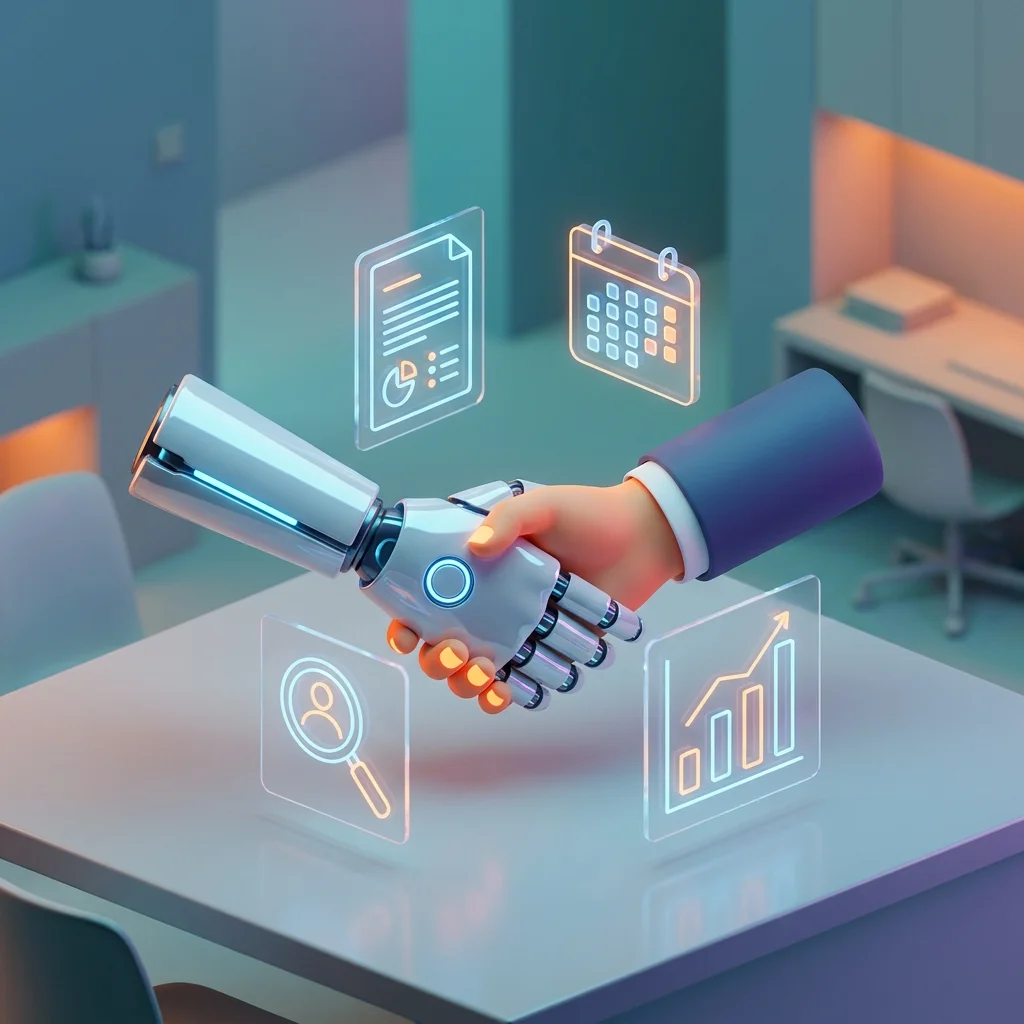
As the landscape of talent acquisition shifts, the integration of advanced technology has become a competitive necessity. The rapid acceleration of hr ai adoption and automation in vietnam companies is fundamentally changing how HR departments operate, moving from manual, reactive processes to data-driven, predictive strategies. By leveraging sophisticated software, local businesses are now capable of navigating the complexities of a tightening labor market with greater precision and speed.
The Rise of AI-Driven Talent Acquisition
The surge in hr ai adoption and automation in vietnam companies is not merely a trend but a strategic response to the talent gap. With recruitment software market size projected to see consistent growth, organizations are increasingly turning to intelligent platforms to handle high-volume screening and candidate matching. These tools allow recruiters to move away from administrative bottlenecks, focusing instead on high-value tasks such as candidate engagement and employer branding. For those looking to optimize their broader human resource functions, understanding the specific structures required for growth is paramount; you can find deeper insights in our guide on dịch vụ thuê ngoài quy trình tuyển dụng tại Việt Nam 2026?.
Key AI Platforms Enhancing Efficiency
To remain competitive, HR leaders are prioritizing tools that offer seamless integration and measurable ROI. The following categories of AI-powered tools are currently leading the transformation of hr ai adoption and automation in vietnam companies:
- Conversational AI and Chatbots: Platforms like Paradox (Olivia) are setting new standards by providing 24/7 candidate engagement, automating scheduling, and answering applicant queries in real-time, which significantly improves the candidate experience.
- AI-Powered Applicant Tracking Systems (ATS): Tools like iSmartRecruit 2.0 utilize AI agents to automate sourcing, match candidates with precision, and offer actionable recruitment insights, helping teams drastically reduce time-to-fill metrics.
- Video Interviewing & Assessment AI: Solutions like HireVue leverage machine learning to analyze candidate responses, allowing for bias-checked evaluations of communication skills and problem-solving abilities, which is increasingly vital for bilingual and technical roles in Hanoi and Ho Chi Minh City.
- Candidate Matching & Rediscovery Engines: AI-driven platforms like Eightfold.ai are being deployed to tap into existing databases, effectively identifying “hidden” talent already within the company or previous applicant pools.
- Generative AI for Content & Workflow: Broad application of generative tools—such as those integrated into standard ATS platforms—now allows HR teams to generate customized job descriptions, outreach emails, and interview guides in seconds.
As hr ai adoption and automation in vietnam companies continues to evolve, organizations must balance the efficiency of these tools with the human touch. Experts at Harvard Business Review emphasize that while AI can streamline the heavy lifting of recruitment, the final decision-making process must remain grounded in cultural and emotional context to ensure long-term retention. By thoughtfully embedding these technologies into their workflows, Vietnamese firms can capitalize on the ongoing shift in hr ai adoption and automation in vietnam companies, ensuring they remain agile and attractive to top-tier talent in an increasingly globalized market. This digital foundation sets the stage for our next discussion: the critical role of data analytics in workforce planning.
4. Enhancing Employee Experience Through Automated HR Workflows
In the rapidly evolving landscape of Vietnam’s professional sector, the integration of technology has moved beyond mere administrative efficiency. Today, hr ai adoption and automation in vietnam companies are fundamental drivers of a superior employee experience. By streamlining repetitive tasks—such as leave requests, payroll processing, and document management—organizations can remove friction from the daily lives of their staff. When hr ai adoption and automation in vietnam companies are prioritized, HR teams shift from being gatekeepers of paperwork to becoming architects of organizational culture, allowing them to focus on high-impact initiatives like professional development and employee well-being.
Transforming the Employee Lifecycle
The journey of an employee, from the first interview to their final day, is significantly enhanced through smart technology. Through the strategic implementation of hr ai adoption and automation in vietnam companies, the onboarding process becomes a seamless, digital-first experience. Automated workflows ensure that new hires have their access credentials, equipment, and training materials ready before they even step into the office, creating an immediate sense of belonging and professionalism.
Furthermore, as businesses scale, maintaining a consistent standard of support becomes challenging. The role of HR consulting services is often to bridge this gap, helping companies implement robust systems that sustain employee morale. With hr ai adoption and automation in vietnam companies, employees gain access to self-service portals where they can independently manage their personal data, view benefits, and track performance goals. This level of transparency and empowerment is crucial for retention in Vietnam’s competitive labor market, where talent values autonomy and digital fluency.
Data-Driven Personalization and Support
Beyond simple administrative tasks, hr ai adoption and automation in vietnam companies enable the personalization of the employee journey. Modern platforms can analyze engagement data, pulse survey responses, and feedback to provide real-time insights into the workforce’s sentiment. This predictive approach to human capital management allows managers to proactively address concerns before they manifest as turnover. By utilizing these tools, companies ensure that their talent management strategies remain agile and responsive to individual needs.
Ultimately, the successful execution of hr ai adoption and automation in vietnam companies requires a balance between technological efficiency and human connection. While systems can handle the mechanics of human resources, the human element remains irreplaceable. By delegating routine operations to intelligent systems, HR leaders gain the necessary time to foster mentorship, drive inclusion, and build a purpose-driven workplace. This commitment to balancing technology with humanity is essential for companies aiming to thrive in the years ahead, providing the foundational stability needed to tackle more complex challenges, such as leveraging data-driven workforce planning.
5. Overcoming Cultural and Technical Barriers to Adoption
As organizations across Vietnam strive to modernize, the transition toward intelligent workforce management is often met with significant hurdles. Successful HR AI adoption and automation in Vietnam companies requires more than just purchasing sophisticated software; it demands a fundamental shift in how organizations perceive technology. Many enterprises still rely on manual processes or legacy systems, viewing digital transformation as a luxury rather than a strategic imperative. For companies in sectors like manufacturing or retail, understanding how to navigate these challenges is essential for long-term competitiveness. For deeper insights into industry-specific transformations, refer to this HR Report of Medicine Field in Vietnam 2026: What’s Ahead?
Addressing Cultural Resistance and Fear
One of the most persistent obstacles to HR AI adoption and automation in Vietnam companies is the psychological resistance from the workforce. Employees frequently fear that automation signals job displacement rather than augmentation. To mitigate this, leadership must champion a culture of continuous learning. Organizations that treat HR AI adoption and automation in Vietnam companies as a collaborative journey—rather than a top-down mandate—tend to see higher engagement. Transparency regarding how these tools assist in daily tasks, such as reducing administrative burnout and allowing for more meaningful, human-centric interactions, is critical. By reframing AI as a partner that handles repetitive data-heavy tasks, companies can alleviate fears and foster a mindset where employees feel empowered to upskill alongside the technology.
Overcoming Technical and Structural Deficits
Beyond culture, the technical landscape presents its own set of barriers. Many small and medium-sized enterprises (SMEs) in Vietnam face a lack of internal expertise to implement and maintain advanced systems. Furthermore, data quality and fragmentation across disparate legacy platforms often hinder the effectiveness of AI-driven analytics. According to industry best practices, companies should focus on a phased approach to HR AI adoption and automation in Vietnam companies. This begins with data cleansing and selecting scalable, cloud-based tools that integrate seamlessly with existing workflows. Investing in localized training programs that address the specific digital skills gap within the Vietnamese workforce ensures that HR AI adoption and automation in Vietnam companies is not only feasible but sustainable. By prioritizing pilot programs that demonstrate immediate, tangible value, HR departments can build the internal confidence needed to scale these initiatives across the broader organization, ultimately facilitating a smoother transition toward data-driven workforce planning and beyond.
6. How Vietnamese SMEs Can Implement AI Strategically
For Vietnamese small and medium-sized enterprises (SMEs), the transition to intelligent systems represents a significant shift from traditional manual operations to data-driven decision-making. While large corporations often possess the capital to overhaul their systems overnight, SMEs must adopt a more measured, high-impact approach. The successful implementation of HR AI adoption and automation in Vietnam companies relies not on massive budgets, but on a clear, phased strategy that aligns technological capabilities with specific business pain points.
Phase 1: Assessing Readiness and Setting Clear Objectives
Before investing in any software, business leaders must conduct a thorough diagnostic of their current HR workflows. As highlighted in recent industry insights, many companies attempting HR AI adoption and automation in Vietnam companies fail because they focus on the technology rather than the underlying problem. SMEs should begin by mapping out time-consuming, repetitive tasks—such as CV screening, interview scheduling, or payroll data entry—and quantifying the time lost to these activities. A great resource for SMEs looking to modernize their operational foundations can be found in this Công cụ quản lý nhân sự E-commerce Việt Nam guide, which outlines how specialized tools can act as a catalyst for digital transformation. By establishing a baseline of efficiency, companies can measure the tangible ROI of their AI projects.
Phase 2: Executing a Scalable AI Roadmap
Once objectives are defined, SMEs should follow a “start small, scale smart” roadmap to ensure HR AI adoption and automation in Vietnam companies remains sustainable. The strategy should involve these key steps:
- Pilot Projects: Select one department or one specific HR function, such as recruitment, to test an AI tool. This minimizes risk while allowing the team to gather data on effectiveness.
- Data Hygiene: AI is only as effective as the data it processes. Cleaning internal HR records and ensuring data privacy compliance is an essential prerequisite for any automated system.
- Human-in-the-Loop Governance: As noted by industry experts, maintaining human oversight is critical. HR AI adoption and automation in Vietnam companies should support, not replace, human intuition in complex decision-making like final hiring choices or performance evaluations.
- Upskilling Employees: Technical infrastructure is useless without a team that knows how to use it. Invest in training that empowers staff to work alongside AI, turning them into efficient, tech-enabled professionals.
By treating HR AI adoption and automation in Vietnam companies as a cultural and strategic evolution rather than a one-time software purchase, SMEs can overcome the common hurdle of resource limitations. When employees understand that these tools exist to reduce their administrative burden, they are more likely to embrace the transition, effectively clearing the path for future advancements in workforce management and organizational growth.
7. Data Privacy and Ethical Considerations in HR AI
As organizations across the country accelerate their digital transformation, HR AI adoption and automation in Vietnam companies have moved from experimental concepts to essential business drivers. However, with this rapid integration comes a heightened responsibility to manage employee information ethically and securely. As of January 1, 2026, Vietnam has entered a new era of data governance with the enforcement of the Law on Personal Data Protection (PDPL) and the accompanying Decree 356/2025/ND-CP. These regulations significantly impact how HR departments must handle candidate and employee data when utilizing AI-driven tools.
Navigating the Legal Landscape of Data Protection
The new legal framework emphasizes that HR AI adoption and automation in Vietnam companies must prioritize transparency and explicit consent. Because AI systems often rely on vast datasets—ranging from recruitment histories to performance analytics—companies are now legally obligated to perform Data Protection Impact Assessments (DPIAs) for sensitive processing activities. This is particularly critical for multinational firms or those utilizing cloud-based HR systems, as cross-border data transfers are now subject to strict scrutiny and impact assessment requirements. Organizations must ensure that their vendors are compliant, as the responsibility for data breaches or mishandling under the new law extends to the controllers of the data. For HR leaders, this means moving beyond simple checkbox compliance to embedding privacy-by-design into every layer of their HR tech stack.
The Ethical Imperative in AI-Driven Decision Making
Beyond legal compliance, the ethics of HR AI adoption and automation in Vietnam companies represent a significant hurdle for sustainable implementation. A primary concern is algorithmic bias, where automated tools may inadvertently favor or discriminate against certain candidates based on historical data patterns that do not reflect modern diversity and inclusion goals. Furthermore, the lack of transparency in “black-box” AI models—where the rationale behind a hiring or promotion decision remains hidden—can erode employee trust and create organizational friction. To mitigate these risks, it is essential for companies to adopt explainable AI (XAI) practices and maintain human-in-the-loop systems. By ensuring that human judgment remains the final arbiter in critical career decisions, firms can leverage the efficiency of automation while upholding ethical standards. As noted in a comprehensive review on ethical AI deployment, balancing technological advancement with human-centric values is key to long-term success. Furthermore, businesses should explore how to optimize their internal structures to support these technologies, such as the nuances described in SME vs Corporate HR in Vietnam Logistics: Key Differences 2026?. As HR AI adoption and automation in Vietnam companies continue to evolve, HR professionals must champion ongoing training and internal audits to ensure that technology serves to empower the workforce rather than marginalize it. Proactive engagement with these ethical questions will distinguish industry leaders in the competitive landscape of HR AI adoption and automation in Vietnam companies as we move further into 2026.
Addressing these foundational challenges is not merely a legal necessity; it is a strategic requirement for any company serious about scaling its human capital through innovation. As we refine our approach to these sensitive topics, the next step involves evaluating how specific automated tools can be optimized to improve employee experience without compromising the integrity of our workforce data.
8. Future Trends: The Next Wave of HR Tech
As we look toward the remainder of 2026 and beyond, the evolution of human resources is accelerating at an unprecedented pace. The initial phases of digital transformation have paved the way for more sophisticated systems, and the current landscape of HR AI adoption and automation in Vietnam companies is shifting from mere efficiency gains to strategic, value-driven outcomes. Organizations that successfully navigate this transition will be those that view technology not as a replacement for human talent, but as a catalyst for deeper, more meaningful human-centric experiences.
The Rise of Autonomous AI Agents
The next wave of HR technology is characterized by the transition from passive AI assistants to autonomous AI agents. Unlike the chatbots of the past, these agents can plan, decide, and execute complex, multi-step workflows with minimal human intervention. For instance, in talent management, advanced agents can autonomously manage the entire lifecycle of an onboarding process—from verifying documentation and scheduling training to personalizing employee development paths. As noted in recent industry analysis, the focus is shifting toward how How AI Agent Affects Vietnam Retail Companies 2026?, a trend that is rapidly expanding into other sectors across the country. By delegating routine, high-volume tasks to these intelligent systems, HR departments can redirect their focus toward the nuanced, strategic work that requires empathy, complex problem-solving, and cultural leadership.
Data-Driven Predictive Analytics and Ethical AI
As HR AI adoption and automation in Vietnam companies matures, the reliance on fragmented data will diminish, replaced by integrated, holistic HRIS ecosystems. Future-ready firms are prioritizing data hygiene to ensure that their predictive models—whether for forecasting attrition risk or identifying skill gaps—are built on accurate, unbiased foundations. This shift is critical because, as explained in a recent report on the state of AI in HR, the value of these tools is realized only when paired with strong governance and human judgment. HR AI adoption and automation in Vietnam companies is becoming synonymous with ethical AI practice, where transparency in decision-making is maintained to protect both the organization and its employees. By embracing these advancements, companies ensure that HR AI adoption and automation in Vietnam companies remains a tool for empowerment rather than exclusion. Ultimately, the successful scaling of HR AI adoption and automation in Vietnam companies will hinge on the ability of leaders to balance rapid technological integration with the human-centric values that define organizational culture, ensuring that as HR AI adoption and automation in Vietnam companies progresses, it strengthens the connection between the company and its people. This preparation sets the stage for our final discussion on long-term workforce resilience.

Conclusion
As we navigate the complexities of the modern workplace, the shift toward a more digitalized, efficient, and insight-driven environment is undeniable. Throughout this series, we have explored how HR AI adoption and automation in Vietnam companies are moving beyond simple administrative support to become core pillars of strategic business growth. From recruitment and talent management to performance evaluation, the integration of intelligent systems is fundamentally reshaping how Vietnamese enterprises identify, nurture, and retain their most valuable assets: their people. For businesses looking to optimize these frameworks, understanding the nuances of how AI agents affect modern organizational structures is a vital starting point for cross-border strategy.
The Strategic Imperative of Digital Readiness
The acceleration of HR AI adoption and automation in Vietnam companies is not merely a trend—it is a necessity for maintaining global competitiveness. As recent data from Microsoft’s 2026 Work Trend Index indicates, Vietnamese employees are among the most proactive in the ASEAN region when it comes to leveraging AI for high-impact work, often outstripping the digital infrastructure provided by their own organizations. This gap presents both a risk and a significant opportunity. Leaders who prioritize bridging this divide by investing in robust HR technology will find themselves better positioned to harness the full potential of their workforce. By fostering an environment where AI serves as an augmented decision-making partner rather than a replacement for human judgment, companies can achieve higher efficiency while maintaining the empathy and cultural insight that are unique to human-led leadership. Furthermore, as noted by PwC’s 2026 AI Jobs Barometer, the organizations that gain the most from these productivity shifts are often those that invest simultaneously in the upskilling of their personnel, ensuring that human talent remains the centerpiece of the digital evolution.
Embracing a Future of Human-Centric Innovation
Ultimately, the success of HR AI adoption and automation in Vietnam companies will depend on how effectively leadership balances technological precision with human purpose. As organizations continue their digital transformation journey, HR professionals must evolve from transactional administrators into strategic partners who drive business growth through data-backed insights. Whether through AI-driven recruitment, predictive attrition modeling, or personalized learning pathways, the goal remains the same: to create a workplace that is both technologically advanced and deeply rewarding for employees. The future belongs to those who view HR AI adoption and automation in Vietnam companies as a means to empower their staff rather than just a tool for optimization. By embracing this mindset, firms can move past the initial challenges of implementation to build truly resilient, future-ready organizations. The journey of HR AI adoption and automation in Vietnam companies is just beginning, and the companies that prioritize both the speed of technology and the resilience of their people will lead the way in the years to come.



































































































