Deconstructing the Manager Role in Malaysian Medicine
Assessing managerial CVs in the medical field requires a nuanced understanding of the local context. In Malaysia, the role of a medical manager transcends mere administrative oversight, demanding a unique blend of clinical insight, operational acumen, and cultural sensitivity. This section delves into the distinctive demands and expectations placed upon managerial positions within Malaysia’s dynamic medical sector, providing essential context for robust CV assessment and recruitment strategies. Understanding these intricacies is paramount for identifying candidates who can effectively navigate the complexities of Malaysian healthcare, ensuring optimal service delivery and organizational success.

-
Malaysian Healthcare Landscape Overview
Malaysia’s healthcare system is characterized by a dual-tier structure, encompassing robust public healthcare services alongside a burgeoning private sector. This landscape presents a unique set of challenges and opportunities for medical managers. The public sector, largely funded by the government, focuses on accessibility and affordability, often dealing with high patient volumes and resource constraints. Managers here must be adept at resource optimization, queue management, and public health initiatives. Conversely, the private sector, driven by patient choice and specialized care, demands excellence in customer service, technological integration, and financial viability. An aging population and the increasing prevalence of non-communicable diseases (NCDs) across both sectors further complicate strategic planning and resource allocation. Managers are expected to possess foresight in adapting services to evolving demographic needs and disease burdens, ensuring sustainable and high-quality care delivery across diverse socio-economic groups. A comprehensive understanding of these operational differences is crucial when developing a Test structure to assess Manager Level CVs in medicine field in malaysia, as it informs the specific competencies required for success in either domain.
-
Key Responsibilities of a Medical Manager
Beyond traditional administrative duties, a medical manager in Malaysia is a multifaceted leader. Their responsibilities typically span operational efficiency, financial stewardship, human resource management, quality assurance, and strategic development. They are tasked with optimizing patient flow, ensuring cost-effectiveness in procurement, and managing multidisciplinary teams comprising doctors, nurses, and allied health professionals. Leadership in fostering a culture of continuous professional development and upholding stringent patient safety protocols is non-negotiable. Furthermore, given Malaysia’s multicultural society, effective managers must demonstrate exceptional cross-cultural communication skills to engage with a diverse patient base and workforce. This involves understanding varying cultural norms around health and illness, and adapting communication strategies accordingly. Strategic planning, including service expansion, technology adoption, and navigating competitive pressures, especially in the private sector, forms a critical component of their role. Candidates must showcase a proven track record not just in clinical excellence, but in visionary leadership, problem-solving, and the ability to drive organizational change while maintaining high standards of care.
-
Regulatory Environment and Compliance Factors
Operating within Malaysia’s medical sector necessitates stringent adherence to a comprehensive regulatory framework. The Ministry of Health (MOH) plays a pivotal role in governing healthcare facilities and services, with key legislation such as the Private Healthcare Facilities and Services Act 1998 and its regulations dictating licensing, operational standards, and patient rights. Medical managers must possess an in-depth understanding of these regulations to ensure full compliance, thereby avoiding legal repercussions and maintaining institutional reputation. This includes navigating requirements related to medical device registration, pharmaceutical regulations, and ethical guidelines prescribed by professional bodies. Accreditation by organizations like the Malaysian Society for Quality in Health (MSQH) further sets benchmarks for quality and safety, requiring managers to implement and monitor robust quality management systems. Data privacy, governed by the Personal Data Protection Act (PDPA), also places significant responsibilities on managers concerning patient information confidentiality. Demonstrating a proactive approach to regulatory compliance and a commitment to ethical practice is a critical component for any candidate aspiring to a managerial role in Malaysian medicine. For further information on the regulatory landscape, prospective candidates can refer to the official Ministry of Health Malaysia website.
Identifying Core Competencies for Manager Level CVs
In the competitive and rapidly evolving landscape of medical management in Malaysia, identifying the right talent for manager-level positions is paramount. A comprehensive and strategic approach to reviewing CVs is crucial. This section delves into the core competencies that are indispensable for success in these roles, guiding recruiters and hiring managers on what critical skills and experiences to scrutinize. Understanding these key areas is fundamental to developing an effective Test structure to assess Manager Level CVs in medicine field in malaysia, ensuring candidates possess not just clinical knowledge but also the managerial prowess required to drive healthcare excellence.
-
Leadership and Team Management Skills
Effective leadership is the bedrock of any successful medical institution, particularly in Malaysia’s diverse healthcare environment. Manager-level roles demand individuals who can inspire, guide, and develop multidisciplinary teams, fostering a collaborative and high-performance culture. CVs should demonstrate proven experience in areas such as staff recruitment and retention, conflict resolution, performance management, and mentoring. Look for examples where candidates have successfully led clinical or administrative teams through challenging projects, implemented change initiatives, or improved team morale and productivity. Experience in succession planning and talent acquisition healthcare Malaysia also indicates a forward-thinking leader. A strong candidate will articulate their leadership philosophy and provide tangible outcomes, such as reduced staff turnover, improved patient satisfaction scores resulting from team efforts, or successful project completions. These skills are vital for navigating the complexities of healthcare leadership Malaysia and ensuring operational fluidity while upholding patient-centric care standards.
-
Clinical Operations & Quality Assurance Expertise
At the heart of medical management lies the unwavering commitment to patient safety and operational excellence. Manager-level candidates must possess a deep understanding of clinical operations and a robust track record in quality assurance. This includes expertise in developing and implementing standard operating procedures, optimizing clinical workflows, and ensuring compliance with national and international healthcare regulations. CVs should highlight experience with process improvement methodologies (e.g., Lean, Six Sigma), risk management, and the application of evidence-based practices. A critical area to assess is their ability to uphold and enhance global patient safety standards, as outlined by frameworks like the WHO Global Patient Safety Action Plan 2021-2030. Look for specific achievements such as leading successful accreditation processes (e.g., JCI, MSQH), implementing patient safety protocols that reduced adverse events, or driving quality improvement initiatives that enhanced service delivery. Strong candidates will demonstrate an understanding of clinical governance Malaysia, hospital operations management, and a proactive approach to maintaining and improving patient care through continuous quality improvement healthcare strategies and regulatory compliance Malaysia (healthcare).
-
Financial Acumen & Resource Management
In an era of increasing healthcare costs and resource constraints, astute financial management and strategic resource allocation are non-negotiable for medical managers. Candidates must demonstrate a solid grasp of healthcare financial management principles, including budgeting, cost control, procurement, and revenue cycle management. CVs should illustrate experience in managing departmental or institutional budgets, identifying cost-saving opportunities without compromising patient care, and optimizing resource utilization across various departments. Look for individuals who can translate financial data into actionable strategies, demonstrating their ability to make informed decisions that ensure the long-term sustainability and efficiency of healthcare services. Experience in negotiating vendor contracts, managing supply chains, and understanding healthcare economics will also be significant indicators. A candidate’s ability to engage in strategic planning healthcare, demonstrating foresight in resource deployment and financial forecasting, will set them apart, ensuring that valuable resources are maximized to support clinical excellence and operational goals within the Malaysian healthcare system.
Crafting a Robust CV Assessment Framework
In the competitive landscape of the Malaysian medical sector, identifying and securing top-tier talent for Manager Level positions demands a systematic and objective approach. The sheer volume of applications, coupled with the critical nature of these roles, necessitates a test structure to assess Manager Level CVs in medicine field in Malaysia that is both efficient and equitable. This section details the step-by-step process of building a structured evaluation system, ensuring consistency, fairness, and ultimately, the selection of the most qualified candidates who can drive success in the dynamic healthcare environment.
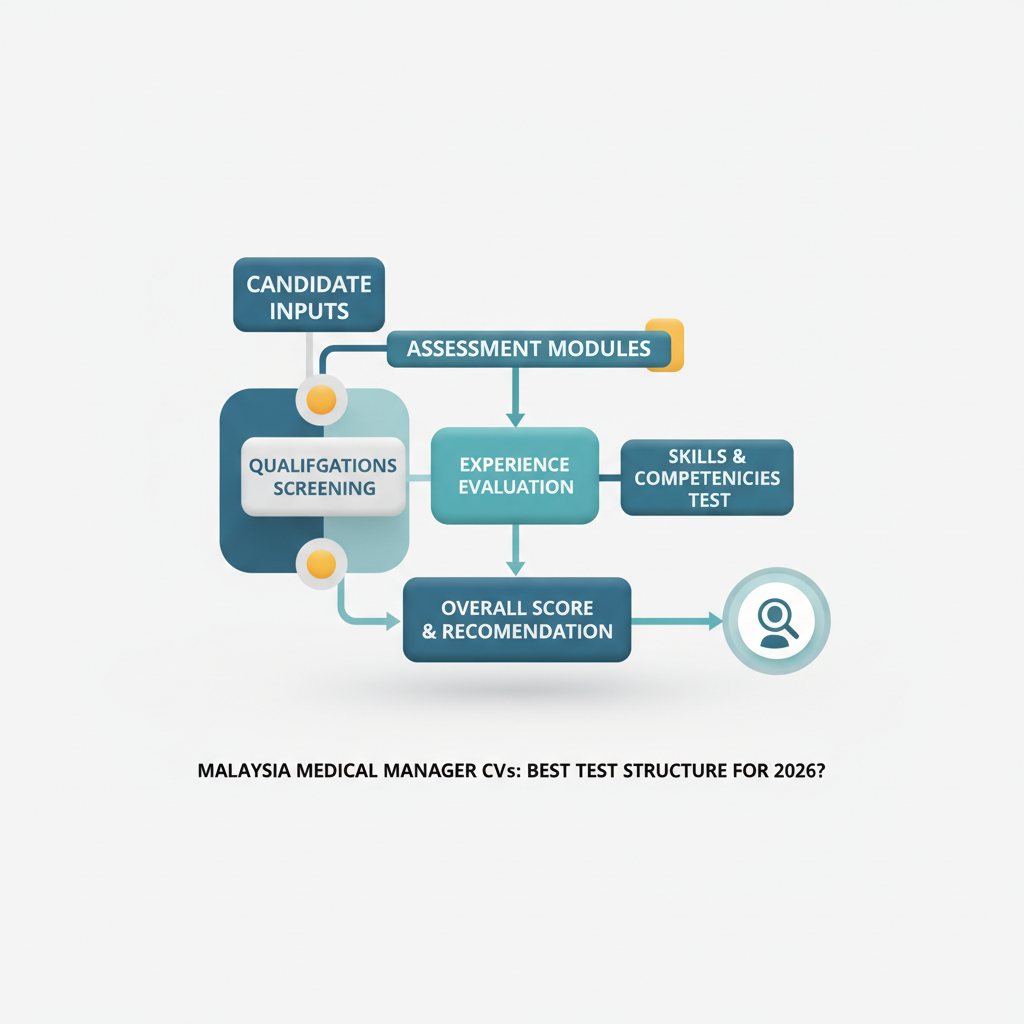
A well-defined CV assessment framework moves beyond superficial scanning, delving into the core competencies and experiences essential for leadership within medical institutions or pharmaceutical companies. It serves as the bedrock for informed hiring decisions, mitigating bias and enhancing the predictive validity of the recruitment process. For roles demanding strategic oversight, team leadership, and deep industry knowledge, a rigorous assessment is not just beneficial, but imperative.
1. Defining Assessment Criteria & Rubrics
The first critical step in developing a robust test structure to assess Manager Level CVs in medicine field in Malaysia involves clearly articulating what success looks like in the target role. For Manager Level positions in the medical field, this goes beyond basic qualifications. Key assessment criteria might include:
- Leadership & Management Experience: Proven track record in leading teams, projects, or departments within a healthcare or pharmaceutical setting.
- Clinical/Technical Expertise: Relevant medical background, knowledge of specific therapeutic areas, or understanding of regulatory frameworks pertinent to the Malaysian context (e.g., Ministry of Health guidelines, NPRA regulations).
- Strategic Thinking & Business Acumen: Ability to contribute to organizational strategy, manage budgets, and understand market dynamics.
- Communication & Interpersonal Skills: Capacity to liaise with diverse stakeholders, present complex information, and build strong professional relationships.
- Problem-Solving & Decision-Making: Demonstrated ability to navigate challenges and make sound judgments under pressure.
Once criteria are identified, developing detailed rubrics is essential. Each criterion should have defined proficiency levels (e.g., "Basic," "Proficient," "Advanced," "Expert"), accompanied by specific behavioral indicators or examples of experience that demonstrate each level. For instance, for "Leadership & Management Experience," an "Expert" level might require leading cross-functional teams on national projects, whereas "Proficient" might involve managing a smaller departmental team. These rubrics provide a standardized lens through which every CV is evaluated, ensuring objectivity and reducing subjective interpretation among assessors.
2. Weighted Scoring Models for Key Attributes
Not all attributes carry equal weight for a Manager Level role. A robust framework incorporates a weighted scoring model to reflect the true priorities of the position. After defining the assessment criteria, the next step is to assign numerical weights to each, based on their importance to the role’s success. For example, for a Clinical Operations Manager, "Leadership & Management Experience" might receive a higher weight (e.g., 30%) than "Technical Expertise" (e.g., 20%), assuming a solid foundational understanding is expected but leadership is the primary differentiator. Conversely, for a Regulatory Affairs Manager, specific "Regulatory Knowledge" might be weighted more heavily.
This systematic approach involves:
- Prioritizing Criteria: Collaborating with hiring managers and key stakeholders to rank the importance of each assessment criterion.
- Assigning Weights: Translating these priorities into percentage or point-based weights, ensuring the total sums to 100% or a defined maximum score.
- Scoring Mechanism: Developing a clear scoring scale for each criterion within the rubric (e.g., 1-5 points per proficiency level).
This weighted model allows for a quantitative comparison of candidates, moving beyond qualitative descriptions to a data-driven approach that highlights individuals whose strengths align precisely with the strategic needs of the role. Such a refined test structure to assess Manager Level CVs is crucial for effective talent acquisition.
3. Pre-screening & Shortlisting Strategies
Even with a meticulously defined framework, the initial volume of applications can be daunting. Effective pre-screening and shortlisting strategies are vital to manage the pipeline efficiently without compromising on quality or objectivity. This stage focuses on quickly identifying candidates who clearly do not meet the minimum requirements, allowing assessors to focus their in-depth review on the most promising profiles.
Strategies include:
- Minimum Qualifications Check: An initial pass to eliminate CVs that lack mandatory degrees, certifications, years of experience, or specific licenses required for the medicine field in Malaysia.
- Keyword Analysis: Utilizing applicant tracking systems (ATS) or manual keyword searches to identify CVs containing critical skills, technologies, or industry terms relevant to the Manager Level role. This helps in quickly surfacing candidates with specific expertise (e.g., "clinical trials management," "pharmaceutical marketing," "regulatory compliance Malaysia").
- Red Flag Identification: Promptly identifying any clear inconsistencies, significant gaps in employment, or vague descriptions that may warrant immediate disqualification or further scrutiny.
- Score-Based Shortlisting: After the initial quick review, applying the weighted scoring model to the remaining CVs to generate an objective ranking. This allows for the top X percent or those above a specific threshold to proceed to the next stage, which might involve a more detailed CV review, preliminary calls, or competency-based interviews.
By implementing these strategies, organizations can streamline the assessment process, reduce time-to-hire, and ensure that only the most suitable candidates are advanced for further consideration, ultimately strengthening the caliber of leadership in the Malaysian medical sector.
Practical Application: Effective CV Evaluation Techniques
This section provides actionable methods and tools for systematically reviewing and scoring candidate CVs against established criteria. In the competitive landscape of the Malaysian healthcare sector, identifying the right talent for managerial roles requires a robust and insightful approach. Developing a comprehensive test structure to assess Manager Level CVs in medicine field in Malaysia is paramount for successful talent acquisition. This guide delves into practical strategies to streamline your candidate screening process, ensuring you identify not just qualified individuals, but future leaders.
1. Keyword-Based Scanning & ATS Optimization Tips
The initial hurdle in candidate screening often involves navigating a high volume of applications. For managerial positions within the Malaysian medical industry, a keyword-based scanning approach is invaluable. Modern Applicant Tracking Systems (ATS) are the first line of defense, filtering CVs based on specific terms. To effectively evaluate Manager Level CVs in medicine field in Malaysia, ensure your ATS is configured to search for key competencies like “clinical leadership experience,” “healthcare management,” “budget oversight,” “strategic planning,” and “regulatory compliance” relevant to the Malaysian context. Candidates often optimize their CVs with these terms, making them easily discoverable. However, beyond automated filters, human reviewers must conduct a more nuanced keyword scan. Look for job titles reflecting progressive responsibility, specific medical specializations relevant to the role, and mentions of successful project implementations or team leadership. This method facilitates efficient candidate screening Malaysia, allowing recruiters to quickly identify top-tier applicants who possess the foundational skills and experience. Understanding ATS screening medical best practices is crucial; it’s not just about finding keywords, but understanding their context within the candidate’s career trajectory. This initial scan forms the backbone of your test structure to assess Manager Level CVs in medicine field in Malaysia, setting the stage for deeper evaluation.
2. Behavioral Indicators in CVs: What to Look For
While keywords confirm technical aptitude, discerning behavioral indicators in CVs is crucial for identifying genuine leadership qualities assessment. Managerial roles in medicine demand more than just clinical prowess; they require strong interpersonal skills, resilience, and problem-solving abilities. When reviewing healthcare management CVs, look beyond job descriptions for evidence of impact. Did the candidate lead initiatives that improved patient outcomes, optimized departmental efficiency, or fostered team collaboration? Quantifiable achievements like “reduced patient wait times by 15%” or “mentored a team of 10 junior doctors” provide concrete evidence of past behavior and future potential. Focus on action verbs and STAR (Situation, Task, Action, Result) method-like descriptions within their experience. For instance, a CV mentioning “Implemented a new training program that improved staff retention by 20%” speaks volumes about their proactive nature and ability to drive positive change. This kind of competency-based evaluation helps predict future success. Similarly, indications of adaptability and resilience are vital in the dynamic Malaysian healthcare job market. Scrutinize descriptions for evidence of handling challenges, navigating complex organizational structures, or leading through periods of change. These subtle yet significant cues contribute immensely to a comprehensive test structure to assess Manager Level CVs in medicine field in Malaysia, moving beyond surface-level qualifications to uncover true leadership potential.
3. Balancing Experience vs. Potential in Assessment
A critical aspect of crafting an effective test structure to assess Manager Level CVs in medicine field in Malaysia is striking the right balance between demonstrated experience and future potential. While extensive clinical leadership experience is undoubtedly valuable, especially in the medical field, an overemphasis can overlook promising candidates with high growth potential. For manager-level roles, consider the quality and breadth of experience over mere years served. A candidate with fewer years but a steep trajectory of increasing responsibility, innovative contributions, and proven impact might be a stronger fit than one with a longer but stagnant career path. Evaluate their performance indicators CV – has their impact grown with each role? Have they taken on new challenges even without a formal promotion? This perspective is vital for forward-looking medical recruitment strategies. Furthermore, assess their appetite for continuous learning and development, which can be gleaned from certifications, advanced degrees, participation in professional associations, or contributions to research. While direct experience in the Malaysian healthcare job market is a plus, a candidate demonstrating strong strategic thinking assessment abilities and adaptability can quickly acclimate. The key is to define what aspects of experience are non-negotiable (e.g., medical licensure, specific clinical background) and where potential can bridge gaps. A holistic resume analysis techniques approach considers both past achievements and future capabilities, ensuring a diverse pool of talent for crucial leadership roles within Malaysia’s dynamic medical landscape. Effective talent acquisition healthcare Malaysia strategies recognize that potential, when nurtured, can lead to exceptional performance.
Enhancing Your CV Assessment Process for 2026 & Beyond
In the rapidly evolving landscape of healthcare in Malaysia, the ability to identify and secure top-tier managerial talent is paramount. As we look towards 2026 and beyond, talent acquisition in Malaysian medical management must transcend traditional methods, embracing future trends, technology integration, and continuous improvement. The efficacy of your recruitment hinges significantly on a sophisticated robust test structure to assess Manager Level CVs in medicine field in malaysia. This strategic shift is crucial not only for streamlining operations but also for ensuring that the leaders joining your institutions are equipped to navigate the complex challenges and opportunities within the sector, pushing the boundaries of what’s possible in patient care and operational excellence.
1. Integrating AI & Machine Learning Tools for Efficiency
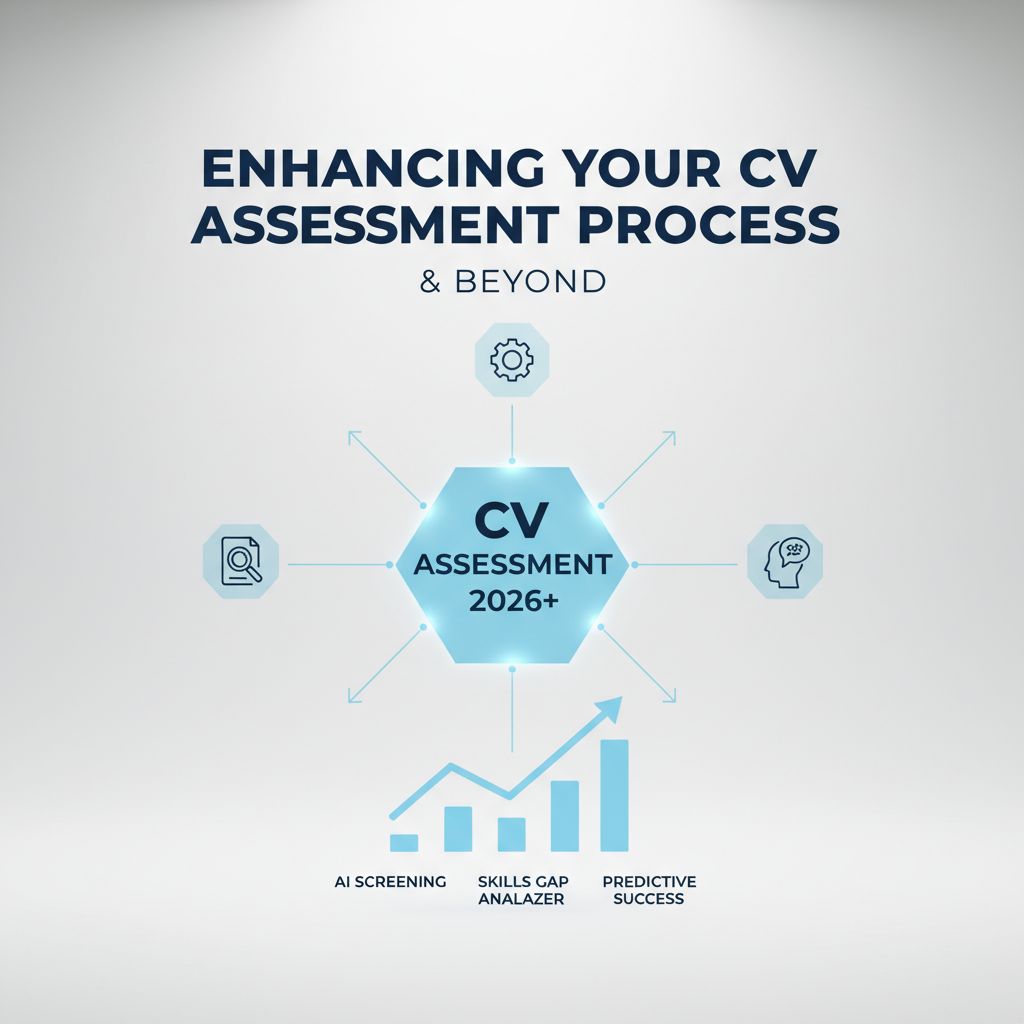
The dawn of artificial intelligence and machine learning presents a transformative opportunity for medical talent acquisition. Integrating these cutting-edge tools into your CV assessment process can revolutionize efficiency and accuracy. AI in recruitment enables advanced CV screening automation, allowing HR departments to process vast numbers of applications with unprecedented speed. AI-powered algorithms can meticulously analyze resumes for specific keywords, experience benchmarks, and competencies critical for healthcare management roles. This intelligent filtering drastically reduces manual effort, freeing up valuable HR time to focus on strategic initiatives and candidate engagement. Furthermore, these technologies facilitate data-driven recruitment, offering insights into candidate pools, skill gaps, and even predicting future performance. Leveraging AI in HR not only accelerates the hiring cycle but also introduces a level of objectivity that can help mitigate unconscious bias, ensuring a fairer and more equitable selection process for managerial candidates in the medical field.
2. Feedback Loops and Iterative Improvement Strategies
An exemplary test structure to assess Manager Level CVs in medicine field in malaysia is not static; it evolves through continuous refinement. Implementing robust feedback loops is critical for achieving this dynamism. Regularly soliciting insights from hiring managers, successful hires, and even candidates who weren’t selected can provide invaluable data. This feedback allows talent acquisition teams to identify bottlenecks, refine assessment criteria, and ensure the process accurately reflects the demands of the roles. Adopting continuous improvement in hiring strategies means being agile enough to adjust your methods based on performance metrics and qualitative input. For instance, if data reveals that candidates excelling in the assessment frequently underperform in specific areas post-hire, the competency-based assessment can be adjusted to better evaluate those particular skills. This iterative approach is vital for enhancing the overall candidate experience and ultimately, improving the quality of hires. Regularly reviewing and optimizing your assessment protocols ensures they remain relevant and effective in a dynamic healthcare environment.
3. Adapting to Evolving Healthcare Needs and Trends
The Malaysian healthcare sector is in a constant state of flux, driven by technological advancements, demographic shifts, and new regulatory frameworks. To remain competitive, your CV assessment process must be agile and forward-looking, capable of adapting to these changes. This means moving beyond traditional qualifications to emphasize attributes like adaptability, digital literacy, and leadership in complex environments. The test structure to assess Manager Level CVs in medicine field in malaysia needs to account for the increasing importance of digital transformation in HR and healthcare itself. Future medical managers will require strong capabilities in areas such as telehealth management, data analytics for patient outcomes, and innovative service delivery models. Effective workforce planning Malaysia will necessitate a profound understanding of emerging skill sets and skill validation methods that go beyond paper qualifications. By integrating foresight into your assessment strategy, you can proactively identify and nurture talent that aligns with the future of HR in healthcare and the broader industry’s trajectory. This proactive approach ensures your organization secures leaders who can not only manage but also innovate and thrive in the healthcare landscape of tomorrow.
Partner with Shelby Global
You are looking for reliable HR Sevice Suppliers? Contact Shelby Global Now! To connect with verified talents and upgrade your orginization.
—————————————
References
– Ministry of Health Malaysia website: https://www.moh.gov.my/index.php/pages/view/206
– WHO Global Patient Safety Action Plan 2021-2030: https://www.who.int/teams/integrated-health-services/patient-safety/global-patient-safety-action-plan
– Developing Selection Tools: A Guide for HR Professionals: https://www.shrm.org/resources-and-tools/tools-and-samples/how-to-guides/pages/developingselectiontools.aspx
– How to Conduct a Behavioral Interview | SHRM: https://www.shrm.org/resources-and-tools/hr-topics/talent-acquisition/pages/behavioral-interviewing.aspx
– Deloitte on AI in HR: https://www2.deloitte.com/us/en/insights/focus/cognitive-technologies/ai-in-hr-human-resources.html