Decoding Malaysia’s Current Retail Landscape
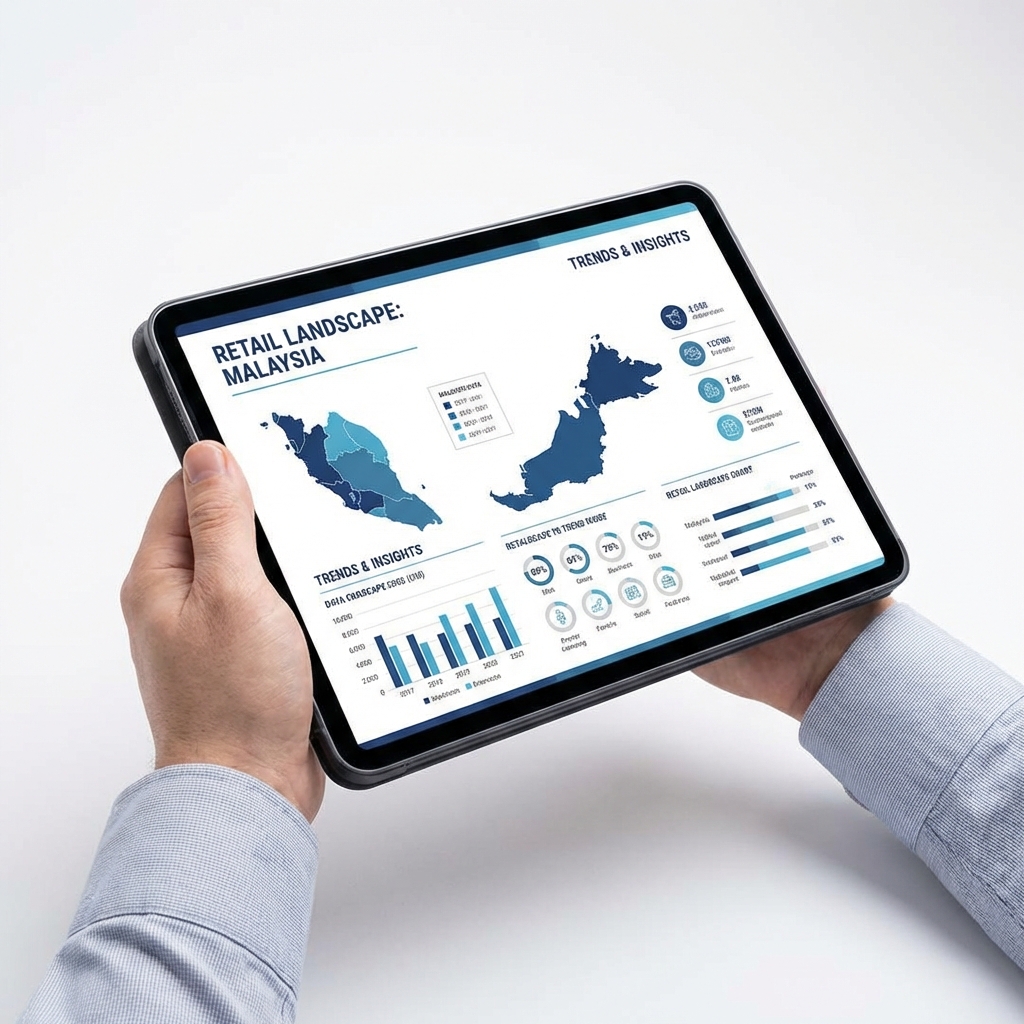
Malaysia’s retail sector, a vibrant cornerstone of its economy, is currently navigating a dynamic period shaped by evolving consumer behaviors, technological advancements, and shifting economic tides. Understanding this intricate landscape is paramount for businesses aiming to anticipate and capitalize on future demand trends. This section provides an essential overview of the current retail market in Malaysia, establishing the foundational context for comprehensive future analysis. The insights gathered here form the bedrock for any effective market demand trend report of Retail field in malaysia.
1. Overview of Malaysia’s Retail Sector Performance
The Malaysian retail market has demonstrated resilience amidst global uncertainties. Post-pandemic recovery saw a notable rebound in consumer spending, particularly in discretionary categories, as shoppers returned to physical stores and embraced new omnichannel experiences. Data from sources like Retail Group Malaysia (RGM) frequently highlights the quarterly performance, indicating periods of robust growth. For instance, RGM projected a 3.5% growth for the local retail industry in 2024, reflecting a generally positive outlook. This resilience underscores the inherent strength of the Malaysian retail market and its adaptability.
However, the sector also faces challenges, including intense competition, rising operating costs, and the ongoing need for digital transformation. While traditional brick-and-mortar stores continue to dominate, the acceleration of e-commerce Malaysia during the pandemic has permanently altered the shopping landscape. Retailers are now compelled to invest in robust online platforms, efficient logistics, and seamless integration between their online and offline retail trends to cater to the modern consumer. This dual focus is critical for maintaining competitiveness and driving retail sector growth, ensuring the overall health of the sector remains cautiously optimistic.
2. Key Consumer Demographics and Spending Habits
Malaysia’s diverse population plays a crucial role in shaping its retail demand. A youthful demographic and growing middle class form a significant consumer base. Urbanization continues to drive demand for convenience, variety, and lifestyle products. Consumer spending in Malaysia is increasingly influenced by several factors:
- Digital Adoption: High digital literacy leads to a surge in online shopping. Mobile commerce, social commerce, and quick commerce are gaining traction, redefining shopping habits Malaysia.
- Value-Consciousness: Economic uncertainties make consumers more discerning, seeking value for money, promotions, and loyalty programs.
- Health and Wellness: A noticeable shift towards healthier lifestyles translates into increased demand for organic foods, wellness products, and fitness gear.
- Sustainability: A growing segment of consumers prefers brands demonstrating ethical practices and offering sustainable products.
- Experience Economy: Consumers seek engaging retail experiences, pushing retailers to innovate with in-store activities and personalized services.
Understanding these demographic shifts and evolving spending habits is vital for businesses to tailor their offerings and marketing strategies effectively. For a deeper dive into these patterns, you can explore comprehensive analyses in a dedicated market demand trend report of Retail field in malaysia. Such reports often highlight specific segments like Gen Z and Millennials, who are driving significant shifts in the consumer spending Malaysia landscape.
3. Impact of Economic Factors on Retail Demand
The broader economic environment profoundly influences retail demand in Malaysia. Several key economic indicators are currently at play:
- Inflation: Persistent inflationary pressures, particularly concerning food and fuel, directly impact disposable income. Rising living costs often lead to reduced spending on non-essentials and a greater focus on value, affecting the consumer confidence index.
- Interest Rates: Monetary policy decisions, specifically interest rate changes, can affect consumer borrowing costs, indirectly impacting overall retail demand as household budgets tighten.
- GDP Growth: Healthy GDP growth generally correlates with higher employment and wages, leading to increased disposable income and stronger consumer spending.
- Government Policies: Fiscal policies like SST rates, subsidies, and aid packages significantly influence consumer purchasing power and market sentiment, potentially boosting retail demand.
- Exchange Rates: The strength of the Malaysian Ringgit affects the cost of imported goods, influencing retailer pricing and the affordability of international brands.
Retailers must closely monitor these economic factors and adapt their strategies accordingly. During high inflation, focusing on essential goods, competitive pricing, and efficient supply chains becomes paramount. The interplay of these elements creates a complex economic impact on retail, requiring agility and strategic foresight from businesses operating in the retail landscape Malaysia. A thorough understanding of these drivers is crucial for forecasting future retail demand trends.
Major Drivers Shaping Retail Market Demand
The Malaysian retail landscape is a vibrant and ever-evolving sector, continuously shaped by a confluence of powerful forces that dictate market demand trend report of Retail field in malaysia. Understanding these primary drivers is crucial for businesses aiming to thrive and capitalize on the significant retail sector growth Malaysia is experiencing. From technological shifts to demographic changes and supportive government policies, these catalysts collectively influence consumer spending patterns and foster an environment ripe for innovation and expansion in the retail field.
1. E-commerce Growth and Digital Adoption Rates
One of the most transformative forces in Malaysian retail is the exponential growth of e-commerce, paralleled by rapidly accelerating digital adoption rates. Malaysian consumer behavior has fundamentally shifted, with an increasing preference for online shopping trends Malaysia has witnessed over the past decade. The widespread availability of affordable smartphones and high internet penetration across the country has democratized access to online marketplaces, making digital transformation retail a necessity, not just an option. Consumers are drawn to the convenience, broader product selection, and competitive pricing offered by online platforms, leading to a significant e-commerce penetration Malaysia-wide.
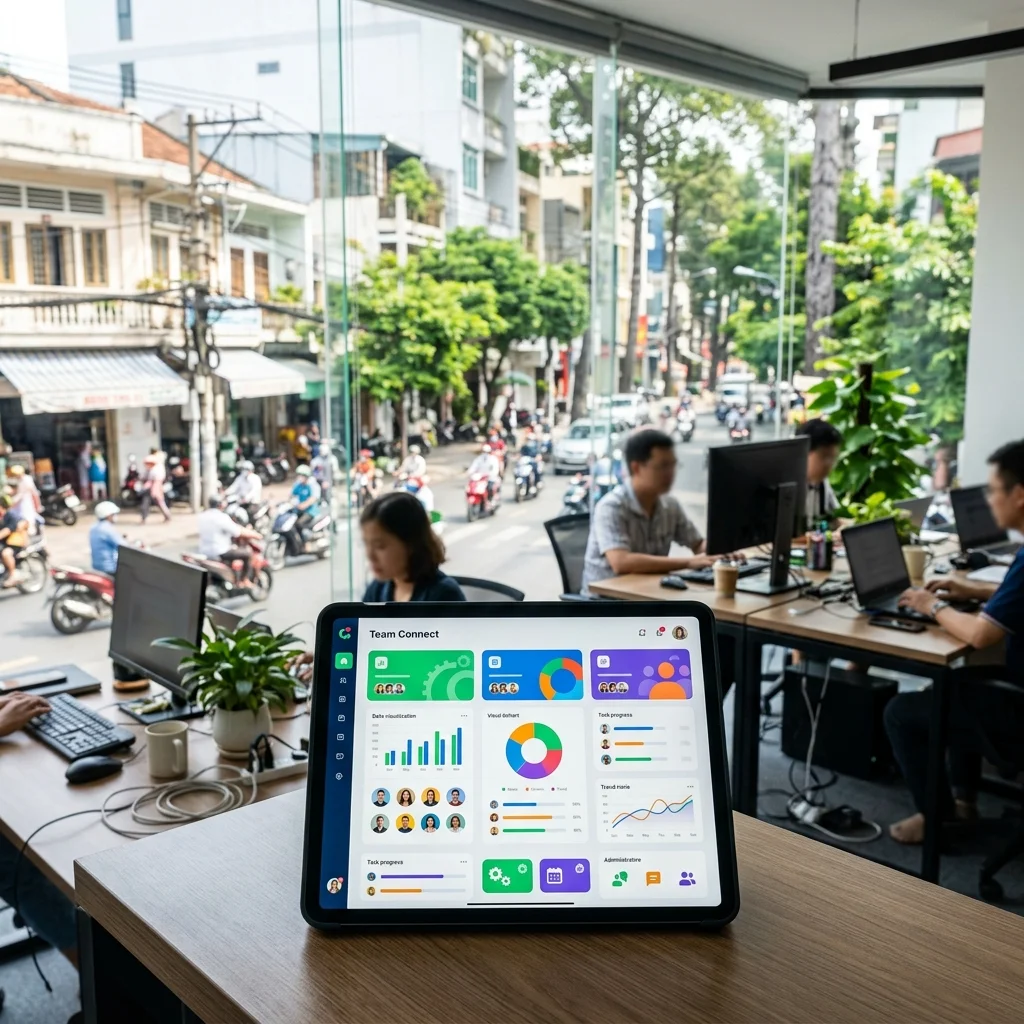
This digital pivot extends beyond simple transactions; it encompasses the entire customer journey. Retailers are increasingly adopting retail technology adoption strategies, from advanced analytics for personalized marketing to omnichannel strategies that seamlessly integrate online and offline experiences. The rise of cross-border e-commerce also plays a crucial role, offering Malaysian consumers access to international brands and products, thereby expanding their purchasing options and influencing local market offerings. This digital surge necessitates continuous adaptation from retailers, pushing them to invest in robust online infrastructure, efficient digital marketing, and responsive customer service to meet the evolving demands of the digitally-savvy Malaysian shopper.
2. Urbanization and Infrastructure Development
Malaysia’s ongoing urbanization and robust infrastructure development are pivotal in shaping retail demand. As more of the population migrates to urban centers, particularly in major cities like Kuala Lumpur, Penang, and Johor Bahru, there’s a concentrated increase in disposable income Malaysia possesses and a growing demand for diverse retail experiences. This urban development impact retail by creating a need for more shopping malls, hypermarkets, convenience stores, and specialized retail outlets to cater to the denser population. The nation’s urbanization rates have consistently climbed, leading to higher population density in key economic hubs.
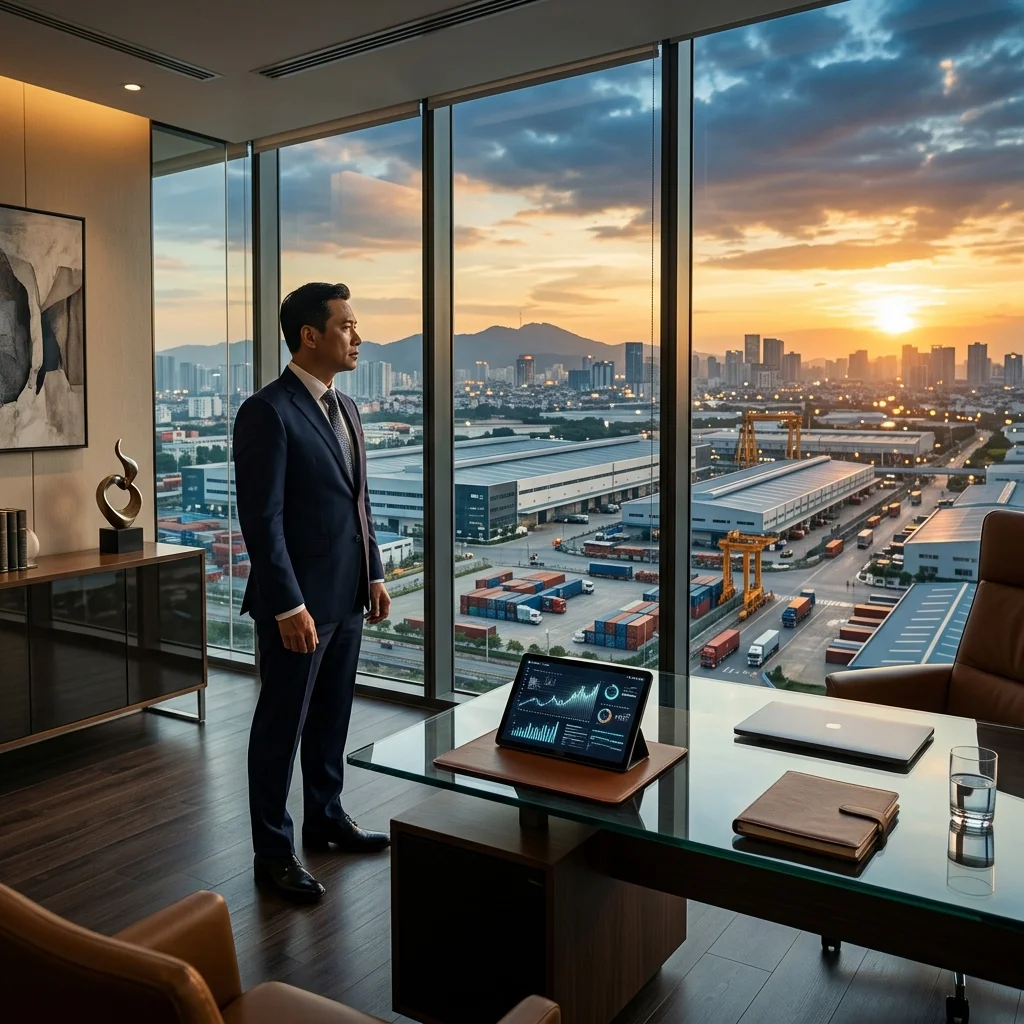
Concurrently, significant investments in retail infrastructure Malaysia-wide, including improved road networks, public transportation systems, and logistics hubs, have greatly facilitated consumer access to retail establishments and streamlined the logistics and supply chain retail operations. Enhanced connectivity means consumers can travel more easily to shopping destinations, and retailers can efficiently transport goods across the country, reducing operational costs and improving delivery times. These developments also foster the growth of new retail formats, such as neighborhood retail centers and mixed-use developments, that integrate residential, commercial, and leisure components, further enhancing convenience and driving local consumer spending patterns.
3. Government Policies and Incentives for Retail Sector
Government policies and incentives play a critical role in steering and supporting the Malaysian retail sector. Recognizing the retail sector growth Malaysia contributes to the national economy, the government frequently introduces initiatives aimed at stimulating domestic consumption, attracting foreign direct investment, and encouraging innovation. These policies often include tax incentives, grants for digital transformation, and financial support for small and medium-sized enterprises (SMEs) looking to expand or modernize their retail operations. Such government support retail Malaysia provides helps businesses navigate economic challenges and seize new opportunities.
Furthermore, policies promoting sustainable retail practices are gaining traction, encouraging retailers to adopt environmentally friendly operations and ethical sourcing, aligning with global consumer trends towards responsible consumption. Initiatives to boost local tourism also indirectly benefit the retail sector by increasing footfall and sales, particularly in tourist-heavy areas. The continuous emphasis on economic stability and consumer welfare through various budgets and development plans ensures a conducive environment for retail investment opportunities. These governmental actions not only safeguard the industry but also actively propel its growth, ensuring Malaysia remains an attractive market for both local and international retailers.
Emerging Trends Redefining Malaysian Retail
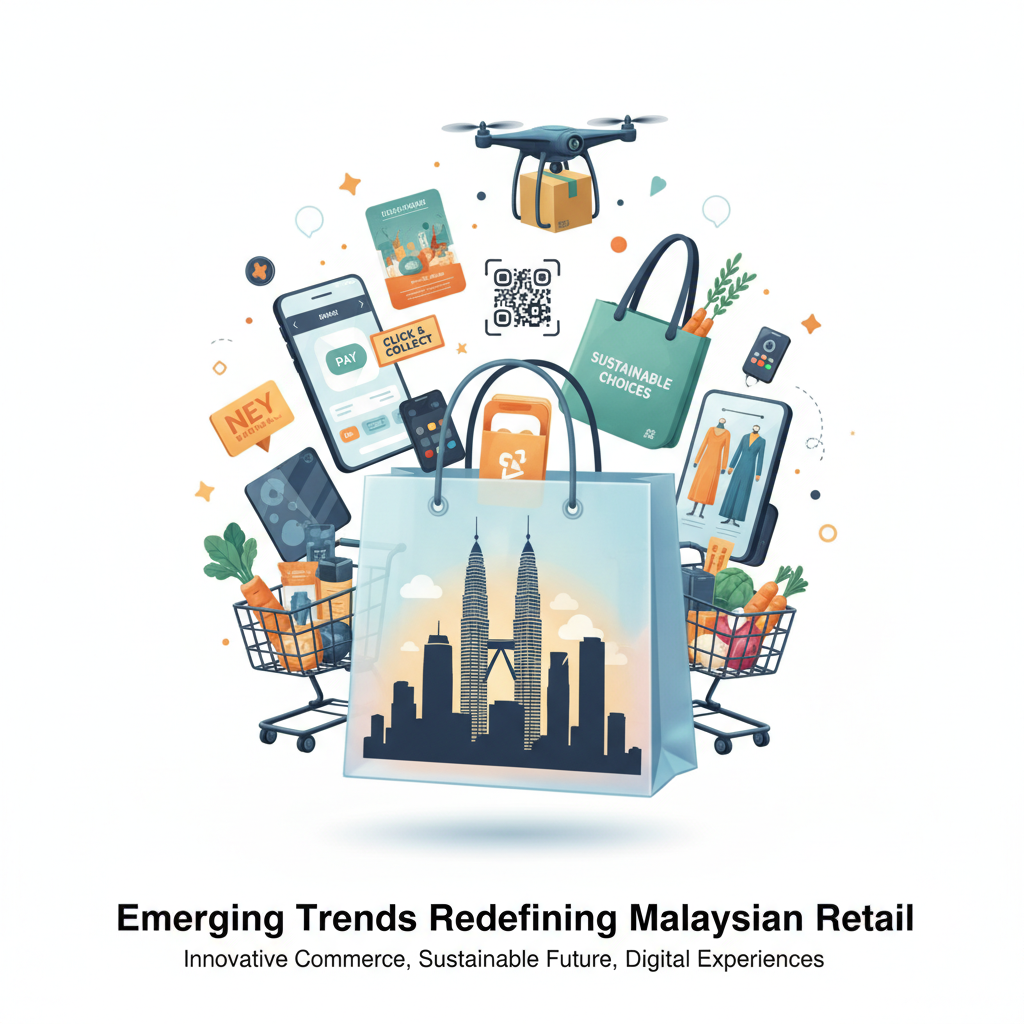
Malaysia’s retail landscape is undergoing a significant transformation, driven by evolving consumer expectations and technological advancements. What was once a largely traditional market is rapidly adapting to global shifts, giving rise to innovative practices that are reshaping how consumers interact with brands and make purchasing decisions. For businesses looking to thrive in this dynamic environment, understanding these emerging trends is crucial. This section provides an insightful overview, highlighting the key forces at play in the market, drawing insights relevant to any market demand trend report of Retail field in malaysia.
1. Rise of Experiential Retail and Pop-up Stores
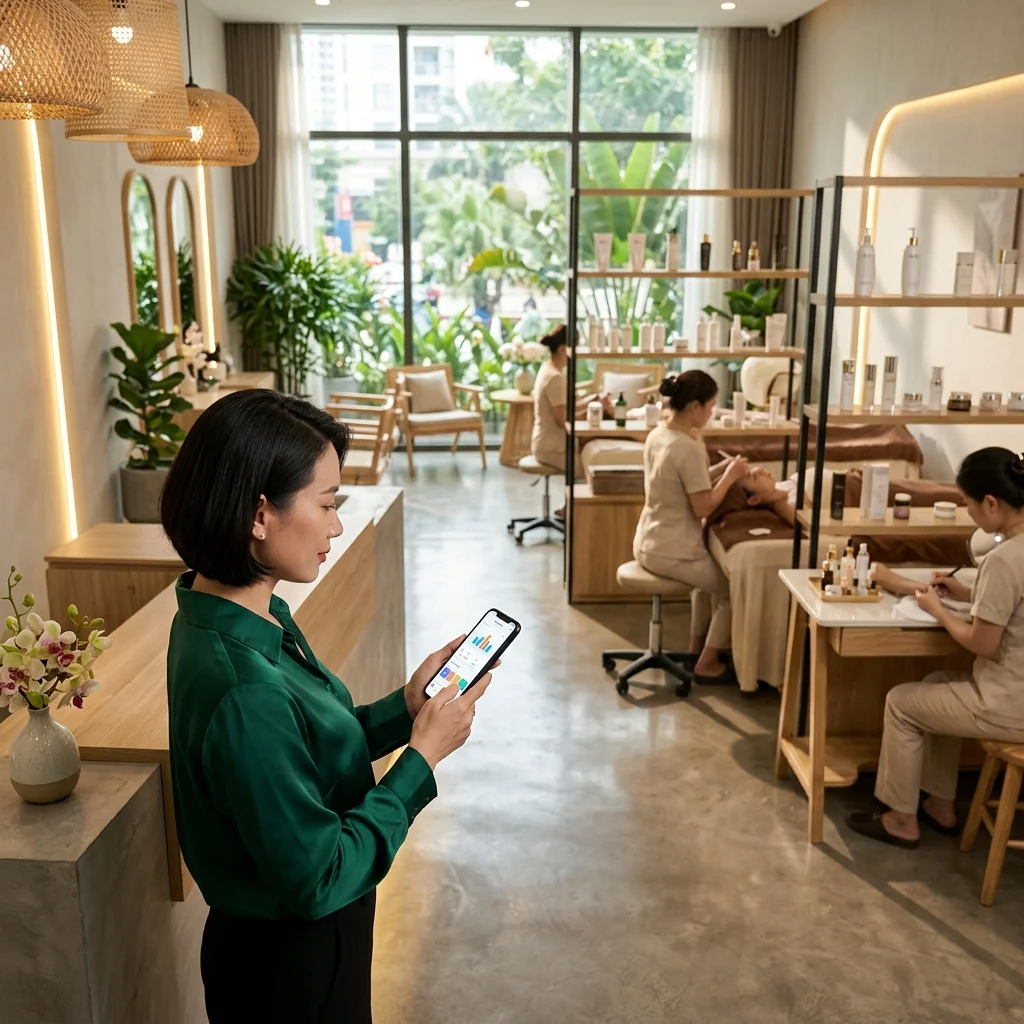
The days of mere transactional shopping are fading. Today’s Malaysian consumers, particularly the younger demographic, seek more than just products; they crave experiences. This shift has propelled the “experiential retail Malaysia” trend, where physical stores become immersive destinations. Retailers are investing in interactive displays, themed environments, workshops, and exclusive in-store events to create memorable moments that foster deeper customer engagement. Examples include fashion boutiques hosting styling sessions, bookstores offering coffee corners and reading clubs, or electronics stores providing hands-on gadget testing zones. This approach helps brands build stronger connections and differentiate themselves in a crowded marketplace, moving beyond just price competition.
Complementing this, pop-up stores have emerged as agile and cost-effective strategies for retailers. These temporary retail spaces allow brands to test new products, enter emerging neighborhoods, or create limited-time buzz. From fashion brands launching seasonal collections in unique locations to F&B vendors experimenting with new concepts in high-traffic areas, pop-ups contribute significantly to the vibrancy of the `Malaysian retail trends`. They offer novelty and a sense of urgency, appealing to `consumer expectations Malaysia` for fresh and unique offerings. This phenomenon also bridges the gap between `online-to-offline retail`, providing a tangible touchpoint for digitally native brands and enhancing the overall `customer experience Malaysia`.
2. Sustainability and Ethical Consumption Patterns
A growing awareness about environmental issues and social responsibility is profoundly influencing Malaysian consumer behavior. There’s a noticeable surge in demand for products and brands that demonstrate strong commitments to `sustainability and ethical consumption patterns`. Consumers are increasingly scrutinizing supply chains, preferring eco-friendly packaging, sustainably sourced materials, and fair labor practices. This trend of `sustainable shopping Malaysia` is not just a niche but a mainstream expectation, with more shoppers willing to pay a premium for ethically produced goods. Retailers are responding by highlighting their green initiatives, offering refill stations, promoting circular economy models, and partnering with local artisans who adhere to ethical standards.
This evolving mindset means that transparency and authenticity are becoming non-negotiable for brands. Retailers who clearly communicate their efforts in waste reduction, energy efficiency, and community engagement gain a competitive edge. From fashion labels using recycled fabrics to grocery stores minimizing plastic use, the shift towards `ethical consumption Malaysia` reflects a broader societal change. This focus on responsible business practices is now a critical component of `retail innovation Malaysia`, influencing purchasing decisions and brand loyalty across various segments of `Malaysian retail trends`.
3. Integration of AI and Personalization in Shopping Journeys
The digital revolution continues to reshape the `future of retail Malaysia`, with Artificial Intelligence (AI) at its forefront. The `integration of AI and personalization in shopping journeys` is no longer futuristic but a present reality. AI-powered analytics are enabling retailers to understand `consumer expectations Malaysia` at an unprecedented level, leading to hyper-personalized shopping experiences. This includes sophisticated recommendation engines that suggest products based on past purchases and browsing history, AI-driven chatbots for instant customer support, and predictive analytics that optimize inventory management and pricing strategies.
Personalization extends beyond product recommendations to tailored marketing communications, customized offers, and loyalty programs that truly resonate with individual shoppers. The rise of `AI in retail Malaysia` is also fueling the growth of `e-commerce growth Malaysia` and the maturation of `omnichannel retail Malaysia`. Retailers are leveraging AI to seamlessly connect online and offline touchpoints, ensuring a consistent and personalized experience whether a customer is browsing on a mobile app, interacting with a social media campaign, or visiting a physical store. This `digital transformation retail` is enhancing `customer experience Malaysia` by making shopping more convenient, efficient, and relevant, ultimately driving sales and fostering long-term brand relationships. The continuous evolution in this space underscores the importance for businesses to adapt and leverage technology to meet the dynamic `market demand trend report of Retail field in malaysia`.
Navigating Challenges and Seizing Opportunities
The Malaysian retail sector, a vital economic contributor, stands at a pivotal juncture, grappling with a confluence of persistent challenges while simultaneously unearthing significant avenues for growth and innovation. As outlined in any comprehensive market demand trend report of Retail field in Malaysia, the landscape is being reshaped by digital acceleration, evolving consumer behaviors, and global economic shifts, including the ongoing post-pandemic retail outlook. Retailers must demonstrate agility and foresight to not only overcome obstacles but also to capitalize on emerging opportunities, ensuring sustained resilience and expansion in a highly competitive environment.
-
Competition from Online and International Players
The proliferation of e-commerce has fundamentally redefined the
Malaysian retail market, intensifying competition for traditional brick-and-mortar stores. Robuste-commerce growth Malaysia, spurred by increased internet penetration and mobile adoption, gives consumers unprecedented access to a global marketplace. This presents a dual challenge: local retailers contend with established international e-commerce giants offering superior logistics and aggressive pricing, alongside agile local online startups. Thisinternational e-commerce competitionnecessitates a strategic shift towards developing a compellingomnichannel retail strategy. Retailers must seamlessly integrate physical and digital touchpoints, offering conveniences like click-and-collect and personalized digital experiences. Furthermore, distinguishing oneself through unique product offerings, superiorcustomer experience strategies, and fostering strong community ties helps local businesses carve out a niche against theselocal retail market challenges. Embracingdigital transformation retailis no longer optional; it demands investment in user-friendly websites, mobile applications, and sophisticated digital marketing. -
Supply Chain Disruptions and Inflationary Pressures
Recent global events have exposed vulnerabilities within retail
supply chain resilience, significantly impacting the Malaysian sector. From pandemic-induced lockdowns to geopolitical tensions, disruptions lead to increased shipping costs, longer lead times, and stockouts, affecting product availability and profitability. Compounding these issues are persistentinflation impact retailbusinesses and consumers alike. Rising raw material costs, energy prices, and labor expenses translate into higher operational costs, often forcing retailers to pass increases onto consumers. This, in turn, influencesconsumer spending trends Malaysia, with shoppers becoming more price-sensitive and value-driven. To mitigate these pressures, Malaysian retailers are compelled to re-evaluate sourcing strategies, exploring local suppliers to shorten supply chains. Investing in inventory management technologies and forecasting tools enhancesoperational efficiencyand minimizes waste. Transparent communication with customers about pricing and exploring loyalty programs help maintain trust and retain customer base amidst a challenging economic climate. -
Leveraging Data Analytics for Strategic Growth
In an increasingly data-driven world, the ability to collect, analyze, and act upon insights is a powerful differentiator for
retail innovation Malaysia.Big data analytics retailoffers a crucial pathway for strategic growth, enabling businesses to move beyond guesswork. By analyzing purchase history, browsing patterns, and demographics, retailers gain profound insights intoconsumer spending trends Malaysia, preferences, and unmet needs. This allows for highly targeted andpersonalized marketing retailcampaigns, increasing engagement and conversion rates. Beyond marketing, data analytics optimizes inventory management, predicting demand with greater accuracy to reduce overstocking or stockouts, and streamlines operational efficiency. Retailers use data to identify peak shopping hours, optimize staff scheduling, and inform store layouts. Embracingdigital transformation retailis incomplete without a robust data strategy. Furthermore, PwC’s insights on Malaysian consumer trends underscore the importance of data-driven strategies in shaping future retail success.
In conclusion, while the Malaysian retail sector faces formidable challenges from intensifying online competition and persistent economic pressures, these very obstacles serve as catalysts for innovation and transformation. The imperative for digital transformation retail and the strategic adoption of big data analytics retail represent significant opportunities to enhance operations, personalize customer experiences, and build more resilient supply chains. By proactively adapting to consumer spending trends Malaysia and embracing a forward-thinking approach, retailers can not only navigate current complexities but also position themselves for robust and sustainable growth in the evolving global market, as consistently emphasized in a thorough market demand trend report of Retail field in Malaysia. The future belongs to those who are agile, data-savvy, and deeply committed to understanding and serving their evolving customer base.
Future Outlook: Malaysia’s Retail Market by 2026
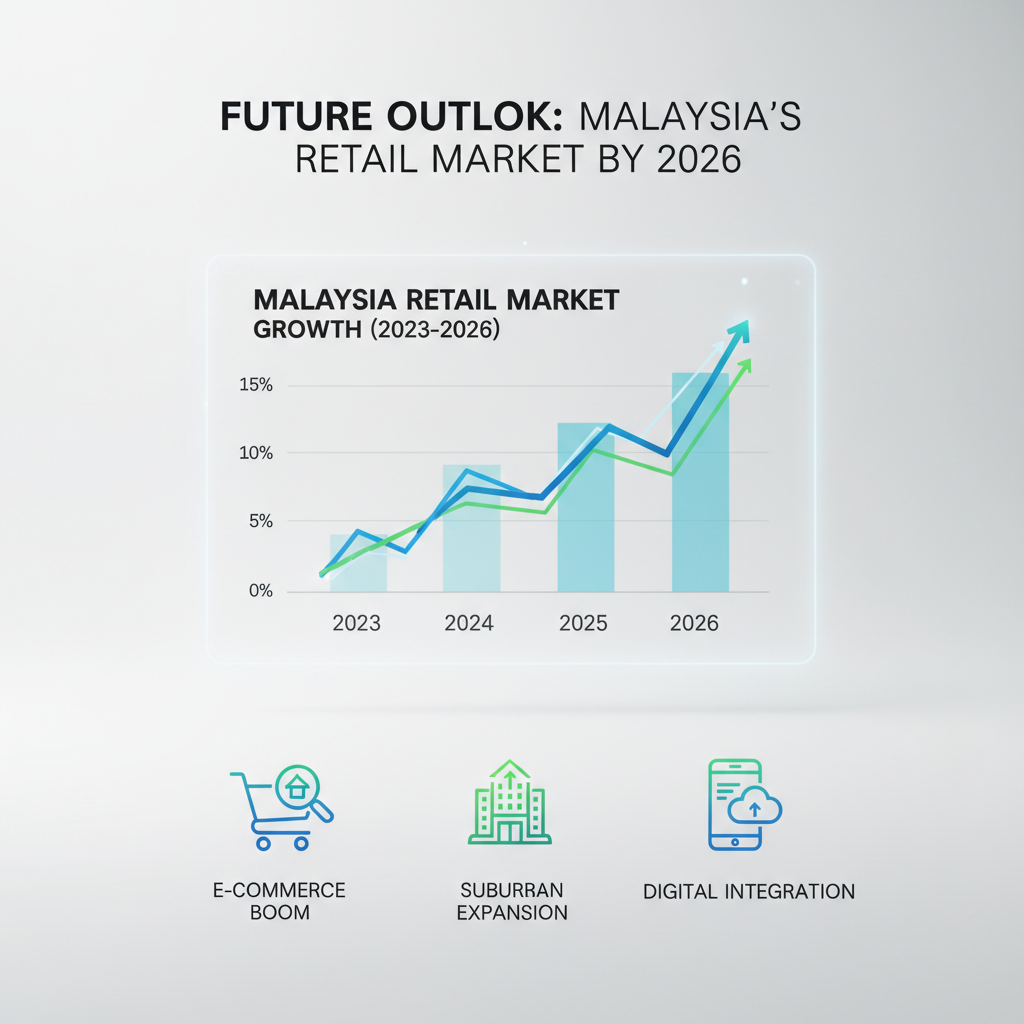
As Malaysia strides towards 2026, its retail landscape is poised for significant transformation, driven by evolving consumer preferences, technological advancements, and economic dynamics. This section offers a comprehensive market demand trend report of Retail field in malaysia, providing forward-looking projections and predictions regarding its trajectory. Understanding these shifts is crucial for businesses aiming to capitalize on emerging opportunities and navigate potential challenges in a rapidly evolving environment. We delve into key growth drivers, anticipate changes in shopper behavior, and outline strategic recommendations for sustained success in this vibrant sector.
1. Projected Growth Segments within Retail
The Malaysian retail market is expected to witness robust growth across several key segments. E-commerce penetration will continue its upward trajectory, fueled by increasing internet accessibility and digital literacy. Projections indicate a sustained surge in online sales, making it imperative for retailers to strengthen their omnichannel strategy. Beyond traditional online marketplaces, specialized e-commerce platforms focusing on niche markets, such as sustainable and ethical products, will gain traction. The grocery retail sector, particularly online grocery, is also set for expansion, driven by convenience and urban lifestyle demands. Furthermore, categories emphasizing health and wellness products are anticipated to experience significant demand, reflecting a growing consumer consciousness towards personal well-being. This includes organic foods, nutritional supplements, and fitness gear. The electronics and home appliances segment, buoyed by the demand for smart home devices and upgraded gadgets, will also contribute substantially to overall retail growth.
Another area of projected growth lies in the premium and luxury goods segment. Despite economic fluctuations, a segment of consumers with increasing disposable income growth is expected to drive demand for higher-value products and experiences. This premiumization trend will extend across fashion, beauty, and lifestyle categories. Moreover, the re-emergence of tourism, post-pandemic, will significantly boost sales in duty-free stores and experiential retail outlets, particularly in urban centers and popular tourist destinations. Small and Medium Enterprises (SMEs) will also play a crucial role, with government support for SMEs facilitating their adoption of digital tools and expansion into broader markets, contributing to a diversified and resilient retail ecosystem. The focus on local products and artisan goods is also expected to rise, aligning with consumer preferences for authenticity and supporting local economies.
2. Anticipated Shifts in Consumer Behavior
Malaysian consumer behavior is undergoing a dynamic transformation, necessitating adaptive strategies from retailers. A significant shift is towards greater demand for value, convenience, and seamless shopping experiences. The rise of Gen Z consumers, who are digital natives, will further accelerate the demand for innovative retail solutions and personalized engagements. These younger demographics are highly influenced by social media and seek brands that align with their values, particularly regarding sustainability and social responsibility. Consequently, sustainable retail practices are no longer just a trend but a critical expectation, with consumers increasingly favoring eco-friendly products and packaging.
The embrace of digital transformation will deepen, making contactless payments and digital wallets commonplace. Consumers will expect integrated shopping journeys, blurring the lines between online and offline channels. This necessitates a robust data-driven personalization approach, where retailers leverage analytics to offer tailored product recommendations and promotions, enhancing customer loyalty. The demand for immediacy will drive the expansion of hyperlocal delivery services, especially for groceries and urgent purchases. Furthermore, there’s a growing inclination towards experiential shopping, where physical stores evolve beyond mere transaction points to become spaces for engagement, entertainment, and brand interaction. Consumers are also becoming more discerning, valuing transparency in product sourcing and supply chains. The increasing engagement with cross-border e-commerce reflects a globalized mindset, with Malaysians seeking unique products and competitive pricing from international markets, necessitating adaptable international logistics solutions for domestic retailers.
3. Recommendations for Retailers and Investors
To thrive in the evolving Malaysian retail landscape towards 2026, retailers and investors must adopt forward-thinking strategies. First and foremost, a comprehensive embrace of omnichannel strategy is paramount, integrating online and offline touchpoints to create a seamless customer journey. Investing in advanced analytics and AI-driven platforms will enable effective data-driven personalization, allowing for targeted marketing campaigns and optimized inventory management. Retailers should also prioritize enhancing their supply chain resilience, leveraging technology for greater transparency and efficiency, especially in the face of global disruptions.
For investors, identifying companies with strong digital capabilities, a clear focus on sustainability, and adaptable business models will be key. Opportunities lie in logistics and last-mile delivery services, as well as in technology solutions providers that support retail transformation. Furthermore, considering partnerships with local SMEs and fostering innovation through venture capital in retail-tech startups can yield significant returns. Retailers should also invest in workforce upskilling, equipping employees with digital skills and customer service excellence to meet the demands of the modern consumer. Finally, staying abreast of the latest market demand trend report of Retail field in malaysia and regulatory changes, particularly those concerning e-commerce and consumer data protection, will be crucial for informed decision-making and sustainable growth. The emphasis should be on agility, innovation, and a deep understanding of the sophisticated Malaysian consumer to unlock the full potential of this dynamic market.
Partner with Shelby Global
You are looking for reliable HR Sevice Suppliers? Contact Shelby Global Now! To connect with verified talents and upgrade your orginization.
—————————————
References
– Retail Group Malaysia (RGM): https://www.malaymail.com/news/money/2024/01/22/retail-group-malaysia-projects-35pc-growth-for-local-retail-industry-in-2024/113888
– :
– PwC Global Consumer Insights Survey 2023: Malaysia report: https://www.pwc.com/my/en/industries/consumer-markets/publications/global-consumer-insights-survey-2023.html
– PwC’s insights on Malaysian consumer trends: https://www.pwc.com/my/en/industries/consumer-markets/consumer-insights.html
– Statista Report: eCommerce in Malaysia – Statistics & Facts: https://www.statista.com/outlook/dmo/ecommerce/malaysia