Understanding Recruitment Process Outsourcing (RPO)
In today’s dynamic business landscape, securing top talent is more critical and complex than ever. Companies, regardless of size or industry, are increasingly turning to innovative solutions to streamline their hiring processes. One such powerful strategy is Recruitment Process Outsourcing (RPO). RPO is not merely about delegating tasks; it’s a strategic partnership where an external provider assumes responsibility for all or part of a company’s recruitment functions. This comprehensive approach allows businesses to leverage specialized expertise, advanced technology, and scalable resources, fundamentally transforming how they attract, assess, and onboard candidates. For businesses navigating competitive talent markets, especially in growing economies like Vietnam, understanding Recruitment Process Outsourcing Vietnam is key to sustained success and rapid expansion.
It acts as an extension of a company’s HR department, integrating seamlessly to deliver a superior candidate experience and achieve measurable hiring outcomes. Unlike traditional staffing agencies that typically fill individual positions on demand, RPO providers offer a strategic, long-term solution focused on improving the entire recruitment ecosystem, from employer branding to onboarding. This distinction is crucial for organizations looking for a strategic partner rather than just a vendor.

1. What is RPO and How Does it Work?
Recruitment Process Outsourcing (RPO) involves an organization transferring all or part of its permanent recruitment processes to an external provider. This provider then acts as a dedicated recruiter or an entire recruitment team, working directly with the client’s hiring managers and HR department. The scope of RPO can be extensive, covering everything from workforce planning and employer branding to candidate sourcing, screening, interviewing, background checks, offer management, and even onboarding support. The RPO provider utilizes its expertise, technology stack, and often a global network to deliver efficient and effective recruitment services.
At its core, RPO works by first conducting a thorough analysis of the client’s existing recruitment challenges, talent needs, and corporate culture. Based on this assessment, a customized strategy is developed. The RPO team then integrates with the client’s internal systems, often leveraging Applicant Tracking Systems (ATS) and Customer Relationship Management (CRM) tools, to manage the end-to-end recruitment lifecycle. This integration ensures a consistent flow of communication, data-driven insights, and a unified employer brand message. The key differentiator is the strategic partnership; RPO providers are invested in the client’s long-term success, aiming to reduce time-to-hire, improve candidate quality, and optimize recruitment costs while enhancing the overall hiring experience. For companies operating in Vietnam, an RPO solution can provide invaluable local market insights and access to a wider talent pool, addressing specific regional hiring challenges.
2. Full vs. Partial RPO Models Explained
RPO services are highly flexible, offering various models to suit different organizational needs and scales. The two primary categories are Full RPO and Partial RPO, each designed to address specific recruitment requirements:
- Full RPO (End-to-End RPO): In a Full RPO model, the external provider manages the entire recruitment process from start to finish. This includes workforce planning, creating job descriptions, sourcing candidates, screening, interviewing, background checks, offer management, and pre-boarding activities. It’s an ideal solution for companies looking to completely overhaul or outsource their recruitment function, often due to rapid growth, significant hiring volume, or a desire to focus internal resources on core business operations. Full RPO offers maximum efficiency, cost savings, and access to a comprehensive suite of recruitment technologies and methodologies.
- Partial RPO (Modular RPO): Partial RPO allows companies to outsource specific components or stages of their recruitment process. This model is perfect for businesses that have some internal recruitment capabilities but need support in particular areas. Examples include:
- Project-Based RPO: For specific, high-volume hiring initiatives or new market entries.
- Recruitment Sourcing: Focusing solely on identifying and engaging potential candidates.
- Screening & Assessment: Handling the initial vetting and evaluation of applicants.
- On-Demand RPO: Providing recruiters or specialized support during peak hiring periods or for hard-to-fill roles.
Partial RPO offers flexibility, allowing companies to augment their existing teams and capabilities precisely where and when needed, without committing to a full-scale outsourcing arrangement.
3. The Core Benefits of RPO for Businesses
Embracing Recruitment Process Outsourcing delivers a multitude of strategic advantages for businesses. These benefits extend beyond simple cost savings, impacting efficiency, quality, and overall business growth:
- Cost Reduction: RPO can significantly lower recruitment costs by reducing reliance on expensive agency fees, minimizing overtime for internal teams, and optimizing technology spend. Providers achieve economies of scale and utilize more efficient processes.
- Improved Candidate Quality: RPO providers employ specialized recruiters with deep industry knowledge and access to wider talent pools, leading to a higher caliber of candidates and better cultural fit. They also leverage advanced assessment tools.
- Reduced Time-to-Hire: Streamlined processes, dedicated resources, and advanced sourcing techniques enable RPO firms to fill open positions much faster than traditional methods, ensuring business continuity and productivity.
- Scalability and Flexibility: RPO solutions can quickly scale up or down based on fluctuating hiring demands, providing agility that internal teams often lack. This is particularly valuable during periods of rapid growth or economic downturns.
- Access to Expertise & Technology: Companies gain immediate access to best-in-class recruitment technologies, market intelligence, and seasoned talent acquisition professionals without the need for significant internal investment. This ensures compliance with industry best practices and evolving regulations.
- Enhanced Employer Brand: A professional and consistent candidate experience managed by an RPO provider can significantly boost a company’s employer brand and reputation in the talent market.
- Focus on Core Business: By outsourcing recruitment, internal HR teams can shift their focus from transactional hiring tasks to more strategic initiatives like employee development, engagement, and retention.
Ultimately, RPO empowers businesses to build stronger, more effective workforces, making it an indispensable tool for modern talent acquisition, particularly for organizations seeking a competitive edge through Recruitment Process Outsourcing Vietnam.
Why Vietnam is an Emerging Hub for RPO
Vietnam has rapidly emerged as a highly attractive destination for Recruitment Process Outsourcing (RPO), drawing the attention of global companies seeking efficiency, talent, and strategic advantages. Its unique blend of a dynamic economic landscape, a burgeoning young workforce, and proactive government policies positions it as a formidable competitor in the global outsourcing arena. This section delves into the specific factors that make Vietnam an ideal choice for businesses looking to optimize their recruitment processes through RPO.
1. Booming Talent Pool and Economic Growth
Vietnam’s most compelling asset for Recruitment Process Outsourcing is its vibrant and ever-expanding talent pool, fueled by robust economic growth. The country has consistently demonstrated impressive GDP expansion, transforming it into a lower-middle-income nation with aspirations for high-income status. A recent World Bank report indicates a strong growth trajectory, attracting significant foreign direct investment and fostering a dynamic business environment. This economic boom goes hand-in-hand with a demographic dividend: a young, increasingly educated, and tech-savvy population. With a median age around 32, Vietnam boasts a large proportion of young professionals entering the workforce annually. Universities and vocational schools are producing graduates with skills in STEM fields, IT, and foreign languages, particularly English, making them highly adaptable and valuable for diverse RPO needs. This abundance of skilled and semi-skilled labor provides a deep reservoir of talent for companies seeking scalable and high-quality recruitment support, from candidate sourcing and screening to administrative tasks.
2. Cost-Effectiveness and Operational Efficiency
Beyond talent availability, Vietnam presents an incredibly cost-effective solution for Recruitment Process Outsourcing. Compared to established RPO hubs or Western markets, the operational costs, particularly labor expenses, are significantly lower without compromising quality. This cost advantage allows businesses to achieve substantial savings on their recruitment budgets, reallocating resources to other strategic areas. Vietnamese professionals are known for their strong work ethic, high productivity, and commitment to quality, ensuring efficient service delivery. Furthermore, Vietnam’s strategic geographical location within Southeast Asia and its time zone can offer operational benefits for companies requiring extended or 24/7 recruitment support, facilitating seamless collaboration across different regions. For businesses considering Recruitment Process Outsourcing Vietnam as a strategic move to enhance their hiring capabilities while managing costs effectively, engaging with local experts can unlock these benefits. Learn more about comprehensive Recruitment Process Outsourcing Vietnam solutions available through specialized providers.
3. Government Support and Developing Infrastructure
The Vietnamese government plays a pivotal role in nurturing an environment conducive to foreign investment and the growth of outsourcing services. Recognizing the potential of industries like RPO, the government has implemented various policies and incentives to attract international businesses, including tax breaks, investment promotion programs, and simplified administrative procedures. Continuous investment in infrastructure development further bolsters Vietnam’s appeal. Modern industrial parks, improved transportation networks, and rapidly advancing digital infrastructure, including widespread high-speed internet connectivity, ensure reliable and efficient operations for RPO providers. The government’s focus on improving the ease of doing business, coupled with a growing network of free trade agreements, enhances Vietnam’s global connectivity and makes it an increasingly stable and attractive destination for long-term RPO partnerships. This proactive approach ensures a supportive ecosystem where RPO operations can thrive, offering reliability and growth potential for global enterprises.
Key Strategic Advantages of RPO in the Vietnamese Market
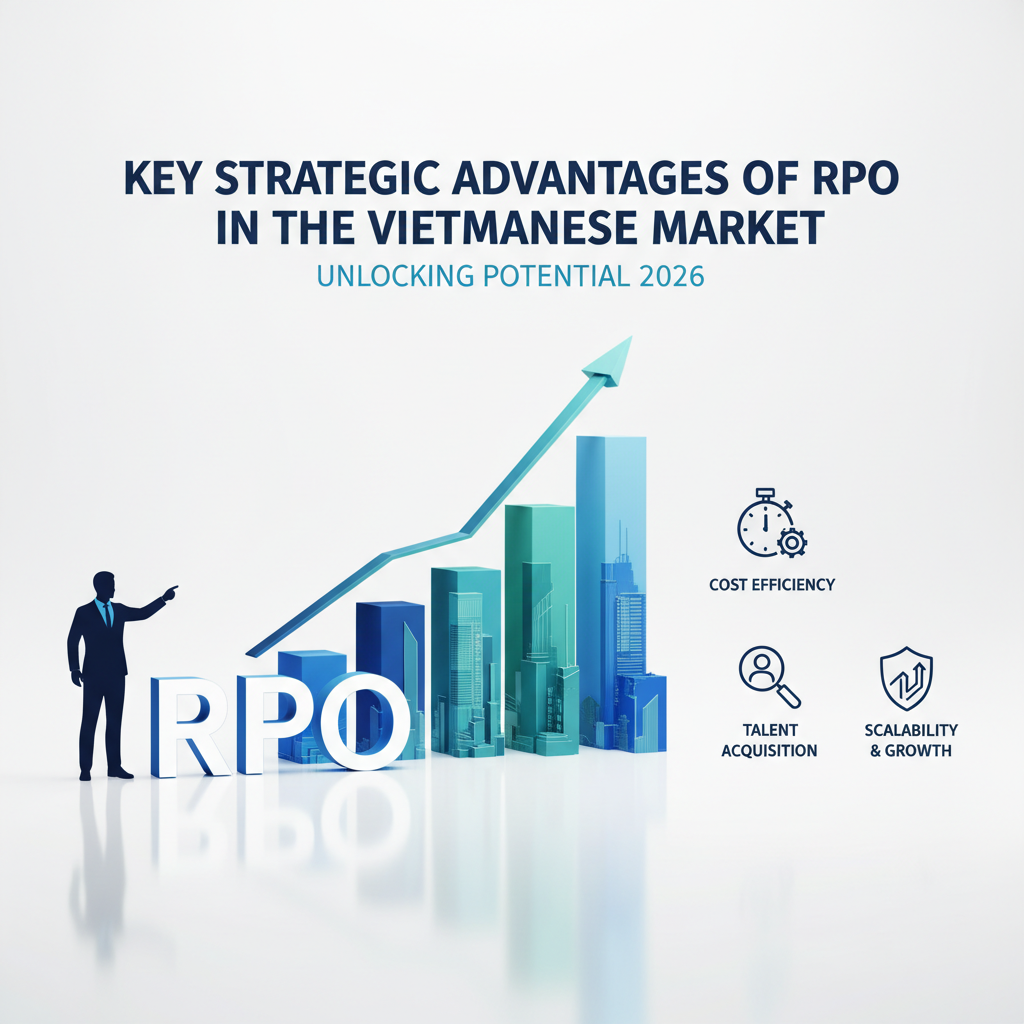
In the dynamic and rapidly evolving Vietnamese market, attracting and retaining top talent presents a unique set of challenges and opportunities. For businesses looking to gain a competitive edge, Recruitment Process Outsourcing (RPO) Vietnam has emerged as a pivotal strategic solution. By leveraging RPO, companies can tap into specialized expertise, achieve unparalleled scalability, and significantly enhance the quality of their hires, thereby accelerating their growth and market penetration.
1. Access to Local Expertise and Networks
One of the most compelling advantages of partnering with an RPO provider in Vietnam is the immediate access to unparalleled local expertise and an extensive professional network. The Vietnamese labor market is characterized by distinct cultural nuances, specific regulatory frameworks, and unique candidate expectations that can be challenging for foreign or even domestic companies to navigate independently. An RPO partner, deeply entrenched in the local ecosystem, brings an invaluable understanding of these intricacies. They possess up-to-date knowledge of prevailing salary benchmarks, talent availability across various sectors, and effective sourcing channels – from traditional job boards to niche professional communities and hidden talent pools. This intimate market insight ensures that recruitment strategies are culturally sensitive, legally compliant, and highly effective. Moreover, established RPO providers have cultivated long-standing relationships with top-tier candidates, educational institutions, and industry associations. This robust network allows them to identify, engage, and attract talent that might otherwise remain inaccessible, significantly broadening a company’s reach within the local talent landscape. This strategic insight and connection are crucial for businesses aiming to build strong teams efficiently and effectively in Vietnam. To explore how this can benefit your organization, consider robust Recruitment Process Outsourcing Vietnam solutions.
2. Enhanced Scalability and Business Flexibility
The dynamic nature of the Vietnamese economy demands a high degree of agility from businesses. Whether a company is entering the market, undergoing rapid expansion, or managing fluctuating project-based demands, the ability to scale recruitment operations up or down quickly and efficiently is paramount. RPO services offer precisely this flexibility, transforming recruitment from a fixed overhead into a variable, demand-driven cost. Instead of investing in permanent internal recruitment teams, infrastructure, and technology that may sit idle during leaner periods or become overwhelmed during peak hiring surges, companies can leverage an RPO provider’s existing resources. This allows for seamless adaptation to changing workforce needs without the typical lead time or substantial capital expenditure associated with internal capacity building. For instance, a tech startup experiencing exponential growth can quickly ramp up its hiring efforts to onboard dozens of new engineers, while a multinational expanding into new provinces can swiftly establish local teams without the logistical complexities. This inherent flexibility not only optimizes operational costs but also enables businesses to respond swiftly to market opportunities and challenges, ensuring that talent acquisition always aligns with strategic business objectives. Understanding the latest Vietnamese labor market trends is critical for maximizing this flexibility.
3. Reduced Time-to-Hire and Improved Candidate Quality
In a competitive talent landscape like Vietnam, the speed and quality of hiring directly impact a company’s ability to innovate, execute, and grow. Prolonged recruitment cycles can lead to missed opportunities, increased operational costs, and the loss of top-tier candidates to faster-moving competitors. RPO providers are masters of efficiency, employing streamlined processes, advanced recruitment technologies, and a dedicated team of specialist recruiters. Their expertise in candidate sourcing, screening, assessment, and engagement significantly reduces the time-to-hire. By implementing best practices and leveraging sophisticated applicant tracking systems (ATS) and AI-driven tools, RPO partners can identify and pre-qualify candidates much faster than conventional in-house methods. Beyond speed, RPO’s focus on quality is paramount. These providers utilize rigorous assessment methodologies, behavioral interviewing techniques, and comprehensive background checks to ensure that candidates not only possess the required skills and experience but also align perfectly with the client’s company culture and values. This meticulous approach minimizes mis-hires, which are costly in terms of lost productivity, training expenses, and potential reputational damage. Ultimately, by delivering higher quality candidates in a shorter timeframe, Recruitment Process Outsourcing Vietnam empowers businesses to build more effective, engaged, and stable workforces, driving sustainable success in the vibrant Vietnamese market.
Challenges and Critical Considerations for RPO in Vietnam
Engaging in Recruitment Process Outsourcing Vietnam offers immense potential for businesses, but it comes with unique challenges. A deep understanding of these factors – from cultural differences to data security mandates – is paramount for successful implementation. Proactively addressing these hurdles ensures seamless operations, effective talent acquisition, and long-term partnership success in this vibrant Southeast Asian nation.
-
Navigating Cultural Nuances and Communication Styles
A significant hurdle for Recruitment Process Outsourcing Vietnam lies in effectively navigating the country’s distinct cultural nuances. Vietnamese business culture is deeply rooted in collectivism, hierarchy, and respect, often contrasting with more direct communication approaches common in Western markets. Indirect communication is prevalent; true meaning is conveyed through context and subtle cues rather than explicit statements. Candidates may hesitate to directly ask questions or offer critical feedback, especially to superiors, out of respect or a desire to “save face.”
Understanding ‘Mặt’ (face) is crucial, as direct criticism or confrontation is generally avoided. For RPO providers, this means training recruiters to read between the lines, interpret non-verbal signals, and structure interactions to encourage open yet respectful dialogue. Building trust and rapport requires patience and a genuine effort to understand local customs. Overlooking these subtleties can lead to misinterpretations and ineffective candidate engagement. A successful RPO strategy demands cultural intelligence and adaptability, ensuring communication resonates positively with local talent. For a deeper dive into these cultural aspects, understanding Vietnamese business etiquette can be incredibly beneficial.
-
Ensuring Data Security and Compliance with Local Regulations
In an increasingly data-driven world, robust data security and compliance with local regulations are paramount for any Recruitment Process Outsourcing Vietnam engagement. Vietnam has strengthened its legal framework with Decree 13/2023/ND-CP on Personal Data Protection (PDPD), effective July 2023. This regulation introduces stringent requirements for the collection, processing, storage, and cross-border transfer of personal data, including sensitive information handled during recruitment. For RPO providers and clients, compliance is a legal imperative.
Challenges stem from securely managing candidate data across borders, maintaining transparent consent mechanisms, and implementing robust technical and organizational measures to prevent breaches. RPO partners must demonstrate a clear understanding of these laws, establish secure data processing agreements, and provide transparent privacy policies. This includes using encrypted systems, secure storage, and regular security audits. Non-compliance can result in significant fines and reputational damage. Businesses must meticulously vet their RPO partners, ensuring they possess the necessary infrastructure and expertise to navigate Vietnam’s evolving data privacy landscape responsibly, safeguarding both company and candidate information.
-
Mitigating Risks and Overcoming Operational Challenges
Beyond cultural and legal aspects, businesses engaging in Recruitment Process Outsourcing Vietnam must prepare for various operational challenges and mitigate associated risks. One common hurdle is the availability of specific talent pools, especially for highly specialized or niche roles. While Vietnam boasts a dynamic workforce, certain skill sets (e.g., advanced tech, senior management) can be competitive, requiring innovative sourcing strategies from RPO providers.
Other operational considerations include language barriers, infrastructure reliability, and the need for clear Service Level Agreements (SLAs) with well-defined metrics. Establishing performance benchmarks, communication protocols, and escalation paths from the outset is crucial. Furthermore, intellectual property (IP) protection, confidentiality, and contractual clarity around responsibilities and deliverables must be meticulously addressed. Mitigating these risks requires thorough due diligence, a phased implementation approach, and continuous collaboration to adapt strategies. An experienced RPO partner brings expertise to address these challenges, ensuring smooth operations and consistent recruitment success.
Conclusion:
Successfully navigating RPO in Vietnam requires a strategic, culturally sensitive, and legally compliant approach. By proactively addressing cultural nuances, prioritizing data security and regulatory adherence, and developing robust strategies for operational hurdles, businesses can unlock the full potential of Vietnam’s talent market. Partnering with an RPO provider possessing deep local expertise is indispensable for transforming these challenges into opportunities for growth and competitive advantage.
Selecting Your Ideal RPO Partner in Vietnam for 2026
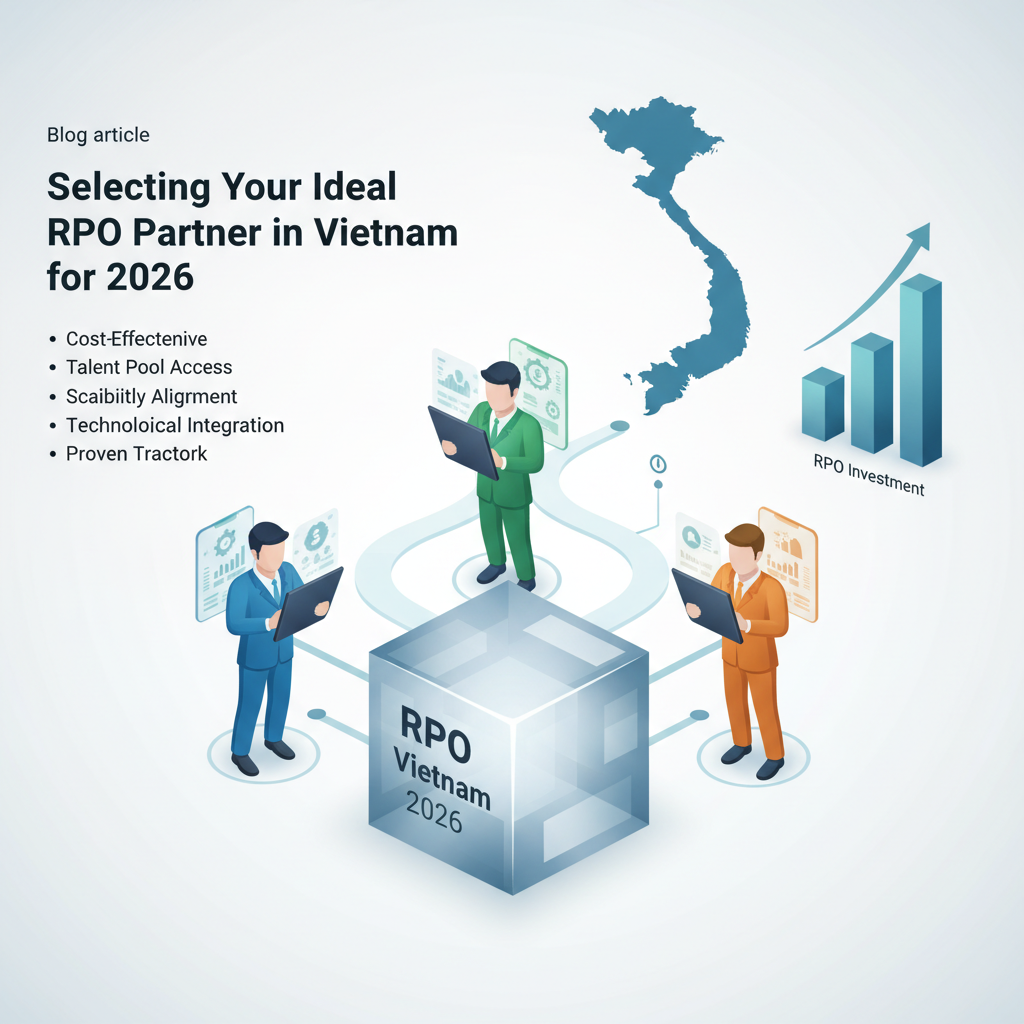
As Vietnam continues its rapid economic growth and integration into the global marketplace, the demand for skilled talent is escalating across virtually every sector. For businesses looking to expand or optimize their operations within this dynamic landscape, efficient and effective recruitment is paramount. This makes Recruitment Process Outsourcing (RPO) Vietnam an increasingly vital strategy. Choosing the right RPO partner is not merely about delegating tasks; it’s about forming a strategic alliance that aligns with your business objectives, enhances your employer brand, and ensures long-term success in a competitive talent market. This guide provides a comprehensive framework for selecting an RPO provider that truly meets your unique needs for 2026 and beyond.
1. Assessing Your Specific Recruitment Needs and Goals
Before embarking on the search for an RPO partner, a thorough internal assessment is crucial. Begin by identifying your current recruitment challenges. Are you struggling with high time-to-hire for critical roles? Is the cost-per-hire disproportionately high? Do you lack access to specialized talent pools, particularly in emerging tech sectors or niche manufacturing? Clearly define your specific recruitment goals. These might include reducing time-to-fill by a certain percentage, improving the quality of hire, enhancing candidate experience, or scaling recruitment efforts rapidly for a new project or market entry. Consider the volume and types of roles you anticipate needing – from executive leadership and highly technical positions to high-volume operational hires. Understanding your company’s growth projections and future talent demands will inform the scope and flexibility required from an RPO solution. A detailed understanding of your needs will enable you to articulate clear expectations and evaluate potential partners more effectively, ensuring the RPO strategy is an extension of your overall business objectives.
2. Evaluating Provider Experience, Specialization, and Reputation
Once your internal needs are clear, the next step involves rigorously evaluating potential RPO providers. Look for partners with a proven track record specifically within Vietnam. Their experience should extend to navigating the local labor laws, cultural nuances, and specific talent market dynamics that are unique to the region. Does the provider possess specialization in your industry sector (e.g., IT, manufacturing, healthcare, finance)? An RPO firm with deep industry knowledge will understand the required skill sets, where to find top talent, and how to effectively engage them. Reputation is paramount; seek out providers with strong client testimonials, case studies, and verifiable references. Inquire about their technology stack – do they utilize cutting-edge Applicant Tracking Systems (ATS), Candidate Relationship Management (CRM) tools, and AI-powered sourcing solutions? A robust technological infrastructure can significantly enhance efficiency and candidate experience. Furthermore, assess their data and analytics capabilities. Can they provide insightful reports on recruitment metrics, talent market trends, and performance against KPIs? A transparent and data-driven approach is a hallmark of a high-performing RPO partner. The ability of the provider to adapt and innovate within the evolving Vietnamese market is also a critical factor.
3. Key Considerations for Contracts, KPIs, and Ongoing Relationship Management
The success of your RPO partnership hinges significantly on the contractual agreement and the ongoing management of the relationship. Ensure the contract is flexible and scalable, allowing for adjustments as your business needs evolve. Look for clear clauses regarding service level agreements (SLAs), data privacy, intellectual property, and mutually agreed-upon exit strategies. Defining Key Performance Indicators (KPIs) upfront is non-negotiable. Beyond basic metrics like time-to-fill and cost-per-hire, consider qualitative KPIs such as candidate satisfaction, hiring manager satisfaction, and quality of hire (e.g., retention rates, performance reviews). These metrics provide a holistic view of the RPO’s impact. Establish a framework for transparent and regular communication, including performance reviews, strategic planning sessions, and feedback mechanisms. A strong RPO partnership is built on trust, open dialogue, and a shared commitment to success. The provider should act as an extension of your HR team, deeply understanding your company culture and values. Regular check-ins and a proactive approach to problem-solving are essential for long-term collaboration. Understanding the global trends in Recruitment Process Outsourcing can also help you benchmark your chosen partner’s offerings and ensure they are competitive and forward-thinking.
In conclusion, selecting your ideal RPO partner in Vietnam for 2026 requires a diligent, multi-faceted approach. By thoroughly assessing your needs, scrutinizing provider capabilities and reputation, and establishing a robust framework for contracts and relationship management, you can forge a strategic alliance that not only addresses immediate recruitment challenges but also lays the groundwork for sustainable growth and competitive advantage in Vietnam’s exciting talent landscape.
Partner with Shelby Global
You are looking for reliable HR Sevice Suppliers? Contact Shelby Global Now! To connect with verified talents and upgrade your orginization.
—————————————
References
– What is Recruitment Process Outsourcing (RPO)?: https://www.shrm.org/resources-and-tools/hr-topics/talent-acquisition/pages/what-is-recruitment-process-outsourcing.aspx
– World Bank: Vietnam’s economy on track to achieve 5.5% growth in 2024: https://www.worldbank.org/en/news/press-release/2024/02/09/viet-nam-s-economy-on-track-to-achieve-5-5-percent-growth-in-2024-world-bank-says
– ILO Vietnam Labour Market Information: https://www.ilo.org/hanoi/areas-of-work/labour-market-information/lang–en/index.htm
– Vietnam Culture and Etiquette Guide – Commisceo Global: https://www.commisceo-global.com/resources/country-guides/vietnam-culture-and-etiquette-guide
– Recruitment Process Outsourcing trends and forecasts: https://www.staffingindustry.com/rpo-trends-and-forecasts/