Understanding the Landscape of Medical Salaries in Singapore
Singapore’s healthcare sector is renowned globally for its high standards, advanced infrastructure, and highly skilled professionals. For medical practitioners, nurses, and allied health professionals navigating this dynamic environment, understanding compensation trends is not just beneficial—it’s essential. This section provides an overview of the current healthcare job market in Singapore and underscores the significance of salary transparency for medical professionals, setting the context for a comprehensive salary range report of jobs in medicine field in singapore. In a competitive market, having access to accurate and timely salary data empowers professionals to make informed career decisions, negotiate effectively, and ensure their remuneration reflects their skills and experience.

1. Why Salary Data Matters for Medical Professionals
For medical professionals, accurate salary data is a powerful tool for career progression and financial planning. It allows individuals to gauge their market value, providing a solid foundation for salary negotiations, whether applying for a new role or seeking a promotion. Without this transparency, professionals may find themselves at a disadvantage, potentially accepting lower compensation than their peers or market standards. Furthermore, detailed salary insights enable medical professionals to strategically plan their career paths, identifying specializations or sectors within the healthcare industry that offer competitive remuneration aligned with their long-term financial goals.
Understanding the nuances of medical salaries also helps in assessing the return on investment for years of rigorous education and continuous professional development. Singapore’s healthcare system, characterized by its mix of public and private institutions, offers diverse opportunities, each with its own compensation structure. A clear understanding of these structures, as outlined in an authoritative Ministry of Health overview, ensures that medical professionals can make choices that maximize their earning potential while contributing meaningfully to the nation’s health. In essence, robust salary data fosters a more equitable and transparent job market, benefiting both employees and employers.
2. Overview of Singapore’s Healthcare System and Job Market
Singapore boasts a dual healthcare system, comprising both public and private sectors, designed to provide comprehensive and high-quality medical care to its population. The public sector, largely governed by the Ministry of Health (MOH), includes a network of polyclinics, public hospitals, and national specialty centers. The private sector complements this with numerous private hospitals, clinics, and specialist practices. This robust infrastructure creates a continuous demand for a wide array of medical professionals, from general practitioners and specialist doctors (e.g., cardiologists, oncologists, surgeons) to nurses, pharmacists, physiotherapists, and other allied health professionals.
The job market for medical professionals in Singapore is generally strong, driven by an aging population, increasing chronic disease burden, and the nation’s commitment to maintaining world-class healthcare standards. Factors influencing salaries within this market are multifaceted. Specialization plays a significant role, with highly specialized doctors often commanding higher remuneration due to their unique expertise and extensive training. Experience is another crucial determinant, as seasoned professionals with proven track records are highly valued. The sector of employment—public versus private—also impacts salary structures, with private institutions often offering competitive packages to attract top talent. Geographical location within Singapore and the specific demands of a role can also contribute to salary variations.
3. Methodology and Data Sources for This Salary Report
The insights presented in this comprehensive salary report are derived from a meticulous methodology designed to ensure accuracy, relevance, and reliability. Our data collection process synthesizes information from several authoritative sources to provide a holistic view of medical salaries in Singapore. Key data points are gathered from anonymized salary submissions by medical professionals across various specializations and experience levels, offering real-world compensation figures. This primary data is rigorously vetted and cross-referenced to eliminate outliers and ensure statistical validity.
In addition to direct submissions, our methodology incorporates extensive market research, including analysis of current job postings from leading healthcare institutions and recruitment agencies in Singapore. This provides valuable insights into prevailing salary ranges advertised for different roles. We also consult official labor statistics and reports from governmental and reputable private sector bodies focused on healthcare employment trends. All data is then analyzed using advanced statistical models to identify key trends, averages, and variations across different medical specializations, experience brackets, and public/private sectors. This multi-faceted approach ensures that the salary range report of jobs in medicine field in singapore offers a robust and dependable resource for medical professionals and employers alike, providing a clear and actionable understanding of the current compensation landscape.
Doctor Salaries: General Practitioners vs. Specialists (2026 Projections)
Understanding the financial landscape for medical professionals in Singapore is crucial for those entering the field or planning career progression. This report delves into the projected salary range report of jobs in medicine field in Singapore for 2026, meticulously differentiating between general practitioners (GPs) and various specialist fields. We will explore how experience levels significantly impact remuneration and the future outlook for medical earnings.
-
Entry-Level vs. Senior GP Compensation
General Practitioners are the backbone of Singapore’s healthcare system. Compensation for GPs varies considerably based on experience, practice setting, and patient volume. For an entry-level GP in 2026, fresh out of housemanship or with a few years of post-graduate experience, public sector salaries are expected to range from around S$6,000 to S$8,000 per month, increasing steadily with progression through medical officer and registrar ranks. Private sector entry-level GPs might earn similarly, with potential for higher upside in busy clinics on a revenue-sharing model.
As GPs gain significant experience, their earning potential rises substantially. A senior GP, with 10-15 years of experience, a loyal patient base, and potentially owning or partnering in a well-established clinic, can command significantly higher remuneration. These experienced professionals often see monthly earnings ranging from S$12,000 to S$20,000 or more, especially with a strong reputation or specialized niche (e.g., family medicine with a focus on chronic disease management or aesthetic procedures). Factors like clinic location, operating hours, and scope of services play a critical role in determining overall GP compensation. Continuous professional development also contributes to sustained career growth and higher earning capacity for senior practitioners.
-
Specialist Remuneration by Field (e.g., Surgery, Paediatrics)
Specialist doctors, due to extensive training, sub-specialization, and complex work, generally command significantly higher salaries than GPs. The earning potential varies widely across different medical specialties, reflecting demand, intensity, and years of dedicated training. In 2026, specialists will remain among the highest-paid professionals in Singapore’s medical sector.
High-demand and high-skill fields like Surgery (e.g., General Surgery, Orthopaedic Surgery, Neurosurgery) are projected to offer some of the most competitive salaries. A seasoned surgical consultant in the public sector could expect to earn upwards of S$15,000 to S$30,000 per month, with private practice surgeons potentially earning more, driven by procedure volume and complexity. Similarly, critical specialties such as Anaesthesiology, Radiology, and Cardiology also command substantial specialist remuneration, often seeing monthly incomes from S$18,000 to S$35,000+ for senior consultants, especially in the private sector.
Specialties like Paediatrics and Internal Medicine, while vital, might see slightly lower but still robust compensation. A senior paediatrician or internal medicine consultant might expect monthly salaries between S$12,000 and S$25,000, depending on their sub-specialization and practice setting. Fields like Psychiatry, Dermatology, and Obstetrics & Gynaecology also present strong earning potential. For a comprehensive overview, refer to detailed Singapore doctor salary reports from leading recruitment agencies, providing valuable benchmarks for 2026 projections.
-
Impact of Public vs. Private Practice on Doctor Pay Scales
The choice between public or private healthcare sector profoundly impacts a doctor’s pay scale in Singapore. Both sectors offer distinct advantages and disadvantages influencing financial compensation.
In the public sector, doctors are typically employed by restructured hospitals and polyclinics under the Ministry of Health (MOH) framework. Salaries are structured, transparent, and follow a defined progression based on grade, experience, and specialization. While public sector salaries may initially be lower than private practice potential, they often come with comprehensive benefits, stable employment, clear career pathways, and opportunities for research and teaching. Public sector doctors benefit from structured training programs and subsidized professional development. A public doctor’s pay scale is less volatile and more predictable.
The private sector, in contrast, offers potential for significantly higher earnings, particularly for established specialists. Private practitioners often operate their own clinics or work in private hospitals, where income is directly tied to patient volume and fees. This autonomy can lead to greater financial rewards but also comes with increased administrative responsibilities, marketing efforts, and business risks. While a successful private specialist can earn substantially more, they also bear the brunt of overheads and market competition. Aspiring medical professionals should consider these factors, and for detailed insight, exploring a comprehensive salary range report of jobs in medicine field in Singapore can provide clarity on expected earnings.
In conclusion, the medical profession in Singapore continues to offer robust and competitive salaries, projected to grow steadily towards 2026. While general practitioners provide essential care with solid compensation, specialists stand to earn substantially more due to their advanced skills and intensive training. The choice between public and private practice further delineates earning potential, with each path offering unique advantages beyond mere financial figures. Understanding these dynamics is key for navigating a rewarding career in Singapore’s healthcare landscape.
Nursing and Allied Health Professionals’ Pay Scale in Singapore
Understanding the salary range report of jobs in medicine field in singapore is crucial for aspiring and current healthcare professionals. Singapore’s robust healthcare sector offers competitive remuneration packages for nurses and allied health professionals, reflecting the high demand for skilled talent. This section delves into the salary expectations across various specializations, from frontline registered nurses to highly specialized advanced practice nurses, and key allied health roles such as physiotherapists, radiographers, pharmacists, and medical technologists. Factors influencing these pay scales include experience, specialization, public versus private sector employment, and the continuous professional development undertaken by individuals.
-
Registered Nurse (RN) and Advanced Practice Nurse (APN) Salaries
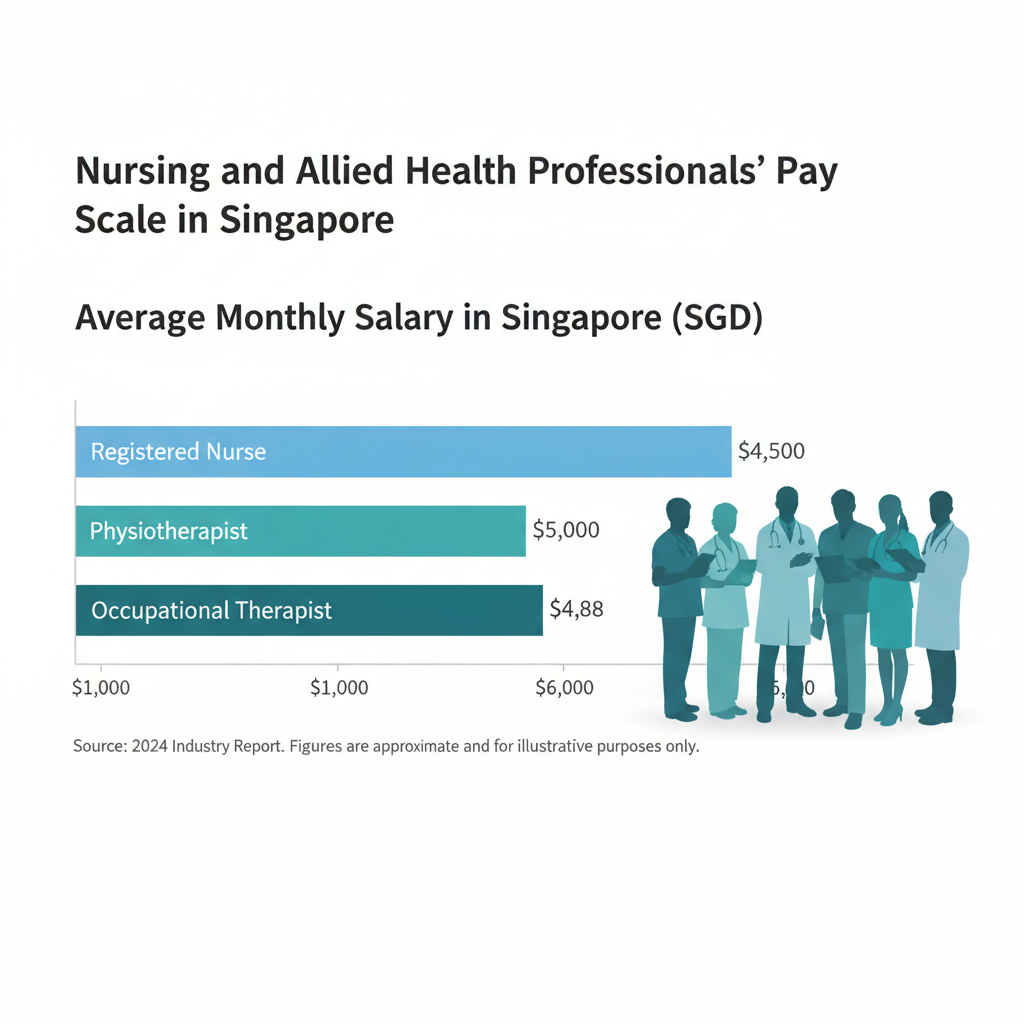
Nurses form the backbone of Singapore’s healthcare system, and their compensation varies significantly based on experience, qualifications, and the sector of employment. Entry-level Registered Nurses (RNs) in public hospitals typically start with a monthly gross salary ranging from S$2,500 to S$4,000. This can increase substantially with years of experience, additional certifications, and assuming leadership roles. Senior RNs with over five years of experience might command S$4,500 to S$7,000 or more, especially if they specialize in critical care, operating theatres, or emergency departments. Private sector hospitals often offer slightly higher base salaries but may have different benefits structures. Advanced Practice Nurses (APNs), who possess master’s degrees and advanced clinical skills, represent the pinnacle of nursing practice. Their salaries reflect their elevated responsibilities, with typical ranges from S$5,000 to S$9,000, and potentially higher for those in senior clinical leadership or highly specialized fields, acknowledging their significant contribution to patient care and clinical outcomes.
-
Physiotherapists, Occupational Therapists, and Radiographers’ Earnings
Allied health professionals play a vital role in diagnostic, therapeutic, and rehabilitative services. Physiotherapists, essential for rehabilitation and mobility, generally see starting salaries between S$3,000 and S$4,500 monthly. With experience and specialization in areas like sports physiotherapy, neurological rehabilitation, or paediatrics, their earnings can rise to S$5,000-S$8,000. Occupational Therapists, who help patients regain independence in daily living, follow a similar pay trajectory, typically earning S$3,000 to S$4,500 at entry-level and S$5,000-S$7,500 with significant experience. Radiographers, crucial for medical imaging, also command competitive salaries. Entry-level radiographers can expect S$2,800 to S$4,200, progressing to S$4,500-S$7,000 for senior roles or those specializing in advanced imaging modalities like MRI or CT. For a deeper dive into career opportunities and remuneration details for allied health professionals in the public sector, the MOH Holdings website provides valuable insights.
-
Medical Laboratory Technologists and Pharmacists’ Compensation
Medical Laboratory Technologists (MLTs) are indispensable in diagnostic processes, performing tests that guide patient treatment. Entry-level MLTs typically earn S$2,500 to S$3,800 per month, while experienced technologists specializing in areas like molecular diagnostics, histopathology, or microbiology can achieve S$4,000 to S$6,500 or more. The demand for their precision and expertise continues to grow. Pharmacists, critical in medication management and patient counseling, typically start their careers with monthly salaries ranging from S$3,800 to S$5,500 in both hospital and retail settings. With increasing experience, specialized roles (e.g., clinical pharmacy, oncology pharmacy), and leadership positions, pharmacists can earn S$6,000 to S$9,000, and even higher in senior management or specialized pharmaceutical industry roles. These professionals are highly valued for their extensive knowledge of pharmaceuticals and their role in ensuring patient safety and effective treatment outcomes.
Key Factors Influencing Medical Job Salaries in Singapore
Understanding the intricacies of medical job salaries in Singapore requires a deep dive into a confluence of factors, ranging from an individual’s professional profile to broader economic and governmental influences. The remuneration for healthcare professionals in this bustling city-state is not a static figure but a dynamic reflection of demand, expertise, and policy. For those seeking a comprehensive salary range report of jobs in medicine field in singapore, it’s crucial to first grasp these underlying determinants that shape compensation across the sector.
1. Experience, Qualifications, and Specialisation Premium
At the individual level, a doctor’s salary is primarily dictated by their accumulated experience, educational qualifications, and chosen specialisation. Entry-level doctors, often referred to as Medical Officers, start with a foundational salary that sees progressive increases with each year of practice. This growth is tied to the development of clinical skills, expanded responsibilities, and leadership roles.
Qualifications play a pivotal role. While a basic medical degree (MBBS) is the fundamental entry point, postgraduate qualifications such as Master’s degrees, fellowships, and specialist certifications significantly elevate earning potential. Doctors who pursue further training and become accredited specialists—be it in cardiology, neurosurgery, oncology, or ophthalmology—command a substantial “specialisation premium.” These specialities require extensive, rigorous training periods (often 6-10 years post-MBBS) and involve handling complex, high-stakes cases. Consequently, their salaries reflect the depth of their expertise, the scarcity of their skills, and the critical nature of their work.
For instance, a general practitioner (GP) with five years of experience will typically earn less than a cardiologist with the same amount of post-specialisation experience, due to the additional years of training and the higher demand for niche specialist services. Sub-specialisation within a field can further enhance this premium, positioning certain consultants at the very top of the medical salary scale in Singapore.
2. Impact of Sector: Public vs. Private Healthcare Institutions
The choice between working in Singapore’s public or private healthcare sector profoundly impacts a medical professional’s salary and career trajectory. The public sector, encompassing restructured hospitals (like Singapore General Hospital, National University Hospital), polyclinics, and community hospitals, offers a structured career path with often transparent salary scales, robust benefits packages, and opportunities for academic involvement, research, and continuous professional development.
Salaries in the public sector are generally governed by civil service guidelines and standard remuneration frameworks. While stable and predictable, these might appear lower than potential peak earnings in the private sector. However, they come with substantial perks such as generous leave entitlements, medical benefits, and opportunities for sponsored training and conferences. Career progression often involves moving up through various tiers (e.g., Medical Officer to Registrar to Associate Consultant to Senior Consultant), with corresponding salary increments.
Conversely, the private sector—comprising private hospitals, specialist clinics, and general practitioner clinics—often presents the opportunity for significantly higher earning potential, particularly for established specialists with a strong patient base. Private practitioners can often set their own fees (within regulatory limits), benefit from performance-based bonuses, and have greater autonomy. However, this comes with increased competition, administrative burdens, and typically less job security compared to the public sector. While the ceiling for private sector earnings can be considerably higher, especially for highly sought-after specialists, there is also greater variability, and initial years might involve building up a practice and patient loyalty.
3. Demand-Supply Dynamics and Government Healthcare Policies
Beyond individual attributes and institutional types, broader market forces and governmental strategies play a critical role in shaping medical salaries. The principle of demand and supply is fundamental: a shortage of doctors in specific specialties or general practice can drive up compensation to attract and retain talent. Singapore, like many developed nations, faces challenges such as an aging population, which increases the demand for geriatric care, palliative medicine, and chronic disease management. Similarly, a growing emphasis on mental health has led to an increased demand for psychiatrists and psychologists.
The Singaporean government, primarily through the Ministry of Health (MOH), actively manages the healthcare landscape and its manpower. MOH updates on healthcare manpower initiatives directly influence salary trends. These policies include controlling the intake of medical students, offering scholarships for specific, in-demand specialities, and recruiting foreign medical professionals to address shortages. Government healthcare spending and funding models also indirectly affect salaries. Subsidies, Medishield Life, and other financing schemes impact the revenue streams of public and private institutions, which in turn influences their capacity to remunerate staff.
For example, if the government identifies a pressing need for more family physicians, it might introduce incentives or grants that make general practice a more financially attractive career path, thereby influencing salary growth in that segment. Thus, understanding the government’s long-term healthcare master plan is vital for anyone analyzing or anticipating medical salary trends in Singapore.
In conclusion, the salary range report of jobs in medicine field in singapore is not a simple average but a complex calculation influenced by personal achievement, sector choice, and macro-level market and policy dynamics. A holistic appreciation of these interwoven factors is essential for medical professionals planning their careers and for stakeholders seeking to understand compensation within this critical sector.
Career Progression and Future Salary Projections in Medicine (2026)
Singapore’s robust and expanding healthcare sector offers promising career trajectories and substantial earning potential for medical professionals. As we approach 2026 and beyond, understanding the evolving landscape of medical roles, advancement opportunities, and their impact on long-term income is crucial. This section provides a comprehensive outlook on potential career paths, opportunities for advancement, and how these factors influence the salary range report of jobs in medicine field in Singapore, guiding aspiring and current medical practitioners toward a rewarding future.
1. Advancement Opportunities and Pay Increments in Healthcare
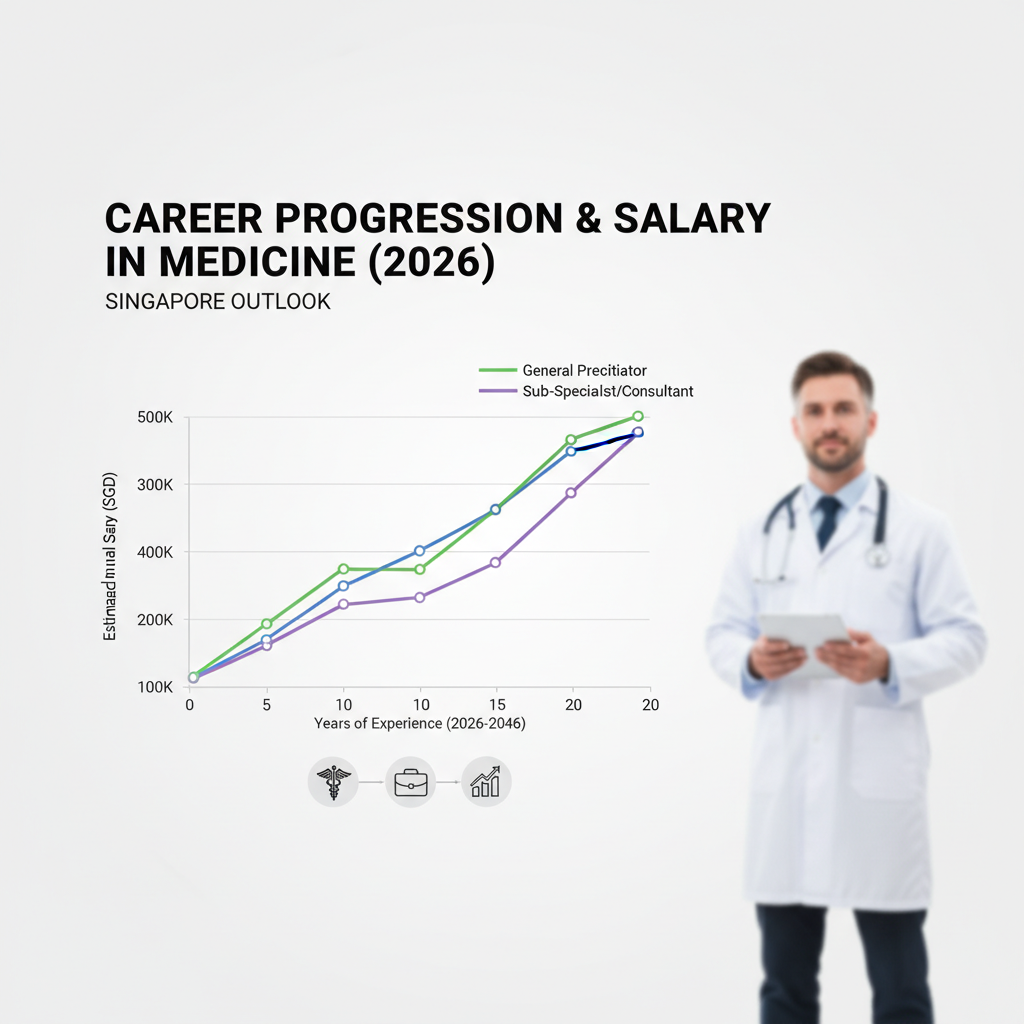
The journey for a medical professional in Singapore typically involves a structured progression, starting from a Medical Officer (MO) post-graduation, moving through residency, and eventually specialising as a Registrar or Consultant. Each stage brings with it significant increases in responsibility and, consequently, remuneration. For instance, a junior MO’s salary will incrementally rise as they gain experience and pass specialist examinations. Specialisation plays a pivotal role in boosting earning potential, with highly demanded fields like cardiology, oncology, neurosurgery, and orthopaedics commanding top salaries due to their complex nature and critical importance. Beyond clinical roles, opportunities exist in academic medicine, research, public health administration, and leadership positions within healthcare institutions. Moving into roles such as Head of Department or Clinical Director can lead to substantial pay increments, often coupled with administrative allowances and benefits. The sector also presents choices between the public and private healthcare systems, with private practice often offering higher earning ceilings, albeit with greater operational responsibilities and variable income.
2. Emerging Medical Roles and Their Salary Outlook
The healthcare landscape is continuously evolving, driven by technological advancements, demographic shifts, and new disease patterns. By 2026, we anticipate a rise in demand for professionals in several emerging medical roles. Telemedicine specialists, medical AI consultants, genomic counsellors, and geriatric care experts are poised to become critical. With Singapore’s aging population, specialists in gerontology and palliative care will see increasing demand, translating into competitive salaries, especially as these roles align with Singapore’s evolving healthcare needs and strategies. The integration of artificial intelligence and big data in diagnostics and personalized medicine will create new roles for physicians with strong informatics skills. Similarly, preventive medicine and community health initiatives, central to Singapore’s healthcare transformation roadmap, will expand, offering stable and growing career prospects. These emerging areas often attract premium salaries due to the specialised skill sets required and the novelty of their contributions to patient care and system efficiency.
3. Strategies for Maximising Earning Potential in the Medical Field
To truly maximise long-term earning potential in Singapore’s medical field, proactive career planning is essential. Continuous professional development (CPD) is paramount; acquiring new skills through fellowships, advanced diplomas, or executive courses in areas like healthcare management or medical informatics can significantly enhance marketability and open doors to higher-paying leadership roles. Sub-specialisation within an already specialised field, such as interventional cardiology or robotic surgery, can command premium fees due to the rarity and complexity of the expertise. Engaging in research and publishing scientific papers not only elevates one’s professional standing but can also lead to academic appointments and grants. Furthermore, developing strong communication and leadership skills is crucial for ascending to senior administrative or clinical director positions. For those considering private practice, strategic clinic location, effective patient management, and smart business practices are key. Exploring overseas assignments or collaborating with international institutions can also broaden horizons and provide diverse income streams. Staying abreast of the latest healthcare policies and technological advancements ensures professionals remain relevant and valuable in a dynamic industry, ultimately impacting their ability to secure a top-tier salary range report of jobs in medicine field in Singapore.
In conclusion, the medical profession in Singapore offers a robust framework for career growth and substantial financial rewards. By understanding the established pathways, recognising emerging opportunities, and strategically investing in continuous development, medical professionals can confidently navigate their careers toward significant long-term earning potential well beyond 2026.
Partner with Shelby Global
You are looking for reliable HR Sevice Suppliers? Contact Shelby Global Now! To connect with verified talents and upgrade your orginization.
—————————————
References
– Ministry of Health: https://www.moh.gov.sg/
– Michael Page Singapore Salary Report 2024: https://www.michaelpage.com.sg/salary-report
– MOH Holdings allied health careers: https://www.mohh.com.sg/allied-health
– MOH Updates on Our Healthcare Manpower and System Readiness: https://www.moh.gov.sg/news-highlights/details/moh-updates-on-our-healthcare-manpower-and-system-readiness
– Singapore’s healthcare transformation roadmap: https://www.moh.gov.sg/news-highlights/details/stronger-healthier-together