Laying the Foundation: Understanding Vietnam’s Retail Landscape
For a new CEO stepping into Vietnam’s dynamic retail sector, especially within Small and Medium-sized Enterprises (SMEs), gaining a foundational understanding of the operational environment and its unique human resources challenges is paramount. This section aims to provide essential context, setting the stage for effectively managing and developing your team. Vietnam’s vibrant economy, characterized by a young demographic and increasing disposable income, offers immense opportunities, but also presents a distinct set of complexities that require a strategic approach to HR.
To successfully navigate this landscape and build a resilient workforce, a fresh CEO must grasp the nuances of local regulations, anticipate common HR hurdles, and establish a clear organizational framework. This Step by Step to understand SMEs HR Structure for the fresh the CEO in retail companies in vietnam will be crucial for sustainable growth and employee satisfaction.

1. Navigating Vietnam’s Labor Law & Regulations
Understanding and complying with Vietnam’s labor laws is not just a legal obligation but a cornerstone for stable operations in retail SMEs. The country’s labor code is comprehensive and regularly updated, designed to protect employee rights while fostering a competitive business environment. As a CEO, familiarity with key aspects such as employment contracts (fixed-term vs. indefinite), working hours, overtime regulations, minimum wage stipulations, social insurance contributions, and termination procedures is non-negotiable.
Misinterpretations or non-compliance can lead to significant penalties, labor disputes, and reputational damage. It’s imperative to establish robust internal policies that reflect the current legal framework. This includes drafting legally sound employment agreements, ensuring proper payroll deductions for social, health, and unemployment insurance, and adhering to guidelines for employee welfare and safety. Regular training for HR staff and managers on the latest amendments to the Vietnamese Labor Code can mitigate risks and ensure smooth operations. Proactive engagement with legal counsel specializing in Vietnamese labor law can provide invaluable guidance, helping your retail SME maintain compliance and focus on core business growth.
2. Common HR Challenges in Vietnamese Retail SMEs
Vietnamese retail SMEs, while agile, often grapple with specific HR challenges that can impact their growth and sustainability. One of the most prevalent issues is **recruitment and retention** of qualified talent. The retail sector, particularly for frontline staff, often experiences high turnover due to competitive job markets and varying compensation structures. Attracting and keeping skilled sales associates, store managers, and specialized retail professionals requires a compelling employer brand and effective talent management strategies.
Another significant hurdle is **compensation and benefits (C&B)**. SMEs often operate with tighter budgets than larger corporations, making it challenging to offer highly competitive salaries and comprehensive benefits packages. Crafting a C&B strategy that balances budget constraints with market competitiveness and employee motivation is crucial. **Training and development** also pose a challenge; limited resources can restrict investment in continuous learning, yet upskilling retail staff in customer service, product knowledge, and sales techniques is vital for enhancing the customer experience. Finally, **performance management** systems may be less formalized in SMEs, potentially leading to inconsistencies in evaluations, feedback, and career progression, which can impact employee engagement and overall productivity. Addressing these challenges requires creativity, a focus on internal culture, and a commitment to employee growth.
3. Defining the Retail SME Organizational Chart
Even for leaner retail SMEs, a well-defined organizational chart is a fundamental tool for clarity, accountability, and efficient operations. Unlike large enterprises with sprawling departments, an SME’s structure is typically more streamlined, yet its importance remains undiminished. A typical retail SME organizational chart might feature a CEO or Owner at the top, followed by a Store Manager or Operations Manager overseeing daily retail activities.
Beneath the manager, roles such as Sales Associates, Visual Merchandisers, or Inventory Controllers would be clearly outlined. In some cases, a small dedicated HR function might exist, or HR responsibilities might be shared among management or outsourced. The benefits of a clear structure include defining reporting lines, clarifying roles and responsibilities, preventing duplication of effort, and streamlining communication. It helps employees understand their place within the company, their career paths, and who to approach for specific issues. As your retail SME grows, regularly reviewing and adapting this organizational framework will be essential to ensure it continues to support operational efficiency and strategic objectives. A clear organizational blueprint is a foundational element for any successful human resources structure, guiding talent acquisition, development, and retention efforts effectively for a fresh CEO in retail companies in Vietnam.
Building Your Team: Recruitment and Talent Management
For a fresh CEO in a retail SME in Vietnam, understanding and building a robust human resources structure is paramount. The success of your retail venture hinges not just on products and marketing, but critically on the people who bring your brand to life every day. From the shop floor to back-office operations, attracting, hiring, and retaining the right talent is a strategic imperative, especially within the dynamic and competitive Vietnamese market. This section will guide you through the essential components of talent management, helping you to build an efficient and engaged team that drives growth and customer satisfaction. It’s truly a Step by Step to understand SMEs HR Structure for the fresh the CEO in retail companies in vietnam, ensuring your most valuable asset – your people – are well-managed from day one.
1. Effective Recruitment Strategies for Retail in Vietnam
Navigating the Vietnamese labor market to secure top retail talent acquisition Vietnam can be challenging for SMEs. High staff turnover, fierce competition for skilled workers, and unique cultural expectations are common SME recruitment challenges Vietnam faces. To overcome these, a strategic approach is vital. Start by clearly defining your ideal candidate profile, focusing on not just skills but also attitude, work ethic, and cultural fit within your organization. Leverage local job platforms like VietnamWorks and CareerBuilder, but don’t underestimate the power of social media platforms such as Facebook and Zalo, which are highly popular for job postings in Vietnam, particularly for frontline retail roles. Employee referral programs can also be incredibly effective, tapping into your current team’s networks to find trusted candidates who already understand your company culture.
Developing a strong employer brand is crucial for hiring retail staff Vietnam. Showcase what makes your SME an attractive place to work: growth opportunities, a positive work environment, competitive compensation, and benefits that resonate with Vietnamese employees. Consider participating in local job fairs or collaborating with vocational schools to pipeline fresh talent. Remember, the goal is not just to fill a vacancy but to find individuals who will contribute positively to your Vietnamese retail workforce and stay long-term.
2. Onboarding Best Practices for SME Environments
Once you’ve successfully recruited new team members, a structured onboarding process retail Vietnam is critical for ensuring they integrate smoothly and become productive quickly. For SMEs, often with limited HR resources, a streamlined yet comprehensive approach is key. Don’t just hand over paperwork; instead, focus on creating an experience that makes new hires feel valued and equipped for success. This includes a warm welcome, introductions to colleagues, and a clear overview of the company’s mission, vision, and values.
Provide detailed training on product knowledge, sales techniques, point-of-sale (POS) systems, and most importantly, your customer service standards. A ‘buddy system’, where a seasoned employee mentors a newcomer, can greatly aid cultural assimilation and provide an immediate point of contact for questions. Regular check-ins during the first few weeks are essential to address concerns, provide feedback, and reinforce expectations. Effective onboarding significantly contributes to employee retention retail SMEs, reducing the costly cycle of recruitment and training, and ultimately building a more stable and engaged HR for retail startups Vietnam.
3. Developing a Robust Employee Training & Development Plan
In the fast-evolving retail landscape, continuous staff training retail SMEs is not a luxury, but a necessity. Investing in your employees’ growth directly impacts their performance, job satisfaction, and your business’s bottom line. Start by identifying key skill gaps within your team and aligning training initiatives with your business objectives. This could include refresher courses on product knowledge, advanced sales techniques, conflict resolution, or leadership development for aspiring team leaders.
For SMEs, cost-effective training solutions are often paramount. Consider leveraging internal expertise through cross-training programs, where experienced staff share their knowledge. Online learning platforms offer flexible and affordable options for various skills. Mentorship programs also play a vital role in career progression and knowledge transfer. Regularly solicit feedback from employees on their training needs and career aspirations to make the plan relevant and engaging. A well-designed retail employee development program demonstrates your commitment to your team’s future, enhancing talent management retail Vietnam and fostering a culture of continuous improvement, which is vital for long-term success. Understanding the broader labor market trends, such as those discussed in Vietnam’s Labor Market Trends and Recruitment, can further inform your training and development strategies to ensure your team remains competitive and skilled.
Nurturing Growth: Performance, Compensation, and Retention
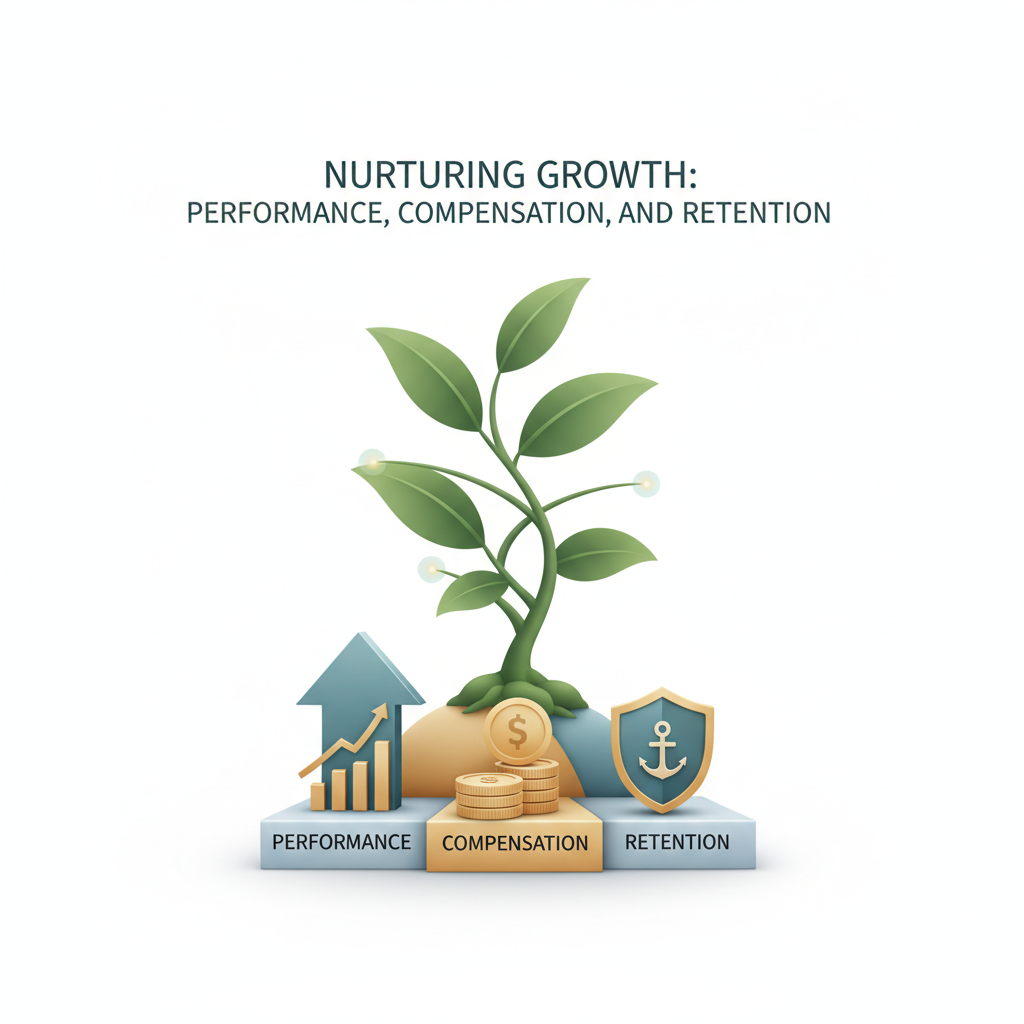
This section delves into strategies for motivating employees, managing their performance, structuring competitive compensation, and ensuring long-term retention in the dynamic retail sector. For a fresh CEO in a Vietnamese retail company, grasping the nuances of human resource management is paramount. A robust HR framework is not merely administrative; it’s a strategic pillar that directly impacts operational efficiency, customer satisfaction, and ultimately, profitability. Understanding the specific challenges and opportunities within the Vietnamese market, particularly for SMEs, allows for a more targeted approach to talent acquisition, development, and engagement. Building a strong HR foundation requires a Step by Step to understand SMEs HR Structure for the fresh the CEO in retail companies in vietnam, ensuring every aspect, from daily performance to long-term career growth, is meticulously planned and executed.
1. Implementing Effective Performance Management Systems
Effective performance management is the cornerstone of a high-performing retail team. For a CEO overseeing a Vietnamese SME, this means moving beyond annual reviews to a continuous feedback loop that fosters growth and accountability. Start by establishing clear, measurable key performance indicators (KPIs) tailored to each role, from sales associates to store managers. These KPIs should align with the company’s overall business objectives, providing employees with a direct understanding of how their daily efforts contribute to success. Regular check-ins, rather than infrequent formal appraisals, allow for timely recognition of achievements and constructive addressing of areas needing improvement. Training managers on effective coaching techniques is crucial to ensure feedback is delivered constructively, empowering employees to improve rather than feel criticized. Utilizing simple, accessible digital tools can streamline the process, making it easier to track progress and document development plans. A well-implemented system helps identify top talent for advancement, addresses underperformance proactively, and enhances overall workforce productivity. For practical insights into establishing robust systems, explore resources like SHRM’s guide on effective performance management.
2. Crafting Competitive Compensation & Benefits Packages
In the competitive Vietnamese retail landscape, attracting and retaining skilled employees hinges significantly on offering competitive compensation and benefits. A fresh CEO must conduct thorough market research to understand prevailing salary benchmarks for various retail roles across different tiers (e.g., entry-level, supervisory, managerial) within Vietnam. Compensation isn’t just about base salary; it encompasses a holistic package that includes performance-based bonuses, commissions, and non-monetary benefits. Consider offering benefits that are particularly valued in Vietnam, such as health insurance, transportation allowances, meal subsidies, or even educational support for employees’ children. Clear, transparent communication about how compensation is determined and what benefits are available builds trust and reduces employee turnover. A strategic approach involves linking a portion of an employee’s earnings directly to individual and store performance, creating a direct incentive for achieving sales targets and enhancing customer experience. This also ensures that the compensation structure is sustainable for the SME while remaining attractive to potential hires.
3. Strategies for Employee Retention in Vietnamese Retail
Retaining valuable employees in the dynamic Vietnamese retail sector requires more than just good pay; it demands a deep understanding of employee aspirations and cultural values. Beyond monetary incentives, focus on creating a positive work environment where employees feel valued, heard, and have opportunities for growth. Implement career development plans, offering training programs that enhance skills and open pathways for internal promotion. Many Vietnamese employees value stability and personal development, so investing in their professional journey can significantly boost loyalty. Foster a culture of recognition, celebrating achievements big and small, and providing regular feedback that promotes psychological safety. Flexible scheduling, where feasible, can also be a significant retention tool, particularly for employees balancing work with family responsibilities. Encourage team-building activities to strengthen camaraderie and create a supportive atmosphere. By prioritizing employee well-being, offering clear career paths, and nurturing a respectful and engaging workplace, retail SMEs can significantly reduce turnover, build a stable and experienced workforce, and ensure long-term success in the Vietnamese market. This holistic approach to nurturing talent is a crucial step for a fresh CEO in retail companies in Vietnam.
Optimizing Operations: HR Policies, Technology, and Culture
For a fresh CEO stepping into the dynamic retail landscape of Vietnam, understanding and optimizing the HR structure is paramount. Navigating the unique challenges of small and medium-sized enterprises (SMEs HR Vietnam) requires a strategic approach that interweaves clear policies, innovative technology, and a robust workplace culture. This section provides a comprehensive, step-by-step guide to understanding and enhancing the SMEs HR Structure for the fresh the CEO in retail companies in Vietnam, laying the groundwork for operational excellence and sustainable growth. By focusing on three critical pillars—establishing essential policies, leveraging technology, and fostering a positive culture—CEOs can streamline operations, boost employee engagement, and align their human capital with overarching business objectives. This is crucial for developing an effective HR strategy retail that thrives in the competitive Vietnamese market.
1. Establishing Essential HR Policies and Procedures
A well-defined set of HR policies forms the backbone of any successful retail HR structure, especially for SMEs in Vietnam. For a fresh CEO, implementing these policies ensures clarity, consistency, and compliance. Essential HR policies for SMEs cover a broad spectrum, from recruitment and onboarding to compensation, performance management, and disciplinary actions. Key policies include employment contracts compliant with Vietnamese labor law Vietnam HR, codes of conduct, leave policies (annual leave, sick leave, maternity/paternity leave), health and safety guidelines, and clear grievance procedures. Establishing robust HR best practices Vietnam in this area minimizes misunderstandings, reduces legal risks, and provides a fair and transparent framework for all employees. It also sets expectations for employee engagement Vietnam and ensures that all talent management retail efforts are built on a solid foundation. Regular review and updates are vital to keep these policies aligned with evolving business needs and regulatory changes, forming a cornerstone of the CEO HR guide Vietnam.
2. Leveraging HR Technology for Small Businesses in Vietnam
In today’s fast-paced retail environment, technology is no longer a luxury but a necessity for optimizing HR operations. For a fresh CEO, embracing HR tech solutions SMEs can dramatically enhance efficiency and accuracy. Platforms like Human Resources Information Systems (HRIS) can centralize employee data, automate payroll processing, manage leave requests, and streamline performance appraisal Vietnam processes. These systems reduce manual administrative burdens, freeing up HR teams to focus on more strategic initiatives such as employee retention retail and talent development. When considering technology in HR Vietnam, it’s crucial to select solutions that are scalable, user-friendly, and compliant with local regulations. Investing in appropriate HR technology not only improves operational efficiency but also provides valuable data insights for better decision-making, contributing significantly to a modern retail HR structure. For more insights into how technology can transform your HR operations, explore resources on the benefits of HR technology for small businesses. This strategic adoption helps navigate compliance HR Vietnam complexities with greater ease.
3. Fostering a Positive Workplace Culture in Retail
Beyond policies and technology, the heart of an effective HR structure lies in its culture. For a fresh CEO, cultivating a positive and productive workplace culture retail is pivotal for success in Vietnam. A strong culture attracts and retains top talent, enhances customer service, and directly impacts business performance. Elements of a positive culture include clear company values, open communication channels, opportunities for growth and development, fair recognition systems, and a commitment to employee well-being. Encouraging a culture of feedback and continuous learning fosters greater employee engagement Vietnam and loyalty. In the retail sector, where frontline staff are the face of the brand, an empowering culture translates directly into better customer experiences. It’s about creating an environment where employees feel valued, respected, and motivated to contribute their best. Understanding how to build this foundation is a key part of your journey; for a deeper dive into the specifics of navigating the intricate SMEs HR Structure for the fresh the CEO in retail companies in vietnam, including cultural nuances and practical steps, you can find a comprehensive guide at our resource. This holistic approach, integrating strong performance appraisal Vietnam processes with cultural initiatives, ensures your HR strategy retail is robust and forward-looking.
For the fresh CEO navigating the retail landscape of Vietnam, optimizing HR operations is a multifaceted but highly rewarding endeavor. By meticulously establishing clear HR policies, intelligently leveraging HR technology, and actively fostering a vibrant workplace culture, you can build an agile and resilient retail HR structure. This integrated approach is key to achieving operational efficiency, ensuring employee retention retail, and ultimately driving your retail company towards sustained success in Vietnam’s competitive market.
Strategic Leadership: Future-Proofing Your HR Structure
For a fresh CEO stepping into the dynamic retail landscape of Vietnam, understanding and optimizing your HR structure is paramount for sustainable success. This guide offers a Step by Step to understand SMEs HR Structure for the fresh the CEO in retail companies in vietnam, empowering you to develop a forward-thinking HR strategy that not only supports current operations but also future-proofs your organization against evolving market demands. Strategic HR leadership isn’t just about managing people; it’s about cultivating a resilient, adaptable, and high-performing workforce that drives growth and ensures longevity.

1. Strategic HR Budgeting for Retail SMEs
Effective HR budgeting in a retail SME goes beyond mere allocation; it’s a strategic investment in your most valuable asset: your people. As a CEO, you need to ensure your HR budget is optimized to attract, retain, and develop talent while supporting your business objectives. This involves a clear understanding of where resources are best spent. Prioritize investments in areas such as competitive compensation and benefits packages to attract top talent in a competitive market. Furthermore, allocate funds for continuous learning and development programs, which are crucial for upskilling your workforce to meet changing retail technologies and customer expectations. Consider integrating HR technology solutions, such as applicant tracking systems (ATS) or performance management software, to streamline processes, enhance efficiency, and provide valuable data for decision-making. These digital tools, while an initial investment, can significantly reduce administrative overhead and improve HR effectiveness in the long run. Focus on the return on investment (ROI) for each HR expenditure, aligning it with your overall business goals for growth and profitability. For instance, investing in employee well-being programs can lead to reduced absenteeism and increased productivity, directly impacting your bottom line. A proactive approach to HR budgeting ensures that your financial resources are strategically deployed to build a strong foundation for future growth.
2. Planning for Succession: Building Future Leaders
Succession planning is a cornerstone of future-proofing your retail SME’s HR structure. It’s about proactively identifying and developing internal talent to fill key leadership roles as they become vacant, ensuring continuity and stability. Start by identifying critical roles within your organization that, if left unfilled, could severely impact operations. For each of these roles, identify high-potential employees who demonstrate the necessary skills, leadership qualities, and commitment to the company’s vision. Develop personalized development plans for these individuals, which may include mentorship programs, cross-functional training, external leadership courses, or stretch assignments. The goal is to equip them with the diverse experiences and competencies required for future leadership. This systematic approach not only secures your leadership pipeline but also boosts employee morale by showing a clear path for career progression. Regular performance reviews and feedback are vital to track progress and adjust development plans as needed. By nurturing your internal talent pool, you build a resilient leadership structure capable of navigating future challenges and opportunities in the Vietnamese retail market. A robust strategic HR planning process is essential to integrate succession planning seamlessly into your overall business strategy.
3. Adapting HR Structure for Future Retail Trends
The retail landscape is in constant flux, driven by technological advancements, changing consumer behaviors, and global economic shifts. To maintain a competitive edge, your HR structure must be agile and adaptable. This means moving away from rigid, hierarchical models towards more flexible and dynamic frameworks. Embrace technology not just for HR processes but for enabling a more distributed and efficient workforce. Consider adopting hybrid work models where feasible for administrative or support roles, leveraging digital collaboration tools. Focus on developing a workforce that is comfortable with new technologies, such as AI-powered analytics for inventory management or virtual reality for customer experience training. Employee experience (EX) will become an even more critical differentiator. Invest in creating a positive and engaging work environment that fosters loyalty and productivity. This includes prioritizing well-being initiatives, offering flexible work arrangements where possible, and promoting a culture of continuous feedback and open communication. Furthermore, your HR structure should be designed to support rapid upskilling and reskilling initiatives. As roles evolve, the ability to quickly train employees in new competencies will be crucial. This agility ensures that your retail SME can pivot quickly, embrace innovation, and remain relevant in a fast-changing market. Future-proofing your HR structure is about building an organizational DNA that thrives on change, ensuring sustainable growth and resilience.
Partner with Shelby Global
You are looking for reliable HR Sevice Suppliers? Contact Shelby Global Now! To connect with verified talents and upgrade your orginization.
—————————————
References
– Vietnam Labour Code 2019: Key Changes and Implications for Businesses: https://www.vietnam-briefing.com/news/vietnam-labour-code-2019-key-changes-implications-businesses/
– Vietnam’s Labor Market Trends and Recruitment: https://www.vietnam-briefing.com/news/vietnams-labor-market-trends-recruitment.html/
– effective performance management: https://www.shrm.org/resources-and-tools/tools-and-samples/toolkits/effective-performance-management
– The Benefits of HR Technology for Small Businesses: https://www.shrm.org/resources-and-tools/hr-topics/technology/pages/benefits-of-hr-technology.aspx
– Strategic HR Planning: https://www.shrm.org/resources-and-tools/tools-and-samples/toolkits/strategic-hr-planning