Understanding the Malaysian Beauty Landscape for Managers
For managers assessing CVs in Malaysia’s vibrant beauty sector, a deep understanding of the local landscape is not merely advantageous—it’s imperative. This section aims to equip you with insights into the unique demands, dynamic trends, and inherent challenges that define the Malaysian beauty industry, directly informing your ability to identify top-tier managerial talent. Evaluating candidates requires more than just reviewing past roles; it demands contextualizing their experience within a market renowned for its rapid digital adoption, cultural diversity, and increasing consumer sophistication.

1. Current market trends and growth areas in Malaysian beauty
The Malaysian beauty market is experiencing exponential growth, driven by a young, digitally savvy population and a rising disposable income. Key current market trends in Malaysian beauty include the surge in e-commerce, making online presence and digital marketing capabilities critical for brands. The halal beauty segment continues its robust expansion, catering to the country’s Muslim-majority population and attracting non-Muslim consumers seeking ethical and safe products. This niche presents significant growth opportunities, requiring specialized knowledge in product development, marketing, and certification processes. K-beauty and J-beauty influences remain strong, shaping consumer preferences for innovative ingredients and elaborate skincare routines, while a growing consciousness around sustainability and natural ingredients is also evident. Managers must demonstrate an understanding of these diverse consumer segments and the ability to pivot strategies to capture these evolving demands. From skincare and cosmetics to hair care and personal grooming, understanding these dynamics is crucial for any effective test structure to assess Manager Level CVs in beauty field in malaysia, particularly when evaluating their strategic foresight and adaptability.
2. Key challenges for beauty managers in the local market
Navigating the Malaysian beauty market presents a distinct set of challenges for managers. Intense competition from both established global giants and agile local startups demands constant innovation in product offerings, pricing, and distribution strategies. Regulatory compliance, especially concerning halal certification and product registration with the National Pharmaceutical Regulatory Agency (NPRA), is complex and requires meticulous attention. Supply chain management can be intricate, impacted by import regulations, logistics, and local sourcing needs. Furthermore, the rapid pace of digital transformation means managers must continually adapt to new marketing channels, influencer strategies, and data analytics tools to stay competitive. Talent acquisition and retention are also significant hurdles; finding skilled professionals who possess both beauty industry acumen and local market expertise is a perpetual challenge. A successful beauty manager in Malaysia must exhibit strong leadership, problem-solving skills, and a proactive approach to these multifaceted obstacles, showcasing how they overcome these challenges for beauty managers in the local market to drive brand success.
3. Local vs. international brand dynamics and their impact
The Malaysian beauty landscape is a fascinating arena where local and international brands vie for consumer loyalty, each with their distinct strengths and market impacts. International brands often dominate the luxury and prestige segments, leveraging global recognition, extensive R&D, and sophisticated marketing campaigns. However, local Malaysian beauty brands are increasingly asserting their presence, capitalizing on cultural relevance, affordability, and a deep understanding of local consumer preferences, particularly within the halal and natural beauty sectors. This dynamic creates a dual market, where managers must strategically position their brands. For international brands, successful localization strategies – from product formulation to marketing messaging – are paramount. For local brands, the challenge lies in scaling operations, enhancing brand perception, and competing with the marketing might of global players. Understanding these intricate dynamics is vital for managers, as their ability to navigate this competitive interplay, develop differentiated strategies, and foster strong brand identities will be a cornerstone of their success in the Malaysian beauty industry.
Core Competencies for Manager-Level Roles in Beauty
In the vibrant and competitive Malaysian beauty market, identifying the right talent for manager-level roles is crucial for sustained success. Hiring managers need a robust Test structure to assess Manager Level CVs in beauty field in malaysia that goes beyond surface-level qualifications. This guide details the essential skills and qualities that indicate a candidate’s potential to excel in managerial positions within the beauty sector, ensuring they can drive growth, lead teams, and elevate customer experience. A comprehensive assessment focuses on both technical prowess and inherent leadership attributes, critical for navigating the unique dynamics of beauty retail, salon, or spa operations.
-
Leadership and team management skills assessment
At the heart of any successful beauty operation is exceptional leadership. Managerial candidates must demonstrate a strong aptitude for beauty sector leadership, moving beyond individual contributions to inspire and guide their teams. When evaluating CVs, look for explicit examples of team supervision, mentorship, and conflict resolution. Experience in setting clear goals, delegating tasks effectively, and fostering a positive work environment are paramount. Candidates should highlight instances where they have significantly contributed to team performance beauty industry, perhaps through training initiatives, performance reviews, or motivational programs. The ability to cultivate talent development in beauty is also a key indicator, showing a manager’s commitment to nurturing their staff’s growth and skill enhancement. This not only builds a stronger team but also reduces turnover, a common challenge in the retail sector. Evidence of successful project management involving multiple team members or departments further underscores their organizational and leadership capabilities. A true leader in beauty understands the nuances of managing diverse personalities and skill sets to achieve collective objectives, ensuring every team member feels valued and empowered. Effective retail management strategies emphasize the importance of these soft skills in driving overall business success.
-
Strategic business development and marketing acumen
For manager-level roles in the beauty field, a candidate’s CV must reflect more than just operational experience; it needs to showcase a keen understanding of business growth and market positioning. Managers are expected to be strategic thinkers who can identify new opportunities and drive revenue. Look for experience in strategic beauty brand development, including involvement in market research, competitor analysis, and crafting compelling marketing campaigns. Candidates who can articulate their role in achieving sales growth beauty sector or expanding market share are highly desirable. Digital literacy, particularly in social media marketing and e-commerce platforms, is increasingly vital given the digital-first approach of many beauty brands today. Experience with market trends Malaysia beauty, including consumer preferences and competitive landscapes, will demonstrate their ability to adapt and innovate within a specific geographical context. This encompasses understanding local cultural nuances and regulatory requirements that influence marketing strategies. Proven success in developing and executing promotions, product launches, or customer loyalty programs indicates a candidate’s ability to not only attract but also retain clientele, a cornerstone of sustainable business development in cosmetics. A manager who can blend creative marketing with data-driven decision-making is invaluable.
-
Operational excellence and customer experience focus
Operational efficiency and an unwavering commitment to customer satisfaction are non-negotiable for beauty managers. CVs should highlight a candidate’s experience in streamlining processes, managing inventory, and ensuring smooth day-to-day retail beauty operations. Evidence of improving efficiency, reducing waste, or optimizing supply chains speaks volumes about their practical management skills. Furthermore, the beauty industry thrives on exceptional service, making a strong focus on customer experience in beauty paramount. Look for candidates who have implemented customer feedback mechanisms, resolved complex customer issues, or contributed to high customer satisfaction scores. Experience in managing facility upkeep, ensuring product availability, and maintaining service quality are all critical. Those with a track record in managing salon or spa schedules, handling product merchandising, or ensuring a pristine retail environment demonstrate a holistic approach to operational excellence. Moreover, candidates should showcase their problem-solving abilities and decision-making skills under pressure, especially concerning urgent operational challenges or customer complaints. The ability to maintain high standards of service while managing resources effectively is a hallmark of strong cosmetics management skills. This ensures not only repeat business but also positive word-of-mouth, which is invaluable in the beauty sector.
In conclusion, assessing manager-level CVs in the beauty field in Malaysia requires a nuanced approach that evaluates leadership, strategic foresight, and operational prowess. By focusing on these core competencies, hiring managers can confidently select candidates who will not only meet but exceed expectations, propelling their organizations to new heights in this dynamic industry. A robust Test structure to assess Manager Level CVs in beauty field in malaysia ensures that the future leaders of your beauty business possess the comprehensive skill set needed for long-term success.
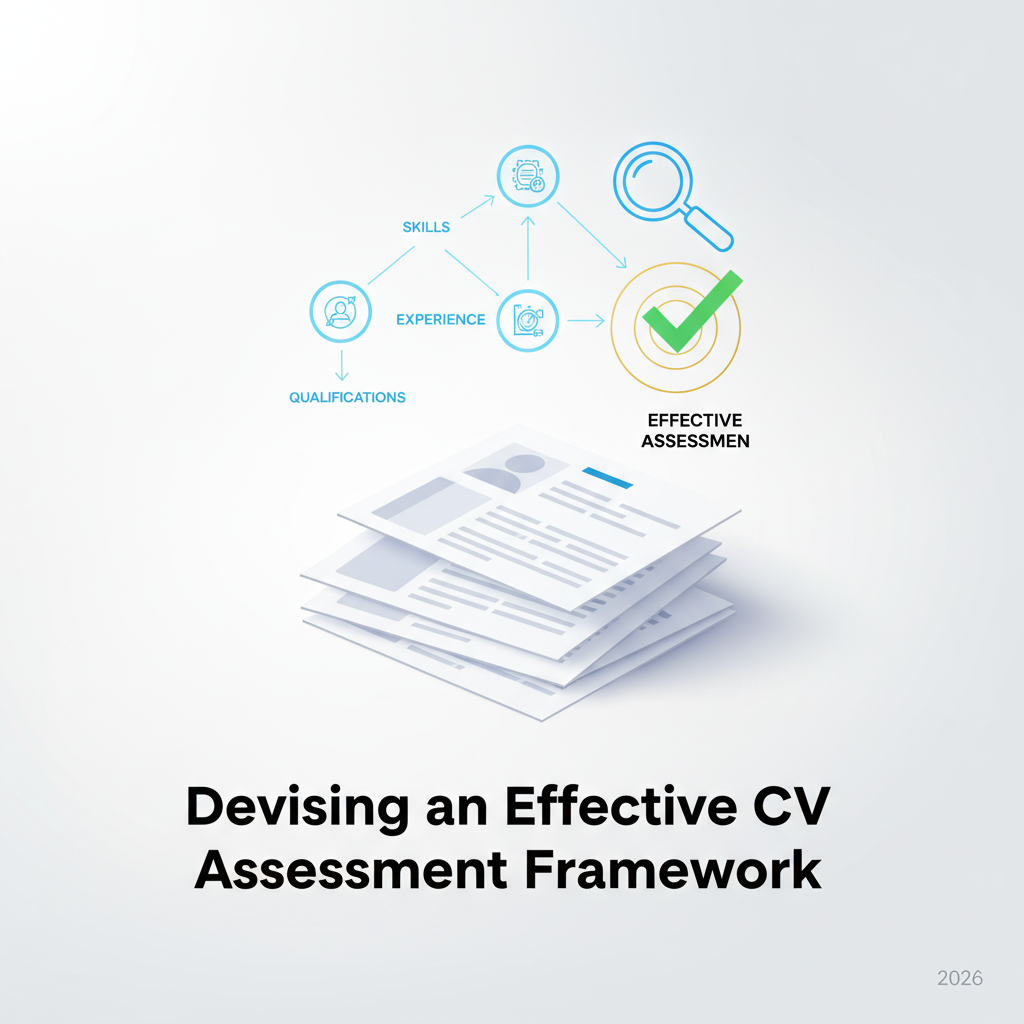
Devising an Effective CV Assessment Framework
In the dynamic and competitive Malaysian beauty industry, attracting and securing top-tier managerial talent is paramount for sustained growth and innovation. An effective CV assessment framework moves beyond superficial glances, offering a structured and systematic approach to meticulously evaluate Manager Level CVs. This guide provides a comprehensive roadmap for developing a robust test structure to assess Manager Level CVs in the beauty field in Malaysia, ensuring that your recruitment process identifies candidates who not only possess the requisite experience but also align with your company’s strategic objectives and cultural values.
1. Establishing clear scoring criteria and rubrics for CVs
The cornerstone of an effective CV assessment framework is the establishment of clear, objective scoring criteria and rubrics. For manager-level roles in the Malaysian beauty sector, these criteria must go beyond generic skills to evaluate specific competencies critical for success. Consider core areas such as leadership experience (team size managed, project leadership), commercial acumen (proven sales growth, market share expansion, P&L responsibility), brand management expertise (successful product launches, brand positioning in the local market), and strategic thinking (contribution to business strategy, market entry initiatives). Furthermore, assess knowledge of the Malaysian beauty landscape, including regulatory requirements, consumer trends, and competitor analysis. A detailed rubric, assigning specific point values or qualitative ratings (e.g., Novice, Proficient, Expert) for each criterion, ensures consistency across all applications. This systematic approach significantly reduces unconscious bias, allowing for a fair and equitable evaluation of candidates based on their demonstrable qualifications and achievements, rather than subjective impressions. Quantifiable achievements, such as “increased market share by 15% in 12 months” or “managed a team of 10 sales professionals,” should be heavily weighted as they offer concrete evidence of past performance and potential future success.
2. Identifying red flags and key indicators of success
Beyond simply matching keywords, a sophisticated assessment framework actively identifies both red flags and key indicators of success within a CV. Red flags for manager-level roles might include a pattern of short tenures at multiple companies without clear career progression (job hopping), significant unexplained gaps in employment history, or a generic CV that fails to tailor experience to the specific role or industry. A lack of quantifiable achievements, especially in roles where metrics are expected, or inconsistent formatting and grammatical errors can also signal a lack of attention to detail or professional acumen. Conversely, key indicators of success are often reflected through demonstrable impact. Look for CVs that highlight strategic contributions, such as spearheading successful marketing campaigns, optimizing operational efficiencies, or driving significant revenue growth within the beauty sector. Experience in diverse market segments, adaptability to evolving consumer demands, and a track record of developing and mentoring teams are strong positive indicators. Furthermore, specific certifications relevant to the beauty industry, participation in industry forums, or experience with regional market expansion in Southeast Asia, particularly Malaysia, can showcase a candidate’s commitment and expertise. Adopting a strategic approach to talent acquisition, including rigorous CV screening, is crucial for building a high-performing team. For more insights into comprehensive hiring strategies, refer to resources like SHRM’s Talent Acquisition Best Practices.
3. Leveraging applicant tracking systems (ATS) effectively for screening
In today’s high-volume recruitment landscape, Applicant Tracking Systems (ATS) are indispensable tools for efficient CV screening, especially for managerial positions that often attract numerous applications. However, their effectiveness hinges on strategic configuration and proper utilization. For the Malaysian beauty industry, configure your ATS to filter for specific keywords and phrases that reflect essential skills and experiences—such as “brand management,” “retail operations Malaysia,” “beauty product development,” “P&L responsibility,” or “digital marketing beauty sector.” The ATS can quickly identify candidates who meet the minimum qualifications, reducing the manual workload for recruiters. Beyond keyword matching, leverage ATS features for initial disqualification criteria, such as lack of required years of managerial experience or absence of specific industry experience. However, it’s vital to remember that an ATS is a preliminary filter; it cannot fully assess nuance, leadership potential, or cultural fit. Therefore, the ATS should serve as a powerful first pass, narrowing down the candidate pool to a manageable number for human review. This blended approach—combining automated efficiency with expert human judgment—is essential for developing a comprehensive test structure to assess Manager Level CVs in the beauty field in Malaysia, ensuring that no high-potential candidate is overlooked while streamlining the screening process.
Analyzing Experience and Achievements on Beauty Manager CVs
The competitive landscape of Malaysia’s beauty sector demands not just experienced professionals but true leaders capable of driving growth and innovation. When assessing CVs for managerial roles, it’s crucial to move beyond mere job descriptions and delve into concrete achievements and potential. Developing a robust Test structure to assess Manager Level CVs in beauty field in malaysia is paramount for identifying candidates who can genuinely contribute to your organisation’s success. This structured approach helps uncover hidden gems, ensuring you recruit talent capable of navigating the unique challenges and opportunities within the dynamic Malaysian beauty market.
1. Quantifying achievements and impact in previous roles
A common pitfall in CV review is focusing solely on duties rather than demonstrable impact. For a beauty manager, a CV should tell a story of quantifiable success, reflecting their ability to drive revenue, enhance customer satisfaction, and streamline operations. Look beyond generic statements like “managed a team.” Instead, seek out specific metrics: “increased monthly sales by 15% within Q3 2023,” “reduced inventory shrinkage by 10% through implementing new tracking systems,” or “achieved a 90% customer satisfaction rating post-service.” These figures are not just impressive; they are tangible evidence of a candidate’s effectiveness and understanding of business objectives.
Candidates should ideally articulate their contributions using the STAR method (Situation, Task, Action, Result). This framework compels them to provide context, explain their specific role, detail the actions they took, and most importantly, quantify the positive outcomes. For instance, a candidate might explain how they faced a declining customer retention rate (Situation), were tasked with revitalizing the client base (Task), implemented a new loyalty program and personalized follow-up protocol (Action), resulting in a 20% increase in repeat customers within six months (Result). This level of detail offers invaluable insight into their problem-solving capabilities and strategic thinking. Focusing on such measurable outcomes is a cornerstone of any effective Test structure to assess Manager Level CVs in beauty field in malaysia, ensuring you assess true capability over mere tenure.
2. Assessing relevant industry experience and portfolio depth
Beyond quantifiable achievements, the depth and breadth of a candidate’s industry experience are critical. “Relevant experience” in the beauty sector encompasses a spectrum of areas, including retail cosmetics, spa and wellness, salon management, product marketing, or even beauty e-commerce. A strong beauty manager CV will demonstrate a diverse portfolio, showcasing exposure to different product categories (skincare, makeup, fragrance, hair care), brand tiers (luxury, mass-market, professional), and consumer segments. This depth indicates adaptability and a comprehensive understanding of the market dynamics in Malaysia, especially concerning local consumer preferences.
Furthermore, successful project management is a key indicator of managerial potential. Look for instances where candidates led specific initiatives: launching a new product line, orchestrating the opening of a new branch, implementing a new CRM system, or redesigning an existing retail space. Details on their role in these projects – from conceptualization to execution and post-launch analysis – reveal their ability to manage resources, timelines, and cross-functional teams. For example, “spearheaded the launch of Brand X’s new skincare line across 10 Malaysian outlets, exceeding initial sales targets by 25%.” Such experiences highlight strategic planning and execution skills vital for growth within Malaysia’s competitive beauty landscape. A thorough Test structure to assess Manager Level CVs in beauty field in malaysia must scrutinize these elements to ensure the candidate possesses not just theoretical knowledge but practical, hands-on experience that directly translates to success in the local market.
3. Identifying leadership progression and team growth contributions
A beauty manager is, first and foremost, a leader. Their CV should clearly delineate a trajectory of increasing responsibility and contributions to team development. Look for evidence of promotions, expanded team sizes, and supervisory roles. Beyond job titles, assess how they describe their leadership style and impact on their team. Did they mentor junior staff? Did they implement training programs that led to improved team performance or skill enhancement? Did they successfully resolve team conflicts or boost morale during challenging periods?
Contributions to team growth can be subtle but profound. A candidate who can articulate how they fostered a collaborative environment, empowered their team members, or reduced staff turnover through effective management strategies demonstrates invaluable leadership qualities. For example, “developed a mentorship program for sales associates, resulting in a 30% reduction in new hire attrition and a 10% increase in individual sales targets.” This indicates a focus on human capital development, a crucial aspect for sustaining a high-performing team in any industry, especially the service-oriented beauty sector. Evaluating these aspects is integral to any Test structure to assess Manager Level CVs in beauty field in malaysia, as strong leadership is the linchpin for achieving consistent excellence and fostering a positive workplace culture. It helps identify individuals who don’t just manage tasks but inspire and elevate their teams to new heights within the Malaysian context.
In conclusion, a meticulous examination of beauty manager CVs in Malaysia requires a Test structure to assess Manager Level CVs in beauty field in malaysia that probes beyond surface-level information. By focusing on quantifiable achievements, relevant industry project management success, and demonstrable leadership progression, recruiters can confidently select candidates poised to make a significant and lasting impact.
Beyond the CV: Next Steps for Managerial Candidate Evaluation
In the competitive and dynamic beauty industry, particularly within Malaysia, the initial CV screening for managerial roles is merely the first hurdle. While a well-crafted resume provides a glimpse into a candidate’s experience and qualifications, it rarely paints a complete picture of their leadership potential, strategic acumen, or ability to navigate real-world challenges. To truly identify the most suitable candidate, organizations must implement a rigorous and multi-faceted evaluation process that extends far beyond the paper. This requires a sophisticated test structure to assess Manager Level CVs in beauty field in malaysia, ensuring that candidates possess not just the technical skills, but also the critical soft skills and strategic foresight essential for success in a demanding beauty management role. Moving past initial impressions, the subsequent steps are crucial for deep-diving into a candidate’s capabilities.
1. Designing Competency-Based Interview Questions for Managers
Traditional interview questions often lead to generic answers, failing to uncover specific behaviors and thought processes. For managerial roles in the beauty sector, a competency-based approach is indispensable. This method focuses on key competencies vital for a beauty manager, such as leadership, strategic planning, team development, problem-solving, customer experience management, and financial oversight. Instead of asking, “Are you a good leader?”, a competency-based question might be, “Describe a time you had to motivate a demotivated beauty team during a challenging sales period. What was the situation, what steps did you take, and what was the outcome?”
Such questions, often utilizing the STAR (Situation, Task, Action, Result) method, compel candidates to provide concrete examples from their past experiences, demonstrating how they applied specific skills to achieve results. For a beauty manager in Malaysia, this could involve managing inventory for popular products, handling complex customer complaints, or developing a marketing strategy for a new beauty treatment. By structuring interviews around these core competencies, employers can gain deeper insights into a candidate’s practical application of skills, critical thinking under pressure, and their ability to drive business growth and cultivate a positive team environment. Adopting best practices in competency modeling ensures that interviews are standardized, objective, and effective in predicting future job performance.
2. Implementing Practical Case Studies or Simulations
While interviews reveal past behaviors, practical assessments like case studies or simulations are invaluable for predicting future performance in a managerial role. These exercises place candidates in scenarios directly relevant to the beauty industry, allowing evaluators to observe their decision-making process, problem-solving abilities, and strategic thinking in real-time. For a beauty manager in Malaysia, a case study might involve:
- Budget Management: Analyzing a salon’s quarterly financial report and proposing strategies to improve profitability or reduce overheads.
- Crisis Management: Responding to a significant customer complaint that has gone viral on social media, outlining steps for resolution and reputation management.
- Product Launch Strategy: Developing a go-to-market plan for a new skincare line, including pricing, promotion, and staff training.
- Team Conflict Resolution: Navigating a scenario where two senior beauticians are at odds, impacting team morale and service delivery.
Such simulations provide a comprehensive view of how a candidate would handle typical challenges, demonstrating their practical application of knowledge, leadership style, and ability to think critically under pressure. They are a critical component of a comprehensive test structure for managers, offering tangible evidence of a candidate’s capabilities beyond mere theoretical understanding. Observing candidates as they work through these scenarios provides rich data on their analytical skills, communication, and resilience, which are paramount for managerial success in the fast-paced beauty sector.
3. Reference Checks and Background Verification Best Practices
Even after successful interviews and practical assessments, thorough reference checks and background verifications are non-negotiable for managerial hires. These steps provide an external perspective on a candidate’s work ethic, leadership style, and interpersonal skills, corroborating information gathered during the earlier stages. Best practices for reference checks include:
- Structured Questions: Prepare a consistent set of open-ended questions for all referees to ensure comparability and focus on key competencies.
- Diverse References: Request references from direct supervisors, peers, and direct reports to gain a 360-degree view.
- Probing for Specifics: Ask referees to provide examples of specific situations where the candidate demonstrated particular skills or behaviors, similar to competency-based interviewing.
- Verification of Claims: Confirm employment dates, job titles, and responsibilities against the candidate’s CV.
Beyond professional references, background verification, where legally permissible and relevant, may include confirming educational qualifications, professional certifications, and, depending on the role’s sensitivity, criminal background checks. In Malaysia, ensuring compliance with local data protection and employment laws is crucial during this process. This final layer of due diligence is vital for mitigating risks, ensuring the candidate’s integrity, and confirming they are a true cultural and professional fit for the organization. A robust `test structure to assess Manager Level CVs in beauty field in malaysia` is incomplete without these critical verification steps, solidifying the selection of a truly qualified and trustworthy leader.
Partner with Shelby Global
You are looking for reliable HR Sevice Suppliers? Contact Shelby Global Now! To connect with verified talents and upgrade your orginization.
—————————————
References
– E-commerce growth sustains retail recovery in Malaysia: https://www.thestar.com.my/business/business-news/2023/10/02/e-commerce-growth-sustains-retail-recovery
– What It Takes to Be a Great Retail Manager: https://hbr.org/2014/10/what-it-takes-to-be-a-great-retail-manager
– :
– STAR Method: The Ultimate Guide to Acing Your Interview: https://www.indeed.com/career-advice/interviewing/star-method
– Competency-Based Interview Questions and Best Practices: https://www.shrm.org/resources-and-tools/hr-topics/talent-acquisition/pages/competency-based-interviewing-questions-and-best-practices.aspx