
Understanding Core Labor Laws for Vietnam’s Medical Sector
This section provides an overview of the fundamental Vietnamese labor laws and regulations that specifically impact the healthcare industry and its personnel. Navigating the intricate landscape of labor legislation is crucial for both employers and employees within Vietnam’s medical sector to ensure compliance, fair practices, and a conducive working environment. Understanding these Legal HR terms & conditions for medicine field in vietnam is paramount for sustainable operations and professional well-being.

1. Key Provisions of Vietnam’s Labor Code (2019) relevant to healthcare
The Labor Code 2019, effective from January 1, 2021, serves as the cornerstone of labor relations in Vietnam, including the medical sector. For healthcare professionals and facilities, several provisions hold particular significance. Employment contracts, for instance, are meticulously regulated, specifying terms such as working hours, wages, social insurance, and occupational safety. Medical personnel often work unconventional shifts, and the Code addresses regulations concerning night work, overtime, and rest periods, ensuring employees are adequately compensated and protected. Furthermore, due to the nature of medical work, provisions related to occupational safety and health are critical, requiring employers to provide safe working conditions, regular health check-ups, and protective equipment, especially for those handling hazardous materials or infectious diseases. The Code also outlines procedures for discipline, termination, and dispute resolution, offering clear guidelines for both parties. Understanding these core elements of the Vietnam Labor Code is essential for compliance and maintaining harmonious labor relations in the demanding healthcare environment.
2. Specific Decrees and Circulars impacting medical personnel
While the Labor Code provides a general framework, the medical sector is further governed by a host of specialized decrees and circulars issued by the government and the Ministry of Health. These regulations often delve into specific aspects of medical practice that are not broadly covered by the general Labor Code. Examples include regulations on professional practice licenses, ethical conduct for healthcare workers, specific allowances for those working in hazardous or remote areas, and guidelines on managing patient data confidentiality. There are also detailed provisions regarding continuous medical education (CME) and professional development, ensuring that medical personnel maintain and upgrade their skills. Other significant regulations may pertain to working conditions in specific medical environments, such as infectious disease hospitals, or rules governing the employment of foreign medical practitioners. These supplementary legal instruments are crucial for shaping the day-to-day operations and responsibilities within healthcare facilities, establishing a comprehensive legal framework that addresses the unique challenges and requirements of medical professionals.
3. Differences in labor laws for public vs. private medical facilities
The application of labor laws can vary significantly between public and private medical facilities in Vietnam. Public hospitals and clinics, being state-owned entities, often operate under a hybrid system where employees might be classified as civil servants or public employees, subject to both the Labor Code and specific laws governing public sector employment. This can impact aspects like salary scales, promotion pathways, tenure, and pension schemes, which might be more rigidly structured and linked to state budgets. Private medical facilities, on the other hand, primarily adhere to the Labor Code 2019 without the additional layers of civil service regulations. This often allows for greater flexibility in terms of contract types, wage negotiation, performance-based incentives, and termination policies. Recruitment processes and benefit packages also tend to differ; private facilities may offer more competitive salaries or unique benefits to attract talent, while public institutions might emphasize job security and comprehensive social welfare programs. Understanding these distinctions is vital for HR departments in both sectors to ensure legal compliance and to effectively manage their workforce within the diverse regulatory landscape of Vietnam’s medical industry.
Employment Contracts & Working Conditions in Medicine
The medical sector in Vietnam, like healthcare industries worldwide, operates under stringent regulations designed to protect both practitioners and patients. Understanding the nuances of employment contracts and working conditions is paramount for all medical professionals, from doctors and nurses to pharmacists. This section delves into the essential components of employment contracts, standard working conditions, and special considerations for medical professionals in Vietnam, shedding light on the critical Legal HR terms & conditions for medicine field in vietnam.
1. Types of employment contracts for doctors, nurses, and pharmacists
In Vietnam, employment contracts for healthcare professionals generally fall into three main categories, as stipulated by the prevailing Labor Code:
- Indefinite-term contracts: These contracts have no specific end date and are common for experienced professionals holding permanent positions. They offer job security and are often preferred by medical practitioners seeking long-term careers within a particular institution.
- Definite-term contracts: These contracts are for a specific duration, typically between 12 and 36 months. They are frequently used for new hires, project-based roles, or positions requiring a probationary period. Upon expiration, if both parties agree, the contract can be renewed, converted to an indefinite-term contract, or terminated.
- Seasonal or specific job contracts: These are for jobs with a duration of less than 12 months. While less common for core medical roles, they might be utilized for temporary support staff, interns, or specific short-term projects within a hospital or clinic.
The choice of contract type impacts job security, benefits, and termination procedures, making it crucial for medical professionals to understand their implications before signing.
2. Mandatory clauses: Salary, benefits, working hours, and termination
Every employment contract for medical professionals in Vietnam must include several mandatory clauses that outline the fundamental aspects of the working relationship:
- Salary: This clause details the base salary, any allowances (e.g., housing, transportation, risk allowance), and payment methods. Salaries must comply with Vietnam’s minimum wage regulations, although medical professionals typically earn significantly more due to their specialized skills. Performance-based bonuses and annual increments are also often specified.
- Benefits: Comprehensive social insurance contributions (including health insurance, social insurance for pension and sickness/maternity, and unemployment insurance) are legally required. Additional benefits may include private health insurance, professional liability insurance, continuous professional development (CPD) support, annual leave, public holidays, and sick leave provisions.
- Working Hours: Standard working hours are generally 40-48 hours per week, with specific provisions for rest breaks. For medical professionals, the nature of their work often necessitates deviations from standard hours, which are covered under special considerations.
- Termination: This clause outlines the conditions under which the contract can be terminated by either the employer or employee, including required notice periods and grounds for termination (e.g., mutual agreement, resignation, dismissal for cause, end of contract term). Severance allowances are also specified as per the Labor Code for eligible employees.
It is vital for all parties to clearly understand these clauses to prevent future disputes and ensure compliance with Vietnamese labor laws.
3. Special considerations for night shifts, on-call duty, and overtime regulations
Medical professionals frequently work outside conventional hours, necessitating specific regulations for night shifts, on-call duty, and overtime. Vietnam’s Labor Code addresses these unique demands to ensure fair compensation and employee well-being:
- Night Shifts: Work performed between 10 PM and 6 AM is classified as night work. Employees working night shifts are entitled to a higher pay rate, typically an additional 30% of their normal hourly wage, plus the normal night shift premium of 30%.
- On-Call Duty: While the Labor Code doesn’t explicitly define ‘on-call duty,’ it often falls under overtime or special arrangements. Employers must ensure that on-call periods are clearly compensated, either as a standby allowance or at overtime rates if the professional is called to work. Adequate rest periods following intensive on-call shifts are also crucial for patient safety and practitioner health.
- Overtime Regulations: Any work performed beyond the standard working hours is considered overtime. Overtime pay rates are legally mandated: at least 150% of the normal wage for weekdays, 200% for weekends, and 300% for public holidays or paid annual leave. The total overtime hours are capped by law, generally not exceeding 200 hours per year, though specific sectors like healthcare may have higher limits (up to 300 hours per year) with government approval. Employers also bear the responsibility of ensuring the health and safety of staff undertaking demanding shifts and overtime, often requiring regular health checks and adequate rest periods, aligning with general provisions of the Vietnamese Labor Code.
These specific provisions acknowledge the demanding nature of medical work and aim to provide fair compensation and protect the health of professionals who dedicate themselves to patient care around the clock.
Wages, Benefits, and Social Insurance Obligations
Navigating the intricate landscape of human resources within Vietnam’s medical sector demands a comprehensive understanding of local labor laws. For both employers and employees, a deep dive into salary structures, mandatory benefits, and social insurance requirements is not merely bureaucratic but critical for operational stability and employee welfare. Compliance with these Legal HR terms & conditions for medicine field in vietnam is paramount to fostering a fair, legal, and attractive working environment.
1. Minimum Wage Regulations and Sector-Specific Salary Scales
Vietnam operates a regional minimum wage system, categorizing cities and provinces into four distinct regions, each with its own minimum wage rate. These rates are subject to periodic review and adjustment by the government. While the minimum wage establishes a baseline, the medical field often requires adherence to more nuanced sector-specific salary scales, particularly for licensed professionals such as doctors, nurses, and pharmacists.
These scales are frequently influenced by professional qualifications, years of experience, specialization, and the type of medical facility (e.g., public hospitals, private clinics). Public health institutions generally follow state-mandated salary grids, while private entities have more flexibility but must still meet or exceed the regional minimum wage. Collective bargaining agreements can also shape salary structures, ensuring competitive compensation. Employers must meticulously track these regulations to ensure compliance, as underpayment can lead to significant legal penalties and reputational damage.
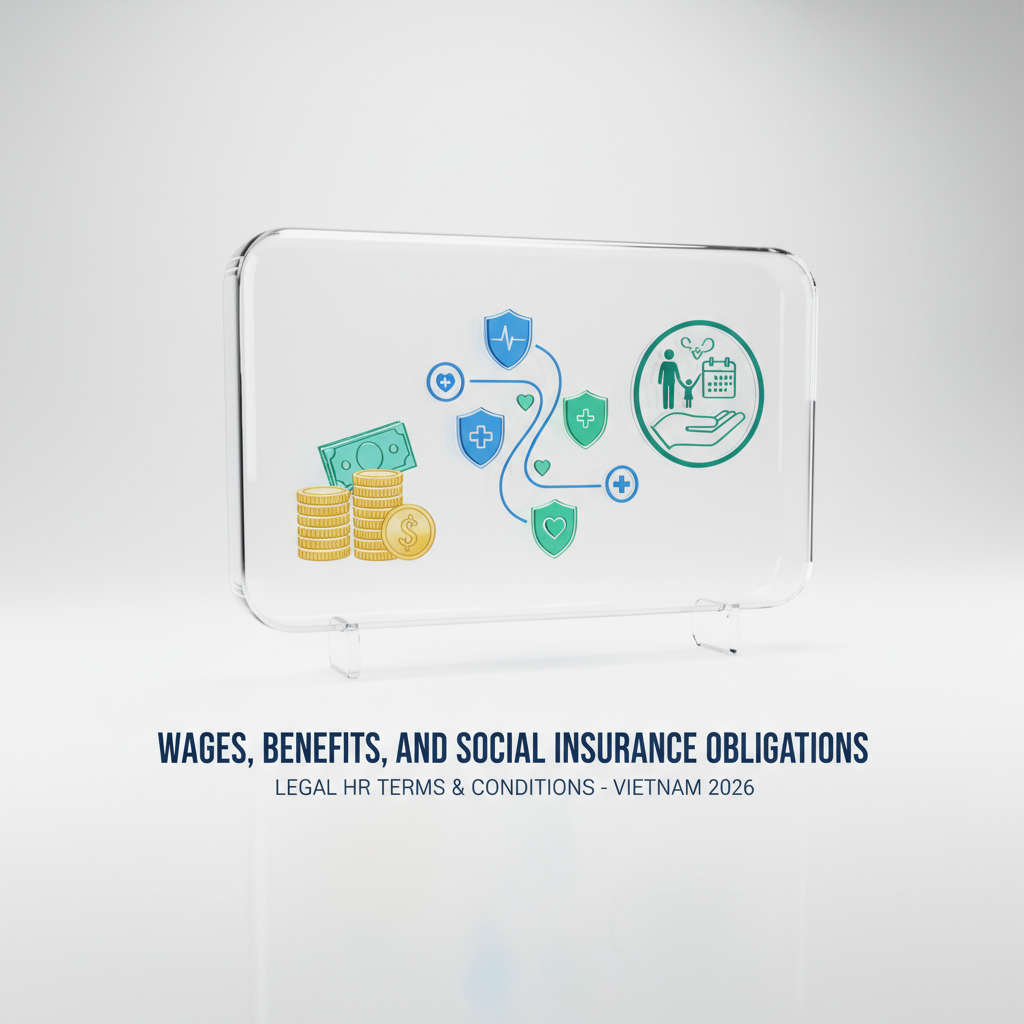
2. Health Insurance, Social Insurance, and Unemployment Insurance Contributions
A cornerstone of Vietnam’s labor framework is its mandatory social security system, encompassing Social Insurance (SI), Health Insurance (HI), and Unemployment Insurance (UI). These contributions are obligatory for most employees working under definite or indefinite-term labor contracts and are shared between the employer and the employee, with varying contribution rates based on the employee’s monthly salary. Understanding these obligations is vital for financial planning and ensuring employee well-being.
Social Insurance (SI): Covers sickness, maternity, occupational diseases, work accidents, retirement, and death. Employers typically contribute around 17% and employees 8% of the employee’s monthly salary (up to a cap). The SI system provides a crucial safety net for various life events.
Health Insurance (HI): Provides access to medical examination and treatment services. Contributions are generally about 3% of the employee’s monthly salary, with employers paying two-thirds and employees paying one-third. This ensures employees can access healthcare without undue financial burden.
Unemployment Insurance (UI): Supports employees who lose their jobs, offering benefits like unemployment allowances, vocational training, and job search assistance. Both employers and employees typically contribute 1% of the monthly salary to the UI fund. Adherence to Vietnam’s social insurance laws, as detailed by authoritative sources such as Dezan Shira & Associates on Vietnam’s Social Insurance System, is non-negotiable for all medical establishments.
3. Mandatory Leave Policies: Annual Leave, Sick Leave, Maternity/Paternity Leave
Vietnamese labor law provides robust provisions for various types of mandatory leave, ensuring employees have adequate time off for rest, recovery, and family responsibilities. Adhering to these policies is crucial for maintaining employee morale and legal compliance.
Annual Leave: Employees are generally entitled to 12 working days of paid annual leave for every 12 months of employment. This entitlement increases to 14 or 16 working days for those in arduous, hazardous, or extremely dangerous conditions, which may apply to certain medical professionals. Employees with less than 12 months of service are entitled to a proportionate amount of annual leave.
Sick Leave: Employees are entitled to paid sick leave with a valid medical certificate. The duration of paid sick leave depends on the employee’s social insurance contribution period, typically ranging from 30 to 70 days per year, with a portion of the salary paid by the Social Insurance fund.
Maternity/Paternity Leave: Female employees are granted six months of paid maternity leave before and after childbirth, with the option for unpaid leave with employer consent. Maternity benefits are paid by the Social Insurance fund. Fathers are entitled to 5 to 14 working days of paid paternity leave, depending on childbirth circumstances. These policies underscore Vietnam’s commitment to supporting new parents and families.
In conclusion, a meticulous grasp of wages, benefits, and social insurance obligations is indispensable for any entity operating within the Vietnamese medical sector. From regional minimum wages and sector-specific salary scales to comprehensive social security contributions and mandatory leave policies, compliance ensures legal adherence and cultivates a professional, supportive work environment vital for attracting and retaining top medical talent.
Work Permits, Visas, and Foreign Medical Professionals
Navigating the complex regulatory landscape is crucial for foreign medical professionals aspiring to contribute their expertise to Vietnam’s burgeoning healthcare sector. Understanding the specific Legal HR terms & conditions for medicine field in vietnam is paramount, as the process involves stringent requirements concerning work permits, visas, and the recognition of international qualifications. This section provides a comprehensive guide for foreign doctors, nurses, and specialists, outlining the essential legal and administrative steps to ensure a smooth transition into the Vietnamese medical workforce.
1. Eligibility Criteria and Application Process for Work Permits
Obtaining a work permit is the foundational step for any foreign medical professional seeking employment in Vietnam. To be eligible, applicants typically need to demonstrate relevant professional qualifications and experience, which often includes a university degree in medicine or a related field, along with a specified number of years of post-qualification experience. Requirements can vary depending on the specific medical role and the Ministry of Health’s regulations.
The application process for a work permit is primarily managed by the prospective employer in Vietnam, who initiates the request with the provincial Department of Labour, Invalids and Social Affairs (DOLISA) or the Ministry of Labour, Invalids and Social Affairs (MOLISA). Key documents required include a valid passport, a health check certificate issued by an authorized Vietnamese medical facility, a criminal record certificate from both the home country and Vietnam (if the stay exceeds certain duration), and certified copies of academic and professional qualifications. Furthermore, a professional experience confirmation letter and an approval letter from the employer justifying the need for a foreign expert are essential. It’s vital to ensure all documents are properly authenticated, legalized by the Vietnamese embassy or consulate in the home country, and translated into Vietnamese by a competent authority. Adhering strictly to these work permit requirements will significantly streamline the application timeline, which can typically range from several weeks to a few months.
2. Visa Types and Residency Requirements for Medical Expatriates
Beyond the work permit, foreign medical professionals must secure the appropriate visa to legally reside and work in Vietnam. The most common visa categories for foreign workers include the LĐ (labor) visa, specifically issued for individuals coming to Vietnam to work, or in some cases, the DT (investor or business visa) for those involved in establishing medical facilities. The type of visa obtained must align directly with the purpose of stay as confirmed by the work permit.
Upon receiving a work permit and entering Vietnam with the correct entry visa, foreign medical expatriates are eligible to apply for a Temporary Residence Card (TRC). A TRC serves as a long-term residency document, allowing multiple entries and exits without the need for frequent visa applications. TRCs are typically valid for the duration of the work permit, often ranging from one to three years, and can be renewed. This card not only simplifies travel but also acts as proof of legal residency, facilitating various administrative tasks such as opening bank accounts or registering for local services. It’s imperative for medical professionals to understand and comply with all Vietnamese immigration laws, including timely visa renewals and reporting changes in residence or employment, to maintain their legal status in the country.
3. Recognition of Foreign Medical Degrees and Professional Licenses
Perhaps the most critical and often challenging aspect for foreign medical professionals is the recognition of their overseas medical degrees and professional licenses by the Vietnamese Ministry of Health (MOH). Vietnam maintains rigorous standards to ensure the quality and safety of its healthcare services, meaning that foreign qualifications must be assessed for equivalence with Vietnamese medical education and licensing standards.
The process generally involves submitting a comprehensive dossier to the MOH, which includes authenticated copies of academic transcripts, degree certificates, professional registration from the home country’s medical regulatory body, and detailed syllabus descriptions of the medical curriculum undertaken. In many instances, the MOH may require applicants to undergo a period of professional adaptation or a specialized examination to verify their competency and understanding of local medical practices and regulations. Furthermore, proficiency in the Vietnamese language, or at least a commitment to acquire it, may be a consideration, especially for roles involving direct patient interaction. This recognition process is not merely administrative; it is a vital step that ensures foreign medical practitioners meet the necessary professional benchmarks to practice safely and effectively within Vietnam’s healthcare system, ultimately safeguarding public health. Preparing this dossier thoroughly and engaging with the MOH early in the process is highly recommended to mitigate potential delays and ensure successful integration into the Vietnamese medical community.
Dispute Resolution & Compliance Challenges in Medical HR
Exploring common HR compliance challenges, potential legal disputes, and the established resolution mechanisms within the medical industry in Vietnam. The intricate landscape of human resources in Vietnam’s medical sector presents a unique set of challenges, demanding meticulous attention to compliance and robust dispute resolution mechanisms. Healthcare organizations, ranging from hospitals to clinics and pharmaceutical companies, must navigate a complex web of national labor laws, industry-specific regulations, and cultural nuances. Failure to adhere to these legal HR terms & conditions for the medicine field in Vietnam can lead to significant financial penalties, reputational damage, and operational disruptions. This section delves into the critical aspects of managing HR compliance and resolving disputes effectively within this vital industry.

1. Handling Employee Grievances and Disciplinary Actions
In the high-pressure environment of healthcare, employee grievances are inevitable. These can range from disputes over working hours, shift assignments, and workload distribution to concerns about professional conduct, remuneration, or workplace safety. Effective management of these grievances is crucial for maintaining morale, productivity, and a healthy work environment. Medical HR departments in Vietnam must establish clear, transparent, and accessible grievance procedures that comply with local labor laws. This involves designated channels for employees to voice their concerns without fear of retaliation, followed by prompt and impartial investigations. Disciplinary actions, when necessary, must also follow a stringent process, ensuring fairness, proportionality, and adherence to legal requirements for due process. Thorough documentation of all stages – from initial complaint to investigation findings and final resolution or disciplinary measures – is paramount to protect both the employee and the employer from future legal challenges. Clear policies on professional ethics, patient confidentiality, and workplace conduct, regularly communicated and reinforced, form the bedrock for minimizing such disputes.
2. Mediation and Arbitration Processes for Labor Disputes
When internal grievance resolution proves insufficient, labor disputes in Vietnam typically escalate through a multi-tiered system that emphasizes conciliation and mediation before resorting to litigation. The first step often involves conciliation by a labor conciliator or a local labor dispute resolution council. These bodies aim to facilitate a mutually agreeable solution between the employer and the employee or collective. If conciliation fails, the dispute may proceed to arbitration, typically involving a Labor Arbitration Council, which issues binding decisions in certain cases. The objective of these alternative dispute resolution (ADR) mechanisms is to avoid lengthy and costly court proceedings, preserving professional relationships where possible, which is particularly vital in the collaborative healthcare setting. Understanding and effectively engaging with these processes requires a deep knowledge of Vietnam’s Labor Code and the specific protocols governing labor dispute resolution, ensuring that medical HR teams can navigate these situations efficiently and legally.
3. Penalties for Non-Compliance with HR and Labor Laws in Healthcare
Non-compliance with HR and labor laws in Vietnam’s healthcare sector carries significant repercussions. The penalties can range from administrative fines imposed by labor inspectors for violations such as improper employment contracts, failure to provide mandatory social insurance, or non-adherence to working hour regulations. More severe breaches, like illegal termination, discrimination, or unsafe working conditions, can lead to substantial compensation payments to employees, back pay, and even criminal charges in extreme cases involving serious harm or negligence. Beyond financial penalties, healthcare organizations face severe reputational damage, which can erode public trust, impact patient acquisition, and hinder recruitment efforts in a competitive talent market. The strict regulatory environment for healthcare, due to its direct impact on public health and safety, often means higher scrutiny and more stringent enforcement of labor laws. Proactive HR auditing, continuous training for HR professionals on the latest legal updates, and a commitment to ethical labor practices are indispensable for mitigating these risks and ensuring the long-term sustainability and credibility of medical facilities in Vietnam.
Partner with Shelby Global
You are looking for reliable HR Sevice Suppliers? Contact Shelby Global Now! To connect with verified talents and upgrade your orginization.
—————————————
References
– :
– Vietnamese Labor Code: https://www.ilo.org/dyn/natlex/natlex4.detail?p_lang=en&p_isn=109536&p_country=VNM&p_count=168
– Dezan Shira & Associates on Vietnam’s Social Insurance System: https://www.vietnam-briefing.com/news/understanding-vietnams-social-insurance-system.html/
– Work Permits for Foreigners in Vietnam under Decree 152/2020/ND-CP: https://vnhr.org.vn/en/work-permits-for-foreigners-in-vietnam-under-decree-152-2020-nd-cp/
– ILO – Labor Code of Vietnam: https://www.ilo.org/wcmsp5/groups/public/—asia/—ro-bangkok/—ilo-hanoi/documents/publication/wcms_310863.pdf



























































































































![TOP 4 recruitment agency in vietnam 2026 [highlight Shelby Global]](https://shelbyglobal.com.vn/wp-content/uploads/2026/04/TOP-4-recruitment-agency-in-vietnam-2026-highlight-Shelby-Global-1.webp "TOP 4 recruitment agency in vietnam 2026 125")