Singapore Employment Act & Healthcare Professionals
Explore the foundational legal framework governing employment in Singapore, specifically how it applies to medical practitioners and healthcare support staff.
The healthcare sector in Singapore, a cornerstone of public welfare and economic growth, operates within a robust legal framework designed to protect both employers and employees. Understanding the Legal HR terms & conditions for medicine field in singapore is crucial for medical practitioners, nurses, allied health professionals, and healthcare support staff, as well as for the institutions employing them. The primary legislation governing employment relationships in the city-state is the Employment Act (EA), which sets out fundamental terms and conditions of employment. While comprehensive, its application within the unique context of healthcare requires specific considerations, given the demanding nature and critical importance of medical work. This section delves into the EA’s key provisions and its applicability to healthcare professionals, alongside specific sector regulations that shape employment practices in Singapore’s healthcare landscape.

1. Key Provisions of the Employment Act (EA)
The Singapore Employment Act serves as the bedrock of employment law healthcare in Singapore. It outlines essential rights and responsibilities, providing minimum standards for most employees. Key provisions include rules regarding hours of work, overtime pay, rest days, annual leave, sick leave, public holidays, and maternity/paternity leave. It also governs payment of wages, deductions, termination of employment, and dispute resolution mechanisms. For instance, the EA stipulates maximum ordinary working hours, typically 44 hours a week, and mandates overtime payment for work exceeding these hours, subject to certain salary thresholds. Employees are entitled to paid annual leave based on their length of service, starting from 7 days per year. The Act also provides protection against unfair dismissal and outlines procedures for resolving salary-related disputes. Employers in the medicine field must ensure their employment contracts and HR policies are compliant with these foundational legal requirements, establishing transparent contract of service healthcare Singapore terms. Staying informed about these regulations is vital for both healthcare providers and their workforce to ensure fair and equitable working conditions.
2. Applicability to Doctors, Nurses & Allied Health
While the EA broadly covers most employees, its application to medical professional employment rights Singapore requires a nuanced understanding. Historically, certain categories of professionals, particularly those earning above a specified salary threshold, were partially exempted from specific parts of the EA, such as those related to overtime pay and rest days. However, recent amendments have expanded coverage, bringing more employees under the full protection of the Act. For doctors labor law Singapore, nurses employment act Singapore, and allied health employment terms Singapore, this means a greater alignment with standard employment protections. Many healthcare professionals, especially junior doctors, nurses, and allied health staff, now fully benefit from the EA’s provisions regarding working hours, overtime, and rest days. Senior medical practitioners, often on different contractual terms or earning higher salaries, may still have certain clauses of the EA not directly applicable to them, but the core principles of fair employment practices remain paramount. All healthcare employment regulations Singapore emphasize the importance of well-defined employment contracts that clearly articulate roles, responsibilities, remuneration, and working conditions, addressing the unique demands of the profession, such as on-call duties and shift work. For further insights into navigating complex HR and legal considerations in the medical sector, please visit our resource on Legal HR terms & conditions for medicine field in singapore.
3. Exemptions and Specific Sector Regulations (e.g., MOH guidelines)
Despite the broad coverage of the EA, the healthcare sector benefits from additional layers of regulation and guidelines, primarily from the Ministry of Health (MOH) and professional bodies. These MOH employment guidelines often provide specific directives on work hours healthcare Singapore, duty rosters, professional development, and ethical conduct, tailored to the unique operational demands of hospitals and clinics. For instance, while the EA sets general limits, MOH guidelines might detail specific requirements for continuous duty hours for doctors, ensuring patient safety and preventing burnout. Certain categories of employees, such as those in managerial or executive positions earning above a certain salary, may still be partially exempted from specific parts of the EA related to overtime pay and public holiday pay. However, their contracts must still comply with other core EA provisions and the general principles of fair employment. Furthermore, professional bodies like the Singapore Medical Council (SMC) and Singapore Nursing Board (SNB) issue codes of professional conduct and ethics that implicitly shape employment expectations and disciplinary procedures. These healthcare employment regulations Singapore work in tandem with the EA to create a comprehensive framework, ensuring that while the fundamental rights of medical professionals legal rights are protected, the critical services provided by the healthcare sector remain uncompromised. Employers in the healthcare industry, therefore, must not only adhere to the EA but also integrate these specific HR policies hospitals Singapore and guidelines into their practices. More details on the Employment Act can be found on the Ministry of Manpower’s official website: MOM Employment Act.
Crafting Compliant Employment Contracts for Medical Roles
In Singapore’s dynamic healthcare landscape, the foundation of a successful, legally sound relationship between medical institutions and their professionals lies in a meticulously drafted employment contract. Given the highly regulated nature of the medical field and stringent local HR regulations, adherence to all statutory requirements and best practices is paramount. This section details the essential components of legally sound employment contracts for medical professionals in Singapore, safeguarding interests and promoting ethical, compliant medical practice.
1. Mandatory Contractual Terms (Salary, Hours, Duties)
The bedrock of any employment agreement, especially within the healthcare sector, comprises non-negotiable terms mandated by Singapore’s Employment Act. These core elements provide clarity and protection, outlining fundamental expectations. For medical professionals, specific attention to detail is required:
- Salary and Compensation Structure: Beyond basic monthly salary, contracts must clearly stipulate all remuneration components: on-call allowances, overtime pay, performance bonuses, and other benefits like transport or meal allowances. Payment frequency, calculation methods for variable components, and authorised deductions must be explicit, adhering to Ministry of Manpower (MOM) guidelines on payslips.
- Working Hours and Rest Days: Detailed clauses on standard working hours, including definitions for shifts, on-call duties, and emergency response times, are essential. Singapore employment law dictates maximum working hours and overtime payment rules, particularly relevant in demanding medical environments. Provisions for rest days, public holidays, and compensatory leave must also be clearly outlined.
- Duties and Responsibilities: A comprehensive job description outlining the scope of practice, specific medical procedures, administrative tasks, and reporting lines is vital. For medical professionals, this includes adherence to clinical protocols, patient care standards, and participation in continuous quality improvement. Ambiguity can lead to disputes regarding performance and accountability.
- Leave Entitlements: Statutory leave entitlements such as annual leave, sick leave (including hospitalisation leave), maternity, paternity, and childcare leave must be clearly detailed, aligning with the Employment Act. Any additional company-specific leave policies (e.g., compassionate, study leave for CME) should also be included.
- Probationary Period and Termination Clauses: The duration and terms of any probationary period, including criteria for confirmation, must be explicit. Termination clauses must specify notice periods for both employer and employee, grounds for immediate termination (e.g., gross misconduct), and dispute resolution procedures. These are critical for safeguarding both parties.
2. Specific Clauses for Medical Practice (Confidentiality, Professional Conduct)
Due to the unique sensitivities and ethical considerations inherent in the medical field, employment contracts for healthcare professionals in Singapore must incorporate specific clauses beyond general employment law. These provisions protect patients, the institution, and the employee’s professional integrity.
- Confidentiality and Data Protection: This is a cornerstone for Legal HR terms & conditions for medicine field in singapore. Contracts must explicitly detail employee obligations regarding patient confidentiality, protection of medical records, and handling of sensitive institutional data. Compliance with Singapore’s Personal Data Protection Act (PDPA) is a legal imperative. Clauses should cover non-disclosure of proprietary information, trade secrets, and patient health information both during and after employment.
- Professional Conduct and Ethical Standards: Medical professionals are bound by strict ethical guidelines. Contracts must require adherence to the Singapore Medical Council (SMC) Ethical Code and Ethical Guidelines, as well as internal policies. This includes standards relating to patient interaction, professional boundaries, conflict of interest, and reporting misconduct.
- Indemnity and Malpractice Insurance: It is crucial to specify whether the employer provides malpractice insurance coverage or if the employee must maintain their own. The scope of coverage, limitations, and responsibilities in the event of a medical negligence claim must be clearly delineated to protect both professional and institution.
- Continuing Medical Education (CME) and Licensing: Clauses should address requirements for ongoing professional development, including CME credits necessary for license renewal with the SMC. This might cover employer support for courses and the employee’s responsibility to maintain valid licenses throughout employment.
- Non-Compete and Non-Solicitation Clauses: While viewed with caution by Singaporean courts, these clauses can be enforceable if reasonably drafted to protect legitimate business interests. For specialists, such clauses might restrict working for a competitor or soliciting patients/staff within a defined geographical area and time frame post-employment. Their validity hinges on demonstrating legitimate proprietary interests and reasonableness in scope.
3. Fixed-Term vs. Indefinite Contracts in Healthcare
The choice between fixed-term and indefinite employment contracts carries distinct implications for both employers and medical professionals in Singapore. Understanding when each type is appropriate and its associated legal ramifications is vital for robust HR compliance.
- Fixed-Term Contracts: These are typically used for specific projects, locum tenens roles, maternity leave cover, or defined training periods (e.g., medical residencies). They have a clear start and end date and automatically terminate upon expiration, unless renewed. While fixed-term employees are entitled to statutory benefits on a pro-rata basis, their tenure is predetermined. Employers should exercise caution with repeated renewals, as this can imply indefinite employment, potentially conferring rights similar to an indefinite contract. These offer flexibility but require careful drafting to avoid unintended legal obligations.
- Indefinite Contracts: This is the most common employment form, signifying an ongoing relationship without a predetermined end date. Employment continues until terminated by either party with due notice, adhering to the Employment Act. Employees on indefinite contracts typically enjoy the full range of statutory benefits and protections, including job security. Most permanent roles for doctors, nurses, and allied health professionals fall under this category, reflecting a long-term commitment. Employers must ensure all terms are compliant with evolving employment legislation and provide avenues for performance management and professional growth.
Crafting compliant employment contracts for medical roles in Singapore is a complex yet critical undertaking, demanding a thorough understanding of general employment law, specific healthcare regulations, and ethical standards. Meticulously drafted contracts provide clarity, mitigate risks, and foster a stable, productive environment for healthcare professionals, ultimately contributing to better patient care. Institutions are strongly advised to seek expert legal counsel to ensure their employment agreements are robust, compliant, and reflective of the unique demands of the medical sector. For further details on employment regulations, refer to the Ministry of Manpower’s Employment Act guidelines.
Working Hours, Leave & Benefits: Legal Requirements in Medicine
Navigating the intricate landscape of employment regulations is paramount for healthcare institutions and professionals in Singapore. The medicine field, with its critical nature and unique demands, often operates under specific interpretations and additional guidelines beyond the general Legal HR terms & conditions for medicine field in singapore. This section outlines the legal mandates concerning working hours, types of leave, and statutory benefits applicable to employees within Singapore’s medical sector, ensuring compliance and fostering a fair working environment for its dedicated workforce. Understanding these frameworks is crucial for both employers to meet their obligations and for employees to be aware of their rights, covering essential aspects from maximum working hours to comprehensive insurance provisions.
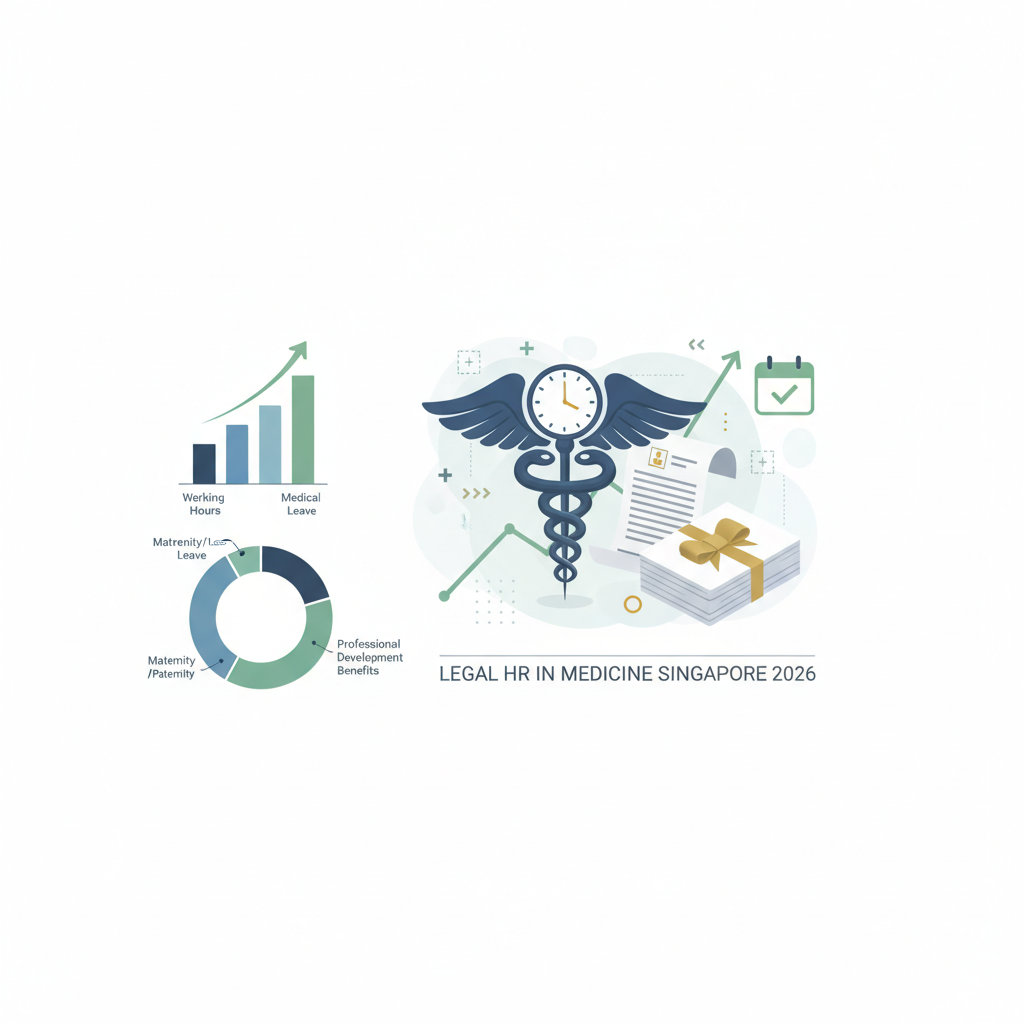
1. Maximum Working Hours & Overtime Rules (MOH vs. EA)
The Employment Act (EA) serves as the foundational legislation governing working hours for most employees in Singapore. Under the EA, the maximum ordinary working hours are generally capped at 8 hours a day or 44 hours a week. For employees working five days or less a week, this can extend to 9 hours a day or 44 hours a week, with specific provisions for shift work and continuous operations. Overtime pay, typically 1.5 times the hourly basic rate, is mandated for work exceeding these limits, up to a maximum of 72 overtime hours per month.
However, the medical field often presents a more complex scenario due to the exigencies of patient care, on-call duties, and varying shift patterns. While the EA provides the general framework, public healthcare institutions, often under the purview of the Ministry of Health (MOH), may implement specific guidelines that adapt these rules while still adhering to the spirit of the EA. For instance, doctors, nurses, and other medical support staff frequently work staggered hours or extended shifts, particularly during emergencies or surgical rotations. It’s imperative that employment contracts for healthcare professionals clearly delineate expected working hours, on-call commitments, and the compensatory mechanisms for these, whether through time-off in lieu, specific allowances, or adherence to EA’s overtime provisions. Employers must meticulously track working hours to ensure compliance, particularly for employees earning below the S$4,500 salary threshold for non-manual workers or S$2,600 for manual workers, who are fully protected by Part IV of the EA concerning hours of work and overtime.
2. Statutory Leave Entitlements (Annual, Sick, Maternity/Paternity)
Singapore’s Employment Act guarantees several statutory leave entitlements, forming a vital safety net for employees across all sectors, including medicine.
- Annual Leave: Employees are entitled to a minimum of 7 days of paid annual leave after 3 months of service, increasing by 1 day for every subsequent year of service, up to a maximum of 14 days. Many healthcare employers offer more generous annual leave packages, especially for senior or long-serving staff, recognizing the demanding nature of their roles.
- Sick Leave: After 3 months of service, employees are entitled to 14 days of paid outpatient sick leave and up to 60 days of paid hospitalisation leave per year, inclusive of the 14 days of outpatient sick leave. This requires a medical certificate from a registered doctor. Given the exposure to illnesses, healthcare professionals often utilize these provisions, and employers must ensure seamless processes for medical leave applications.
- Maternity Leave: Eligible mothers are entitled to 16 weeks of paid maternity leave for their first and second births (funded by the government for the 9th to 16th weeks for the first two confinements, and fully government-funded for the third and subsequent confinements), provided certain conditions are met, including 3 months of continuous service prior to confinement and notifying the employer. For those not eligible for the government-paid scheme, 12 weeks of leave may apply.
- Paternity Leave: Eligible fathers are entitled to 2 weeks of paid paternity leave, which can be taken within 12 months from the child’s birth.
- Shared Parental Leave: Eligible fathers can also share up to 4 weeks of their wife’s government-paid maternity leave.
These statutory minimums are non-negotiable, and healthcare employers must ensure their leave policies are compliant. Transparent communication regarding leave application procedures and entitlements is crucial for maintaining staff morale and avoiding disputes. For further details on general employment rights in Singapore, refer to the Ministry of Manpower’s Employment Act guidelines.
3. Healthcare-Specific Benefits & Insurance Provisions
Beyond statutory entitlements, the healthcare sector often provides a suite of specific benefits and insurance provisions designed to support its unique workforce. Professional indemnity insurance is a critical component for many medical professionals, particularly doctors, surgeons, and certain allied health professionals. While not always mandated by employers, it is often a professional requirement or a strong recommendation to protect against claims of negligence or malpractice. Employers, especially hospitals and clinics, typically ensure their staff are covered under institutional policies, but individual practitioners may also need their own coverage.
Moreover, healthcare organizations frequently offer enhanced medical and dental benefits for employees and their families, often exceeding basic insurance plans. This may include subsidized treatments within their own facilities, comprehensive health screening packages, and wellness programs tailored to the demanding work environment. Other sector-specific benefits can include continuing medical education (CME) sponsorships, professional development allowances for conferences or specialist training, and staff welfare initiatives aimed at mitigating burnout. Transparent articulation of these Legal HR terms & conditions for medicine field in singapore and benefits in employment contracts is vital. These provisions not only act as crucial support mechanisms but also serve as significant attractors and retention tools for skilled medical talent in Singapore’s competitive healthcare landscape.
Managing Performance, Discipline & Termination in Healthcare
In Singapore’s dynamic and highly regulated healthcare sector, effective human resource management is paramount. Navigating the intricate landscape of employee performance, disciplinary actions, and termination requires a meticulous understanding of local labour laws and best practices. Healthcare organisations, dealing with sensitive patient care and high professional standards, must adhere strictly to Legal HR terms & conditions for medicine field in singapore to ensure fairness, minimise legal risks, and maintain a high-performing, ethical workforce. This section delves into the critical procedures that underpin robust HR compliance in this unique environment.
1. Fair Performance Management & Appraisal Systems
A well-structured performance appraisal system is the bedrock of a productive healthcare team. For healthcare organisations in Singapore, these systems must be objective, transparent, and consistently applied across all roles, from clinicians to administrative staff. Adherence to Singapore’s Tripartite Guidelines on Fair Employment Practices (TGFEP) is crucial, ensuring that evaluations are based on merit and job-related criteria, avoiding any form of discrimination. Regular, constructive feedback sessions are essential, helping employees understand their strengths and areas for improvement. Organisations should establish clear Key Performance Indicators (KPIs) tailored to the specific demands of healthcare roles, such as patient outcomes, service quality, and adherence to safety protocols. Comprehensive documentation of performance reviews, targets, achievements, and developmental plans is vital. This proactive approach helps identify and address instances of poor performance early, allowing for timely intervention through coaching, training, or formal performance improvement plans, thus fostering a culture of continuous growth and excellence in healthcare HR.
2. Disciplinary Procedures & Grievance Handling
Maintaining high professional standards in healthcare necessitates clear and fair disciplinary action procedures. When misconduct occurs, whether it’s related to patient safety, ethical breaches, or workplace behaviour, organisations must act swiftly but judiciously. Singapore’s Employment Act Singapore outlines general principles, emphasising the need for due process. This typically involves a thorough and impartial investigation, providing the employee with a clear understanding of the allegations, an opportunity to present their side of the story, and the right to be heard. Disciplinary measures, ranging from verbal warnings to final written warnings, must be proportionate to the severity of the offense and consistently applied. All stages of the disciplinary procedure, including witness statements, investigation reports, and outcomes, must be meticulously documented. Equally important are robust grievance procedure mechanisms, which provide employees with a formal channel to raise workplace concerns or complaints. Effective grievance handling can prevent minor issues from escalating into major disputes, promoting a harmonious and compliant work environment critical for overall HR compliance.
3. Legal Grounds for Termination & Notice Periods
Terminating employment in healthcare is a serious step with significant legal implications, demanding strict adherence to Singaporean labour laws. Lawful grounds for termination process typically include legitimate poor performance (after documented attempts at improvement), serious misconduct (which may warrant summary dismissal if gross), redundancy, or medical unfitness (where no reasonable accommodation is possible). For terminations not involving summary dismissal, employers must provide the contractual or statutory notice period, as stipulated in the employment contract or the Employment Act Singapore. In cases of redundancy, specific guidelines from the Ministry of Manpower (MOM) must be followed, including fair selection criteria and notification to the MOM. Any termination must be supported by comprehensive documentation and a clear, justifiable reason to mitigate the risk of wrongful dismissal claims. Understanding and meticulously applying these Legal HR terms & conditions for medicine field in singapore is paramount for healthcare organisations to manage their workforce effectively while safeguarding against legal challenges and ensuring ethical practice.
Emerging Legal HR Challenges & Compliance in Singapore Medicine
Singapore’s dynamic medical landscape, renowned for its excellence and innovation, is concurrently navigating a complex web of legal HR challenges and compliance requirements. For healthcare providers, from large hospitals to private clinics, staying abreast of these evolving regulations is not just a matter of good practice but a critical imperative for operational stability and ethical stewardship. The intersection of Legal HR terms & conditions for medicine field in singapore demands proactive engagement to mitigate risks and foster a robust, compliant work environment. This section delves into the current and upcoming legal HR hurdles facing the medical sector in Singapore, encompassing critical areas such as data protection, workplace harassment, and the lasting impact of global health crises on HR policies.
Addressing these challenges requires a comprehensive understanding of local legislation and a forward-thinking approach to HR strategy. Compliance is multifaceted, impacting recruitment, employee management, disciplinary actions, and patient care indirectly. Healthcare HR professionals must continuously update their knowledge to ensure their organisations remain compliant and resilient against potential legal repercussions and reputational damage.

1. Personal Data Protection Act (PDPA) in Healthcare HR
The Personal Data Protection Act (PDPA) remains a cornerstone of data privacy in Singapore, and its implications for healthcare HR are profound. Medical institutions handle a vast array of sensitive personal data, not only concerning patients but also their own employees. This includes health records, biometric data, personal contact details, and employment history. Compliance with the PDPA necessitates stringent measures for data collection, use, disclosure, and retention. For HR departments, this translates into ensuring explicit consent is obtained for various HR processes, from background checks to benefits administration, and that employees are adequately trained on data protection protocols. Furthermore, the risk of data breaches in a healthcare setting carries significant penalties and severe reputational damage, making robust cybersecurity measures and incident response plans non-negotiable.
HR professionals in the medical field must be vigilant about the specific nuances of managing highly sensitive health information, even when it pertains to their own staff. The “Accountability” principle under the PDPA means organisations are responsible for protecting personal data and demonstrating compliance. This includes having a designated Data Protection Officer (DPO), conducting regular data protection impact assessments (DPIAs), and implementing secure data storage and transmission methods. Adherence to PDPC healthcare sector specific guidelines is crucial for navigating these complexities effectively, ensuring that both patient and employee data are safeguarded against misuse and unauthorised access, which is vital for maintaining trust and legal standing.
2. Workplace Harassment & Discrimination Guidelines
Ensuring a safe and respectful work environment is a fundamental HR responsibility, and Singapore has robust frameworks to address workplace harassment and discrimination. The Protection from Harassment Act (POHA) provides legal recourse against various forms of harassment, while the Tripartite Alliance for Fair & Progressive Employment Practices (TAFEP) issues comprehensive guidelines on fair employment practices. For the medical sector, these guidelines are particularly salient given the high-stress environment and diverse workforce. HR departments must establish clear policies against all forms of harassment, including sexual harassment, bullying, and psychological intimidation, along with robust reporting and investigation mechanisms.
Discrimination, whether based on age, gender, race, religion, or disability, is also a significant concern. Proactive measures such as diversity and inclusion initiatives, fair recruitment processes, and equitable career progression opportunities are essential. Training for all staff, particularly managers, on recognising and addressing harassment and discriminatory practices is vital. The legal obligation extends beyond mere policy formulation to active enforcement and the provision of a supportive environment for complainants. Failure to address such issues can lead to severe legal ramifications, including financial penalties and lasting damage to an organisation’s reputation and ability to attract and retain talent.
3. Impact of COVID-19 & Future Pandemic-Related HR Policies
The COVID-19 pandemic reshaped the HR landscape across all sectors, and the medical field was at the forefront of these transformations. Policies concerning remote work, staggered shifts, sick leave, mandatory vaccinations, and mental health support became critical. While the immediate crisis has subsided, the legal HR challenges emanating from COVID-19 continue to influence current practices and serve as a blueprint for future pandemic preparedness. Key areas of focus now include the legal parameters for requiring vaccinations (if future pandemics arise), managing long COVID-related sick leave, ensuring fair treatment for employees who might be immunocompromised, and adapting work arrangements to maintain operational resilience during public health emergencies.
Future pandemic-related HR policies in Singapore’s medical sector must balance public health imperatives with employee rights and welfare. This involves reviewing existing employment contracts, developing clear communication protocols, and understanding the legal liabilities associated with health and safety directives. Furthermore, addressing the mental health toll on healthcare workers, exacerbated by prolonged periods of stress and burnout, has become a permanent HR concern, requiring structured support programs and policies. Preparing for future health crises means integrating lessons learned into sustainable HR strategies that are legally sound, ethically robust, and adaptable to unforeseen challenges, ensuring both employee well-being and continued high-quality medical service delivery.
Partner with Shelby Global
You are looking for reliable HR Sevice Suppliers? Contact Shelby Global Now! To connect with verified talents and upgrade your orginization.
—————————————
References
– MOM Employment Act: https://www.mom.gov.sg/employment-practices/employment-act
– Ministry of Manpower’s Employment Act: https://www.mom.gov.sg/employment-practices/employment-act
– Ministry of Manpower’s Employment Act guidelines: https://www.mom.gov.sg/employment-practices/employment-rights-and-conditions/employment-act
– Tripartite Guidelines on Fair Employment Practices (TGFEP): https://www.tafep.sg/fair-employment-practices/tripartite-guidelines-on-fair-employment-practices
– PDPC healthcare sector specific guidelines: https://www.pdpc.gov.sg/organisations/sector-guides/healthcare-sector