
Understanding the Landscape: SME HR in Malaysian Fashion
For a fresh CEO stepping into the vibrant and fast-paced Malaysian fashion industry, grasping the unique intricacies of human resources within Small and Medium-sized Enterprises (SMEs) is paramount. This sector, a cornerstone of the nation’s economy, presents distinct HR challenges and opportunities compared to larger corporations. Navigating the talent landscape, ensuring compliance, and fostering a creative work environment are critical for success. This section offers a Step by Step to understand SMEs HR Structure for the fresh the CEO in Fashion field in malaysia, laying the groundwork for effective HR management in this dynamic domain.

1. Defining SMEs vs. Large Enterprises: HR Differences
The distinction between SMEs and large enterprises in Malaysia is crucial, as it fundamentally shapes HR practices. SMEs, often characterized by fewer than 200 employees and annual sales not exceeding RM50 million (for manufacturing) or RM20 million (for services and other sectors), operate with leaner teams and often more fluid structures. For a CEO, this means HR functions are frequently integrated into daily operations rather than being a standalone department. A small fashion business might have the owner, manager, or even an administrator handling recruitment, payroll, employee relations, and policy development – often without formal HR training. In contrast, large enterprises boast specialized HR departments, dedicated HR software, and robust policies. This means SMEs must be agile, leveraging personal connections and internal capabilities to manage their workforce effectively. Resource constraints, limited budgets for sophisticated HR systems, and a more hands-on approach to employee management are common characteristics, demanding a pragmatic and adaptable HR strategy. Understanding these structural differences is the first critical step for a fresh CEO in fashion.
2. Unique HR Challenges in the Malaysian Fashion Sector
The Malaysian fashion industry, while dynamic and creative, presents specific HR challenges for SMEs. Firstly, talent acquisition and retention can be a significant hurdle. There’s a high demand for skilled designers, pattern makers, merchandisers, and skilled artisans, but a smaller pool of readily available talent, especially for niche segments. Competing with larger, more established brands for top talent often means offering unique value propositions beyond salary, such as creative freedom, flexible working arrangements, or a strong company culture. Secondly, managing a workforce that often includes a mix of local employees, part-timers, freelancers, and increasingly, gig workers, requires adaptable HR policies and clear communication. The seasonal nature of fashion, with peaks during festive periods or collection launches, necessitates flexible staffing solutions and efficient workforce planning. Furthermore, fostering a creative environment while maintaining professional HR standards, addressing intellectual property rights, and navigating generational differences (e.g., managing Gen Z designers alongside more experienced artisans) are constant balancing acts. A fresh CEO must also consider the rapid pace of change in fashion trends, which can impact job roles and required skill sets, necessitating continuous upskilling and training initiatives within the HR framework.
3. Key Local Regulations Impacting SME HR (e.g., Employment Act 1955)
Compliance with Malaysian labor laws is non-negotiable for any SME CEO. The cornerstone of HR regulation in Malaysia is the Employment Act 1955 (EA 1955), which governs aspects such as wages, working hours, annual leave, sick leave, maternity protection, and termination of employment. While recently amended to broaden its scope and enhance employee protections, its provisions are particularly relevant to SMEs that might lack dedicated legal counsel. Understanding its application to all employees (regardless of salary level, as of the latest amendments) is crucial to avoid costly penalties and disputes. Beyond the EA 1955, other significant regulations include the Employees Provident Fund Act 1991 (EPF), Social Security Organization Act 1969 (SOCSO), and the Income Tax Act 1967 (PCB). These mandate employer contributions and deductions, which must be managed meticulously. For fashion SMEs, specific considerations might also arise from workplace safety regulations (Occupational Safety and Health Act 1994), especially if production involves machinery or hazardous materials. Ensuring fair hiring practices, addressing workplace harassment, and adhering to minimum wage requirements are also critical. For a new CEO, establishing a basic understanding of these laws and seeking professional advice when necessary is vital for building a compliant and ethical HR foundation, ultimately protecting both the business and its valuable workforce.
Core HR Functions: Building Your People Foundation
For a fresh CEO in the dynamic Malaysian fashion industry, understanding and effectively overseeing core HR functions is paramount. In the SME landscape, the CEO often acts as the chief HR strategist, directly impacting company culture, productivity, and profitability. This Step by Step to understand SMEs HR Structure for the fresh the CEO in Fashion field in malaysia guide will delve into essential HR pillars, ensuring your fashion venture has a strong people foundation to thrive and adapt in a competitive market.
-
Effective Recruitment & Onboarding Strategies for Fashion SMEs
Attracting and retaining top talent is critical in the fashion world, from visionary designers and skilled pattern makers to innovative marketers and efficient retail staff. For SMEs, this means crafting recruitment strategies that go beyond traditional job boards. Leverage industry-specific platforms, fashion schools, and social media to showcase your brand’s unique culture and growth opportunities. Emphasize your vision, the creative environment, and the chance for employees to make a tangible impact – aspects that often appeal more to talent than large corporate structures can offer. Once hired, a robust onboarding process is essential. It’s not just about paperwork; it’s about integrating new hires into your company culture, familiarizing them with your brand’s aesthetics and values, and clearly outlining their roles and expectations within the first few weeks. For fashion roles, this might include immediate immersion in ongoing projects, mentorship from senior staff, or workshops on your brand’s specific design philosophy. A well-structured onboarding reduces turnover, boosts productivity, and ensures new team members feel valued and ready to contribute quickly.
-
Performance Management & Employee Development for Growth
In a fast-paced industry like fashion, continuous performance management and development are key to staying competitive. As CEO, you must champion a culture of regular feedback rather than just annual reviews. Set clear, measurable KPIs tailored to fashion roles – for designers, it could be design output and market reception; for sales, it’s revenue targets and customer satisfaction. Implement a system for 360-degree feedback, allowing employees to receive input from peers, supervisors, and even subordinates. Beyond evaluation, focus on employee development. Identify skill gaps and provide opportunities for growth through workshops on new fashion technologies, sustainable practices, or trend forecasting. Encourage cross-training to build versatile teams and foster internal mobility. For Malaysian SMEs, investing in local talent development also strengthens your brand’s connection to the community and ensures a pipeline of skilled workers who understand the local market nuances. Empowering your team through development not only enhances individual capabilities but also drives innovation and overall business growth, making your fashion enterprise more agile and resilient.
-
Compensation, Benefits, and Payroll Basics in Malaysia
Navigating the complexities of compensation, benefits, and payroll is a fundamental HR responsibility for any CEO, especially within the Malaysian legal framework. You must ensure full compliance with the Malaysian Employment Act 1955, including adherence to the minimum wage requirements and statutory contributions. This involves accurately calculating and remitting contributions to the Employees Provident Fund (EPF), Social Security Organization (SOCSO), and Employment Insurance System (EIS) for all eligible employees. Furthermore, understanding statutory benefits such as annual leave, sick leave, and maternity leave is crucial. Beyond legal requirements, consider offering competitive benefits that align with industry standards in fashion to attract and retain talent, even within an SME budget. This could include flexible working arrangements, professional development allowances, or employee discounts on your brand’s products. Establishing a reliable payroll system, whether in-house or outsourced, is non-negotiable for accuracy and timeliness. Errors in payroll can lead to significant legal issues and employee dissatisfaction. As CEO, familiarizing yourself with these basics ensures not only legal compliance but also demonstrates your commitment to fair and transparent employee practices, which is vital for building trust and a positive workplace environment in your Malaysian fashion SME. For more detailed information on statutory contributions, refer to the official Employees Provident Fund (EPF) website.
Navigating Malaysian Labor Laws & Compliance
For any fresh CEO entering the vibrant Malaysian fashion industry, particularly those leading Small and Medium Enterprises (SMEs), a profound understanding of the nation’s labor laws is not merely a bureaucratic chore; it’s a strategic imperative. This section provides a crucial guide to the specific legal framework governing employment in Malaysia, ensuring your SME operates not only ethically but also with full compliance, safeguarding both your business and your employees. Mastering these regulations is a fundamental Step by Step to understand SMEs HR Structure for the fresh the CEO in Fashion field in malaysia, laying the foundation for sustainable growth and a positive workplace culture.
1. Understanding the Employment Act 1955 and Latest Amendments
The cornerstone of Malaysian employment law is the Employment Act 1955 (EA 1955). Initially designed for lower-wage earners, its scope has significantly expanded, especially with the latest amendments effective January 1, 2023, to now cover virtually all employees regardless of their salary level. For a CEO in the fashion field in Malaysia, understanding the nuances of the EA 1955 is non-negotiable for HR compliance. Key provisions you must master include:
- Working Hours & Rest Days: The Act mandates a maximum of 45 working hours per week (reduced from 48), with specific regulations for overtime and a minimum of one rest day per week.
- Wages: Regulations on payment of wages, deductions, and adherence to the National Minimum Wage Order.
- Leave Entitlements: Statutory annual leave, sick leave, public holidays, maternity leave (extended to 98 days), and the newly introduced paternity leave (7 days) are crucial.
- Sexual Harassment: Enhanced protections and clearer procedures for dealing with workplace sexual harassment.
- Flexible Working Arrangements (FWA): Employees now have the right to request FWAs, which employers must consider. This is particularly relevant for the dynamic fashion industry where flexible schedules can boost creativity and productivity.
- Prohibition Against Discrimination: The amendments introduce provisions against discrimination in employment, emphasizing fair treatment in recruitment, promotion, and termination.
- Forced Labour: Stricter penalties and definitions concerning forced labor, ensuring ethical supply chains and employee treatment.
These updates significantly impact how SMEs manage their human resources. Ignoring these changes can lead to hefty fines, legal disputes, and reputational damage. Proactive review and adjustment of internal HR policies are essential for a compliant and ethical operation.
2. Essential Policies: Contracts, Leave, Termination & Disciplinary Action
Beyond the Employment Act, a fresh CEO must establish robust internal policies to ensure smooth operations and legal compliance. These policies form the backbone of your HR structure:
- Employment Contracts: Every employee must have a clear, written employment contract detailing their terms and conditions, including job scope, remuneration, benefits, working hours, and probationary period. Distinguish between permanent, fixed-term, and part-time contracts as each carries different legal implications. For SMEs in fashion, precise contracts help manage talent, from designers to production staff.
- Leave Management: Develop a comprehensive leave policy that outlines all statutory leaves (annual, sick, maternity, paternity, public holidays) as well as any company-specific additional leaves. Clear procedures for leave application and approval are vital to prevent disruptions and ensure fairness.
- Termination Procedures: Ending an employment relationship must adhere strictly to the EA 1955. This includes providing adequate notice, valid grounds for termination (e.g., misconduct, redundancy, poor performance), and, where applicable, severance payments. Unfair dismissals are a common cause of industrial court claims, so having a fair and documented process is critical.
- Disciplinary Action: A transparent disciplinary procedure, aligned with natural justice principles, is essential for addressing employee misconduct. This typically involves investigations, issuing show-cause letters, conducting domestic inquiries, and administering appropriate penalties (warnings, suspension, or dismissal). Documenting every step is paramount to defend against potential legal challenges.
Implementing these policies effectively will shield your fashion SME from legal liabilities and foster a fair and predictable working environment.
3. Ensuring Workplace Safety & Health (OSHA 1994) Compliance
The Occupational Safety and Health Act 1994 (OSHA 1994) is another critical piece of legislation that all employers, including fashion SMEs, must adhere to. Its primary objective is to secure the safety, health, and welfare of persons at work against risks to safety or health arising out of the activities of persons at work. For a fashion business, this can involve various aspects:
- Safe Working Environment: Ensuring that production floors, retail spaces, and offices are safe, free from hazards, and well-maintained. This includes proper lighting, ventilation, and ergonomic setups for tasks like sewing, pattern making, or design work.
- Hazard Identification & Risk Assessment: Regularly identifying potential hazards (e.g., sharp tools, heavy machinery, chemical dyes, fire risks) and implementing measures to control or eliminate them.
- Provision of Personal Protective Equipment (PPE): Supplying appropriate PPE where necessary and ensuring employees are trained in its use.
- Safety Training: Providing adequate information, instruction, training, and supervision to employees to ensure their safety and health at work.
- Reporting Accidents: Establishing clear procedures for reporting and investigating workplace accidents or near misses.
Compliance with OSHA 1994 is not just about avoiding penalties; it’s about creating a safe and healthy workplace that protects your most valuable asset – your employees. A strong safety culture enhances morale, reduces absenteeism, and ultimately contributes to the long-term success of your fashion SME.
Strategic HR: Aligning People with Business Goals
Moving beyond purely administrative tasks, Human Resources has evolved into a pivotal strategic partner in achieving core business objectives. For a burgeoning fashion brand in Malaysia, especially one aiming for significant growth, understanding how HR can drive success is paramount. This section explores how to cultivate an HR function that actively contributes to your brand’s vision and profitability.
For fresh CEOs entering the dynamic fashion industry in Malaysia, grasping the nuances of an effective HR structure for SMEs is crucial. It’s not just about compliance; it’s about building a foundation for growth. Let’s delve into how strategic HR transforms your approach to people management, providing a clear Step by Step to understand SMEs HR Structure for the fresh the CEO in Fashion field in malaysia.
1. HR’s Role in Shaping Company Culture & Brand Identity
In the competitive fashion landscape, your brand identity extends far beyond your collections; it’s intricately woven into your company culture. Strategic HR plays an indispensable role in defining, cultivating, and promoting this culture, making it a powerful differentiator. For a Malaysian fashion SME, HR should actively design initiatives that foster employee engagement, ensuring every team member embodies the brand’s values. This proactive approach helps in crafting an authentic employer branding that resonates with both employees and customers. HR also facilitates crucial change management processes, guiding the organization through market shifts or growth phases.
From onboarding programs that immerse new hires in your brand’s ethos to implementing diversity & inclusion policies that foster creativity and innovation, HR influences the very pulse of your organization. A strong culture, championed by HR, ensures consistency in customer experience, creativity in design, and resilience in operations – all critical for a fashion brand’s success. It’s about building a workplace where talent thrives, contributing directly to your market presence and brand loyalty, and understanding this is a key aspect of your overall HR strategy as you Step by Step to understand SMEs HR Structure for the fresh the CEO in Fashion field in malaysia.
2. Talent Retention & Succession Planning for Fashion Leadership
The fashion industry thrives on creativity, innovation, and strong leadership. Attracting and, more importantly, retaining top talent is a continuous challenge for SMEs in Malaysia. Strategic HR moves beyond basic recruitment strategies to develop comprehensive talent management frameworks. This involves not just filling vacancies, but identifying high-potential individuals, nurturing their growth through targeted learning & development programs, and creating clear career pathways.
Effective performance management systems coupled with competitive compensation & benefits are vital for retaining key personnel. Furthermore, succession planning becomes crucial for business continuity, particularly for critical design, marketing, and operational leadership roles. HR’s role is to identify potential successors, provide them with the necessary exposure and training, and prepare them to step into leadership positions when needed. This foresight minimizes disruption and ensures sustainable growth for your fashion brand. For a fresh CEO, integrating these aspects is a core element in a Step by Step to understand SMEs HR Structure for the fresh the CEO in Fashion field in malaysia.
3. Leveraging HR Data for Strategic Decision-Decision-Making
In today’s data-driven world, HR is no exception. Moving away from purely gut-feel decisions, modern HR utilizes data analytics to inform strategic choices. For fashion SMEs grappling with Malaysian labor law complexities or workforce planning challenges, HR technology plays a transformative role. By implementing robust HR technology platforms, you can track key HR metrics related to recruitment, retention, employee performance, and organizational development.
Analyzing this data provides invaluable insights. For instance, understanding the correlation between specific training programs and improved design output or reduced employee turnover can guide future investment in learning & development. Data-driven insights help forecast workforce needs, optimize compensation & benefits structures, and identify potential SME HR challenges before they escalate. This strategic approach to HR data ensures that your people-related decisions are aligned with overall business objectives, contributing directly to your fashion brand’s growth and agility. This is a critical step in adopting a truly strategic HR approach, enabling you to navigate the complexities of the fashion industry HR landscape. To learn more about harnessing HR data, explore insights from the Society for Human Resource Management on strategic data utilization.
Embracing a strategic HR approach is no longer a luxury but a necessity for fashion brands aiming for sustainable growth in Malaysia. By focusing on culture, talent, and data, a fresh CEO can transform their HR function from an administrative overhead into a powerful engine for business success. This holistic perspective offers a clear Step by Step to understand SMEs HR Structure for the fresh the CEO in Fashion field in malaysia, ensuring your greatest asset – your people – are perfectly aligned with your brand’s ambitions.
Implementing & Evolving Your HR Structure
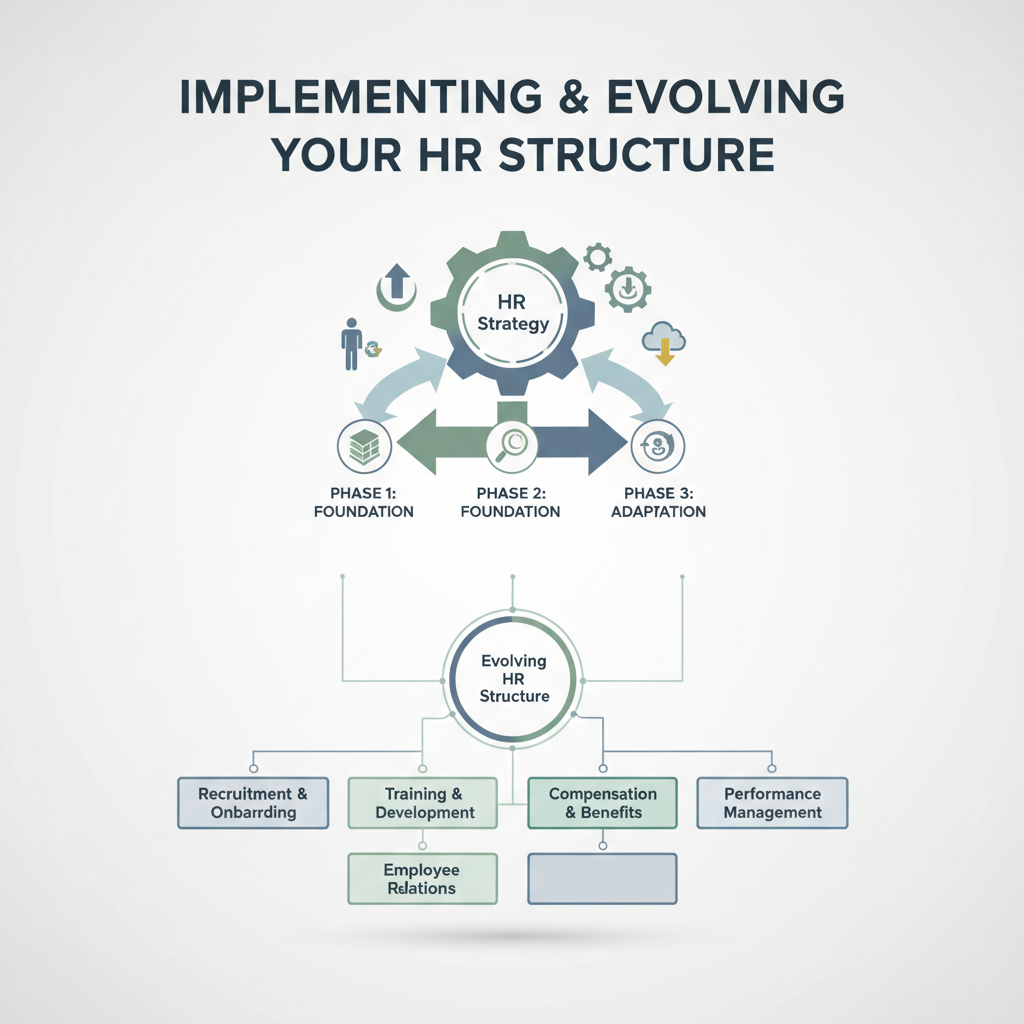
As a fresh CEO entering Malaysia’s vibrant fashion industry, establishing a robust Human Resources (HR) structure is fundamental. HR isn’t just administration; it’s the strategic engine that cultivates talent, ensures compliance, and drives sustainable growth for your Small and Medium-sized Enterprise (SME). This section provides actionable, Step by Step to understand SMEs HR Structure for the fresh the CEO in Fashion field in malaysia, guiding you to build, refine, and adapt your HR framework by incorporating technology and anticipating future trends.
1. Step-by-Step: Building an HR Roadmap for Your Fashion SME
A strong HR foundation for your Malaysian fashion SME begins with a clear, strategic roadmap. This ensures legal compliance, fosters a thriving team, and aligns HR efforts with your core business objectives.
- Initial Needs Assessment: Evaluate your current workforce, identify skill gaps, and understand immediate HR challenges. For a fashion SME, this includes assessing specialized design talent, production expertise, and marketing needs. Define both immediate and long-term talent requirements to fulfill your brand vision.
- Legal & Compliance Framework: Adhere strictly to Malaysian labor laws (e.g., Employment Act 1955, EPF Act 1991, SOCSO Act 1969). Ensure all HR policies, employment contracts, and operational practices are fully compliant to avoid penalties and establish a fair workplace.
- Talent Acquisition & Onboarding: Develop efficient processes for recruiting and hiring. Clearly define job roles, craft compelling descriptions, and implement effective interview strategies. A robust onboarding program is vital for new hires, especially in a creative industry like fashion, ensuring smooth integration into your company culture and operations.
- Compensation & Benefits (C&B): Design a competitive C&B structure to attract and retain top talent within the Malaysian fashion market. Consider basic salary, performance incentives, and benefits like health insurance, aligning them with industry standards and your SME’s financial capacity.
- Performance Management: Implement a system for setting clear goals, providing regular feedback, conducting meaningful performance reviews, and recognizing achievements. This process fosters professional growth and aligns individual performance with broader business objectives.
- Employee Relations & Culture: Cultivate a positive, inclusive, and engaging work environment. Establish clear communication channels, effective conflict resolution strategies, and initiatives to boost employee engagement. In fashion, a vibrant and supportive culture directly enhances creativity and loyalty. Integrate foundational HR practices from the outset.
2. Integrating HR Technology & Digital Solutions (HRIS)
Embracing technology is essential for modern HR, particularly for an agile fashion SME. An effective Human Resources Information System (HRIS) streamlines operations, reduces administrative burdens, and delivers crucial data insights.
- Benefits of HRIS for SMEs: HRIS automates routine tasks such as payroll, leave management, and record-keeping, freeing up valuable time for strategic HR initiatives. It significantly enhances accuracy, minimizes human error, and ensures data security – critical efficiencies for a growing fashion business.
- Choosing the Right System: Select an HRIS that is scalable, user-friendly, and tailored for SMEs. Cloud-based solutions are often ideal, offering flexibility and lower upfront investment. Prioritize modules essential for your current needs, ensuring expandability as your business scales.
- Key HRIS Modules: Focus on core functionalities:
- Payroll Management: Ensures accurate, timely salary disbursements, tax deductions, and compliance with Malaysian payroll regulations.
- Leave & Attendance Tracking: Simplifies leave applications/approvals, monitors attendance, and provides a clear overview of employee availability.
- Employee Self-Service (ESS): Empowers employees to update personal information, view payslips, and apply for leave, reducing HR’s administrative load.
- Performance Management: Facilitates digital goal setting, feedback cycles, and performance reviews.
3. Future-Proofing HR: Trends and Continuous Improvement
The HR landscape constantly evolves. To ensure your fashion SME’s long-term success, your HR structure must be adaptive and forward-looking.
- Embracing Emerging HR Trends:
- AI & Data Analytics: Explore AI for recruitment (e.g., candidate screening), personalized learning paths, and employee sentiment analysis. HR data analytics offers insights into talent trends, turnover, and engagement, informing strategic decisions.
- Flexible Work Models: While fashion often requires hands-on roles, explore flexible or hybrid work arrangements where feasible. Develop policies that support remote work, focusing on communication, collaboration tools, and maintaining company culture across locations.
- Focus on Employee Experience (EX): Beyond engagement, EX encompasses every interaction an employee has with your company. Prioritize creating a positive, supportive, and empowering journey from application to exit. This is vital in creative fields to foster innovation and loyalty.
- Continuous Learning & Development (L&D): Invest in ongoing training and development. For a fashion SME, this could include upskilling in new design software, sustainable practices, e-commerce strategies, or leadership development. A culture of continuous learning keeps your team competitive and motivated.
- Agile HR: Adopt an agile approach, allowing quick adaptation to market changes, tech advancements, and evolving employee needs. Regularly review and update policies, processes, and technology to ensure continued relevance and effectiveness.
By systematically building your HR roadmap, strategically integrating technology, and continuously adapting to future trends, your fashion SME in Malaysia will not only comply with regulations but also thrive with a motivated, skilled, and resilient workforce.
Partner with Shelby Global
You are looking for reliable HR Sevice Suppliers? Contact Shelby Global Now! To connect with verified talents and upgrade your orginization.
—————————————
References
– Malaysian Employment Act 1955: https://www.mohr.gov.my/index.php/en/legislation/acts/employment-act-1955
– Employees Provident Fund (EPF) website: https://www.kwsp.gov.my/
– Employment Act 1955 (Consolidated): http://www.commonlii.org/my/legis/consol_act/ea1955140/
– SHRM: Using HR Data to Drive Business Strategy: https://www.shrm.org/executive/resources/articles/pages/using-hr-data-to-drive-business-strategy.aspx
– How To Build An HR Department For A Small Business: https://www.forbes.com/advisor/business/how-to-build-hr-department-small-business/



































































































