Understanding the Malaysian Logistics Landscape for Managers
Malaysia’s strategic geographical location, robust manufacturing base, and burgeoning digital economy present a dynamic yet complex environment for logistics professionals. For those involved in talent acquisition, specifically assessing Manager Level CVs in the logistics field in Malaysia, a deep understanding of this landscape is not just beneficial—it’s imperative. Managers in Malaysian logistics are not merely orchestrators of movement; they are strategic thinkers navigating unique operational challenges, regulatory frameworks, and intricate cultural dynamics. This section delves into these specificities, providing context for developing an effective test structure to assess Manager Level CVs in logistics field in Malaysia, ensuring you identify candidates with truly relevant expertise.

1. Key Logistics Sectors and Their Demands
The demands placed on logistics managers in Malaysia vary significantly across its dominant sectors. In the rapidly expanding e-commerce sector, managers must demonstrate proficiency in last-mile delivery optimisation, efficient warehousing solutions, and robust reverse logistics processes to handle returns. The surge in online shopping necessitates agile supply chain management capable of scaling rapidly while maintaining cost-efficiency and customer satisfaction. Manufacturing, particularly in electronics, automotive, and chemicals, requires managers skilled in just-in-time (JIT) inventory management, complex international freight forwarding, and intricate multi-modal transportation planning. These roles demand a meticulous approach to compliance, quality control, and vendor management across global supply chains. Freight forwarding and third-party logistics (3PL) providers, on the other hand, need managers with a strong grasp of port operations, air cargo procedures, customs brokerage, and cross-border trucking, especially concerning trade within ASEAN and beyond. When assessing Manager Level CVs, look for direct experience and quantifiable achievements within these specific sectors, indicating a candidate’s ability to navigate their unique operational and strategic challenges.
2. Regulatory Environment and Compliance Expectations
Navigating Malaysia’s regulatory framework is a core responsibility for any logistics manager. A thorough understanding of customs regulations, import/export procedures, and various permits and licenses issued by bodies such as the Royal Malaysian Customs Department and the Ministry of International Trade and Industry (MITI) is non-negotiable. Managers must be adept at ensuring full compliance with local and international trade agreements, including the Regional Comprehensive Economic Partnership (RCEP), which impacts cross-border logistics and tariffs. Furthermore, knowledge of environmental regulations pertaining to hazardous materials transport, waste management, and sustainable logistics practices is becoming increasingly vital. A strong CV will highlight experience in regulatory adherence, risk management, and the implementation of compliance frameworks. Candidates should be able to articulate their strategies for mitigating penalties and ensuring smooth, lawful operations, reflecting a crucial component of effective logistics management in Malaysia.
3. Cultural Nuances in Malaysian Business Operations
Beyond technical and regulatory expertise, successful logistics managers in Malaysia must possess a nuanced understanding of the local business culture. Malaysia is a multicultural nation, and effective management requires sensitivity to the diverse backgrounds of Malay, Chinese, and Indian employees and business partners. Building strong personal relationships (‘budi bahasa’) and respecting hierarchical structures are often more critical than in Western business environments. Communication styles can be indirect, valuing harmony and consensus, which impacts negotiation strategies and team leadership. Managers need to demonstrate emotional intelligence and adaptability in managing a diverse workforce, resolving conflicts, and fostering a collaborative environment. When reviewing a CV or conducting an interview, look for indications of cross-cultural communication skills, experience in leading diverse teams, and an appreciation for local customs and practices. This cultural acumen is a differentiator that can significantly impact a manager’s ability to effectively lead operations, manage supplier relationships, and ensure high levels of service delivery within the Malaysian context, making it a key area to explore in any test structure to assess Manager Level CVs in logistics field in Malaysia.
In conclusion, the role of a logistics manager in Malaysia demands a multifaceted skill set encompassing deep sectoral knowledge, stringent regulatory compliance, and astute cultural intelligence. By integrating these critical areas into your assessment methodology, you can develop a comprehensive test structure to assess Manager Level CVs in the logistics field in Malaysia, ensuring you identify leaders who are not only technically proficient but also strategically aligned with the unique demands and opportunities of the Malaysian logistics landscape.
Core Competencies for Manager Level Logistics Professionals
Identifying the essential skills, knowledge, and experience required for a successful logistics manager in Malaysia is paramount for building robust and resilient supply chains. This section details the core competencies that form the basis of a comprehensive test structure to assess Manager Level CVs in logistics field in Malaysia, ensuring candidates possess the capabilities to drive efficiency, innovation, and strategic growth in the dynamic Malaysian logistics landscape. From intricate supply chain management Malaysia to hands-on operational execution, these are the pillars of excellence that define top-tier professionals.
-
Strategic Planning and Supply Chain Optimization
A top-tier logistics manager in Malaysia must possess a profound understanding of strategic planning, moving beyond day-to-day operations to envision and implement long-term solutions. This includes expertise in end-to-end supply chain management Malaysia, focusing on optimizing the entire value chain from procurement to final delivery. Key skills involve developing robust supply chain strategies, conducting network design and optimization, and implementing inventory optimization strategies to minimize costs while ensuring service levels. Professionals should demonstrate a proven track record in identifying market trends, assessing geopolitical impacts on global supply chains, and integrating sustainability in logistics practices into operations. A strong grasp of data analytics logistics is crucial for informed decision-making, enabling managers to forecast demand accurately, optimize routes for transportation logistics, and make data-driven improvements across the network. Understanding customs regulations Malaysia and international trade agreements is also vital for seamless cross-border operations, especially within a regional hub like Malaysia. The ability to leverage supply chain technology and digital transformation initiatives for competitive advantage is increasingly non-negotiable, positioning the manager as a forward-thinker in the industry. This strategic foresight ensures business resilience and competitive edge.
-
Operational Excellence and Process Improvement
At the heart of any efficient logistics operation lies a commitment to operational excellence and continuous process improvement. Manager-level professionals are expected to master warehouse management best practices, including efficient layout design, inventory control systems, and automation integration. Their expertise extends to freight forwarding expertise, overseeing the efficient movement of goods via various modes, and ensuring compliance with all relevant regulations. A critical component is the ability to analyze existing processes, identify bottlenecks, and implement lean methodologies or process automation logistics to enhance operational efficiency and reduce costs. This requires a keen eye for detail, problem-solving acumen, and a deep understanding of logistics manager skills related to resource allocation and scheduling. Measuring performance metrics logistics through key performance indicators (KPIs) is fundamental to tracking progress and identifying areas for further enhancement. Moreover, proficient risk management in logistics is essential, enabling managers to anticipate potential disruptions—from natural disasters to supplier failures—and develop robust contingency plans. The successful manager continuously seeks innovation, leveraging new technologies and methodologies to streamline workflows and deliver superior service.
-
Team Leadership, Stakeholder Management, and Communication
Beyond technical prowess, a successful logistics manager in Malaysia must be an exceptional leader and communicator. This competency encompasses the ability to build, mentor, and motivate high-performing teams, fostering an environment of collaboration and continuous learning. Effective talent development logistics strategies are crucial for nurturing future leaders and ensuring organizational growth. Furthermore, adept stakeholder management is vital, requiring strong negotiation skills logistics to manage relationships with suppliers, clients, regulatory bodies, and internal departments. Clear and concise communication, both written and verbal, is paramount for conveying complex information, resolving conflicts, and building consensus across diverse cultural backgrounds prevalent in Malaysia. This includes fostering strong cross-cultural communication abilities to navigate international partnerships and a diverse workforce effectively. Managers are expected to represent their organization professionally, advocate for their team, and articulate strategic vision to various audiences. Leadership also involves championing change initiatives, inspiring confidence, and ensuring alignment with organizational goals. The capacity to influence without direct authority and to cultivate a resilient, adaptable team are hallmarks of an outstanding logistics professional. According to the ASCM Supply Chain Salaries and Skills Report, soft skills like leadership and communication are increasingly critical for career advancement in supply chain roles, reinforcing their importance in any comprehensive CV evaluation.
Developing a Robust CV Assessment Framework
In the dynamic and rapidly evolving logistics landscape of Malaysia, identifying top-tier manager-level talent requires more than a cursory glance at a CV. A systematic, objective, and consistent approach is paramount to ensure you recruit individuals who can genuinely drive operational excellence and strategic growth. This section outlines a comprehensive test structure to assess Manager Level CVs in logistics field in Malaysia, focusing on establishing clarity and fairness throughout the screening process. By implementing a well-defined framework, organisations can significantly enhance their hiring accuracy, reducing turnover and bolstering their competitive edge.

1. Scoring Rubrics for Experience, Skills, and Achievements
To move beyond subjective impressions, developing clear scoring rubrics is indispensable. For a logistics manager role in Malaysia, these rubrics should be tailored to specific industry demands. Experience should be evaluated not just on years, but on the depth and breadth of exposure to key logistics functions, such as supply chain optimization, inventory management, warehousing, transportation, customs compliance, and last-mile delivery. Candidates demonstrating experience with diverse operational environments, particularly within the Southeast Asian context, will score highly. For instance, a candidate who has successfully managed regional distribution networks or navigated complex customs regulations for cross-border logistics presents a stronger profile. The ability to articulate tangible achievements, such as quantifiable cost reductions, efficiency improvements, or successful project implementations (e.g., implementing a new WMS, reducing lead times by 15%), is crucial. Skills should encompass leadership, strategic planning, problem-solving, data analytics, and familiarity with relevant technologies (e.g., TMS, WMS, ERP). Beyond technical prowess, look for soft skills like adaptability, communication, negotiation, and cross-functional collaboration, which are vital for navigating the complex stakeholder ecosystem in logistics. A robust rubric might assign points based on the level of responsibility, scale of projects managed, and the demonstrable impact of their contributions, perhaps even identifying up to 18 critical competencies for the role.
2. Red Flags and Green Lights: What to Look For and Avoid
During the CV assessment, certain indicators can either signal a strong candidate or raise concerns. “Green Lights” include consistent career progression within the logistics sector, demonstrating increasing levels of responsibility and successful transitions. Clear, quantifiable achievements linked directly to business outcomes are paramount. For example, a candidate who states “Optimized warehouse layout, leading to a 20% increase in storage capacity and 10% reduction in order fulfilment time” is far more compelling than one who simply lists “Responsible for warehouse operations.” Look for strong communication skills reflected in a well-structured, concise, and error-free CV. Experience with Malaysian regulatory frameworks, local supplier networks, and an understanding of the regional market dynamics are significant advantages. Conversely, “Red Flags” demand closer scrutiny. Frequent job hopping without clear career advancement or logical explanations can indicate instability. Generic, vague descriptions of responsibilities without any mention of impact or achievements suggest a lack of strategic thinking or an inability to articulate value. Unexplained gaps in employment, poor CV formatting, or numerous grammatical errors can signal a lack of attention to detail, a critical attribute for a logistics manager. Inconsistent career paths unrelated to logistics, or a complete absence of quantifiable results, should also prompt further investigation. Discrepancies between the CV and stated salary expectations or required qualifications should be noted for follow-up.
3. Leveraging AI and ATS for Initial Screening (Ethical Considerations)
In today’s high-volume recruitment landscape, Artificial Intelligence (AI) and Applicant Tracking Systems (ATS) have become invaluable tools for the initial screening phase. These technologies can efficiently process large numbers of applications, identifying keywords, matching qualifications against job descriptions, and flagging candidates who meet specific criteria for a test structure to assess Manager Level CVs in logistics field in Malaysia. This automation significantly reduces the manual effort required, speeds up the initial review process, and can help ensure a baseline level of consistency. For instance, an ATS can quickly identify candidates with “SAP EWM,” “lean logistics,” or “customs brokerage” experience. However, ethical considerations are paramount. Over-reliance on AI can lead to algorithmic bias, where historical hiring patterns embedded in the data inadvertently penalize diverse candidates or those with unconventional but valuable career paths. There’s also the risk of overlooking nuanced skills or potential that doesn’t perfectly align with pre-programmed keywords. To mitigate these risks, it’s essential to regularly audit AI/ATS performance, ensure diverse data sets are used for training, and implement human oversight at critical junctures. The goal is to use AI as a supportive tool to filter for basic compliance, not as a replacement for human judgment and a comprehensive understanding of the candidate’s holistic profile. Understanding how to ethically deploy AI in hiring processes is crucial for fair and effective recruitment.
Tailoring the Test Structure to Malaysian Contexts
Adapting general assessment principles to specific Malaysian market conditions is crucial for identifying top-tier logistics managers. This involves a nuanced understanding of local industry standards, language proficiency demands, and regional logistics challenges. When designing a tailored test structure to assess Manager Level CVs in logistics field in Malaysia, it’s not enough to simply evaluate generic logistics acumen. Instead, the assessment must deeply integrate the unique operational environment that a manager will navigate daily, ensuring candidates possess not just theoretical knowledge but practical, localized expertise essential for supply chain management Malaysia.
1. Evaluating Local Market Knowledge and Networks
The Malaysian logistics market is characterized by a dynamic interplay of established infrastructure, emerging digital solutions, and unique regulatory frameworks. A proficient logistics manager must demonstrate profound local industry standards knowledge, encompassing intricate customs regulations Malaysia, understanding of port operations Malaysia (such as Port Klang or Tanjung Pelepas), and familiarity with Free Trade Zone policies. Assessing a candidate’s local market knowledge goes beyond theoretical questions; it involves probing their experience with navigating specific Malaysian challenges, like managing cross-border logistics with Singapore or Thailand, or optimizing domestic freight within Peninsular Malaysia and between Peninsular and East Malaysia. Successful candidates will likely have a proven track record of working with local suppliers, transporters, and government bodies, showcasing their ability to build and leverage critical local networks. Practical scenarios, case studies involving Malaysian trade corridors, or discussions on past projects that required adherence to local compliances are effective methods to gauge this vital aspect of a candidate’s profile for logistics recruitment Malaysia. This focus ensures that the manager can hit the ground running, rather than spending crucial time learning the ropes of the local ecosystem.
2. Assessing Multilingual Capabilities (Bahasa Malaysia, English, Mandarin)
In Malaysia’s multicultural and multilinguistic business environment, language proficiency is not merely an asset but often a prerequisite for effective management, especially for a multilingual logistics manager. Bahasa Malaysia is essential for liaising with government agencies, local authorities, and a significant portion of the workforce. English serves as the primary language for international business communication Malaysia, dealing with global clients, partners, and internal reporting in many multinational corporations. Crucially, Mandarin proficiency is increasingly vital given Malaysia’s strong trade ties with China and the presence of numerous Chinese-speaking suppliers, customers, and regional stakeholders within the supply chain. A comprehensive assessment framework should therefore include components that evaluate a candidate’s practical ability to communicate in these languages, both written and verbal. This could involve conducting parts of the interview in Bahasa Malaysia or Mandarin, requiring candidates to draft emails or reports in different languages, or scenario-based role-playing where cultural communication nuances are also tested. Assessing these multilingual capabilities ensures the manager can effectively bridge communication gaps, foster stronger relationships, and efficiently manage diverse teams and external parties in the Malaysian context.
3. Understanding Regional vs. National Logistics Experience
Malaysia’s geography presents distinct logistics challenges, differentiating between regional logistics experience and managing national distribution networks. The test structure to assess Manager Level CVs in logistics field in Malaysia must discern a candidate’s ability to handle these varied complexities. For instance, operating in Peninsular Malaysia involves navigating well-developed highway networks, but also congested urban centers. Logistics operations extending to East Malaysia (Sabah and Sarawak) require robust understanding of sea freight and air cargo logistics, port infrastructure, and local administrative nuances unique to these states. Candidates should be evaluated on their experience in optimizing routes across diverse terrains, managing last-mile delivery Malaysia in both metropolitan and rural areas, and designing efficient supply chain optimization Malaysia strategies that account for inter-state and inter-island transit times and costs. Case studies might involve planning a national distribution strategy for a perishable good, outlining challenges and solutions for cross-state deliveries, or discussing their approach to mitigating risks associated with specific regional infrastructure limitations. This critical assessment ensures that the selected manager possesses the practical acumen to oversee complex distribution channels, regardless of whether their focus is localized or spans the entire nation, contributing significantly to Malaysia’s standing in global logistics performance, as detailed in reports like the World Bank Logistics Performance Index.
Post-CV Assessment: Next Steps and Best Practices
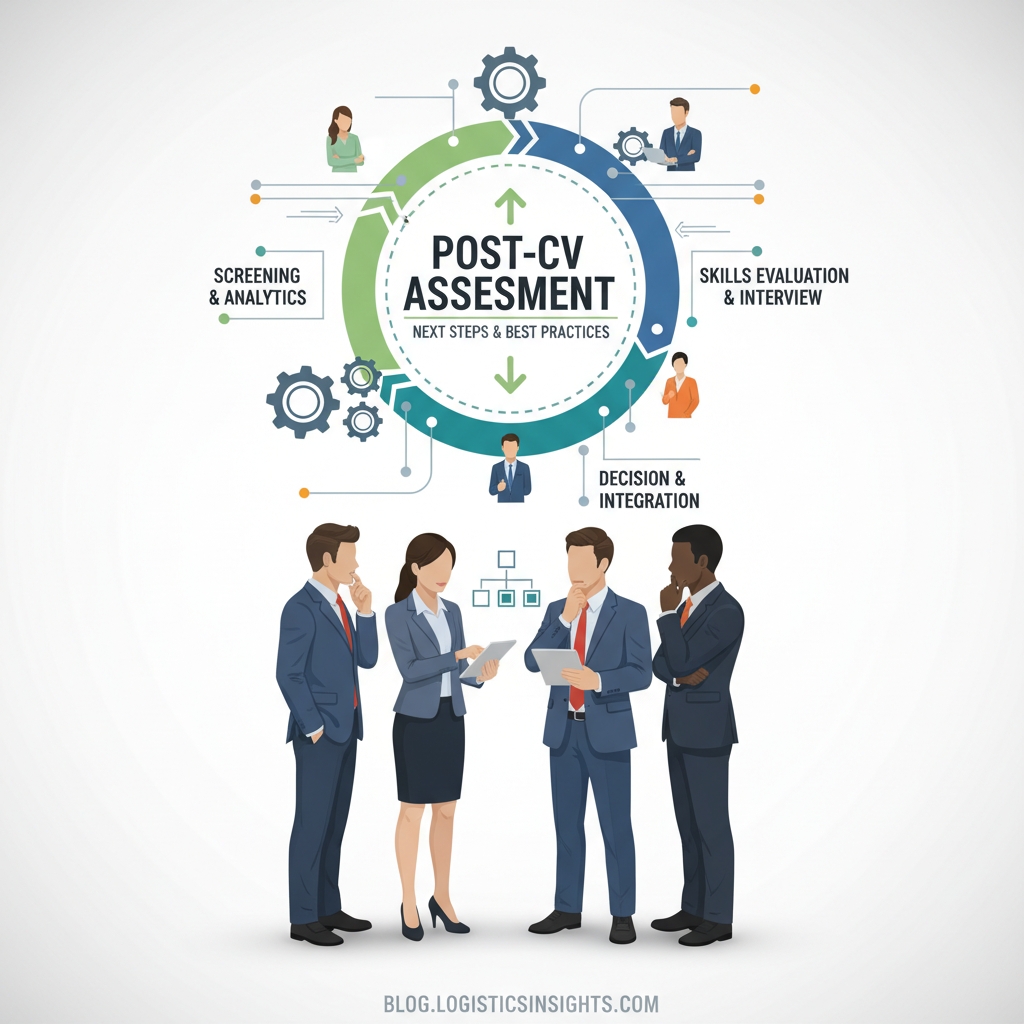
Moving beyond the initial CV assessment is a critical juncture in recruiting logistics managers in Malaysia. While a strong curriculum vitae provides a foundational understanding of a candidate’s experience and qualifications, a truly holistic and fair hiring process demands deeper evaluation. This phase focuses on validating and expanding upon the information presented, ensuring that prospective logistics leaders not only possess the requisite technical skills but also the strategic acumen, leadership qualities, and cultural fit vital for success in Malaysia’s dynamic logistics landscape. Developing a comprehensive test structure to assess Manager Level CVs in logistics field in malaysia is paramount to effectively identify individuals who can navigate complex supply chains, drive operational efficiency, and lead teams effectively. The transition from CV review to in-depth evaluation is about uncovering potential and mitigating hiring risks, ultimately securing the best talent for your organization.
-
Designing Targeted Interview Questions
The interview stage is where the insights gleaned from the CV assessment are put to the test. For logistics managers, generic questions simply won’t suffice. Interview questions must be meticulously designed to probe for specific competencies crucial in the Malaysian logistics sector, such as experience with local regulations, cross-border operations, and team management in a multicultural environment. Focus on behavioral questions that elicit past experiences, such as “Describe a time you successfully optimized a supply chain process to reduce costs or improve delivery times” or “How do you manage unexpected disruptions in your supply chain, such as port delays or supplier issues?” Situational questions are also invaluable, for example, “Imagine a scenario where a key supplier in Malaysia suddenly faces production issues. How would you mitigate the impact on your operations?” These questions help assess problem-solving capabilities, strategic thinking, leadership style, and resilience. Effective interview design is a cornerstone of any robust test structure to assess Manager Level CVs in logistics field in malaysia, moving beyond surface-level answers to truly understand a candidate’s capabilities.
-
Practical Simulation Exercises and Case Studies
For managerial roles in logistics, theoretical knowledge is important, but practical application is paramount. Simulation exercises and case studies provide an excellent platform to evaluate a candidate’s real-world problem-solving skills under pressure. These scenarios should mirror typical challenges faced by logistics managers in Malaysia, such as optimizing routes for last-mile delivery in urban areas, managing inventory across multiple warehouses, or resolving complex customs clearance issues. A case study might present a detailed scenario of a struggling supply chain and require the candidate to analyze the data, identify bottlenecks, propose solutions, and justify their decisions. This hands-on approach reveals a candidate’s analytical prowess, decision-making abilities, resourcefulness, and ability to think strategically. Such exercises are a powerful component of any comprehensive test structure to assess Manager Level CVs in logistics field in malaysia, offering invaluable insights that traditional interviews cannot. They showcase how a candidate would perform in a live operational setting, providing tangible evidence of their managerial competence.
-
Reference Checks and Background Verification for Managerial Roles
The final layer of evaluation involves thorough reference checks and background verification. For logistics managers, especially those in leadership positions, this step is non-negotiable. Reference checks should aim to validate the candidate’s claims regarding their experience, performance, leadership style, and interpersonal skills. Instead of just confirming employment dates, inquire about specific achievements, how they handled challenges, their impact on previous teams, and their ability to collaborate with various stakeholders. For managerial roles, insights into their financial acumen, ethical conduct, and track record in managing critical resources are particularly important. Background verification, including educational qualifications, professional certifications, and any relevant legal or financial history, ensures integrity and compliance. Given the critical role logistics managers play in an organization’s operations and financial health, ensuring their reliability and trustworthiness is crucial. This step is the ultimate validation of a candidate’s profile, providing an objective external perspective that complements the internal assessment. Trustworthy leadership and strong interpersonal skills are also increasingly critical in the supply chain industry. As SupplyChainBrain highlights, ‘people skills’ are foundational for success in today’s complex supply chain environment. By implementing these rigorous post-CV assessment steps, companies in Malaysia can ensure they are hiring logistics managers who are not just qualified on paper, but are truly equipped to lead and succeed.
Partner with Shelby Global
You are looking for reliable HR Sevice Suppliers? Contact Shelby Global Now! To connect with verified talents and upgrade your orginization.
—————————————
References
– MIDA Logistics Sector Overview: https://www.mida.gov.my/industries/services/logistics/
– ASCM Supply Chain Salaries and Skills Report: https://www.apics.org/apics-for-individuals/careers/career-center/supply-chain-salaries-and-skills-report
– Hiring Assessments: AI Tools Can Help Or Hinder: https://www.shrm.org/resources-and-tools/hr-topics/talent-acquisition/hiring-assessments-ai-tools-can-help-or-hinder
– World Bank Logistics Performance Index: https://lpi.worldbank.org/
– Why People Skills Are Critical for Supply Chain Leaders: https://www.supplychainbrain.com/articles/32462-why-people-skills-are-critical-for-supply-chain-leaders