Overview of Malaysia’s Transportation Sector HR Landscape
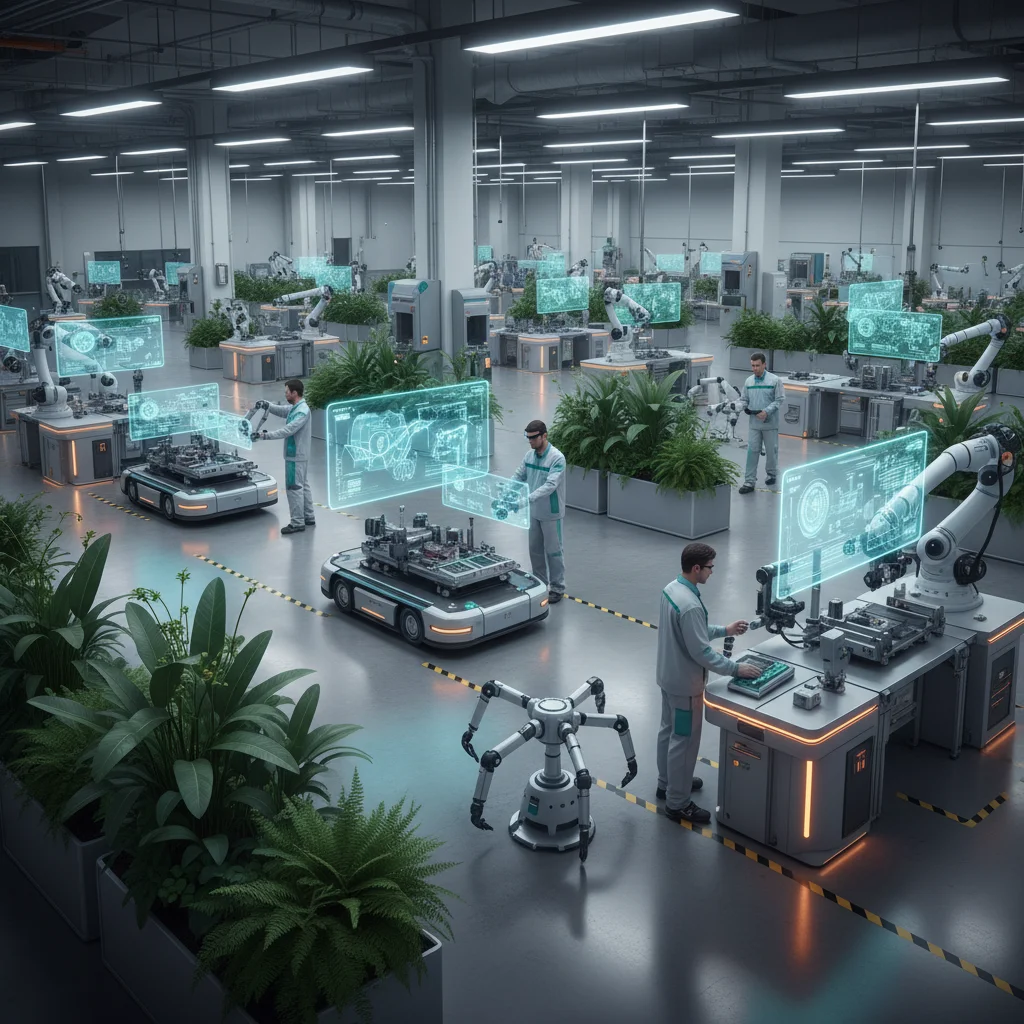
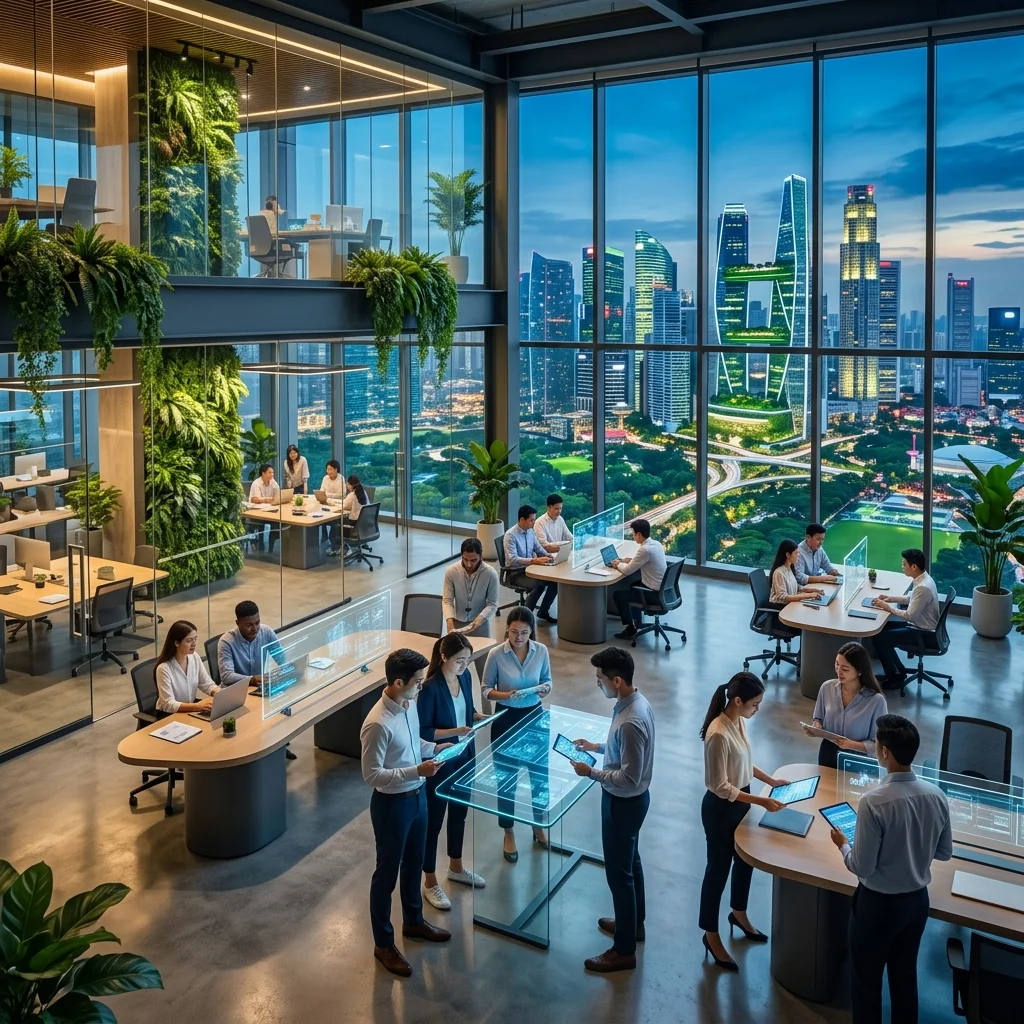
Malaysia’s strategic geographical location, coupled with its robust economic growth, has cultivated a dynamic and multifaceted transportation sector. This sector is not merely a cornerstone of the nation’s infrastructure but also a pivotal driver of trade, tourism, and daily life, encompassing everything from bustling urban transit to vital international logistics hubs. For Human Resources professionals, navigating this landscape presents a unique blend of opportunities and significant challenges. The HR function within Malaysian transportation industries is tasked with managing a diverse workforce, addressing acute skill shortages, adapting to rapid technological advancements, and ensuring stringent regulatory compliance. Setting the stage for a comprehensive 2026 outlook, this overview delves into the current state and specific complexities faced by HR in ensuring the sector’s continued efficiency and sustainability.

1. Key Sub-sectors: Road, Rail, Air, and Maritime
The Malaysian transportation sector is distinctly segmented into four primary sub-sectors, each with its own operational nuances and, consequently, its unique HR demands. The Road transport segment remains the largest and most widely utilized, employing a vast number of drivers, logistics personnel, and maintenance crews. Challenges here often revolve around driver shortages, fatigue management, and the adoption of fleet management technologies. Rail transport, encompassing KTM, MRT, and LRT systems, is undergoing significant expansion and modernization. This growth fuels a demand for specialized engineers, technicians, and operational staff capable of managing complex railway systems and ensuring safety protocols. The Air transport sector, anchored by major international hubs like KLIA, requires highly skilled aviation professionals, including pilots, aircraft engineers, air traffic controllers, and cabin crew. Post-pandemic recovery has highlighted the need for talent retention and attraction in a globally competitive environment. Lastly, the Maritime sector, crucial for Malaysia’s role in global trade with key ports such as Port Klang and Port of Tanjung Pelepas, demands expertise in port operations, shipping logistics, and skilled seafarers. HR in these varied environments must develop tailored strategies to recruit, train, and retain talent across a spectrum of highly specialized to semi-skilled roles.
2. Economic Contribution and Workforce Size
The transportation and storage sector is a significant contributor to Malaysia’s Gross Domestic Product (GDP), underscoring its indispensable role in the national economy. It facilitates trade, connects businesses to markets, and enables the movement of millions of people daily. This vital economic engine is supported by a substantial and diverse workforce. According to the Department of Statistics Malaysia (DOSM), the sector employs hundreds of thousands of individuals, ranging from highly qualified engineers and management professionals to skilled technicians, administrative staff, and frontline operational personnel. The sheer size and heterogeneity of this workforce present complex HR challenges, particularly concerning talent acquisition, skills development, and employee engagement. HR departments must formulate strategies that address the varying educational backgrounds, career aspirations, and socio-economic needs of employees across different sub-sectors, ensuring productivity and compliance within a large-scale operational framework. Understanding the dynamics of this vast workforce is critical for any future HR report of transportation field in malaysia looking to forecast future trends and recommendations.
3. Regulatory Environment and HR Compliance
The Malaysian transportation sector operates within a robust and intricate regulatory framework designed to ensure safety, efficiency, and fair labor practices. HR professionals must navigate not only general labor laws, such as the Employment Act 1955 and the Occupational Safety and Health Act 1994, but also numerous sector-specific regulations. For instance, the Civil Aviation Authority of Malaysia (CAAM) dictates stringent licensing and training requirements for aviation personnel, while the Marine Department Malaysia enforces safety standards and certification for seafarers and maritime operations. Similarly, the Land Public Transport Agency (APAD) oversees regulations for road and rail transport, impacting driver qualifications, working hours, and vehicle maintenance. HR’s role extends beyond recruitment and payroll to include rigorous compliance with these diverse legal mandates, ensuring all employees possess the necessary certifications, adhere to safety protocols, and operate within prescribed limits. Non-compliance can lead to severe penalties, operational disruptions, and reputational damage. Therefore, continuous monitoring of regulatory updates, comprehensive training programs, and robust internal audit mechanisms are indispensable HR functions, forming a critical component of risk management within the industry.
Key Workforce Trends and Demographics Shaping 2026
The Malaysian transportation sector stands at a critical juncture, facing dynamic shifts in its workforce composition and operational demands. Understanding these evolving patterns is paramount for businesses to strategize effectively for the coming years. This HR report of transportation field in malaysia delves into the key demographic shifts, emerging skill gaps, and changing employment paradigms that are reshaping the industry, offering insights crucial for sustainable growth and competitive advantage. From an aging workforce to the disruptive influence of the gig economy, the landscape of the Malaysian transport sector requires proactive management and strategic foresight to overcome impending logistics workforce challenges.
1. Aging Workforce and Succession Planning
One of the most pressing concerns for the Malaysian transportation sector is the demographic reality of an aging workforce. A significant portion of experienced drivers, mechanics, and logistics managers are nearing retirement age, posing substantial challenges for succession planning. This trend is particularly acute in traditional sectors like road haulage and port operations, where specialized skills are often accumulated over decades. The impending exodus of these seasoned professionals threatens to create a severe knowledge and experience vacuum, impacting operational efficiency and safety standards. Companies must prioritize robust succession planning strategies, including mentorship programs, early identification of high-potential employees, and knowledge transfer initiatives to mitigate these risks. Investment in upskilling and reskilling existing employees, alongside attracting younger talent, will be crucial to ensure a smooth transition and maintain the sector’s long-term viability, addressing the future of work Malaysia.
2. Gender Distribution and Diversity Initiatives
Historically, the transportation industry, particularly in operational roles, has been male-dominated. However, there’s a growing imperative and opportunity to foster greater gender diversity within the Malaysian transport sector. While progress has been made in administrative and managerial positions, women remain significantly underrepresented in roles such as heavy vehicle drivers, mechanics, and logistics warehouse operators. Promoting workforce diversity Malaysia isn’t just a matter of social equity; it’s a strategic imperative. Diverse teams bring varied perspectives, fostering innovation and improving problem-solving capabilities. Initiatives focusing on creating inclusive workplaces, flexible work arrangements, and targeted recruitment campaigns can help attract more women into non-traditional transportation roles. Furthermore, addressing workplace safety, culture, and providing adequate facilities are essential steps to encourage and retain female talent, thereby broadening the talent pool and enhancing the industry’s overall resilience.
3. Impact of Gig Economy on Drivers and Logistics Personnel
The rise of the gig economy has profoundly reshaped employment patterns across various industries, and the Malaysian transportation and logistics sectors are no exception. Platforms for ride-sharing, food delivery, and last-mile logistics have created numerous opportunities for flexible work, particularly for drivers and delivery personnel. While offering flexibility and supplementary income to many, the gig economy Malaysia logistics also presents unique challenges. Issues surrounding worker rights, social security benefits, and career progression for gig workers are increasingly under scrutiny. For traditional logistics companies, this presents a dual challenge: retaining their full-time workforce amidst the allure of flexible gig work, and integrating gig models into their operations to enhance scalability and responsiveness. The long-term implications for skill development transportation Malaysia also need careful consideration, as gig work might not always provide the structured training and career pathways found in traditional employment. Policy makers and industry leaders must collaborate to create frameworks that balance the flexibility of the gig economy with adequate protections and opportunities for professional growth for all logistics workforce challenges. According to a report by the Department of Statistics Malaysia, the gig economy continues to play a significant role in employment patterns, influencing how businesses recruit and manage their talent pools across various sectors, including transport.
Talent Acquisition and Retention Challenges in Transport
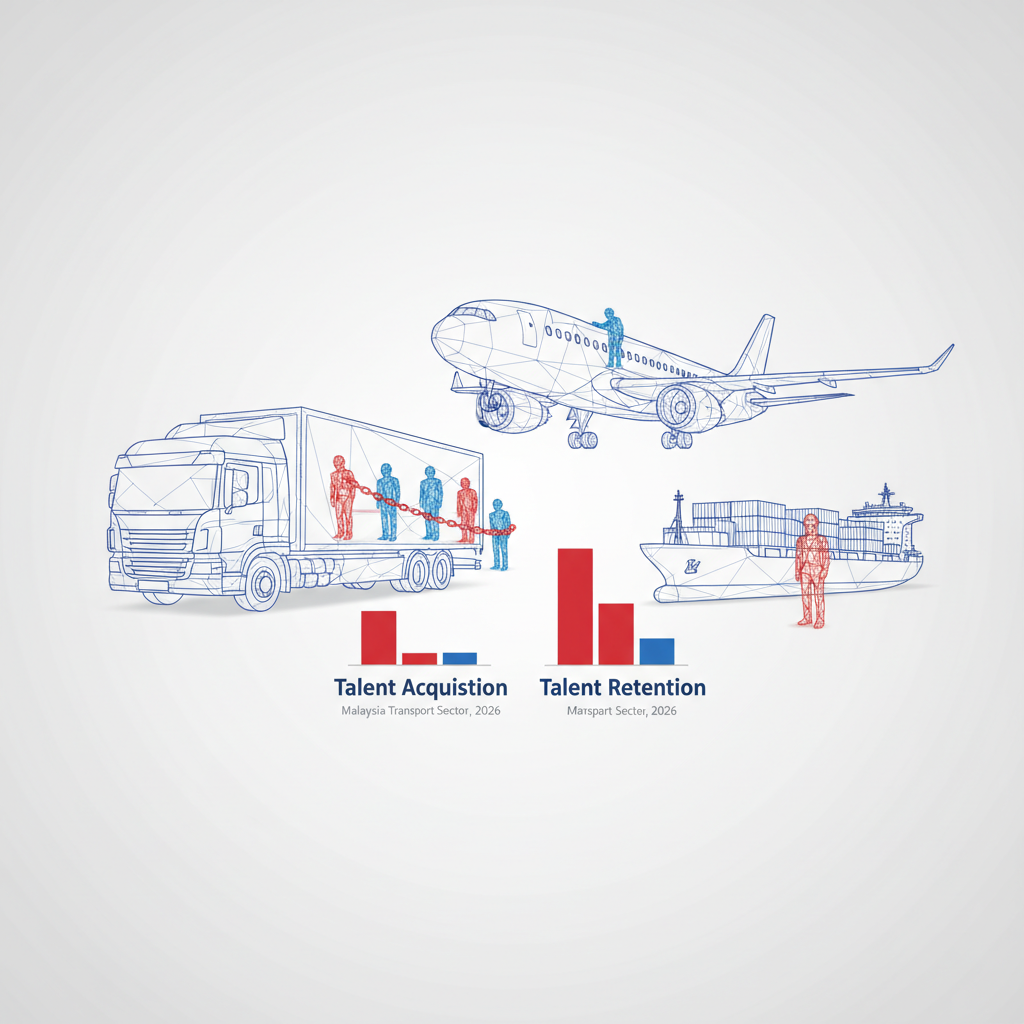
The Malaysian transport sector, a critical backbone of the nation’s economy, faces an intricate web of HR report of transportation field in malaysia challenges in attracting and retaining skilled professionals. From the acute shortage of qualified drivers to the demand for technologically adept engineers and strategic logistics managers, the competitive Malaysian market presents unique hurdles. This section delves into the difficulties in securing a competent workforce, highlighting the need for robust talent management strategies and forward-thinking workforce planning to ensure the industry’s sustained growth and efficiency. Addressing these issues is paramount for the Malaysian transport sector to thrive amidst increasing regional competition and evolving global demands.
1. Attracting Young Talent and New Entrants
One of the most pressing issues for the Malaysian transport sector is its struggle to attract young talent and new entrants. Traditional perceptions often portray jobs in transport as demanding, low-tech, and lacking clear career progression, particularly for roles like drivers and operational staff. This perception deters graduates and school leavers who might opt for seemingly more glamorous or digitally-focused industries. There’s a significant skilled drivers shortage, a critical component of logistics, which is exacerbated by an aging workforce and a lack of new blood. To counter this, the industry must rebrand itself, highlighting the vital role it plays in national development and showcasing diverse career paths beyond the stereotype. Initiatives could include industry-academia collaborations to develop relevant curricula, offering apprenticeships and internships, and leveraging digital platforms to promote the sector as innovative and essential. Furthermore, improving working conditions and offering competitive remuneration packages are crucial steps to make these roles more appealing to a younger demographic.
2. Strategies for Retaining Experienced Staff
Retaining experienced staff, from seasoned drivers and mechanics to veteran logistics managers development, is as crucial as attracting new talent. The high-pressure environment, long working hours, and often inadequate work-life balance can lead to burnout and high turnover rates. Experienced personnel, possessing invaluable institutional knowledge and practical skills, are often poached by competitors or leave the industry entirely. Effective talent management strategies are required to prevent this brain drain. This includes implementing competitive compensation and benefits packages that reflect their value, offering clear pathways for professional development and career advancement, and fostering a supportive work culture. Companies should invest in leadership training for their managers to create more engaging and empathetic workplaces. Furthermore, recognizing and rewarding long service and exceptional performance can significantly boost morale and loyalty. Flexible working arrangements, where feasible, and initiatives to improve overall employee well-being can also play a pivotal role in retaining this invaluable segment of the workforce. For instance, the global driver shortage continues to rise, underscoring the urgency for retention strategies.
3. Addressing Skill Gaps in Digitalization and Automation
The rapid pace of technological advancement, particularly in digitalization and automation, presents both opportunities and significant skill gaps within the transport industry. The shift towards smart logistics, autonomous vehicles, data analytics, and Artificial Intelligence (AI) demands a workforce equipped with advanced digital skills that are often lacking in the current talent pool. From operational staff needing to manage sophisticated tracking systems to engineers working with IoT (Internet of Things) devices and AI-driven predictive maintenance, the requirements are evolving rapidly. This necessitates proactive investment in upskilling and reskilling programs. Companies must collaborate with educational institutions and technology providers to develop bespoke training modules that address these specific needs. Creating a culture of continuous learning, where employees are encouraged and supported to acquire new competencies, is essential. This also ties into comprehensive workforce planning, ensuring that future recruitment targets candidates with these emerging skills. Without adequately addressing these digital transformation skills gaps, the Malaysian transport sector risks falling behind in efficiency, safety, and global competitiveness.
Compensation, Benefits, and Employee Well-being Strategies
The Malaysian transportation sector, a critical backbone of the nation’s economy, presents unique challenges and demands on its workforce. From long hours and strenuous physical tasks to significant responsibility for safety and timely delivery, the well-being of employees is paramount. This section of our HR report of transportation field in Malaysia examines the current compensation structures, benefits packages, and strategic initiatives aimed at improving employee satisfaction, mental health, and overall retention within this demanding environment. Effective strategies in these areas are not just about compliance; they are crucial for operational efficiency, safety, and sustainable growth, directly impacting the quality and stability of the transportation workforce Malaysia.
1. Industry Benchmarks for Salaries and Wages
Understanding and aligning with industry benchmarks for salaries and wages is fundamental to attracting and retaining talent in the competitive Malaysian transportation sector. Our analysis indicates a varied compensation landscape influenced by job role (e.g., drivers, logistics coordinators, maintenance technicians, pilots), experience level, geographical location, and the specific segment of transportation (road freight, maritime, aviation, public transport). For instance, long-haul truck drivers or specialized logistics professionals often command higher wages due to the skill and demanding nature of their roles. Understanding specific driver compensation Malaysia benchmarks is particularly crucial for road transport operators. Staying competitive is vital for preventing talent drain to other sectors or neighboring countries.
Recent trends suggest a growing pressure for increased wages, driven by rising living costs and the persistent demand for skilled personnel. Companies that regularly review their pay scales against national and regional data, such as insights provided by Malaysia’s leading HR and recruitment firms, are better positioned to maintain a motivated and stable workforce. Beyond basic salaries, performance-based bonuses, overtime pay, and allowances for difficult working conditions are increasingly becoming standard components of a competitive compensation package. These considerations are critical for any comprehensive HR report of transportation field in Malaysia aiming to improve employee attraction and retention.
2. Health, Safety, and Wellness Programs
Given the inherent risks and pressures within the transportation industry, robust health, safety, and wellness programs are non-negotiable. These programs extend beyond mandatory safety regulations to encompass holistic employee well-being, crucial for reducing accidents, minimizing sick leave, and boosting morale. Key initiatives observed in leading Malaysian transportation firms include:
- Comprehensive Safety Training: Regular and updated training on vehicle operation, cargo handling, defensive driving, and emergency procedures is vital.
- Fatigue Management Programs: Addressing the issue of driver fatigue through strict adherence to driving hours regulations, adequate rest facilities, and educational campaigns.
- Physical Health Initiatives: Providing access to health screenings, fitness programs, and ergonomic assessments, especially for roles involving prolonged sitting or physical exertion.
- Mental Health Support Transportation: Recognizing the stress and isolation that can accompany long journeys or demanding schedules, companies are increasingly offering Employee Assistance Programs (EAPs), mental health counseling, stress management workshops, and promoting a culture of open communication.
These initiatives not only ensure compliance with Occupational Safety and Health Act (OSHA) regulations but also foster a supportive work environment, directly contributing to higher employee satisfaction and reduced occupational hazards. Prioritizing employee benefits Malaysia logistics and beyond is essential for a resilient and healthy workforce.
3. Impact of Employee Turnover on Operational Costs
High employee turnover in the transportation sector can be incredibly disruptive and financially draining. The constant cycle of recruitment, onboarding, and training new hires incurs significant direct and indirect costs. Direct costs include advertising, screening, interviewing, and background checks, along with the administrative burden on HR teams. Indirect costs, however, often outweigh the direct ones:
- Loss of Productivity: New hires take time to reach full productivity, impacting service delivery schedules and efficiency.
- Increased Safety Risks: Inexperienced personnel are more prone to errors and accidents, leading to potential damages, injuries, and insurance premium hikes.
- Loss of Institutional Knowledge: Experienced employees carry valuable operational knowledge and client relationships that are lost upon their departure.
- Strain on Existing Workforce: Remaining employees often face increased workloads, leading to burnout and further attrition, creating a detrimental cycle.
Strategic investments in competitive compensation, comprehensive employee benefits Malaysia logistics, and strong employee well-being programs are proven methods to mitigate turnover. By fostering a positive work environment, recognizing contributions, and providing avenues for professional growth, companies can significantly reduce their turnover cost analysis transportation and stabilize their workforce. This proactive approach is a critical element of effective HR strategies logistics Malaysia, ensuring the long-term sustainability and profitability of operations within the demanding Malaysian transportation landscape.
Future Outlook and Strategic HR Initiatives for 2026
As the Malaysian transportation sector barrels towards 2026, human resources (HR) departments face a pivotal moment. The convergence of rapid technological advancements, evolving national policies, and a dynamic workforce landscape demands a proactive and strategic approach. This HR report of transportation field in Malaysia identifies key trends and proposes actionable initiatives to ensure sustained growth and competitiveness. From leveraging cutting-edge technology to fostering continuous learning and advocating for progressive policies, HR is set to become an even more critical driver of success in Malaysian transportation HR.

1. Leveraging HR Tech for Efficiency and Analytics
The digital transformation sweeping across industries is fundamentally reshaping HR functions within the transportation sector. By 2026, HR departments must fully embrace HR digital transformation, moving beyond traditional administrative tasks to become strategic partners. This involves the widespread adoption of advanced HR technology solutions, including Artificial Intelligence (AI) for recruitment and talent matching, Robotic Process Automation (RPA) for payroll and administrative tasks, and sophisticated HR analytics platforms. These tools are crucial for enhancing operational efficiency, reducing manual errors, and providing data-driven insights. For instance, predictive analytics can identify potential talent shortages, forecast employee turnover, and optimize workforce planning, allowing companies to preemptively address challenges and make informed decisions on talent retention strategies. Beyond efficiency, such technologies enable a more personalized employee experience, from onboarding to performance management and career development, ultimately fostering a more engaged and productive workforce. The focus should be on integrated HRIS (Human Resources Information Systems) that offer a holistic view of the workforce, enabling real-time monitoring of key HR metrics and facilitating agile responses to market changes.
2. Upskilling and Reskilling for Industry 4.0
The Fourth Industrial Revolution (Industry 4.0) continues to redefine the future of transportation jobs. Automation, IoT, data analytics, and autonomous vehicles are not just emerging; they are becoming integral to logistics, fleet management, and operational safety. This necessitates a robust commitment to upskilling and reskilling the existing workforce to adapt to new roles and technologies, a trend underscored by authoritative reports such as the World Economic Forum’s Future of Jobs Report 2023. HR initiatives must focus on developing digital literacy, data analysis skills, and expertise in new operational technologies. Furthermore, “human” skills such as critical thinking, problem-solving, adaptability, and collaboration will become paramount as routine tasks are automated. Companies should invest in internal training academies, partner with vocational schools and universities, and leverage micro-credentialing platforms to provide flexible and accessible learning pathways. Developing a culture of continuous learning is vital to ensure employees remain relevant and capable in the rapidly evolving landscape. This proactive approach to talent development will not only mitigate the impact of job displacement but also empower employees to thrive in new, technology-driven roles, ensuring a resilient and future-ready workforce for the Malaysian transportation sector.
3. Policy Recommendations for Sustainable Workforce Development
To truly future-proof the Malaysian transportation workforce, strategic HR initiatives must be complemented by supportive policy frameworks. Collaboration between industry stakeholders, government bodies, and educational institutions is essential. Policy recommendations should focus on creating a conducive environment for sustainable workforce development Malaysia. This includes advocating for government incentives that encourage companies to invest in employee training and technology adoption, potentially through tax breaks or grants for upskilling programs. Policies around flexible work arrangements and the gig economy within transportation also need to be explored and refined to attract and retain diverse talent pools. Furthermore, strengthening occupational health and safety regulations, particularly in light of new technologies and remote operations, is paramount. Promoting diversity, equity, and inclusion (DEI) through policy initiatives will ensure that the transportation sector is accessible to a broader range of talent, addressing potential labor shortages and fostering a more equitable workplace. Ultimately, a holistic approach that integrates proactive HR innovation transportation strategies with supportive national policies will be key to building a robust, adaptable, and competitive workforce ready for the challenges and opportunities of 2026 and beyond.
Partner with Shelby Global
You are looking for reliable HR Sevice Suppliers? Contact Shelby Global Now! To connect with verified talents and upgrade your orginization.
—————————————
References
– Department of Statistics Malaysia (DOSM): https://www.dosm.gov.my/v1/index.php?r=column/ctwoL&menu_id=VzJPL253YUVzNGsxTEd4U1NjcVZ0dz09
– report by the Department of Statistics Malaysia: https://www.dosm.gov.my/portal-main/release-content/quarterly-labour-force-statistics-malaysia-q3-2023
– IRU Driver Shortage Report 2023: https://www.iru.org/resources/newsroom/global-driver-shortage-continues-rise-new-iru-report
– Malaysia’s leading HR and recruitment firms: https://www.randstad.com.my/hr-solutions/randstad-salary-guide-malaysia/
– Future of Jobs Report 2023: https://www.weforum.org/reports/the-future-of-jobs-report-2023/