
The Evolving Landscape of HR Tech in Malaysia’s Tech Field
Explore how human resources technology is rapidly transforming operations and strategies within Malaysia’s dynamic technology sector, setting the stage for 2026.
Malaysia’s technology sector is experiencing unprecedented growth, fueled by government initiatives, a burgeoning startup ecosystem, and increasing digital adoption across industries. This dynamic environment places immense pressure on Human Resources (HR) departments to innovate, attract, retain, and develop top talent. As a result, the demand for sophisticated HR tools – applications for technology field in malaysia is skyrocketing. From streamlining recruitment to enhancing employee experience and driving data-driven decisions, HR technology is no longer a luxury but a strategic imperative for Malaysian tech companies aiming for global competitiveness by 2026.
-
Current HR Tech Adoption Rates and Trends
The adoption of HR tech solutions within Malaysia’s tech field is on an upward trajectory. Initially, many companies, especially SMEs and startups, relied on basic HR Information Systems (HRIS) or manual processes. However, a significant shift towards integrated, cloud-based platforms is now evident. Key trends include the widespread implementation of Applicant Tracking Systems (ATS) for efficient talent acquisition, robust performance management systems for continuous feedback and goal setting, and payroll automation to reduce administrative burdens. Furthermore, there’s a growing interest in employee engagement platforms, learning management systems (LMS) for continuous upskilling, and advanced HR analytics tools that provide actionable insights into workforce performance and retention. This digital transformation in HR is allowing companies to move beyond transactional tasks towards strategic talent management, a crucial factor in a talent-scarce market.
-
Driving Factors for HR Tool Integration
Several powerful forces are compelling Malaysian tech companies to integrate more sophisticated HR tools into their operations. Firstly, the fierce competition for tech talent necessitates highly efficient and engaging recruitment processes, which advanced ATS and AI-powered sourcing tools can provide. Secondly, the shift to hybrid and remote work models, accelerated by recent global events, demands robust solutions for managing distributed teams, ensuring compliance, and fostering a connected employee experience. Platforms for remote onboarding, virtual collaboration, and digital performance reviews have become essential. Thirdly, the need for data-driven decision-making is paramount. HR analytics, powered by integrated HR tech, offers insights into talent gaps, turnover risks, and the effectiveness of HR initiatives, enabling proactive strategies. Finally, enhancing the overall employee experience – from seamless onboarding to personalized learning paths and transparent communication – is a key differentiator in attracting and retaining top-tier professionals. Companies are realizing that investing in advanced HR tools is not merely an operational cost but a strategic investment in human capital, directly impacting productivity and innovation.
-
Unique Challenges for Tech HR in Malaysia
While the benefits of HR tech are clear, HR professionals in Malaysia’s tech field face specific hurdles. One major challenge is the persistent talent shortage, particularly for specialized roles in AI, cybersecurity, and cloud computing. This scarcity means HR departments must not only compete globally for talent but also focus heavily on internal upskilling and robust retention strategies, often supported by targeted HR technology. Another challenge involves integrating disparate legacy systems with newer, agile cloud solutions, requiring significant investment and change management. Data privacy and compliance with local regulations also present complexities, demanding HR tech solutions that are secure and adaptable. Furthermore, cultural nuances in communication and employee engagement require HR tools that can be customized to suit Malaysian workplace dynamics. Small and medium-sized tech enterprises (SMEs) often grapple with budget constraints, making the selection of scalable and cost-effective HR tools – applications for technology field in malaysia particularly critical. Addressing these challenges effectively will be key to unlocking the full potential of HR tech and ensuring Malaysia’s tech sector remains competitive on the global stage. As PwC Malaysia highlights, the digital future of work demands adaptable strategies and robust technological frameworks to thrive.
Essential HR Tools for Malaysian Technology Companies
A deep dive into the specific categories and types of HR software that are critical for managing talent, operations, and compliance in Malaysia’s tech industry.
Malaysia’s vibrant technology sector is experiencing rapid growth, fueled by digital transformation initiatives and a dynamic startup ecosystem. However, this fast-paced environment presents unique challenges for human resources departments. Attracting, retaining, and developing top talent while ensuring strict compliance with local regulations requires more than traditional HR practices. Modern HR tools – applications for the technology field in Malaysia are no longer a luxury but a fundamental necessity for companies aiming for sustainable growth and operational efficiency. From streamlining recruitment to enhancing employee engagement and ensuring payroll accuracy, the right HR software empowers tech companies to navigate complexities, foster a productive work environment, and maintain a competitive edge in the global talent war.
1. Recruitment and Applicant Tracking Systems (ATS)
In the highly competitive Malaysian tech landscape, sourcing and securing specialized talent is a constant battle. Recruitment software, specifically Applicant Tracking Systems (ATS), are indispensable HR tools for the technology field in Malaysia. These systems automate and streamline every stage of the hiring process, from initial job posting to onboarding. An effective ATS helps companies manage a high volume of applications, parse resumes efficiently, and schedule interviews seamlessly. For tech companies seeking niche skills in areas like AI, cybersecurity, or cloud computing, an ATS with advanced search capabilities and talent pooling features is invaluable. Furthermore, these platforms ensure compliance with Malaysian labour laws regarding fair hiring practices and data privacy. By providing a centralized database for candidate information and communication, an ATS significantly enhances the candidate experience, which is crucial for building a strong employer brand and attracting high-calibre professionals in Malaysia’s discerning tech talent market. Investing in robust talent acquisition software allows HR teams to focus on strategic outreach and relationship building rather than administrative burdens.
2. Performance Management and Employee Engagement Platforms
Once top talent is acquired, the next challenge for Malaysian tech companies is retention and continuous development. Performance management and employee engagement platforms are vital for fostering a high-performance culture and ensuring employees feel valued and connected. These HR tools move beyond annual reviews, facilitating continuous feedback, goal setting (e.g., OKRs and KPIs), and professional development tracking. In the fast-evolving tech sector, where skills quickly become obsolete, these platforms support agile performance cycles and provide insights into employee strengths and development areas. Features like 360-degree feedback, peer recognition programs, and regular pulse surveys help HR departments gauge employee sentiment, identify potential issues, and implement proactive engagement strategies. Empowering employees with self-service access to their goals and feedback promotes transparency and accountability. A well-implemented performance and engagement platform not only boosts productivity but also significantly contributes to a positive company culture, a key differentiator for tech companies vying for top talent. This helps reduce attrition rates and builds a more resilient and innovative workforce, essential for the demanding tech industry.
3. Integrated HRIS, Payroll, and Benefits Solutions
The operational backbone of any HR department in Malaysia’s tech sector relies heavily on integrated HR Information Systems (HRIS), payroll, and benefits solutions. These comprehensive platforms centralize all employee data, from personal details and employment history to leave records and performance metrics, creating a single source of truth. An effective HRIS streamlines administrative tasks, offers employee self-service portals, and provides powerful reporting and analytics capabilities that inform strategic HR decisions. Crucially, a robust payroll system is non-negotiable for compliance in Malaysia. It automates complex calculations for statutory contributions like EPF (Employees Provident Fund), SOCSO (Social Security Organization), and PCB (Potongan Cukai Berjadual – Monthly Tax Deduction), ensuring accuracy and timely disbursements. Understanding and adhering to Malaysian tax regulations is paramount to avoid penalties and maintain employee trust. Furthermore, integrated benefits administration modules simplify the management of health insurance, leave entitlements, and other perks, which are often competitive differentiators in the tech industry. By unifying these critical functions, companies can significantly reduce manual errors, enhance data security, and free up HR professionals to focus on strategic initiatives rather than transactional processes. This holistic approach ensures operational excellence and strict adherence to Malaysian labor laws, vital for any growing tech enterprise.
Boosting Efficiency with Integrated HR Tools in Tech
Understand how the seamless integration of various HR tools leads to enhanced operational efficiency, better data insights, and strategic advantages for tech firms.
In the rapidly evolving landscape of technology, especially in dynamic markets like Malaysia, tech firms face unique challenges in attracting, managing, and retaining top talent. The traditional, siloed approach to human resources is no longer sufficient to keep pace with innovation and growth. This is where the strategic adoption of integrated HR tools – applications for technology field in malaysia becomes a game-changer. By unifying disparate HR functions into a cohesive system, organizations can unlock significant operational efficiencies, gain deeper insights into their workforce, and foster a more engaged and productive employee base. From streamlining core HR processes to empowering data-driven decision-making, integrated platforms are essential for competitive advantage.
1. Automating Workflows and Data Management
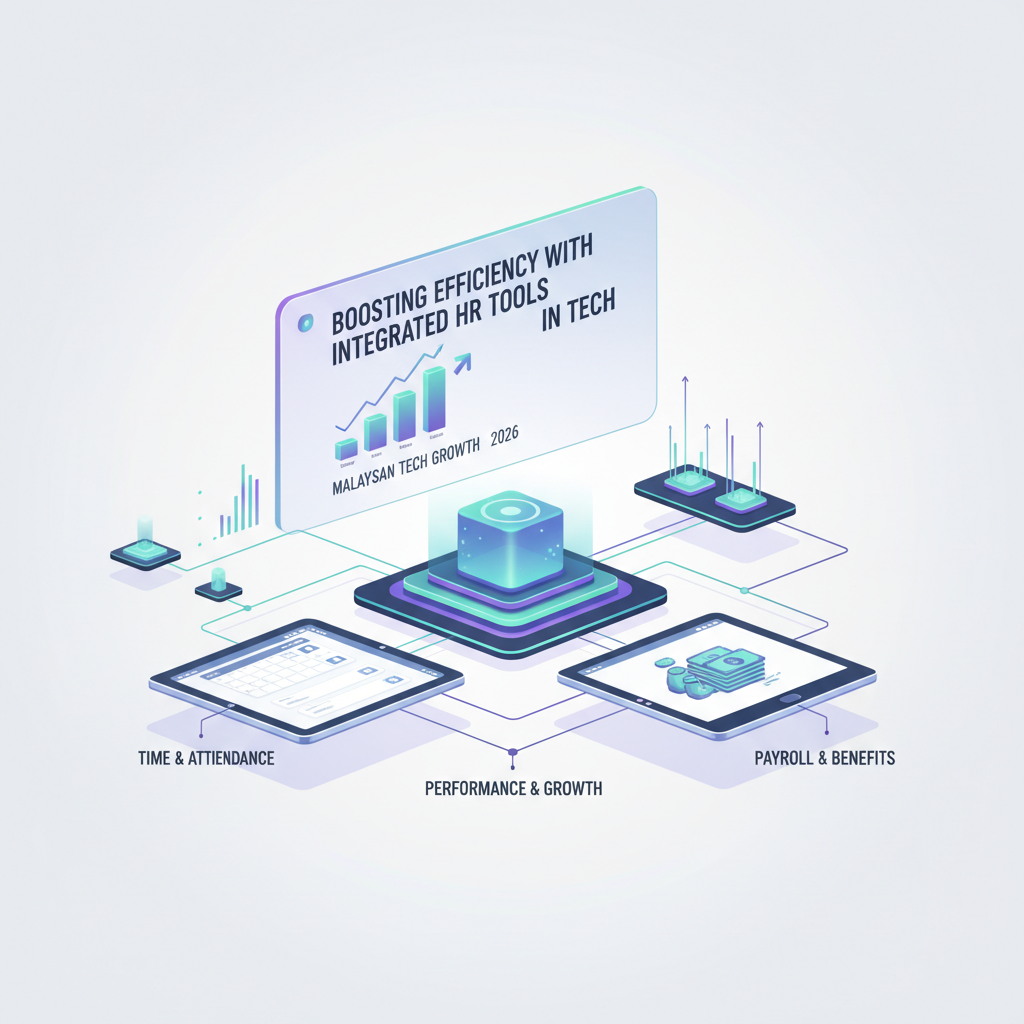
One of the most immediate and impactful benefits of integrated HR solutions is the significant reduction in manual, repetitive tasks. For tech firms, this means that critical functions like payroll processing systems, benefits administration platforms, and leave management can be largely automated. Integrated HRIS (Human Resources Information Systems) connect these modules, allowing data to flow seamlessly across departments without redundant data entry. This not only minimizes human error but also frees up HR professionals to focus on more strategic initiatives rather than administrative burdens. Imagine new hires being onboarded swiftly, their data automatically populating across various modules, from talent acquisition software to compliance management software, ensuring regulatory adherence and operational smoothness. Such HR automation technologies are crucial for scaling operations in a fast-paced environment.
2. Talent Analytics for Data-Driven Decisions
Integrated HR tools empower tech firms with robust talent analytics capabilities, transforming raw data into actionable insights. By consolidating data from applicant tracking systems (ATS), performance management platforms, and employee engagement tools, HR departments can gain a holistic view of their workforce. This allows for more informed decisions regarding workforce planning solutions, talent development, and retention strategies. For instance, analytics can identify patterns in high-performing employees, predict future staffing needs, or pinpoint reasons for attrition. This data-driven approach is invaluable for optimizing recruitment efforts, developing targeted learning and development modules, and ensuring that the right talent is in the right place at the right time. Leveraging these insights is critical for maintaining a competitive edge in Malaysia’s tech sector.
3. Improving Employee Experience Through Unified Platforms
Beyond operational gains, integrated HR solutions significantly enhance the employee experience. A unified platform provides employees with a single point of access for all their HR needs, from checking payslips and requesting leave to accessing learning materials and providing performance feedback. This self-service capability reduces friction, improves transparency, and empowers employees to manage their own HR-related tasks efficiently. For tech professionals accustomed to intuitive digital experiences, a seamless HR platform reflects a forward-thinking and employee-centric culture. Better communication tools, easy access to information, and streamlined processes contribute to higher employee satisfaction, engagement, and ultimately, retention—a key metric for any tech company striving for innovation and stability in the Malaysian market. Investing in these integrated HR solutions creates a more agile, transparent, and supportive work environment.
Compliance and Localisation: HR Tools for Malaysia
In today’s interconnected global economy, businesses operating in Malaysia face the dual challenge of adhering to international best practices while navigating the intricate landscape of local regulations. This is particularly true for Human Resources (HR) functions, where the effective deployment of HR tools – applications for technology field in malaysia becomes paramount. It’s not enough for these systems to merely streamline operations; they must also strictly comply with Malaysian labor laws, embrace cultural nuances, and safeguard employee data under local privacy regulations. Choosing the right HR technology means selecting solutions that are inherently flexible and specifically designed to support the unique requirements of the Malaysian workforce, ensuring both operational efficiency and legal adherence.
The imperative for localization extends beyond mere translation. It encompasses a deep understanding of statutory requirements, cultural expectations regarding communication and benefits, and the specific mechanisms for government contributions. A robust HR tool for the Malaysian market must therefore integrate these elements seamlessly, preventing potential legal pitfalls and fostering a positive, compliant work environment. Companies looking to optimize their HR operations in Malaysia must prioritize platforms that offer tailored functionalities, from local payroll calculations to adherence to the Personal Data Protection Act (PDPA).
1. Adhering to Malaysian Labor Laws and Regulations
Malaysian labor law, primarily governed by the Employment Act 1955 (EA 1955), Minimum Wages Order, Employees Social Security Act 1969, and Employees Provident Fund Act 1991, sets clear guidelines for employment terms, working hours, leave entitlements, termination processes, and more. For any HR tool to be effective in Malaysia, it must be fully compliant with these statutes. This means features for time and attendance must accurately track working hours in accordance with national limits, and leave management systems must reflect statutory holidays, annual leave, sick leave, and maternity/paternity leave entitlements as mandated by law. Furthermore, the system should facilitate the proper calculation and deduction of statutory contributions, ensuring that both employer and employee obligations are met without manual errors.
Beyond basic compliance, advanced HR solutions in Malaysia can offer automated alerts for policy updates or upcoming compliance deadlines, helping HR departments stay ahead of regulatory changes. Such automation minimizes the risk of non-compliance, which can lead to significant penalties, reputational damage, and employee dissatisfaction. For instance, recent amendments to the Employment Act 1955 often introduce new requirements for flexible working arrangements, paternity leave, or enhanced protections against discrimination. An agile HR system should be able to quickly adapt and incorporate these changes, ensuring that all employment practices remain within legal boundaries. Investing in localized HR tools – applications for technology field in malaysia is not just about convenience; it’s a strategic necessity for sustainable operations in the country.
2. Personal Data Protection Act (PDPA) Considerations
The Personal Data Protection Act 2010 (PDPA) in Malaysia is crucial for businesses handling personal data, including employee information. HR tools must be designed with PDPA compliance at their core, ensuring the secure collection, processing, storage, and disposal of sensitive employee data. This includes robust access controls, encryption, audit trails, and data anonymization features where appropriate. Consent management for data processing, data breach notification protocols, and the right of employees to access and correct their personal data are all fundamental aspects that a compliant HR system must support.
Choosing an HR system that is hosted securely, preferably within Malaysia or in a jurisdiction with equivalent data protection standards, can further aid compliance. Furthermore, the ability to generate detailed audit logs ensures accountability and transparency in data handling, crucial for demonstrating compliance during potential audits or investigations. A failure to comply with PDPA can result in hefty fines and legal repercussions, making data privacy a non-negotiable aspect of HR technology selection in Malaysia. Secure and compliant HR tools – applications for technology field in malaysia are essential for protecting both employees and the company.
3. Local Payroll, EPF, SOCSO, and Tax Integration
Payroll processing in Malaysia involves a complex interplay of statutory contributions and tax regulations. Employers are mandated to contribute to the Employees Provident Fund (EPF), the Social Security Organization (SOCSO) for employment injury and invalidity schemes, and the Employment Insurance System (EIS). Additionally, income tax (PCB/MTD) must be accurately calculated and remitted to the Inland Revenue Board of Malaysia (LHDN).
An effective HR tool for Malaysia must offer seamless integration with these local statutory bodies. This means automating the calculation of EPF, SOCSO, EIS, and income tax deductions based on current rates and employee income levels. The system should also facilitate the generation of compliant payroll reports, payslips, and annual tax forms (e.g., EA forms) that adhere to LHDN specifications. Furthermore, direct integration or easy export capabilities to statutory portals streamline the submission process, drastically reducing administrative burden and minimizing errors. Without such specialized integration, HR departments risk manual calculation errors, late submissions, and non-compliance penalties. Therefore, investing in HR tools that fully understand and integrate these local payroll components is vital for any business operating in Malaysia, ensuring accurate and timely contributions for their workforce.
Future Trends & Innovations in Malaysian HR Tech by 2026
Malaysia’s dynamic technology sector is on the cusp of a profound transformation, driven by an accelerating adoption of advanced HR tools – applications for technology field in malaysia. As businesses navigate a rapidly evolving global landscape, the demand for sophisticated HR solutions to optimize talent management, enhance employee experience, and streamline operations is surging. By 2026, the Malaysian HR tech ecosystem is projected to witness significant shifts, characterized by the integration of cutting-edge technologies and a renewed focus on human-centric approaches. These innovations are not merely incremental improvements; they represent a fundamental reimagining of how organizations attract, develop, and retain their workforce, ensuring resilience and competitive advantage in a digital-first era.
1. The Rise of AI and Machine Learning in HR Operations
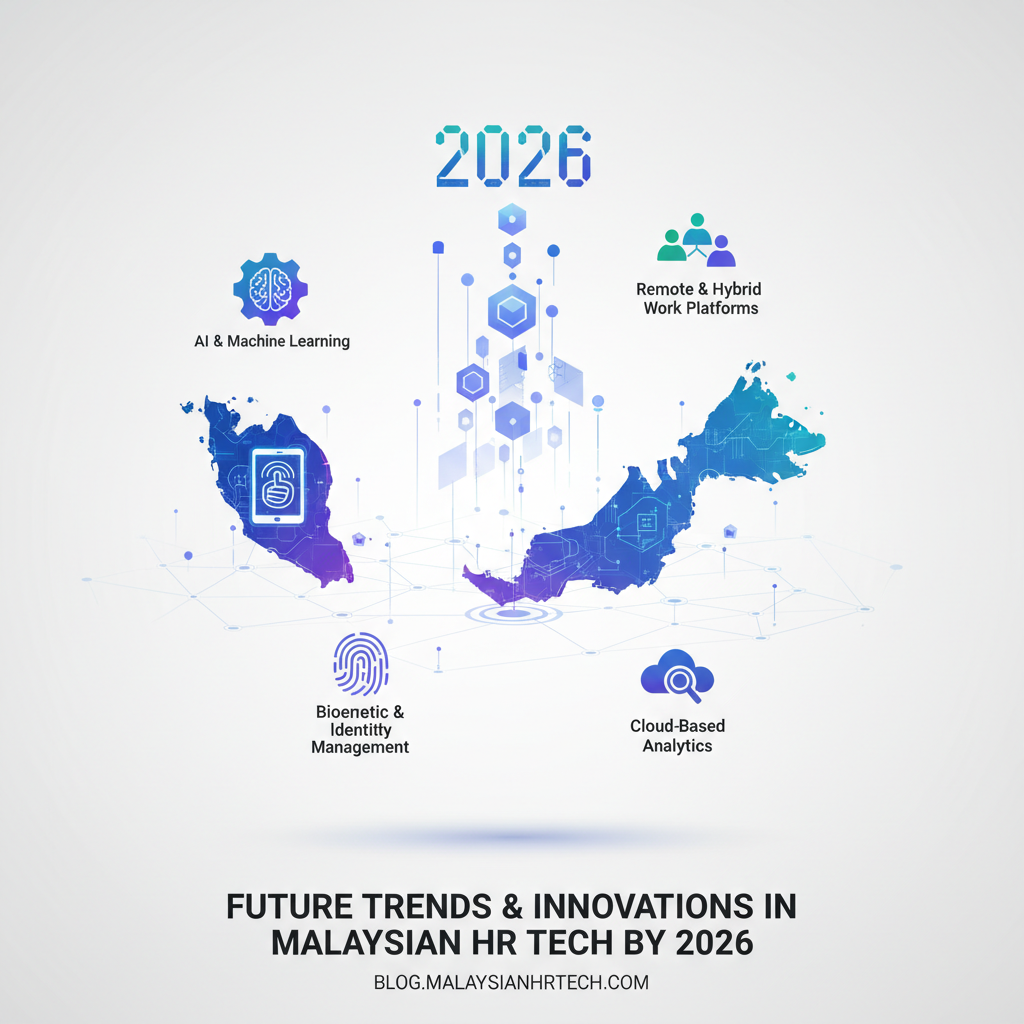
Artificial Intelligence (AI) and Machine Learning (ML) are set to revolutionize HR operations in Malaysia, moving beyond simple automation to enable predictive analytics and hyper-personalized employee experiences. By 2026, AI-powered recruitment software will significantly enhance talent acquisition, streamlining candidate sourcing, screening, and interview scheduling, thereby reducing time-to-hire and improving recruitment effectiveness. Predictive analytics will empower HR departments to anticipate future workforce needs, identify potential flight risks, and personalize learning & development programs, ensuring that skill gaps are addressed proactively. Performance management systems will leverage AI to provide real-time feedback, analyze employee sentiment, and offer data-driven insights for professional growth. Furthermore, intelligent chatbots will manage routine HR inquiries, freeing up HR professionals to focus on strategic initiatives. This paradigm shift, as explored in recent analyses like Deloitte’s insights on Generative AI and the future of HR, underscores a future where HR is more data-driven, efficient, and ultimately, more human-centric.
2. Focus on Employee Well-being and Mental Health Platforms
The post-pandemic landscape has underscored the critical importance of employee well-being and mental health. By 2026, HR tech in Malaysia will see a significant emphasis on platforms dedicated to supporting employee holistic health. These digital health platforms will integrate features like mindfulness exercises, stress management tools, virtual counseling services, and personalized wellness programs. Companies will increasingly utilize HR analytics to monitor well-being trends, identify at-risk employees (while maintaining privacy), and tailor interventions. Employee self-service portals will evolve to include comprehensive well-being resources, encouraging proactive engagement and fostering a culture of support. The adoption of these sophisticated well-being HR tools reflects a broader understanding that a healthy, engaged workforce is fundamental to productivity and business success, especially in high-pressure technology environments. These solutions will also play a crucial role in enhancing the overall employee experience and retention rates.
3. Adapting to Remote Work and Hybrid Models with Advanced Tools
The shift towards remote and hybrid work models is a permanent fixture in the modern workforce, and Malaysian HR tech will continue to innovate to support these flexible arrangements. By 2026, advanced workforce management software will be indispensable for managing distributed teams, offering features like robust collaboration platforms, time tracking, project management, and seamless communication tools. Cloud-based HR solutions will become the standard, enabling secure access to HR information and functionalities from any location, crucial for payroll systems, benefits administration, and compliance tools. Digital transformation efforts will focus on creating integrated ecosystems that connect disparate HR functions, from talent management and learning & development platforms to employee engagement software, ensuring a cohesive and productive remote or hybrid experience. The goal is to provide a seamless digital workplace that maintains productivity, fosters connection, and supports diverse working styles, making these advanced HR applications essential for future-proofing organizations in Malaysia’s thriving tech industry.
The trajectory of HR tech in Malaysia towards 2026 is one of rapid innovation and strategic importance. The convergence of AI, a strong focus on employee well-being, and adaptive remote work solutions will not only redefine HR practices but also significantly contribute to the nation’s technological advancement. Malaysian businesses that embrace these emerging HR tools and applications will be better positioned to attract top talent, enhance employee satisfaction, and drive sustainable growth in an increasingly competitive global market, solidifying the role of HR technology as a critical enabler for the future of work.
Partner with Shelby Global
You are looking for reliable HR Sevice Suppliers? Contact Shelby Global Now! To connect with verified talents and upgrade your orginization.
—————————————
References
– PwC Malaysia: Digital Future of Work in Malaysia: https://www.pwc.com/my/en/industries/technology/digital-future-of-work-in-malaysia.html
– Malaysian Income Tax Deduction (PCB) Guidelines: https://www.hasil.gov.my/en/taxpayer/individual/tax-deduction-for-employees/
– :
– TalentCorp Malaysia – National HR Centre: https://www.talentcorp.com.my/initiatives/national-hr-centre
– Deloitte’s insights on Generative AI and the future of HR: https://www2.deloitte.com/us/en/pages/human-capital/articles/generative-ai-future-of-hr.html



































































































