Foundations of HR in Singaporean IT SMEs
For new IT CEOs navigating the dynamic landscape of Singapore, understanding Human Resources within Small and Medium-sized Enterprises (SMEs) is paramount. Unlike the expansive, specialized HR departments of multinational corporations (MNCs), HR in an IT SME operates with distinct characteristics, demanding a more agile, integrated, and often lean approach. This overview provides a crucial Step by Step to understand SMEs HR Structure for the fresh the CEO in IT field in singapore, distinguishing it from larger corporate structures and setting the foundation for sustainable growth in your tech venture.

1. Key Differences: SME vs. MNC HR Practices
The operational philosophy of HR fundamentally shifts when moving from a large MNC to an agile IT SME. In an MNC, HR functions are typically highly specialized: recruitment, compensation & benefits, learning & development, and employee relations often reside in separate teams with extensive policies and procedures. For an IT SME, however, HR professionals (or often, the CEO/Operations Manager initially) wear multiple hats. Resources are scarcer, meaning HR solutions must be cost-effective and pragmatic. Decision-making is faster, less bureaucratic, and often more direct, fostering a close-knit company culture. Employee engagement in an SME is highly personal; HR is not just a department but often a direct conduit between leadership and staff. This directness cultivates a stronger sense of belonging and enables rapid adaptation to changing business needs. While MNCs thrive on established structures, SMEs excel through flexibility, innovation, and a strong emphasis on individual contribution and team synergy. This means HR strategies must be fluid, focusing on immediate impact and long-term sustainability with limited resources, prioritizing core functions that directly support business objectives.
2. Understanding Singapore Employment Laws for Tech Startups
Compliance with Singapore’s robust employment laws is non-negotiable for any tech startup, regardless of size. A thorough understanding safeguards your company against legal pitfalls, protects employee rights, and fosters a fair and equitable workplace. Key legislation includes the Employment Act, which governs basic terms and conditions of employment for most employees, covering areas like hours of work, leave entitlements (annual, sick, maternity), public holidays, and dismissal procedures. The Central Provident Fund (CPF) Act mandates contributions to employees’ retirement savings, housing, and healthcare accounts. Additionally, the Work Injury Compensation Act (WICA) provides compensation for employees who suffer injuries or contract diseases arising out of and in the course of employment. Beyond these, new CEOs must be aware of fair employment practices championed by the Tripartite Alliance for Fair and Progressive Employment Practices (TAFEP), which promote non-discriminatory hiring and management. Ignorance of these laws is not a defense and can lead to significant penalties, reputational damage, and loss of employee trust. It’s crucial to either have in-house expertise or engage legal counsel to ensure all employment contracts, policies, and practices align with Singaporean statutes, providing a stable legal foundation for your growing IT company.
3. Strategic Role of HR in a Lean IT Company
In a lean IT SME, HR transcends mere administrative functions to become a critical strategic partner in achieving business objectives. Its role is pivotal in attracting and retaining top tech talent in Singapore’s highly competitive market, often through innovative recruitment strategies that emphasize culture and growth opportunities over sheer corporate size. HR is responsible for crafting competitive compensation and benefits packages that align with industry benchmarks and company budget, while fostering a vibrant and supportive workplace culture that resonates with tech professionals. This includes developing effective performance management systems that encourage continuous feedback and growth, and identifying targeted training and development initiatives to upskill employees, ensuring the team’s capabilities evolve with technological advancements. Moreover, strategic HR in an SME plays a vital role in employee well-being, conflict resolution, and ensuring a positive employee experience, which directly impacts productivity, innovation, and retention. By proactively managing talent, fostering a strong culture, and ensuring compliance, HR acts as an indispensable engine for growth, directly contributing to the IT company’s ability to innovate, scale, and thrive in Singapore’s dynamic digital economy. Embracing this strategic perspective on HR is fundamental for any new CEO looking to build a resilient and high-performing team.
In conclusion, establishing a robust yet flexible HR framework is non-negotiable for any new IT CEO in Singapore. By understanding the unique nuances of SME HR, diligently adhering to local employment laws, and strategically leveraging HR as a core business function, you can cultivate a thriving work environment that attracts the best talent, fosters innovation, and propels your IT company towards sustained success.
Setting Up Your HR Framework: The Core Essentials
As a fresh IT CEO navigating Singapore’s vibrant tech industry, establishing a robust Human Resources (HR) framework is a strategic imperative. For a nascent or rapidly expanding tech firm, a well-structured HR foundation is crucial for attracting and retaining top talent, ensuring compliance, and fostering a productive, innovative environment. This guide offers Step by Step to understand SMEs HR Structure for the fresh the CEO in IT field in singapore, providing practical insights for establishing or refining fundamental HR processes and policies. By focusing on operational efficiency and employee well-being, you’ll lay a strong groundwork for sustainable growth within your Singapore-based tech enterprise.
1. Crafting Essential HR Policies & Employee Handbook
The cornerstone of any effective HR framework is a comprehensive set of policies, ideally within an employee handbook. This guide clarifies expectations, outlines procedures, and ensures consistent application of company rules. For a tech firm in Singapore, essential policies must cover:
- Code of Conduct: Defining professional behavior, ethics, and workplace decorum.
- Leave Policies: Detail annual, sick, compassionate, and specific Singaporean entitlements like maternity, paternity, and childcare leave, ensuring compliance with the Singapore Employment Act.
- Work Arrangements: Policies for remote work, flexible hours, and overtime, crucial in a project-driven IT environment.
- Data Protection & Intellectual Property: Critical for tech companies, outlining procedures for handling company data, client information, and employee-generated IP.
- Harassment & Grievance Procedures: Establishing clear channels for reporting and resolving workplace issues, fostering a safe and respectful environment.
Beyond compliance, a well-crafted employee handbook reflects your company culture. It should be easily accessible, regularly updated, and communicated effectively, evolving with your company’s growth and changing regulatory landscape.
2. Payroll, Benefits & Compensation Management in Singapore
Effective payroll, benefits, and compensation management are vital for both employee satisfaction and regulatory compliance in Singapore. Your approach must be transparent, equitable, and competitive to attract and retain top tech talent. Key considerations include:
- Statutory Compliance: Strict adherence to Singapore’s Central Provident Fund (CPF) contributions for local employees, foreign worker levies, and income tax regulations. Automated payroll systems can significantly reduce errors.
- Competitive Compensation Structures: Research market rates for IT roles (developers, project managers) to ensure your salary bands are competitive. Consider performance-based incentives and bonuses aligned with business objectives.
- Employee Benefits Package: A compelling benefits package is a major draw. This could include comprehensive health insurance, flexible benefits (e.g., wellness allowances, professional development budgets), and opportunities for upskilling – highly valued in the fast-evolving tech industry.
- Clear Communication: Ensure employees fully understand their compensation structure and benefits entitlements. A transparent approach builds trust.
Implementing an HRIS (Human Resources Information System) can streamline these processes, from tracking attendance and leave to managing payroll and benefits, allowing your team to focus on strategic HR initiatives.
3. Implementing Effective Performance Management Systems
An effective performance management system is critical for fostering a high-performance culture, especially in an innovation-driven tech firm. It moves beyond annual appraisals to embrace continuous feedback, development, and recognition.
- Goal Setting & Alignment: Establish clear, measurable, achievable, relevant, and time-bound (SMART) goals for each employee that align with company objectives. In a tech firm, these might relate to project milestones, code quality, or feature development.
- Continuous Feedback & Coaching: Encourage regular 1-on-1 meetings between managers and direct reports. This provides real-time feedback, constructive coaching, and addresses challenges proactively.
- Performance Reviews & Development Plans: Structured reviews (e.g., bi-annual) formally assess progress, discuss career aspirations, and identify growth areas. Develop personalized development plans including training or new project opportunities.
- Recognition & Rewards: Link performance outcomes to recognition. This can be monetary or non-monetary, like public acknowledgment or leadership opportunities.
- Objective Metrics: Leverage data and objective metrics to evaluate performance, particularly in quantifiable tech roles, ensuring fairness and reducing bias.
By integrating these elements, your performance management system becomes a powerful tool for employee engagement, professional development, and ultimately, driving your tech firm’s innovation and success.
Talent Acquisition & Retention Strategies for IT SMEs
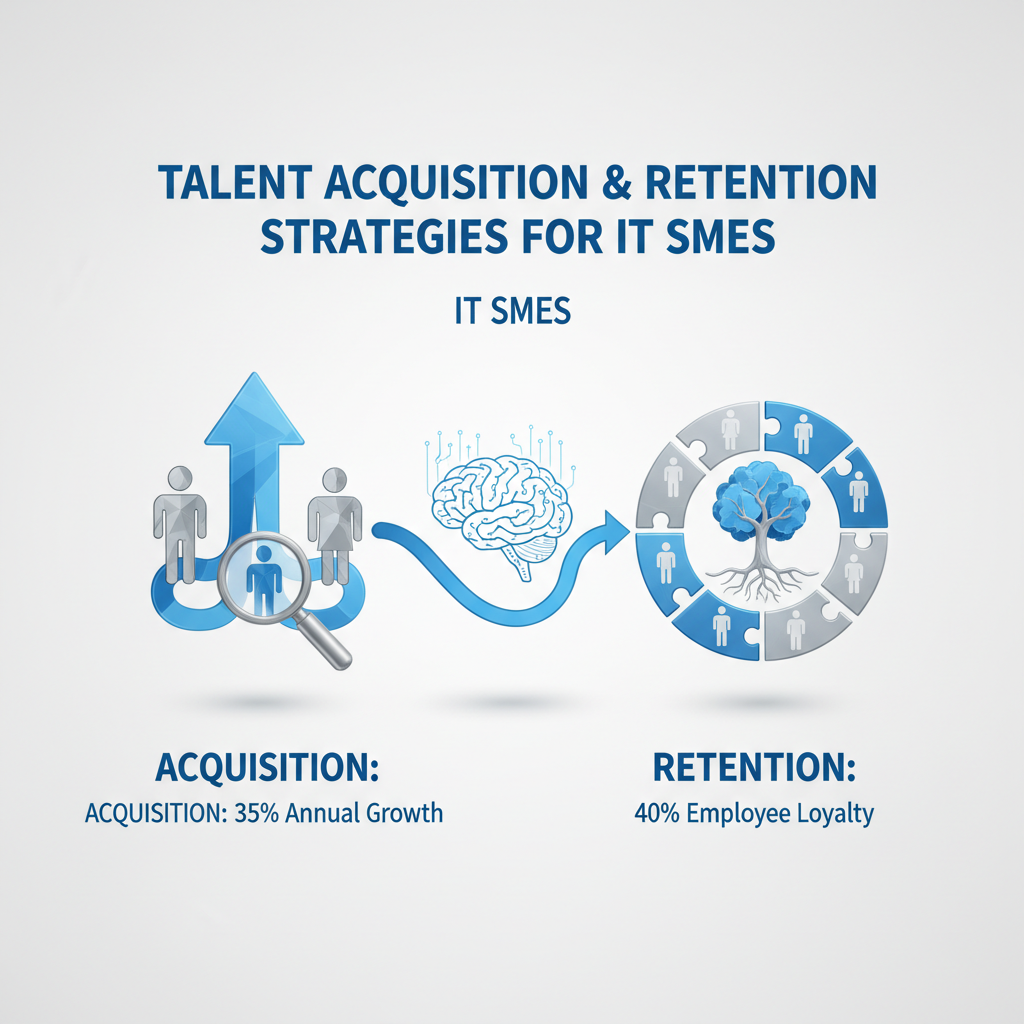
Singapore’s vibrant yet fiercely competitive IT landscape presents unique challenges and opportunities for Small and Medium-sized Enterprises (SMEs). For a fresh CEO in the IT field, understanding and mastering the intricacies of human resources, particularly in talent acquisition and retention, is paramount. Building a resilient and innovative team is not just about finding skilled individuals; it’s about crafting an environment where they thrive and grow. This section provides crucial strategies for attracting, hiring, and retaining top tech talent, ensuring your SME builds a strong, skilled workforce ready to navigate the demands of a high-growth environment. To lay a solid foundation, it’s essential to gain a comprehensive understanding of the HR framework unique to smaller tech companies. For a detailed guide on this, refer to our article on Step by Step to understand SMEs HR Structure for the fresh the CEO in IT field in singapore.
1. Attracting Top Tech Talent in Singapore’s IT Sector
Singapore’s allure as a global tech hub means SMEs often compete with multinational corporations for the same pool of highly sought-after engineers, developers, and IT specialists. To stand out, SMEs must cultivate a compelling employer brand that goes beyond traditional benefits. Emphasize your unique company culture, the direct impact employees can have, and opportunities for rapid professional growth that larger, more bureaucratic organizations might not offer. Showcase challenging projects, a flat hierarchy, and a collaborative environment. Competitive compensation and benefits packages are non-negotiable, and understanding market benchmarks is vital. Resources like the Hays Salary Guide Singapore can offer insights into current remuneration trends for tech roles. Beyond salary, consider offering attractive equity options, flexible working arrangements, and a robust learning and development budget tailored to individual career aspirations. Participate actively in local tech meetups, hackathons, and university career fairs to build a strong pipeline and connect with emerging talent directly. Developing a strong online presence through platforms like LinkedIn, showcasing employee testimonials, and sharing success stories can significantly enhance your visibility and appeal to prospective candidates.
2. Effective Onboarding Processes for Engineers and Developers
A well-structured onboarding process is critical for transforming new hires into productive, engaged team members, especially in fast-paced IT environments. It starts even before their first day with “pre-boarding” – sending welcome kits, setting up accounts, and assigning a buddy or mentor. On day one, focus on making them feel integrated, not just on administrative tasks. Introduce them to the team, key stakeholders, and the company’s mission and values. For engineers and developers, provide immediate access to necessary tools, codebase, and documentation. Assign a small, manageable starter project that allows them to contribute quickly and understand the workflow without feeling overwhelmed. Regular check-ins during the first few weeks are crucial, providing opportunities for feedback and addressing any challenges. A dedicated mentorship program, where experienced team members guide new hires, not only accelerates their technical ramp-up but also fosters a sense of belonging and psychological safety. This structured approach significantly reduces time-to-productivity and boosts long-term retention by creating a positive initial experience.
3. Employee Engagement & Retention in a High-Growth Environment
Retaining top tech talent in a high-growth SME means fostering an environment where employees feel valued, challenged, and see a clear path for their future. Beyond competitive salaries, focus on continuous professional development. Offer access to certifications, online courses, and opportunities to attend industry conferences. Create clear career progression frameworks, demonstrating how employees can advance within the company, whether through technical specialisation or leadership roles. Regular, constructive feedback, coupled with recognition for achievements, builds morale and commitment. Empower your tech teams with autonomy over their work, encouraging innovation and problem-solving. Promote a healthy work-life balance, crucial in demanding IT roles, through flexible hours, remote work options, and initiatives that support mental well-being. Foster a strong, inclusive company culture where communication is transparent, and every voice is heard. Regularly conduct employee engagement surveys and act on the feedback received. By investing in your employees’ growth, well-being, and creating a sense of purpose, IT SMEs can significantly reduce turnover and build a loyal, high-performing workforce essential for sustained growth in Singapore’s dynamic tech sector.
Navigating HR Compliance and Risk in Singapore’s IT Sector
For fresh CEOs entering Singapore’s dynamic IT sector, particularly within the SME landscape, understanding the intricate web of HR compliance and risk mitigation is paramount. Singapore’s robust regulatory environment, while fostering a strong business climate, demands meticulous adherence to employment laws, data protection, and fair workplace practices. This guide offers a Step by Step to understand SMEs HR Structure for the fresh the CEO in IT field in singapore, ensuring your technology venture remains compliant, minimizes legal exposure, and maintains a positive working environment.
The IT sector, with its rapid innovation, unique talent demands, and reliance on sensitive data, presents specific HR challenges. From hiring foreign talent to protecting intellectual property and managing remote workforces, a proactive approach to HR compliance is not just about avoiding penalties; it’s about building a sustainable, ethical, and attractive employer brand in a highly competitive market.
-
Key Regulatory Bodies: MOM, CPF, IRAS & Your Obligations
Navigating Singapore’s HR landscape begins with understanding the core regulatory bodies that govern employment. The Ministry of Manpower (MOM) sets the overarching framework for employment standards, covering areas such as the Employment Act, foreign worker policies, and fair employment practices. CEOs must ensure contracts comply with MOM guidelines, adhere to working hour limits, provide appropriate leave entitlements, and follow stipulated processes for hiring and termination. Ignorance of MOM regulations can lead to significant fines and reputational damage. Employers, especially in IT, need to be particularly aware of the Employment Act for its extensive coverage of basic employment terms and conditions.
The Central Provident Fund (CPF) Board manages Singapore’s compulsory comprehensive social security savings scheme. As an employer, your obligation involves making timely and accurate CPF contributions for all eligible local employees. This includes understanding the contribution rates, wage ceilings, and the various schemes CPF supports (e.g., retirement, healthcare, housing). Errors in CPF contributions can result in penalties and interest charges. Lastly, the Inland Revenue Authority of Singapore (IRAS) is responsible for tax collection. Employers are obligated to accurately declare employee earnings and benefits, file annual employment income returns (Form IR8A), and handle withholding tax for non-resident employees. Proper record-keeping and timely submissions to MOM, CPF, and IRAS are fundamental to avoid compliance breaches.
-
Data Protection (PDPA) & Cybersecurity in HR Operations
In the IT sector, data is currency, and protecting personal data extends crucially to HR operations. The Personal Data Protection Act (PDPA) governs the collection, use, and disclosure of individuals’ personal data. For IT SMEs, this means meticulously handling employee personal data – from résumés and medical records to performance appraisals and payroll information. CEOs must establish clear data protection policies, obtain explicit consent for data collection and use, implement robust security measures to prevent unauthorized access or breaches, and ensure data retention periods are aligned with legal requirements.
Cybersecurity is inextricably linked to PDPA compliance within HR. As IT companies are prime targets for cyberattacks, safeguarding employee data against breaches is critical. Implement strong access controls, encryption for sensitive HR data, regular security audits, and employee training on data protection best practices. A data breach involving employee information can lead to severe penalties under PDPA, loss of employee trust, and significant reputational damage. Proactive cybersecurity measures are not just an IT department concern; they are an essential HR compliance imperative.
-
Managing Workplace Disputes, Grievances, and Terminations
Even in the most harmonious IT teams, workplace disputes and grievances can arise. A fresh CEO must understand the legal frameworks for fair resolution. Singapore emphasizes mediation and conciliation through bodies like the Tripartite Alliance for Dispute Management (TADM) before escalating to the Employment Claims Tribunals (ECT). Establishing clear internal grievance procedures, communicating them effectively to employees, and ensuring fair and impartial investigation of complaints are crucial. This proactive approach helps resolve issues internally, preventing costly and time-consuming legal battles.
Terminations, whether voluntary or involuntary, must be handled with utmost care and in strict adherence to the Employment Act and fair employment principles. Proper notice periods, valid reasons for dismissal (e.g., misconduct, poor performance, redundancy), and accurate calculation of final payments are non-negotiable. Discriminatory termination practices are strictly prohibited. For redundancy, specific guidelines apply, including fair selection criteria and notification to MOM. Mismanaging terminations can lead to unfair dismissal claims, legal challenges, and damage to the company’s employer brand. A thorough understanding of these processes is vital for mitigating legal risks and maintaining a positive corporate image.
Scaling HR for Growth: Future-Proofing Your IT SME
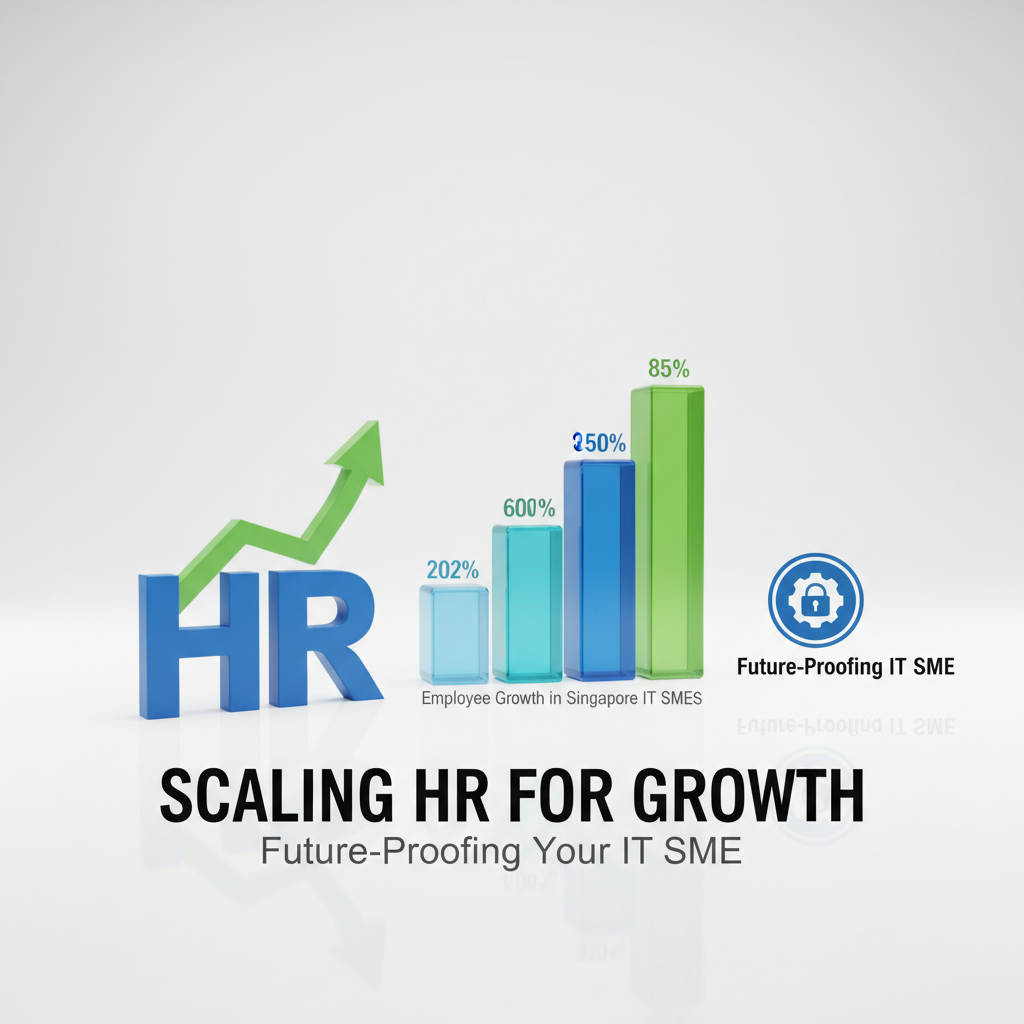
As IT Small and Medium-sized Enterprises (SMEs) in Singapore navigate a rapidly evolving technological landscape, their growth trajectory is intrinsically linked to their ability to scale their Human Resources (HR) function effectively. A fresh CEO in the IT field, particularly in Singapore, needs to understand that HR is not merely an administrative overhead but a strategic partner that can drive sustainable growth and foster innovation. This section outlines key strategies for evolving the HR function, addressing future challenges, and seizing opportunities to support your IT company’s expansion. Mastering the Step by Step to understand SMEs HR Structure for the fresh the CEO in IT field in singapore is paramount for laying a solid foundation for future success.
1. Leveraging HR Tech & Automation for Efficiency
For an IT SME on a growth path, manual HR processes quickly become bottlenecks, hindering efficiency and diverting valuable resources. Embracing HR technology and automation is no longer optional but a necessity. Implementing a robust Human Resources Information System (HRIS) can centralize employee data, streamline payroll, benefits administration, and attendance tracking. Beyond an HRIS, consider Applicant Tracking Systems (ATS) to manage recruitment more effectively, performance management software to facilitate goal setting and feedback, and learning management systems (LMS) to support employee development. The strategic adoption of these tools frees up your HR team from transactional tasks, allowing them to focus on more strategic initiatives like talent development and employee engagement. Modern HR tech can significantly enhance operational efficiency, improve data accuracy, and provide valuable analytics for informed decision-making. As the future of work trends continue to push for digital transformation, HR technology is the cornerstone of a scalable HR function.
2. Building a Culture of Innovation, Learning, and Development
In the dynamic IT sector, continuous innovation and skill development are crucial for competitive advantage. HR plays a pivotal role in cultivating a culture that encourages experimentation, embraces failure as a learning opportunity, and prioritizes continuous growth. This involves designing comprehensive learning and development programs that address current skill gaps and anticipate future needs, particularly in emerging technologies. Offer diverse learning opportunities, from online courses and certifications to mentorship programs and internal knowledge-sharing sessions. Create pathways for career progression and internal mobility to retain top talent. Foster an environment where employees feel empowered to contribute ideas, challenge the status quo, and take ownership of their professional development. By investing in your people’s growth, you not only enhance individual capabilities but also build a resilient and innovative workforce capable of adapting to market shifts and driving your company’s forward momentum.
3. Strategic Workforce Planning for Future Expansion and Digital Transformation
Proactive workforce planning is essential for any IT SME aiming for sustainable growth. This involves more than just filling immediate vacancies; it’s about anticipating future talent needs based on your business strategy, market trends, and technological advancements. Conduct regular skills gap analyses to identify areas where your current workforce may fall short in the future. Develop robust talent acquisition strategies that can attract specialized IT professionals in a competitive Singaporean market, considering both local and global talent pools. Implement effective retention strategies, including competitive compensation, comprehensive benefits, and a positive work environment. Succession planning is also vital to ensure business continuity and leadership readiness. As digital transformation accelerates, HR must lead the charge in reskilling and upskilling existing employees, preparing them for new roles and technologies. By strategically aligning your workforce plan with your business objectives, your HR function can ensure you have the right talent, with the right skills, at the right time, to support your IT SME’s ambitious growth and innovation goals.
Partner with Shelby Global
You are looking for reliable HR Sevice Suppliers? Contact Shelby Global Now! To connect with verified talents and upgrade your orginization.
—————————————
References
– Tripartite Alliance for Fair and Progressive Employment Practices (TAFEP): https://www.tafep.sg/
– Singapore Employment Act: https://www.mom.gov.sg/employment-practices/employment-act
– Hays Salary Guide Singapore: https://www.hays.com.sg/salary-guide
– Singapore Ministry of Manpower – Employment Act: https://www.mom.gov.sg/employment-practices/employment-act
– Deloitte Global Human Capital Trends: https://www2.deloitte.com/us/en/pages/human-capital/articles/human-capital-trends.html