
The Evolving Landscape of HR for Singaporean Tech SMEs
Singapore’s technology sector is a vibrant powerhouse, continuously pushing the boundaries of innovation and economic growth. Within this dynamic ecosystem, Small and Medium-sized Enterprises (SMEs) form the backbone, often leading the charge in disruptive technologies and agile business models. However, this rapid ascent brings with it a unique set of challenges and opportunities for Human Resources. For the CEO in a technology field in Singapore, understanding and strategically developing robust HR structures for SMEs is not merely an administrative task but a critical determinant of success. The intense competition for talent, the imperative for continuous skill development, and the need to foster a resilient company culture are all amplified within this fast-paced environment. HR functions within these tech SMEs must evolve from traditional administrative roles to become strategic partners, capable of navigating rapid growth and addressing the escalating demands for specialized talent.
1. Navigating rapid growth and talent shortages
The exhilarating pace of expansion in Singaporean tech SMEs often outstrips the availability of skilled professionals. Companies grapple with attracting, retaining, and developing talent, particularly in specialized areas like AI, cybersecurity, and data science. The challenge for HR structures for SMEs the CEO in technology field in Singapore lies in building scalable and agile talent acquisition strategies. This involves not only competitive compensation packages but also compelling employer branding, a clear career progression path, and a culture that prioritizes learning and development. HR must proactively identify future skill requirements, invest in upskilling current employees, and explore alternative talent pools, including remote workers or international talent, while adhering to Singapore’s strict immigration policies. Effective talent acquisition and retention strategies are paramount to sustain growth and innovation, preventing bottlenecks that can hinder a promising venture. This scarcity demands innovative approaches to talent acquisition, often leveraging technology and data analytics to pinpoint candidates and predict future needs.

2. Impact of Singapore’s digital-first economy on HR
Singapore’s unwavering commitment to becoming a Smart Nation has profoundly reshaped business operations, including HR. For tech SMEs, this means a natural inclination towards digital solutions in all facets of HR, from recruitment and onboarding to performance management and payroll. Leveraging HR technology solutions is no longer a luxury but a necessity for efficient and effective HR operations. Cloud-based HRIS (Human Resources Information Systems), AI-powered recruitment tools, and sophisticated analytics platforms can streamline processes, reduce administrative burden, and provide valuable insights into workforce dynamics. These digital tools enable lean HR teams, often found in startup HR challenges, to manage a growing workforce effectively. Furthermore, the digital-first environment fosters a culture of remote and hybrid work, necessitating HR policies that ensure seamless collaboration, maintain employee engagement, and uphold data security. HR’s role expands to include digital literacy advocacy, ensuring employees are equipped with the tools and skills to thrive in a tech-driven workplace. The CEO in technology field in Singapore must champion the digital transformation of HR to unlock its full strategic potential.
3. Balancing innovation with compliance in HR practices
While the tech sector champions innovation, HR practices must simultaneously adhere to Singapore’s comprehensive regulatory framework. This balancing act is crucial for HR structures for SMEs the CEO in technology field in Singapore. Companies must ensure compliance with labor laws (e.g., Employment Act, Central Provident Fund Act), fair employment practices (Tripartite Alliance for Fair and Progressive Employment Practices – TAFEP), and data protection regulations (PDPA). For rapidly scaling tech SMEs, staying updated with evolving legislation and ensuring their innovative compensation models or flexible work arrangements meet legal standards can be complex. This requires dedicated focus on compliance for tech companies. HR needs to implement robust policies and procedures that not only foster innovation and employee engagement in startups but also mitigate legal risks. Furthermore, navigating global talent mobility and visa requirements for international hires adds another layer of complexity. Partnering with legal experts or leveraging HR consultants can be invaluable in ensuring adherence while maintaining the agility essential for competitive advantage. Singapore’s robust legal framework, which supports both business growth and employee welfare, is a key consideration for all HR leaders.
Foundational HR Structures for Early-Stage Tech SMEs
For Chief Executive Officers leading early-stage technology Small and Medium-sized Enterprises (SMEs) in Singapore, establishing robust Human Resources (HR) structures from the outset is not merely a formality but a strategic imperative. In a competitive market vying for top tech talent, efficient and compliant HR practices lay the groundwork for sustainable growth, employee satisfaction, and legal protection. This section delves into essential HR setups for smaller technology companies, emphasizing efficiency, basic compliance, and early considerations for scaling. Understanding these HR structures for SMEs the CEO in technology field in singapore is crucial for future-proofing your business.
1. Outsourced HR vs. dedicated HR personnel
One of the initial dilemmas for early-stage tech SMEs is deciding between an outsourced HR model and hiring dedicated HR personnel. Both approaches have distinct advantages and disadvantages, heavily influencing your company’s operational efficiency and cost structure.
For many startups, particularly those focused on rapid product development, outsourced HR services Singapore can be an attractive option. This model allows access to a broad spectrum of HR expertise—from payroll processing and benefits administration to compliance and basic recruitment support—without the overhead of a full-time employee. It offers flexibility, cost-efficiency, and peace of mind regarding adherence to Singapore’s specific labour laws. Outsourcing is often a pragmatic first step, providing foundational support and ensuring that crucial tasks like accurate CPF contributions and leave management are handled professionally. This approach is particularly beneficial when managing initial growth phases and ensuring your small business HR solutions Singapore are robust without stretching your internal resources thin.
Conversely, dedicated HR personnel offer deep internal understanding, cultural alignment, and the ability to proactively shape the employee experience. A dedicated HR professional can become a strategic partner, deeply embedded in the company’s vision and values. However, the cost implications, coupled with the challenge of finding a generalist HR professional capable of handling diverse early-stage needs, can be significant. The transition to a dedicated HR role typically becomes more justifiable as the company scales beyond a certain employee count, perhaps 30-50 staff, where strategic HR planning, talent development, and complex employee relations become paramount.
2. Implementing core HR policies and procedures
Regardless of whether HR functions are outsourced or managed internally, implementing core HR policies and procedures is non-negotiable for early-stage tech SMEs. These foundational documents serve as the blueprint for fair employment practices, legal compliance, and setting clear expectations for employees. Without them, your company risks inconsistencies, disputes, and potential legal repercussions, especially concerning HR compliance Singapore tech startups must navigate.
Key policies to establish early include:
- Employment Contracts: Essential for outlining terms of employment, roles, responsibilities, compensation, and termination clauses. In Singapore, clear Key Employment Terms (KETs) are legally mandated and critical for all employees.
- Leave Policies: Covering annual leave, sick leave, compassionate leave, and parental leave, all in accordance with the Singapore Employment Act.
- Code of Conduct: Defining expected professional behaviour, workplace ethics, and policies on harassment and discrimination.
- Data Privacy Policy: Crucial for tech companies, outlining how employee data is collected, stored, and used in compliance with the Personal Data Protection Act (PDPA).
- Disciplinary and Grievance Procedures: Providing a clear framework for addressing employee misconduct or complaints fairly and consistently.
- Performance Management Framework: Even a simple system for setting goals, providing feedback, and conducting regular reviews can significantly aid in employee development and retention.
These policies protect both the employer and employees, fostering a transparent and equitable work environment. They are vital for navigating Singapore’s strict labour laws and setting a professional tone from day one, which is essential when scaling HR early-stage tech companies.
3. Leveraging technology for basic HR administration
In the digital age, technology is an indispensable ally for early-stage tech SMEs looking to streamline HR administration. Leveraging appropriate HR software or platforms can drastically reduce manual workload, minimize errors, and free up valuable time for strategic initiatives. This is particularly relevant for HR software for startups Asia, where many affordable, scalable solutions are available.
For basic HR administration, consider solutions that offer:
- Payroll Processing: Automating salary calculations, CPF contributions, and tax filings ensures accuracy and compliance.
- Leave Management: Employee self-service portals for leave requests and approval workflows simplify the process for both employees and managers.
- Employee Data Management: A centralized digital database for employee records, contact information, emergency contacts, and employment history ensures data integrity and accessibility.
- Recruitment Tracking: Simple Applicant Tracking Systems (ATS) can help manage job postings, applications, and candidate communications efficiently, even for small recruitment volumes.
- Onboarding Automation: Streamlining the onboarding process for new hires, from document signing to IT setup requests, enhances the new employee experience.
Cloud-based HRIS (Human Resources Information Systems) or HRMS (Human Resources Management Systems) designed for small businesses offer scalability and user-friendly interfaces, making them ideal for companies without dedicated IT support for HR. By embracing technology for these foundational HR tasks, early-stage tech SMEs can establish efficient processes, reduce administrative burden, and ensure data accuracy, allowing leadership to focus on core business objectives and strategic growth.
In conclusion, establishing these foundational HR structures early on is not just about compliance; it’s about building a resilient, attractive, and scalable tech company in Singapore. A proactive approach to HR ensures legal adherence, fosters a positive workplace culture, and prepares your SME for sustainable growth in a dynamic market.
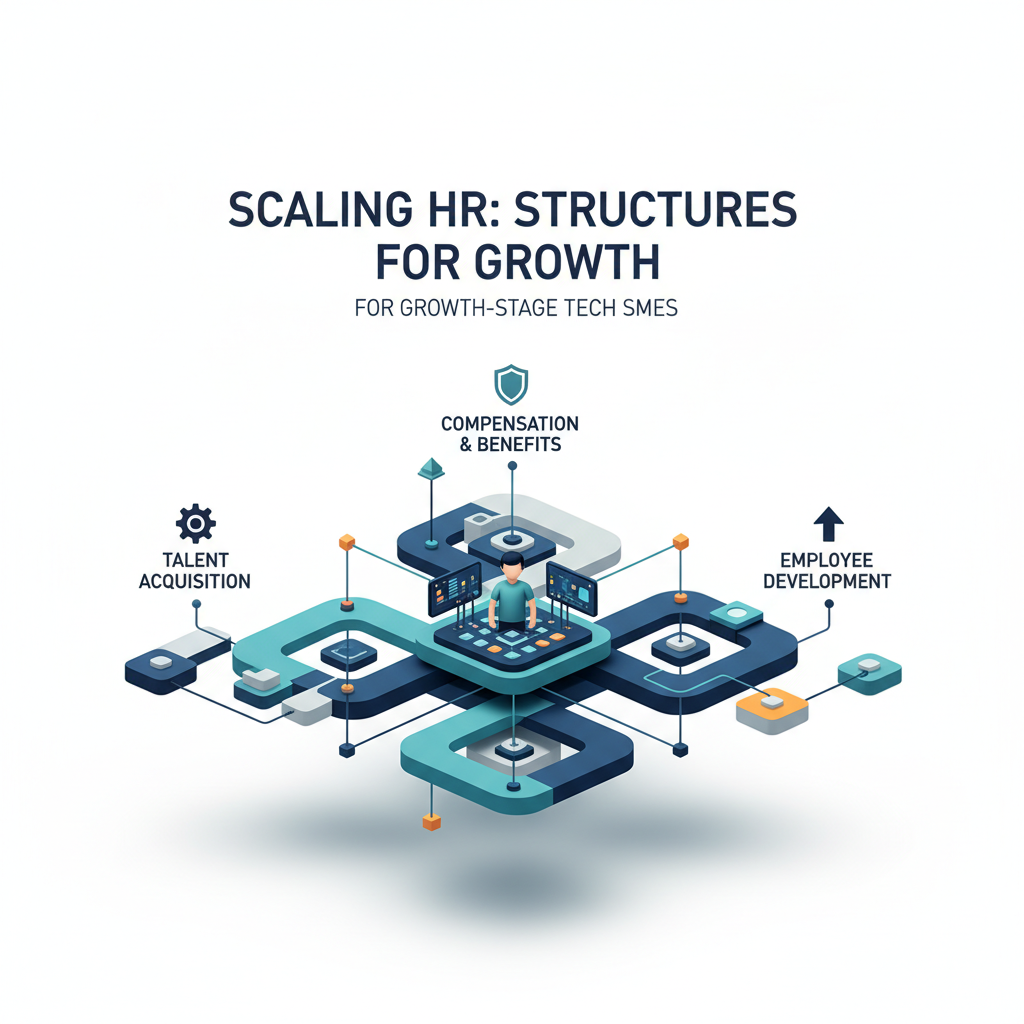
Scaling HR: Structures for Growth-Stage Tech SMEs
For technology SMEs in Singapore experiencing rapid growth, the informal, ad-hoc HR practices that sufficed in early stages quickly become a bottleneck. As the CEO, understanding how HR structures for SMEs need to evolve is crucial for sustained success. This isn’t just about hiring more people; it’s about building sophisticated talent management, development, and team expansion strategies that support your ambitious vision. Transforming HR from a reactive administrative function into a proactive strategic partner is essential for scaling effectively in Singapore’s competitive tech landscape.
-
Building an in-house HR team: roles and responsibilities
At the nascent stages, HR responsibilities often fall squarely on the CEO or a dedicated administrator. However, as your tech SME grows beyond 20-30 employees, the complexity of recruitment, compliance, employee relations, and performance management necessitates a dedicated HR function. The first hire is typically an HR Generalist or HR Manager who can cover a broad spectrum of operational tasks, from onboarding and payroll administration to policy development. This individual becomes the primary point of contact for employees and a critical resource for the CEO in navigating people challenges. As the company continues to scale, specialized roles emerge. A Talent Acquisition Specialist becomes vital to source and secure top tech talent, particularly in a market like Singapore where the demand for skilled engineers and developers is high. Later, an HR Business Partner (HRBP) can be introduced to work directly with specific departments or leadership teams, aligning HR strategies with business objectives and fostering a high-performance culture. Establishing clear roles and responsibilities ensures that HR can provide comprehensive support, manage growth, and become a strategic asset rather than merely a cost center.
-
Developing robust talent acquisition and retention strategies
Growth-stage tech SMEs face the dual challenge of attracting and retaining top talent in a highly competitive market. Moving beyond basic job postings, a robust talent acquisition strategy involves building a strong employer brand that resonates with tech professionals. This includes showcasing your company culture, career opportunities, and unique value proposition through various channels, including social media, industry events, and employee testimonials. Leveraging networks and referrals also remains a potent strategy in Singapore’s interconnected tech community. Beyond acquisition, strategic retention is paramount. This encompasses competitive compensation and benefits, but also extends to creating a compelling employee experience. Progressive retention strategies focus on clear career pathways, continuous learning opportunities, and a supportive work environment that fosters innovation and psychological safety. Understanding the evolving expectations of tech talent, such as flexibility, purpose-driven work, and opportunities for impactful contributions, is crucial. For further insights into developing effective strategies, consider resources like the Deloitte Human Capital Trends report, which often provides valuable perspectives on modern talent management best practices.
-
Performance management and employee development frameworks
Informal feedback mechanisms are insufficient for a growing tech SME. Implementing structured performance management and employee development frameworks is critical for ensuring accountability, fostering growth, and aligning individual contributions with organizational goals. This typically begins with clear goal setting, whether through OKRs (Objectives and Key Results) or KPIs (Key Performance Indicators), ensuring every employee understands their contribution to the company’s success. Regular, constructive feedback sessions – moving beyond annual reviews to more frequent check-ins – are essential for timely course correction and continuous improvement. Performance management should be linked to transparent reward and recognition systems. Equally important is an investment in employee development. This includes identifying skills gaps, providing access to relevant training programs (both technical and soft skills), mentorship opportunities, and internal mobility programs. For tech roles, continuous upskilling in emerging technologies is non-negotiable. By establishing a culture of continuous learning and growth, HR structures for SMEs help not only to improve current performance but also to build a resilient, adaptable workforce capable of navigating future challenges and driving the company’s long-term innovation and success.
Strategic HR: Aligning HR with Business Goals for CEOs
For CEOs leading technology SMEs in Singapore, the traditional view of Human Resources as merely an administrative function is rapidly evolving. Today, strategic HR is not just about compliance or payroll; it’s a critical strategic partner that directly contributes to business objectives, fosters a strong company culture, and drives overall success. In the dynamic and talent-competitive technology field in Singapore, optimizing your HR structures for SMEs can be the definitive competitive edge. By understanding how HR can transcend its conventional boundaries, CEOs can unlock unprecedented growth and innovation.
1. HR’s Role in Strategic Workforce Planning
Strategic workforce planning is the bedrock of a future-ready organization, especially for rapidly scaling tech SMEs in Singapore. HR’s role here is to foresee future talent needs, identify potential skill gaps, and align human capital strategies with overarching business objectives. It involves a deep analysis of market trends, technological shifts, and the company’s strategic direction. For instance, if your technology SME plans to expand into AI development, strategic HR will proactively identify required AI engineering talent, map recruitment strategies, and assess the existing workforce for potential upskilling. This forward-looking approach ensures the business always has the right people with the right skills at the right time. Workforce planning incorporates robust talent acquisition strategies for Singapore’s competitive tech market, considering global talent pools, visa requirements, and cultural nuances to ensure a steady pipeline. Embracing HR technology solutions like predictive analytics empowers HR to make data-driven decisions, optimizing staffing and forecasting requirements with accuracy.
2. Cultivating a High-Performance, Innovation-Driven Culture
In the fast-paced technology sector, an innovation-driven culture is paramount. HR plays an indispensable role in cultivating an environment where creativity, experimentation, and continuous improvement are not just encouraged but ingrained in the company’s DNA. This involves designing performance management systems that reward innovation and collaboration, rather than just individual output. HR also drives employee engagement strategies that foster a sense of psychological safety, empowering employees to take calculated risks and learn from failures without fear of retribution. Regular feedback loops, transparent communication channels, and opportunities for cross-functional collaboration are key elements facilitated by HR. For CEOs, investing in HR-led initiatives to build this culture directly translates into a more agile and resilient organization, capable of adapting to market shifts and outmaneuvering competitors. According to a Harvard Business Review article on creating a culture of innovation, fostering an environment that encourages experimentation and learning is crucial for business success. Recognizing small wins, promoting knowledge sharing, and implementing continuous learning programs are also critical. For tech SMEs in Singapore, a vibrant innovation culture can attract and retain the brightest minds, setting the foundation for groundbreaking product development and market leadership.
3. Succession Planning and Leadership Development
Ensuring leadership continuity and a pipeline of future talent is a critical strategic imperative for CEOs, particularly in high-growth technology SMEs. HR is central to establishing robust succession planning and leadership development programs. This involves identifying high-potential employees early, assessing their capabilities against future leadership roles, and providing tailored development paths. These paths often include mentorship, executive coaching, specialized training, and rotation through diverse projects to broaden experience. The goal isn’t just to fill vacancies but to develop an internal bench of leaders embodying company values and strategic vision. For CEOs, a clear strategy for leadership continuity provides security, minimizing disruptions during transitions. Succession planning addresses key person risk, ensuring that a critical leader’s absence doesn’t derail initiatives. In the competitive landscape of tech SMEs in Singapore, having well-prepared internal candidates for leadership roles reduces reliance on external hires, which can be costly and time-consuming. HR evaluates these programs, continuously refining them to meet evolving business needs and individual aspirations. This proactive approach to talent nurturing is vital for achieving sustainable competitive advantage for tech SMEs.
In conclusion, for CEOs in Singapore’s technology sector, embracing HR as a strategic partner is no longer optional—it’s essential for navigating rapid change and achieving sustainable growth. By aligning HR with core business goals in areas such as workforce planning, culture development, and leadership succession, HR transforms from a support function into a powerful driver of innovation and competitive advantage for tech SMEs. Empowering HR to lead these strategic initiatives ensures that your most valuable asset—your people—are optimally positioned to drive the company’s future success.
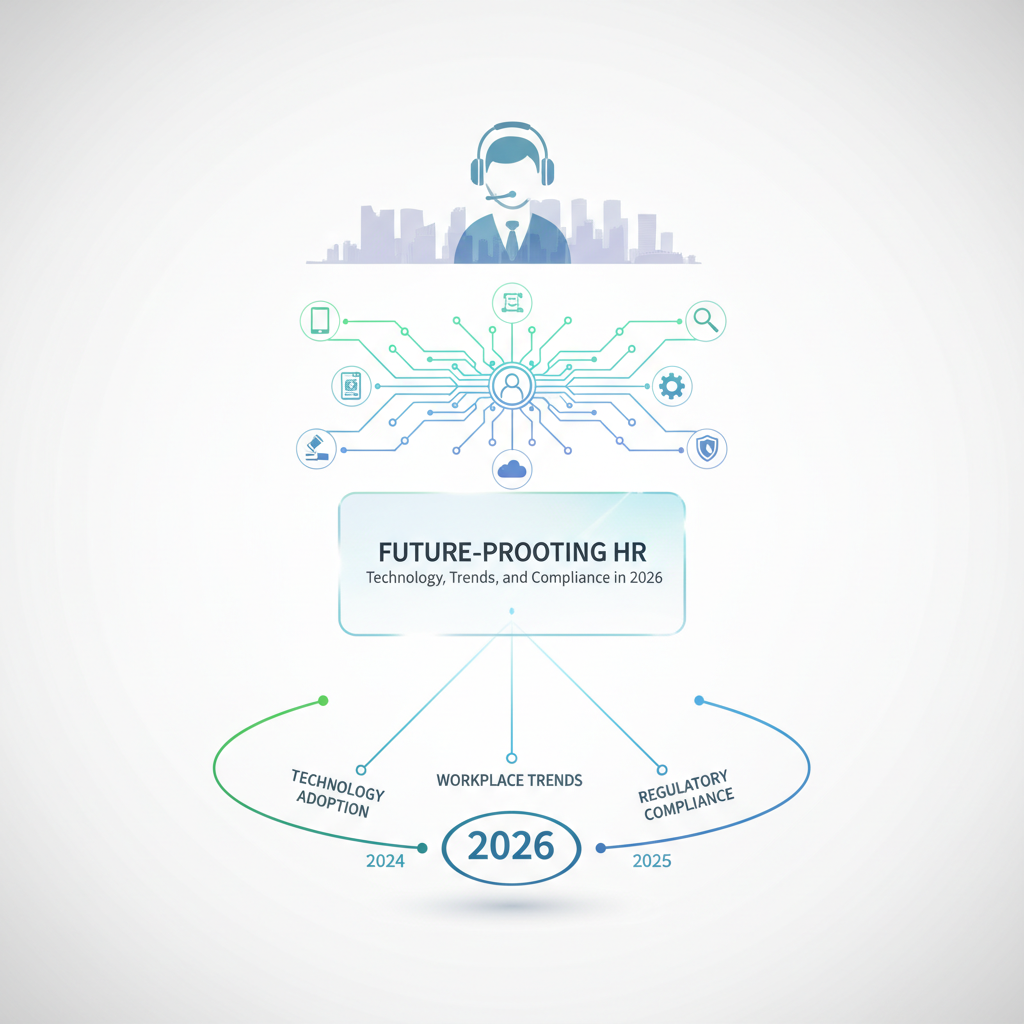
Future-Proofing HR: Technology, Trends, and Compliance in 2026
In the rapidly evolving landscape of 2026, human resources departments, especially within Small and Medium-sized Enterprises (SMEs) in Singapore’s vibrant technology sector, face a complex yet exciting array of challenges and opportunities. For CEOs leading tech SMEs, understanding and adapting their HR structures for SMEs the CEO in technology field in singapore is paramount. This section delves into the emerging HR technologies, pivotal trends, and the critical importance of staying compliant with Singaporean regulations to not only future-proof HR operations but also to drive innovation and sustained growth. As digital transformation accelerates, HR must move beyond traditional administrative roles to become a strategic partner, leveraging data, fostering employee well-being, and navigating an increasingly intricate legal framework.
1. Adopting Advanced HR Technology for Analytics and Automation
For tech-focused SMEs in Singapore, the embrace of advanced Singapore HR tech is no longer an option but a strategic imperative. By 2026, solutions offering robust HR analytics and automation capabilities will be central to efficient and insightful HR operations. These tools go beyond basic payroll and attendance, incorporating AI-driven insights into talent acquisition, performance management, and workforce planning. Predictive analytics can identify potential talent gaps, forecast attrition rates, and suggest proactive measures, allowing HR to make data-backed decisions that align with business objectives. Automation, on the other hand, streamlines repetitive tasks such as onboarding, leave management, and benefits administration, freeing up HR professionals to focus on more strategic initiatives like culture building and employee development. This shift not only enhances operational efficiency but also provides valuable data to optimize HR automation for startups, ensuring that resources are allocated effectively in a competitive market. Furthermore, integrating these technologies helps in establishing scalable frameworks that can support rapid growth and evolving business needs, crucial for innovative tech companies.
2. Enhancing Employee Experience and Engagement
In the highly competitive tech talent market of Singapore, a superior employee experience is a key differentiator. By 2026, HR strategies will increasingly focus on creating a supportive, engaging, and inclusive work environment that attracts and retains top talent. This goes beyond traditional benefits, encompassing aspects like personalized career development paths, robust mental wellness programs, flexible work arrangements, and fostering a strong sense of community. Leveraging technology here is crucial; platforms that facilitate continuous feedback, peer recognition, and transparent communication can significantly boost morale and productivity. For SMEs, fostering an environment where employees feel valued and heard directly impacts their engagement levels. Proactive employee engagement strategies Singapore are vital for reducing turnover and boosting innovation. This involves understanding employee needs through regular surveys and open forums, implementing their feedback, and recognizing their contributions meaningfully. A positive employee experience directly contributes to a company’s reputation as a desirable employer, which is particularly important for tech SMEs seeking to scale and innovate rapidly. Investing in employee well-being and development ensures a resilient and motivated workforce, directly impacting the success of any HR structures for SMEs the CEO in technology field in singapore.
3. Navigating Evolving Labor Laws and Data Privacy Regulations
Compliance is the bedrock of future-proof HR, and by 2026, navigating Singapore’s evolving labor laws and increasingly stringent data privacy regulations will be more critical than ever. HR departments must stay abreast of amendments to the Employment Act, Tripartite Guidelines, and the Personal Data Protection Act (PDPA). The intricacies of cross-border data transfers, consent requirements for personal employee data, and the handling of sensitive information demand sophisticated policies and robust cybersecurity measures. For SME HR compliance, understanding the nuances of these regulations is not just about avoiding penalties but about building trust with employees and stakeholders. Regular training for HR staff and managers on updated legal frameworks, coupled with robust data governance protocols, are non-negotiable. Furthermore, as the gig economy expands and remote work becomes more prevalent, HR must adapt policies to ensure fair treatment and compliance across diverse employment models. Resources like the Singapore Ministry of Manpower’s (MOM) Employment Act guidelines provide essential guidance for all employers. Proactive engagement with legal experts and continuous monitoring of regulatory changes are indispensable for ensuring that data privacy HR Singapore practices are always up-to-date and ethically sound, safeguarding both the company and its workforce.
Partner with Shelby Global
You are looking for reliable HR Sevice Suppliers? Contact Shelby Global Now! To connect with verified talents and upgrade your orginization.
—————————————
References
– Singapore’s Employment Act: https://www.mom.gov.sg/employment-practices/employment-act
– Key Employment Terms (KETs) | Ministry of Manpower: https://www.mom.gov.sg/employment-practices/employment-act/key-employment-terms
– Deloitte Human Capital Trends: https://www2.deloitte.com/us/en/pages/human-capital/articles/human-capital-trends.html
– Harvard Business Review: Creating a Culture of Innovation: https://hbr.org/2019/08/creating-a-culture-of-innovation
– Singapore Ministry of Manpower’s (MOM) Employment Act guidelines: https://www.mom.gov.sg/employment-practices/employment-act



































































































