
Understanding the Vietnamese Transport SME HR Landscape
This section provides a foundational overview of the specific HR environment within small and medium-sized transportation enterprises in Vietnam, highlighting common characteristics and legal considerations.
For a fresh CEO stepping into the dynamic Vietnamese transportation sector, understanding the intricate HR landscape of Small and Medium-sized Enterprises (SMEs) is paramount. The journey to effective management requires a clear grasp of local nuances, from prevailing labor practices to regulatory frameworks. This guide aims to provide a Step by Step to understand SMEs HR Structure for the fresh the CEO in transportation field in Vietnam, laying the groundwork for strategic human resource management.

1. Key Characteristics of SMEs in Vietnamese Transport
Small and Medium-sized Enterprises dominate Vietnam’s transportation sector, playing a critical role in connecting supply chains and driving economic activity. These SMEs often exhibit unique characteristics that shape their HR environment. Typically, they are family-owned or closely held, leading to more informal HR practices and a strong emphasis on personal relationships. Resource constraints are common, meaning limited budgets for dedicated HR departments, advanced training programs, or competitive benefits packages. Decisions often flow from the top-down, with the owner or CEO directly involved in most HR matters, from recruitment to disciplinary actions. The workforce in transport SMEs frequently comprises a mix of experienced drivers, logistics coordinators, and administrative staff, often with varying levels of formal qualifications. A significant portion of the workforce might be engaged in manual roles, requiring strong physical capabilities. While informal structures can foster loyalty and adaptability, they also present challenges in standardization, compliance, and professional development as the company grows.
2. Overview of Vietnam’s Labor Law & HR Regulations
Navigating the legal framework is crucial for any CEO, especially in the Vietnamese context. Vietnam’s Labor Code, most recently updated in 2019, provides the comprehensive legal foundation for employment relationships. Key areas include mandatory labor contracts (fixed-term or indefinite), working hours (standard 8 hours/day, 48 hours/week, with provisions for overtime), minimum wage regulations (which vary by region), and social insurance contributions (health, social, and unemployment insurance). Employers must also adhere to regulations concerning occupational safety and health, collective bargaining, and strict procedures for termination of employment. Non-compliance can result in significant penalties, including fines and reputational damage. While the legal framework aims to protect employee rights, its interpretation and enforcement can sometimes be complex for SMEs with limited legal expertise. It’s imperative for transport SMEs to stay updated on these regulations to ensure fair treatment of employees and avoid legal pitfalls. For a detailed understanding of the legal landscape, refer to resources like the International Labour Organization’s overview of Vietnam’s Labor Code.
3. Common HR Challenges Faced by Transport SMEs
Despite their critical role, Vietnamese transport SMEs face a myriad of HR challenges. Recruitment and retention are often at the forefront. There’s a persistent shortage of skilled drivers, mechanics, and logistics professionals, exacerbated by competition from larger firms offering better pay and benefits. Attracting and keeping talent requires innovative strategies beyond just salary. Training and development represent another hurdle; with limited budgets, SMEs struggle to invest in formal training programs, relying instead on on-the-job learning. This can impact service quality and employee progression. Ensuring legal compliance, particularly with evolving labor laws, social insurance mandates, and tax regulations, can be overwhelming for small HR teams or owners handling HR duties themselves. Managing employee relations, addressing grievances, and fostering a positive work culture in a predominantly informal setting also require significant attention. Furthermore, the transient nature of some transport roles and the demanding schedules can lead to burnout and high turnover if not managed effectively. Addressing these challenges requires a strategic approach, blending local cultural understanding with best practices in HR management.
Strategic HR Planning & Workforce Structure
As a fresh CEO stepping into the dynamic and crucial transportation sector in Vietnam, one of your immediate priorities, often overlooked, must be a comprehensive review and strategic planning of your Human Resources (HR) function. In an environment defined by rapid growth, evolving regulations, and a competitive talent landscape, a robust HR structure is not merely an administrative necessity but a core strategic pillar for success. This section provides a Step by Step to understand SMEs HR Structure for the fresh the CEO in transportation field in vietnam, ensuring your workforce is not just managed, but truly empowered and aligned with your organizational goals.
-
Assessing Your Current Workforce & Needs
Before designing an optimal HR framework, a fresh CEO must gain a granular understanding of the existing human capital. Begin by conducting a thorough workforce audit. This involves collecting data on employee demographics, skill sets (drivers, dispatchers, logistics planners, mechanics), performance metrics, turnover rates, and existing training gaps. For the Vietnamese transportation industry, specific challenges often include a scarcity of qualified drivers, the need for advanced logistics expertise, and adherence to complex local and international shipping regulations. Are your current employees equipped to handle these demands? Where are the critical skill shortages that could hinder future expansion or operational efficiency?
Beyond individual assessment, evaluate your current HR processes. Is there a clear system for recruitment, onboarding, performance management, and payroll? Are employee records accurate and compliant with Vietnamese labor laws? Identifying these current strengths, weaknesses, and compliance gaps will form the bedrock of your strategic HR plan. This initial assessment also helps in pinpointing immediate needs, such as addressing high turnover in specific roles, or long-term requirements like succession planning for critical leadership positions within your transportation SME.
-
Designing an Optimal HR Team Structure for SMEs
For a fresh CEO leading an SME in Vietnam’s transportation sector, an "optimal" HR structure is one that is lean, agile, and scalable. Unlike large corporations with specialized HR departments, SMEs often thrive with a generalist model. Initially, this might mean a dedicated HR Manager or an experienced HR Generalist who can oversee recruitment, payroll, employee relations, and compliance. As your company grows, consider adding specialists. For instance, if recruitment of drivers and logistics personnel is a continuous challenge, a part-time or dedicated Recruitment Specialist might be necessary. Similarly, if your compensation and benefits (C&B) packages become complex, or if you need to ensure competitive offerings to attract talent, a C&B expert could be valuable.
Several models exist:
- Single HR Generalist: Ideal for smaller SMEs, handling all functions.
- HR Generalist + Administrative Support: As administrative load increases.
- Outsourced HR Functions: For specific, non-core tasks like payroll processing or complex legal compliance. This can be particularly beneficial in Vietnam where labor laws can be intricate. Small businesses often leverage external HR expertise to ensure compliance and best practices without the overhead of a full in-house team.
The key is to design a structure that aligns with your budget, the complexity of your operations, and your growth trajectory. The HR structure should facilitate, not impede, your business objectives.
-
Aligning HR Strategy with Business Goals & Growth
The most crucial step for a fresh CEO is to ensure that HR is viewed not just as a support function, but as a strategic partner driving business success. Your HR strategy must be inextricably linked to your overarching business goals. If your goal is to expand into new delivery routes, your HR strategy must focus on recruiting and training new drivers and logistics staff with the necessary skills. If improving operational efficiency is paramount, HR should develop performance management systems that incentivize productivity and training programs that enhance safety and operational knowledge.
Consider the following strategic alignments:
- Talent Acquisition & Retention: Develop tailored recruitment strategies to attract skilled talent in the competitive Vietnamese transportation market, coupled with competitive compensation, benefits, and career development paths to minimize costly turnover.
- Training & Development: Implement continuous training programs focused on safety protocols, new vehicle technologies, customer service excellence, and adherence to local regulations.
- Performance Management: Establish clear, measurable performance metrics for all roles, linking individual contributions directly to organizational success.
- Employee Engagement: Foster a positive work environment, recognizing that engaged employees are more productive, safer, and more likely to stay with your company. This is especially vital in a demanding sector like transportation.
By proactively integrating HR into your strategic planning, you empower your human capital to become a significant competitive advantage. For a fresh CEO in the Vietnamese transportation sector, understanding and strategically building your HR function is a non-negotiable step toward sustainable growth and operational excellence.
Talent Acquisition & Employee Lifecycle Management
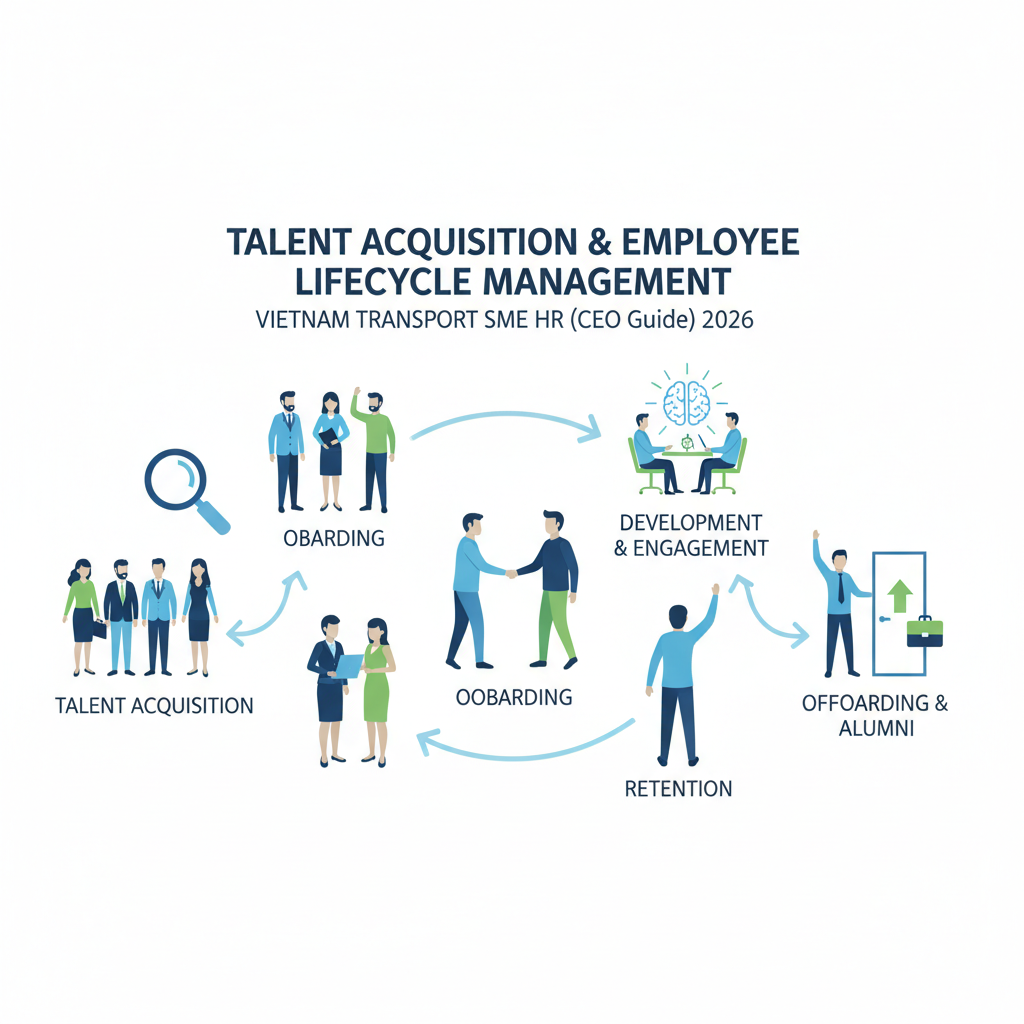
For a fresh CEO stepping into the dynamic and often challenging Vietnamese transport sector, understanding the intricacies of human resources isn’t just an administrative task—it’s a strategic imperative. The success of any transport SME hinges on its people, from the skilled drivers and logistics coordinators to the administrative staff. This section provides a step-by-step to understand SMEs HR structure for the fresh the CEO in the transportation field in Vietnam, delving into the practical steps of attracting, hiring, onboarding, and managing the entire employee journey, from recruitment to exit, ensuring your workforce is not just operational, but a competitive advantage.
1. Effective Recruitment Strategies for Transport Talent
Recruiting top talent in Vietnam’s transport sector demands a nuanced approach, given the specific skill sets required and the competitive landscape. Fresh CEOs must prioritize building a robust talent pipeline. Firstly, articulate clear job descriptions, focusing on the technical skills (e.g., specific vehicle operation, route optimization software, customs procedures) and soft skills (e.g., problem-solving, customer service, adaptability) essential for each role. Leverage a multi-channel recruitment strategy: utilizing local job boards like VietnamWorks and CareerBuilder, engaging with vocational training centers and universities for fresh graduates, and exploring professional networking platforms. Consider referral programs, as trusted employees can often recommend high-quality candidates who fit the company culture. Employer branding is paramount; highlight your company’s commitment to safety, fair labor practices, and career development to attract and retain the best. For critical roles, specialized headhunters with expertise in the logistics and transport industry can be invaluable. Don’t overlook the importance of compliance with Vietnamese labor laws throughout the recruitment process, ensuring fair hiring practices and avoiding discriminatory actions.
2. Streamlining Onboarding & Integration Processes
A structured and engaging onboarding process is crucial for converting new hires into productive, loyal team members, especially in a sector where immediate operational efficiency is key. Beyond standard HR paperwork, effective onboarding in transport SMEs should focus on several critical areas. Begin with a comprehensive orientation that covers company culture, values, safety protocols unique to the transport industry, and an overview of the fleet and operational procedures. Assigning a mentor or buddy from day one can significantly ease integration, providing a go-to person for questions and fostering a sense of belonging. Provide role-specific training, whether it’s familiarization with internal logistics software, advanced defensive driving courses, or customer interaction guidelines. For drivers and operational staff, this might include practical sessions with experienced colleagues. Regular check-ins during the first few weeks and months are vital to gauge progress, address concerns, and ensure the new employee feels supported and valued. A well-integrated employee is more likely to perform better, contribute to a positive work environment, and stay longer with the company.
3. Performance Management & Employee Development Programs
Sustaining high performance and fostering employee loyalty requires a continuous cycle of performance management and development. For a fresh CEO, establishing clear Key Performance Indicators (KPIs) tailored to each role within the transport operation is foundational. For drivers, this might include delivery efficiency, fuel consumption, and safety records; for logistics coordinators, it could involve route optimization metrics and error rates. Implement a regular feedback system, moving beyond annual reviews to include quarterly check-ins and informal conversations that encourage open dialogue. Recognition programs, even simple ones, can significantly boost morale and motivation. Crucially, invest in employee development. The transport sector is constantly evolving with technology and regulations; providing opportunities for upskilling (e.g., digital logistics tools, electric vehicle maintenance, advanced safety training) is not just a perk but a necessity for business resilience and growth. Create clear career progression paths within the SME, showing employees how they can grow from an entry-level position to a supervisory or specialized role. According to the International Labour Organization (ILO), continuous learning and fair labor practices are critical drivers for productivity and job satisfaction, directly impacting retention rates. By nurturing talent, CEOs can build a resilient, skilled, and motivated workforce capable of navigating the complexities of the Vietnamese transport market.
Compensation, Benefits & Compliance in Vietnam
For a fresh CEO stepping into the dynamic transportation field in Vietnam, understanding the intricacies of compensation, benefits packages, and strict legal compliance is paramount. This section provides a comprehensive guide to navigating these critical aspects, essential for building a robust SMEs HR structure, ensuring employee satisfaction, operational efficiency, and mitigating legal risks within the transportation industry.
Effectively managing remuneration, crafting competitive benefits packages, and adhering to Vietnamese labor laws and social insurance requirements are not just about avoiding penalties; they are fundamental to attracting and retaining skilled transport staff, fostering a positive work environment, and ultimately driving your business forward. Let’s walk through a Step by Step to understand SMEs HR Structure for the fresh the CEO in transportation field in vietnam, beginning with the foundations of wage management.
1. Navigating Vietnamese Wage Structures & Payroll
Understanding Vietnamese wage structures is the cornerstone of effective compensation management. The country operates on a regional minimum wage system, divided into four zones (I, II, III, IV), with Zone I having the highest minimum wage. As a fresh CEO in the transportation industry, you must correctly identify the zone your operations fall under to ensure compliance. Beyond basic wages, consider the various allowances common in Vietnam, such as housing, transportation, and meal allowances, which can significantly enhance a total remuneration package for transport staff.
Payroll management in Vietnam presents unique challenges, particularly regarding mandatory contributions. Employers are responsible for contributing to social insurance (Social Insurance, Health Insurance, Unemployment Insurance) for their employees, typically calculated as a percentage of their monthly salary. Additionally, personal income tax (PIT) must be accurately calculated and remitted. Managing overtime, night shift differentials, and holiday pay also requires meticulous attention to detail to ensure adherence to Vietnamese labor laws. Implementing robust payroll systems is crucial to avoid discrepancies and maintain legal standing. Accurate record-keeping of working hours, attendance, and remuneration is vital for transparency and audits, especially for a burgeoning transportation SME.
2. Designing Competitive Benefits Packages for Transport Staff
Attracting and retaining high-quality talent in the competitive transportation sector goes beyond just offering a good salary. A well-structured, competitive benefits package is essential. For transport staff, consider benefits tailored to their specific roles and the industry’s demands. This might include robust health insurance coverage, accident insurance (given the inherent risks of the job), and life insurance.
Beyond statutory requirements, think about performance-based bonuses, fuel allowances, and vehicle maintenance perks for drivers. Professional development opportunities, such as advanced driver training, logistics management courses, or even language skills enhancement, can be highly valued, improving employee loyalty and operational efficiency. Furthermore, providing clear career progression paths within your SMEs HR structure can significantly reduce turnover. A proactive approach to employee well-being, including regular health checks or wellness programs, can also differentiate your company as a preferred employer. Designing such packages requires a deep understanding of both employee needs and the market standards in Vietnam’s transportation industry.
3. Ensuring Legal Compliance & Risk Mitigation (Labor Law)
Compliance with Vietnamese labor law is non-negotiable for any business operating in the country, especially for transportation SMEs where regulations often have specific nuances. The Vietnamese Labor Code governs all aspects of employment, from recruitment to termination. Key areas to focus on include drafting legally compliant employment contracts (fixed-term, indefinite, or seasonal), clearly defining probation periods, working hours (including limits on overtime), rest periods, and annual leave entitlements. Understanding the regulations surrounding social insurance contributions (Social Insurance, Health Insurance, Unemployment Insurance) is critical, as non-compliance can lead to significant penalties.
Furthermore, employers must be aware of trade union requirements, which can play a significant role in employee relations. Risk mitigation involves not only understanding these laws but also implementing internal policies and procedures that align with them. This includes establishing clear disciplinary processes, grievance procedures, and fair termination protocols. Regular audits of HR practices and staying updated on amendments to labor laws are vital to prevent legal disputes and fines. For a fresh CEO, investing in expert legal counsel or HR advisory services can be invaluable in navigating this complex landscape, safeguarding your company’s reputation and financial stability in the Vietnamese transportation industry.
Building a Positive Culture & Future-Proofing HR
This section addresses the importance of company culture, employee engagement, and leveraging technology to build a resilient and forward-thinking HR department for sustained success.
For a fresh CEO entering the dynamic world of transportation in Vietnam, especially within Small and Medium-sized Enterprises (SMEs), understanding and transforming the human resources landscape is paramount. The long-term success of any organization, particularly one navigating the fast-paced logistics and transport sector, hinges not just on operational efficiency but critically on its people. Building a thriving work environment and future-proofing the HR function are essential strategic imperatives. This involves fostering a strong company culture, actively engaging employees, and strategically integrating technology to enhance HR processes. To gain a comprehensive understanding, a Step by Step to understand SMEs HR Structure for the fresh the CEO in transportation field in vietnam is crucial, providing insights into optimising human capital for sustained growth and resilience.

1. Fostering a Strong Company Culture & Employee Engagement
A robust company culture is the backbone of any successful SME, particularly in a demanding field like transportation. It defines the shared values, beliefs, attitudes, and practices that shape the work environment and influence employee behavior. For a Vietnamese transportation SME, a positive culture can translate into higher morale, better teamwork, and improved customer service, directly impacting efficiency and reputation. To cultivate such an environment, CEOs must prioritize open communication, transparency, and a sense of belonging. This includes clearly articulating company values, celebrating achievements, and establishing channels for constructive feedback.
Employee engagement goes hand-in-hand with culture. Engaged employees are more productive, committed, and less likely to seek opportunities elsewhere. Strategies for boosting engagement in a transportation setting might include recognizing the often strenuous work of drivers and logistics staff, offering professional development opportunities, and ensuring fair compensation and benefits. Providing clear career paths and opportunities for skills enhancement, such as training in new logistics software or vehicle maintenance, can significantly enhance an employee’s connection to their role and the company. Furthermore, fostering a sense of psychological safety where employees feel comfortable expressing ideas and concerns is vital. Research consistently shows that a strong positive company culture directly correlates with higher employee satisfaction and retention rates.
2. Leveraging HR Technology for Efficiency (HRIS)
In today’s digital age, relying solely on manual HR processes is inefficient and unsustainable, especially for SMEs looking to scale. Implementing a Human Resources Information System (HRIS) is a foundational step towards future-proofing HR. An HRIS centralizes and automates critical HR functions, from recruitment and onboarding to payroll, benefits administration, performance management, and time tracking. For a transportation SME, this could mean streamlining the management of driver licenses, vehicle assignments, shift schedules, and training certifications – tasks often complex and time-consuming when handled manually.
The benefits extend beyond mere automation. An HRIS provides valuable data and analytics, enabling CEOs to make informed decisions about workforce planning, talent development, and cost management. For instance, analyzing recruitment data can reveal the most effective hiring channels, while performance metrics can identify areas for targeted training. By reducing administrative burdens, HR professionals can shift their focus from transactional tasks to more strategic initiatives, such as talent development and cultural enhancement. This technological leap allows HR to become a strategic partner rather than just an administrative function, ensuring the company is agile and responsive to market changes.
3. Developing Succession Planning & Talent Retention Strategies
The transportation sector in Vietnam, like many industries globally, faces challenges in talent acquisition and retention. Developing robust succession planning and talent retention strategies is crucial for long-term operational continuity and growth. Succession planning involves identifying critical roles within the organization and preparing internal candidates to fill those positions when they become vacant. This includes key operational roles like fleet managers, dispatch supervisors, and even senior management. For a fresh CEO, understanding the current talent pool and identifying potential leaders is a strategic priority to ensure smooth transitions and minimize disruptions.
Talent retention strategies aim to keep valuable employees within the company. Beyond competitive salaries, this involves creating an environment where employees feel valued, supported, and see opportunities for growth. This could include mentorship programs, leadership development initiatives, and cross-training opportunities that broaden skill sets. For a transportation SME, retaining experienced drivers, mechanics, and logistics coordinators is particularly vital, as their expertise is often difficult to replace. A comprehensive retention strategy also considers employee well-being, work-life balance, and fostering a sense of community. By actively investing in their people’s growth and satisfaction, companies can reduce turnover, maintain institutional knowledge, and build a resilient workforce. There are often 13 key areas to focus on when reviewing HR structure for optimal performance, contributing to a strategic approach that involves a resilient culture, leveraged technology, and secure talent, ensuring the business is equipped for sustained success.
Partner with Shelby Global
You are looking for reliable HR Sevice Suppliers? Contact Shelby Global Now! To connect with verified talents and upgrade your orginization.
—————————————
References
– International Labour Organization’s overview of Vietnam’s Labor Code: https://www.ilo.org/dyn/natlex/natlex4.detail?p_lang=en&p_isn=109279&p_country=VNM&p_count=238
– Small Business HR Management Toolkit: https://www.shrm.org/resources-and-tools/tools-and-samples/toolkits/managing-human-resources-in-a-small-business
– International Labour Organization (ILO): https://www.ilo.org/global/topics/labour-statistics/lang–en/index.htm
– A Guide to Labor Law in Vietnam: https://www.vietnam-briefing.com/news/guide-to-labor-law-in-vietnam.html/
– The Future of Company Culture: https://hbr.org/2022/02/the-future-of-company-culture