Overview of Singapore’s FMCG Job Market
The Fast-Moving Consumer Goods (FMCG) sector in Singapore stands as a cornerstone of its vibrant economy, presenting a dynamic landscape ripe with opportunities for both seasoned professionals and emerging talent. As a regional hub for trade, innovation, and digital transformation, Singapore’s FMCG job market is characterized by rapid evolution, driven by sophisticated consumer demands, technological advancements, and a competitive retail environment. Understanding this intricate ecosystem is paramount for anyone navigating career paths within leading FMCG companies in Singapore, from multinational corporations to agile local startups. This section offers an insightful overview, highlighting the sector’s significance and setting the stage for a deeper dive into critical aspects like compensation benchmarking and growth trajectories. For job seekers, a clear grasp of market dynamics can significantly impact career planning and salary expectations, while employers rely on accurate data to attract and retain top-tier talent in a highly competitive arena.
1. Growth Trends in Singapore’s FMCG Sector
Despite global economic fluctuations, Singapore’s FMCG sector has consistently demonstrated resilience and robust growth, positioning itself as a beacon for career opportunities. This sustained expansion is fueled by several factors, including a high disposable income among its population, a strong influx of tourism, and Singapore’s strategic position as a gateway to Southeast Asia’s burgeoning consumer markets. The sector has witnessed significant shifts, embracing sustainability, health-conscious trends, and a surge in e-commerce adoption, transforming traditional retail landscapes. Companies are increasingly investing in product innovation, supply chain optimization, and digital marketing strategies to capture market share. This continuous evolution means that FMCG jobs Singapore are not just about sales and marketing but also encompass roles in data analytics, e-commerce management, logistics, and R&D. The demand for skilled professionals who can navigate these changing currents remains high, signaling a promising employment outlook for those looking to build a career in this vibrant industry. The emphasis on innovation and digital integration ensures that the sector remains future-proof, fostering an environment of continuous learning and development for its workforce.
2. Key Market Drivers and Industry Size
The substantial size and dynamic nature of Singapore’s FMCG industry are propelled by a confluence of powerful market drivers. Digital transformation, in particular, has reshaped the retail landscape, with e-commerce becoming an indispensable channel for consumer goods distribution. This shift has necessitated new skill sets in areas such as digital marketing, analytics, and last-mile delivery. Furthermore, changing consumer preferences, particularly a growing demand for sustainable, healthy, and premium products, are compelling FMCG companies to innovate and diversify their offerings. Singapore’s role as a regional trade hub also magnifies the industry’s influence, attracting global brands seeking to establish or expand their presence in Asia. According to a report by Statista, the revenue in the Singaporean Food market alone is projected to reach US$12.33bn in 2024, indicating the vast scale of just one segment within the broader FMCG sector. This impressive market size translates into a wide array of career opportunities across various functions, from brand management and product development to supply chain management and retail operations. The emphasis on sustainability and ethical sourcing further defines the modern consumer goods industry, creating roles focused on corporate social responsibility and environmental impact.
3. Importance of Compensation Benchmarking
In such a competitive and rapidly evolving environment, understanding the salary range report of jobs in FMCG companies in Singapore is not merely an advantage but a necessity for both job seekers and employers. Compensation benchmarking provides crucial insights into competitive salaries, benefits, and overall compensation packages across various roles and experience levels within the FMCG sector growth in Singapore. For professionals, access to a reliable salary range report of jobs in FMCG companies in singapore empowers them to negotiate fair remuneration, align their expectations with market realities, and make informed career decisions. It helps in assessing the true value of their skills and experience within roles like marketing managers, sales directors, supply chain specialists, or brand managers. Conversely, for talent acquisition teams and HR departments, comprehensive salary data is indispensable for attracting and retaining top FMCG talent. Fair and competitive compensation directly impacts employee morale, productivity, and turnover rates. In a market where skilled individuals are highly sought after, offering compensation that aligns with or exceeds industry standards is key to securing the best candidates and maintaining a strong workforce. This benchmarking also aids companies in identifying salary gaps, ensuring internal equity, and developing robust human resources strategies that support sustainable business growth and employee satisfaction. Understanding these market trends in compensation is therefore critical for navigating the complexities of Singapore’s thriving FMCG job market effectively.

Core Factors Shaping FMCG Salaries
Understanding the salary range report of jobs in FMCG companies in singapore requires a deep dive into several interconnected factors. The Fast-Moving Consumer Goods (FMCG) sector, characterized by high volume, low margin, and rapid product turnover, offers diverse career paths ranging from marketing and sales to supply chain, finance, and human resources. For professionals seeking opportunities or looking to benchmark their compensation, grasping these core influences is crucial. From the foundational impact of experience to the strategic advantage of specialized skills and the structural differences between company types, each element plays a significant role in determining a professional’s earning potential within Singapore’s dynamic FMCG landscape.
1. Impact of Experience and Seniority
Unsurprisingly, experience and seniority are paramount determinants of FMCG salaries in Singapore. Entry-level roles, such as junior marketing executives, sales representatives, or supply chain coordinators, will typically fall within a specific starting salary range report of jobs in FMCG companies in singapore, reflecting foundational skills and a learning curve. As professionals accumulate years of experience, demonstrate consistent performance, and take on greater responsibilities, their compensation naturally escalates.
Mid-career professionals, often holding positions like brand managers, key account managers, or logistics managers, command significantly higher salaries due to their proven track record, strategic input, and leadership capabilities. These roles demand a deeper understanding of market dynamics, consumer behavior, and operational efficiencies. For instance, a brand manager with 5-7 years of experience managing a portfolio of products will have a substantially higher earning potential than a fresh graduate.
At the senior leadership level – directors, vice presidents, and C-suite executives in areas like Sales, Marketing, Supply Chain, or HR – FMCG executive pay Singapore reaches its peak. These roles involve significant strategic decision-making, P&L responsibility, talent management, and shaping the company’s overall direction. Their compensation packages often include substantial bonuses, stock options, and other benefits, reflecting the high level of accountability and impact they have on the organization’s success. Continuous professional development, leadership training, and a history of achieving challenging targets are vital for progression to these top-tier senior roles FMCG.
2. Influence of Company Type (MNC vs. Local)
The type of company a professional works for profoundly impacts FMCG compensation in Singapore. Generally, multinational corporations (MNCs) tend to offer more competitive salaries and comprehensive benefits packages compared to local or regional companies. Global FMCG giants like Procter & Gamble, Unilever, Nestlé, Coca-Cola, and PepsiCo often have standardized global pay scales that are benchmarked against international markets, leading to higher base salaries and often more robust bonus structures.
MNCs typically boast larger budgets, more structured career progression paths, extensive training programs, and exposure to global best practices. They also frequently provide benefits such as superior healthcare plans, generous leave policies, and opportunities for international assignments. For those seeking a higher FMCG salary range Singapore, an MNC is often the preferred choice.
Conversely, local FMCG companies in Singapore, while offering unique opportunities such as greater autonomy, a flatter hierarchy, and quicker decision-making processes, may have more constrained budgets for compensation. Their salary range report of jobs in FMCG companies in singapore might be slightly lower than their MNC counterparts, though this can be offset by a more entrepreneurial environment, closer interaction with senior leadership, and a direct impact on the company’s growth story. Some successful local players might still offer highly attractive packages, especially for critical roles, but on average, the larger MNCs lead in terms of direct financial compensation.
3. Role of Specialization and Niche Skills
In a rapidly evolving industry like FMCG, specialization and the possession of niche skills can significantly elevate a professional’s salary in FMCG companies in Singapore. Beyond generalist roles, specific expertise in high-demand areas commands a premium.
For instance, the rise of digital commerce has made digital marketing FMCG salary and e-commerce FMCG salary particularly lucrative. Professionals skilled in areas like SEO, SEM, content marketing, social media strategy, data analytics for consumer insights, and managing online marketplaces are highly sought after. A data analytics FMCG salary for someone proficient in predictive modeling and consumer behavior analysis can be exceptionally competitive, given the importance of data-driven decision-making in optimizing product launches and marketing campaigns.
Similarly, specific supply chain specializations, such as demand planning, logistics optimization, or sustainable sourcing, are increasingly valuable. In marketing, expertise in specific categories (e.g., beauty, food & beverage, personal care), product innovation, or brand strategy for new market entry can also lead to enhanced earning potential. For example, a brand manager salary with a proven track record in successful product innovation or market expansion would typically be higher. Professionals who continuously upskill, acquire certifications, and demonstrate expertise in these specialized and future-forward areas position themselves to negotiate a significantly more attractive salary range report of jobs in FMCG companies in singapore.
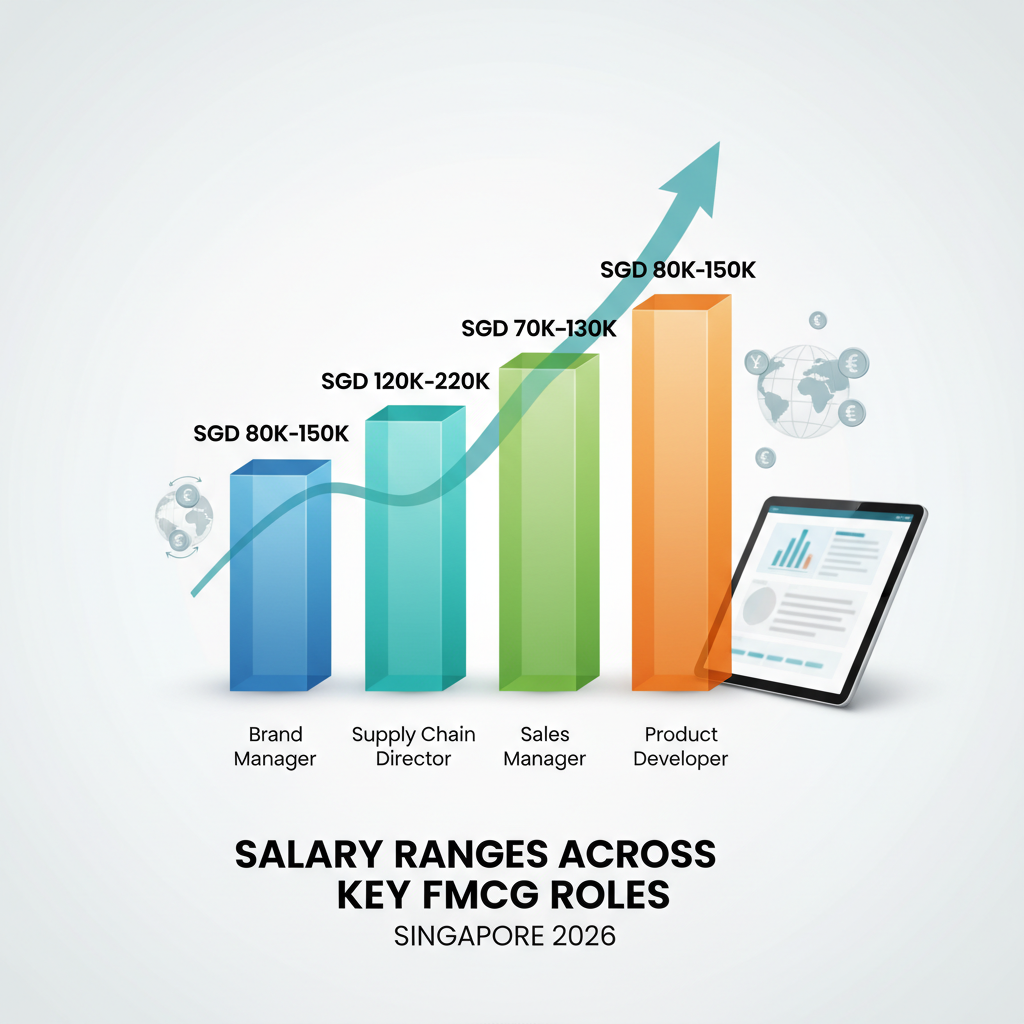
Salary Ranges Across Key FMCG Roles
Provides an estimated breakdown of salary expectations for common and critical job functions within FMCG companies.
Navigating the dynamic landscape of the Fast-Moving Consumer Goods (FMCG) sector in Singapore requires a clear understanding of compensation benchmarks. For professionals seeking opportunities or companies aiming to attract top talent, a comprehensive salary range report of jobs in FMCG companies in Singapore is an invaluable tool. This section delves into estimated salary expectations across key functions, offering insights into the earning potential within this robust industry. Understanding these figures is crucial for career planning and talent acquisition strategies in the competitive Singapore job market. The FMCG sector, known for its innovation and rapid pace, offers diverse roles, from strategic marketing to intricate supply chain management, each with its distinct compensation structure. We’ll explore typical remuneration for entry-level FMCG salaries up to senior management pay, providing a holistic view of executive compensation.
1. Marketing and Sales Professionals
The lifeblood of any FMCG company lies in its ability to market and sell its products effectively. Roles within marketing and sales are highly competitive and often come with performance-based incentives. For a Brand Manager compensation in Singapore’s FMCG sector, mid-level professionals can expect to earn between S$5,000 to S$9,000 monthly, depending on the brand’s portfolio and company size. A seasoned Marketing Director salary Singapore can command S$15,000 to S$25,000+ per month, reflecting their strategic impact on market share and brand growth. Sales executive earnings typically start from S$3,000 to S$4,500 for entry-level positions, potentially rising to S$8,000 to S$15,000 for a Sales Manager, especially those with a proven track record in key account management or regional sales leadership. Senior sales leadership roles, such as Sales Director, often exceed S$18,000. These roles are critical for driving revenue and brand visibility, making them among the most sought-after fast-moving consumer goods jobs. The demand for skilled professionals who can navigate complex consumer preferences and market dynamics remains consistently high.
2. Supply Chain and Operations Specialists
Efficiency in logistics and operations is paramount for FMCG companies. Supply Chain and Operations Specialists ensure products move seamlessly from production to shelves. An entry-level Supply Chain Analyst can anticipate monthly earnings from S$3,500 to S$5,000. Professionals with a few years of experience, such as a Logistics Specialist pay, might see salaries in the range of S$4,500 to S$8,000. A Supply Chain Manager salary Singapore typically falls between S$8,000 and S$16,000, varying based on the complexity of the supply chain, global reach, and the volume of goods managed. For senior leadership, such as a Head of Supply Chain or Operations Director, remuneration can escalate significantly, reaching S$15,000 to S$28,000+ per month. These mid-career FMCG roles are crucial for optimizing costs, enhancing delivery speed, and maintaining product freshness, directly impacting profitability. The consumer goods industry trends emphasize robust and resilient supply chains, especially given recent global disruptions, leading to increased investment in talent acquisition FMCG for these vital functions.
3. R&D, Quality, and Technical Experts
Innovation and product integrity are cornerstones of the FMCG industry, making R&D, Quality Assurance (QA), and Technical Experts indispensable. An entry-level R&D Scientist salary typically ranges from S$3,500 to S$5,500 per month, increasing with specialization and experience. A seasoned R&D Scientist or QA Specialist can expect S$5,000 to S$9,000, particularly those involved in product development or regulatory compliance for quality assurance jobs Singapore. For roles like R&D Manager or QA Manager, salaries often fall between S$9,000 and S$18,000. At the senior end, a Technical Director or Head of R&D can command S$16,000 to S$30,000+ per month, reflecting their leadership in innovation, product formulation, and adherence to stringent quality standards. This technical expert remuneration reflects the specialized knowledge required to develop new products, improve existing ones, and ensure all offerings meet safety and quality benchmarks. The continuous push for sustainable and healthier products ensures these specialized roles remain critical to the industry’s evolution. For a deeper dive into regional compensation trends, consider reviewing comprehensive industry reports like the Hays Singapore Salary Guide.
In conclusion, while these figures provide a general guideline, actual salaries can vary based on company size, specific responsibilities, individual experience, educational qualifications, and negotiation skills. The demand for skilled professionals across all functions continues to drive competitive salary structures within the FMCG Singapore salaries landscape, making it an attractive sector for career growth and professional development.
Beyond Base Pay: Benefits and Future Outlook
While understanding the base pay is crucial when evaluating career opportunities, a comprehensive perspective on compensation within the Fast-Moving Consumer Goods (FMCG) sector in Singapore necessitates looking beyond the fixed monthly sum. The dynamic nature of the FMCG market means that total compensation packages are increasingly sophisticated, incorporating a range of benefits and incentives designed to attract and retain top talent. This section delves into these additional components, explores how emerging trends like digitalization and sustainability are reshaping remuneration, and offers projections for what the future holds for a detailed salary range report of jobs in FMCG companies in singapore for 2026 and beyond.
1. Bonuses, Allowances, and Non-Monetary Benefits
In Singapore’s competitive FMCG sector salaries, a significant portion of an employee’s total remuneration often comes from variable pay and non-monetary perks. Performance bonuses are a cornerstone, typically tied to individual key performance indicators (KPIs), team achievements, and overall company profitability. Sales roles, for instance, frequently include attractive sales compensation FMCG structures with commissions that can substantially boost earnings. Beyond performance, various benefits packages FMCG companies offer include allowances for transport, meals, and mobile communications, which help offset daily expenses. For senior roles or expatriate hires, housing allowances might also be part of the package, enhancing the overall value proposition.
However, compensation extends beyond the purely financial. Non-monetary perks play an increasingly vital role in talent attraction Singapore and retention. These can range from comprehensive health, dental, and vision insurance to wellness programs, gym memberships, and even on-site amenities. Flexible work arrangements, professional development opportunities through training and certifications, and generous employee discounts on company products are highly valued. Some progressive FMCG Singapore firms also offer stock options or share purchase schemes, aligning employee interests with the long-term success of the company. These elements collectively paint a clearer picture of the true value of a position, contributing significantly to employee satisfaction and loyalty in a market where FMCG compensation trends Singapore are always evolving.
2. Impact of Digitalization and Sustainability
Two major forces are currently reshaping not only the operational landscape but also the compensation structures within the FMCG industry: digital transformation FMCG and a heightened focus on sustainability. The rapid adoption of technology has led to an increased demand for specialized skills. Roles in e-commerce jobs Singapore, data analytics FMCG, digital marketing, and supply chain optimization using AI and machine learning are commanding higher premiums. Professionals with expertise in leveraging digital tools to enhance consumer engagement, streamline operations, and drive data-driven decisions are invaluable, resulting in competitive marketing salaries Singapore and tech-related roles within FMCG.
Concurrently, the global shift towards environmental, social, and governance (ESG) principles has created new job categories and elevated the importance of others. Sustainability roles FMCG, such as Sustainability Managers, ESG Analysts, and Circular Economy Specialists, are emerging with attractive remuneration packages. Companies are willing to invest in expertise that helps them achieve sustainable sourcing, reduce environmental footprint, and meet ethical consumer demands. This focus not only influences new roles but also permeates existing functions, with HR (Human Resources) and procurement professionals needing to integrate sustainability metrics into their operations, impacting their overall compensation potential. The interplay between these trends underscores a future where specialized knowledge directly translates into enhanced earning potential, making continuous learning crucial for career progression FMCG.
3. Salary Projections for 2026 and Beyond
Forecasting FMCG sector salaries for 2026 and beyond in Singapore involves considering several key drivers. The persistent demand for specialized skills, particularly in digital and sustainability domains, will likely continue to exert upward pressure on wages for those with sought-after expertise. Talent scarcity in niche areas, coupled with inflationary pressures and the ongoing competition from other lucrative sectors, suggests a landscape of steady, albeit potentially modest, growth in base salaries. However, the greater growth potential lies in total compensation packages, driven by increasingly sophisticated performance bonuses and attractive benefits.
The future of work FMCG will see companies leveraging data to refine compensation strategies, ensuring they remain competitive. Specific sub-sectors within FMCG, such as health and wellness, plant-based products, and direct-to-consumer (DTC) e-commerce brands, are expected to experience robust growth, potentially leading to higher compensation benchmarks in these areas. For a detailed perspective on the current and projected remuneration, consult comprehensive resources like the Hays Salary Guide Singapore, which provides valuable insights into FMCG compensation trends Singapore. Ultimately, continuous professional development and strategic upskilling will be paramount for individuals looking to maximize their earning potential and secure compelling salary ranges in the evolving job market for FMCG companies in Singapore.
Strategies to Boost Your FMCG Earning Potential
In Singapore’s dynamic Fast-Moving Consumer Goods (FMCG) sector, professionals seeking to maximize their earning potential and ascend the career ladder must adopt a proactive and strategic approach. Understanding the intricacies of the market, identifying critical skills, and mastering negotiation techniques are paramount. This section offers practical advice and actionable steps designed to help you navigate the competitive landscape, ultimately enhancing your salary and advancing your career in the vibrant Singaporean FMCG industry.
1. Identifying In-Demand Skills and Qualifications
To truly boost your FMCG earning potential, a keen understanding of the skills and qualifications currently most valued by employers in Singapore is essential. The FMCG landscape is rapidly evolving, driven by digital transformation, sustainability imperatives, and shifting consumer behaviors. Employers are increasingly seeking professionals proficient in areas such as e-commerce strategy, data analytics for consumer insights, supply chain optimization (especially with an emphasis on resilience and sustainability), and digital marketing. Familiarity with emerging technologies like AI and machine learning, alongside strong project management and cross-functional collaboration skills, can significantly differentiate a candidate. By aligning your professional development with these in-demand areas, you not only make yourself more attractive to top-tier FMCG companies but also position yourself for roles that command higher salaries. Regularly consulting industry reports and professional surveys, such as those published by leading recruitment firms, can provide invaluable insights into these trends. For instance, understanding the broader salary trends and in-demand skills across Asia can offer a crucial competitive edge when aiming to understand the salary range report of jobs in FMCG companies in Singapore.
2. Effective Salary Negotiation Techniques
Once you’ve identified your value proposition, effective salary negotiation becomes the pivotal step in translating your skills into a higher earning potential. Many professionals shy away from negotiating, but it’s a critical aspect of career advancement. The first rule is thorough research. Before entering any negotiation, you must have a clear understanding of the market rates for roles similar to yours within FMCG companies in Singapore. This is where a reliable salary range report of jobs in FMCG companies in Singapore becomes your most powerful tool. It provides data-backed insights into what professionals with comparable experience and skills are earning. When negotiating, focus on articulating your unique value, highlighting specific achievements and contributions that demonstrate your impact on previous roles. Be prepared to discuss your expectations confidently, citing your research. Remember to consider the entire compensation package, including bonuses, benefits (health insurance, leave, professional development allowances), and long-term incentives. A confident, well-researched approach, coupled with a willingness to respectfully advocate for your worth, can significantly impact your final offer. Don’t be afraid to ask for a few days to consider an offer; this provides time to evaluate and, if necessary, prepare a thoughtful counter-proposal.
3. Pathways for Career Growth and Development
Sustaining and growing your FMCG earning potential is not a one-time event; it requires a continuous commitment to career growth and development. This involves strategically planning your career trajectory, not just reacting to opportunities. Actively seek out roles and projects that expand your skill set, particularly those in areas identified as high-growth or critical to the future of FMCG, such as digital transformation or sustainability initiatives. Mentorship plays a crucial role; finding experienced professionals who can guide you and provide insights into navigating career challenges can be invaluable. Networking, both within your company and across the broader industry, opens doors to new opportunities and enhances your professional visibility. Consider pursuing further education or certifications relevant to your desired career path, which can often lead to accelerated promotions and higher salaries. Leadership development programs, cross-functional assignments, and even international experience (if available) can significantly enhance your profile and prepare you for senior management positions. By consistently investing in your professional development and strategically positioning yourself for leadership roles, you ensure a sustained increase in your earning power, staying ahead of the curve in the competitive FMCG job market in Singapore, and continuously improving your standing relative to the average data in any salary range report of jobs in FMCG companies in Singapore.
By proactively identifying in-demand skills, mastering salary negotiation, and committing to continuous career growth, you can effectively boost your earning potential and achieve significant career advancement within Singapore’s vibrant FMCG sector. The strategic application of these principles, backed by a clear understanding of market data such as the salary range report of jobs in FMCG companies in Singapore, will pave the way for a rewarding and prosperous career.
Partner with Shelby Global
You are looking for reliable HR Sevice Suppliers? Contact Shelby Global Now! To connect with verified talents and upgrade your orginization.
—————————————
References
– Statista Singapore Food Market Outlook: https://www.statista.com/outlook/fo/food/singapore
– Hays Salary Guide Singapore: https://www.hays.com.sg/salary-guide
– Hays Singapore Salary Guide: https://www.hays.com.sg/salary-guide
– Hays Salary Guide Singapore: https://www.hays.com.sg/salary-guide
– Hays Singapore Salary Guide and Insights: https://www.hays.com.sg/salary-guide