Understanding Singapore’s Employment Law Basics for E-commerce
For e-commerce businesses establishing a presence in Singapore, navigating the local employment law landscape is not just a matter of compliance, but a strategic imperative for sustainable growth. A solid grasp of foundational Legal HR terms & conditions for Ecommerce field in singapore is crucial from day one, ensuring fair practices, mitigating risks, and fostering a productive work environment. This section provides an overview of the foundational employment laws in Singapore that directly impact e-commerce businesses, ensuring a compliant start for HR practices.

1. Employment Act (EA) & Key Provisions for Online Businesses
The cornerstone of Singapore’s employment legislation is the Employment Act (EA). While it generally covers all employees, certain roles and salary thresholds (e.g., managerial and executive employees earning above S$4,500 are not covered by Part IV of the EA relating to hours of work, rest days, and public holidays) dictate its full applicability. For e-commerce, this means understanding how the EA impacts your diverse workforce, from warehouse staff and customer service representatives to digital marketers and tech developers. Key provisions of the EA that are particularly pertinent to online businesses include stipulated working hours, which are often flexible or remote in e-commerce, and guidelines around overtime pay, rest days, and public holidays. It also details entitlements for annual leave, sick leave, maternity and paternity leave, ensuring that even employees in dynamic, fast-paced e-commerce roles receive their statutory benefits. Furthermore, the EA outlines clear procedures for payment of salaries, termination of employment (including notice periods), and handling of retrenchment benefits. Adhering to these provisions is essential to avoid disputes and maintain a reputation as a responsible employer in the digital economy.
2. Types of Employment Contracts: Full-time, Part-time, Freelance
E-commerce often thrives on agility, leading businesses to employ a mix of talent engagement models. Understanding the distinctions between full-time, part-time, and freelance contracts is critical for compliance and effective resource management. A full-time employee is typically covered comprehensively by the Employment Act, entitling them to all statutory benefits, including CPF contributions, leave, and protection against unfair dismissal. Part-time employees, defined as those working less than 35 hours a week, also fall under the EA, but their benefits (like annual leave and sick leave) are often pro-rated based on their working hours. It’s crucial to correctly calculate and provide these pro-rated benefits. The engagement of freelancers or independent contractors, however, sits outside the EA’s scope. These individuals are typically engaged via a contract for service, not a contract of service. This distinction is vital; misclassifying an employee as a freelancer can lead to significant legal and financial repercussions, including back payment of CPF, statutory leave, and other benefits. E-commerce businesses should have clearly drafted service agreements for freelancers that outline deliverables, payment terms, and intellectual property rights, ensuring there is no ambiguity about the nature of their engagement.
3. Tripartite Guidelines on Fair Employment Practices (TGFEP) Compliance
Beyond the legal mandates of the Employment Act, Singapore strongly advocates for fair employment practices through the Tripartite Guidelines on Fair Employment Practices (TGFEP). These guidelines promote merit-based hiring and employment practices, emphasizing non-discrimination based on age, gender, race, religion, marital status, or disability. For e-commerce businesses, TGFEP compliance means adopting transparent and objective recruitment processes, focusing on candidates’ skills and experience rather than personal attributes. This applies to job advertisements, interview processes, and promotion opportunities. It also encourages fair treatment in all employment decisions, from training and development to performance appraisals and retrenchment. Embracing TGFEP principles not only ensures compliance but also enhances an e-commerce company’s brand reputation, attracts a wider pool of diverse talent, and fosters an inclusive workplace culture. This commitment to fairness is increasingly important in Singapore’s competitive job market, where a diverse workforce can drive innovation and better cater to a diverse customer base.
By understanding and meticulously applying these fundamental employment laws and guidelines, e-commerce businesses in Singapore can build a robust and compliant HR framework, setting the stage for long-term success and mitigating potential legal challenges.
Navigating Data Protection & Privacy in E-commerce HR
In the rapidly evolving landscape of e-commerce, businesses continually collect, process, and store vast amounts of data, not just from customers but also from their most valuable assets: employees. Protecting this sensitive employee data is paramount, especially for e-commerce companies operating in Singapore, where stringent regulations like the Personal Data Protection Act (PDPA) dictate how such information must be managed. Understanding and adhering to these requirements is crucial for establishing robust Legal HR terms & conditions for Ecommerce field in singapore, safeguarding privacy, and building trust.
This section explores the critical aspects of protecting employee data within an e-commerce context, addressing PDPA compliance, robust data security measures, and best practices for managing sensitive information, ensuring that your HR practices are not only efficient but also legally sound and ethically responsible.
1. Personal Data Protection Act (PDPA) Compliance for Employee Data
The Personal Data Protection Act (PDPA) is Singapore’s comprehensive data protection law, establishing a data protection regime that governs the collection, use, and disclosure of personal data by organizations. For e-commerce HR departments, PDPA compliance is not merely a legal obligation but a cornerstone of ethical employee management. It mandates that organizations obtain consent for data collection, use, and disclosure, ensure the accuracy of data, implement reasonable security measures, and have policies for data retention and disposal. This applies to a wide range of employee information, including personal identification details, medical records, performance reviews, and payroll information.
E-commerce HR teams must ensure their processes align with the PDPA’s nine obligations: Consent, Purpose Limitation, Notification, Access and Correction, Accuracy, Protection, Retention Limitation, Transfer Limitation, and Accountability. A key aspect for employers is understanding that while some data processing for employment purposes is permitted without explicit consent (e.g., payroll processing, benefits administration), transparency and proper notification remain essential. Neglecting these aspects can lead to significant penalties and reputational damage. For detailed guidance on employers’ responsibilities, the Personal Data Protection Commission (PDPC) offers comprehensive resources for the HR sector, helping e-commerce firms navigate these complex requirements.
2. Data Security Measures for Remote E-commerce Teams
The prevalence of remote and hybrid work models in e-commerce introduces unique challenges for data security. Employee data, often accessed and processed from various locations and devices, becomes more vulnerable to breaches. Robust data security measures are therefore indispensable to protect sensitive employee information. This extends beyond protecting customer credit card details to ensuring the integrity and confidentiality of employee records.
Key strategies for e-commerce HR in a remote setting include implementing strong encryption for all data, both in transit and at rest, and mandating the use of secure virtual private networks (VPNs) for accessing company networks. Strict access controls, based on the principle of least privilege, should ensure that only authorized HR personnel can access sensitive employee files. Regular security audits and vulnerability assessments are crucial to identify and mitigate potential weaknesses. Furthermore, comprehensive cybersecurity training for all employees, especially those handling personal data, is vital to raise awareness about phishing, malware, and secure remote work practices. An effective incident response plan is also critical for quickly addressing any data breaches, minimizing harm, and ensuring compliance with notification requirements.
3. Consent and Disclosure of Employee Information Guidelines
One of the most critical aspects of PDPA compliance for e-commerce HR is the proper management of consent and disclosure of employee information. Employers must generally obtain clear, explicit consent from employees before collecting, using, or disclosing their personal data, especially for purposes not directly related to their employment contract. This includes, but is not limited to, sharing information with third-party vendors for benefits administration, background checks by external agencies, or using employee photos for marketing materials.
E-commerce HR departments should establish transparent policies outlining what data is collected, why it’s collected, how it will be used, and with whom it might be shared. Employees must be informed of their rights to withdraw consent and the implications of doing so. When disclosing data to third parties, robust data protection agreements must be in place to ensure that these vendors adhere to similar or higher standards of data protection. This careful approach to consent and disclosure forms a vital part of establishing comprehensive Legal HR terms & conditions for Ecommerce field in singapore, ensuring that all interactions concerning employee data are transparent, lawful, and respect individual privacy rights.
In conclusion, navigating data protection and privacy in e-commerce HR in Singapore requires a proactive and comprehensive approach. By prioritizing PDPA compliance, implementing stringent data security measures for both in-office and remote teams, and meticulously managing consent and disclosure, e-commerce businesses can protect their employees’ sensitive data, uphold their legal obligations, and foster a culture of trust and transparency.
Remote Work & Flexible Arrangements: Legal Considerations
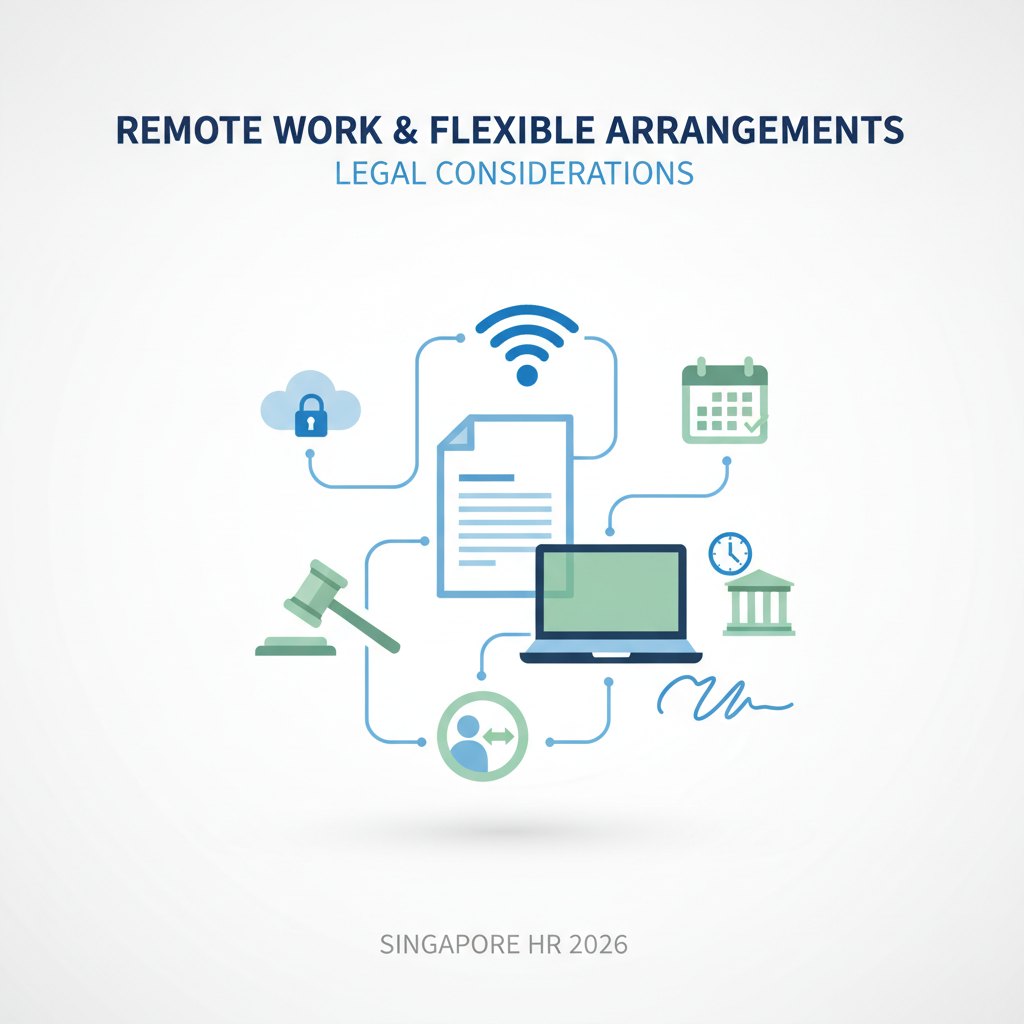
The burgeoning e-commerce sector in Singapore, characterized by its dynamism and global reach, increasingly embraces remote work and flexible arrangements. While offering significant advantages in terms of talent acquisition, cost efficiency, and employee satisfaction, these modern work models introduce a complex web of legal considerations. For e-commerce businesses operating in Singapore, understanding and adhering to the Legal HR terms & conditions for Ecommerce field in singapore is paramount to ensure compliance, mitigate risks, and foster a productive, legally sound working environment. This section delves into the critical legal framework governing remote employees and flexible work arrangements, from contractual obligations to employer responsibilities, ensuring businesses navigate this landscape effectively.
-
Drafting Legally Compliant Remote Work Agreements
The foundation of any successful remote work setup lies in a robust and legally compliant agreement. For e-commerce firms in Singapore, a clear, comprehensive contract is essential to define the terms of employment for remote staff, preventing ambiguity and potential disputes. Key elements must be meticulously outlined:
- Scope of Work and Performance Metrics: Clearly delineate job responsibilities, expected outcomes, and how performance will be measured in a remote setting.
- Working Hours and Availability: Specify standard working hours, expectations for responsiveness, and how overtime (if applicable) will be managed, particularly for employees spanning different time zones.
- Data Security and Confidentiality: Given the sensitive nature of e-commerce data (customer information, transaction details, intellectual property), the agreement must include stringent clauses on data protection, confidentiality, and the use of company-provided devices and networks. Compliance with Singapore’s Personal Data Protection Act (PDPA) is non-negotiable.
- Equipment and Resources: Detail who is responsible for providing and maintaining necessary equipment (laptops, internet access, software) and outline any reimbursement policies for work-related expenses.
- Workplace Health and Safety: Address the employer’s duty of care, even in a home-based environment, and outline employee responsibilities for maintaining a safe workspace.
- Termination Clauses: Clearly state the conditions for contract termination, notice periods, and the return of company property.
These agreements serve as critical documents, ensuring both employer and employee understand their rights and obligations within the remote work paradigm, aligning with Singapore’s employment laws.
-
Employer Obligations for Home-Based Work Setups
Employers in Singapore extending work-from-home arrangements must extend their existing statutory obligations to the home environment. This includes a primary focus on workplace safety, data protection, and fair treatment. The Workplace Safety and Health (WSH) Act generally applies to any place where work is carried out, meaning employers have a duty to ensure the safety and health of employees working from home. Practical implications include:
- Risk Assessment: Conducting virtual or self-assessment checklists for home workstations to identify and mitigate potential hazards, promoting ergonomic setups.
- Provision of Safe Equipment: Ensuring any company-provided equipment is safe and fit for purpose.
- Data Protection (PDPA): Implementing robust policies and training to ensure remote employees handle personal data securely, preventing breaches and maintaining compliance with the PDPA. This includes secure access protocols, encrypted communications, and adherence to company data handling policies.
- Reimbursement of Expenses: While not strictly mandated for all expenses, employers should consider policies for reimbursing reasonable work-related expenses, such as internet differential costs or utilities, to avoid potential grievances.
- Insurance Coverage: Reviewing existing insurance policies (e.g., work injury compensation, public liability) to ensure they adequately cover employees working remotely, both locally and potentially overseas.
Proactive measures and clear communication are key to fulfilling these obligations and safeguarding both the employee’s well-being and the company’s legal standing.
-
Ensuring Work-Life Balance & Wellbeing Compliance
The flexibility of remote work in e-commerce can inadvertently blur the lines between professional and personal life, leading to potential burnout and mental health challenges. Singaporean employers are increasingly encouraged to adopt practices that promote employee well-being and work-life balance, aligning with the spirit of guidelines such as the Tripartite Guidelines on Flexible Work Arrangements (FWAs).
- Setting Clear Boundaries: Employers should encourage employees to maintain regular working hours, take breaks, and disconnect outside of work hours. Leaders should model this behaviour.
- Managing Workload: Implementing effective workload management strategies to prevent overwork, especially critical in the often demanding e-commerce environment.
- Communication Channels: Establishing clear and efficient communication channels to prevent isolation and ensure employees feel connected and supported. Regular check-ins and virtual team-building activities can be beneficial.
- Mental Health Support: Providing access to mental health resources, such as Employee Assistance Programmes (EAPs), and fostering a culture where employees feel comfortable seeking help without stigma.
- Fair Treatment: Ensuring remote employees have equal access to training, development, and career progression opportunities as their in-office counterparts.
Prioritizing work-life balance and employee well-being is not just a moral imperative but also contributes to higher productivity, reduced turnover, and a stronger employer brand, all vital for competitive e-commerce growth in Singapore.
In conclusion, while remote work and flexible arrangements offer undeniable benefits for Singapore’s e-commerce sector, a thorough understanding and diligent application of legal HR terms and conditions are crucial. By meticulously drafting agreements, fulfilling employer obligations, and proactively supporting employee well-being, businesses can build resilient, compliant, and thriving remote workforces, contributing to sustained success in the digital marketplace.
Onboarding, Performance, and Termination: Legal Protocols
Understand the legal requirements at various stages of an employee’s journey, from initial hiring and performance management to legally compliant termination procedures in e-commerce.
The rapid growth of the e-commerce sector in Singapore presents unique HR challenges, particularly concerning legal compliance. Navigating the intricate landscape of Singapore’s employment laws is paramount for e-commerce businesses to avoid costly disputes and maintain a fair, productive work environment. Adhering to robust Legal HR terms & conditions for Ecommerce field in singapore across the employee lifecycle – from hiring to termination – is not merely a best practice but a legal imperative. This section outlines critical legal protocols governing onboarding, performance management, and termination within the e-commerce context.
1. Legally Compliant Hiring & Onboarding Processes
The foundation of a legally sound employment relationship begins well before an employee’s first day. For e-commerce businesses, recruitment must strictly adhere to non-discriminatory practices, ensuring all candidates are evaluated based on merit and qualifications, without bias. Job vacancy advertisements should comply with the Tripartite Guidelines on Fair Employment Practices (TGFEP).
Once a suitable candidate is identified, the offer of employment and subsequent onboarding must be meticulously handled. Crucially, employers must provide a written contract of service outlining the Key Employment Terms (KETs) for employees covered under the Employment Act. These KETs include details such as working hours, job scope, salary, benefits, leave entitlements, and termination clauses. The Ministry of Manpower (MOM) provides clear guidelines, and providing KETs is a statutory requirement, with failure leading to penalties. If hiring foreign talent, ensuring compliance with work pass regulations (e.g., Employment Pass, S Pass, Work Permit) is essential. E-commerce firms deal with diverse roles, each potentially requiring different work pass considerations. Data protection under the Personal Data Protection Act (PDPA) also begins at this stage, requiring consent for collecting and processing personal information during recruitment and onboarding.
2. Performance Management & Disciplinary Action Protocols
Effective performance management is vital for e-commerce businesses, which often operate in fast-paced, results-driven environments. Legally, systems should be transparent, objective, and consistently applied. This involves setting clear Key Performance Indicators (KPIs) aligned with business objectives, conducting regular performance reviews, and providing constructive feedback. Documentation is key: all performance discussions, targets, and feedback should be recorded.
When performance issues or misconduct occur, e-commerce employers must follow a structured, legally compliant disciplinary process. This typically involves a thorough investigation, providing the employee with an opportunity to explain their side (natural justice), and ensuring any disciplinary action is proportionate to the offense. Actions can range from warnings to suspension or, in severe cases, termination for cause. Employers must consult the Employment Act and relevant MOM guidelines. Any disciplinary action impacting an employee’s livelihood must be justifiable and evidence-based to prevent claims of unfair dismissal. Maintaining detailed records of performance issues, warnings, and investigations is invaluable should a dispute arise.
3. Fair Termination & Retrenchment Procedures
The termination of employment, whether initiated by the employer or employee, is an area fraught with legal risks. E-commerce businesses must strictly adhere to statutory notice periods as stipulated in the employment contract or the Employment Act, whichever is longer. Termination for cause, such as gross misconduct or serious breaches of contract, may allow for termination without notice, but this must be supported by strong evidence and a fair disciplinary process. Wrongful dismissal claims are a significant concern, emphasizing the need for meticulous documentation and adherence to due process.
In situations of business restructuring or economic downturn, e-commerce companies may face retrenchment. Singapore law requires employers to manage retrenchments responsibly and fairly. This involves notifying the MOM of mass retrenchments, applying objective selection criteria (e.g., skills, performance, seniority), ensuring fair severance packages, and providing assistance to affected employees. The Tripartite Advisory on Managing Excess Manpower and Responsible Retrenchment offers comprehensive guidance. Employers must avoid discriminatory selection practices during retrenchment, which could lead to legal challenges. Ensuring all final payments, including salary, pro-rated bonuses, and encashment of unused leave, are processed promptly and accurately is also a critical legal obligation. Understanding these aspects of Legal HR terms & conditions for Ecommerce field in singapore for termination and retrenchment is essential for mitigating legal exposure and preserving the company’s reputation.
Resolving HR Disputes & Future Legal Trends for E-commerce
This section covers the mechanisms for resolving workplace disputes and looks ahead at emerging legal HR trends that e-commerce businesses in Singapore should prepare for.

1. Mediation & Adjudication Through MOM and TADM
E-commerce businesses in Singapore must understand the established pathways for resolving workplace disputes. The Ministry of Manpower (MOM) and the Tripartite Alliance for Dispute Management (TADM) play crucial roles. TADM offers mediation services as the primary step for resolving salary-related disputes and re-employment issues. This conciliatory approach is often preferred as it is less adversarial and can preserve employer-employee relationships, which is vital for agile e-commerce operations. If mediation fails, disputes can proceed to the Employment Claims Tribunals (ECT), which provides adjudication for statutory and contractual salary claims, as well as wrongful dismissal claims. Adherence to sound Legal HR terms & conditions for Ecommerce field in singapore is paramount to prevent such escalations. For e-commerce firms, proactive HR policies, clear employment contracts, and a transparent internal dispute resolution process are critical first lines of defense, reducing the likelihood of external intervention. Understanding these mechanisms ensures that businesses can navigate potential conflicts effectively and comply with Singapore’s robust employment laws. More information on TADM’s services can be found on the Tripartite Alliance for Dispute Management (TADM) website.
2. Preventing Discrimination & Harassment Claims
As e-commerce thrives on diverse talent pools and remote work arrangements, preventing discrimination and harassment claims becomes increasingly complex but critical. Singapore’s Tripartite Alliance for Fair & Progressive Employment Practices (TAFEP) provides guidelines on fair employment practices, advocating for merit-based hiring and promoting inclusive workplaces. E-commerce businesses, often characterized by rapid expansion and a global outlook, must integrate these principles into their HR policies, from recruitment to performance management. Implementing clear anti-harassment policies, conducting regular staff training, and establishing accessible reporting channels are essential steps. These measures not only foster a positive work environment but also protect the business from costly legal actions and reputational damage. Ignoring these aspects can have significant financial and operational implications, especially in an industry where brand image and consumer trust are paramount. Robust internal policies that align with Singapore’s evolving Legal HR terms & conditions for Ecommerce field in singapore regarding fair employment are indispensable for long-term sustainability.
3. Anticipating AI & Automation’s Impact on HR Legislation
The future of e-commerce HR will be profoundly shaped by the rapid advancements in Artificial Intelligence (AI) and automation. While these technologies promise enhanced efficiency in tasks like recruitment, performance monitoring, and payroll, they also introduce new legal and ethical considerations. Singapore is actively exploring legislation to address issues such as algorithmic bias in hiring, data privacy implications of AI-driven surveillance, and the definition of ’employee’ in an increasingly automated workplace. E-commerce businesses leveraging AI tools must remain vigilant, ensuring their systems are fair, transparent, and compliant with emerging data protection and anti-discrimination laws. This proactive approach includes auditing AI algorithms for biases, implementing clear data governance policies, and preparing for potential changes in employment contracts and employee rights. The rise of automation may also necessitate upskilling and reskilling initiatives, potentially involving legal obligations for employers. Staying abreast of these technological and legislative shifts is crucial for developing future-proof Legal HR terms & conditions for Ecommerce field in singapore, ensuring that innovation does not come at the expense of compliance or employee welfare. E-commerce leaders must engage with these trends strategically to harness technology’s benefits while mitigating its legal risks.
Partner with Shelby Global
You are looking for reliable HR Sevice Suppliers? Contact Shelby Global Now! To connect with verified talents and upgrade your orginization.
—————————————
References
– Employment Act (EA) – Ministry of Manpower: https://www.mom.gov.sg/employment-practices/employment-act
– Personal Data Protection Commission (PDPC) offers comprehensive resources for the HR sector: https://www.pdpc.gov.sg/organisations/organisations-obligations/guide-to-data-protection-for-organisations-in-the-hr-sector
– Tripartite Guidelines on Flexible Work Arrangements (FWAs): https://www.tafep.sg/fair-workplace-practices/flexible-work-arrangements
– Key Employment Terms (KETs): https://www.mom.gov.sg/employment-practices/employment-act/key-employment-terms-kets
– Tripartite Alliance for Dispute Management (TADM) website: https://www.tadm.sg