
Foundational Employment Law in Singapore’s Entertainment Sector
Singapore’s entertainment industry is a vibrant ecosystem, teeming with diverse talent, innovative productions, and global collaborations. From theatre and music to film and digital media, the sector’s unique demands often blur the lines of traditional employment structures. For businesses and talent alike, understanding the baseline Legal HR terms & conditions for Entertainment field in Singapore is not merely a compliance issue; it’s a cornerstone for sustainable growth and fair practice. This section aims to demystify the core employment laws and regulations applicable to this dynamic environment, ensuring a solid understanding of the legal landscape.

1. Understanding the Employment Act and its exemptions for creative roles
The primary legislation governing employment relationships in Singapore is the Employment Act (EA). It sets out fundamental terms and conditions of employment, including provisions for wages, working hours, rest days, annual leave, and sick leave. However, its applicability in the entertainment sector, especially for highly creative or executive roles, requires careful consideration. The EA generally covers employees earning up to a certain salary threshold (currently $4,500 for non-workmen) and all workmen, regardless of salary. Crucially, certain categories of employees, such as managers and executives (M&Es) earning above this threshold, are exempt from specific parts of the EA, particularly those relating to hours of work, overtime pay, and rest days. This means that a creative director, lead artist, or a high-earning performer might not be afforded the same protections regarding working hours as an administrative assistant. Understanding these creative roles exemptions is vital for drafting employment contracts that align with legal requirements while accommodating the often irregular schedules of the entertainment world. Employers must ensure clarity on the EA’s applicability to each specific role within their organisation to avoid potential disputes.
2. Distinguishing between contract and project-based employment for artists
One of the most common challenges in the entertainment industry revolves around classifying workers. Are they employees, independent contractors, or gig workers? This distinction has profound implications for rights, obligations, and benefits. An individual classified as an ’employee’ typically works under the direction and control of an employer, receives a regular salary, and is covered by the Employment Act and CPF contributions. Conversely, an independent contractor or freelancer, often engaged for project-based employment, offers services on a contractual basis, has more autonomy over their work, and is not usually covered by the EA or CPF. Many artists and performers operate on a contract employment artists model, moving from one project to another. While offering flexibility, this also means they are responsible for their own taxes, insurance, and benefits. Businesses engaging talent must be meticulous in defining the relationship through clear, comprehensive contracts. Misclassification can lead to significant penalties, including back payment of CPF contributions and statutory benefits. For a deeper dive into these nuanced classifications and how they impact the industry, you can explore more on Legal HR terms & conditions for Entertainment field in singapore.
3. Navigating the Fair Consideration Framework for international talent
Singapore’s entertainment sector frequently draws on a global pool of talent, from international directors and choreographers to renowned musicians and actors. While this enriches the local scene, it also necessitates careful adherence to the Fair Consideration Framework (FCF). The FCF aims to ensure that Singaporean citizens are fairly considered for job opportunities before employers hire foreign professionals on Employment Passes (EPs). Under the FCF, employers must generally advertise job vacancies on the MyCareersFuture.sg portal for at least 14 days before submitting an EP application. There are specific exemptions to the FCF, such as for very senior management roles, short-term assignments, or roles with highly specialised skills, which are particularly relevant for securing international talent Singapore in the entertainment industry. For instance, bringing in a world-renowned artist for a limited engagement might fall under an exemption. However, employers must be prepared to justify any exemption claims. Compliance with the FCF is not just a formality; it reflects Singapore’s commitment to developing its local workforce while selectively bringing in complementary global talent. Non-compliance can lead to severe penalties, including debarment from hiring foreign workers and prosecution. Navigating the nuances of the FCF is therefore a critical aspect of HR for entertainment industry in Singapore, balancing global aspirations with national employment objectives.
Crafting Robust Employment Contracts for Performers and Crew
The dynamic landscape of Singapore’s entertainment industry demands meticulous attention to legal frameworks. Establishing clear, comprehensive, and legally sound employment contracts is critical for safeguarding the interests of both production companies and individual talent. From film sets to theatrical stages, the unique project-based nature, high value of creative output, and public visibility of performances necessitate specialized Legal HR terms & conditions for Entertainment field in singapore. This section delves into the specifics of drafting robust employment agreements that protect all parties, addressing the unique nuances of the entertainment sector, including rights and remuneration.
A well-drafted contract forms the bedrock of any successful entertainment project, preventing disputes, clarifying expectations, and ensuring fair treatment. For entities engaging performers and crew, understanding the intricacies of employment agreements Singapore tailored for this sector is essential for long-term sustainability. Let’s explore the critical components of these vital documents.
1. Key Clauses: Scope of Work, Remuneration, and Exclusivity Agreements
Defining the scope of work clearly is foundational for both performer contracts Singapore and crew agreements Singapore. This clause must meticulously detail the role, responsibilities, specific tasks, project timelines, and deliverables. For performers, this includes character descriptions, rehearsal schedules, filming dates, and the number of performances. For crew, it might specify technical roles, hours, and equipment responsibilities. Ambiguity here can lead to scope creep and disputes.
Remuneration clauses are equally critical, given the varied payment structures in entertainment. Contracts should clearly outline agreed-upon fees—whether fixed project rates, hourly wages, or a combination—and payment schedules, including upfront, milestone, and final settlements. For performers, additional considerations like residuals, royalties from re-runs or syndication, and bonuses for exceptional performance should be detailed. Specifying expense reimbursements, per diems, and accommodation arrangements is crucial to ensure financial transparency for both parties in these remuneration clauses entertainment.
Exclusivity agreements are particularly relevant for high-profile talent and key creative personnel. These clauses typically restrict a performer or crew member from working on competing projects for a specified period. The scope of exclusivity—geographical, temporal, and by project type—must be reasonable and clearly defined to be enforceable. While protecting the producer’s investment, it must also balance the talent’s ability to pursue other opportunities within the broader entertainment industry contracts.
2. Managing Intellectual Property Rights and Usage Licenses in Contracts
The entertainment industry thrives on creativity, making the management of intellectual property (IP) rights a cornerstone of any robust contract. Understanding who owns the rights to creative works—be it a script, musical composition, performance, or visual design—is paramount. While the “work for hire” doctrine is common, for freelance performers and independent contractors, IP ownership must be explicitly assigned or licensed under Singapore’s Copyright Act.
Contracts must clearly stipulate the assignment of intellectual property entertainment rights or the terms of usage licenses. This includes specifying the scope of usage (e.g., film, television, web, merchandise), the duration (e.g., perpetual, limited term), the territory (e.g., worldwide, specific regions), and the media platforms. For performers, this extends to rights of publicity, controlling the use of their likeness, image, and voice. Clear provisions are essential for preventing unauthorized use and disputes over revenue sharing from ancillary rights. Companies must be well-versed in artist rights Singapore and ensure their contracts align with local laws. Navigating Singapore’s intellectual property framework requires careful attention. More information can be found on the Intellectual Property Office of Singapore (IPOS) website.
3. Implementing Confidentiality and Non-Disclosure Agreements (NDAs)
Confidentiality is a non-negotiable aspect of the entertainment industry. Production details, scripts, budgets, casting information, marketing strategies, and even specific plot points are often highly sensitive and strategically valuable. Implementing robust Confidentiality and Non-Disclosure Agreements (NDAs) is therefore crucial to protect these trade secrets and proprietary information. These agreements ensure that performers, crew, and anyone else involved understand their obligation not to disclose sensitive information to third parties.
A comprehensive NDA should precisely define “confidential information,” outline the obligations of the receiving party (e.g., not to use for personal gain, to protect with reasonable care), specify the duration of the obligation (often extending beyond project completion), and detail the consequences of a breach, including injunctive relief and monetary damages. These confidentiality agreements media are vital for maintaining competitive advantage and managing public relations, especially where leaks can be costly. Ensuring compliance with NDAs is a key part of HR and legal strategy for any entertainment entity in Singapore.
Crafting these contracts with precision requires expertise in both entertainment law and local HR regulations. By focusing on detailed clauses regarding scope, remuneration, IP, and confidentiality, production companies can build a solid legal foundation, fostering trust and enabling creative excellence in Singapore’s vibrant entertainment scene.
Navigating Freelance and Gig Worker Agreements in Entertainment
The dynamic landscape of the entertainment industry in Singapore heavily relies on a flexible workforce, including freelance artists, technicians, and various gig workers. While offering unparalleled agility, this non-traditional employment setup presents unique legal challenges. Ensuring clarity, compliance, and fair dealings requires a deep understanding of the Legal HR terms & conditions for Entertainment field in Singapore. From distinguishing contractor status to crafting robust service agreements, proper legal frameworks are crucial for both parties involved, minimizing risks and fostering productive relationships within Singapore’s vibrant creative sector. This section explores the critical aspects of managing agreements for independent contractors and gig workers, focusing on compliance and best practices tailored for the entertainment industry, encompassing independent contractor agreements Singapore, entertainment industry contracts, and gig worker regulations Singapore.
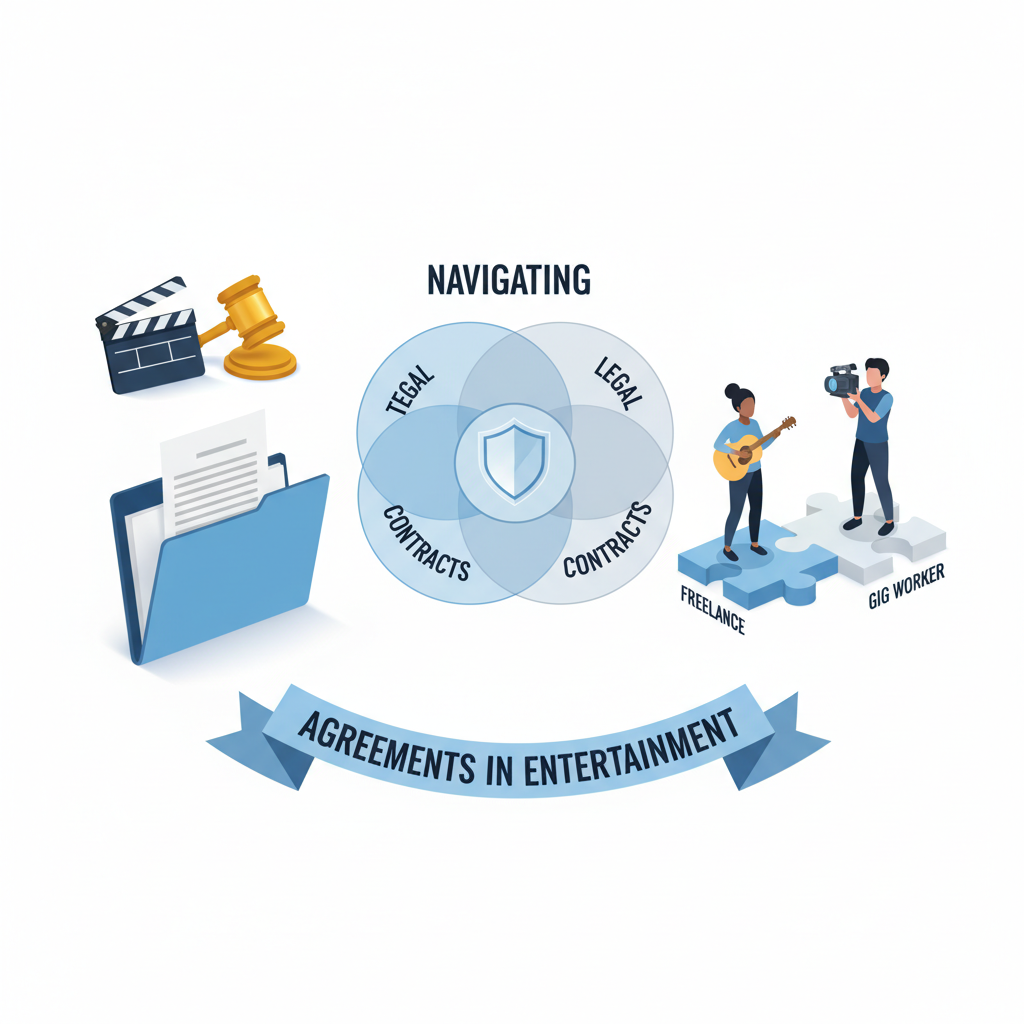
1. Distinguishing Employee vs. Independent Contractor Status Legally
One of the most pivotal and often misunderstood aspects of engaging freelance talent in the entertainment industry is correctly classifying their employment status. In Singapore, the distinction between an “employee” and an “independent contractor” carries significant legal implications regarding statutory benefits, tax obligations, and employer liabilities. For instance, employees are typically covered under Singapore’s Employment Act, entitling them to annual leave, sick leave, CPF contributions, and protection against unfair dismissal. Independent contractors, however, operate as self-employed individuals or businesses providing services, thus not qualifying for these benefits.
The determination usually involves a multi-factor test, considering factors such as:
- Control: The degree of control the principal has over how the work is performed (contractors usually have more autonomy).
- Integration: Whether the worker is integrated into the principal’s organisation or operates independently.
- Tools and Equipment: Who provides the necessary tools and equipment.
- Risk: Who bears the financial risk and opportunity for profit.
- Exclusivity: Whether the worker is free to work for other clients.
- Duration and Nature of Engagement: Short-term, project-based engagements often point towards a contractor relationship.
Misclassification can lead to severe penalties, including back payment of CPF contributions, taxes, and other statutory benefits, alongside potential fines. Therefore, drafting precise independent contractor agreements Singapore that clearly reflect the true nature of the working relationship is paramount for companies within the entertainment industry contracts. Understanding these nuances is a cornerstone of sound employment law entertainment Singapore.
2. Essential Elements of Freelance Service Agreements and Work Orders
Once the independent contractor status is established, the next crucial step is to formalise the engagement through comprehensive freelance service agreements and supplementary work orders. These documents are vital for establishing clear expectations, protecting both parties, and preventing future disputes. For freelance artist rights Singapore and gig workers, a robust agreement is their professional safeguard.
Key elements that should be included in these contract drafting services Singapore documents for the entertainment sector typically involve:
- Parties Involved: Full legal names and addresses of both the hiring entity and the contractor.
- Scope of Work: A detailed description of the services to be rendered, deliverables, and specific project objectives. This is particularly important for creative projects where expectations can be subjective.
- Project Timeline: Clear start and end dates, key milestones, and deadlines for deliverables.
- Compensation: Specific details on payment rates, frequency, and any applicable expenses or reimbursements (covered further in the next section).
- Intellectual Property (IP) Rights: Crucially, this section defines ownership of creative works produced. In entertainment, it’s common for IP to be assigned to the hiring entity upon full payment, but specific clauses are essential.
- Confidentiality: Clauses protecting sensitive information belonging to either party.
- Termination Clauses: Conditions under which the agreement can be terminated by either party, including notice periods.
- Indemnification: Protections for both parties against liabilities arising from the agreement.
- Governing Law: Specifying Singaporean law as the governing legal framework.
Work orders, often appended to a master service agreement, provide project-specific details, allowing flexibility without redrafting the entire primary contract for each new gig. These documents are fundamental to managing gig worker regulations Singapore effectively.
3. Payment Structures, Deadlines, and Dispute Resolution for Project Work
Clarity around payment is critical for maintaining positive relationships with freelance and gig workers. The agreement should explicitly outline the payment terms for freelancers Singapore. This includes:
- Rate of Pay: Whether it’s a fixed project fee, hourly rate, daily rate, or commission-based.
- Payment Schedule: Milestones for partial payments, upfront deposits, or final payment upon completion.
- Invoicing Procedure: How and when invoices should be submitted.
- Payment Method: Bank transfer, cheque, etc.
- Late Payment Penalties: Clearly defined consequences for overdue payments to ensure timely compensation.
Deadlines for deliverables must also be mutually agreed upon and clearly stated in work orders, often with provisions for revisions or extensions. This manages expectations and provides a framework for project progression.
Despite best efforts, disputes can arise. A well-drafted agreement should include a robust dispute resolution entertainment industry clause. Common approaches include:
- Negotiation: An initial step where parties attempt to resolve issues directly.
- Mediation: Involving a neutral third party to facilitate discussions and reach a mutually acceptable solution. This is often a preferred first formal step due to its cost-effectiveness and preservation of relationships.
- Arbitration: A more formal process where an impartial arbitrator hears arguments and makes a binding decision.
- Litigation: Resorting to court, usually as a last resort due to its cost and time implications.
Specifying the preferred method for resolving disagreements proactively minimises the need for costly and time-consuming legal battles, ensuring that creative projects can proceed with minimal disruption and that both parties feel secure in their contractual obligations.
Special Considerations: Minors, Safety, and Data Protection
Navigating the unique landscape of the entertainment industry in Singapore requires diligent attention to specific legal and ethical considerations, particularly concerning vulnerable individuals and critical operational aspects. This section will address critical areas such as the employment of child performers, strict workplace health and safety protocols specific to entertainment venues, and safeguarding personal data for all industry professionals. Adhering to these regulations is not just a matter of compliance but a fundamental commitment to responsible and ethical practices within the sector. Employers and HR professionals must understand the intricate Legal HR terms & conditions for Entertainment field in singapore to foster a secure and compliant environment.
1. Regulations and Permits for Child Performers and Youth Artists
The allure of the entertainment industry often attracts young talent, making the protection of child performers and youth artists a paramount concern for HR departments. Singapore’s regulatory framework, primarily governed by the Employment Act (Chapter 91) and subsidiary legislation, sets stringent child employment laws. Companies engaging minors must obtain the necessary permits from the Ministry of Manpower (MOM) and adhere to strict guidelines concerning working hours, types of work, rest periods, and supervision. For instance, children under 13 are generally prohibited from working, with limited exceptions for specific types of performances requiring explicit MOM approval. Even for those permitted to work, there are caps on daily and weekly working hours to ensure their well-being, education, and development are not compromised. Comprehensive talent contracts for minors must include clauses that protect their rights, ensure adequate breaks, and specify educational arrangements if applicable. Furthermore, a parent or guardian’s consent is mandatory, and a responsible adult must always supervise the minor on set or at the venue. Employers are also obligated to provide a safe and healthy environment, free from exploitation and undue pressure. Understanding these nuances is crucial for any entertainment company to avoid legal repercussions and uphold its ethical responsibilities towards young talent, ensuring robust minor protection measures are in place.
2. Workplace Safety and Health (WSH) in Production and Live Environments
The dynamic and often high-stakes nature of the entertainment industry, from film sets to live concert venues, inherently presents a unique set of Workplace Safety and Health (WSH) challenges. Employers are legally bound by the Workplace Safety and Health Act (WSHA) to ensure a safe working environment for all employees, contractors, and even volunteers. This involves identifying potential hazards, conducting thorough risk assessments, and implementing effective control measures. For instance, special attention must be paid to rigging, pyrotechnics, lighting equipment, stage design, and crowd management in live events. Production sets often involve working with heavy machinery, intricate stunts, and sometimes hazardous materials, necessitating rigorous adherence to safety protocols. Entertainment HR departments play a vital role in ensuring that all personnel receive appropriate safety training, are equipped with necessary personal protective equipment (PPE), and are aware of emergency procedures. Regular safety briefings, drills, and the appointment of dedicated WSH officers are standard practices. Non-compliance with WSH regulations can lead to severe penalties, including fines and imprisonment, besides reputational damage and potential harm to individuals. Therefore, a proactive approach to safety management, integrated into all operational planning and employee onboarding, is indispensable for fostering a culture of safety and maintaining legal compliance within the industry.
3. Compliance with the Personal Data Protection Act (PDPA) for entertainment workers
In an era where personal information is highly valued, safeguarding the data of entertainment professionals is a critical responsibility. The Personal Data Protection Act (PDPA) governs the collection, use, and disclosure of personal data in Singapore, placing significant obligations on organizations. For the entertainment industry, this extends to sensitive information such as artists’ contractual terms, payment details, medical records (especially for stunts or specific roles), performance schedules, and even audition tapes or headshots. Companies must obtain explicit consent from individuals before collecting their data, clearly explaining the purpose of data collection. Strict measures must be in place to protect this data from unauthorized access, modification, or disclosure. This includes implementing robust cybersecurity protocols, restricting access to sensitive information, and training staff on data privacy best practices. Furthermore, organizations must ensure data accuracy and allow individuals to access and correct their personal data. When personal data is no longer needed for its original purpose, it must be disposed of securely. Given the public nature of some entertainment roles, special care must be taken with publicly available information versus private contractual details. Adhering to PDPA is not merely a legal mandate but a trust-building exercise, crucial for maintaining positive relationships with talent and staff. Effective compliance with data protection laws is a cornerstone of responsible entertainment HR practices, ensuring the confidentiality and integrity of all professional information within the sector.
Dispute Resolution and Best Practices for HR Compliance
The entertainment sector in Singapore, characterized by its rapid pace and unique operational dynamics, presents distinct challenges for human resources management. Fostering a fair, productive, and legally compliant environment is paramount, demanding sophisticated approaches to managing `workplace disputes` and upholding robust `legal HR terms & conditions for Entertainment field in singapore`. This section provides critical insights into effective dispute resolution mechanisms, the intricacies of `entertainment industry HR`, and best practices for continuous legal compliance, ensuring that HR professionals are well-equipped to navigate this vibrant landscape.

1. Strategies for Resolving Workplace Conflicts and Grievances
Effective conflict resolution is the cornerstone of a healthy workplace. In the entertainment industry, where diverse personalities and high-pressure projects are common, `grievance procedures` must be clear, accessible, and fair. Proactive strategies include establishing comprehensive HR policies that outline expected conduct, communication channels, and complaint processes. Open-door policies, regular feedback sessions, and anonymous reporting mechanisms can help identify and address issues before they escalate.
When conflicts arise, a structured approach is essential. Internal investigations must be conducted impartially and swiftly, ensuring all parties are heard and confidentiality is maintained. For more complex `workplace disputes`, particularly those involving sensitive issues like intellectual property, contractual disagreements, or inter-departmental friction, mediation often proves to be an invaluable tool. `Mediation Singapore` offers various platforms, including the Tripartite Alliance for Dispute Management (TADM), which can provide neutral third-party facilitation to help parties reach mutually acceptable resolutions, avoiding costly and time-consuming litigation. Developing internal mediation capabilities or engaging external experts can significantly de-escalate tensions and preserve professional relationships vital to project success.
2. Adhering to Industry-Specific Codes of Conduct and Ethics
The entertainment sector operates under unique ethical considerations that demand tailored codes of conduct. Beyond general employment laws, HR must navigate issues surrounding intellectual property rights, confidentiality of creative works, talent representation agreements, and potential for harassment or discrimination inherent in collaborative, often intimate, working environments. A robust code of conduct should address these specific challenges, outlining expectations for professional behavior, data protection, conflict of interest, and the responsible use of social media.
Upholding `ethics entertainment` involves not just having policies, but actively promoting a culture of integrity and respect. Regular training sessions on the code of conduct, particularly for new hires and those in leadership positions, are crucial. HR professionals play a vital role in interpreting and enforcing these codes consistently, ensuring that all employees, from production crew to on-screen talent, understand their responsibilities. Non-compliance, especially concerning issues like harassment or breach of confidentiality, can have severe reputational and legal repercussions, making stringent adherence and clear disciplinary processes non-negotiable.
3. Importance of Regular Legal Audits and HR Training for Compliance
The legal landscape surrounding employment, particularly `labor laws Singapore`, is dynamic and subject to frequent updates. For the entertainment industry, compliance extends beyond general employment acts to encompass specific regulations related to contract workers, intellectual property, child talent, and cross-border engagements. Therefore, conducting regular `HR compliance audits` is not merely a best practice but a critical necessity.
These audits should systematically review all HR functions, including recruitment, contracts, payroll, benefits, performance management, and termination processes, against current `legal HR terms & conditions for Entertainment field in singapore`. Identifying potential gaps or non-compliant practices early allows for proactive rectification, minimizing legal exposure. Furthermore, continuous HR training is indispensable. HR teams, managers, and even key stakeholders involved in `talent management legal` aspects must be regularly updated on changes in employment law, best practices in fair employment, and emerging industry-specific regulations. This ongoing education empowers the entire organization to maintain a culture of compliance and ethical conduct, thereby fostering a fair, secure, and productive environment for all involved in Singapore’s vibrant entertainment sector.
Partner with Shelby Global
You are looking for reliable HR Sevice Suppliers? Contact Shelby Global Now! To connect with verified talents and upgrade your orginization.
—————————————
References
– :
– Intellectual Property Office of Singapore (IPOS): https://www.ipos.gov.sg/
– Singapore’s Employment Act: https://www.mom.gov.sg/employment-practices/employment-act/who-is-covered
– Ministry of Manpower – Employment Practices for Young Persons and Children: https://www.mom.gov.sg/employment-practices/young-persons-and-children-employment
– Ministry of Manpower Singapore Dispute Resolution: https://www.mom.gov.sg/employment-practices/dispute-resolution