
Overview of Vietnam’s Education Sector & HR Landscape
Setting the stage by understanding the current market size, growth drivers, and the unique HR challenges and opportunities within the Vietnamese education sector.
Vietnam’s education sector is a dynamic and rapidly expanding landscape, driven by a confluence of socio-economic factors and a deeply embedded cultural value placed on learning. As the nation continues its impressive economic ascent, the demand for quality education, from early childhood to professional development, has surged. This creates a vibrant, albeit challenging, environment for education companies in Vietnam, particularly concerning human resources. Understanding this intricate ecosystem is crucial for any organization looking to thrive or recruit effectively within this promising market.
1. Market size, growth drivers, and regulatory environment
The Vietnamese education market is experiencing significant growth, fueled by a young, aspiring population and an expanding middle class willing to invest heavily in their children’s future. The market size is substantial and continues to grow year-on-year, particularly in segments like English language training, international schools, and vocational education. Key growth drivers include: the demographic dividend with a large youth population; increasing disposable incomes; a high societal value placed on education for upward mobility; and a strong government commitment to educational reform and investment. The government’s push for international integration and English proficiency has further propelled demand. The regulatory environment, while historically centralized, is gradually opening up, allowing for greater private sector participation and foreign investment, albeit with specific frameworks to ensure quality and alignment with national objectives. Policies encouraging digitalization and EdTech adoption are also shaping the future landscape, presenting both opportunities and new compliance considerations for education providers.
2. Key players and competitive landscape in education
The competitive landscape in Vietnam’s education sector is diverse and robust. It includes a mix of long-standing public institutions (universities and K-12 schools) that form the backbone of the system, alongside a rapidly expanding private sector. Key players range from international schools offering globally recognized curricula (e.g., British, American, IB) to domestic private schools, a multitude of language centers specializing in English, Korean, Japanese, and other languages, as well as vocational training institutions and burgeoning EdTech companies. The rise of EdTech, accelerated by recent global events, has introduced new platforms for online learning, hybrid models, and digital content delivery, creating a highly dynamic competitive environment. Competition is particularly fierce in major urban centers like Hanoi and Ho Chi Minh City, where providers differentiate themselves based on curriculum quality, teacher qualifications, technological integration, facilities, and academic outcomes. Foreign-invested education providers often lead in offering international standards, compelling local institutions to elevate their offerings.
3. Unique HR challenges and opportunities for educators
For Vietnam’s education sector, human resources present both formidable challenges and significant opportunities. One of the primary HR challenges is the talent acquisition of highly qualified educators. There is a persistent shortage of local teachers with international qualifications or specialized skills (e.g., STEM, advanced English proficiency, experience with modern pedagogies). Recruiting and retaining foreign teachers also involves navigating visa complexities, cultural integration, and competitive compensation packages. Teacher retention is another critical concern, with high turnover rates in some segments driven by competitive offers from rival institutions, limited career progression pathways, or work-life balance issues. Furthermore, ensuring continuous professional development for educators is paramount in a rapidly evolving educational landscape, demanding investment in upskilling in areas like digital literacy, blended learning techniques, and student-centered approaches.
Despite these hurdles, the sector offers immense HR opportunities. The growing demand for education means a continuous need for passionate and skilled educators. The expansion of EdTech creates roles for teachers proficient in digital tools and online content creation. Many institutions are increasingly investing in robust training and development programs, offering educators clear pathways for professional growth. Working in Vietnam’s multicultural educational environment also provides invaluable international exposure and experience. For education companies, understanding and strategically addressing these HR dynamics is critical for building a sustainable, high-performing workforce. A comprehensive HR report of education companies in Vietnam can provide deeper insights into navigating these unique challenges and capitalizing on the opportunities.
Talent Acquisition & Retention Strategies
The dynamic and rapidly expanding education sector in Vietnam presents unique challenges and opportunities for human resource departments. As the demand for quality education grows, so does the competition for skilled educators and dedicated administrative professionals. This section offers a deep dive into how education companies in Vietnam are attracting, recruiting, and successfully retaining their best talent, from teachers to administrative staff. It explores the critical strategies employed by leading education companies to build robust teams, ensuring both operational excellence and a high standard of learning delivery. For a comprehensive understanding of the current landscape, an in-depth HR report of education companies in Vietnam provides invaluable insights.
1. Effective recruitment channels and best practices
Recruiting top talent in Vietnam’s competitive education market requires a multi-faceted approach. Education companies are moving beyond traditional job boards to embrace more strategic channels. Online platforms and professional networking sites, particularly LinkedIn and local Vietnamese job portals like VietnamWorks and TopCV, are crucial for reaching a wide pool of qualified candidates, including both local and expat teachers. Direct outreach to universities, both domestically and internationally, through career fairs and collaborative programs, helps secure fresh graduates with relevant qualifications. Furthermore, leveraging employee referral programs has proven highly effective, as referred candidates often exhibit higher retention rates and better cultural fit. Best practices include developing compelling employer branding that highlights company culture, professional development opportunities, and the impact an employee can make. Streamlined application processes, transparent communication, and timely feedback are also essential to provide a positive candidate experience, which is paramount in attracting high-calibre educators and administrative staff in Vietnam. Focusing on building a strong talent pipeline, especially for specialized roles in STEM or foreign language instruction, ensures long-term recruitment success in the education HR Vietnam landscape.
2. Competitive compensation and benefits benchmarks for educators
Attracting and retaining high-quality educators, particularly those with international experience or specialized skills, hinges significantly on offering competitive compensation and benefits packages. An analysis of the Vietnamese labor market often shows that education professionals seek more than just a basic salary. Leading education companies benchmark their offerings against industry standards to ensure they remain attractive. This typically includes a competitive base salary, performance-based bonuses, and comprehensive health insurance. For expat teachers, additional benefits such as housing allowances, relocation support, visa sponsorship, and annual flight tickets are standard. Local educators often value provident funds, professional development budgets for certifications or advanced degrees, and clear career progression paths. Beyond monetary compensation, companies are increasingly recognizing the value of non-monetary benefits like flexible working arrangements, access to wellness programs, and a supportive work environment. Understanding these benchmarks is critical for companies looking to strengthen their teacher retention Vietnam efforts and attract the best professionals in a thriving but competitive market.
3. Innovative employee engagement and retention programs
Beyond recruitment and compensation, the long-term success of education companies in Vietnam relies heavily on fostering a highly engaged workforce and implementing robust retention programs. Innovative approaches go beyond annual team-building events. Companies are investing in continuous professional development (CPD) tailored to educators’ specific needs, offering workshops on new teaching methodologies, technology integration, and leadership training. Mentorship programs, both for new hires and experienced staff, create a supportive learning environment and facilitate knowledge transfer. Recognizing and rewarding employee contributions through formal award systems, informal acknowledgments, and clear promotion pathways significantly boosts morale and motivation. Furthermore, creating a culture of open communication where feedback is encouraged and acted upon helps employees feel valued and heard. Employee well-being initiatives, including mental health support, stress management workshops, and social events, contribute to a positive work-life balance. These employee engagement education sector strategies are vital for reducing turnover rates and ensuring that valuable teachers and administrative staff remain committed to the organization, solidifying long-term success in the Vietnamese education sector.
Workforce Development & Training Trends
In the rapidly evolving global education landscape, particularly within dynamic markets like Vietnam, the imperative for robust workforce development and continuous professional training for educators and administrative staff has never been more critical. Education companies face the dual challenge of attracting top talent and equipping their existing teams with the future-ready skills demanded by pedagogical advancements, technological integration, and shifting student needs. This section delves into the strategic focus on upskilling, reskilling, and comprehensive continuous professional development (CPD) programs, highlighting their foundational role in maintaining competitive advantage and delivering high-quality educational outcomes.
The commitment to ongoing learning ensures that staff remain adaptable, innovative, and proficient, directly impacting the quality of instruction and operational efficiency. As insights from any comprehensive HR report of education companies in vietnam would reveal, investment in human capital through targeted training programs is not merely an expenditure but a strategic asset that underpins institutional success and resilience in a volatile market.
1. In-demand skills for educators and administrative staff
The skill sets required in the education sector are undergoing a profound transformation. For educators, traditional pedagogical expertise must now be augmented with a strong command of digital literacy, encompassing proficiency in blended and hybrid learning environments, effective use of educational technology tools (LMS, interactive whiteboards, AI-powered platforms), and data literacy to personalize learning experiences and assess student progress more effectively. Furthermore, skills in social-emotional learning (SEL) support, intercultural communication, and project-based learning facilitation are increasingly vital for fostering holistic student development. Adaptability, critical thinking, creativity, and problem-solving are no longer soft skills but core competencies for navigating diverse classroom challenges.
Administrative staff, too, must evolve beyond traditional roles. In-demand skills for this group include proficiency in educational management information systems (EMIS), HR information systems (HRIS), and financial management software tailored for educational institutions. Excellent communication skills, data analytics for operational insights, strategic planning capabilities, and a deep understanding of regulatory compliance are essential for ensuring smooth institutional functioning and supporting educational initiatives. As the industry grows more complex, administrative personnel must be proactive problem-solvers capable of leveraging technology to streamline processes and enhance institutional efficiency.
2. Effective training and development initiatives in practice
To cultivate these essential skills, education companies are adopting a variety of innovative training and development initiatives. Microlearning, which delivers content in bite-sized, digestible modules, is gaining traction for its flexibility and ability to address specific skill gaps quickly. Personalized learning paths, tailored to individual staff needs and career aspirations, are proving more effective than one-size-fits-all programs. Mentorship and coaching programs foster knowledge transfer and provide targeted support, especially for new teachers or those transitioning into new roles.
Experiential learning, including simulation-based training and opportunities for cross-functional collaboration, allows staff to apply new skills in practical, low-risk environments. Professional Learning Communities (PLCs) empower educators to share best practices, collectively solve challenges, and engage in continuous peer-to-peer learning. Furthermore, integrating gamification elements into training programs can boost engagement and retention. The most effective initiatives are continuous, embedded into daily work, and aligned with both individual growth goals and the strategic objectives of the institution, ensuring that professional development is a sustained journey, not a one-off event.
3. Impact of technology on learning and development strategies
Technology serves as both a driver and an enabler of modern learning and development (L&D) strategies. The proliferation of Artificial Intelligence (AI) and Virtual Reality (VR) is creating new frontiers for immersive and highly personalized training experiences, allowing educators to practice classroom management scenarios or administrative staff to simulate crisis management. Online learning platforms and Learning Management Systems (LMS) provide unparalleled accessibility and flexibility, enabling staff to pursue training at their own pace and convenience, overcoming geographical or time constraints. This is particularly beneficial for large organizations or those with geographically dispersed teams.
Moreover, data analytics capabilities within L&D platforms allow HR departments to track training effectiveness, identify skill gaps at an organizational level, and refine future development programs. The ability to analyze engagement rates, completion rates, and post-training performance data helps to ensure that resources are allocated efficiently and that training genuinely contributes to performance improvement. Embracing these technological advancements not only streamlines the delivery of professional development but also prepares staff to effectively integrate similar technologies into their own teaching and administrative practices, closing the loop on continuous innovation. According to a report by The World Economic Forum, technological adoption continues to be a key driver of skills transformation across all industries, including education, emphasizing the critical need for continuous digital upskilling.
Compensation, Benefits, and Employee Well-being
Analyzing current salary structures, non-monetary benefits, and the growing importance of mental health and work-life balance for employees in education.
In Vietnam’s rapidly evolving education sector, a robust strategy for compensation, benefits, and employee well-being is paramount for attracting and retaining top talent. A comprehensive HR report of education companies in vietnam consistently highlights that while competitive compensation remains a cornerstone, a holistic approach that prioritizes non-monetary perks and employee well-being is increasingly critical. This section delves into the intricate dynamics of salary structures, the power of non-monetary benefits, and the growing imperative for mental health support, all of which are essential for sustainable employee engagement and organizational success.
1. Salary benchmarks across different roles and regions
Understanding and aligning with market salary benchmarks is fundamental for education companies aiming for successful talent acquisition and employee retention. Salaries in the Vietnamese education landscape are highly dynamic, influenced by factors such as the specific role (e.g., kindergarten teacher, university lecturer, academic administrator, support staff), level of experience, qualifications (e.g., native English speaker status, advanced degrees), and geographical location. Major metropolitan areas like Ho Chi Minh City and Hanoi typically command higher salaries compared to provincial regions, reflecting the cost of living and the intensity of competition for skilled professionals.
For a detailed HR report of education companies in vietnam to be truly insightful, it must meticulously analyze these variations. Regular salary surveys and benchmarking against industry peers, both local and international schools or language centers, are crucial. This data enables education providers to offer truly competitive compensation packages that not only meet but exceed employee expectations, thereby reducing turnover and strengthening the employer brand. Failure to keep pace with market rates can lead to a significant drain of valuable educators and administrative staff to competitors or even other industries, making a proactive compensation strategy indispensable.
2. Non-monetary benefits and perks for job satisfaction
Beyond the paycheck, non-monetary benefits play a pivotal role in boosting job satisfaction and securing long-term employee retention. These perks often reflect an organization’s culture and its commitment to its workforce, fostering a sense of value and belonging. Examples commonly seen in the Vietnamese education sector include comprehensive professional development opportunities, such as funding for advanced degrees, certifications, or workshops that enhance teaching methodologies and leadership skills. Flexible working arrangements, where feasible, can significantly improve work-life balance, particularly for educators with family responsibilities.
Other valuable non-monetary benefits might encompass enhanced health insurance plans that go beyond basic governmental requirements, generous paid leave policies, and performance-based bonuses or recognition programs that celebrate outstanding contributions. Subsidized meals, transportation allowances, access to modern facilities, and even social events contribute to a positive work environment and stronger team cohesion. These benefits, though not directly financial, are powerful motivators that contribute significantly to an employee’s overall well-being and willingness to commit to an organization, reinforcing the importance of a comprehensive approach highlighted in any good HR report of education companies in vietnam.
3. Mental health and well-being support programs
The education profession, while rewarding, can be inherently demanding, often leading to stress, burnout, and mental health challenges. Recognizing this, the provision of robust mental health and well-being support programs has become an undeniable priority for forward-thinking education companies. These initiatives are no longer considered optional perks but essential components of a responsible HR strategy, contributing directly to employee productivity and reduced absenteeism.
Effective programs can include Employee Assistance Programs (EAPs) offering confidential counseling services for personal and work-related issues, workshops on stress management, mindfulness, and resilience, and access to wellness initiatives such as subsidized gym memberships or healthy living challenges. Promoting a culture that values work-life balance through reasonable workloads, clear communication, and support for personal time off is also crucial. Implementing initiatives that foster psychological safety and open dialogue about mental health challenges helps destigmatize these issues, encouraging employees to seek help when needed. Organizations that invest in these areas not only demonstrate genuine care for their staff but also cultivate a more resilient, engaged, and productive workforce, a trend increasingly emphasized in global HR report of education companies in vietnam. For more insights into fostering a supportive workplace, resources like SHRM’s guidance on building a mentally healthy workplace offer valuable strategies.
Future Outlook & Strategic HR Recommendations
The Vietnamese education sector is on the cusp of significant transformation, driven by globalization, technological advancements, and evolving student and educator expectations. For HR leaders, understanding these shifts is paramount to ensuring sustainable growth and competitiveness. This forward-looking section provides insights into upcoming HR trends and offers actionable recommendations tailored for education companies in Vietnam, emphasizing the critical role of strategic HR in navigating future challenges and opportunities. For a comprehensive overview of current challenges, refer to our latest HR report of education companies in Vietnam.
1. Emerging HR Technologies and Their Adoption
The rapid pace of technological innovation is reshaping HR functions globally, and the Vietnamese education sector is no exception. Embracing HR tech in education Vietnam is no longer optional but a strategic imperative. We anticipate a surge in the adoption of AI-powered recruitment tools, predictive analytics for workforce planning, and sophisticated learning management systems (LMS) that personalize professional development for educators. Virtual and augmented reality (VR/AR) are also emerging as powerful tools for immersive training and simulation, particularly for subjects requiring practical application. These technologies promise to streamline administrative tasks, enhance employee experience, and provide data-driven insights for better decision-making. However, successful adoption hinges on careful implementation, robust data privacy protocols, and investing in digital literacy training for HR professionals and staff alike. Overcoming initial resistance to change and demonstrating tangible benefits will be key to fostering widespread acceptance and maximizing the return on investment for these innovations.
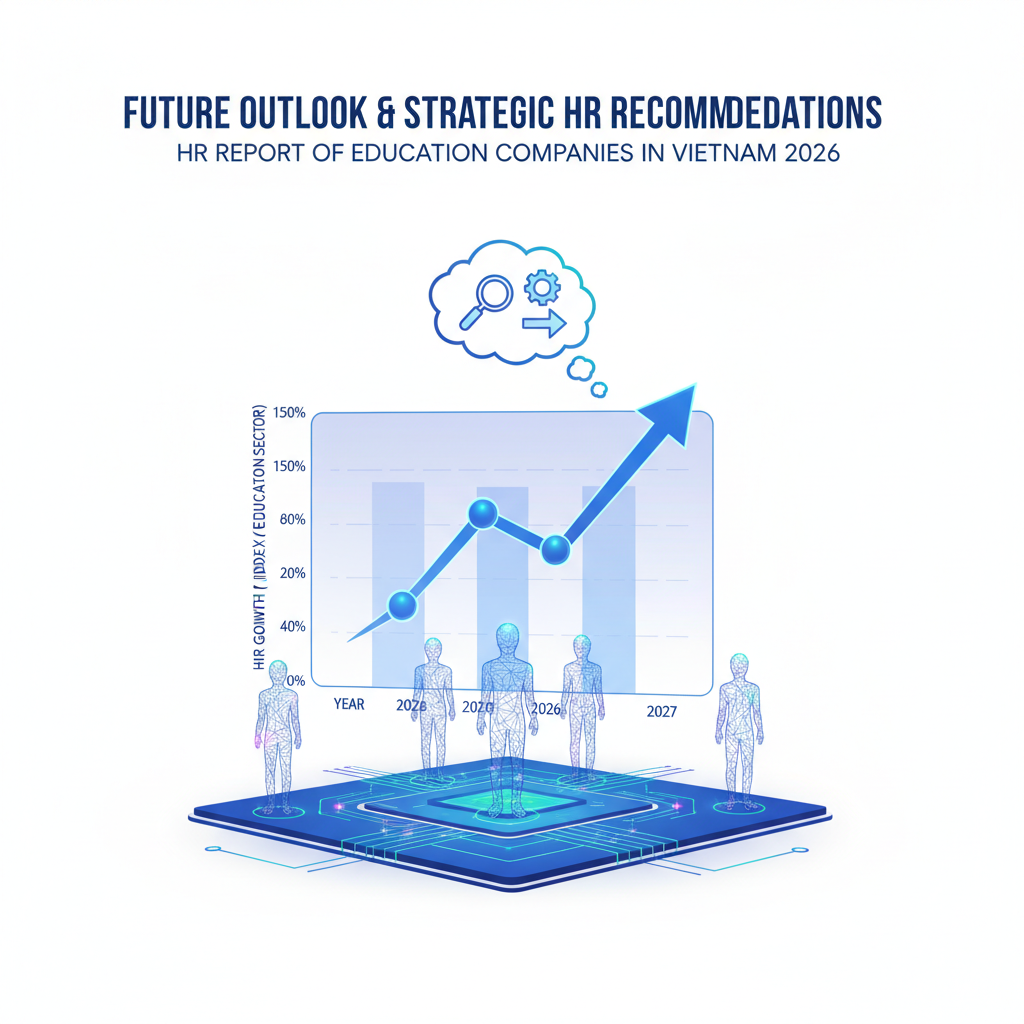
2. Addressing Future Talent Gaps and Skill Shortages
The education landscape is continually evolving, creating new demands for specialized skills and highlighting potential education talent gaps Vietnam. As curricula adapt to global standards and digital competencies become essential, there will be an increasing need for educators proficient in areas like data science, AI, digital marketing, and interdisciplinary teaching methods. Beyond technical skills, soft skills such as critical thinking, creativity, emotional intelligence, and adaptability will be highly sought after in both teaching and administrative roles. To mitigate these shortages, HR must proactively engage in strategic workforce planning, forecasting future skill requirements and identifying potential deficits. Implementing robust skill development education Vietnam programs, including reskilling and upskilling initiatives, becomes crucial. Partnerships with universities and vocational schools can help pipeline fresh talent, while internal mentorship programs and continuous professional development will ensure existing staff remain relevant and engaged. Creating an attractive employee value proposition that highlights opportunities for growth and innovation will be vital in attracting and retaining top-tier talent in a competitive market. According to the World Economic Forum, continuous upskilling and reskilling will be key to addressing future job market changes, a trend highly relevant to education. For more insights, refer to The Future of Jobs Report 2023: Upskilling and Reskilling Will Be Key.
3. Strategic Recommendations for Sustainable HR Growth
To foster sustainable HR strategies Vietnam education, HR leaders must adopt a holistic and agile approach. Firstly, prioritize data-driven HR: leverage analytics to understand employee performance, engagement, and turnover trends, enabling more informed decision-making. Secondly, cultivate a culture of continuous learning and adaptability. Encourage experimentation with new pedagogical methods and technologies, and support educators in pursuing ongoing professional development. Thirdly, enhance employee well-being and engagement. In a demanding sector, mental health support, flexible working arrangements where feasible, and recognition programs are vital for retaining valuable staff. Fourthly, champion diversity, equity, and inclusion (DEI). A diverse workforce enriches the learning environment and brings varied perspectives, fostering innovation and better problem-solving. Finally, integrate HR strategy with the overall business strategy of the education company. HR should be a proactive partner in shaping organizational goals, not merely a supportive function. By embedding these principles, HR can not only address immediate challenges but also build a resilient, future-ready workforce capable of driving long-term success for education companies in Vietnam.
Partner with Shelby Global
You are looking for reliable HR Sevice Suppliers? Contact Shelby Global Now! To connect with verified talents and upgrade your orginization.
—————————————
References
– UNESCO Institute for Statistics – Vietnam Education Data: https://uis.unesco.org/country/VN
– Analysis of Vietnamese Labor Market Trends: https://www.ilo.org/hanoi/information-resources/publications/WCMS_558774/lang–en/index.htm
– The World Economic Forum: Future of Jobs Report 2023: https://www.weforum.org/publications/future-of-jobs-report-2023/
– SHRM’s Guidance on Building a Mentally Healthy Workplace: https://www.shrm.org/resources-and-tools/hr-topics/employee-relations/pages/building-a-mentally-healthy-workplace.aspx
– The Future of Jobs Report 2023: Upskilling and Reskilling Will Be Key: https://www.weforum.org/agenda/2023/05/future-of-jobs-report-2023-upskilling-reskilling/