The HR Landscape: SMEs vs. Corporates in Singapore Fashion
Singapore’s vibrant fashion industry, a dynamic blend of global luxury brands and burgeoning local labels, presents a fascinating study in organizational structures, particularly concerning human resources. The fundamental Differences between the SMEs’ HR Structure and the Corporates’ HR Structure in Fashion field in singapore are not merely a matter of operational scale; they represent distinct approaches to talent management, compliance, and strategic development. Understanding these disparities is crucial for anyone navigating the unique demands of HR in this sector.
1. Defining SMEs and Corporates in Singapore’s Fashion Sector
In Singapore, SMEs (Small and Medium-sized Enterprises) are typically defined by an annual sales turnover not exceeding S$100 million or an employment size of not more than 200 workers. Within the fashion realm, this includes independent boutiques, emerging local designer labels, small-scale manufacturers, and niche online retailers. These businesses are characterized by flat organizational structures, lean teams, and direct founder involvement in HR matters.
Corporates, conversely, encompass large, established enterprises, multinational brands with significant regional presence, and major retail chains. Examples include international luxury fashion houses or global fast-fashion retailers. These entities boast extensive workforces, multi-tiered management, and often operate across multiple markets, necessitating a highly structured and specialized approach to human resources.
2. Overview of the Singapore Fashion Industry’s Unique HR Demands
The Singapore fashion industry, while glamorous, poses distinct HR challenges. A key demand is the constant need for diverse creative talent—from designers and merchandisers to marketing specialists—who can adapt to rapid trend cycles and global influences. The growth of e-commerce further demands expertise in digital marketing, online customer experience, and efficient logistics. Moreover, the competitive retail landscape requires exceptional sales and customer service professionals to deliver premium experiences.
Both SMEs and Corporates grapple with a tight labor market in Singapore. For Singapore fashion industry HR, this means developing agile strategies for talent acquisition and development that respond quickly to market shifts and technological advancements, all while ensuring effective workforce management fashion.
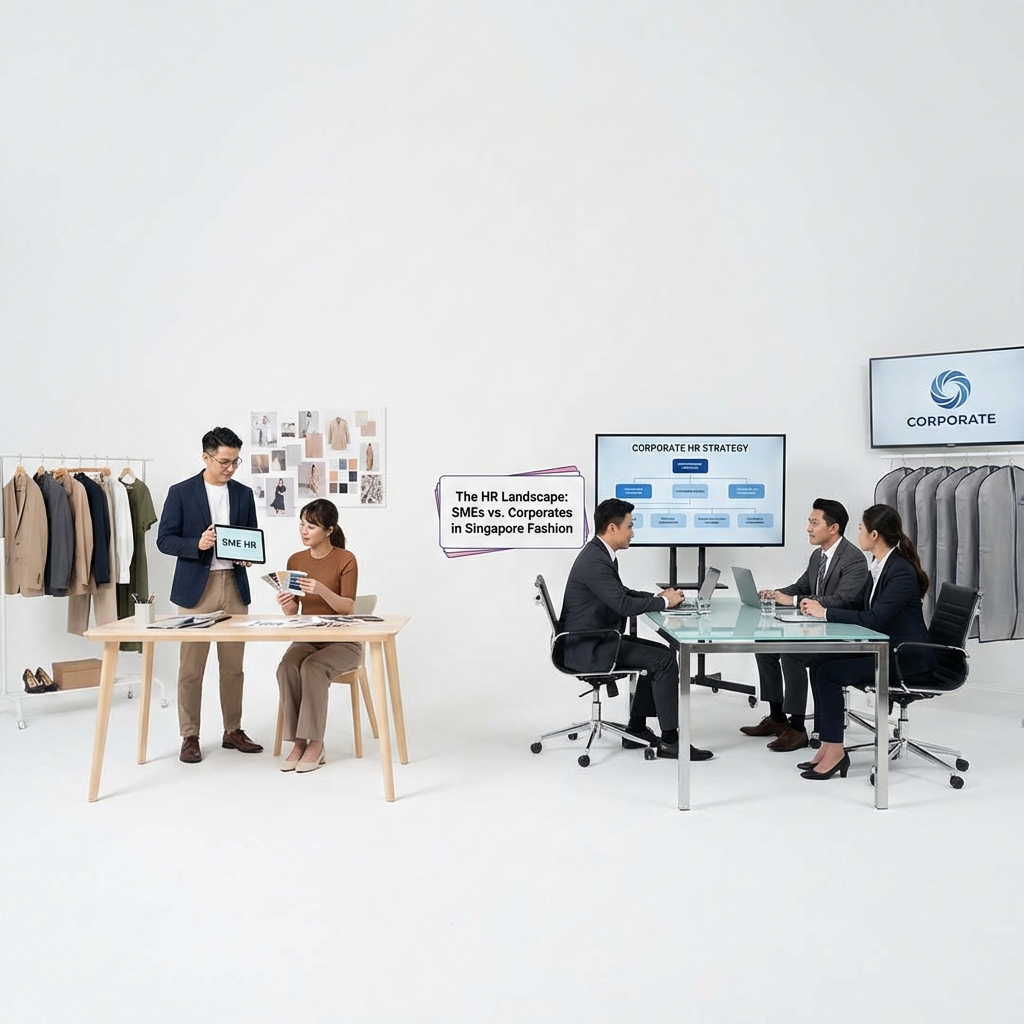
3. Key Drivers Shaping HR Structures (Growth, Scale, Resources)
Operational scale, growth trajectory, and available resources fundamentally dictate the HR structure within Singaporean fashion businesses, highlighting the critical Differences between the SMEs’ HR Structure and the Corporates’ HR Structure in Fashion field in singapore.
Growth and Scale: For SMEs, HR functions are often handled by founders or general administrative staff. HR tends to be reactive, focusing on immediate operational needs like payroll, basic recruitment, and compliance with minimum employment standards. Their HR structure is lean and adaptable, often relying on informal processes. As they grow, SMEs might hire a single HR generalist, but strategic HR planning often takes a backseat to daily operations, facing unique SME HR challenges.
In contrast, Corporates operate with dedicated, often extensive, HR departments. These departments are typically segmented into specialized functions such as talent acquisition Singapore fashion, learning and development, compensation and benefits, and employee relations. Their HR strategies are proactive, aligned with global business objectives, and focus on long-term workforce planning, succession, and robust performance management. These Corporate HR strategies support a large, diverse workforce across various functions and geographies.
Resources: Resource availability is a significant differentiator. SMEs, with tighter budgets, struggle to invest in sophisticated HR technology, comprehensive training, or elaborate employee benefits. They might leverage government grants or outsource specific HR functions, prioritizing cost-effectiveness. In the realm of HR tech fashion, SMEs often use simpler solutions or manual processes.
Corporates, conversely, allocate substantial budgets to HR infrastructure. This includes implementing advanced Human Resources Information Systems (HRIS), offering competitive packages, and developing extensive employee development programs. They also have dedicated teams for HR compliance Singapore, ensuring adherence to complex labor laws and regulations—a burden often felt more acutely by smaller entities. Larger companies also leverage strong employer branding to attract top talent in competitive areas like fashion retail HR.
In essence, while both SMEs and Corporates in Singapore’s fashion industry strive for talent excellence, their pathways and capacities are fundamentally different. SMEs prioritize adaptability and lean operations, often integrating HR into multi-functional roles. Corporates champion specialization, strategic planning, and significant investment in HR infrastructure to manage their expansive workforces effectively. This dichotomy in HR structure directly influences their ability to attract, develop, and retain critical talent. More information on Singapore’s business landscape can be found via Enterprise Singapore, which provides comprehensive resources for businesses of all sizes.
Talent Acquisition & Development Strategies
In the dynamic and competitive landscape of the fashion industry, securing and retaining top talent is paramount for success. The Differences between the SMEs’ HR Structure and the Corporates’ HR Structure in Fashion field in Singapore are stark, largely shaped by their respective resources, scale, and strategic priorities. While both strive for excellence in talent acquisition strategies and development, their approaches to finding, hiring, and nurturing employees diverge significantly. This section explores these contrasts, shedding light on how smaller enterprises (SMEs) and large corporations navigate the unique challenges and opportunities within the vibrant Singaporean fashion market. Understanding these varied strategies is crucial for anyone looking to enter or advance within the diverse fashion industry talent pool in the city-state.
1. Recruitment Tactics: Niche Specialization vs. Mass Market Sourcing
SMEs in the Singapore fashion scene often operate with lean teams, requiring individuals who can wear multiple hats and possess highly specialized skills. Their SME fashion HR strategies for recruitment typically involve leveraging personal networks, industry connections, and focused online platforms like LinkedIn or fashion-specific job boards. They prioritize cultural fit and the candidate’s passion for the brand, often relying on word-of-mouth referrals and direct outreach to identify potential hires for crucial Singapore fashion jobs. This niche specialization allows them to scout for unique talent that aligns perfectly with their brand’s ethos and operational needs, albeit with a smaller reach.
Conversely, large corporations, often operating as a large fashion house HR strategy, approach recruitment with substantial budgets and dedicated HR departments. Their methods lean towards mass market sourcing, utilizing extensive resources such as major job portals (e.g., JobStreet, MyCareersFuture), professional recruitment agencies, university career fairs, and robust employer branding campaigns. These companies aim to attract a broad pool of candidates, implementing structured interview processes and assessment centers. Their corporate fashion recruitment efforts focus on filling a wider array of roles, from design and merchandising to supply chain and marketing, often with a global talent search in mind. They can absorb a higher volume of applicants, relying on scale and brand prestige to draw in potential employees.
2. Onboarding and Training Programs: Tailored vs. Standardized Approaches
Once talent is acquired, the next critical step is effective onboarding and continuous development. For SMEs, onboarding is typically an informal, hands-on process. New hires are often integrated quickly into small teams, receiving direct mentorship from founders or senior colleagues. Training is highly tailored, focusing on immediate operational needs and on-the-job learning. This agile approach fosters rapid skill development and a deep understanding of the company’s specific operations and culture. HR challenges fashion SMEs face include limited resources for formal training programs, necessitating creative solutions and a reliance on experiential learning for employee development fashion.
In stark contrast, corporates in the fashion industry deploy standardized and comprehensive onboarding programs. New employees undergo structured orientations, often including modules on company history, values, policies, and departmental overviews. These programs are designed to ensure consistency across a large workforce. Training initiatives are typically more formalized, with dedicated Learning and Development (L&D) departments offering a suite of courses, workshops, and e-learning modules covering everything from technical skills to leadership development. This systematic approach ensures a consistent baseline of knowledge and performance, although it might sometimes lack the personalized touch of SME training.
3. Career Progression and Employee Retention in Singapore Fashion
The pathways for career progression and strategies for employee retention also differ significantly. In an SME, career progression can be less formally defined but often offers opportunities for rapid growth and expanded responsibilities. Employees might gain exposure to diverse functions, potentially taking on leadership roles sooner due to the flat hierarchy. Retention in these smaller firms often hinges on a strong company culture, a sense of belonging, direct impact on the business, and work-life balance. For talent retention Singapore fashion SMEs rely on fostering a familial environment and offering unique benefits that go beyond monetary compensation.
Corporates, on the other hand, typically have well-structured career ladders, clear job descriptions, and formal performance management systems. Employees often follow defined promotion tracks, with opportunities for internal transfers, international assignments, and cross-functional development. Large fashion houses invest heavily in creating robust succession plans and leadership development programs. Their retention strategies often involve competitive remuneration packages, comprehensive benefits, professional development opportunities, and global exposure. While this offers stability and clear advancement paths, employees might find the progression slower and more bureaucratic. The strategic Differences between the SMEs’ HR Structure and the Corporates’ HR Structure in Fashion field in Singapore in this area profoundly impact how talent views their long-term prospects. The fashion industry in Singapore, being competitive, means that both entities constantly adapt their retention strategies to keep valuable talent engaged.
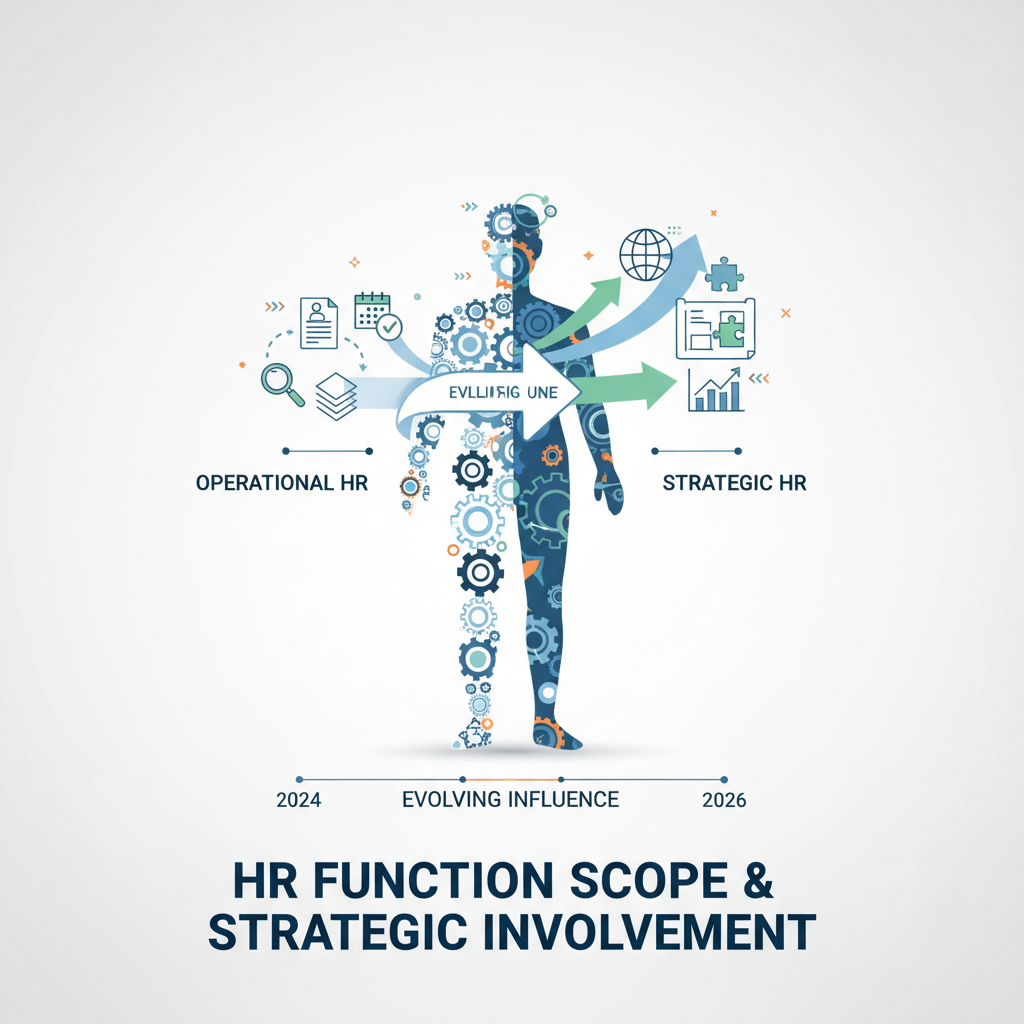
HR Function Scope & Strategic Involvement
Analyzing the breadth of HR responsibilities and the level of strategic influence HR departments hold within SMEs versus Corporates in the fashion sector.
The dynamic and trend-driven fashion industry in Singapore presents unique challenges and opportunities for Human Resources. From rapid product cycles to the need for creative talent and agile supply chain management, HR’s role is pivotal. However, the differences between the SMEs’ HR structure and the corporates’ HR structure in fashion field in Singapore are pronounced, particularly concerning the scope of their functions and their strategic involvement. Understanding these disparities is crucial for optimizing human capital strategies across the sector.
1. The Evolving Role of HR: From Administrative to Strategic Partner
Historically, HR was often perceived as a purely administrative function, handling payroll, benefits, and compliance. In today’s competitive landscape, especially within the innovation-driven fashion sector, HR has undergone a significant transformation. For large Corporates in Singapore’s fashion scene, HR departments are typically established as strategic partners from inception. They are deeply embedded in business planning, contributing to decisions on global expansion, brand positioning, and talent pipeline development. Their focus extends beyond mere HR operations to talent management, organizational design, and fostering a culture that aligns with corporate goals. For example, a major fashion conglomerate might have HR strategists dedicated to forecasting future skill needs in areas like sustainable fashion design or digital marketing.
Conversely, for many Small and Medium-sized Enterprises (SMEs) in Singaporean fashion, the journey from administrative support to strategic partner is more gradual. Initial HR efforts might focus heavily on basic compliance, recruitment for immediate needs, and employee relations. As an SME grows and faces increasing competitive pressures or expansion opportunities, the HR function naturally begins to evolve. The founder or a key manager might initially handle HR, later hiring a generalist HR professional. This professional then gradually develops strategic capabilities, influencing areas such as talent acquisition, performance management, and employee engagement to support the company’s growth trajectory. The agility inherent in SMEs often means HR can implement changes rapidly, making their strategic impact highly visible, though perhaps less formalized than in larger organizations.
2. Specialization vs. Generalist HR Roles and Expertise
One of the most defining differences between the SMEs’ HR structure and the corporates’ HR structure in fashion field in Singapore lies in the specialization of roles. Corporate fashion brands, with their extensive resources and larger workforces, typically boast highly specialized HR departments. You’ll find distinct teams for talent acquisition, compensation and benefits, learning and development, HR technology, organizational development, and employee relations. These specialists bring deep expertise to their respective areas, allowing for sophisticated strategies in workforce planning, employee experience design, and compliance with complex international labor laws. For instance, a corporate HR team might include specialists in expatriate management for global fashion ventures or experts in specific fashion software HR systems.
SMEs, by contrast, usually operate with generalist HR roles. An HR manager or executive in an SME often wears multiple hats, responsible for the entire spectrum of HR functions – from recruitment and onboarding to payroll processing, training coordination, and conflict resolution. This requires a broad understanding of all HR disciplines and a strong ability to prioritize and adapt. While lacking the deep specialization of corporate counterparts, generalist HR professionals in SMEs often possess a unique holistic perspective of the business and its employees. They are often closer to the day-to-day operations and can provide more personalized support, which can be a significant advantage in fostering a tight-knit company culture crucial for innovative fashion startups.
3. Impact on Business Strategy and Decision-Making within Fashion Brands
The level of strategic influence HR departments wield varies considerably. In large fashion Corporates, HR is an integral part of the executive leadership team, actively participating in major strategic discussions and decisions. HR business partners (HRBPs) are often assigned to specific business units or product lines, providing tailored HR strategies that align with commercial objectives. This strategic involvement extends to critical areas such as merger and acquisition integration, long-term workforce planning, diversity and inclusion initiatives, and navigating complex ethical sourcing and sustainability challenges that are increasingly vital in the fashion industry. Their decisions are often data-driven, leveraging analytics to inform talent strategies and organizational effectiveness, contributing significantly to the brand’s competitive advantage. For insights into how to effectively elevate HR to this strategic partnership level, resources like SHRM’s guidance on elevating HR to a strategic partner provide valuable frameworks.
For fashion SMEs, HR’s influence on strategy is often more informal but no less impactful. Due to the flatter organizational structure, HR professionals often have direct access to founders and top management. Their input might be crucial in talent acquisition for key creative roles, shaping the company’s unique culture, and managing rapid growth or contraction cycles. While they may not sit in formal strategic planning sessions with the same regularity as corporate HR, their proximity to the workforce and understanding of employee needs directly inform operational decisions that have strategic implications. For instance, an SME’s HR might directly advise on whether to outsource production based on workforce capacity or how to retain a critical designer through personalized development plans. The challenge for SME HR is often about balancing immediate operational demands with the need to think strategically about future growth.
In conclusion, whether operating within the lean structure of an SME or the expansive framework of a corporate giant, HR in Singapore’s fashion sector plays a critical role. The differences between the SMEs’ HR structure and the corporates’ HR structure in fashion field in Singapore are not merely about size, but about the depth of specialization, the evolution of strategic involvement, and the direct impact on business decision-making. Both models possess unique strengths, underscoring the dynamic and indispensable nature of human resources in fostering innovation and sustainable growth within the global fashion landscape.
Compensation, Benefits & Compliance Frameworks
The human resources landscape in Singapore’s vibrant fashion industry presents a fascinating dichotomy when comparing Small and Medium-sized Enterprises (SMEs) with their larger corporate counterparts. The “Differences between the SMEs’ HR Structure and the Corporates’ HR Structure in Fashion field in singapore” are particularly pronounced in how remuneration packages, employee benefits, and adherence to intricate labor laws and industry regulations are managed. While corporates often boast robust, standardized frameworks, SMEs frequently operate with more agile, yet sometimes less structured, approaches. This disparity significantly impacts talent attraction, retention, and overall operational efficiency within the competitive fashion sector. Understanding these variations is crucial for both employers and employees navigating the unique fashion HR Singapore environment.
1. Salary Structures and Performance Management Methodologies
The foundational difference in compensation often lies in the sophistication and flexibility of salary structures. Large corporates in the fashion industry typically implement multi-tiered, well-defined salary bands, often benchmarked against industry standards. These structures frequently incorporate a higher base salary, coupled with variable components like annual bonuses, sales commissions (especially for retail roles), and long-term incentives tied to company performance. Their performance management methodologies are usually formal, involving regular performance reviews, objective-setting frameworks like OKRs or KPIs, and structured feedback mechanisms. This systematic approach allows for transparent career progression paths and direct links between individual contribution and reward, a hallmark of effective corporate HR strategies fashion.
Conversely, SME HR practices Singapore in fashion tend to exhibit more agile, often less formal, salary structures. Base salaries might be competitive initially, but variable components could be less predictable or formalized. Performance management in SMEs often relies on more frequent, informal check-ins rather than annual grand reviews. While this offers flexibility and a personal touch, it can sometimes lack the objectivity and transparency found in larger organizations. For employee compensation fashion Singapore, SMEs might leverage a more direct, founder-led decision-making process, potentially leading to quicker adjustments but also less standardized pay progression. The challenge for many fashion SMEs lies in developing scalable and equitable performance appraisal systems that can grow with the company, impacting performance appraisal fashion industry effectiveness.
2. Employee Benefits, Wellness Programs, and Perks Comparison
Beyond salary, the divergence in employee benefits and wellness programs is substantial. Corporates in Singapore’s fashion industry typically offer comprehensive benefits packages designed to attract and retain top talent. These often include extensive medical and dental insurance plans, robust life and personal accident insurance, generous leave policies, and a strong focus on professional development through training budgets and career advancement opportunities. Many large fashion corporations also invest in holistic workplace benefits Singapore fashion, such as on-site wellness programs, mental health support, gym memberships, and even exclusive discounts on their own products or services, significantly boosting employee welfare Singapore fashion. These structured programs reflect a long-term investment in human capital.
For fashion SMEs, the benefits landscape is often more constrained by budget and scale. While statutory benefits like CPF contributions and basic annual leave are mandatory, additional perks might be limited or more creative. SMEs often compensate for a lack of extensive insurance plans with a more personal, family-like culture, greater flexibility in working hours, or unique, often non-monetary, perks that align with their brand’s identity – such as access to exclusive events or product samples. While wellness programs might not be as formal, some SMEs innovate with team-building activities, flexible work arrangements, or opportunities for employees to wear multiple hats, fostering skill diversification. The key for SMEs is to craft attractive benefit offerings that are sustainable and resonate with their specific talent pool.
3. Navigating Singapore’s Labor Laws and Fashion Industry Regulations
Adherence to labor law compliance fashion and industry-specific regulations is a critical area where organizational size often dictates approach and resource allocation. Corporates in Singapore, with their larger legal and HR departments, possess dedicated resources to ensure meticulous compliance with the Employment Act, Central Provident Fund (CPF) regulations, foreign worker quotas, and various industry-specific guidelines. They proactively implement robust internal policies, conduct regular audits, and invest in legal counsel to mitigate risks associated with non-compliance. This proactive stance ensures that their operations are fully compliant, minimizing legal exposure and maintaining a strong reputation, especially crucial for global brands. For more detailed insights into Singapore’s employment standards, refer to the Ministry of Manpower’s official guidelines.
SMEs in the fashion sector often face greater challenges in navigating the complex regulatory environment due to limited resources and expertise. While equally obligated to adhere to all Singaporean labor laws, their approach might be more reactive or reliant on external, sometimes ad-hoc, advice. Ensuring proper documentation, understanding nuances in salary calculations, overtime pay, and termination procedures can be particularly challenging without dedicated HR and legal support. The risk of inadvertent non-compliance is higher, which can lead to disputes, fines, and reputational damage. However, many SMEs are increasingly leveraging HR advisory services or digital tools to streamline their compliance efforts, recognizing that strong regulatory adherence fashion is not just a legal necessity but also a foundation for sustainable growth. To delve deeper into understanding the complexities that shape the employment landscape, particularly in the context of the fashion industry, exploring the “Differences between the SMEs’ HR Structure and the Corporates’ HR Structure in Fashion field in singapore” offers valuable perspectives. You can read more about these intricacies by visiting our comprehensive guide on the nuances of HR structures in Singapore’s fashion industry.
In conclusion, the disparities in compensation, benefits, and compliance frameworks between SMEs and corporates in Singapore’s fashion industry are significant. While corporates benefit from established, resource-rich structures enabling comprehensive packages and rigorous compliance, SMEs often innovate with more flexible, personalized approaches, albeit sometimes with greater challenges in standardization and regulatory navigation. Both models have their strengths and weaknesses, ultimately shaping the employee experience and the strategic HR trajectory within Singapore’s dynamic fashion landscape, highlighting the ongoing **HR disparities Singapore fashion**.
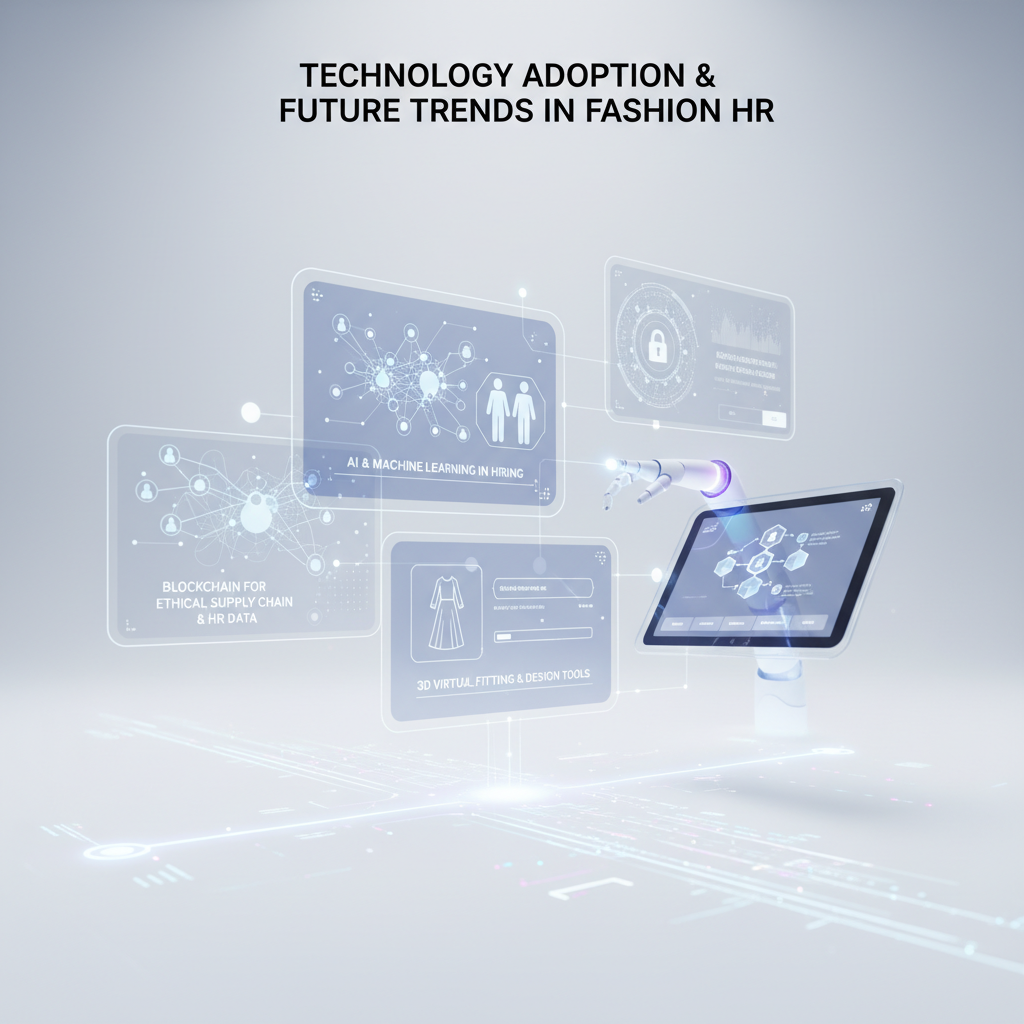
Technology Adoption & Future Trends in Fashion HR
The fashion industry, dynamic and ever-evolving, is experiencing a profound transformation in its human resources landscape, driven primarily by technological advancements. This section delves into how technology impacts HR operations across both small and medium-sized enterprises (SMEs) and large corporates in the fashion sector, particularly in Singapore, and explores the emerging trends poised to reshape their HR structures in the coming years. Understanding the Differences between the SMEs’ HR Structure and the Corporates’ HR Structure in Fashion field in singapore is crucial for appreciating the nuanced application of these technologies and trends.
1. HR Tech Solutions: Automation, Analytics, and Platforms
Technology has become an indispensable tool for modern HR, streamlining processes and enhancing decision-making. For fashion HR tech in Singapore, this means a shift from manual, paper-based systems to integrated digital platforms.
SMEs in fashion often start with basic HR software for payroll and leave management, focusing on efficiency gains with limited budgets. These solutions reduce administrative burden, allowing HR personnel to focus on recruitment and employee engagement. As they grow, they might adopt cloud-based HRIS (Human Resources Information Systems) that offer scalability without significant upfront investment.
In contrast, large fashion corporates typically employ sophisticated, end-to-end HR ecosystems. These include advanced talent acquisition platforms leveraging AI for candidate screening, robust performance management systems with continuous feedback loops, and comprehensive HR analytics dashboards. HR automation tools, such as robotic process automation (RPA) for routine tasks, free up HR teams to undertake strategic initiatives. Data-driven HR analytics become central, providing insights into workforce productivity, retention rates, and skill gaps, crucial for strategic planning. The adoption of these platforms allows corporates to manage complex global workforces and diverse talent pools more effectively. The integration of various HR modules on a single platform creates a cohesive employee experience, from onboarding to offboarding. This reflects the evolving landscape of HR technology that is defining the future of work.
2. Remote Work and Flexible Arrangements in Fashion HR Post-Pandemic
The COVID-19 pandemic irrevocably altered work paradigms, particularly accelerating the acceptance of remote and hybrid models. For remote work fashion HR, this has meant adapting policies, technology, and culture to support a geographically dispersed workforce. In Singapore, where space is a premium, flexible work Singapore arrangements have gained significant traction even within the creative and production-heavy fashion industry.
For SMEs, offering remote or hybrid options can be a competitive advantage in attracting talent, especially for roles that do not require physical presence, such as design, marketing, or e-commerce management. HR in these firms must now manage digital onboarding, ensure adequate IT infrastructure, and foster virtual team cohesion.
Larger corporates, with greater resources, have invested heavily in collaboration tools, cybersecurity for remote access, and virtual reality (VR) solutions for virtual showrooms or design reviews. Their HR structures are evolving to manage global talent pools effectively, transcending geographical boundaries. This shift also necessitates a focus on employee well-being and mental health support, adapting to the unique challenges posed by remote work. The ability to offer competitive flexible work options is now a key differentiator in talent acquisition and retention strategies across the board, impacting the very differences between the SMEs’ HR structure and the Corporates’ HR structure in the fashion field in Singapore.
3. Future-Proofing HR: Skills, Agility, and Innovation for 2026 and Beyond
Looking towards 2026 and beyond, the fashion industry’s HR departments must prioritize future HR skills that embrace continuous learning, adaptability, and strategic foresight. The emphasis will shift from transactional HR to strategic HR, requiring professionals to be data literate, technologically proficient, and adept at change management. HR agility will be paramount, enabling fashion companies to quickly adapt to market shifts, consumer demands, and technological disruptions. This means fostering a culture of experimentation and innovation in fashion HR.
For SMEs, future-proofing involves upskilling existing HR personnel in digital tools and basic data analysis, and potentially outsourcing complex HR functions like advanced analytics or talent acquisition for specialized roles. Their agility often stems from smaller, more flexible teams.
Corporates will likely continue to invest in specialized HR roles such as HR data scientists, employee experience designers, and HR technologists. They will leverage AI-driven predictive analytics for workforce planning and talent forecasting. Both SMEs and corporates will need to focus on ethical AI use in HR, ensuring fair and unbiased practices. The ability of HR to drive innovation not just within its own function but across the entire organization, by nurturing a creative and resilient workforce, will define success. The strategic implementation of these future-oriented HR practices will further define the evolving landscapes and the dynamic interplay between different organizational sizes in the Singaporean fashion sector.
Partner with Shelby Global
You are looking for reliable HR Sevice Suppliers? Contact Shelby Global Now! To connect with verified talents and upgrade your orginization.
—————————————
References
– Enterprise Singapore: https://www.enterprisesg.gov.sg/
– How To Craft A Modern Talent Acquisition Strategy: https://www.forbes.com/sites/forbeshumanresourcescouncil/2023/10/02/how-to-craft-a-modern-talent-acquisition-strategy/
– Elevate HR to a Strategic Partner: https://www.shrm.org/resourcesandtools/hr-topics/organizational-and-employee-development/pages/elevate-hr-to-a-strategic-partner.aspx
– Ministry of Manpower – Employment Act: https://www.mom.gov.sg/employment-practices/employment-act
– The Top 9 HR Technology Trends In 2024: https://www.forbes.com/sites/forbeshumanresourcescouncil/2024/02/09/the-top-9-hr-technology-trends-in-2024/