Understanding the Unique HR Landscape for Malaysian Logistics SMEs
This section sets the foundation by exploring the specific challenges and opportunities HR faces within Malaysia’s dynamic logistics sector for small and medium-sized enterprises.
Malaysia’s logistics sector is a critical pillar of its economy, facilitating trade, manufacturing, and e-commerce growth. However, for Small and Medium-sized Enterprises (SMEs) operating within this vibrant but demanding environment, the Human Resources (HR) landscape presents a unique set of challenges and opportunities. Unlike larger corporations with dedicated HR departments and extensive resources, Malaysian logistics SMEs often find their HR functions managed by a lean team, or even directly by the CEO or owner. This fundamental difference shapes the approach to talent acquisition, retention, compliance, and overall workforce management. Understanding these nuances is crucial for developing effective HR structures for SMEs, especially for the CEO in the logistics field in Malaysia, to ensure operational efficiency and sustainable growth.
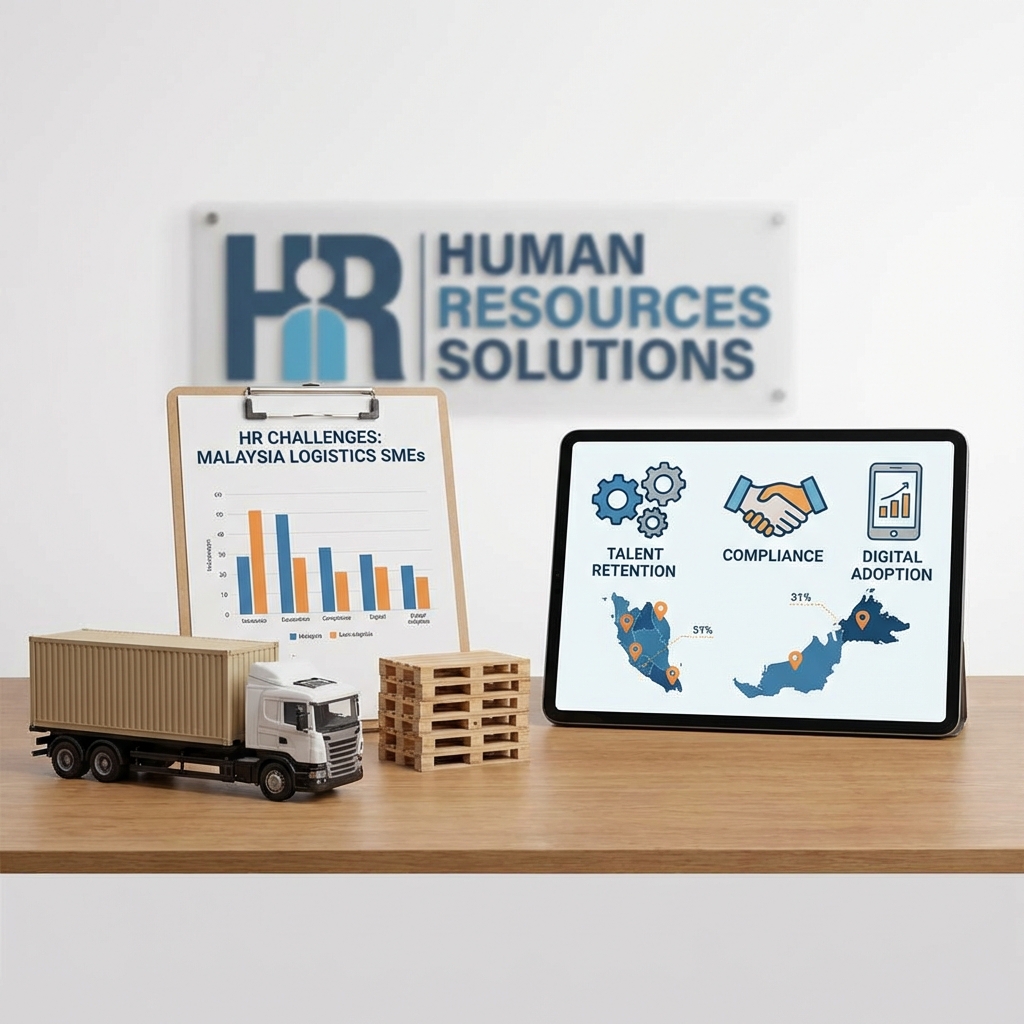
1. Logistics Industry-Specific HR Challenges (e.g., driver shortages, irregular hours)
The operational realities of the logistics industry inherently create a distinct set of HR hurdles. One of the most pervasive Malaysian logistics HR challenges is the persistent shortage of skilled drivers. This critical role often entails irregular working hours, long stretches away from home, and demanding physical tasks, making it less attractive to younger generations. Consequently, SMEs struggle with high turnover rates, increased recruitment costs, and the strain of managing an aging workforce. Beyond drivers, roles in warehousing, last-mile delivery, and supply chain coordination also face issues related to shift work, peak season demands, and the need for constant adaptability. Effective logistics workforce management strategies are vital to mitigate these issues, including developing robust driver retention strategies that focus on competitive remuneration, welfare programs, and career development pathways. Furthermore, the industry’s increasing reliance on technology necessitates continuous upskilling, adding another layer of complexity to talent management logistics within resource-constrained SMEs.
2. SME Resource Constraints vs. HR Needs (budget, manpower, expertise)
The inherent limitations of SMEs significantly impact their ability to address complex HR needs. Budgetary restrictions often mean a dedicated HR department is a luxury rather than a standard. Instead, HR responsibilities are frequently distributed among administrative staff, operations managers, or even fall directly on the CEO’s plate. This lack of specialized HR expertise can lead to reactive rather than proactive HR practices, potentially overlooking strategic advantages. For example, implementing sophisticated SME HR strategies in Malaysia for performance management or digital HR solutions might seem daunting without the necessary funds or manpower. This reliance on non-HR professionals for critical functions can result in compliance gaps, inconsistent policies, and missed opportunities for employee development. Addressing these HR budget constraints for SMEs requires creative solutions, such as leveraging outsourced HR services, adopting digital HR for logistics SMEs through user-friendly HR technology, and investing in basic HR training for key personnel to build more resilient and effective strategic HR for Malaysian SMEs.
3. Malaysian Labor Laws & Compliance Essentials for Logistics
Navigating Malaysia’s intricate labor laws is a non-negotiable aspect of HR, and for logistics SMEs, this can be particularly challenging due to their operational specifics. Key legislation such as the Employment Act 1955 (and its recent amendments), the Minimum Wages Order, Employees Provident Fund (EPF), Social Security Organization (SOCSO), and Employment Insurance System (EIS) are fundamental. For logistics businesses, compliance extends to specific provisions regarding working hours, overtime pay (especially for irregular shifts), rest days, and managing foreign workers who often fill critical operational gaps. Misinterpretations or non-compliance can lead to hefty penalties, legal disputes, and reputational damage. Therefore, robust labor law compliance in Malaysia logistics is paramount. SMEs must ensure accurate record-keeping, timely contributions to statutory bodies, and adherence to health and safety regulations, particularly given the inherent risks in logistics operations. Regular training and staying updated on legislative changes are not just good practices but essential for safeguarding the business.
In conclusion, the HR landscape for Malaysian logistics SMEs is a demanding yet fertile ground for innovation. By strategically addressing industry-specific challenges, prudently managing resource constraints, and rigorously upholding legal compliance, these businesses can foster a stable, productive workforce. For the CEO in the logistics field in Malaysia, understanding these unique HR dynamics is not merely an administrative task but a strategic imperative for long-term success and competitive advantage.
Strategic HR Structures for Lean & Agile SMEs
For CEOs leading logistics Small and Medium-sized Enterprises (SMEs) in Malaysia, navigating the complex landscape of human resources is crucial for sustainable growth and operational excellence. HR structures for SMEs the CEO in logistics field in malaysia must be lean, agile, and strategically aligned to support rapid market changes and competitive pressures. This section explores various HR models designed to enhance efficiency, reduce costs, and ensure HR functions are not just administrative but strategic partners in achieving overall business objectives.
-
Centralized vs. Decentralized HR Models in Logistics SMEs
Choosing the right HR model is foundational for logistics SMEs. A centralized HR model often suits smaller operations where a single HR department manages all functions. This approach ensures consistency in policies, procedures, and talent acquisition logistics Malaysia, offering better control and simplified communication. It can be cost-effective by avoiding duplication of roles, allowing for a focused HR strategy logistics Malaysia. However, it might struggle to address the diverse and urgent operational needs of multiple, geographically dispersed logistics hubs or specialized departments within a larger SME. For instance, a centralized team might not fully grasp the unique labor challenges specific to a particular port or distribution center.
Conversely, a decentralized HR model places HR personnel directly within business units or specific operational sites. This fosters closer alignment with operational goals, enabling faster, more localized problem-solving and tailored HR support for departments like warehousing or fleet management. While promoting agile HR practices and responsiveness, decentralization can lead to inconsistencies in policies, a lack of overall strategic cohesion, and potentially higher operational costs due to redundant functions. For a logistics SME with diverse operational units across Malaysia, a truly decentralized model could complicate compliance and reporting. The decision often hinges on the SME’s size, geographical spread, and the desired balance between control and localized responsiveness in their HR structures for SMEs the CEO in logistics field in malaysia.
-
Outsourcing HR Functions: When & What to Outsource (e.g., payroll, recruitment)
Many logistics SMEs find significant value in HR outsourcing for logistics SMEs to achieve cost-effective HR solutions and improve efficiency. Outsourcing non-core, administrative HR functions allows in-house teams to focus on strategic initiatives like employee development, performance management, and organizational culture. Common outsourced functions include payroll processing, benefits administration, compliance reporting, and even initial recruitment screening. For example, managing intricate Malaysian labor laws and tax regulations for payroll can be complex and time-consuming. Entrusting this to a specialized provider ensures accuracy and compliance, mitigating risks.
Recruitment, especially for high-volume or specialized logistics roles, is another prime candidate for outsourcing. External agencies often possess broader networks and expertise in sourcing niche talent, significantly reducing time-to-hire and associated costs. However, strategic recruitment, involving direct culture fit and leadership roles, might be better managed in-house or through a close partnership model. The key is to identify functions that are transactional, repetitive, and require specialized knowledge not readily available or cost-effective to maintain internally. A strategic approach to outsourcing can free up valuable internal resources, allowing the HR structures for SMEs the CEO in logistics field in malaysia to be more focused on growth. Research from organizations like SHRM highlights that strategic outsourcing can significantly improve HR efficiency and allow internal HR to focus on higher-value activities. For instance, understanding when to outsource HR can be a game-changer for lean operations.
-
Building a Hybrid HR Model: Balancing In-house with External Expertise
For many progressive logistics SMEs, a hybrid HR model presents the most pragmatic and effective solution. This approach intelligently combines the strengths of both centralized/decentralized in-house functions with the specialized expertise and cost efficiencies of external providers. In a hybrid model, core strategic HR functions – such as talent strategy, organizational development, employee engagement logistics initiatives, and culture building – remain in-house. This ensures that the company’s unique values and long-term vision are directly embedded into HR practices. The internal HR team, potentially a lean HR generalist or manager, then acts as a strategic partner to the CEO, focusing on areas that directly impact competitive advantage.
Simultaneously, transactional and highly specialized HR activities, like the aforementioned payroll, legal compliance audits, and specialized HR technology SMEs implementation, are outsourced to experts. This ensures high-quality execution without the burden of maintaining in-house expertise or infrastructure for every HR domain. Such a model provides the flexibility required for lean HR for logistics operations, allowing SMEs to scale HR support up or down as business needs evolve. It empowers the internal team to be more strategic and less administrative, thereby optimizing HR structures for SMEs the CEO in logistics field in malaysia. To further understand how to effectively implement and optimize such HR structures within the Malaysian logistics context, exploring resources focused on optimizing HR structures for logistics SMEs can provide valuable insights.
Ultimately, the choice of HR structure for logistics SMEs in Malaysia is not a one-size-fits-all decision. Whether leaning towards centralized control, leveraging strategic outsourcing, or adopting a balanced hybrid model, the goal remains the same: to create HR structures for SMEs the CEO in logistics field in malaysia that are efficient, agile, and directly contribute to the organization’s strategic goals. By carefully evaluating internal capabilities, business priorities, and the specific demands of the logistics sector, CEOs can establish an HR framework that supports growth, manages costs, and cultivates a high-performing workforce.
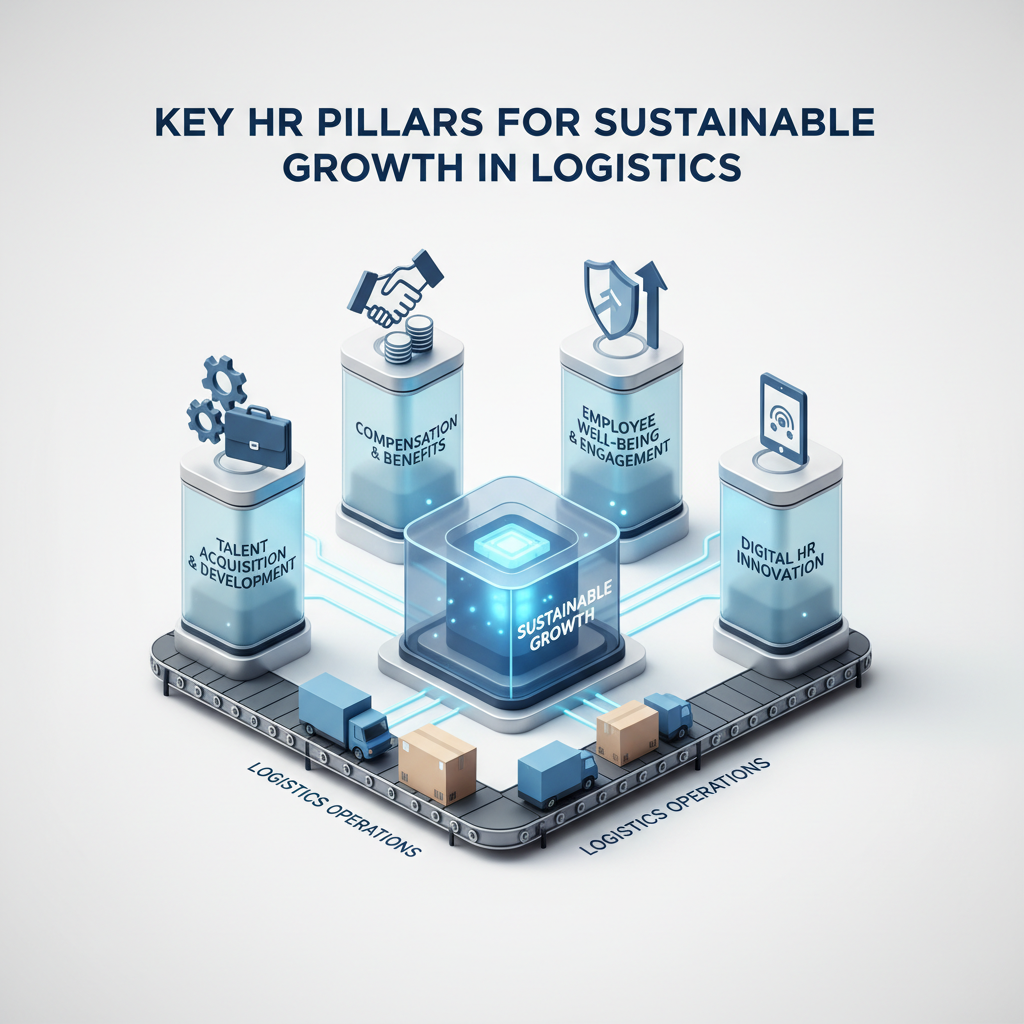
Key HR Pillars for Sustainable Growth in Logistics
For a logistics SME CEO in Malaysia, navigating the complexities of modern business demands a strategic approach to human resources. Beyond just administrative tasks, robust HR structures for SMEs the CEO in logistics field in Malaysia are not merely a support function but a critical driver for achieving sustainable growth, operational excellence, and fostering high employee satisfaction. In a sector defined by its pace and people-centric operations, prioritizing key HR pillars is paramount to overcoming common logistics HR challenges, such as high turnover and skill shortages, ultimately securing long-term success in the competitive Malaysian logistics workforce.
1. Talent Acquisition & Retention Strategies for Drivers & Operations Staff
The backbone of any logistics operation is its frontline staff: the drivers and operations teams. Attracting and, more importantly, retaining these essential personnel is a perennial challenge for Malaysian logistics companies. Effective talent acquisition for logistics SMEs requires moving beyond traditional job postings. Consider partnering with local vocational training centers and technical schools to cultivate a pipeline of fresh talent. Implement employer branding initiatives that highlight your company as a preferred workplace, emphasizing safety, technological integration, and a positive work culture. For driver retention strategies, it’s crucial to understand the unique demands of the role. This includes offering flexible shift patterns where possible, ensuring well-maintained vehicles, providing access to modern navigation and communication tools, and establishing clear safety protocols.
Beyond competitive salaries, a positive work environment, recognition programs, and opportunities for professional growth significantly contribute to employee loyalty. Regular check-ins, transparent communication, and addressing concerns promptly can drastically reduce turnover rates. For operations staff development, invest in cross-training programs that enhance versatility and job satisfaction. High employee engagement logistics directly correlate with reduced absenteeism and improved productivity, underscoring the strategic value of comprehensive acquisition and retention efforts in the Malaysian logistics sector.
2. Performance Management & Employee Development Pathways
Effective performance management is vital for maintaining high operational standards and ensuring accountability. For logistics SMEs, this involves setting clear, measurable key performance indicators (KPIs) for both drivers (e.g., on-time delivery rates, fuel efficiency, safety records) and operations staff (e.g., inventory accuracy, dispatch efficiency, customer service ratings). Regular, constructive feedback sessions are essential, moving beyond annual reviews to continuous dialogue that supports ongoing improvement and skill development. Implementing HR best practices for SMEs includes creating a culture of recognition where high performance is celebrated, and challenges are addressed with supportive coaching rather than punitive measures.
Crucially, establishing clear employee development pathways is a powerful motivator. Drivers and operations staff often seek opportunities to advance their careers. This could involve training programs for new logistics technologies, certification in advanced safety procedures, or management training for supervisory roles. Demonstrating a commitment to professional growth not only enhances individual capabilities but also builds a more skilled and adaptable workforce. Creating these pathways helps in talent management logistics by showing employees a future within the company, fostering loyalty and reducing the likelihood of them seeking opportunities elsewhere.
3. Compensation & Benefits Benchmarking in the Malaysian Logistics Sector
Attracting and retaining top talent in logistics is impossible without a competitive compensation and benefits package. For a logistics SME CEO in Malaysia, this means consistently benchmarking salaries and benefits against industry standards. The Malaysian logistics sector is dynamic, with varying pay scales influenced by location, job complexity, and experience. Relying on outdated compensation structures can lead to high attrition and difficulty in attracting skilled individuals.
Go beyond basic salary to include comprehensive benefits such as medical insurance, EPF (Employees Provident Fund) contributions, SOCSO (Social Security Organization) coverage, and performance-based bonuses. Consider non-monetary benefits like flexible working arrangements for operations staff, wellness programs, and employee assistance programs, which are increasingly valued by the modern workforce. Regularly reviewing and adjusting your compensation strategy based on market data is key. Authoritative sources like the annual JobStreet Malaysia Salary Guide can provide invaluable insights into prevailing wage rates across various roles and industries, including relevant segments of the logistics sector. Ensuring your offerings are competitive not only aids in talent acquisition but also significantly boosts employee morale and contributes to the sustainable growth logistics operations require.
Leveraging Technology for Efficient HR Operations
In the dynamic and often resource-constrained environment of Small and Medium-sized Enterprises (SMEs), particularly for a CEO in the logistics field in Malaysia, optimizing human resources is paramount. Technology offers a powerful avenue to streamline HR processes, improve data management, and significantly enhance the overall employee experience. For HR structures for SMEs the CEO in logistics field in Malaysia, embracing digital solutions is not just an efficiency gain; it’s a strategic imperative for sustained growth and competitiveness.
1. HRIS/HRMS Solutions for SMEs: What to Look For
Human Resources Information Systems (HRIS) or Human Resources Management Systems (HRMS) are foundational technologies that integrate various HR functions into a single platform. For Malaysian logistics SMEs, choosing the right HRIS/HRMS is critical. Look for cloud-based solutions that offer scalability, affordability, and ease of use, as these are often preferred by resource-constrained businesses. Key features to prioritize include employee self-service portals, centralized employee data management, and robust reporting capabilities. Given the unique demands of logistics—such as managing a distributed workforce, varying shift schedules, and potentially high turnover—a system that can easily track employee certifications, training compliance (e.g., safety protocols for drivers), and performance across different locations is invaluable. Furthermore, the ability to integrate with existing systems, like time and attendance or project management tools, ensures a cohesive operational flow. Embracing HR technology adoption is no longer an option but a necessity for modern SMEs aiming to enhance their workforce management and employee experience technology.
2. Automating Payroll & Leave Management for Compliance
Manual payroll and leave management are notorious time-sinks and significant sources of error, especially in a sector like logistics where overtime, varied shifts, and on-the-go leave requests are common. Automating these processes transforms HR operations. A dedicated payroll automation Malaysia solution can calculate wages, statutory deductions (EPF, SOCSO, EIS), and tax contributions accurately and on time, ensuring full compliance with Malaysian labor laws. This reduces the risk of penalties and frees up HR staff to focus on more strategic tasks. Similarly, automated leave management systems allow employees to request leave through a self-service portal, with managers approving digitally, significantly streamlining what can otherwise be a cumbersome process. Such systems provide real-time visibility into leave balances, minimize scheduling conflicts, and ensure adequate staffing levels—a critical factor for the continuous operations of a logistics company. Implementing such digital HR solutions is a clear path to boosting efficiency and ensuring robust SME compliance HR practices.
3. Using Data Analytics for HR Decision-Making in Logistics
Beyond automating routine tasks, technology empowers HR with data analytics, transforming it from an administrative function into a strategic partner. For a CEO overseeing logistics HR challenges, data-driven insights are invaluable. An effective HRIS/HRMS can collect and analyze data on employee turnover, absenteeism rates, recruitment sources, performance metrics, and training effectiveness. For instance, analyzing turnover data in logistics can reveal patterns related to specific routes, shifts, or management styles, allowing the CEO to proactively address root causes and improve driver retention. Workforce management solutions equipped with analytics can optimize shift planning and resource allocation based on predicted demand and available staff, ensuring operational efficiency and reducing labor costs. By leveraging HR data analytics logistics, companies can make informed decisions about talent acquisition, compensation strategies, training programs, and employee engagement initiatives, ultimately leading to a more productive, satisfied, and stable workforce. This strategic use of data positions HR as a key driver of business success in a competitive Malaysian market.
In conclusion, for a CEO in the Malaysian logistics sector, leveraging HR technology is not merely about digitizing paperwork; it’s about building resilient, efficient, and data-driven HR structures. From robust HRIS/HRMS solutions to automated payroll and advanced data analytics, these technological advancements are essential for navigating complex operational demands, ensuring compliance, and fostering a positive employee experience that fuels business growth.
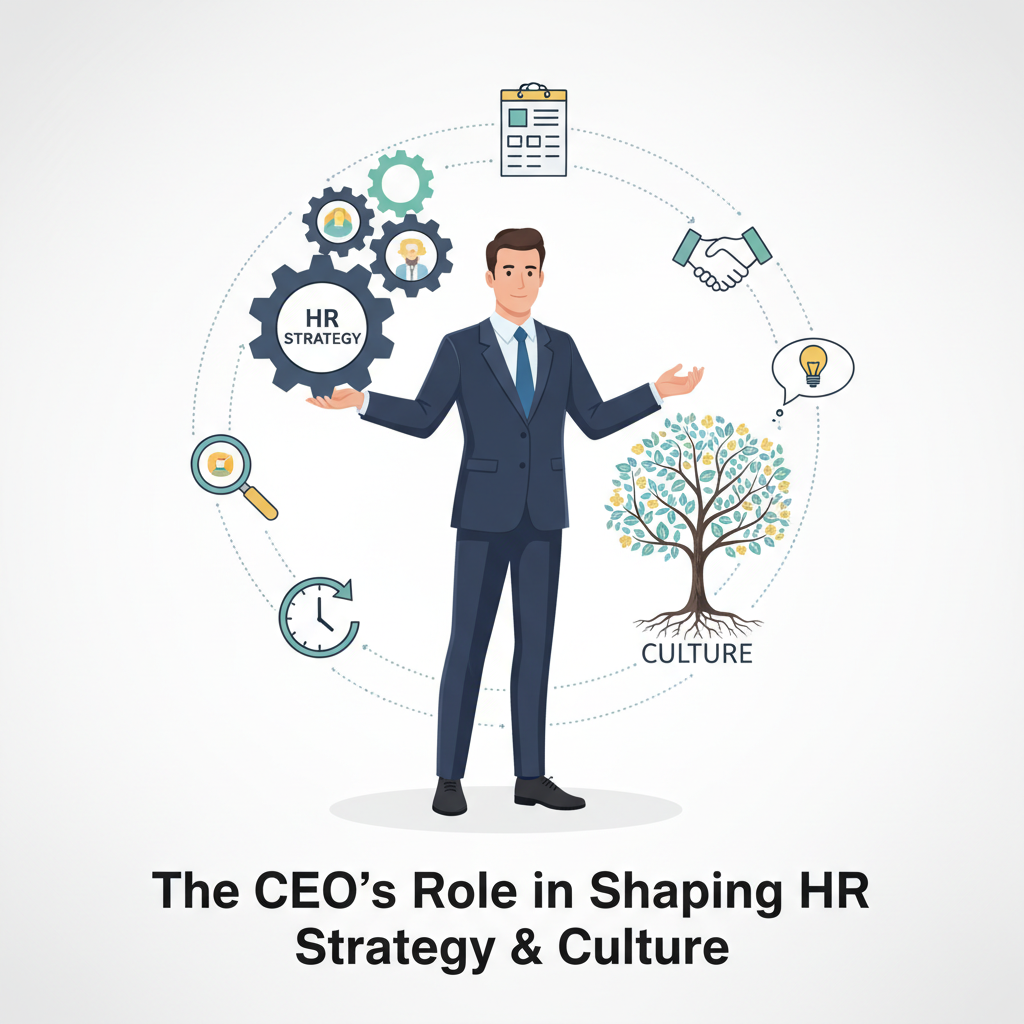
The CEO’s Role in Shaping HR Strategy & Culture
In the competitive and rapidly evolving logistics landscape of Malaysia, the CEO’s vision extends far beyond operational efficiency and market share. For Small and Medium-sized Enterprises (SMEs) in this sector, the CEO plays an indispensable role in defining and championing HR structures for SMEs the CEO in logistics field in malaysia, ensuring they are robust, strategic, and aligned with the company’s core objectives. The CEO’s direct involvement is not merely supervisory; it is foundational, establishing the HR vision, fostering a productive workplace culture, and driving initiatives that translate directly into business success and sustained growth. This critical leadership ensures that human capital is recognized as the most valuable asset, integral to navigating industry challenges and capitalizing on opportunities within the Malaysian market.
1. Aligning HR Strategy with Business Objectives & Growth Plans
For a logistics SME in Malaysia, the CEO is the ultimate architect ensuring that HR strategy is not a standalone function but an intrinsic part of the overall business roadmap. This alignment is crucial for translating ambitious growth plans – be it expanding fleet capacity, entering new regional markets, or adopting innovative logistics technologies – into actionable HR imperatives. The CEO must articulate how talent acquisition will support growth, how employee development programs will enhance operational capabilities, and how performance management systems will drive efficiency in a cost-sensitive sector. By personally championing this synergy, the CEO ensures that HR initiatives, such as targeted recruitment for skilled drivers or warehouse managers, or training programs on new route optimization software, directly contribute to the company’s strategic goals. This direct oversight guarantees that human resource investments yield tangible returns, propelling the SME towards its expansion and profitability targets.
2. Fostering a Culture of Safety, Performance, and Employee Well-being
The CEO’s commitment is paramount in cultivating a workplace culture that prioritizes safety, consistently high performance, and the holistic well-being of employees, especially within the demanding logistics environment. In Malaysia, where road safety regulations and employee welfare standards are becoming increasingly stringent, the CEO’s visible dedication sets the tone. This involves not only implementing comprehensive safety protocols for drivers and warehouse personnel but also investing in training and equipment that underscore this priority. A culture of performance is driven by clear expectations, regular feedback, and recognition systems, all spearheaded by the CEO’s emphasis on excellence. Furthermore, acknowledging the physically and mentally demanding nature of logistics work, the CEO must advocate for employee well-being initiatives – from health check-ups to stress management programs and fair shift scheduling. This critical partnership between HR and executive leadership ensures that employees feel valued and secure, leading to higher engagement, reduced turnover, and ultimately, a more reliable and productive workforce essential for a logistics operation.
3. Succession Planning and Leadership Development within the SME
One of the CEO’s most forward-thinking contributions to an SME’s long-term sustainability is establishing robust succession planning and leadership development frameworks. In the dynamic Malaysian logistics sector, reliance on a few key individuals poses significant risk. The CEO must initiate and actively participate in identifying high-potential employees, nurturing their growth through mentorship, specialized training, and challenging assignments. This proactive approach ensures a steady pipeline of qualified leaders ready to step into critical roles, from operations managers to department heads, as the company expands or key personnel retire. For SMEs, this often means creating bespoke development paths that might include cross-functional training or external management courses tailored to the logistics industry’s specific needs. By personally investing in the growth of future leaders, the CEO not only mitigates leadership gaps but also fosters an internal culture of continuous learning and upward mobility, retaining valuable talent and securing the company’s future operational excellence and strategic direction.
Partner with Shelby Global
You are looking for reliable HR Sevice Suppliers? Contact Shelby Global Now! To connect with verified talents and upgrade your orginization.
—————————————
References
– Employment Act 1955 (MOHR): https://www.mohr.gov.my/index.php/en/legislation/acts/employment-act-1955
– understanding when to outsource HR: https://www.shrm.org/resources-and-tools/hr-topics/outsourcing
– JobStreet Malaysia Salary Guide: https://www.jobstreet.com.my/career-resources/salary-guide/
– :
– Why CEOs Need to Be Deeply Involved in HR: https://www.shrm.org/resources-and-tools/hr-topics/employee-relations/articles/why-ceos-need-to-be-deeply-involved-in-hr