
Scope of Responsibilities: Breadth vs. Depth
The human resources landscape within Malaysia’s vibrant beauty industry presents a fascinating dichotomy, particularly when examining the Differences between the SMEs’ HR Manager and the Corporates’ HR Director in beauty field in malaysia. While both roles are pivotal to organizational success, their daily tasks, strategic involvement, and overall scope of responsibilities diverge significantly. HR professionals in Small and Medium-sized Enterprises (SMEs) often wear multiple hats, handling a broad spectrum of functions, whereas their counterparts in large corporations typically delve deeper into specialized areas, driving long-term talent strategies.
In SMEs, an HR manager might find themselves juggling everything from recruitment and payroll processing for beauty consultants and salon staff to managing employee relations and training initiatives. Their day is a whirlwind of operational necessities, reflecting the lean structures characteristic of smaller businesses in the Malaysian beauty sector. Conversely, an HR Director in a multinational beauty conglomerate based in Kuala Lumpur might focus on global talent acquisition strategies, complex compensation and benefits structures across various markets, or significant organizational development projects aimed at fostering leadership within their diverse workforce. This fundamental difference underscores the breadth required in an SME versus the depth expected in a large corporate setting.

1. Operational vs. Strategic Focus
For an SME HR Manager in the Malaysian beauty industry, the daily grind is heavily weighted towards operational tasks. This includes the end-to-end recruitment process for beauticians, stylists, or product formulators, managing monthly payroll, administering employee benefits, and handling day-to-day queries. The immediate needs of the business often dictate their priorities, leaving less room for long-term strategic planning. Their HR responsibilities in Malaysian beauty industry SMEs are primarily about keeping the engine running smoothly.
In contrast, a Corporate HR Director is largely focused on strategic initiatives. They are integral to developing talent pipelines, succession planning for key leadership roles (e.g., brand managers, R&D heads), designing comprehensive talent management beauty Malaysia programs, and aligning HR objectives with the overall business strategy of the corporation. Their work often involves predicting future workforce needs, managing mergers and acquisitions from an HR perspective, and implementing large-scale organizational changes. This corporate HR strategy Malaysia ensures the company’s long-term growth and competitive edge.
2. Generalist vs. Specialist Functions
The SME HR Manager is, by necessity, a generalist. They must possess a working knowledge across all facets of human resources, from employee onboarding for a new beauty therapist to understanding the intricacies of dismissal procedures. This HR generalist vs specialist beauty dynamic means they are often the sole point of contact for all HR-related matters, tackling everything from performance reviews to employee grievances. This wide scope can be both challenging and rewarding, demanding versatility and adaptability to address the unique SME HR challenges Malaysia presents.
Large corporations, however, can afford to departmentalize HR functions. An HR Director oversees teams of specialists – dedicated talent acquisition managers for beauty product development roles, compensation and benefits analysts, learning and development experts, and HR information systems (HRIS) administrators. This specialization allows for deeper expertise and more sophisticated approaches to complex HR issues, ensuring best practices are applied across the board for various roles within the extensive beauty value chain, from manufacturing to retail.
3. Regulatory Compliance & Local Laws (Malaysia Specific)
Both SME HR Managers and Corporate HR Directors share the critical responsibility of ensuring compliance with Malaysian labor laws. Adherence to legislation such as the Employment Act 1955, Employees Provident Fund (EPF) Act, SOCSO, and Employment Insurance System (EIS) Act is non-negotiable. However, the approach to compliance differs. For an SME HR Manager, staying abreast of every amendment to the Employment Act 1955 beauty sector and other regulations often falls solely on their shoulders. They must personally track legislative changes, ensure all policies are updated, and manage any inspections or queries from regulatory bodies. This requires constant vigilance and self-education.
In large corporations, while the HR Director holds ultimate accountability, there are typically dedicated legal teams, compliance specialists, or external consultants who provide expert guidance. These resources help navigate complex regulatory landscapes, especially when dealing with international workforce mobility or intricate union agreements. This ensures robust compliance frameworks are in place, mitigating risks across diverse operations within the beauty industry, from manufacturing plants to retail outlets and corporate offices. The beauty industry specifically also requires attention to product safety, advertising ethics, and data privacy for customer information, adding another layer of regulatory complexity that corporate HR is better equipped to handle with specialized resources.
Budget & Resource Allocation: Lean vs. Lush
In the vibrant and competitive Malaysian beauty industry, the differences between the SMEs’ HR Manager and the Corporates’ HR Director in beauty field in Malaysia are starkly illuminated by their respective budget constraints and resource availability. This financial dichotomy fundamentally shapes the entire HR function, from strategic planning to day-to-day operations and decision-making processes. Small and medium-sized enterprises (SMEs) in beauty often operate with a lean, highly agile HR approach, where every ringgit spent on human resources must demonstrate immediate, tangible value. In contrast, well-funded corporate environments boast a lush landscape of resources, enabling sophisticated, long-term HR strategies and substantial investment in people and infrastructure. Understanding this divergence is crucial for grasping the varying operational realities and strategic imperatives of HR professionals across the spectrum, influencing everything from HR technology adoption to talent development strategies and the very fabric of employee experience.
The lean HR model in SMEs prioritizes cost-effective HR solutions, often requiring the HR Manager to wear multiple hats, acting as a generalist who manages recruitment, payroll, employee relations, and basic compliance with limited support. Their focus is on operational efficiency and mitigating immediate risks. Conversely, the corporate HR Director benefits from a larger team, specialized HR expertise, and the luxury of dedicated budgets for diverse HR functions. This allows for proactive, strategic HR partnerships, sophisticated talent management, and robust employee engagement initiatives that are often out of reach for their SME counterparts. Let’s delve into specific areas where these budgetary differences manifest most prominently.
1. Technology & HRIS Utilization
For SMEs in the beauty sector, investment in HR technology is often a carefully considered, incremental process, if it happens at all. The HR Manager might rely on basic spreadsheets, manual processes, or highly affordable, entry-level HR software. The emphasis is on systems that solve immediate administrative pain points, such as payroll processing or leave management, rather than comprehensive human resource information systems (HRIS). Scalability of HR operations is often addressed through efficient manual processes or simple cloud-based tools that offer minimal integration capabilities. Budgetary restrictions mean that advanced analytics, self-service portals, or integrated talent management modules are typically aspirational rather than actual tools.
In stark contrast, well-funded corporate beauty companies view HRIS as a strategic imperative. Their HR Directors often oversee significant investments in enterprise-grade HR platforms like SAP SuccessFactors, Workday, or Oracle HCM. These systems offer robust functionalities encompassing recruitment, onboarding, performance management, learning and development, compensation, and advanced people analytics. The goal is to create a seamless, integrated employee experience, enhance data-driven decision-making, and automate complex HR processes, freeing up HR teams for more strategic initiatives. The ability to invest in such sophisticated HR technology solutions provides a competitive edge in attracting and retaining top talent, streamline administrative tasks, and provide comprehensive insights into the workforce.
2. Training & Development Investments
Training and development (T&D) represent another significant area where budget constraints dictate vastly different approaches. In beauty SMEs, T&D often takes on a practical, on-the-job, or informal coaching format. The HR Manager might facilitate internal workshops, peer learning, or leverage free online resources. The focus is on essential skills necessary for immediate job performance and basic product knowledge, driven by the need for cost-effective HR solutions. External training programs are reserved for critical, mandatory certifications or highly specialized skills directly impacting revenue, and even then, often with strict budget ceilings. Differences between the SMEs’ HR Manager and the Corporates’ HR Director in beauty field in Malaysia become pronounced here as long-term career development frameworks are difficult to sustain without dedicated budgets.
Corporate beauty environments, however, typically allocate substantial budgets for comprehensive T&D programs. Their HR Directors oversee structured learning academies, leadership development programs, professional certifications, and executive coaching. They invest in blended learning solutions, e-learning platforms, and partnerships with external training providers to ensure continuous upskilling and reskilling of their workforce. The emphasis is on building a robust talent pipeline, fostering a culture of continuous learning, and aligning employee growth with strategic business objectives. This commitment to talent development strategies not only enhances employee capabilities but also serves as a powerful tool for talent attraction and retention.
3. Vendor Management & Partnerships
For HR Managers in beauty SMEs, vendor management is often limited to essential services like payroll processing, basic recruitment agencies for critical roles, or health insurance providers. Partnerships are typically transactional, driven by cost and immediate need. Due to limited budgets, the HR Manager might rely heavily on direct hiring methods, utilizing online job boards or social media, and managing all aspects of the recruitment process in-house. Strategic HR partnerships with specialized consultants for areas like organizational development or complex legal compliance are rare and typically engaged only in crises.
Conversely, corporate HR Directors manage a sophisticated ecosystem of vendors and strategic HR partnerships. This includes preferred recruitment agencies for executive searches, talent acquisition platforms, HR consulting firms for organizational design or change management, outplacement services, and comprehensive employee wellness programs. They engage in multi-year contracts, leveraging their scale for better rates and service levels. These partnerships are not just about fulfilling immediate needs but are integral to achieving long-term strategic goals, such as workforce planning, succession management, and enhancing employee experience. The ability to outsource specialized functions to expert partners allows the corporate HR team to focus on core strategic objectives, showcasing a key distinction in resource allocation and strategic HR partnerships.
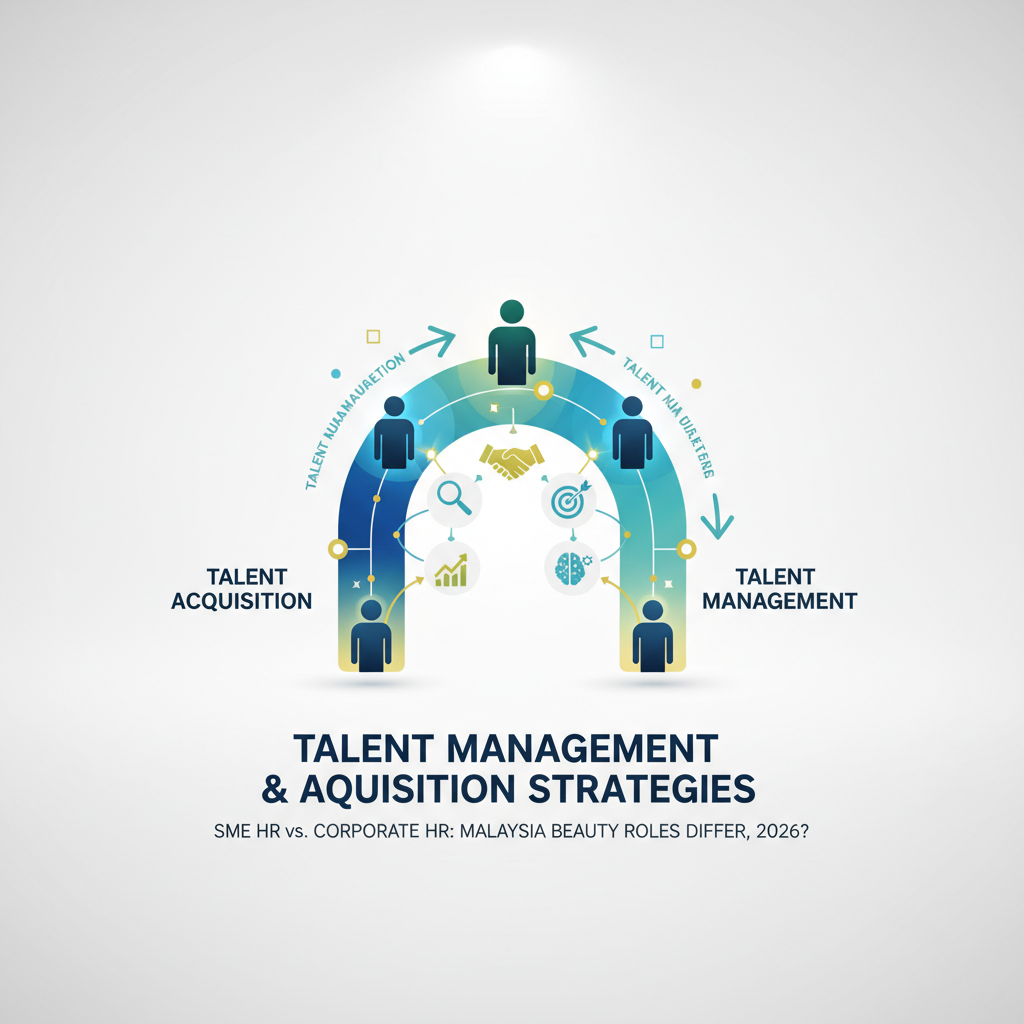
Talent Management & Acquisition Strategies
Detail the distinct approaches to attracting, retaining, and developing talent, considering the unique challenges and opportunities in both SME and corporate beauty settings in Malaysia.
The dynamic landscape of Malaysia’s beauty industry presents a unique set of challenges and opportunities for talent management. The differences between the SMEs’ HR Manager and the Corporates’ HR Director in beauty field in Malaysia are stark, reflecting varied strategic priorities, resource allocations, and operational scales. While both aim to secure top talent and foster a productive workforce, their methodologies diverge significantly. SMEs often thrive on agility and personal connection, whereas corporate entities leverage extensive infrastructure and structured programs. Understanding these distinctions is crucial for effective Malaysian beauty industry HR practices and developing robust corporate talent strategies beauty.
1. Employer Branding & Recruitment Tactics
For SMEs in the Malaysian beauty sector, employer branding often stems organically from the company culture and the founder’s vision. Recruitment tactics are typically more grassroots, relying on word-of-mouth, local networks, and direct social media outreach. An SME HR challenges Malaysia often include limited budgets for extensive recruitment campaigns, necessitating creative approaches to attract candidates. They might emphasize a close-knit team environment, opportunities for diverse skill development, and a direct impact on the business’s growth. Highlighting flexibility and a less bureaucratic environment can be a strong draw.
Conversely, corporate beauty brands in Malaysia wield significant financial power and global recognition. Their employer branding is meticulously crafted, often through large-scale marketing campaigns, professional career websites, and partnerships with educational institutions. Recruitment trends beauty industry for corporates involve sophisticated applicant tracking systems (ATS), professional headhunters, and international talent pools. They can offer competitive remuneration packages, comprehensive benefits, and clear career progression paths, which are powerful attractors. The focus here is on showcasing a polished, professional image and the prestige associated with working for a global leader, which helps them acquire top-tier talent consistently.
2. Performance Management & Employee Engagement
In SMEs, performance management tends to be more informal and relationship-driven. Regular, often face-to-face, feedback sessions are common, and performance goals are typically aligned with immediate business needs. Employee engagement in SMEs often thrives on direct communication, a sense of belonging, and the ability to witness the direct impact of one’s work. The HR Manager in an SME acts as a vital bridge, fostering a familial atmosphere and addressing concerns personally, crucial for employee engagement beauty sector success. The smaller team size allows for personalized recognition and support, building strong loyalty.
Corporates, on the other hand, employ structured, often quarterly or annual, performance review cycles supported by robust HR systems. Key Performance Indicators (KPIs) are meticulously defined and linked to broader organizational objectives. Employee engagement strategies are more formalized, involving surveys, town halls, and company-wide initiatives. The Corporate HR Director is tasked with designing and implementing scalable programs that cater to a diverse and large workforce. While potentially less personal, these systems ensure fairness, transparency, and consistency across various departments and regions. Effective talent acquisition beauty industry strategies for corporates often integrate these engagement frameworks from the initial touchpoint.
3. Succession Planning & Leadership Development
Succession planning in SMEs can be less formalized, often relying on identifying high-potential individuals through daily observations and providing them with hands-on experience or informal mentorship. Leadership development beauty Malaysia in an SME context might involve an employee taking on broader responsibilities or receiving specific training for critical roles as the business grows. The challenge lies in having limited resources for extensive training programs and a smaller pool of internal candidates, making external hiring often necessary for senior roles. The HR Manager’s role is critical in identifying and nurturing these emerging leaders early on.
Corporates have well-defined succession planning frameworks and dedicated leadership development programs. These include leadership academies, executive coaching, mentorship programs, and international assignments designed to groom future leaders. They invest heavily in structured training, competency assessments, and career pathing to ensure a steady pipeline of talent for critical roles. The Corporate HR Director works closely with senior management to identify strategic talent needs and develop long-term plans to fill leadership gaps. These comprehensive programs are essential for continuous growth and maintaining competitive advantage, reflecting advanced HR strategies beauty Malaysia. Such rigorous approaches are part of the broader future of work in Malaysia discussion, emphasizing the need for adaptable talent strategies.
In conclusion, while both SMEs and corporate beauty settings in Malaysia strive for talent excellence, their approaches are fundamentally shaped by their scale, resources, and strategic imperatives. SMEs offer a nimble, personalized environment, fostering growth through direct involvement. Corporates provide structured career paths and extensive resources, attracting talent with promises of stability and global opportunities. Recognizing these differences between the SMEs’ HR Manager and the Corporates’ HR Director in beauty field in Malaysia allows for more tailored and effective talent management strategies across the industry, ensuring the continued vibrancy and competitiveness of the Malaysian beauty sector.
Organizational Structure & Strategic Impact
In the dynamic landscape of Malaysia’s beauty industry, the role of Human Resources varies significantly depending on an organization’s size and structure. This section delves into the fundamental differences between the SMEs’ HR Manager and the Corporates’ HR Director in the beauty field in Malaysia, examining how their integration into the organizational hierarchy and their influence on strategic business decisions diverge between agile Small and Medium-sized Enterprises (SMEs) and established corporate beauty giants. Understanding these distinctions is crucial for appreciating the strategic impact of HR in shaping business success, particularly in the context of agile HR practices in the beauty industry and fostering a strategic HR partnership in Malaysia.
1. Reporting Lines & Decision-Making Authority
For HR Managers in agile Malaysian beauty SMEs, reporting lines are typically flatter and more direct. They often report directly to the CEO or founder, functioning as a vital member of a smaller leadership team. This proximity to top leadership means that HR is frequently involved in day-to-day operational decisions and can swiftly implement changes. The decision-making authority is often broad, encompassing a wide range of HR functions from recruitment and employee relations to policy development, sometimes even extending to aspects of payroll and administration. This hands-on approach allows for quick adaptation to market shifts and immediate feedback on HR initiatives. However, the limited resources and expertise within a small team might mean the HR Manager wears many hats, sometimes sacrificing depth for breadth.
Conversely, HR Directors in structured corporate beauty giants in Malaysia navigate a more complex organizational hierarchy. They typically report to a C-suite executive, such as the Chief Operating Officer (COO) or Chief Human Resources Officer (CHRO), who may then report to the CEO. Their reporting lines are often part of a larger, global, or regional HR framework. Decision-making authority, while significant, is often delegated and structured through various HR departments (e.g., Talent Acquisition, Compensation & Benefits, Learning & Development). Strategic decisions are usually made at higher levels and then cascaded down, requiring the HR Director to ensure alignment with global corporate policies and regional compliance. This layered structure allows for specialization and robust policy frameworks but can also slow down the decision-making process, requiring more approvals and cross-departmental coordination. The focus here is less on daily operational tasks and more on overarching HR strategy that supports the corporation’s long-term goals and brand consistency.
2. Influence on Business Strategy & Culture
The HR Manager in a Malaysian beauty SME exerts a highly direct and palpable influence on both business strategy and organizational culture. Due to their close working relationship with the founder and direct involvement in all aspects of the business, they are often instrumental in shaping the company’s ethos from the ground up. Their strategic input might revolve around attracting and retaining specialized talent crucial for niche beauty segments, fostering a unique startup culture, or implementing flexible work arrangements to maximize productivity in a lean environment. They are key drivers in defining the company’s values and ensuring they are reflected in daily operations and employee interactions, directly impacting employee engagement and loyalty—critical for small businesses competing for talent. Their role in talent management in the beauty sector for SMEs is foundational, often designing bespoke programs rather than adopting off-the-shelf solutions.
For HR Directors in corporate beauty giants, their influence on business strategy is more about shaping and implementing a consistent people strategy that aligns with global corporate objectives and brand identity. They are strategic partners, often tasked with translating overarching business goals—such as market expansion, product innovation, or digital transformation—into actionable HR strategies. This includes developing robust talent pipelines, succession planning for key leadership roles, fostering a high-performance culture across diverse business units, and ensuring compliance with international labor laws and ethical standards. Their impact on culture is often about reinforcing established corporate values and ensuring a cohesive employee experience across multiple locations or brands. They champion initiatives like diversity and inclusion, employee well-being programs, and leadership development that contribute to the organization’s long-term sustainability and market leadership. According to a report by McKinsey & Company on the future of HR, strategic HR functions are increasingly pivotal in driving organizational resilience and competitive advantage, a trend highly relevant to these large corporations.
3. Stakeholder Management (Internal & External)
HR Managers in Malaysian beauty SMEs engage in a relatively smaller, yet intensely personal, circle of stakeholders. Internally, their primary stakeholders are the CEO/founder, department heads (if any), and all employees. Effective communication and trust-building are paramount as they often serve as the sole point of contact for HR-related matters. Externally, they might interact directly with local recruitment agencies, training providers, and government labor departments for compliance. The personal nature of these relationships means that the HR Manager’s ability to build rapport and demonstrate value directly impacts the business’s ability to attract and retain talent and maintain good local standing.
HR Directors in corporate beauty giants manage a significantly broader and more complex array of stakeholders. Internally, this includes various C-suite executives, regional HR teams, global HR counterparts, legal departments, finance, marketing, and a vast employee base. Managing these diverse internal expectations requires strong influencing skills, strategic communication, and the ability to navigate complex organizational politics. Externally, their stakeholders extend to international recruitment firms, global HR technology vendors, industry associations, regulatory bodies across different markets, and potentially even investor relations regarding human capital reporting. For instance, ensuring ethical sourcing of talent or fair labor practices across supply chains, which might be scrutinized by consumers or NGOs, falls under their purview. Their role often involves aligning HR practices with global sustainability goals and corporate social responsibility initiatives, as highlighted by expert analysis on sustainable HR practices. This necessitates a sophisticated approach to stakeholder engagement, balancing local needs with global mandates and protecting the company’s reputation on a much larger scale.
In conclusion, while both the HR Manager in an agile Malaysian beauty SME and the HR Director in a structured corporate beauty giant play critical roles, their functions, impact, and operational realities are profoundly different. The SME HR Manager acts as an agile, hands-on, and direct cultural architect, closely tied to the founder’s vision. In contrast, the corporate HR Director operates as a strategic architect, building robust HR frameworks that support global objectives, ensure brand consistency, and navigate complex stakeholder landscapes. These distinctions underscore the evolving and adaptable nature of HR’s strategic influence within Malaysia’s vibrant beauty sector.
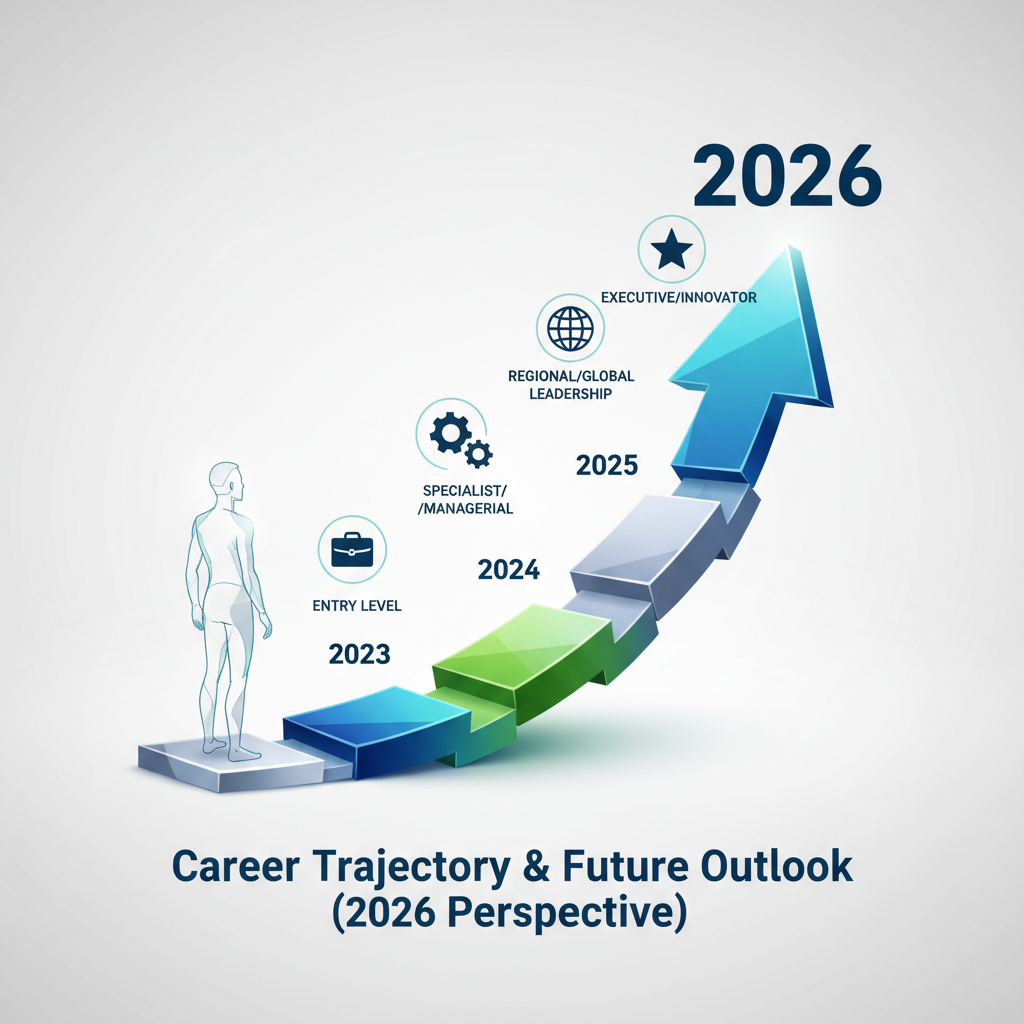
Career Trajectory & Future Outlook (2026 Perspective)
The human resources landscape in Malaysia is experiencing significant evolution, driven by economic growth and dynamic business environments. By 2026, HR professionals will encounter diverse and challenging opportunities, particularly when considering the differences between the SMEs’ HR Manager and the Corporates’ HR Director in beauty field in malaysia. This section provides insights into the distinctive career paths, growth potential, and salary expectations for these two pivotal HR roles, offering a forward-looking perspective on thriving within each. Whether navigating the agile environment of a small to medium-sized enterprise or steering the strategic HR ship within a large corporate beauty conglomerate, comprehending these nuances is crucial for strategic career planning and maximizing professional impact in the Malaysian market. The demand for skilled HR practitioners remains robust, albeit with varying focuses and remuneration structures depending on organizational scale and industry.
1. Skill Set Evolution & Demand
By 2026, the essential skills for an HR Manager in an SME versus an HR Director in a corporate beauty firm will diverge significantly, reflecting their operational scopes. For an SME HR Manager in Malaysia, versatility and a generalist approach will remain paramount. These professionals often serve as the sole HR representative, requiring expertise across recruitment, payroll, employee relations, training, and compliance. Their demand will intensify for strong operational efficiency, cost management, and the ability to rapidly implement HR technology adoption to streamline processes within lean teams. Proficiency in local labor laws and a hands-on, problem-solving attitude will be indispensable. The focus will be on supporting business growth directly through practical HR solutions, often balancing multiple priorities with limited resources.
Conversely, a Corporate Beauty HR Director in Malaysia will operate at a more strategic level. Their skill set will heavily lean towards strategic HR leadership, advanced talent management strategies, and fostering a robust employer brand that resonates with a diverse, often global, workforce. This role demands acumen in designing intricate compensation structures, leading large-scale organizational development initiatives, and driving diversity, equity, and inclusion (DEI) programs pertinent to a consumer-facing beauty industry. Data analytics for HR insights, change management expertise, and the ability to influence C-suite decisions will be critical. Understanding global beauty trends and their impact on talent acquisition and retention will also be a key differentiator. Both roles, however, will increasingly require a foundational understanding of data-driven decision making and digital fluency to leverage emerging HR technology trends Malaysia.
2. Compensation & Benefits Packages
The financial rewards for these roles will exhibit a noticeable disparity by 2026, primarily influenced by the scale of responsibility, company size, and revenue generation. An SME HR Manager’s salary in Malaysia will be competitive, typically ranging from RM 5,000 to RM 12,000 per month, depending on experience, industry, and the SME’s profitability. Their total rewards package might include performance-based bonuses linked to company growth and basic health benefits. Opportunities for share options or profit-sharing might also exist in high-growth SMEs, incentivizing a vested interest in the company’s success. The cost of living Malaysia will inevitably influence these salary expectations, particularly in major urban centers.
In contrast, a Corporate Beauty HR Director in Malaysia can anticipate a significantly higher remuneration package. Base salaries could range from RM 15,000 to RM 35,000 per month or even higher for multinational corporations with regional oversight. Beyond the base salary, these packages often include executive bonuses, company car allowances, comprehensive health and wellness programs (including international coverage), stock options, and long-term incentive plans. The focus is on attracting and retaining top-tier talent, reflected in competitive executive compensation Malaysia packages. For a deeper understanding of current market rates and projections, resources like the Hays Asia Salary Guide offer valuable insights into HR salary benchmarks across various sectors in Malaysia. The overall value proposition for a corporate director extends beyond monetary compensation to include prestige and influence.
3. Professional Development & Networking Opportunities
The pathways for professional growth and networking also present distinct characteristics for these HR roles. For an SME HR Manager, professional development is often hands-on and experience-driven, encompassing a wide range of HR functions. Growth might involve rising within a growing SME to head a small HR department, or leveraging broad generalist experience to transition into larger organizations at a specialist level. Networking tends to be more localized, focusing on industry-specific events, local HR communities, and general business associations. Pursuing HR certifications Malaysia, such as those offered by HRD Corp or other professional bodies, can significantly enhance their marketability and skill set.
A Corporate Beauty HR Director, conversely, benefits from a wealth of structured leadership development and global networking opportunities. They often have access to international training programs, executive coaching, and mentorship from senior leaders within the corporation or global network. Opportunities to lead cross-functional or regional projects are common, building highly specialized strategic competencies. Their networking extends to industry leaders, global HR forums, and exclusive executive circles, vital for understanding global trends and benchmarking best practices. These roles are often stepping stones to regional or even global HR leadership positions. Understanding the fundamental differences between the SMEs’ HR Manager and the Corporates’ HR Director in beauty field in malaysia is paramount for aspiring professionals to tailor their development effectively, ensuring they invest in skills and networks that align with their long-term career aspirations, whether it’s comprehensive generalist expertise or advanced strategic acumen in leadership development HR Malaysia.
Partner with Shelby Global
You are looking for reliable HR Sevice Suppliers? Contact Shelby Global Now! To connect with verified talents and upgrade your orginization.
—————————————
References
– :
– :
– future of work in Malaysia: https://www.ey.com/en_my/people/future-of-work-in-malaysia
– McKinsey & Company on the future of HR: https://www.mckinsey.com/capabilities/people-and-organizational-performance/our-insights/the-future-of-hr-how-to-rethink-your-hr-strategy
– Hays Asia Salary Guide: https://www.hays.com.my/salary-guide



































































































