Scope of Responsibilities and Influence
The landscape of Human Resources (HR) within Malaysia’s dynamic transportation sector presents a fascinating dichotomy when comparing the breadth of responsibilities and strategic influence between an HR Manager in a Small and Medium-sized Enterprise (SME) and an HR Director in a large corporation. While both roles are pivotal to organizational success, the Differences between the SMEs’ HR Manager and the Corporates’ HR Director in transportation field in malaysia are profound, shaped by organizational scale, resource availability, and operational complexity. This exploration delves into how daily tasks, strategic involvement, and overall impact diverge, painting a clear picture of their distinct contributions.

1. Daily Operational Tasks vs. Strategic Oversight in Transport HR
The HR Manager in a Malaysian transportation SME is characterized by hands-on, operational tasks. As a generalist, they manage the entire employee lifecycle: from Malaysian labour law compliance, recruitment, payroll, and benefits administration, to employee relations and basic training and development logistics. They are intimately involved in tactical execution, supporting operational rhythm—managing driver shifts and ensuring safety protocols are followed by ground staff. The focus is on immediate problem-solving and maintaining efficiency with limited resources, requiring constant multitasking.
Conversely, the HR Director in a large transportation corporation operates at a strategic level. While overseeing HR operations, transactional tasks are delegated to specialist teams. Their primary focus is on overarching Human Resources strategy, aligning HR initiatives with corporate business objectives. This includes extensive workforce planning for diverse, often international, workforces; designing comprehensive talent acquisition strategies; developing robust compensation and benefits frameworks; and leading large-scale organizational development and change management initiatives. For major conglomerates, this means developing global talent pipelines, negotiating complex industrial relations agreements, or integrating advanced HR technology to enhance efficiency. Their influence is through policy, structure, and strategic direction.
2. Depth of Specialization and Expertise Required
The HR Manager in an SME transportation company requires a robust generalist skillset. They must possess a foundational understanding of all key HR domains – from legal compliance and recruitment to performance management and employee welfare. Their broad expertise enables them to address diverse HR challenges. This adaptability is crucial in environments lacking specialized HR departments. They are often the sole expert, requiring them to stay updated on HR best practices and regulatory changes pertinent to transportation sector HR challenges, such as managing driver hours or specific operational safety certifications.
In contrast, a Corporate HR Director possesses deep, specialized expertise in strategic HR. While having a general understanding, their value lies in profound knowledge of specific functions like strategic talent retention in transport, complex HR analytics for predictive modeling, sophisticated succession planning for leadership roles, or intricate global HR compliance across various jurisdictions. They often lead teams of highly specialized HR professionals focusing on skills gap analysis for future fleet management requirements, or developing tailored performance management systems for different operational divisions (e.g., pilots vs. ground crew). Their expertise is sector-specific and future-oriented, driving competitive advantage and innovation.
3. Impact on Organizational Structure and Policy Development
The HR Manager in an SME transportation firm has a direct, immediate impact on company culture and daily operations. Policies are developed agilely, responding to operational needs or regulatory updates. Their influence is personal and highly visible, directly shaping the employee experience. They are instrumental in fostering strong employee engagement through direct interaction and practical, often informal, initiatives. Decisions are streamlined, with direct communication to senior management, enabling quick policy adjustments.
Conversely, a Corporate HR Director’s impact on organizational structure and policy development is systemic and far-reaching. They are key players in shaping overall corporate strategy, ensuring HR policies support long-term goals like expansion, mergers, or market diversification. They craft comprehensive HR policies and frameworks governing thousands of employees across diverse business units—from aviation to shipping to logistics. This involves meticulous risk management, robust governance structures, and navigating complex union agreements. Their role extends to driving digital transformation within HR, implementing enterprise-wide HRIS, and ensuring HR is a strategic partner in achieving sustainable business growth. Their influence creates resilient, scalable, and compliant HR ecosystems underpinning the entire organization’s success and future resilience.
Organizational Structure and Resource Allocation
The human resources management landscape within Malaysia’s dynamic transportation sector presents a stark contrast between a Small and Medium-sized Enterprise (SME) and a large corporate entity. The differences between the SMEs’ HR Manager and the Corporates’ HR Director in transportation field in malaysia are profound, shaped by company size, available budget, and HR team structure. These factors redefine the scope, strategic input, and operational challenges for HR professionals in these distinct environments, particularly within crucial logistics HR roles.
An SME HR Manager often embodies a ‘jack-of-all-trades’ approach, handling recruitment, payroll, employee relations, and basic compliance. Their role is heavily operational, reacting to immediate needs with limited resources. Conversely, a large corporate transportation entity empowers its HR Director with a broader, strategic mandate, focusing on talent management, organizational development, and long-term workforce planning. This disparity reflects entirely different operational philosophies and resource capacities.
1. HR Team Size and Departmental Hierarchy in Logistics
For an SME in transportation, the HR function is typically lean—often a single HR Manager or a very small team. This individual is responsible for the entire HR gamut: talent acquisition transportation, basic employee engagement logistics, performance management, and regulatory compliance. Direct reporting to the business owner or CEO makes the role hands-on yet reactive. There’s little room for HR specialization; instead, the HR Manager tackles significant SME HR challenges due to resource constraints, focusing on operational efficiency and immediate staffing needs.
In contrast, a large corporate transportation company boasts a sophisticated, multi-tiered HR department led by an HR Director. This department segments into specialized units for talent acquisition, compensation and benefits, learning and development, industrial relations, and HR operations. This departmental hierarchy HR enables deep HR specialization, with expert teams driving specific initiatives. The HR Director’s role shifts from daily operations to developing a cohesive corporate HR strategy, aligning HR initiatives with overall business objectives. They manage workforce planning, succession planning, robust employee engagement logistics, and complex industrial relations, often in unionized environments.
2. HR Budgeting and Technology Adoption for Efficiency
Budget availability is a critical differentiator. An SME HR Manager in Malaysia operates under tight financial constraints, significantly impacting HR budgeting Malaysia. Investment in advanced HR technology is minimal; most processes rely on manual methods, spreadsheets, or basic payroll systems SME. HR technology adoption is typically slow and reactive, driven by immediate needs rather than strategic foresight. Justifying sophisticated HR software is an uphill battle, making cost-effective HR solutions paramount. This limits the HR Manager’s ability to leverage data for strategic decision-making or automate tasks, consuming valuable administrative time.
Conversely, the HR Director in a large corporate transportation entity commands a substantial HR budget, enabling significant investment in cutting-edge HR technology adoption. This includes comprehensive HRIS implementation (Human Resources Information Systems), advanced applicant tracking systems (ATS for transportation), robust performance management software, e-learning platforms, and sophisticated HR analytics corporate tools. These technologies facilitate efficient global talent management, provide valuable data insights, and automate complex HR processes. The corporate HR strategy often embraces digital HR transformation, streamlining operations, enhancing employee experience, and equipping the HR Director with powerful tools to drive talent strategies and measure their impact in the highly competitive transportation logistics sector.
3. Access to External Consultants and Resources for HR Initiatives
Due to budgetary limitations, SME HR Managers in Malaysia have restricted access to external consultants and specialized resources. Engagement with external HR consulting services Malaysia is typically reserved for critical, often legally mandated, compliance management HR issues or essential training programs. The SME HR Manager largely relies on internal knowledge, networking, and readily available online resources. This self-reliance can limit exposure to best practices, specialized expertise, and innovative HR solutions, hindering the ability to tackle complex HR challenges or implement sophisticated talent development initiatives.
In contrast, the HR Director in a large corporation readily accesses a wide array of external HR resources. They frequently engage specialized HR consulting firms for strategic projects like organizational design transportation, compensation benchmarking, leadership development programs, and complex legal or industrial relations advice. These partnerships bring external expertise, fresh perspectives, and best practices. HR Directors also maintain strong connections with professional associations, industry bodies, and academic institutions for research and advanced talent development. This extensive access allows the corporate HR Director to implement sophisticated HR strategies and drive transformative changes, crucial for navigating the evolving transportation industry. The strategic importance of human capital development in Malaysia’s growing economic sectors, including logistics, is well-recognized. For instance, a report by HRD Corp Malaysia on workforce development often underscores the critical need for skilled talent across key industries, directly influencing HR strategies in large corporations.
Key Challenges and Strategic Focus
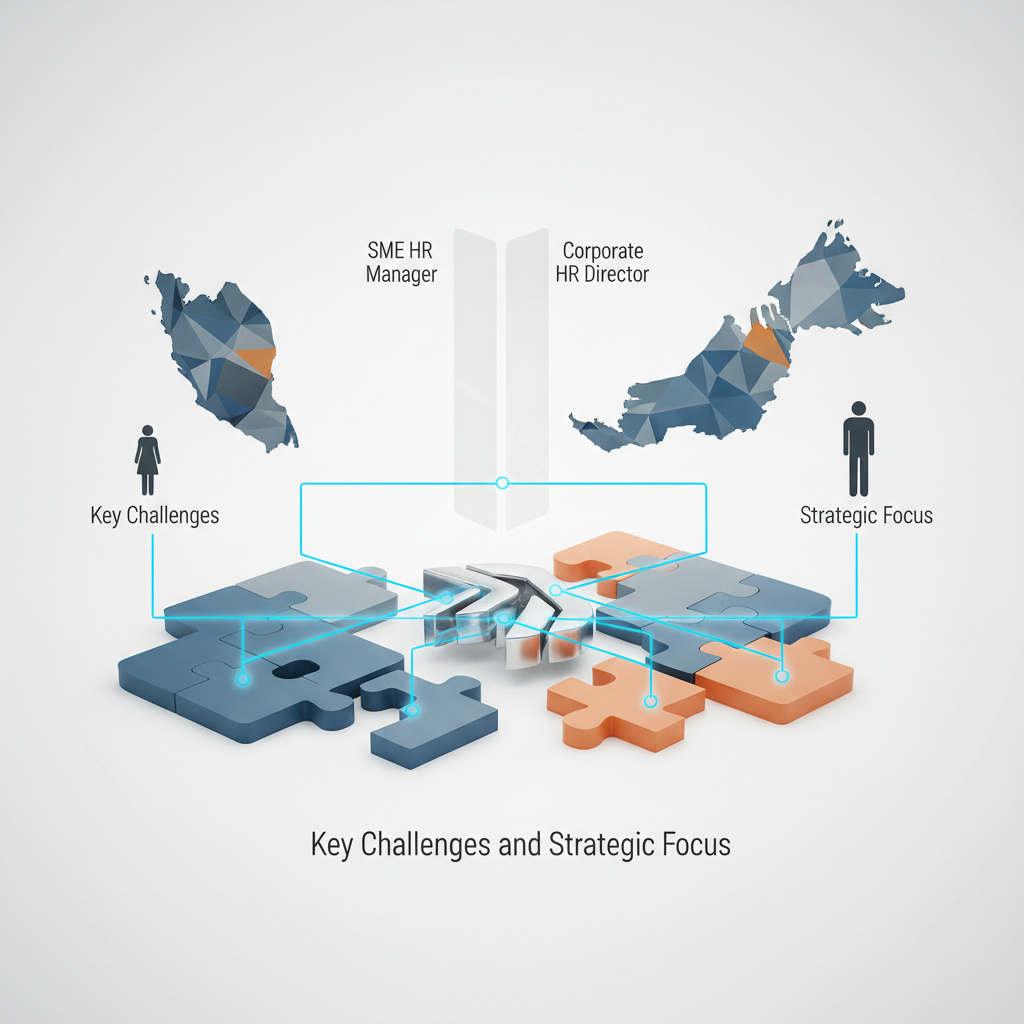
The dynamic landscape of Malaysia’s transportation sector presents a unique set of challenges and strategic priorities for HR professionals. The Differences between the SMEs’ HR Manager and the Corporates’ HR Director in transportation field in malaysia are stark, largely driven by scale, resources, and strategic depth. While both roles are pivotal to organizational success, their daily struggles and long-term visions diverge significantly, impacting everything from talent acquisition to regulatory navigation and driving innovation. Understanding these disparities is crucial for appreciating the nuanced strategic focus each environment demands.
-
Talent Acquisition & Retention in Malaysia’s Transport Sector
SME HR challenges transport Malaysia often revolve around limited resources. An HR Manager in a small to medium-sized transport enterprise frequently grapples with attracting skilled drivers, mechanics, and logistics coordinators against larger, more established players. The ability to offer competitive salaries, comprehensive benefits, and robust career development paths is often constrained, making talent acquisition Malaysia logistics a constant uphill battle. Employee retention transport sector strategies for SMEs might focus on fostering a close-knit culture, providing flexible work arrangements where possible, and offering personalized growth opportunities, often relying on informal mentorship over structured programs. The HR Manager’s responsibilities extend to hands-on recruitment, onboarding, and day-to-day employee welfare, making the role highly operational.
Conversely, the Corporate HR challenges logistics Malaysia are often about managing scale and complexity. A Corporate HR Director for a large transportation conglomerate faces the task of mass hiring for diverse roles, from highly specialized technical engineers to regional managers, across multiple departments and even international operations. Their strategic focus includes developing sophisticated employer branding strategies for the transport field, implementing advanced recruitment technologies, and establishing robust succession planning corporate transport frameworks. Workforce planning transport SMEs are reactive, but for corporates, it’s about predictive analytics and long-term talent pipeline development. Compensation benefits transport Malaysia packages in larger firms are typically more structured, often involving performance-based incentives and comprehensive wellness programs, driven by a dedicated HR team focusing on strategic remuneration.
-
Navigating Regulatory Compliance & Labor Laws for HR
For an SME HR Manager, navigating Malaysian labor laws HR compliance can be a daunting task. Without dedicated legal departments, they must personally stay abreast of updates to the Employment Act, industrial relations regulations, and safety standards, which can be particularly complex in the transportation industry. Their focus is primarily on ensuring basic adherence to avoid penalties, managing leave entitlements, and processing payroll accurately. The challenge lies in a lack of specialized legal counsel, making vigilance and continuous self-education paramount for regulatory compliance transportation HR.
A Corporate HR Director, however, operates within a far more intricate web of compliance. Beyond national labor laws, they must contend with industry-specific regulations, international shipping and aviation standards, and potentially union relations HR transport. Their strategic focus involves establishing comprehensive compliance frameworks, conducting regular internal audits, and liaising with in-house legal teams to interpret complex legislation. They also play a crucial role in managing industrial relations HR transport, including collective bargaining and dispute resolution, often operating at a highly strategic level to mitigate organizational risk. Staying updated with changes from authorities like the Ministry of Human Resources Malaysia is a given, but interpreting their impact across multiple business units is a significant undertaking.
-
Driving Change Management and Innovation within HR Strategy
Driving change management HR strategy Malaysia within an SME often involves a bottom-up, more personal approach. An HR Manager might introduce new policies or digital tools incrementally, relying on direct communication and individual buy-in due to the smaller workforce size. The challenge here is often the limited budget for HR innovation transport industry or specialized training programs. Innovation might manifest in process improvements using readily available, cost-effective solutions or adapting existing technologies. The HR Manager’s role is often one of persuasion and grassroots implementation rather than broad strategic planning.
In contrast, a Corporate HR Director’s remit for change management HR strategy Malaysia is transformative and organization-wide. With substantial budgets and specialized teams, they are instrumental in leading major initiatives such as digital transformation HR Malaysia, implementing advanced HR technology adoption logistics platforms (e.g., AI-driven recruitment, comprehensive HRIS), and fostering a culture of continuous improvement. Their strategic focus includes developing elaborate communication plans, training leaders to champion change, and measuring the impact of new HR strategies on business performance. The Corporate HR Director strategic focus corporate transport is on integrating HR objectives with overarching business goals, acting as a strategic partner in driving organizational agility and future readiness, encompassing elements like performance management HR Malaysia and developing robust talent pipelines.
In essence, while both roles are critical, the Differences between the SMEs’ HR Manager and the Corporates’ HR Director in transportation field in malaysia boil down to scope, resources, and strategic impact. The SME HR Manager is a versatile generalist, often fighting fires and ensuring basic operational efficiency. The Corporate HR Director is a strategic architect, shaping the future workforce and organizational culture, aligning HR initiatives with complex business objectives to navigate the evolving demands of the Malaysian transportation sector.
Decision-Making Authority and Impact
Examining the distinct roles of Human Resources professionals within Malaysia’s dynamic transportation sector reveals significant disparities in their decision-making authority and consequential business impact, particularly when comparing an SME HR Manager to a Corporate HR Director. While both are critical to an organization’s people strategy, the scope, autonomy, and strategic influence they wield differ dramatically, shaped by organizational size, structure, and the inherent complexities of the industry.
1. Autonomy in HR Policy Implementation and Execution
In Small and Medium-sized Enterprises (SMEs) within the Malaysian transportation field, the SME HR Manager often operates with a broad mandate and considerable hands-on autonomy in day-to-day HR functions. They are typically responsible for the entire HR spectrum – from recruitment and onboarding drivers, logistics personnel, and administrative staff, to managing payroll, benefits, employee relations, and compliance with local labor laws. Their decisions on HR policy implementation are frequently direct, immediate, and responsive to the owner’s vision or operational needs. For instance, an SME HR Manager might single-handedly design and implement a new attendance policy for truck drivers or negotiate a compensation package for a new mechanic, often with direct approval from the company owner. This level of operational autonomy allows policies to be adapted quickly to market changes or specific employee needs, fostering a flexible HR environment.
Conversely, a Corporate HR Director in a large Malaysian transportation conglomerate operates within a more structured, hierarchical framework. While their influence is strategic and far-reaching, their autonomy in policy implementation is often channeled through layers of management and specialist teams. A Corporate HR Director’s role involves setting the overarching HR strategy, designing comprehensive frameworks for talent management, succession planning, and organizational development across multiple departments or even subsidiaries. Decisions on major policy changes, such as a shift in global compensation structure or the introduction of a new performance management system, require extensive consultation, buy-in from various business units, and often board approval. Their primary decision-making power lies in shaping the strategic direction and ensuring alignment with corporate objectives, delegating execution details to HR business partners. This ensures consistency across a large workforce, crucial for maintaining brand integrity and compliance in a complex, multi-location operation.
2. Contribution to Business Growth & Profitability in Transportation
The contribution of HR to business growth and profitability also manifests differently. An SME HR Manager in the transportation sector directly impacts profitability through efficient, cost-effective recruitment of qualified drivers and logistics staff, reducing turnover rates, and ensuring compliance to avoid hefty fines (e.g., road safety regulations, driver working hours). Their success in retaining skilled personnel directly translates into operational efficiency, lower recruitment costs, and uninterrupted service delivery – all vital for an SME’s bottom line. For an SME transporting goods, a high driver turnover rate can cripple operations, making the HR Manager’s role in fostering a stable workforce unequivocally tied to direct business performance. Their decisions on training programs for drivers or fleet maintenance staff, though smaller scale, directly enhance safety and operational longevity.
A Corporate HR Director, on the other hand, contributes to business growth and long-term profitability through strategic initiatives that build organizational capability and competitive advantage. Their decisions revolve around fostering a high-performance culture, developing robust leadership pipelines, managing complex industrial relations, and leveraging data analytics for workforce planning. For a large transportation corporation, this might involve developing a comprehensive talent management strategy to address future skill gaps in autonomous vehicle technology, negotiating large-scale collective agreements with unions, or designing executive compensation plans aligned with shareholder value. Their impact is often more indirect but profoundly strategic, ensuring the organization has the right people, with the right skills, in the right place, to meet future market demands and sustain long-term growth. As SHRM emphasizes, HR’s role has evolved to become a strategic partner in driving business results, a role fully embraced by corporate HR leadership.
3. Stakeholder Management and Board Engagement for HR Directors
Stakeholder management and board engagement further differentiate these roles. The SME HR Manager primarily engages with internal stakeholders such as the business owner, department heads (e.g., operations manager, fleet manager), and employees. Communications are often informal, direct, and focused on operational needs and immediate problem-solving. While they are crucial in advising the owner on HR matters, their direct engagement with a formal board of directors is rare, as many SMEs operate without one.
Conversely, a Corporate HR Director in a large transportation company in Malaysia routinely engages with a complex web of internal and external stakeholders. Internally, this includes the CEO, C-suite executives, senior leadership teams across various business units, and potentially union representatives. Externally, they might interact with government regulatory bodies (e.g., Ministry of Human Resources, Ministry of Transport), industry associations, and legal counsel. A defining characteristic of the Corporate HR Director’s role is their active participation in board meetings. They are expected to present comprehensive HR reports, advise on human capital risks and opportunities, advocate for strategic workforce investments, and articulate the HR strategy’s alignment with overall corporate objectives. Their ability to influence the board directly impacts the organization’s long-term human capital strategy, succession planning for critical leadership roles, and major organizational changes, solidifying their position as a key strategic advisor at the highest level of the organization.
Career Trajectory and Skill Development
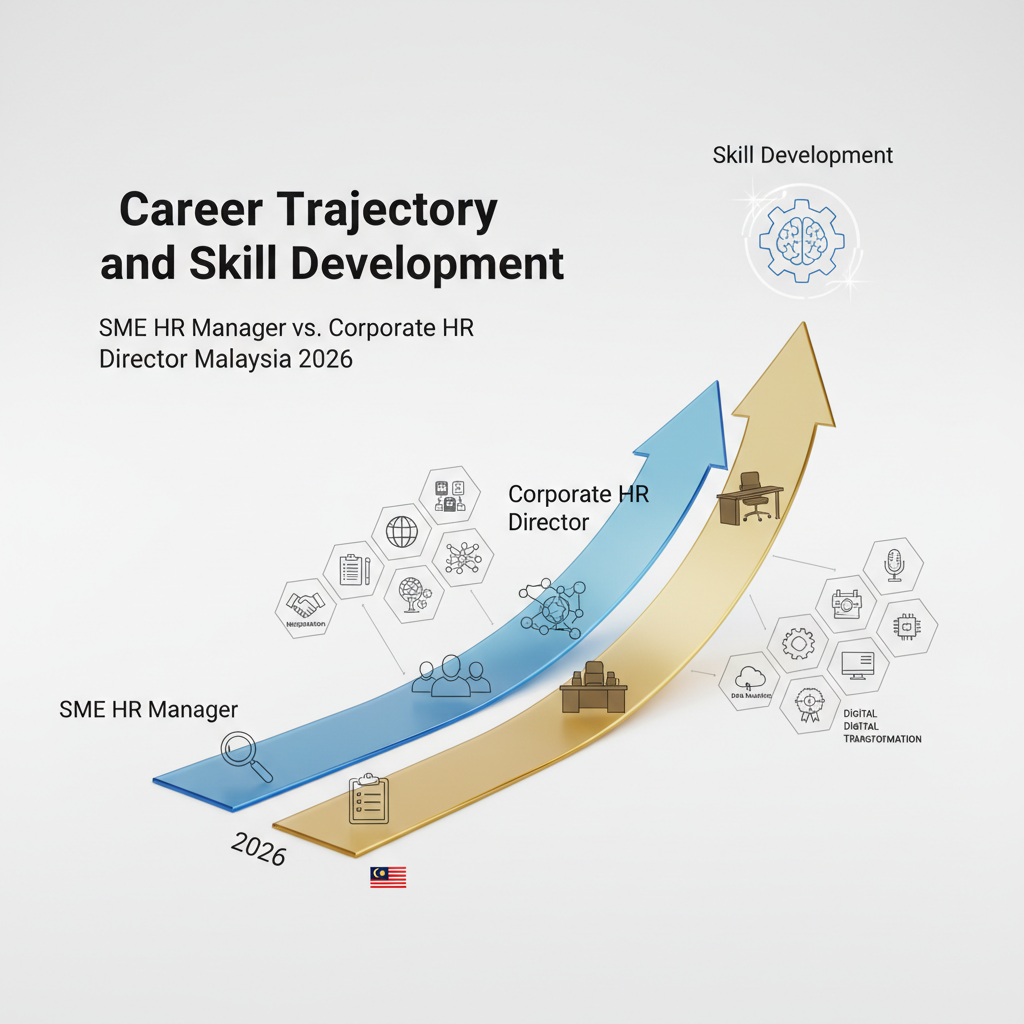
The human resources landscape in Malaysia’s dynamic transport industry presents distinct career trajectories and demands for HR professionals, significantly shaped by whether they operate within a Small and Medium-sized Enterprise (SME) or a large corporate entity. Understanding the Differences between the SMEs’ HR Manager and the Corporates’ HR Director in transportation field in malaysia is crucial for aspiring and current HR practitioners looking to navigate their professional journey effectively. While both roles are fundamental to an organization’s success, their day-to-day responsibilities, strategic impact, and required skill sets diverge considerably, reflecting the scale, complexity, and resources of their respective employers.
-
Required Skill Sets and Core Competencies for Both Roles
For an HR Manager in a Malaysian transport SME, the role is typically broad and hands-on, requiring a generalist approach. Key responsibilities often encompass the entire employee lifecycle, from recruitment and onboarding to payroll, benefits administration, performance management, and employee relations. A strong grasp of Malaysian labour laws, industrial relations acts, and local compliance requirements is paramount, as SMEs often lack dedicated legal teams. Resourcefulness, adaptability, and excellent problem-solving skills are essential, as these managers often wear multiple hats, handling everything from immediate operational HR needs to basic strategic planning. They must be adept at building relationships and fostering a positive work environment with limited resources. In contrast, an HR Director in a corporate transport setting operates at a highly strategic level. Their focus shifts from day-to-day operations to organizational development, talent management, succession planning, change management, and strategic workforce planning across potentially multiple business units or even regional operations. Core competencies include strong business acumen, HR analytics, leadership development, and the ability to align HR strategies with overarching corporate objectives, driving efficiency and innovation within complex organizational structures. While they also need a solid understanding of employment law, their engagement is often at a policy-making level, supported by specialist teams. Both roles, however, demand impeccable communication, ethical decision-making, and a commitment to fostering a productive work culture.
-
Pathways for Professional Growth and Advancement in HR
The trajectory for an HR Manager in an SME within Malaysia’s transport sector often involves deepening their generalist expertise, taking on more strategic projects as the company grows, or transitioning to larger mid-sized companies. Professional certifications from bodies like HRCI (HR Certification Institute) or SHRM (Society for Human Resource Management) can be highly beneficial, validating their skills and enhancing career mobility. Local HR professional organizations also offer valuable networking and learning opportunities. For an HR Director in a corporate environment, advancement typically leads to regional HR leadership roles, Head of HR for larger divisions, or ultimately, Chief People Officer positions. Specialization in areas such as organizational development, compensation & benefits, or international talent mobility can also open new avenues. Continuous learning is critical for both, but particularly for corporate HR Directors, who must stay abreast of global HR trends, digital transformation in HR, and complex regulatory changes impacting the transport industry. Participating in executive education programs and leadership development initiatives is common. Understanding the evolving landscape of the Malaysian workforce and HR best practices is crucial for sustained growth, as highlighted by insights into the Future of Work: Driving HR Transformation in Malaysia, which emphasizes the need for continuous HR transformation.
-
Value of Cross-Functional Experience vs. Specialization in HR
For HR Managers in SMEs, cross-functional experience is often invaluable. A foundational understanding of logistics, operations, finance, and even sales within the transport industry enables them to act as true business partners, designing HR solutions that directly impact operational efficiency and business outcomes. This holistic perspective allows them to better understand staffing needs, training requirements for specific roles like drivers or mechanics, and the unique challenges of the sector, such as shift management or regulatory compliance for vehicles and personnel. This broad exposure can later serve as a strong foundation for more strategic roles. Conversely, for HR Directors in corporate transport settings, while a broad understanding of the business is essential, deep specialization in particular HR domains becomes more prevalent and valuable. This could involve expertise in managing large-scale talent acquisition for niche technical roles, developing sophisticated compensation and benefits structures for a diverse workforce, or leading complex HR integrations during mergers and acquisitions. Specialization allows corporate HR to deploy highly targeted, expert-level solutions to intricate organizational challenges, driving strategic value. Ultimately, the optimal balance between cross-functional knowledge and specialization depends on the organizational context and the career stage, with generalist skills paving the way for foundational roles and specialized expertise becoming critical for strategic leadership and niche problem-solving.
Partner with Shelby Global
You are looking for reliable HR Sevice Suppliers? Contact Shelby Global Now! To connect with verified talents and upgrade your orginization.
—————————————
References
– Ministry of Human Resources Malaysia – Employment Act 1955: https://www.mohr.gov.my/index.php/en/labour-policy-and-legislation/employment-act-1955
– HRD Corp Malaysia Research and Analytics: https://www.hrdcorp.gov.my/hrdf/what-we-do/research-analytics/
– Ministry of Human Resources Malaysia: https://www.mohr.gov.my/
– Elevating HR to a Strategic Partner: https://www.shrm.org/resources-and-tools/hr-topics/human-resource-management/pages/elevating-hr-strategic-partner.aspx
– Future of Work: Driving HR Transformation in Malaysia: https://www.talentcorp.com.my/articles/future-of-work-driving-hr-transformation-in-malaysia