Decoding the Basics: What is SME HR in Malaysia?
For a fresh CEO stepping into the finance field in Malaysia, understanding the intricacies of Human Resources (HR) within Small and Medium Enterprises (SMEs) is not just beneficial—it’s critical for sustained financial health and operational efficiency. While often perceived as a separate administrative function, HR in an SME context is deeply intertwined with financial management, impacting everything from cash flow and profitability to legal compliance and talent retention. This section aims to provide a clear, Step by Step to understand SMEs HR Structure for the fresh the CEO in finance field in malaysia, offering a finance professional’s perspective on fundamental HR aspects unique to the Malaysian SME landscape.
1. Key Differences: HR in SMEs vs. Corporates
The operational scale profoundly dictates HR practices. For a finance CEO, recognizing these distinctions is the first step in strategic resource allocation and risk management. In large corporations, HR departments are often specialized, with dedicated teams for recruitment, compensation, benefits, and employee relations. Budgets are typically larger, processes are highly formalized, and technology adoption is extensive. In contrast, Malaysian SMEs operate with lean structures, meaning HR functions are frequently handled by a multi-hatted individual, often the business owner, office manager, or even the finance manager themselves. This inherent lack of specialization presents unique Malaysian SME HR challenges.
From a financial standpoint, this means less investment in sophisticated HRIS (Human Resource Information Systems) and more reliance on manual processes or basic software, which can increase the risk of errors in payroll management Malaysia SME. The absence of a dedicated HR professional also means a higher risk of non-compliance with labour laws, potentially leading to costly penalties or disputes. Financial leaders must assess the ROI of investing in HR infrastructure versus the potential costs of operational inefficiencies, legal non-compliance, and poor talent management, including high turnover and challenges in talent retention Malaysia SME. Understanding these differences allows a CEO to make informed decisions about outsourcing HR functions or gradually building internal capabilities.
2. Typical HR Functions in Malaysian SMEs
Despite the lean structure, Malaysian SMEs still need to perform core HR functions essential for attracting, managing, and retaining employees. For a finance professional, understanding these functions helps in budgeting, cost control, and ensuring financial compliance. These typically include:
- Recruitment & Onboarding: While often less structured than corporates, SMEs still need effective processes to hire the right talent cost-effectively. From a finance perspective, recruitment costs (advertising, agency fees) must be carefully managed.
- Payroll Management & Compensation: This is where HR and finance converge most directly. Accurate and timely payroll management Malaysia SME is crucial for employee satisfaction and legal compliance. It includes calculating salaries, EPF, SOCSO, EIS contributions, and income tax (PCB).
- Employee Benefits: Offering competitive employee benefits Malaysia SME (e.g., medical insurance, leave entitlements, allowances) is vital for attraction and retention but must be financially sustainable.
- Performance Management: Informal appraisals are common, but even SMEs need some system to track performance, set goals, and manage underperformers, impacting productivity and ultimately, financial output.
- Training & Development: Often limited by budget, but critical for upskilling employees. Finance must evaluate the return on investment for any training programs.
- Employee Relations & Welfare: Managing workplace grievances, ensuring a safe environment, and fostering a positive culture helps reduce turnover and improve productivity.
Effective management of these functions, even with limited resources, contributes to a stable workforce, reduced operational risks, and ultimately, improved financial performance. Implementing HR best practices Malaysia within these areas can significantly mitigate financial exposure.
3. Legal & Regulatory Framework for HR in Malaysia
For any CEO, especially one grounded in finance, a robust understanding of the legal landscape is non-negotiable. Non-compliance with Malaysian labour laws can result in severe financial penalties, reputational damage, and even business disruption. The primary legislation governing employment in Malaysia is the Employment Act 1955 (amended multiple times, most recently in 2022), which covers aspects such as:
- Working hours, rest days, annual leave, public holidays, and sick leave.
- Maternity and paternity leave provisions.
- Payment of wages and deductions.
- Termination of employment, retrenchment benefits, and unfair dismissal.
- Sexual harassment policies.
Beyond the Employment Act, other critical regulations include:
- Employees Provident Fund (EPF) Act 1991: Mandates contributions to a retirement savings scheme for employees and employers.
- Employees’ Social Security Act 1969 (SOCSO): Provides social security protection to employees, including employment injury and invalidity schemes.
- Employment Insurance System (EIS) Act 2017: Offers financial assistance to retrenched workers.
- Minimum Wages Order: Sets the national minimum wage.
Ensuring HR compliance Malaysia with these regulations is paramount. Finance professionals must integrate these legal obligations into budgeting and operational planning. For instance, calculating and remitting correct EPF, SOCSO, and EIS contributions on time is a core financial responsibility that directly impacts cash flow and legal standing. Ignorance is not a defense, and proactive management of HR legal risks is a key differentiator for financially sound SMEs.
Building Blocks: Understanding Core HR Functions and Structure
For a fresh CEO in the finance field in Malaysia, especially one stepping into the dynamic world of Small and Medium Enterprises (SMEs), grasping the fundamentals of Human Resources (HR) is paramount. Unlike large corporations with dedicated HR departments, understanding SME HR structure step by step requires a nuanced approach, prioritizing efficiency and impactful results with limited resources. This section delves into the practical components of an SME HR department, focusing on how these functions are typically structured and managed to support business growth and employee well-being within the Malaysian context. We’ll explore core HR functions, shedding light on practical strategies for finance CEOs navigating SME HR Malaysia challenges, ensuring Malaysian HR compliance, and fostering effective employee engagement SMEs without breaking the bank.
1. Recruitment & Onboarding Strategies for SMEs
Recruiting and onboarding are the gateways to building a strong team. For SMEs, these processes must be strategic, cost-effective, and aligned with the company’s culture. Rather than relying on expensive recruitment agencies, SMEs can leverage online job portals (like JobStreet, LinkedIn), social media, and employee referral programs to attract suitable candidates. A clear and concise job description is crucial, outlining not just responsibilities but also the company’s values, which helps in attracting candidates who are a cultural fit. Interview processes should be streamlined, focusing on assessing both skills and soft attributes essential for a smaller, often more agile, work environment. Integrating an Applicant Tracking System (ATS), even a basic, free version, can significantly improve efficiency in managing applications.
Once hired, effective onboarding is vital for retention and productivity, particularly for SME talent acquisition Malaysia. A structured onboarding program, even a simple one, helps new hires integrate faster. This includes a clear orientation schedule, introduction to team members, explanation of company policies, and setting initial goals. A ‘buddy system’ can also be highly effective, assigning an experienced employee to mentor the new hire. This not only eases the transition but also fosters a sense of belonging, crucial for employee engagement and reducing early turnover, which can be particularly damaging for resource-lean HR strategies in SMEs.
2. Compensation & Benefits: Malaysian Context
Designing a competitive and compliant compensation and benefits (C&B) package is a critical function for any SME, especially within the Malaysian regulatory landscape. CEOs must navigate statutory requirements such as contributions to the Employees Provident Fund (EPF), Social Security Organization (SOCSO), and Employment Insurance System (EIS). Understanding these obligations is fundamental for Malaysian HR compliance and avoiding penalties. The Department of Labour Peninsular Malaysia (JTKSM) provides comprehensive information on these and other employment laws.
Beyond statutory requirements, SMEs need to offer competitive salaries to attract and retain talent, even with tighter budgets. Market benchmarking, through industry surveys or informal checks, can help determine appropriate salary ranges. Where direct salary competition is challenging, creative non-monetary benefits can make a significant difference. These might include flexible working hours, opportunities for professional development, a positive work environment, recognition programs, health and wellness initiatives, or even a casual dress code. For finance CEO HR challenges, balancing budget constraints with employee motivation requires careful planning and a deep understanding of what truly values employees in the Malaysian market.
3. Performance Management & Employee Development (SME Talent Management)
Effective performance management in an SME doesn’t require complex software or lengthy annual reviews. Instead, it thrives on regular, honest communication and clear goal setting. Implementing a simple system of quarterly check-ins or bi-annual reviews can be highly effective. Key Performance Indicators (KPIs) should be clearly defined and communicated, linking individual contributions directly to the company’s overall objectives. Feedback should be constructive, timely, and focused on both strengths and areas for improvement.
Employee development is crucial for retaining valuable talent and fostering a motivated workforce. For SMEs, this often means adopting resource-lean HR strategies. Instead of expensive training programs, consider internal mentorship, cross-functional training, access to online learning platforms (e.g., Coursera, LinkedIn Learning), sponsoring relevant certifications, or encouraging participation in industry webinars. Developing a clear career path, even within a smaller organization, can significantly boost employee morale and commitment. Recognizing and nurturing internal talent helps build a resilient team, reduces recruitment costs, and ensures the continuous growth of both the individual and the organization. This holistic approach to SME talent management ensures that employees feel valued and see a future within the company, directly contributing to long-term success.
Navigating Compliance: Legal & Ethical HR Practices in Malaysia
For a fresh CEO in the finance field navigating the dynamic business landscape of Malaysia, understanding the intricacies of Human Resources (HR) compliance is not merely an administrative task but a strategic imperative. While your expertise lies in financial stewardship, neglecting the legal and ethical frameworks governing your workforce can lead to significant financial penalties, reputational damage, and operational disruptions. This section provides a Step by Step to understand SMEs HR Structure for the fresh the CEO in finance field in malaysia, focusing on the crucial aspects of navigating compliance and fostering ethical HR practices. Adhering to Malaysian HR compliance ensures not only a harmonious workplace but also safeguards the company’s financial health and long-term sustainability.
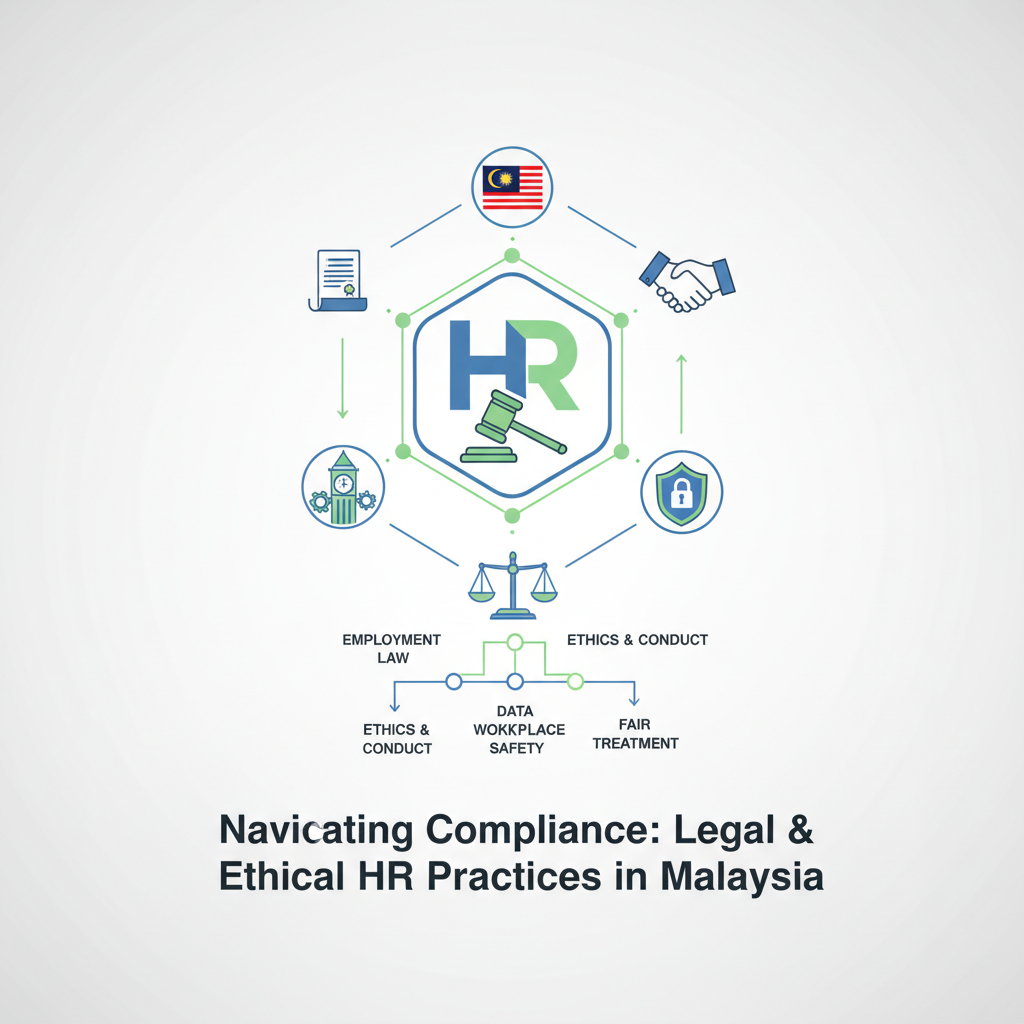
1. Malaysian Employment Act 1955 & Amendments (Malaysian HR Regulations)
The cornerstone of employment law Malaysia is the Malaysian Employment Act 1955 (EA). Initially covering only certain categories of employees, its significant amendments, particularly in 2023, have expanded its scope to virtually all employees, regardless of salary level, making it crucial for all SMEs. As a finance CEO, understanding the core provisions of the EA is paramount for effective Malaysian HR compliance. Key areas include:
- Employment Contracts: Mandating clear terms and conditions, notice periods, and termination processes.
- Wages and Payments: Stipulating minimum wage, overtime calculations, and allowable deductions.
- Working Hours: Defining standard working hours (now reduced to 45 hours per week) and rest days.
- Leave Entitlements: Covering annual leave, sick leave, public holidays, maternity leave (now 98 days), and paternity leave (7 days).
- Flexible Work Arrangements (FWA): The 2023 amendments introduced provisions for employees to apply for FWAs, requiring employers to respond within 60 days.
- Discrimination and Harassment: Strengthening protections against workplace harassment and discrimination based on gender, religion, race, etc.
- Forced Labour: Stricter penalties and definitions to combat forced labour practices.
Neglecting these regulations can result in severe fines and legal action, impacting your company’s financial stability. Proactive adherence to these Malaysian HR Regulations is vital.
2. Social Security & EPF Contributions (SOCSO, EIS)
Beyond basic employment terms, a fundamental component of payroll compliance Malaysia for any SME involves statutory contributions to social security schemes. These schemes are designed to provide a safety net for employees and are mandatory for employers.
- Employees Provident Fund (EPF/KWSP): This is a compulsory retirement savings scheme for private sector employees. Both employers and employees contribute a percentage of the employee’s monthly wages to their individual EPF accounts. These contributions are critical for employees’ future financial security and are strictly monitored by the EPF board.
- Social Security Organization (SOCSO/PERKESO): Administered under the Employees’ Social Security Act 1969, SOCSO provides social protection to employees and their dependents through two main schemes:
- Employment Injury Scheme: Covers occupational accidents, diseases, and commuting accidents.
- Invalidity Scheme: Provides benefits for invalidity or death due to non-work-related causes.
- Employment Insurance System (EIS): Introduced in 2018, EIS (also under SOCSO) provides financial assistance to employees who lose their jobs, helping them during unemployment and facilitating re-employment.
As a finance CEO, ensuring timely and accurate submission of these contributions is non-negotiable. Errors can lead to penalties, back payments, and significant administrative burdens, undermining Malaysian HR compliance and employee trust.
3. Workplace Safety & Health Regulations (HR Compliance Malaysia)
A safe and healthy work environment is not just an ethical obligation but a legal mandate under Malaysian law. The Occupational Safety and Health Act 1994 (OSHA 1994) and its subsidiary regulations form the backbone of workplace regulations Malaysia. For SMEs, ensuring robust safety protocols is crucial, particularly as resource constraints can sometimes lead to oversight. Key responsibilities include:
- Risk Assessment and Management: Employers are legally required to identify, assess, and control hazards in the workplace to prevent accidents and occupational diseases. This involves regular inspections and safety audits.
- Provision of Safe Equipment and Systems: Ensuring all machinery, equipment, and work systems are safe and without risk to health.
- Information, Instruction, Training, and Supervision: Providing adequate training to employees on safety procedures, emergency protocols, and the safe use of equipment. This is paramount for fostering a safety-conscious culture.
- Appointment of Safety & Health Officers/Committees: Depending on the industry and workforce size, certain businesses must appoint qualified safety and health officers or establish a safety and health committee.
- Reporting of Accidents: Promptly reporting all workplace accidents, dangerous occurrences, and occupational diseases to the Department of Occupational Safety and Health (DOSH).
Adherence to OSHA mitigates the risk of accidents, protects employee well-being, and shields the company from hefty fines, legal liabilities, and potential business disruptions. This proactive approach is a hallmark of SME HR best practices and demonstrates genuine care for your workforce.
Beyond strict legal adherence, embracing ethical HR Malaysia practices forms the bedrock of a thriving and sustainable SME. This includes fostering a culture of fairness, transparency, and respect, ensuring non-discrimination in hiring and promotion, protecting employee privacy, and providing clear channels for grievance resolution. Developing robust HR policies that align with both legal requirements and ethical principles will significantly contribute to employee morale, retention, and overall productivity.
For any Step by Step to understand SMEs HR Structure for the fresh the CEO in finance field in malaysia, understanding and proactively managing these legal and ethical HR frameworks is indispensable. It’s not just about avoiding penalties; it’s about building a resilient organization, attracting top talent, and securing your company’s future in the competitive Malaysian market. Proactive compliance is a financial safeguard and a powerful statement of your commitment to responsible business practices.
Strategic HR: Driving Business Growth & Efficiency
In today’s dynamic business landscape, Human Resources (HR) is no longer confined to administrative tasks, especially within Small and Medium-sized Enterprises (SMEs). For a fresh CEO with a finance background in Malaysia, understanding the strategic imperative of HR is crucial. HR, even in an SME setting, can be a potent strategic partner in achieving business objectives, from meticulous workforce planning to agile technology adoption. This section will provide a foundational understanding of how a strategically aligned HR function contributes directly to your company’s growth trajectory and operational efficiency, offering a Step by Step to understand SMEs HR Structure for the fresh the CEO in finance field in malaysia. You’ll discover how investing in your people and the systems that support them translates into measurable financial returns and sustained competitive advantage.
1. Workforce Planning & Succession for SMEs (Workforce Planning Malaysia)
For SMEs in Malaysia, proactive workforce planning is not a luxury but a necessity. As a finance CEO, you understand the direct correlation between optimal resource allocation and profitability. Strategic workforce planning involves forecasting your organisation’s future talent needs, identifying skill gaps, and developing strategies to fill them, ensuring you have the right people in the right roles at the right time. This includes both short-term operational staffing and long-term strategic capabilities. Consider the impact of market shifts, technological advancements, and economic trends specific to Malaysia on your future workforce requirements.
Equally critical is robust succession planning. SMEs often have lean structures, making the loss of key personnel particularly impactful. A well-defined succession plan mitigates risks associated with unexpected departures, ensures business continuity, and cultivates internal talent for future leadership roles. This process identifies high-potential employees, provides them with developmental opportunities, and prepares them to step into more senior positions. By anticipating these needs, you can minimise recruitment costs, reduce downtime, and maintain productivity, all of which directly benefit the bottom line. Effective workforce planning is about more than just filling vacancies; it’s about building a sustainable talent pipeline that supports your strategic objectives.
2. Leveraging HR Technology & Automation (HR Technology for SMEs)
Many finance leaders view technology primarily through an IT lens, but HR technology offers significant avenues for efficiency and strategic insights. For SMEs, even small investments in HR tech can yield substantial returns. Imagine automating tedious manual processes like payroll processing, leave management, or employee onboarding. This not only frees up valuable HR time, allowing your small HR team to focus on strategic initiatives like talent development and employee engagement, but also drastically reduces the potential for human error.
Modern HR Information Systems (HRIS) or even specialized cloud-based solutions tailored for SMEs can centralise employee data, streamline administrative tasks, and provide critical analytics. A finance CEO will appreciate the improved data accuracy for reporting, better compliance with Malaysian labour laws, and the ability to track key HR metrics such as turnover rates, recruitment costs, and training ROI. These insights are invaluable for making informed business decisions and optimising your human capital investment. Embracing HR automation is a pragmatic step towards a more efficient and data-driven HR function, directly contributing to overall operational excellence and allowing your business to scale more effectively.
3. Budgeting for HR: A Finance CEO’s Perspective
As a finance CEO, your natural inclination is to scrutinise every expense. However, approaching the HR budget purely as a cost centre misses its strategic potential. Instead, view HR expenditure as an investment with tangible returns. A well-allocated HR budget drives growth by attracting top talent, developing high-performing teams, fostering a positive workplace culture, and ensuring legal compliance – all factors that contribute to increased productivity and reduced liabilities.
Consider the return on investment (ROI) for various HR initiatives. For example, investing in employee training and development can lead to improved skill sets, higher productivity, and reduced turnover, saving future recruitment costs. Competitive compensation and benefits packages, while an expense, are crucial for attracting and retaining the best talent in Malaysia’s competitive market, preventing the hidden costs of high employee churn. Similarly, robust HR technology investments reduce operational costs and provide data for better decision-making. Work closely with your HR lead to understand how each budget line item supports strategic goals. By aligning HR spending with business objectives and rigorously measuring its impact, you transform HR from an administrative overhead into a powerful engine for sustainable business growth and efficiency, ensuring every ringgit spent on HR contributes to your company’s long-term financial health.
Cultivating Culture: Engagement & Retention Strategies
For Small and Medium-sized Enterprises (SMEs) in Malaysia, long-term success isn’t solely defined by financial performance; it’s intricately woven into the fabric of their company culture, the vibrancy of employee engagement, and the effectiveness of their retention strategies. A healthy work environment is not merely a perk but a critical driver of productivity, innovation, and profitability. For a fresh CEO transitioning from a finance background, understanding these human capital dynamics is paramount. Navigating the nuances of HR, particularly within the agile and often resource-constrained environment of an SME, requires a deliberate and strategic approach. To truly thrive, CEOs must look beyond balance sheets and delve into the heart of their organization: its people. For a comprehensive guide on bridging this knowledge gap, consider exploring a Step by Step to understand SMEs HR Structure for the fresh the CEO in finance field in malaysia.
1. Fostering a Positive Workplace Culture
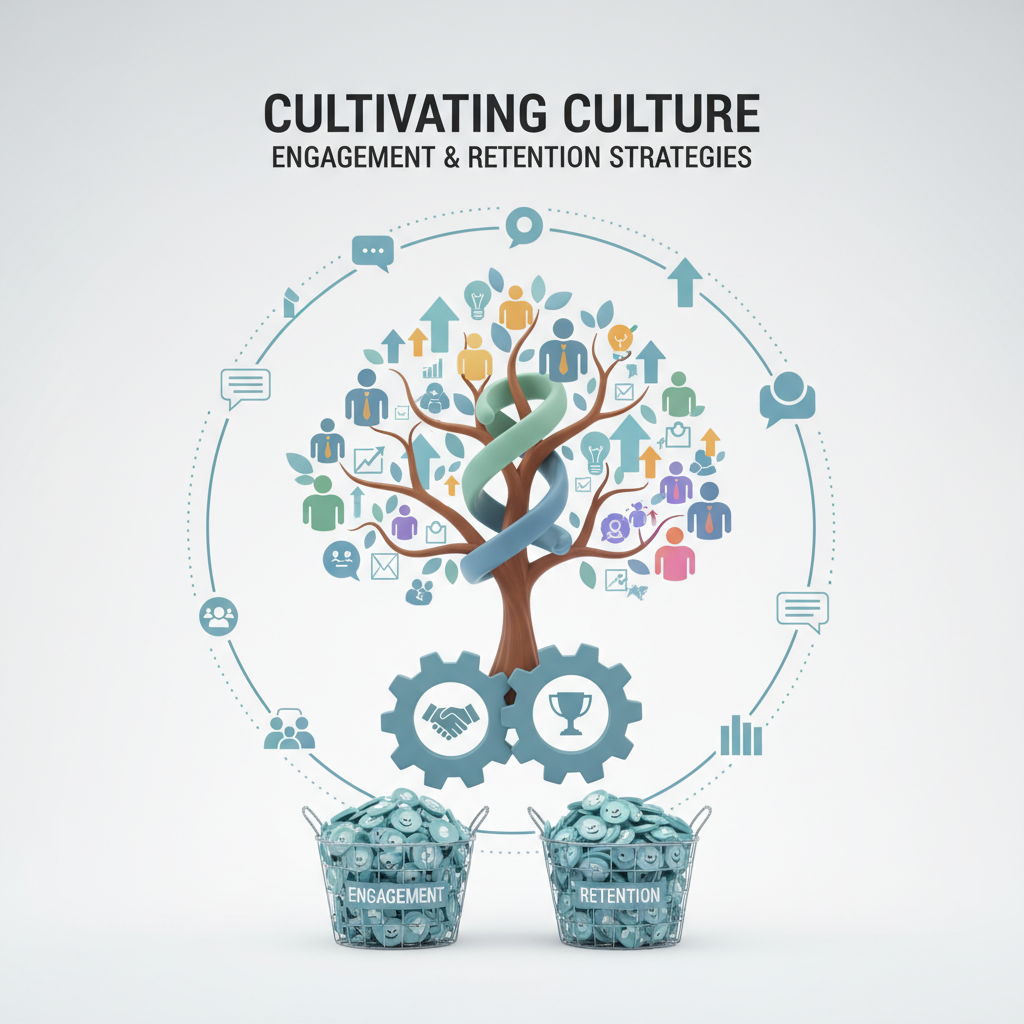
A positive workplace culture is the bedrock upon which successful SMEs are built. It’s the shared values, beliefs, attitudes, and practices that characterize an organization and influence employee behavior. For SMEs, where teams are often smaller and more interconnected, culture can significantly impact morale and productivity. To foster such an environment, start by defining core values that resonate with your mission and vision. These values should guide everything from hiring decisions to daily interactions. Leadership plays a crucial role; CEOs and managers must embody these values and lead by example, promoting transparency, open dialogue, and mutual respect. Encourage psychological safety, where employees feel comfortable sharing ideas, asking questions, and even admitting mistakes without fear of retribution. Regular team-building activities, celebrating successes, and creating opportunities for informal interaction can also strengthen bonds and cultivate a sense of belonging among employees. This foundational culture sets the stage for everything else, making engagement and retention efforts far more effective.
2. Effective Employee Engagement & Communication (Employee Engagement Strategies Malaysia)
Employee engagement goes beyond mere satisfaction; it signifies an employee’s emotional commitment to the organization and its goals. In Malaysia, effective employee engagement strategies are vital for retaining top talent and boosting overall performance. Open and consistent communication is the cornerstone of engagement. Establish clear channels for feedback, whether through regular one-on-one meetings, anonymous surveys, or suggestion boxes. Actively listen to employee input and, crucially, demonstrate that their feedback leads to tangible improvements. Recognition programs, even simple verbal acknowledgements, can significantly boost morale and make employees feel valued for their contributions. Provide opportunities for professional development and growth, showing employees that the company invests in their future. For SMEs, this might involve mentorship programs, online courses, or cross-functional projects that broaden skill sets. Remember, engaged employees are your best advocates and contribute more proactively to the company’s success.
3. Strategies for Employee Retention in SMEs
High employee turnover can be a costly drain on SME resources, impacting everything from recruitment expenses to lost institutional knowledge and decreased productivity. Implementing robust strategies for employee retention is therefore crucial. Beyond competitive compensation and benefits, which are foundational, consider a holistic approach. Offer flexible work arrangements where possible, promoting a healthy work-life balance that is increasingly important to today’s workforce. Invest in career pathing and development plans, showing employees a clear trajectory within the company and fostering a sense of long-term commitment. Create a supportive environment that prioritizes employee well-being, perhaps offering mental health resources or wellness programs. Additionally, conduct exit interviews to understand the reasons employees leave, using this invaluable feedback to refine your retention efforts continually. By strategically focusing on these elements – fair rewards, growth opportunities, and a supportive environment – SMEs can significantly reduce turnover and build a stable, experienced workforce critical for sustained growth.
Partner with Shelby Global
You are looking for reliable HR Sevice Suppliers? Contact Shelby Global Now! To connect with verified talents and upgrade your orginization.
—————————————
References
– Malaysian Labour Laws and Regulations: https://www.mohr.gov.my/en/legislation
– Department of Labour Peninsular Malaysia (JTKSM): https://jtk.mohr.gov.my/
– Department of Labour Peninsular Malaysia – Employment Act 1955: https://jtk.mohr.gov.my/en/undang-undang-sejarah-jtk/akta-akta/akta-kerja-1955-akta-265/
– SHRM: Workforce Planning & Talent Analytics: https://www.shrm.org/resources-and-tools/hr-topics/talent-acquisition/workforce-planning-talent-analytics
– SHRM: Employee Retention Toolkit: https://www.shrm.org/resourcesandtools/tools-and-samples/toolkits/pages/employeeretention.aspx